Investing in land can be a daunting endeavor, laden with risks and uncertainties. However, community support and mentorship can significantly mitigate these risks, providing new investors with the knowledge, confidence, and connections they need to succeed. By engaging with local networks and experienced mentors, investors can gain insights into market dynamics, avoid common pitfalls, and make informed decisions. This article delves into the multifaceted ways community and mentorship contribute to reducing risks in land investing, emphasizing the importance of trust, collaboration, and shared Resources.
How Does Community Support Enhance Land Investing?
Community support enhances land investing by providing a network of resources, shared knowledge, and emotional backing that empowers investors. These interactions foster trust and collaboration, essential for making informed investment decisions.
Understanding Community Dynamics
Community dynamics refer to the interactions and relationships among individuals within a specific area or group. In land investing, understanding these dynamics can provide insights into local preferences, demand for land, and potential growth areas. Investors who recognize the nuances of their community can make better investment choices and engage effectively with stakeholders. This knowledge is crucial for navigating the complexities of local markets.
The Role of Local Networks
Local networks play a pivotal role in land investing by connecting investors with various resources, including real estate agents, contractors, and other investors. These connections often lead to valuable referrals and partnerships that enhance investment opportunities. By tapping into local networks, investors can gain firsthand insights into market trends, pricing, and community needs, which are essential for making informed decisions.
Building Trust Within the Community
Trust is foundational in community-based investing. When investors establish credible relationships within their community, they are more likely to receive support and referrals. Building trust involves consistent communication, transparency, and accountability, which foster a collaborative environment. This environment encourages sharing of resources and knowledge, ultimately reducing investment risks.
What Are the Benefits of Mentorship in Land Investing?
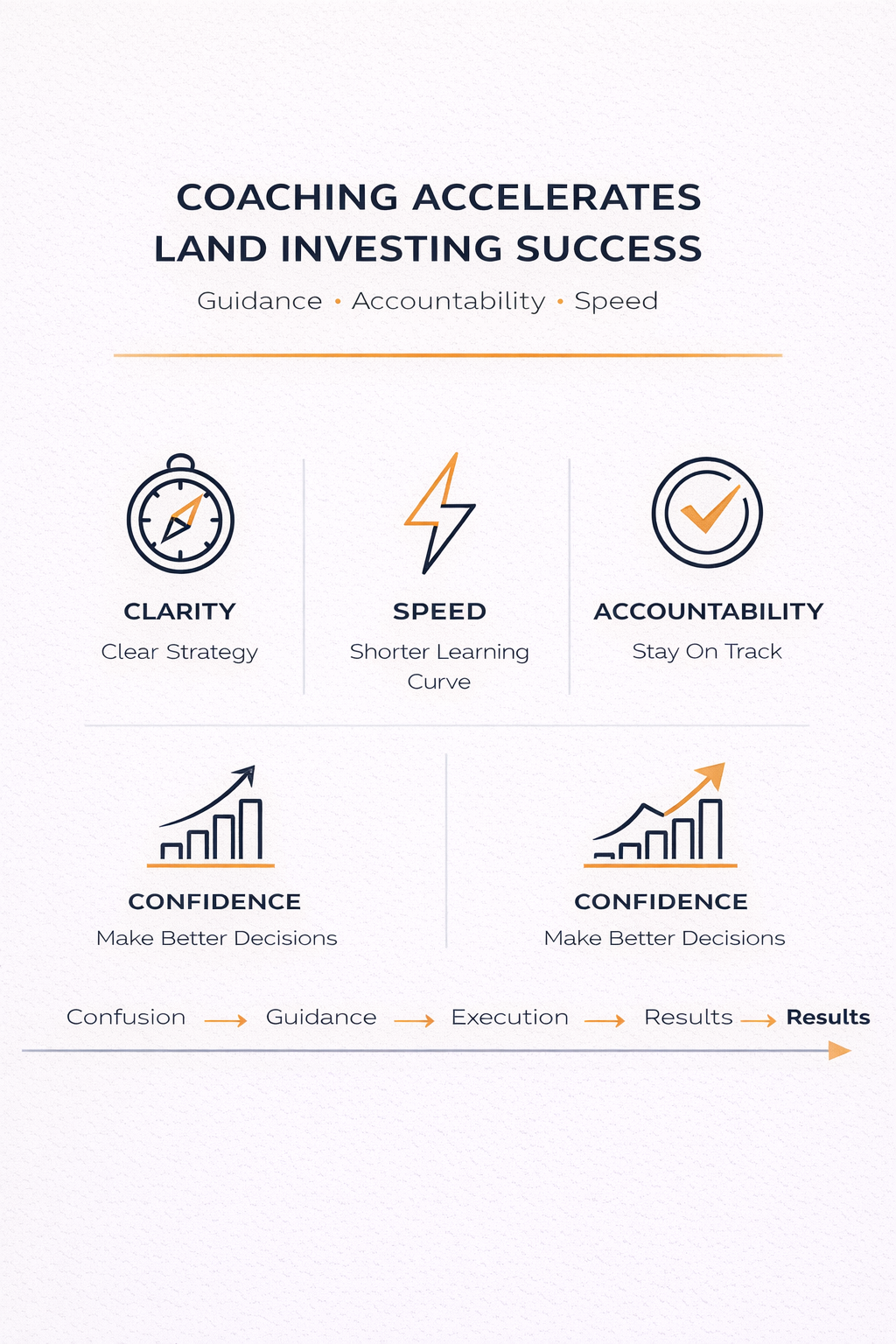
Mentorship in land investing offers numerous benefits, including access to experienced insights, avoidance of common mistakes, and guidance on market conditions. Mentors provide a tailored approach that can significantly enhance an investor’s strategic thinking and decision-making capabilities.
Learning from Experienced Investors
Learning from experienced investors is one of the most significant advantages of mentorship. Experienced mentors can share their personal experiences, providing insights into what strategies have worked, what hasn’t, and why. This wisdom can help new investors avoid costly mistakes and accelerate their learning curve. As a result, mentorship fosters a deeper understanding of the land investment landscape.
Avoiding Common Pitfalls
Many new investors fall into common pitfalls that can jeopardize their investment success. Mentors help identify these potential traps, offering guidance on risk assessment and decision-making processes. By learning from their mentor’s experiences, mentees can develop strategies to navigate challenges more effectively, reducing the likelihood of setbacks in their investment journey.
Gaining Insights on Market Trends
Mentorship provides access to valuable insights on market trends that are often not available through traditional research methods. Mentors can share their perspectives on emerging markets, investment hot spots, and economic indicators that influence land value. This knowledge equips investors with the ability to anticipate market shifts and make proactive investment decisions.
How Can Networking Opportunities Reduce Risk?
Networking opportunities significantly reduce risk in land investing by connecting investors with valuable contacts and resources. Through relationships built at events or online platforms, investors can share experiences, insights, and tips that can lead to smarter investments.
Attending Local Real Estate Meetups
Local real estate meetups are excellent opportunities for investors to connect and share knowledge. These gatherings facilitate discussions about local market conditions, investment strategies, and opportunities for collaboration. By attending these meetups, investors can build relationships with experienced professionals, gain insights into successful practices, and identify potential partners for future investments.
Participating in Online Forums
Online forums provide a platform for investors to connect, ask questions, and share experiences regardless of geographical location. These communities often consist of seasoned investors willing to share their knowledge and insights. Engaging in discussions can help new investors gain diverse perspectives, learn about potential risks, and discover innovative strategies that they may not have considered initially.
Leveraging Social Media for Connections
Social media platforms serve as powerful tools for networking in the land investing community. By joining relevant groups and following industry leaders, investors can stay informed about market trends and investment opportunities. Social media also allows for real-time conversations, making it easier to build relationships and seek advice from experienced investors.
What Resources Are Available Through Community Organizations?
Community organizations offer a wealth of resources for land investors, including educational workshops, expert connections, and investment groups. These resources can provide crucial support and knowledge that enhance investment success.
Access to Educational Workshops
Educational workshops organized by community organizations provide investors with critical knowledge about land investing, market analysis, and financial planning. These workshops often feature industry experts who share their insights and best practices. By participating, investors can improve their skills and become more confident in their investment decisions.
Connecting with Local Experts
Community organizations often have networks of local experts, including real estate agents, appraisers, and financial advisors. By connecting with these professionals, investors can access tailored advice, market insights, and support that align with their specific investment goals. This access to expertise can significantly enhance investment outcomes.
Finding Investment Groups
Investment groups formed through community organizations allow investors to pool resources and share knowledge. These groups often focus on specific types of land investments or geographic areas, making them valuable for investors looking to specialize. Being part of an investment group can also provide a safety net, as members can share risks and collaborate on larger projects.
How Does Sharing Knowledge Mitigate Investment Risks?
Sharing knowledge within a community mitigates investment risks by fostering a culture of collaboration and continuous learning. When investors share their experiences, they create a repository of insights that others can utilize to make informed decisions.
Collaborative Learning Environments
Collaborative learning environments encourage investors to share their successes and failures, creating a rich tapestry of knowledge that benefits everyone. These settings allow for open discussions about investment strategies, market conditions, and risk management. By learning collectively, investors can develop a more nuanced understanding of the complexities of land investments.
Peer-to-Peer Advice
Peer-to-peer advice is invaluable in reducing uncertainty in investment decisions. Investors who share their experiences with peers often identify effective strategies and common challenges. This exchange of information can lead to better decision-making and more successful investment outcomes.
Case Studies from Community Members
Case studies shared by community members provide real-world examples of investment successes and failures. Analyzing these case studies allows investors to learn from others’ experiences, gaining insights into what strategies are effective and what pitfalls to avoid. This practical knowledge is crucial for developing a comprehensive investment strategy.
In What Ways Can Mentorship Provide Emotional Support?
Mentorship offers emotional support that is essential for navigating the challenges of land investing. This support helps investors build confidence, manage stress, and commit to their long-term investment goals.
Navigating Stressful Investment Decisions
Investing in land can be stressful, especially when faced with significant financial decisions. Mentors can provide reassurance and guidance during these critical moments, helping investors evaluate their options and make sound choices. This emotional support is vital for maintaining a clear focus and reducing anxiety during the investment process.
Building Confidence in New Investors
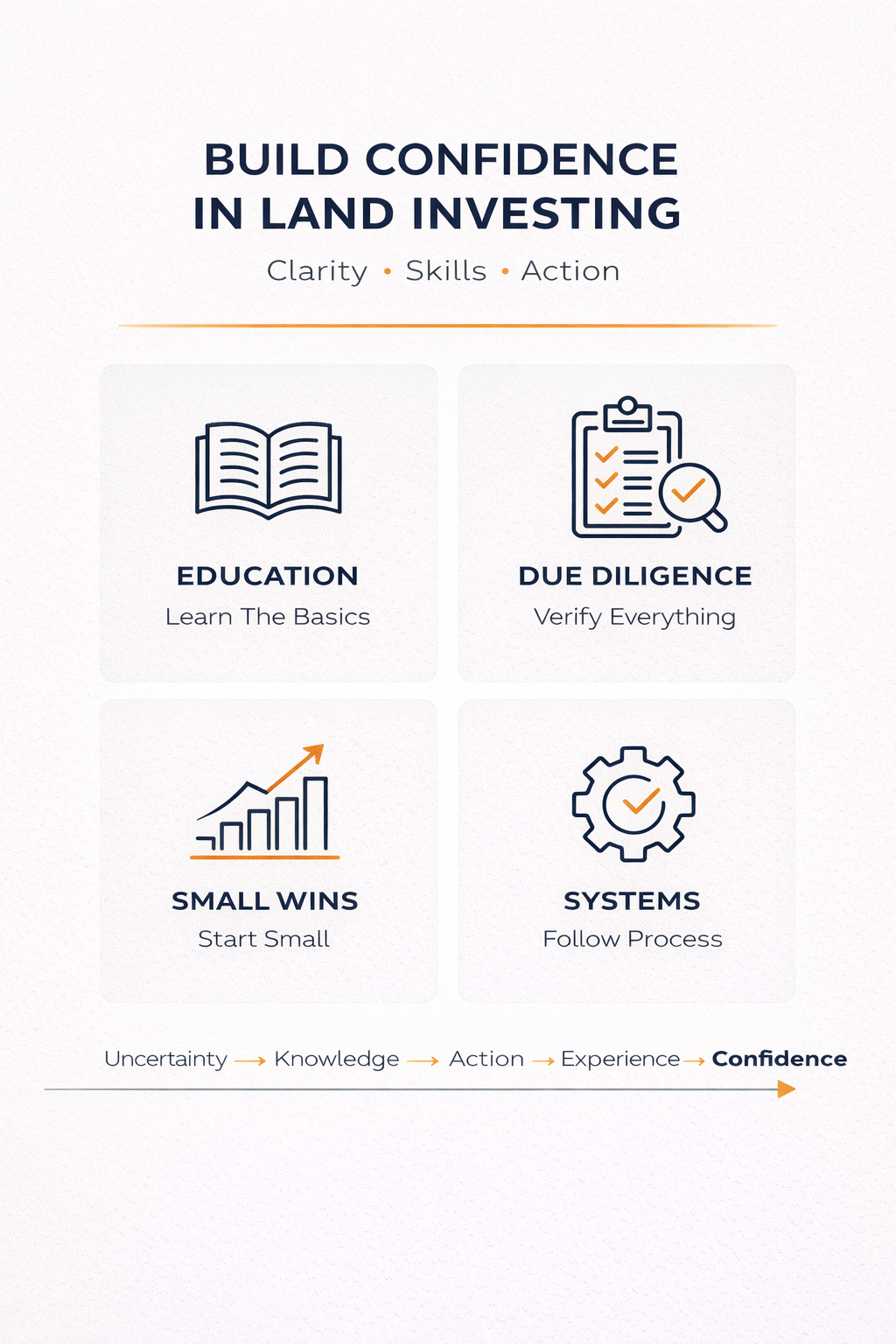
For new investors, mentorship can be a confidence booster. By receiving encouragement and constructive feedback, they can develop a stronger belief in their capabilities. This newfound confidence can lead to a more proactive approach to investment opportunities, ultimately enhancing their success in the market.
Encouraging Long-Term Commitment
Mentors often emphasize the importance of long-term commitment in land investing. By providing emotional support and strategic advice, they help investors stay focused on their goals, even during challenging times. This encouragement fosters resilience and a commitment to their investment journey, which is critical for success.
How Important Is Trust in Community-Based Investing?
Trust is a critical component of community-based investing as it fosters collaboration, transparency, and accountability among investors. Without trust, it becomes challenging to build meaningful relationships that enhance investment success.
Establishing Credibility Among Investors
Establishing credibility is essential for creating trust within the investment community. Investors must demonstrate their expertise and reliability to gain the confidence of their peers. This credibility allows for smoother interactions, better collaboration, and a more supportive investment environment.
Fostering Open Communication
Open communication is a key factor in building trust. Investors who communicate transparently about their intentions, strategies, and challenges are more likely to foster trust within their community. This openness encourages a culture of collaboration, where members feel comfortable sharing information and seeking advice.
Creating Accountability Systems
Accountability systems within a community help ensure that investors follow through on their commitments. These systems can include regular check-ins, goal-setting processes, and performance reviews. When investors hold each other accountable, it strengthens trust and reinforces the commitment to collective success.
What Role Does Accountability Play in Reducing Risk?
Accountability plays a significant role in reducing investment risks by ensuring that investors adhere to their goals and strategies. When investors are held accountable, they are more likely to remain focused and make informed decisions.
Setting Goals with a Mentor
Setting clear, achievable goals with a mentor provides a framework for accountability. Mentors can help investors define specific objectives and establish metrics to measure progress. This goal-setting process encourages investors to stay committed to their investment strategy and reduces the likelihood of impulsive decisions.
Regular Check-Ins and Progress Tracking
Regular check-ins with mentors or accountability partners can help investors stay on track. These sessions provide opportunities to discuss progress, identify challenges, and adjust strategies as needed. By maintaining this level of engagement, investors can better manage risks and make informed decisions.
Peer Review Processes
Peer review processes within investment groups can enhance accountability. By sharing their investment strategies and receiving feedback from peers, investors can refine their approaches and identify potential risks. This collaborative review process fosters a supportive environment where collective wisdom can significantly reduce investment risks.
How Can Mentorship Help Identify Red Flags in Deals?
Mentorship is instrumental in helping investors identify red flags in land investment deals. Experienced mentors can guide investors in recognizing warning signs that may indicate potential pitfalls.
Recognizing Warning Signs
Mentors can teach investors how to recognize warning signs that could indicate an unfavorable investment. These signs may include discrepancies in property valuation, unclear ownership documents, or unusual market trends. By learning to identify these red flags, investors can make more informed decisions and avoid costly mistakes.
Learning Due Diligence Techniques
Due diligence is a critical aspect of land investing, and mentors can provide valuable insights into effective techniques. They can guide investors through the necessary research and analysis required to evaluate potential investments thoroughly. This knowledge enables investors to uncover potential risks and make sound investment choices.
Understanding Market Valuation
Understanding market valuation is essential for identifying red flags in deals. Mentors can share their expertise in assessing property values based on market trends and comparable sales. This understanding allows investors to spot overpriced properties or those with declining value, reducing the risk of making poor investment decisions.
What Types of Mentorship Programs Exist for Land Investors?
Various mentorship programs exist for land investors, ranging from formal structures to informal peer mentoring arrangements. Each type offers unique advantages and can cater to different investor needs.
Formal Mentorship Programs
Formal mentorship programs typically involve structured relationships between seasoned investors and novices. These programs often include scheduled meetings, specific goals, and assessments of progress. Formal mentorship can provide a clear pathway for learning and development, ensuring that new investors receive comprehensive guidance.
Informal Peer Mentoring
Informal peer mentoring allows investors to connect with others at similar stages in their investment journey. This type of mentorship can be less structured but offers flexibility and mutual support. Investors can share experiences, ask questions, and learn from each other, fostering a collaborative learning environment.
Online Mentorship Platforms
Online mentorship platforms provide virtual access to mentors and resources for land investors. These platforms often feature forums, webinars, and one-on-one mentoring opportunities, making it easier for investors to connect regardless of location. Online mentorship can be particularly beneficial for those who may not have access to local resources.
How Can Local Investment Groups Create a Safety Net?
Local investment groups create a safety net by enabling members to pool resources, share knowledge, and collaborate on projects. This collective approach reduces individual risk and enhances overall investment success.
Pooling Resources for Investments
Pooling resources allows local investment groups to leverage collective financial power for larger investments. This collaborative model can lead to opportunities that may be out of reach for individual investors. By sharing resources, members can also reduce their financial exposure, minimizing personal risk.
Shared Risk Among Members
Shared risk is a fundamental principle of local investment groups. When members collaborate on projects, the risks associated with individual investments are distributed across the group. This shared responsibility creates a safety net, as members can support each other in navigating challenges or setbacks.
Accessing Group Negotiation Power
Local investment groups often have greater negotiating power when acquiring properties or securing financing. By presenting themselves as a unified entity, members can negotiate better terms and conditions. This collective bargaining power enhances investment opportunities and reduces overall risk.
What Are the Psychological Benefits of Being Part of a Community?
Being part of a community offers several psychological benefits that can enhance an investor’s experience and success. These benefits include reduced feelings of isolation, a supportive network, and increased motivation.
Reducing Isolation in Investing
Land investing can often feel isolating, especially for newcomers. Being part of a community helps alleviate this sense of isolation by providing a network of like-minded individuals who share similar interests and goals. This connection fosters a sense of belonging and encourages collaboration, which is vital for personal and professional growth.
Building a Supportive Network
A supportive network can significantly impact an investor’s confidence and decision-making. When investors know they can turn to their community for advice, encouragement, or assistance, they are more likely to take calculated risks. This support can lead to enhanced resilience and a stronger commitment to their investment journey.
Enhancing Motivation and Commitment
Being part of a community can boost motivation and commitment to investment goals. The shared experiences and successes of others can inspire investors to push through challenges and stay focused on their objectives. This heightened motivation often translates into more proactive investment strategies and better outcomes.
How Do Community Resources Enhance Your Investment Knowledge?
Community resources significantly enhance investment knowledge by providing access to educational opportunities, market research, and real-world success stories. These resources equip investors with the information they need to make informed decisions.
Workshops and Training Sessions
Workshops and training sessions organized by community groups present valuable opportunities for investors to learn from experts. These sessions cover a range of topics, from market analysis to negotiation tactics. By participating, investors can acquire new skills and strategies that directly apply to their investment endeavors.
Access to Market Research
Accessing market research through community resources can provide investors with critical insights into local trends and dynamics. This information can help investors identify promising investment opportunities and make data-driven decisions. Community organizations often compile and share this research, making it readily available to their members.
Learning from Success Stories
Success stories shared within a community can serve as powerful learning tools. These narratives provide practical examples of how various strategies have led to successful investments. By analyzing these stories, investors can gain insights into effective practices and apply them to their own investment journeys.
What Are the Challenges of Finding the Right Mentor?
Finding the right mentor can be challenging for investors, as it involves identifying specific needs, evaluating potential mentors, and building a constructive relationship. Each of these challenges requires careful consideration and effort.
Identifying Your Needs
Before seeking a mentor, investors must identify their specific needs and goals. Understanding what areas of land investing they wish to improve upon will help narrow down the search for a suitable mentor. This introspection is essential for establishing a productive mentor-mentee relationship.
Evaluating Potential Mentors
Evaluating potential mentors involves assessing their experience, expertise, and compatibility with the mentee’s goals. Investors should look for mentors with a proven track record in land investing and a willingness to share their knowledge. Additionally, considering personality and communication style can help ensure a good fit.
Building a Relationship
Building a successful mentor-mentee relationship requires effort and commitment from both parties. This relationship should be based on trust, open communication, and mutual respect. Investors must be proactive in engaging with their mentors and seeking feedback to foster a productive and supportive dynamic.
How Can Technology Facilitate Community and Mentorship in Investing?
Technology plays a crucial role in facilitating community and mentorship in land investing by providing platforms for connection, communication, and access to resources. These tools can enhance collaboration and learning opportunities for investors.
Using Online Platforms for Connection
Online platforms enable investors to connect with mentors and peers regardless of geographic location. These platforms often feature discussion forums, networking events, and resource-sharing capabilities. By utilizing technology, investors can expand their networks and access diverse perspectives on land investing.
Virtual Mentorship Opportunities
Virtual mentorship opportunities have become increasingly popular, allowing investors to engage with mentors through video calls, webinars, and online courses. This flexibility makes it easier for investors to access guidance and support from experienced professionals, regardless of their physical location. Virtual mentorship can be particularly beneficial for those in remote areas.
Accessing Digital Resources
Digital resources, such as e-books, online courses, and podcasts, provide investors with valuable information at their fingertips. These resources can supplement traditional mentorship and community learning by offering on-demand access to expert knowledge and insights. By leveraging digital resources, investors can enhance their understanding and skills in land investing.
What Is the Impact of Community on Property Value?
The impact of community on property value is significant, as neighborhood trends, community development initiatives, and local amenities can all influence real estate values. Investors must consider these factors when making investment decisions.
Neighborhood Trends
Neighborhood trends play a crucial role in determining property values. Factors such as population growth, economic development, and local demographics can significantly influence demand for land. Investors who stay informed about these trends can make strategic decisions that align with market dynamics.
Community Development Initiatives
Community development initiatives, such as infrastructure improvements and public services, can enhance property values. Investors should pay attention to local government plans and community projects that may positively impact land value. These initiatives often lead to increased demand and higher prices for properties in the affected areas.
Local Amenities and Services
Access to local amenities and services, such as schools, parks, and shopping centers, can greatly influence property values. Communities that offer desirable amenities attract more buyers, driving up land prices. Investors must consider these factors when evaluating potential investments to maximize their returns.
How Does Mentorship Influence Investment Strategies?
Mentorship significantly influences investment strategies by helping investors tailor their approaches to individual goals and risk tolerance. Mentors provide insights that encourage adaptive learning and informed decision-making.
Tailoring Strategies to Individual Goals
Mentors can help investors develop strategies that align with their specific investment goals. By understanding the mentee’s aspirations, mentors can provide targeted advice and recommendations that are more likely to yield success. This tailored approach enhances the investor’s focus and commitment to their objectives.
Understanding Risk Tolerance
Understanding risk tolerance is essential for developing effective investment strategies. Mentors can guide investors in assessing their risk appetite and developing strategies that reflect this understanding. This knowledge ensures that investors pursue opportunities that align with their comfort levels, reducing the likelihood of making impulsive decisions.
Adaptive Learning from Mentors
Mentorship promotes adaptive learning, enabling investors to pivot and adjust their strategies based on market conditions and experiences. Mentors encourage flexibility and open-mindedness, allowing investors to refine their approaches as they gain new insights. This adaptability is crucial for navigating the ever-changing landscape of land investing.
What Are Common Misconceptions About Community in Investing?
Common misconceptions about community in investing often lead to misunderstandings about its true value. Addressing these misconceptions can help investors appreciate the importance of community engagement in their investment journeys.
Assuming Everyone Is Competent
One misconception is that all community members are equally competent in land investing. In reality, experience levels vary significantly, and not everyone may have the same level of knowledge or insight. Investors should approach community interactions with an open mind, seeking to learn from various perspectives while critically evaluating advice.
Believing Community Is Only for Beginners
Another misconception is that community engagement is only beneficial for novice investors. In truth, experienced investors can also gain valuable insights and connections through community interactions. The sharing of knowledge and experiences benefits all levels of investors, fostering a collaborative environment that promotes collective success.
Neglecting the Value of Diverse Perspectives
Some investors may overlook the value of diverse perspectives within a community. Engaging with individuals from various backgrounds and experiences can provide unique insights that challenge conventional thinking. Embracing diversity in community interactions can lead to innovative strategies and improved investment outcomes.
How Can Local Regulations Affect Community-Based Investing?
Local regulations play a crucial role in community-based investing, as they dictate zoning laws, permitting processes, and community engagement. Understanding these regulations is essential for successful investments.
Understanding Zoning Laws
Understanding zoning laws is fundamental for land investors, as these regulations determine how properties can be used. Local zoning laws can impact property values and investment opportunities, making it essential for investors to stay informed. Failing to comply with zoning regulations can lead to costly setbacks and legal issues.
Navigating Permitting Processes
Navigating permitting processes is another critical aspect of community-based investing. Local governments often require various permits for development projects, which can be time-consuming and complex. Investors must understand these processes to ensure compliance and avoid delays in their investment projects.
Engaging with Local Government
Engaging with local government officials can provide investors with valuable insights into community priorities and development plans. This engagement fosters relationships that can lead to more favorable investment conditions. By understanding the local regulatory landscape, investors can align their strategies with community goals, enhancing the likelihood of success.
What Is the Role of Trust in Mentor-Mentee Relationships?
Trust is a foundational element of mentor-mentee relationships, influencing the effectiveness of the mentorship experience. A strong trust bond fosters open communication and mutual respect, enhancing the learning process.
Establishing Rapport
Establishing rapport between mentors and mentees is essential for building trust. This rapport is developed through open dialogue, shared experiences, and mutual understanding. When mentees feel comfortable expressing their thoughts and concerns, they are more likely to benefit from the mentorship experience.
Maintaining Confidentiality
Maintaining confidentiality is crucial in mentor-mentee relationships. Mentors must create a safe space for mentees to discuss their challenges and aspirations without fear of judgment. This confidentiality fosters trust and encourages mentees to be open about their investment journeys.
Setting Clear Expectations
Setting clear expectations at the beginning of the mentorship relationship is vital for establishing trust. Both mentors and mentees should communicate their goals, boundaries, and desired outcomes. This clarity helps prevent misunderstandings and ensures a productive and supportive mentorship experience.
How Can You Cultivate a Successful Mentorship Experience?
Cultivating a successful mentorship experience requires commitment, clear communication, and a willingness to learn. Both mentors and mentees play essential roles in fostering this positive relationship.
Setting Goals Together
Setting goals together establishes a roadmap for the mentorship experience. Mentors and mentees should collaboratively define specific objectives for the relationship, ensuring alignment in expectations. This shared vision enhances accountability and motivates both parties to actively participate in the learning process.
Regular Communication
Regular communication is key to maintaining a successful mentorship relationship. Scheduled check-ins allow for discussions about progress, challenges, and adjustments to strategies. Consistent engagement fosters a supportive environment where both mentors and mentees can thrive.
Seeking Feedback and Adjustments
Seeking feedback is essential for growth in mentorship. Mentees should feel comfortable asking for constructive criticism and suggestions from their mentors. This feedback loop encourages continuous improvement and helps both parties adapt their approaches for optimal success.
What Are the Long-Term Benefits of Community Engagement in Investing?
Long-term benefits of community engagement in investing include building a legacy of knowledge, creating sustainable practices, and fostering future generations of investors. These benefits contribute to a thriving investment ecosystem.
Building a Legacy of Knowledge
Community engagement allows investors to share their knowledge and experiences with others, creating a legacy that benefits future investors. This transfer of knowledge helps cultivate a culture of learning and collaboration, ensuring that valuable insights are passed down through generations.
Creating Sustainable Investment Practices
Community engagement promotes sustainable investment practices by encouraging investors to consider the long-term impact of their decisions. Investors who collaborate with their communities are more likely to focus on responsible land use and development, fostering a positive relationship with the environment and local residents.
Fostering Future Generations of Investors
By engaging with their communities, experienced investors can inspire and mentor the next generation of land investors. This mentorship creates a pipeline of knowledgeable and skilled investors who can contribute to the growth and sustainability of the investment landscape. Investing in future generations ensures the ongoing success of the community and the real estate market.
How Can Diverse Perspectives in Community Reduce Investment Risks?
Diverse perspectives within a community reduce investment risks by encouraging innovative ideas, broadening market insights, and challenging assumptions. This diversity fosters a more comprehensive understanding of the investment landscape.
Encouraging Innovation and New Ideas
Diverse perspectives can lead to innovative solutions and strategies that may not be apparent within a homogenous group. By embracing different viewpoints, investors can think outside the box and explore unique opportunities. This innovation can be a significant advantage in a competitive investment environment.
Broadening Market Insights
Diverse community members bring varied experiences and knowledge, which can enrich market insights. Investors who engage with a range of perspectives can gain access to information that may not be available through traditional channels. This broader understanding helps investors make informed decisions and identify emerging trends.
Challenging Assumptions
Challenging assumptions is essential for successful investing. Diverse perspectives encourage critical thinking and questioning of established norms, leading to more robust decision-making processes. By considering alternative viewpoints, investors can avoid potential pitfalls and develop more effective strategies.
What Are the Financial Advantages of Community Collaboration?
Community collaboration offers financial advantages, including reduced costs through shared resources, opportunities for joint ventures, and enhanced bargaining power. These benefits can significantly impact an investor’s bottom line.
Reduced Costs Through Shared Resources
Sharing resources within a community can lead to significant cost savings for investors. By pooling financial resources, investors can access larger projects or negotiate better terms on purchases. This collaboration reduces individual financial burdens and enhances overall investment potential.
Joint Ventures and Partnerships
Joint ventures and partnerships formed within a community can create lucrative investment opportunities. By collaborating with others, investors can combine their strengths and expertise to pursue larger projects that may be unattainable individually. These partnerships can lead to shared success and reduced risk.
Collective Bargaining Power
Collective bargaining power is a financial advantage gained through community collaboration. By presenting themselves as a unified group, investors can negotiate more favorable terms with sellers, lenders, and service providers. This enhanced negotiating position can lead to better financial outcomes for all members involved.
How Does Local Knowledge Influence Successful Investments?
Local knowledge is a critical factor influencing successful investments, as it provides insights into neighborhood dynamics, up-and-coming areas, and historical trends. Investors who leverage local knowledge can make informed decisions that enhance their investment success.
Understanding Neighborhood Dynamics
Understanding neighborhood dynamics, including demographics, economic conditions, and community needs, is essential for successful land investing. Investors who are attuned to these factors can identify areas with growth potential and make strategic investment choices. This knowledge is invaluable for anticipating shifts in demand and property values.
Identifying Up-and-Coming Areas
Identifying up-and-coming areas requires local knowledge and awareness of emerging trends. Investors who stay informed about local developments, infrastructure projects, and demographic shifts can pinpoint neighborhoods poised for growth. This foresight enables investors to capitalize on opportunities before they become widely recognized.
Leveraging Historical Trends
Leveraging historical trends can provide valuable context for current investment decisions. Investors who analyze past market performance and changes in property values can gain insights into future trajectories. This historical perspective helps investors make informed predictions and enhances their overall investment strategy.
What Is the Value of Shared Experiences in Mentorship?
Shared experiences in mentorship provide valuable learning opportunities, fostering resilience and empathy among investors. These experiences can significantly impact an investor’s growth and success.
Learning from Failures and Successes
Learning from both failures and successes within mentorship relationships enriches the learning process. Mentors who share their challenges and triumphs provide mentees with practical insights that can guide their investment strategies. This understanding of real-world scenarios enhances the mentee’s readiness to tackle similar challenges in their own investment journeys.
Building Resilience Through Challenges
Building resilience is a crucial aspect of successful investing, and mentorship can play a key role in this development. By discussing challenges and setbacks, mentors can help mentees cultivate a resilient mindset, preparing them to navigate difficulties more effectively. This resilience is vital for long-term success in the unpredictable world of land investing.
Fostering Empathy and Understanding
Shared experiences foster empathy and understanding between mentors and mentees. When mentees hear about their mentor’s challenges and successes, they can relate to the emotional aspects of investing. This connection enhances the mentorship relationship and encourages a supportive environment where both parties can thrive.
How Can You Find a Mentor in the Land Investing Community?
Finding a mentor in the land investing community involves leveraging personal networks, attending industry events, and utilizing online platforms. These strategies can help investors connect with experienced professionals who can guide them.
Leveraging Personal Networks
Leveraging personal networks is often the first step in finding a mentor. Investors should reach out to friends, family, and acquaintances involved in land investing to inquire about potential mentorship opportunities. Personal connections can lead to valuable introductions and recommendations.
Attending Industry Events
Attending industry events, such as conferences and seminars, provides opportunities to meet potential mentors face-to-face. These events often attract seasoned investors looking to share their knowledge and experiences. Engaging in discussions and networking at these events can lead to meaningful connections and mentorship relationships.
Utilizing Online Platforms
Utilizing online platforms dedicated to mentorship and networking can simplify the search for a mentor. Many websites and social media groups focus on land investing, allowing investors to connect with experienced professionals. By actively participating in these platforms, investors can identify potential mentors and build relationships that enhance their investment journey.
Mini FAQ
1. How can community support help new land investors?
Community support provides resources, knowledge, and emotional backing, helping new investors make informed decisions and build confidence.
2. What are the key benefits of mentorship in land investing?
Mentorship offers insights from experienced investors, helps avoid common pitfalls, and provides guidance on market trends.
3. How can networking reduce risks for investors?
Networking connects investors with valuable contacts, shares experiences, and facilitates collaboration, reducing risks associated with isolation.
4. What types of resources do community organizations provide?
Community organizations offer educational workshops, connections to local experts, and opportunities to join investment groups.
5. How does accountability play a role in reducing investment risks?
Accountability ensures investors adhere to their goals and strategies, helping them stay focused and make informed decisions.
6. What are the long-term benefits of community engagement?
Long-term benefits include building a legacy of knowledge, creating sustainable practices, and inspiring future generations of investors.
7. How can technology enhance mentorship opportunities?
Technology facilitates connections through online platforms, enabling virtual mentorship and access to a wealth of digital resources.