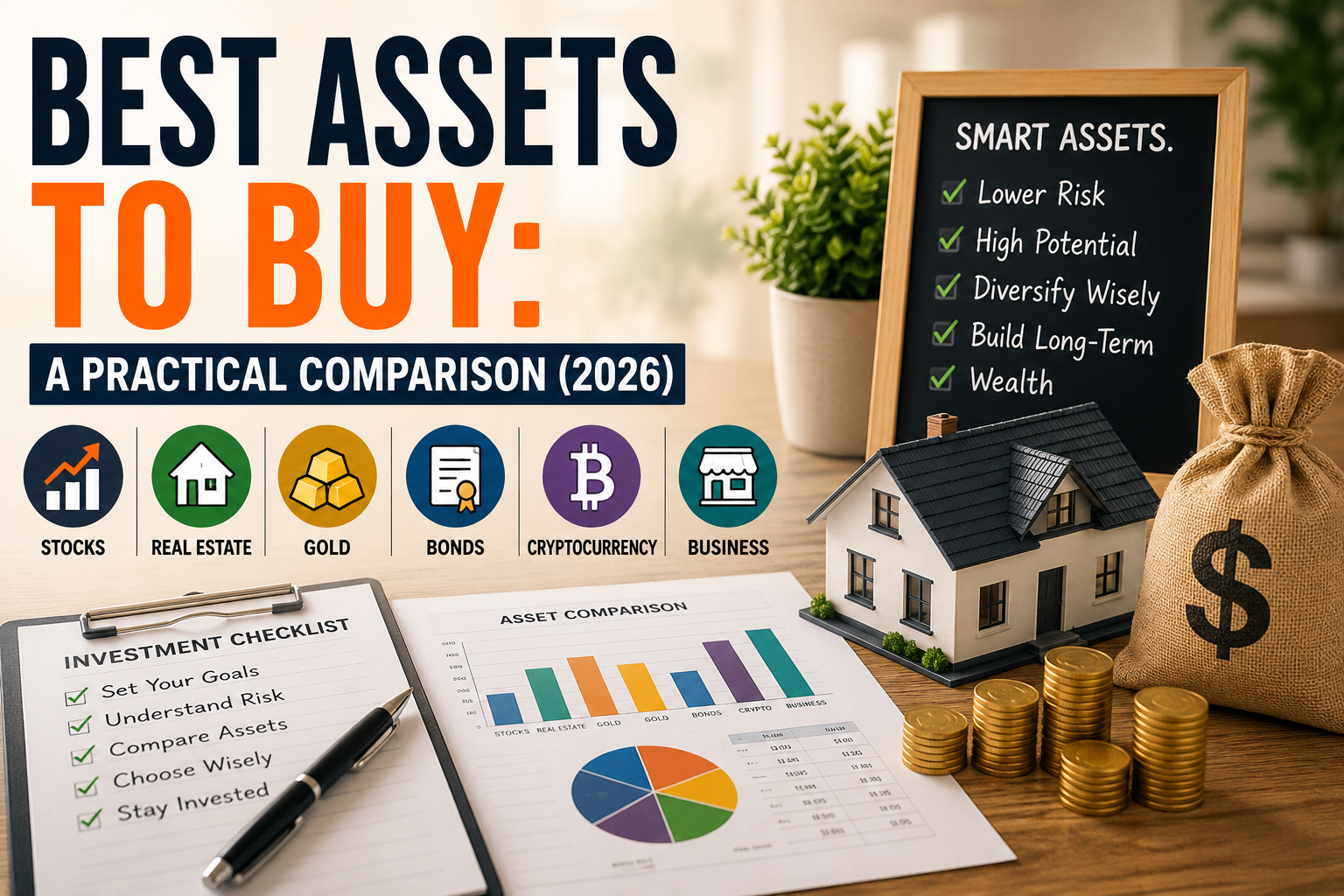
When deciding on the best assets to buy, investors must weigh income potential against risk, liquidity, and management demands. Traditional assets like dividend stocks and bonds offer relatively predictable income and easy liquidity, making them accessible for beginners. Alternative assets,such as rental properties, REITs, and investment land,can diversify income sources but often require more active management and carry greater illiquidity and variability in returns.
The central tension lies in balancing steady income and ease of management with the desire for diversification and potentially higher yields. Understanding your personal financial goals, risk tolerance, investment horizon, and capacity to manage assets is crucial before committing capital to any asset class.
What Are the Best Assets to Buy for a Beginner Investor?
For beginners, assets that combine manageable risk, income potential, and accessible liquidity are generally preferable. Dividend-paying stocks, bonds, REITs, rental properties, and certain types of income-producing land fit this profile to varying degrees. The best choice depends on your comfort with active management, capital availability, and how quickly you may need to access your funds.
Comparing Traditional and Alternative Investments
Traditional assets like stocks and bonds provide higher liquidity and standardized disclosures, with relatively stable income streams and minimal management effort. Alternative investments such as rental properties and land offer diversification and unique income opportunities but involve lower liquidity, higher management complexity, and less transparent information.
| Feature | Traditional Assets (Stocks, Bonds, Cash) | Alternative Assets (Real Estate, Land) |
|---|---|---|
| Liquidity | High; daily trading on exchanges | Low; sales may take months or longer |
| Income Stability | Moderate to high; regulated payouts | Variable; depends on management and market conditions |
| Management Complexity | Low; mostly passive | High; active oversight often required |
| Regulatory Transparency | High; standardized reporting and disclosures | Lower; less standardized and less frequent disclosures |
| Suitability for Beginners | Generally suitable; easier to verify and manage | Requires experience or professional assistance |
Income-Producing Alternatives: Opportunities and Challenges
Rental properties, leased land, REITs, and dividend stocks can generate steady income but differ in risk, liquidity, and management needs. Rental properties require tenant management and maintenance, while land leases may offer less frequent but potentially stable income with lower day-to-day oversight. REITs and dividend stocks provide more liquidity and passive income but are subject to market volatility.
📘 Get Your FREE Land Investing Strategy Guide
Discover how savvy investors build passive income with vacant land.
Rental Properties
Income depends on occupancy, tenant reliability, and local market conditions. Active management or hiring a property manager is typically necessary. Unexpected vacancies or repairs can disrupt cash flow, so budgeting for contingencies is essential.
Investment Land
Income streams may come from agricultural leases, hunting leases, or mineral rights. While land generally requires less frequent management than rental properties, it demands understanding of zoning laws, lease contracts, and local demand. Illiquidity and variability in lease income are key considerations.
REITs and Dividend Stocks
REITs combine real estate exposure with stock-like liquidity and pay dividends from diversified property portfolios. Dividend stocks offer equity income but with market risk. Both require less active management than physical properties or land.
Risk, Liquidity, and Management Tradeoffs
Income-producing alternatives typically involve more operational risk and lower liquidity than stocks and bonds. While traditional assets offer more predictable income and quick access to capital, alternatives may provide higher yields but require active involvement and tolerate longer holding periods.
| Aspect | Stocks & Bonds | Income-Producing Alternatives |
|---|---|---|
| Liquidity | High; public markets | Low; sales can be slow and costly |
| Income Stability | Generally predictable | Variable; depends on tenants and markets |
| Management | Minimal; mostly passive | Active; requires time and expertise |
| Risk | Market and credit risk; transparent | Operational, market, and liquidity risks; less transparent |
Key Due Diligence Steps Before Buying Income-Producing Assets
- Verify ownership and title: Confirm clear, undisputed ownership through official records; unclear title or liens are deal breakers.
- Assess income history or projections: Review lease agreements, dividend records, or financial statements; avoid unsupported claims.
- Estimate ongoing costs: Include taxes, insurance, maintenance, and management fees to understand net income impact.
- Understand tax and legal implications: Consult qualified professionals to anticipate liabilities and compliance requirements.
- Evaluate market conditions: Analyze local demand, vacancy rates, and comparable sales to gauge income stability and exit prospects.
Skipping any of these steps increases the risk of unexpected expenses, illiquidity, or income disruption.
Practical Scenario: Choosing Between Dividend Stocks and Small-Scale Land Investment
Consider a beginner investor with $15,000 seeking regular income and moderate risk. Dividend stocks offer predictable income, high liquidity, and minimal management but carry market risk. Small-scale land investment may generate lease income but involves illiquidity, variable returns, and requires active oversight.
- Income and Risk: Dividend stocks provide more stable income but are subject to market fluctuations. Land income depends on lease contracts and local demand, which can be less predictable.
- Liquidity: Stocks can be sold quickly; land sales may take months, limiting access to funds.
- Management: Stocks require portfolio monitoring; land demands oversight of leases and property condition.
Decision rule: If liquidity and ease of management are priorities, dividend stocks are preferable. If diversification and willingness to manage physical assets are acceptable, land investment may be considered after thorough due diligence.
Walk-away condition: Avoid land investments with unclear title, speculative lease income, or if you cannot tolerate illiquidity.
Next step: Verify dividend history and land ownership, estimate costs, and assess personal management capacity before deciding.
Common Beginner Mistakes in Income-Producing Investments
Beginners often overestimate liquidity, underestimate ongoing costs and management effort, overlook legal and tax complexities, and expect guaranteed income. These errors can lead to cash flow shortfalls and financial losses.
Misconceptions About Income Guarantees
No asset class guarantees income. Tenant defaults, market downturns, or unexpected expenses can disrupt cash flow. Maintaining realistic expectations and contingency reserves is critical.
Ignoring Legal and Tax Factors
Failing to verify title, zoning, and tax obligations can result in costly disputes or penalties. Professional advice is strongly recommended before investing.
Frequently Asked Questions
Can I Start Investing in Income-Producing Assets With Limited Experience?
Yes. Begin with liquid, simpler assets like dividend stocks or small rental properties. Gradually build knowledge and consult professionals to reduce risks.
What Are the Tax Considerations for Different Asset Types?
Tax treatment varies widely. Rental income and land leases may be taxed differently than dividends or interest. Consult qualified tax advisors to understand implications before investing.
How Much Capital Is Typically Needed to Begin Land Investing?
Capital requirements vary by location and parcel size. Smaller parcels may be more accessible but still require budgeting for ongoing costs. Due diligence is essential regardless of investment size.
Are Alternative Investments Riskier Than Stocks and Bonds?
They carry different risks, including lower liquidity and operational challenges, but are not inherently riskier. Evaluating specific risks relative to your capacity to manage them is crucial.
How Do I Verify the Legitimacy of a Land Investment Opportunity?
Conduct thorough title searches, confirm ownership and liens, assess zoning and land use restrictions, and analyze comparable sales. Engage professionals such as real estate attorneys or land specialists to avoid scams or bad deals.
What Role Does Diversification Play in Choosing Assets?
Diversification across asset classes with different liquidity, risk, and income profiles helps balance portfolio stability and resilience, reducing dependence on any single investment type.
This content is for informational purposes only. It does not constitute accounting, financial, or legal advice. Please consult a qualified professional before making decisions based on this information.



