Land Investing

Best Land Geek Student Results: Buyer’s Guide (2026)

Best Land Geek student results reflect the practical successes of individuals who apply land investing strategies with discipline and informed decision-making. Achieving strong outcomes depends on understanding the core land investing process, carefully verifying property details, managing risks, and avoiding common pitfalls. This guide provides a clear decision framework to help investors evaluate land opportunities effectively, maximize their returns, and avoid costly mistakes when considering land flipping courses or investments in 2026.

To deepen your understanding of the market, explore essential principles of investing investing fundamentals.

Readers will learn what distinguishes the top Land Geek student successes, how land investing works in practice, what factors to verify before buying or selling, and how to proceed with confidence based on controlling facts,not just general advice.

Applying this knowledge is essential to making land investments that align with your goals and financial parameters while managing risk efficiently in today’s market.

What Are the Best Land Geek Student Results?

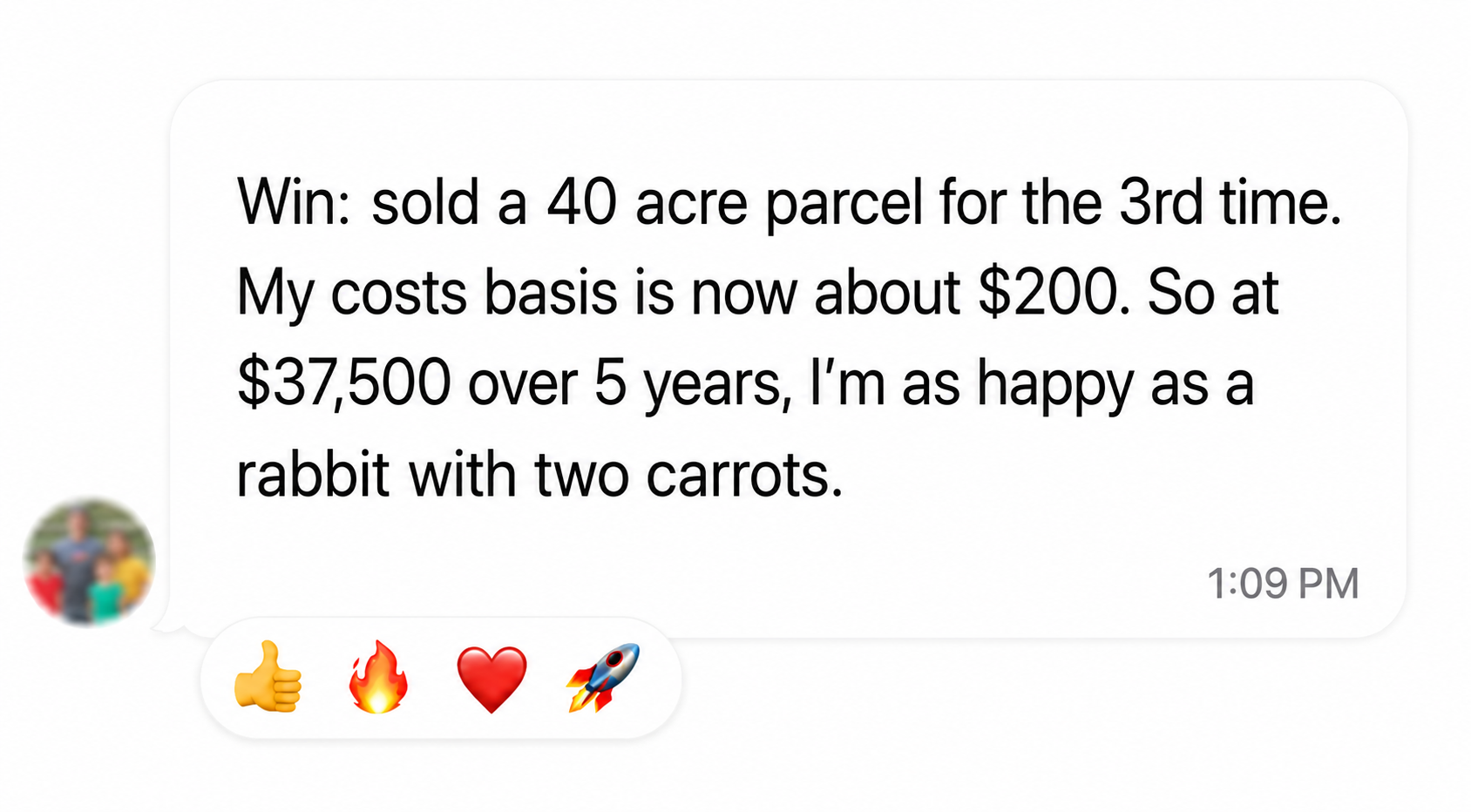
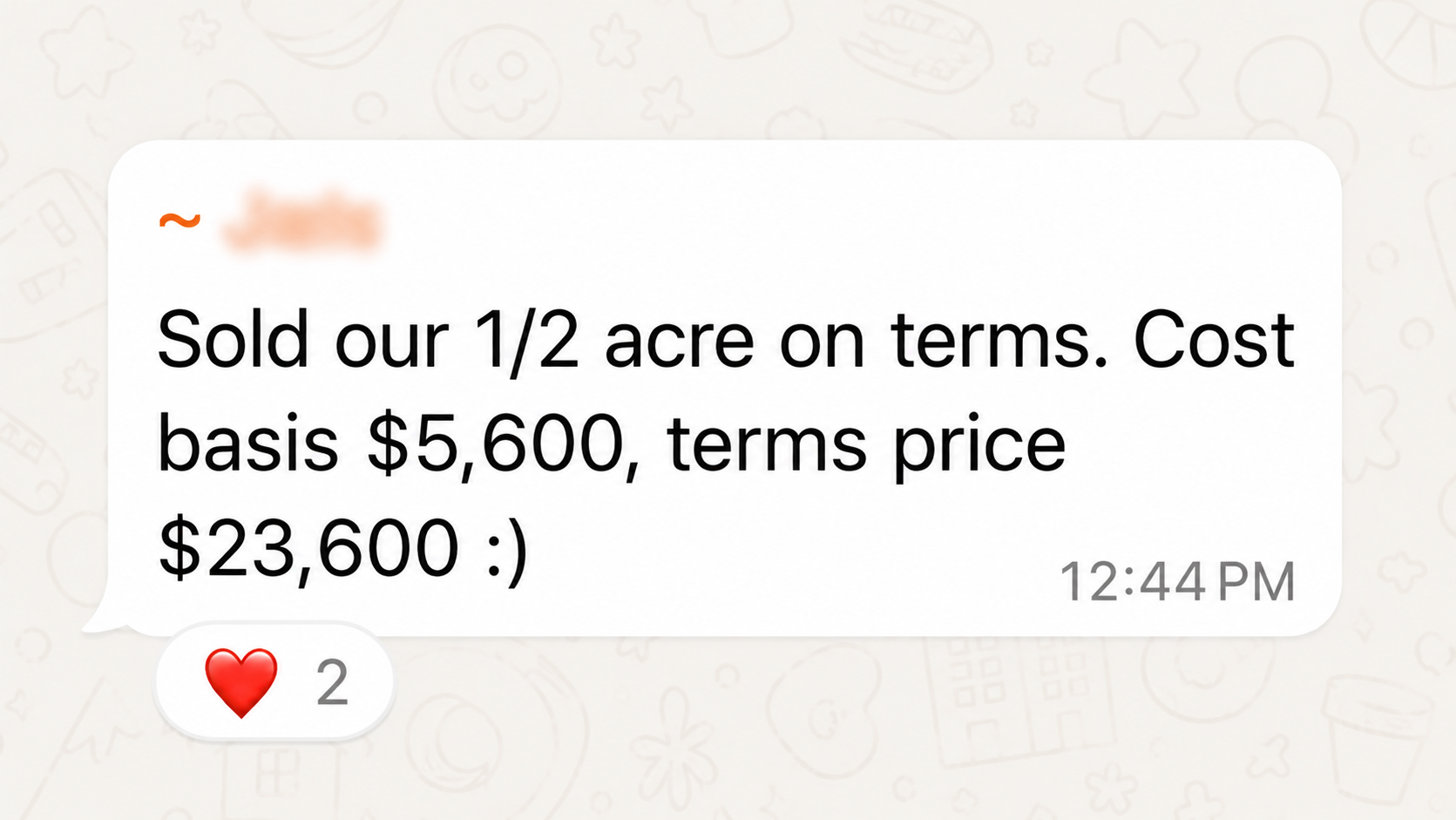
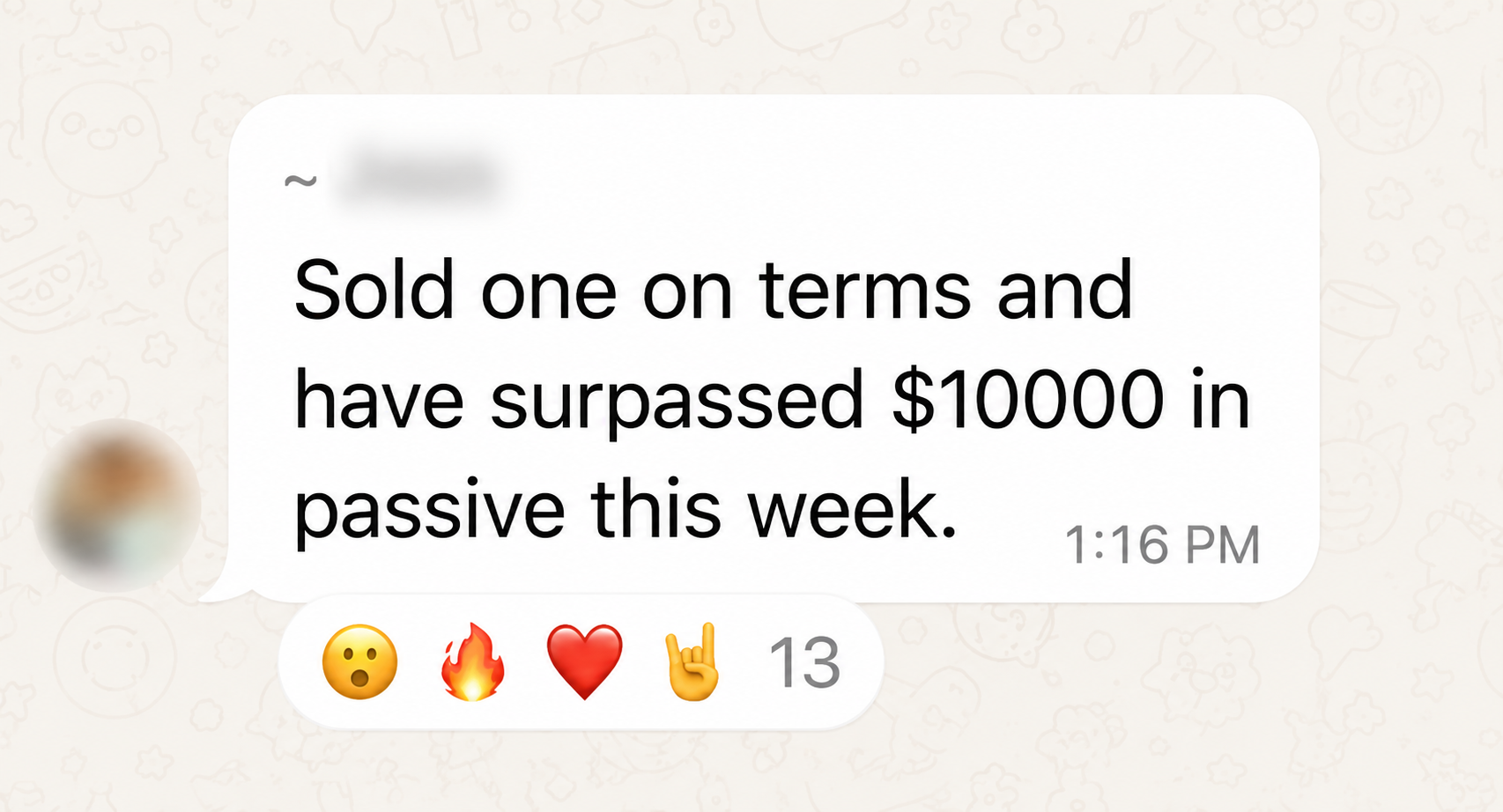
The best Land Geek student results showcase students who consistently close profitable land deals by following systematic investing strategies and due diligence protocols. These investors often increase their capital by buying undervalued parcels and reselling at a premium, capitalizing on market dynamics and attention to detail.

Understanding what these strong results look like helps set realistic expectations and benchmarks for your own land investing journey. Typical successful students reliably close multiple land transactions within a year, generating positive cash flow and scaling their portfolio intelligently. Their success stems from mastering risk management, negotiation skills, and thorough property research.

To evaluate whether a program or strategy can deliver similar outcomes, verify the type of training it offers around sourcing deals, legal checks, market analysis, and exit strategies. Student results should be supported by clear processes that guide decision points, not just anecdotal claims. Red flags include promises of guaranteed quick profits or insufficient emphasis on due diligence steps.

How Does Land Investing Work?

Land investing involves purchasing undeveloped or underutilized parcels with the intent to sell them later for a profit or develop them for specific uses. The fundamental approach is to identify properties priced below their market potential due to factors like poor marketing, distress sales, or overlooked attributes.

This process requires careful analysis of each parcel’s legal status, physical condition, zoning, and market demand. Investors typically buy in cash or through creative financing, then sell under terms that maximize their profit margin. Understanding the various land types and market players,as well as the importance of due diligence,is critical before making an offer.

Verify the parcel’s compliance with local zoning laws via county planning offices and check title records with a reputable title company to uncover liens or restrictions. If access to roads or utilities is unclear, investigate the county’s property access records or conduct a site visit. Red flags such as unresolved access issues, restrictive zoning, or contaminated soils should cause you to adjust your offer or walk away.

What Is Vacant Land and Why Invest in It?

Vacant land refers to undeveloped property without buildings or significant improvements. It can range from small residential lots to large agricultural tracts. Investing in vacant land presents an opportunity to acquire property at lower entry prices with potential appreciation tied to development or demand shifts.

Investors benefit from lower carrying costs, minimal maintenance, and flexible end uses,whether resale, holding, or future development. However, vacant land investments require careful evaluation of legal access, permitted usage, environmental issues, and market trends.

The key verification steps include checking zoning restrictions at the local planning department, confirming legal access with recorded easements or public road frontage, and ordering environmental assessments if contamination is a concern. Lack of legal access, undesirable zoning, or environmental red flags should prompt reconsideration or renegotiation of terms.

How Can You Buy Land Effectively?

Buying land effectively centers on defining clear investment objectives, conducting thorough due diligence, and negotiating from an informed position. Start by identifying intended use,short-term flip, long-term hold, development, or income-generation,as it shapes what property features matter most.

Next, research multiple parcels in your target area using county records, land listing sites, and local agents specializing in land. For each parcel, verify title status, zoning compliance, access, usable acreage, and physical conditions through local offices or by engaging professionals. Only submit offers supported by this verified information.

Negotiation should reflect your due diligence findings and market conditions. Avoid overpaying based on optimism alone. A strong negotiation approach includes presenting comparable sales evidence and accommodating seller motivations such as quick closing or flexible payment terms. Be prepared to walk away if essential property facts don’t check out.

What Are the Best Strategies to Sell Land?

The best land selling strategies combine clear property preparation, transparent marketing, and professional closing processes. Enhance appeal by clearing the property, addressing boundary ambiguities with a survey, and compiling authoritative documents like title reports and zoning confirmations to instill buyer confidence.

Market the land using detailed online listings with accurate descriptions and high-quality images. Engage local agents experienced in land sales and consider hosting site visits or open days to attract serious buyers. Understanding your target buyer,whether developers, investors, or recreational buyers,is crucial for tailoring your sales approach.

At closing, work with a reputable title company to conduct a title search, prepare deeds, and resolve any liens or encumbrances uncovered. Negotiate contingencies carefully to avoid delays or surprises. A smooth, well-documented transaction builds credibility for future deals.

What Is Due Diligence in Land Investing?

Due diligence is the thorough investigation of a property’s legal, physical, and financial condition before purchase, ensuring informed decision-making and risk mitigation. Proper due diligence prevents acquiring parcels with hidden liabilities or limited value.

Key steps in due diligence include obtaining a title report to verify ownership and liens, reviewing local zoning laws to confirm permitted uses, assessing environmental records to detect contamination, and verifying physical access and utility availability. Site visits are recommended to detect issues not observable from records.

Neglecting any step can result in costly errors. For example, ignoring zoning may mean your intended use isn’t allowed, or unrecognized easements might block access. Always confirm findings with county records, professional surveys, and title companies. Red flags uncovered during due diligence should trigger renegotiation or walk-away decisions.

What Are the Common Mistakes in Land Investing?

Common land investing mistakes include insufficient due diligence, ignoring zoning restrictions, failing to verify access, overestimating resale value, and underestimating carrying costs like taxes or maintenance.

These mistakes often lead to financial loss or long holding periods without profit. Avoid them by systematically verifying every material fact,title, zoning, access, environmental conditions, and true market comparables,before committing funds.

Another frequent error is emotional buying based on optimism rather than facts. Maintaining discipline, setting clear criteria, and following a repeatable process helps prevent this. When doubts arise during verification, pause and reconsider rather than rushing to close.

What Costs Are Involved in Land Investing?

Costs in land investing include the purchase price, closing costs (title insurance, recording fees, realtor commissions), due diligence expenses (surveys, environmental tests), property taxes, insurance, and maintenance.

Initial closing costs vary by state and transaction but can add several percentage points to the purchase price. Ongoing property taxes depend on local tax rates and assessed value, directly affecting holding profitability. Maintenance may be minimal but should be budgeted for, especially for larger or more remote parcels.

Hidden costs to watch for include expenses related to zoning changes, environmental remediation, or legal disputes. Sellers closing costs, marketing, and resale commissions also impact net returns. Always incorporate these into your financial model and verify specifics with local counsels and tax assessors.

What Risks Should You Be Aware of in Land Investing?

Risks include market fluctuations, zoning or regulatory changes, environmental issues, unclear access, and illiquidity. Market risk affects resale price timing and magnitude. Regulatory risks can limit intended land use or force costly compliance.

Environmental contamination may require expensive cleanup or make a parcel unsellable. Access risk stems from parcels without legal ingress. Illiquidity arises from the limited pool of buyers for raw land, potentially extending holding periods.

Mitigate these risks by conducting detailed due diligence, diversifying holdings, keeping abreast of local laws, and having contingency plans. Verify all risks via official records, environmental assessments, and legal counsel opinions. Presence of unresolved access or contamination issues are grounds for walking away or adjusting your offer accordingly.

What Decision Criteria Should You Use for Land Investments?

Effective decision criteria include verifying legal access, confirming zoning allowances align with intended use, evaluating comparable recent sales to establish value, assessing usable acreage and topography, and considering proximity to growth areas or amenities.

Set personal investment goals around acceptable risk, time horizon, and return expectations. Use due diligence findings to screen out properties that fail any crucial test (e.g., no legal access). Set walk-away thresholds for excessive unknown risks or costs.

This structured approach reduces emotional bias and improves consistency. Adjust criteria by location, intended use, and market segment,for example, agricultural land buyers may prioritize soil quality over proximity to roadways.

How Do Market Trends Affect Land Investing?

Market trends influence supply and demand, affecting land values and liquidity. Economic growth, population shifts, infrastructure developments, and zoning changes drive these trends.

Investors should monitor regional demographic data, local government plans, and real estate activity through official sources and industry reports. Rising demand areas may offer appreciation potential, while declining regions pose challenges.

Use trend analysis as one input; always verify parcel-specific facts regardless of broader trends. For instance, a growing area can still have parcels with limited access or restrictive zoning that limit value.

What Are the Tax Implications of Land Investments?

Land investors must understand property taxes, capital gains taxes on sales, and potential deductions or deferral mechanisms, which vary by jurisdiction. Property taxes are tied to assessed value, affecting carrying costs.

Capital gains taxes apply upon sale; strategies like 1031 exchanges may defer taxes, but applicability depends on circumstances and professional advice. Keep detailed records of purchase, improvements, and sale transactions for accurate tax reporting.

Consult a qualified CPA or tax advisor to understand tax responsibilities specific to your situation and jurisdiction. Avoid relying solely on general statements about tax benefits or protections.

How Can You Finance Your Land Investment?

Land financing options include traditional bank loans, seller financing, and private lenders. Traditional loans often require higher down payments and have stricter qualification requirements. Seller financing offers flexibility but requires careful contract review. Private loans can be faster but costlier.

Preparing for financing means gathering financial documentation, ensuring creditworthiness, and understanding lender requirements. Evaluate the pros and cons of each option based on your investment plan and risk tolerance.

Always verify loan terms in writing and consult financial advisors or lenders familiar with land financing before committing. Financing conditions can vary greatly by state and property type.

What Role Does Location Play in Land Investing?

Location affects demand, access, zoning, and future appreciation potential. Proximity to infrastructure, population centers, and amenities typically increases value and resale ease.

Evaluate location by researching local economic conditions, planned developments, demographic trends, and zoning statutes. Local planning departments and economic development offices provide authoritative data.

Investors should weigh location factors relative to their strategy: a long-term hold may prioritize growth corridors, while a short-term flip may target undervalued areas with immediate resale prospects.

What Are the Best Resources for Land Investors?

Valuable resources include specialized educational materials explaining land investing fundamentals, networking platforms for peer insights, and analytical tools for property evaluation. Trusted courses and books focused on land investing offer step-by-step guidance backed by actual investor experience.

Networking,whether online or through local groups,can uncover deal opportunities and mentorship. Software tools help organize property data and model financial scenarios but must be supplemented by on-the-ground verification.

Focus on resources that emphasize verification actions, legal considerations, and practical workflows relevant to your intended market and property type.

What Are Frequently Asked Questions About Land Investing?

Common questions cover topics such as how to finance land purchases, how to conduct due diligence, how to evaluate land value, and the tax implications involved.

Clear answers to these questions often require referencing local laws, consulting professionals, and conducting property-specific research. Avoid generic answers and focus on actionable next steps tailored to your situation.

Staying informed through reputable educational sites and consulting experts when uncertain is essential for minimizing risk and making confident decisions.

Final remarks

The strongest Land Geek student results come from disciplined application of systematic land investing, grounded in thorough verification and cautious decision-making. Embrace a clear framework that prioritizes controlling facts such as legal access, zoning, title status, market comparables, costs, and risks.

Apply rigorous due diligence, establish disciplined walk-away criteria, and adjust your strategies based on verifiable information. This approach leads to improved investment outcomes over guesswork or optimism.

For a practical next step aligned with these principles, consider the Dirt Rich book or explore Land Geek coaching to gain structured training and mentorship.

Land Geek Student Results 2026: Buyer’s Guide

Understanding the actual results of Land Geek students in 2026 requires more than looking at general success stories; it demands a clear framework for evaluating land investing opportunities, risks, and processes. This guide provides practical insights into how land investing works, what affects profitability, and how to appropriately verify facts before committing to a purchase or sale. By focusing on key decision points and verification methods, you can avoid costly mistakes and approach land investing with confidence.

Whether you’re considering joining a land investing program or making your first purchase, knowing how to interpret Land Geek student results helps you separate realistic outcomes from hype and align your strategy with proven, practical steps.

The following sections cover essential topics to help you understand what influences land investing results and what you should confirm before proceeding in 2026.

What Are the Land Geek Student Results for 2026?

The Land Geek student results for 2026 show that, with appropriate education and due diligence, students have achieved notable successes in purchasing and selling vacant land. These outcomes include substantial returns on investment in certain suburban and rural areas, often through strategies that emphasize thorough market analysis and scrupulous property evaluation.

For those interested in expanding their knowledge, investing offers essential insights into the fundamentals and strategies involved.

While these results illustrate the potential of land investing, your success depends on careful verification of property-specific facts and market conditions rather than relying solely on general program claims.

To evaluate these results in your context, verify recent transactions for similar parcels in your target area using county records, look for completed sales prices, and assess how those properties align with your intended use and risk tolerance. A red flag is any result that assumes automated profits without due diligence on zoning or title status.

Overview of Results

Students in 2026 report improved success rates and profitability, especially in areas that match their investment criteria such as growth potential and manageable risk. Sales often concluded faster due to effective marketing and negotiation tactics taught in the program.

Before assuming these results will replicate in your case, confirm that the target property has comparable characteristics,usable acreage, legal access, and clear title,and ensure that local market demand supports the intended exit strategy.

Key Metrics

The metrics shared indicate average ROI figures exceeding 30%, increased transaction volume, and enhanced confidence among students in evaluating land. These statistics are meaningful as indicators of what disciplined land investing can achieve when based on verified facts.

However, verify metrics by accessing public county sales data and title records to confirm similar returns are attainable in your focused region and property type. An unexplained variance from these benchmarks warrants further investigation and adjustment of your expectations.

Success Stories

Success stories vary from flipping parcels quickly to developing land that legally increases in value, often through understanding zoning intricacies and applying thorough market research. They underline the importance of precise verification over guesswork.

Use these narratives to identify practical lessons: before assuming a profit opportunity, confirm zoning permissions with local planning departments and consult title companies to ensure ownership clarity. These steps reduce the risk of surprises and enable smart offer adjustments or walk-away decisions.

What Is Land Investing?

Land investing is the practice of acquiring land parcels specifically for resale, development, or holding until appreciated value can be realized. It differs from other real estate sectors by generally requiring less initial capital and little maintenance, but success hinges on verifying the parcel’s usability and title status before purchasing.

Recognizing the specific land investment type you’re pursuing,whether raw land, infill lots, or agricultural parcels,is critical, as each carries distinct risks and opportunities affecting your decision-making process.

Definition of Land Investing

Land investing involves purchasing undeveloped or developed land to sell at a profit later or to develop to increase its value. Key decision drivers include location, legal access, zoning, and market demand. This investment requires comprehensive fact verification to avoid buying inaccessible or restricted parcels.

Always verify land classification and permitted uses with county zoning offices before considering an offer. A parcel with unknown or restrictive zoning can dramatically alter intended use, necessitating an adjusted or withdrawn offer.

Types of Land Investments

Common land investment types include:

  • Raw Land: Unimproved land requiring further investment to add access or utilities. Verify physical access and development constraints.
  • Infill Lots: Vacant parcels within built-up areas with existing utilities. Confirm local zoning and potential building restrictions carefully.
  • Agricultural Land: Used for farming or ranching. Check soil quality and any agricultural preservation covenants.

Your specific investment goal will dictate which type suits your needs and what verification steps are necessary.

Benefits of Investing in Land

Land investing can offer benefits such as potential appreciation, lower maintenance and holding costs, and fewer tenants or management headaches compared to residential real estate. However, the biggest benefit translates to your verified ability to resell or develop the land at a profit.

Always verify anticipated appreciation with recent local sales trends and projected zoning changes. Skip deals with unclear development potential or inaccessible land to avoid draining resources on low-return investments.

How Do You Buy Land?

Buying land involves identifying suitable parcels, verifying legal and physical conditions, arranging financing, and submitting an offer contingent on your due diligence findings.

Each step should include specific verifications that directly influence your offer and investment plan.

Researching Available Land

Begin with online county databases, real estate listings, and government records to identify parcels matching your criteria. Then conduct preliminary verification of ownership and zoning.

Plan site visits to confirm physical access, terrain conditions, and obvious encumbrances. Avoid parcels without legal road access or with unresolved title issues to reduce risk.

Financing Your Purchase

Land loans often differ from traditional home loans, typically requiring higher down payments and shorter terms. Seller financing can be an alternative if offered.

Before committing, review your financing terms carefully and confirm with lenders or sellers the conditions and possible penalties. The presence or absence of financing options directly affects your purchasing ability and project feasibility.

Making an Offer

Set your offer price based on recent comparable sales, adjusted for land features, legal status, and intended use. Include contingencies for title clearance, zoning confirmation, and environmental checks.

A strong offer protects you by enabling withdrawal if due diligence uncovers unresolvable issues or unexpected costs.

What Is the Process of Selling Land?

Selling land requires preparing the parcel for viewing, marketing it strategically, and completing the transaction with clear title and all documentation in order.

Preparation and marketing affect sale speed and price, while proper closing ensures the transfer of ownership without surprises.

Preparing Your Land for Sale

Clear liens, confirm zoning compliance, and ensure the parcel is accessible. Gather all relevant documents like surveys and title reports to provide to buyers.

Failure to prepare properly may deter buyers or cause delays in closing.

Marketing Your Property

Use online listings with quality photos and detailed, accurate descriptions highlighting key features and legal uses. Consider targeted advertising in local real estate forums or with agents experienced in land sales.

Effective marketing attracts the right buyers and shortens time on market.

Closing the Sale

Involve title companies or attorneys to conduct title searches and handle funds escrow. Confirm the buyer’s financing is secured and all sale conditions have been met before final signatures.

A smooth closing reduces risk of disputes and ensures clean transfer of ownership.

What Is Vacant Land?

Vacant land is undeveloped land not currently built upon or used. Understanding its zoning, access, and local development rules is essential for assessing investment potential.

Definition of Vacant Land

Vacant parcels vary widely,from remote acreage with no utilities to accessible infill lots. Their value and usability depend heavily on location and regulations.

Verify the land’s classification with local planning offices and confirm actual usability on site.

Uses of Vacant Land

Uses include: residential or commercial development, agriculture, recreational purposes, or speculative holding. Confirm permitted uses by reviewing zoning maps and contacting county regulators.

Market Trends for Vacant Land

Areas experiencing population growth typically see increasing vacant land values. Remote or restricted-use parcels may not appreciate similarly. Use local economic data and planning forecasts to verify market trends before investing.

What Is Due Diligence in Land Investing?

Due diligence means the thorough investigation of the property to confirm ownership, legal uses, and physical conditions before purchase, thereby mitigating risk.

Importance of Due Diligence

This step uncovers potential deal breakers such as liens, access problems, or zoning restrictions that can otherwise result in buyer losses.

Always complete due diligence before finalizing an offer.

Steps in Due Diligence

  • Obtain a title report to confirm ownership and identify liens or easements.
  • Review zoning and land use restrictions with local authorities.
  • Conduct a physical inspection of access, terrain, and boundaries.
  • Check for environmental hazards or special assessments.

Engage professionals such as title companies, surveyors, and local planners as needed.

Common Due Diligence Mistakes

Skipping title checks, ignoring zoning laws, and failing to inspect access or physical conditions are frequent errors that can cause significant financial damage.

Avoid these mistakes by following a structured due diligence checklist tailored to the specific parcel.

What Are Common Mistakes in Land Investing?

Common land investing mistakes include ignoring zoning laws, inadequate market research, and failing to budget for all costs, which undermine investment success.

Overlooking Zoning Laws

Not confirming if the intended use complies with local zoning can derail plans and reduce land value drastically. Always verify with the zoning office and obtain written confirmation if possible.

Ignoring Market Research

Failing to analyze local supply, demand, and sales trends may result in purchasing land with little resale potential or in declining markets.

Base decisions on recent comparable sales and local economic data to avoid overpaying.

Underestimating Costs

Not accounting for taxes, maintenance, closing fees, or potential development costs can put stress on your cash flow and erode profits.

What Are the Costs Associated with Land Investing?

Costs include the purchase price, closing fees, ongoing property taxes, maintenance expenses, and potential development or permitting costs.

Accurately estimating these expenses before purchase ensures realistic financial planning and helps set proper offer limits.

Initial Purchase Costs

These include price, closing costs, title insurance, and any inspection fees. Confirm exact amounts via seller disclosures and title company estimates.

Ongoing Maintenance Costs

Property taxes can vary greatly by county and land type; verify rates with local tax assessors. Maintenance may include weed control, fence repairs, or clearing access roads.

Selling Costs

Account for agent commissions, closing expenses, and possible tax liabilities on profits. Plan these into your exit strategy.

What Risks Are Involved in Land Investing?

Risks range from fluctuating market prices to legal complications and environmental liabilities, all requiring thorough verification and mitigation planning.

Market Fluctuations

Land value changes with local economic cycles, infrastructure developments, and demographic shifts. Assess market stability and trends before purchasing.

Legal Issues

Title defects, zoning changes, or easements can impair land usability. Always perform title searches and confirm regulatory compliance.

Environmental Concerns

Unknown contamination or natural hazard liabilities can result in costly remediation. Obtain environmental assessments for parcels with industrial or agricultural history.

What Decision Criteria Should You Use for Land Investing?

Use criteria focused on intended use, legal compliance, physical features, and market demand to evaluate investment suitability objectively.

Location Considerations

Prioritize parcels with legal access, compatible zoning, and proximity to infrastructure or growth areas that support your plans.

Investment Goals

Define your objective: quick resale, development, or holding for appreciation. Your criteria will differ depending on your time horizon and risk tolerance.

Market Demand

Buy in areas with demonstrated demand for the type of land use you plan. Local economic studies and buyer inquiries can indicate market health.

How Do You Assess Land Value?

Start with a comparative market analysis (CMA) using recent sales of similar parcels, then adjust for differences in access, zoning, amenities, and terrain.

Comparative Market Analysis

Gather sales data from county records and real estate listings for comparable size, location, and use. Adjust prices for access and topography differences.

Land Features and Improvements

Features like road frontage, utilities, and terrain quality add value. Improvements such as fencing or cleared areas can justify higher offers.

Future Development Potential

Zoning changes, infrastructure plans, or nearby developments can increase future value. Verify planned developments and zoning regulations with local planning offices.

What Are the Best Strategies for Land Investing?

Choose between long-term holds for appreciation or short-term flips based on your goals, available capital, market knowledge, and risk tolerance.

Long-Term vs. Short-Term Investments

Long-term investments require patience and focus on growth areas, whereas short-term flips need market agility and precise pricing to maximize quick returns.

Creative Financing Options

Explore seller financing or partnerships to reduce upfront capital and spread risk. Confirm terms carefully to ensure they align with your strategy.

Leveraging Partnerships

Partnering with experienced investors can provide access to knowledge and capital. Draft clear agreements and roles to avoid conflicts.

How Do You Evaluate Land Investment Opportunities?

Use a systematic process: research local market trends, analyze comparable sales, and consider buyer preferences to narrow opportunities.

Researching Local Markets

Examine economic indicators, population and employment growth, and development plans via local government sources to gauge market vitality.

Analyzing Comparable Sales

Review recent transactions of similar parcels for price benchmarking; adjust for differences.

Understanding Buyer Preferences

Identify features valued by buyers in the area, such as proximity to schools or utilities. Align your purchase choices to enhance resale potential.

What Are the Tax Implications of Land Investing?

Taxes affect overall profitability. Property taxes vary widely and must be calculated as ongoing expenses. Capital gains taxes apply upon sale depending on holding period. Certain expenses may be deductible but require professional advice.

Property Taxes

Confirm rates with local tax assessors; they can significantly impact holding costs.

Capital Gains Taxes

Understand how holding period affects tax rates and keep detailed records of purchase prices and improvements to accurately calculate gains.

Tax Deductions

Some expenses such as maintenance or legal fees may be deductible. Consult tax professionals for personalized advice.

How Can You Maximize Returns on Land Investments?

Focus on strategic improvements, diversification, and efficient marketing to improve profitability.

Enhancing Property Value

Consider clearing land, improving access roads, or securing utilities if the cost is justified by increased sale price.

Diversifying Your Portfolio

Invest in different land types or markets to spread risks and balance returns over time.

Utilizing Technology

Leverage online platforms for marketing and data analytics to identify promising properties and connect with buyers efficiently.

What Are Frequently Asked Questions About Land Investing?

New investors often ask about the best land types to buy, how to conduct due diligence, and the risks involved. It’s critical to approach each question with concrete verification steps to guide decisions effectively.

Common Concerns

Concerns about market volatility, financing pitfalls, and land management duties are common. Address these by researching local conditions, comparing financing options cautiously, and planning maintenance upfront.

Advice for New Investors

Prioritize education, conduct detailed due diligence on each parcel, and start with smaller investments to build knowledge and confidence.

Resources for Further Learning

Books like the Dirt Rich book and coaching programs such as Land Geek coaching provide structured guidance that can accelerate your learning curve.

Final Remarks

Understanding Land Geek student results in 2026 is about applying a disciplined framework of research, verification, and risk management. Solid due diligence combined with realistic expectations and a clear investment plan drives better outcomes.

For those wanting actionable next steps, beginning with reliable education and coaching programs or foundational resources like the Dirt Rich book can provide a clearer path forward.

Land Geek Student Results: Buyer’s Guide (2026)

Land Geek student results represent the real-world achievements of individuals educated through The Land Geek program in land investing. These outcomes include completed property transactions, enhanced knowledge, and refined investment strategies that translate into practical land investing success.

This guide breaks down how students attain those results, detailing the essential steps of the land investing process, risks to watch for, cost considerations, and critical verification points before committing to any land purchase or sale. Understanding these factors equips you to evaluate opportunities realistically, avoid common mistakes, and make informed decisions with confidence in 2026’s land market.

Whether you’re a prospective land buyer or someone exploring land-flipping courses, this comprehensive overview provides the decision framework necessary to assess and validate the quality of any land investing opportunity and its alignment with your goals.

What Are Land Geek Student Results?

Land Geek student results are the tangible and educational outcomes that participants achieve by following The Land Geek’s land investing teachings. This includes profitable land transactions, development of proven investment methodologies, and personal growth in decision-making skills tailored to the land market.

For a deeper understanding of strategies involved, explore our comprehensive guide on investing.

These results matter because they reflect the effectiveness of learning real, actionable techniques rather than theoretical concepts. Buyers looking for practical evidence of success should focus on specific milestones such as completed deals executed with due diligence, smart offer strategies, and risk mitigation practices that the program imparts.

Before relying on any reported results, verify whether they stem from a disciplined workflow or isolated deals influenced by market luck. Confirming student performance with actual property records or testimonials that include verification of transactions can distinguish credible outcomes from marketing claims.

How Do Students Achieve Results in Land Investing?

Students achieve strong results by mastering a repeatable, fact-based process: learning critical land investing concepts, applying them under real conditions, and engaging with a supportive network for feedback and guidance.

The key is not simply completing a course but integrating practical application,conducting thorough due diligence, assessing market data properly, and making offers anchored in verified facts about each parcel. Utilizing available program resources such as case studies, decision templates, and peer support creates a structured environment that mitigates guesswork.

Check how a student or course articulates this stepwise approach. Red flags include vague advice without actionable verification steps or tools to validate land conditions, title status, and intended-use restrictions.

What Is the Process of Buying Vacant Land?

The process starts by clearly defining your investment purpose, followed by identifying properties that meet your criteria and rigorously verifying all controlling facts before closing a deal.

Identify Suitable Properties

Begin with specific criteria: location preferences, acreage, zoning, price range, and intended end use (e.g., holding, development, resale). Systematically search for parcels matching these filters using credible listings. Avoid properties lacking clear legal access or with unclear zoning.

Verify suitability by accessing county records for zoning and land use, checking ownership history for liens or encumbrances, and confirming access rights (e.g., recorded easements). Absence of legal access or unresolved liens should trigger a walk-away decision or renegotiation.

Conduct Thorough Due Diligence

Due diligence is the non-negotiable investigative phase. It encompasses title verification through a title company, zoning and land use checks at the county zoning office, environmental and physical inspections (soil, flood risk, utilities), and verifying property boundaries with a licensed surveyor if needed.

This step filters out properties with hidden liabilities or restrictions incompatible with your plans. Any unresolved title disputes, prohibited uses, or costly access issues found here should halt or reshape your offer.

Finalize the Purchase

Once due diligence confirms asset viability, negotiation should reflect any risk factors uncovered,adjusting price or contingencies accordingly. The closing process must involve professional handling of paperwork, such as purchase agreements, title transfer, and recording in the appropriate public record.

Always confirm clear title conveyance and proper recording with a reputable title company before completing payment. Failure here can expose you to ownership risk.

What Are the Key Steps in Selling Land?

Selling land professionally requires preparation to maximize appeal, targeted marketing to reach appropriate buyers, and skillful negotiation to close the deal efficiently on favorable terms.

Prepare the Property

Ensure the land’s physical and legal readiness: clear debris if necessary, gather all relevant property documents (surveys, title reports, tax statements), and confirm zoning status. Address any unresolved encumbrances or legal issues beforehand.

A well-documented, accessible, and cleanly presented property reduces buyer hesitation and expedites sales.

Market Effectively

Use focused channels such as land-specific listing sites, local real estate groups, and targeted digital advertising highlighting the parcel’s benefits aligned with potential buyers’ interests.

Transparency regarding property facts helps weed out unqualified inquiries and builds trust. Engaging a real estate agent specialized in land sales can be advantageous in some markets.

Negotiate with Facts

Keep negotiations anchored in verified data: comparable sales, title clarity, and property condition. Flexibility on terms may smooth the process but avoid concessions that overlook due diligence findings.

Securing earnest money deposits and clear contingencies can mitigate risk during negotiation.

What Mistakes Should Be Avoided in Land Investing?

Common costly mistakes include insufficient property and market research, neglecting due diligence, overestimating property value, and underestimating holding costs.

Failing to verify property access or zoning can lead to ownership of unusable land. Overpaying based on incomplete comparables reduces ROI. Ignoring carrying costs such as property taxes or potential assessments can erode profits.

Always base your decisions on verified local records and professional input rather than assumptions or marketing hype.

What Are the Costs Involved in Land Investing?

Costs fall into three categories: purchase-related, ongoing ownership expenses, and potential hidden fees.

Cost Type Details Why It Matters
Initial Purchase Land price, closing costs, title insurance, survey fees, inspections Sets your upfront cash commitment; insufficient budgeting here can cause financial strain
Ongoing Expenses Property taxes, insurance, utility fees (if applicable), maintenance Impact your holding costs and net returns; critical for long-term investment planning
Hidden Fees Special assessments, liens, environmental remediation, unexpected legal costs Can severely impact profitability if not identified during due diligence

Confirm cost estimates with local taxing authorities, title companies, and surveyors before offer submission.

What Risks Are Associated with Land Investing?

Key risks include market volatility, environmental restrictions or liabilities, and legal complications such as unclear title or boundary disputes.

Market fluctuations can affect resale timing and price, making your exit strategy critical. Environmental or zoning restrictions may limit land use, requiring verification through official sources. Legal issues can delay or derail ownership transfer if not discovered early.

Risk mitigation demands disciplined verification and professional consultation tailored to each parcel’s location and characteristics.

How Do You Evaluate Land Investment Opportunities?

Effective evaluation involves applying clear selection criteria, analyzing market conditions, and projecting realistic financial returns. The process begins by defining your investment goals and acceptable risk levels.

Each analysis requires validation against county records, market data, and professional opinions. A deal that fails to meet your well-defined criteria or shows unresolvable risks should be bypassed.

What Role Does Due Diligence Play in Land Investing?

Due diligence is the foundational step to verifying that a property meets your requirements and contains no hidden barriers to your intended use or ownership.

This process includes title and lien checks, zoning and land use research, environmental evaluation, physical inspection, and legal document review. Skipping any element introduces avoidable risk into your investment.

Use reputable title companies, local planning offices, environmental consultants, and surveyors for verification. If any red flags like title defects, illegal uses, or environmental contamination surface, reconsider or renegotiate accordingly.

How Can You Finance Your Land Investment?

Financing options include traditional bank loans, owner financing where the seller extends credit, and alternative lenders like private investors or crowdfunding sources.

Each option’s accessibility and cost depend heavily on factors such as your creditworthiness, the land’s development potential, and loan-to-value requirements.

Before borrowing, verify lender terms, required down payments, interest rates, and prepayment penalties. For raw land, financing is commonly more restrictive and may require higher down payments or shorter loan terms.

Matching financing to your investment plan and cash flow expectations is critical to avoid cash crunches.

What Are the Benefits of Investing in Vacant Land?

Vacant land investing offers long-term appreciation potential, lower ongoing expenses compared to developed properties, and flexible options for development, recreation, or holding as a passive asset.

These benefits depend on careful parcel selection and market timing. Ensure your intended uses align with zoning and access capabilities verified through local records.

How Do Market Trends Affect Land Investing?

Market trends influence land demand, pricing, and investment timing. Economic growth and demographic changes like migration or urban sprawl often increase land values in certain regions.

Interest rates affect financing costs and buyer appetite. Infrastructure improvements or new zoning policies can create opportunity or risk.

Stay connected with local real estate professionals and public records to interpret these trends for your investment decisions.

What Are the Best Practices for Managing Land Investments?

Maintain your land’s value by scheduling periodic property inspections, paying taxes promptly, and ensuring clear legal ownership documentation.

Engage positively with local authorities and communities to stay informed about upcoming zoning changes or infrastructure projects that might affect your property.

Track market activity and adjust your management or sale plans accordingly.

What Questions Should You Ask Before Investing in Land?

Verify answers through official county offices, title companies, and professionals before moving forward.

What Resources Are Available for Land Investors?

Reliable online listing services, educational programs built around verified cash-flow models, and focused networking groups that engage in land deals provide useful support. These resources should offer clear, actionable information and foster connections to experienced professionals who can provide specific advice.

What Is the Future of Land Investing?

The land investing landscape is influenced by urbanization, sustainability priorities, and technological tools like market data analytics and virtual property tours.

While technology facilitates better research and marketing, fundamental on-the-ground verification remains paramount. Emerging trends may shift demand but verifying each parcel’s legal and physical condition locally remains your control point for investment security.

How Can You Measure Success in Land Investing?

Success should be measured by clear metrics such as actual return on investment after expenses, the speed and certainty of property transactions, and your ability to replicate deals using verified methods.

Regularly review your portfolio performance, document lessons learned, and adjust your strategies based on market feedback and due diligence outcomes.

Mini FAQ

Q: How critical is due diligence before buying land?
A: Due diligence is essential to prevent purchasing unusable or legally encumbered land. Verifying title, zoning, access, and environmental conditions with local authorities and professionals is non-negotiable.

Q: Can I finance raw land with a traditional mortgage?
A: Financing raw land via typical mortgages is challenging due to higher lender risk. Options like owner financing or private loans may be more accessible but require careful term review.

Q: What common mistakes reduce land investing success?
A: Neglecting thorough research, ignoring hidden costs, overlooking legal encumbrances, and overpaying relative to verified value.

Q: How do market trends affect timing?
A: Economic growth and infrastructure projects often increase land value. Awareness helps with investment timing, but individual parcel verification governs purchase decisions.

Final remarks

Strong Land Geek student results emerge from a disciplined process,defining your investment goals, verifying every critical fact with trusted sources, and advancing with a clear offer and exit strategy.

Avoid rushing; approach each deal with rigor. If you seek a practical path forward, consider starting with the Dirt Rich book or explore Land Geek coaching to build your foundation with proven systems.

How To Land Flipping Success Stories: Buyer’s Guide (2026)

Land flipping success stories can guide your investment decisions when you understand the core process, identify pivotal risks, and know which factors truly affect profitability. This comprehensive buyer’s guide addresses what separates profitable land flips from costly mistakes, focusing on actionable steps, verification checks, and decision rules for 2026.

For foundational knowledge on navigating investments, consider exploring our detailed guide on Land Investing Fundamentals.

By following a clear, practical framework rather than generic advice, you can evaluate potential opportunities with confidence, compare courses critically, and avoid common pitfalls in land investing.

What Are Land Flipping Success Stories, and Why Do They Matter?

Land flipping success stories are detailed accounts of investors who bought land and sold it for a profit, illustrating the specific strategies, challenges, and verification steps that led to positive outcomes. These stories matter because they reveal the concrete decisions and verifications that separate successful flips from failures.

Understanding these stories helps you identify the exact factors, such as market conditions, negotiation tactics, and due diligence steps, that influence profitability,so you can apply these lessons directly to your land investment choices.

Before relying on any success story, verify the local property specifics, transaction records, and buyer-seller dynamics cited. If those facts check out, you can incorporate the story’s approach as a conditional model rather than an assured formula.

How Does Land Investing Work in Practice?

Land investing works by purchasing parcels with the intention to resell at a higher price, often through strategic improvements, market timing, or better deal structuring. The key is a methodical process that starts with identifying the property’s practical uses and proceeds with verifying all legal and physical factors impacting value and saleability.

For each property, verify ownership through county records, confirm zoning and land use restrictions with local planning departments, and assess access and utilities, as these directly affect your resale options and exit strategy. A successful investor matches the intended use with the verified facts before setting a purchase offer or resale price.

Which Types of Land Are Suitable for Flipping?

You can flip vacant land, agricultural parcels, or developed properties, but each requires different considerations. Vacant land often demands less upfront capital and can appreciate with zoning changes or development pressure. Agricultural land may yield stable demand in farming regions, while developed land typically commands higher prices but may require more investment.

To choose the right type, start by verifying local market demand through recent comparable sales in your target area, confirm zoning regulations for your intended flip strategy, and assess the cost and feasibility of improvements or marketing. Your selection should balance your risk tolerance, capital available, and exit plan.

What Does Due Diligence Really Entail in Land Investing?

Due diligence is the structured process to confirm all critical facts about a property before closing. This includes legal ownership verification, lien and encumbrance checks, zoning restrictions, title status, access rights, environmental conditions, and the property’s physical characteristics.

For each of these, identify the authoritative source: county recorder or title company for liens and ownership; local zoning office for land use rules; environmental agencies for contamination or protected areas; and physical inspection for access and terrain. Any negative findings here are red flags that either lower your offer, change your exit plan, or warrant walking away.

How Do You Buy Land with Flipping in Mind?

Buying land for flipping starts with locating distressed or undervalued listings via online platforms, tax lien auctions, or direct outreach. After initial identification, conduct rigorous due diligence as described. Then, negotiate aggressively based on your verified facts and your maximum profitable offer.

Verify the seller’s title directly via a title search and avoid deals with complicated ownership or encumbrances. Confirm zoning compliance with your planned resale use, as unforeseen legal obstacles can derail profit. Understanding financing options,including seller financing or private loans,can also expand your buying power but verify all terms carefully before committing.

What Costs Should You Expect When Flipping Land?

Costs include the purchase price, closing fees (like title insurance and recording fees), ongoing taxes, insurance, maintenance, marketing expenses, commissions, and closing costs upon resale. Importantly, estimate and verify these costs locally to avoid surprises that erode margins.

Cost Type What to Verify Impact on Decision
Purchase Price and Closing Costs Comparable sales, title fees, local closing fees Set budget limits and walk-away price
Ongoing Taxes and Maintenance County tax records, potential upkeep Factor into holding period cost and profit model
Marketing and Selling Fees Real estate commissions, advertising costs Adjust anticipated net profit

Confirm these with the appropriate county offices and vendors prior to offer submission. Higher carrying costs require a shorter expected holding period or a higher resale price.

What Are the Main Risks in Land Flipping and How Do You Manage Them?

The primary risks include market fluctuations, legal complications, and environmental liabilities. Market risk means your land’s value might drop due to changing demand. Legal risk covers unclear titles, zoning changes, or disputes. Environmental risk includes contamination or access issues that limit usability.

To manage these risks, always:

If any risk assessment exposes major red flags,such as unresolved title defects or restrictive zoning,it may be prudent to walk away or renegotiate based on the newly uncovered facts.

How Can You Effectively Determine the Value of Land?

Determine land value by comparing recent sales of similar properties (“comparables”), then adjusting for differences in zoning, access, utilities, usable acreage, and physical features. Zoning can significantly impact value; for instance, commercial zoning typically supports higher prices than agricultural zoning.

Start with county property records or MLS data to find recent sales within the same neighborhood or zoning district. Then examine property characteristics to adjust values accordingly.

When comparables are scarce or unique features exist, consider hiring a professional appraiser for an objective valuation, especially before making or accepting an offer.

Which Common Mistakes Should You Avoid in Land Flipping?

Common mistakes include overestimating land value, insufficient due diligence, ignoring zoning complexities, and lacking a clear exit plan. Overpricing leads to long holding times and carrying costs. Skipping title or lien checks can result in costly legal battles. Misunderstanding zoning restrictions may block your intended resale strategy.

Always verify all facts with official county or local agency records before submitting offers or marketing. Having a disciplined due diligence checklist prevents costly oversights.

How Can You Market Your Land to Sell More Quickly and Profitably?

Effective marketing requires a professional listing: well-lit, high-resolution photos; a detailed, fact-based description highlighting key attributes like zoning, access, and amenities; and listing on widely used land-selling platforms and social media channels.

Network within land investor groups and real estate forums to broaden your reach. Including verified facts about the parcel and clear selling points builds buyer trust and motivates offers.

What Are Best Practices for Selling Land?

Set your price based on thorough market analysis and be ready to negotiate using data from your due diligence. Keep the closing process transparent and timely by preparing all necessary documents upfront and maintaining open communication with the buyer and professionals involved.

A clear, data-backed price and transparent negotiation backed by verified facts speed up transactions and improve profit margins.

How Can You Learn from Successful Investors?

Learn directly from others by studying detailed case studies, networking in land investing communities, and attending focused workshops or seminars. This offers practical insight into deal-making, due diligence, and market timing that can accelerate your learning curve.

However, always cross-check anecdotal claims with specific local and property data before applying any strategy wholesale to your investments.

To understand stability during market shifts, explore strategies for recession proof investments recession proof investments.

How Can You Scale a Land Flipping Business? What Should You Verify?

Scaling involves expanding into additional markets, diversifying land types, building a skilled team, and leveraging technology for deal tracking and marketing. Verify local market viability in new areas, assess the profitability of different land categories, and ensure legal compliance across jurisdictions before expanding.

What Are the Long-Term Benefits of Land Investing to Consider?

Long-term benefits include potential land appreciation, passive income through leasing, and portfolio diversification. However, these benefits depend on verified market conditions and property-specific factors such as location, zoning, and environmental reliability. Use local sales data and lease market demand to confirm these benefits apply to your target properties.

How Do You Stay Informed About the Land Market for Smart Flipping?

Stay informed by regularly analyzing local sales records, monitoring zoning and economic developments via county records, subscribing to land investor publications, and engaging in community forums. Use verified data to update your investment assumptions and adjust your buying or selling strategies accordingly.

What Emerging Trends Will Shape the Future of Land Flipping?

Emerging trends impacting land flipping include increased interest in sustainable development, urban expansion, and the adoption of online marketplaces and data analytics. Before adapting your strategy, verify how these trends affect your target market by checking local planning documents, demographic data, and online platform accessibility.

Common FAQs About Land Flipping

Typical questions involve how to find properties, financing options, valuation methods, and marketing strategies. Each answer depends on local facts: for example, financing availability varies by state and lender; valuation depends on local comps; marketing success relies on buyer demographics.

Verify your area’s specific conditions by consulting local real estate professionals or land investment mentors before making decisions.

Final Remarks

Success in land flipping demands a disciplined process rooted in verified property facts, precise valuation, and rigorous due diligence. Recognizing risks, avoiding common mistakes, and applying tactical marketing and negotiation improve your odds of profitable flips.

Begin building your solid foundation today with proven educational resources like the Dirt Rich book or explore Land Geek coaching to move beyond guesswork.

Best Land Flipping Success Stories: Buyer’s Guide (2026)

Land flipping success stories are best understood by focusing on how land investing works, what drives profitability, and which factors distinguish genuinely strong opportunities from weaker ones. This guide breaks down essential concepts, uncovers common pitfalls, and provides a decision-driven framework designed to help you confidently evaluate land flipping opportunities in 2026.

Before pursuing a land flip or enrolling in a course, grasping these fundamentals helps you avoid costly errors and choose strategies tailored to your goals and risk tolerance. With this clear roadmap, you can screen deals, verify critical factors, and determine when to proceed, negotiate, or walk away.

What Defines the Best Land Flipping Success Stories?

The best land flipping success stories demonstrate how investors bought land at below-market values, applied due diligence, and sold profitably within a reasonable timeframe. Success is measured by clear returns, minimal holding costs, and efficient transactions rather than luck.

For deeper insights into real experiences, explore our comprehensive guide on Case Studies, Proof & Community.

For understanding how land investments perform in varied markets, consider our detailed overview of recession proof investments.

What matters is strategic research, timing, and market knowledge. Successful investors often document their process,from initial property screening through closing,and share lessons about local trends, legal factors, and negotiation tactics. These stories serve as practical examples for new investors to understand what strategies can work and where risks lie.

How Should You Define Success in Land Flipping?

Success means buying land at a defensible low price and selling it for a significant premium within a planned holding period, resulting in positive net profit after all costs. Investors typically set measurable goals like a target profit margin or timeline. A smooth closing process with minimal surprises also indicates success.

For your decision, define what return on investment (ROI) matters to you and over what timeframe. Then, verify that your comparable sales support your expected exit price before making an offer. A red flag is a property without clear resale demand or any restrictions that prevent your planned use or easy sale.

What Lessons Can You Take from Notable Land Flipping Success Stories?

Success stories reveal consistent themes: diligent market research, thorough due diligence, knowing zoning, verifying legal access, and understanding buyer demand curves. Some investors succeed by buying land in emerging growth areas and holding it until development pressure increases; others thrive flipping small parcels quickly by marketing aggressively and improving the land’s attractiveness.

Each story teaches the importance of checking local factors, budgeting for holding costs, and maintaining flexibility. Your next step is to confirm local market trends via county records, comparable sale data, and speaking with knowledgeable local agents or officials.

How Does Land Investing Actually Work?

Land investing involves buying property with the intention of reselling for profit, often by capitalizing on undervalued parcels or local development trends. The process includes identifying opportunities, conducting due diligence, acquisition, and executing a sale strategy.

Understanding the full workflow,from preliminary screening to sale,helps you reduce surprises and position your offer competitively within your risk tolerance.

What Are the Critical Steps in Buying Land?

Start by identifying land that aligns with your investment goals and market knowledge. Next, conduct thorough due diligence: verify legal access, confirm zoning and land-use restrictions, check for liens or environmental concerns, and evaluate physical usability. Negotiate your price based on these verified facts and comparable sales. Finally, close the transaction with full documentation.

For each parcel, confirm ownership and encumbrances through county recorder’s office records or a title company’s title report. A red flag includes unclear access rights or zoning incompatible with your intended resale plan.

What Should You Consider When Selling Land?

Successful sales require targeted marketing, realistic pricing based on recent comps, and readiness to negotiate. Clearing debris, obtaining any required permits, and providing clear property information help attract serious buyers. Utilize both local and online channels to reach your market efficiently.

Verify market demand and typical buyer profile in your area through local MLS data and conversations with real estate professionals. Adjust your asking price to reflect any unique characteristics or restrictions impacting value.

What Types of Land Can You Invest In?

You can invest in vacant land, developed land, commercial parcels, or residential lots,each requiring different due diligence and carrying distinct risk-return profiles.

How Should You Decide Between Vacant and Developed Land?

Vacant land offers greater potential upside if the area develops; however, it often requires patience, zoning approvals, and possibly infrastructure investment. Developed land has existing utilities and access, usually attracting faster interest but often at a premium price.

Verify property surveys and local infrastructure plans to identify which type fits your investment horizon and exit strategy. A trade-off exists between upfront costs and time to profitability.

What Are Key Differences Between Commercial and Residential Land?

Commercial land is designated for business uses and may support higher returns but can be more affected by economic cycles and zoning complexities. Residential land typically sees steadier demand, simplifying resale but often yielding lower margins.

Confirm local zoning and market demand by consulting planning departments and reviewing permitted uses. For your investment, choose the type that matches your knowledge and capital structure.

What Is the Due Diligence Process in Land Investing?

Due diligence ensures you understand all relevant factors before committing to purchase. It protects you from hidden liabilities and supports confident offer pricing.

What Are the Essential Due Diligence Steps You Must Complete?

Conduct a title search to verify ownership and detect liens or easements. Confirm legal ingress and egress by reviewing access rights recorded in public records. Research zoning laws and future land-use plans via county planning departments. Perform a site inspection to assess terrain, accessibility, environmental conditions, and usability.

Obtain a comprehensive land survey when possible. For environmental concerns, especially in industrial areas, consider a Phase I Environmental Site Assessment. Red flags include unclear ownership, unrecorded access, restrictive zoning, or environmental contamination risks.

What Common Due Diligence Mistakes Should You Avoid?

New investors often overlook verifying access or misunderstand zoning restrictions, leading to unusable land. Failing to identify outstanding liens or ignoring environmental risks can cause costly surprises. Never rely solely on seller disclosures; always verify records independently.

What Costs Should You Expect When Flipping Land?

Understanding all associated costs upfront is critical for estimating real profitability.

What Costs Affect Land Flips?

Costs include the land purchase price, closing fees (title insurance, escrow, recording fees), ongoing property taxes, insurance, and maintenance expenses like clearing or mowing. Selling costs include marketing, commissions, and closing fees on the sale transaction.

Budget carefully for these amounts and confirm current property tax rates and closing cost amounts with local registrar or title company before finalizing your offer. Underestimating can erode your expected profits substantially.

What Risks Are Inherent in Land Investing?

Land investing carries risks including market volatility, legal complications, and environmental factors. Identifying and mitigating these is necessary for prudent decision-making.

How Do Market Fluctuations Impact Land Value?

Land values fluctuate with local economic conditions, development trends, and broader cycles. Changes in job growth, population patterns, or interest rates affect demand. Stay informed using local government data and real estate market reports.

If market indicators forecast declining demand, consider waiting or adjusting your price expectations. Overpaying when the market is weakening is a common pitfall.

What Legal Risks Should You Watch For?

Legal risks come from zoning changes, unresolved title issues, boundary disputes, and lack of legal access. Changes in regulations can alter land usability overnight. Always check with the county zoning office for current and proposed changes.

Title insurance can protect from certain ownership defects but may not catch zoning or environmental issues. Conduct site visits and talk with neighbors to detect potential disputes early.

What Environmental Risks Could Affect a Land Investment?

Contamination, flood zones, or protected habitats can restrict use or require costly remediation. Check FEMA flood maps, EPA databases, and local environmental agencies. If concerns arise, a professional environmental assessment is warranted before purchase.

What Mistakes Do New Land Investors Commonly Make?

New investors often underestimate costs, skip full due diligence, and overprice properties, leading to lower returns or failed sales.

It is critical to build a complete budget that includes purchase, holding, and selling costs. Never waive due diligence steps, even if they seem time-consuming. Base offers on verified market comps rather than emotional valuation.

How Do You Evaluate a Land Investment Opportunity?

Evaluate offered land by comparing location, zoning, access, utility availability, and recent comparable sales in the area. Prioritize factors that directly influence intended use and resale potential.

Verify zoning directly with the planning department and request recent sale data from the county assessor or MLS. Confirm physical characteristics with an on-site inspection. Any mismatch between intended use and local regulations or utilities signals a need to adjust your offer or walk away.

What Are the Best Strategies for Selling Land?

Successful sales come from combining accurate pricing, effective marketing, and skilled negotiation.

Price competitively by analyzing comparable recent sales and adjusting for unique parcel attributes. Use professional-quality photos and clear descriptions to highlight property strengths. Market across multiple platforms to maximize visibility.

Prepare to negotiate by understanding buyer motivations and maintaining flexibility on terms. Confirm market pricing trends regularly to adjust your strategy if the property sits unsold.

How Can You Finance Your Land Purchase?

Financing options include cash, traditional land loans, or alternative methods such as seller financing or land contracts. Each has pros and cons depending on your financial position and the property’s characteristics.

Cash purchases simplify and speed transactions but require upfront capital. Land loans often require larger down payments and shorter terms than home mortgages; verify lender requirements before applying. Seller financing can provide flexible terms but requires trust and clear contract terms.

Consult local lenders to understand their loan offerings and terms, and always factor financing costs into profitability calculations.

What Are the Tax Implications of Land Investing?

Tax considerations include ongoing property taxes, capital gains taxes upon sale, and potential deductible expenses depending on your use of the property.

Property taxes vary significantly by location and affect holding costs,verify current rates with the local tax assessor. Capital gains taxes differ based on holding period and profit; consult a tax professional to understand your specific situation.

Use of land for business or rental purposes may open deductions; however, specifics depend on jurisdiction and usage. Always confirm with a qualified tax advisor before making tax-related decisions.

How Can You Build a Successful Land Investing Portfolio?

Successful portfolios balance diverse land types and incorporate both long-term holdings and short-term flips to manage risk and optimize returns.

Diversify across locations and land uses to reduce exposure to local downturns. Track performance closely, reviewing costs, appreciation, and selling success to inform adjustments. Base your strategy on clearly defined financial goals and risk tolerance.

What Resources Can Support Your Land Investing Journey?

Online platforms for property listings and market data, networking with local professionals, and ongoing education are key resources.

Leverage local county websites for records, industry forums to learn from experienced investors, and educational books or courses for foundational knowledge. Engaging with trusted professionals improves your ability to verify facts and identify good opportunities.

What Should You Do Next for a Clearer Path to Land Flipping Success?

To move forward confidently with land flipping, the best next step is to adopt a proven system that guides you through screening, due diligence, and selling with practical, actionable steps.

Explore Land Geek coaching or start with the Dirt Rich book to gain structured guidance from experienced investors.

Final Remarks

The key to replicating the best land flipping success stories is adopting a clear, fact-based framework with disciplined due diligence and realistic expectations. By focusing on what truly affects land value and resale potential, and verifying every critical fact through appropriate county offices or professionals, you can make confident, profitable decisions in 2026 and beyond.

Start building your knowledge with reliable resources and approach every deal with a well-defined investment plan. Your outcomes will improve as your process strengthens.

Land Flipping Success Stories 2026: Buyer’s Guide

Land flipping in 2026 can be a profitable venture when approached with a clear understanding of the process, costs, risks, and practical considerations. This guide provides a focused framework to help you analyze land flipping success stories, evaluate opportunities critically, and make informed decisions backed by verification and due diligence. Learning what separates successful flips from failed attempts streamlines your path and reduces guesswork.

For foundational concepts that support effective land flipping, explore Land Investing Fundamentals.

Here, you’ll learn what land flipping success stories actually mean, how the process works step-by-step, and which concrete factors you must verify before making offers or planning resales. You’ll get clarity on risks, costs, necessary research, and financing options. By following a disciplined workflow, you’ll assess deals strategically, avoid costly errors, and sharpen your criteria for choosing the right properties to flip.

Understanding this practical guidance is key if you want to leverage success stories not as mere inspiration but as actionable lessons. Success in land flipping depends on methodical screening, thorough investigation, and clear exit strategies that reflect local realities and the unique features of each parcel.

What Are Land Flipping Success Stories?

Land flipping success stories are detailed accounts of investors who purchased land, applied strategic planning, and sold the property for a profit. They illustrate real-life examples of how specific decisions, market timing, and due diligence contribute to profitable outcomes.

To deepen your understanding, explore our comprehensive guide on Case Studies, Proof & Community covering case studies and community insights.

These success stories matter because they offer concrete insights into what worked, including identification of undervalued parcels, patience with market timing, and effective marketing approaches. They also reveal challenges and how issues were addressed, so you understand the practical hurdles, not just the profits.

Before relying on any success story, verify the local market conditions, zoning, and property status from relevant county offices and title companies to ensure such results might be replicable in your target area.

What Exactly Is Land Flipping?

Land flipping involves buying vacant or underpriced land, holding it briefly or making improvements, and selling it at a higher price to realize a profit. Success hinges on finding parcels with growth potential or mispriced by the market, then confirming legal and physical viability. Success depends on deep research before acquisition and the right marketing strategy upon resale.

Illustrative Examples of Successful Flips

One investor purchased a small lot in an expanding suburban area for $10,000, held it for two years while the area grew, and sold it for $30,000. The key was verified market growth and no surprises in zoning or ownership. Another flipper reinvested profits from multiple smaller flips into larger parcels, compounding returns through a disciplined approach to property selection and negotiating favorable terms.

How Does Land Flipping Actually Work?

Land flipping works by identifying, vetting, acquiring, and reselling land with a value gap. The process begins with detailed market research to pinpoint properties that can appreciate or be marketed for a profit. You then perform due diligence to confirm there are no legal or physical obstacles and negotiate purchase terms carefully. After acquisition, marketing and selling the land efficiently completes the process.

Steps to Buy Land for Flipping

Skipping due diligence or rushing the bid without clear data on market and legal status can turn a promising deal into an expensive mistake.

Steps to Sell Land for a Profit

Understanding Market Dynamics That Affect Flips

Land values are shaped by local economic conditions, population shifts, infrastructure projects, and zoning regulation changes. A key verification step is following development plans or permits at the county planning office and economic forecasts to anticipate appreciation potential. Market downturns or regulatory hurdles can stall a deal, so stay informed through local government bulletins and real estate market reports.

What Are the Key Steps in Land Flipping You Must Follow?

The essential steps to a successful land flip are thorough market research, meticulous due diligence, and a selling strategy designed to maximize profit and minimize time on market.

How to Conduct Market Research for Land

Start by identifying growth corridors, infrastructure projects, or development zones. Use public records, local planning documents, and recent sale data to assess trends. Verify facts by checking the county assessor’s office sales records and speaking with local real estate professionals. Avoid properties where growth is slowing or where legislative or economic conditions have recently worsened.

How to Perform Effective Due Diligence

Failing any of these checks warrants reconsidering or renegotiating the deal.

How to Develop a Selling Strategy

Combine market data with realistic pricing informed by comparable sales and your carrying costs. Use targeted marketing platforms specialized for land, highlighting the verified benefits such as permitted uses and proximity to growth. Prepare to negotiate based on buyer feedback and remain flexible on terms while protecting your minimum acceptable price.

What Common Mistakes Should You Avoid in Land Flipping?

The three biggest mistakes are insufficient research, overpricing the property based on wishful thinking, and underestimating the time and costs involved in holding or selling land.

Lack of Research Leads to Bad Decisions

Not verifying zoning restrictions or title status can cause unexpected legal problems. For example, buying land that is not buildable due to restrictions could leave you with worthless property. Always request and review official county documents and consult with local professionals before finalizing any purchase.

Overpricing Your Land Backfires

Setting a price significantly above market comparables without documented justification deters buyers and extends the time on market, increasing holding costs. Base your price on thoroughly verified data for similar parcels recently sold in the same jurisdiction.

Underestimating Holding Costs and Time

Holding land incurs property taxes, minimal maintenance, and sometimes insurance. Flips that do not sell quickly can erode profits. Have a clear holding budget and timeline, and verify property tax rates through local tax assessor’s offices ahead of purchase.

What Costs Are Involved in Land Flipping?

The main cost categories include the purchase price, closing and transaction fees, ownership expenses, and marketing costs for resale. You must budget conservatively across all these to ensure your flip remains profitable.

Cost Type What It Includes Verification Source Decision Impact
Purchase Price & Closing Costs Price negotiated with seller plus title insurance, recording fees, and possible escrow charges Purchase contract; title company closing statement Sets minimum capital requirement; verify to avoid unexpected fees
Property Taxes Annual taxes assessed by local tax authority based on parcel value County tax assessor’s online portal or tax collector’s office Factor into holding cost and offer price; high taxes may reduce profit margin
Maintenance & Insurance Occasional upkeep (clearing brush, fencing), insurance premiums if applicable Consult local service providers; insurance quotes Budget ongoing holding expenses; reduce unexpected cost surprises
Marketing and Sales Advertising, professional photography, listing fees, agent commissions if used Service agreements or advertising platforms; agent contracts Plan upfront to maximize exposure while controlling expenses

What Risks Should You Understand and Manage When Flipping Land?

Significant risks include market value fluctuations, legal complications from titles or zoning, and environmental liabilities that can hamper resale or trigger legal action. Identifying and managing these risks upfront is vital.

Market Fluctuation Risk

Land values can drop due to economic downturns or policy changes. Confirm long-term market trends through county economic development authorities or trusted real estate data providers. Consider diversification across locations or price points to reduce risk.

Legal Risk

Problems with unclear title, liens, or zoning restrictions can delay or derail sales. Use licensed title companies and legal counsel to verify these aspects before purchase. Avoid or renegotiate offers on parcels with unresolved legal issues.

Environmental Risk

Contamination or protected land status can restrict use or lead to costly cleanup. Obtain environmental assessments from qualified professionals. If a parcel is in a floodplain or has other hazards, assess the implications on resale and insurability before buying.

How Do You Choose the Right Land to Flip?

Selecting profitable land hinges on evaluating location, land characteristics, and zoning regulations tailored to your planned use or resale strategy.

How to Evaluate Location and Accessibility

Confirm that the land lies within or near areas with population growth or economic development. Verify accessibility via maintained roads or easements by checking county maps and performing a physical site visit. A parcel with legal and practical access is significantly more marketable.

How to Assess Land Features

Evaluate topography, soil quality, water availability, and utility access. These attributes directly affect potential buyers’ uses and willingness to pay. Survey reports and utility company contacts can verify these factors effectively.

How to Understand Zoning Regulations

Check the current zoning classification and any proposed changes through the local planning department. This clarifies allowable uses, building restrictions, and subdivision possibilities. Land with flexible or up-and-coming zoning typically offers more lucrative flipping options.

What Does Due Diligence in Land Investing Involve?

Due diligence covers verifying ownership, legal encumbrances, physical attributes, environmental factors, and regulatory compliance to prevent surprises that can affect ownership or resale.

Key Due Diligence Checks and How to Verify Them

Any red flags found should prompt reconsideration or renegotiation, as ignoring them can cause financial loss or legal trouble after closing.

What Are Practical Ways to Finance Your Land Flipping Projects?

You can finance land flips through traditional loans, creative alternatives, or by leveraging equity, each with conditions you must understand clearly to avoid surprises.

Traditional Financing

Bank loans or mortgages usually require down payments and documentation of creditworthiness. Because land is less liquid and riskier than improved properties, loan terms can be stricter. Always obtain specific terms and requirements from lenders before committing.

Creative Financing Options

Seller financing or lease options offer flexibility when traditional loans aren’t feasible. These arrangements should be documented precisely, accounting for payment schedules, rights, and title transfer conditions.

Using Equity

Equity lines on existing properties can fund land purchases. Confirm loan terms with your lender and assess how leveraging equity affects your overall financial position.

What Are the Best Strategies to Sell Land Quickly and Profitably?

Successful sales depend on targeted marketing, competitive pricing based on verifiable data, and skillful negotiation that balances buyer and seller needs.

Marketing Techniques to Use

Use specialized land-sale online portals, social media ads targeted by location, and local signs to reach buyers. Present verified data on utilities, zoning, access, and nearby developments to build buyer confidence.

How to Set the Right Price

Research recent sale prices for comparable parcels through county records or MLS data. Price slightly below or at market value to attract offers while preserving profit margin. Be ready to adjust based on buyer reactions and market feedback.

Negotiation Tips for Land Sales

Prepare by knowing your walk-away price and the property’s verified attributes. Listen to buyer concerns and be ready to negotiate terms like financing contingencies or closing timelines. Effective negotiation helps close deals faster and with fewer surprises.

How Can You Build a Useful Land Investing Network?

Connecting with investors, agents, and professionals specializing in land improves access to off-market deals, advice, and partnership opportunities crucial for success.

Ways to Connect with Other Investors

Attend local real estate meetups, land auctions, and workshops. Participate actively in online forums with land investing focus to gain insights and build relationships.

Leveraging Social Media

Join relevant Facebook groups, LinkedIn communities, and follow experts on platforms like Instagram to stay informed and engaged with current land investing discussions.

Joining Real Estate Groups

Professional organizations or associations specific to land or rural properties offer networking, education, and market intelligence that can give you an edge.

What Tools and Resources Support Land Flippers in 2026?

Effective use of online listing platforms, valuation calculators, and targeted education improves decision-making at every stage of flipping.

Online Platforms for Transactions

Sites specializing in vacant land listings allow you to search by criteria such as price, size, and location. Verify listings’ accuracy by cross-checking public records and field visits before making offers.

Valuation Tools

Use comparative market analysis tools provided by real estate websites and professional appraisal services to determine fair market value informed by recent land sales.

Educational Resources

Books like Dirt Rich and services such as Land Geek coaching provide structured knowledge and mentorship grounded in real-world land investing experience.

What Are Key Trends in Land Flipping for 2026?

Current trends have shifted toward emerging growth markets, integration of technology for marketing and analysis, and increased interest in sustainable land investments.

Which Emerging Markets Are Worth Watching?

Monitor suburban and rural areas undergoing infrastructure improvements or economic expansion, identified through planning departments and local news sources. These zones commonly offer higher appreciation potential.

What Technological Innovations Affect Land Flipping?

Virtual tours, drone photography, and detailed online listings enhance visibility and buyer engagement. Data analytics aids in evaluating market trends but must be combined with local knowledge and official records.

Why Sustainable Land Investments Matter

Properties suitable for renewable energy projects or sustainable agriculture are increasingly in demand. Check environmental regulations and certification possibilities with local authorities as part of your due diligence.

Exploring recession proof investments can provide deeper insights into protecting your investments during economic uncertainties.

What Should You Know About Land Flipping Success Stories in 2026?

Recent success stories highlight the importance of diligent research, timing, and adaptability to local conditions rather than quick flips without foundation. They underscore learning from both triumphs and setbacks reported candidly.

What Lessons Do Success Stories Teach?

Common themes include patience for market appreciation, the value of thorough due diligence to avoid title or zoning surprises, and the need for realistic pricing aligned with verifiable data. Incorporating these lessons into your approach can improve your chances for a successful flip.

What Is the Future Outlook?

The outlook for land flipping remains optimistic where demand for land continues and investors adapt to technological and regulatory changes. Staying well informed and flexible is key to capitalizing on evolving opportunities.

Mini FAQ

What is land flipping? Buying undervalued land and reselling it at a profit through research, due diligence, and strategic marketing.

How can I finance my land flipping projects? Options include bank loans, creative seller financing, and using equity from other properties; verify terms carefully.

What are the key steps in land flipping? Conduct market research, complete thorough due diligence, and develop a strong selling strategy.

Final remarks

Land flipping success in 2026 requires applying a disciplined framework focused on detailed verification, realistic valuation, and strategic execution. Success stories provide useful reference points but must be paired with concrete investigation tailored to each property’s local context.

For practical next steps, consider starting with the Dirt Rich book or explore professional mentoring through Land Geek coaching to build a structured approach to land investing.

Land Flipping Success Stories: Buyer’s Guide (2026)

Land flipping success stories provide real-world examples of profitable land investments, illustrating how strategic research, due diligence, and execution can lead to financial gains. This guide breaks down the exact process, risks, costs, and decision factors you must understand in 2026 to evaluate land flipping opportunities effectively and avoid costly mistakes.

To build a strong foundation, it’s essential to understand the key principles outlined in Land Investing Fundamentals.

For insights on maintaining stability during economic downturns, explore our guide on recession proof investments.

By learning what to verify at each stage of your land investment workflow, you can screen deals more intelligently, identify red flags early, and make confident offers based on controlling facts rather than hype or optimism.

What Are Land Flipping Success Stories and Why Do They Matter?

Land flipping success stories are accounts of investors who turned undervalued vacant land purchases into profitable sales. They matter because they reveal the practical steps and pitfalls that influence real outcomes.

These stories typically show how investors: pinpoint undervalued parcels, perform critical due diligence, negotiate advantageous purchase terms, and market the property effectively to the right buyers.

Before relying on any success story as a blueprint, verify the key facts: what location and type of land was involved, how the investor documented legal ownership and access, and what risk factors they mitigated. What worked in one deal may not apply elsewhere if these controlling variables differ.

How Does Land Investing Actually Work in 2026?

Land investing means purchasing vacant land parcels intending to resell at a favorable price or profit. The process is simple in theory but requires detailed verification of ownership, zoning, title status, legal access, and physical usability before buying.

Your investment decision depends heavily on confirming these key points. For instance, a parcel with unclear title or no road access usually isn’t worth your offer regardless of price. Likewise, understanding local market conditions,population trends, zoning flexibility, and economic drivers,helps gauge appreciation potential.

To decide, start by defining your intended use or exit plan for the land, then verify that the specific parcel complies with your plan’s legal and practical requirements.

What Is the Step-by-Step Process of Successful Land Flipping?

The core land flipping process in 2026 includes:

  1. Identify undervalued or mispriced land that fits your investment criteria and has potential buyers in the future.
  2. Conduct in-depth due diligence, including title search, zoning review, legal access verification, and environmental risk assessment.
  3. Negotiate purchase terms leveraging your research to secure a price that allows for profit margin after holding and selling costs.
  4. Consider improvements or strategies to increase marketability,this might be clearing brush, obtaining permits, or running targeted marketing campaigns.
  5. Market and sell the land effectively through platforms targeting likely buyers or working with agents experienced in vacant land sales.

The key is not rushing but carefully verifying facts that directly impact your ability to resell the land. Investing without sufficient due diligence is the most common cause of loss or delayed exit.

What Are the Most Common Mistakes Land Investors Make?

The most frequent pitfalls include:

To avoid these, always verify legal records at the county recorder’s office, consult with municipal planning departments, and analyze recent comparable sales before making offers or setting resale prices.

What Are the Key Costs You Should Expect in Land Flipping?

The main expenses include:

Cost Type Description Verification & Impact
Purchase Price Negotiated cost of land, based on comparable sales and property condition. Compare recent completed sales of similar parcels nearby to establish a defensible offer price.
Closing Costs Fees such as title insurance, escrow, recording fees, and attorney costs, often 2-5% of purchase price. Request estimates from title companies upfront to incorporate into your budget and avoid surprises.
Ongoing Holding Costs Annual property taxes, maintenance fees, and insurance. Check the local tax assessor’s office for exact tax rates and assess potential increases affecting holding duration.
Marketing and Improvement Costs Expenses to increase market appeal, such as clearing land, surveys, or advertising. Estimate marketing costs based on channels used; decide which improvements will add value vs. sit unused.

Confirming these figures early helps set realistic profit expectations and informs your maximum offer price.

What Risks Should You Consider Before Flipping Land?

Major risks include:

Verifying ownership and encumbrances at the county recorder’s office, checking zoning status with planners, and obtaining environmental site assessments where needed are critical steps to mitigating these risks. If any concerns arise, require clear resolution before proceeding or consider walking away.

What Criteria Should Guide Your Land Investment Decision?

Key criteria include:

Start your decision workflow with a clear intended use, then verify each of these criteria through county records, planning offices, and on-site inspection. Any significant red flag or limitation should lead to reassessment or walk-away.

How Can You Conduct Thorough Due Diligence on Land?

Due diligence requires verifying these essentials:

Failing to confirm any of these points can cause delays, extra expense, or legal complications that nullify a deal’s profitability.

What Strategies Lead to Successful Land Purchases?

Effective land acquisition strategies include:

Combining these with strict verification of title, access, and zoning significantly increases chances of a profitable purchase.

How Can You Sell Land Successfully After Acquisition?

Key steps to selling include:

Price your land to attract buyers within a reasonable timeframe but retain a profit margin; overpricing leads to long hold times and carrying costs that erode gains.

What Role Does Financing Play, and How Can You Prepare?

Financing is often a limiting factor in land flipping because vacant land loans are harder to obtain than residential mortgages. Options include traditional bank loans, private lenders, or seller financing.

Each has different qualification standards, interest rates, and terms. Preparing a strong loan application includes gathering documentation on income, credit history, and a clear investment plan demonstrating resale potential.

Understand the total cost of borrowing and how it will impact your cash flow and profit margin. Sometimes, paying cash or partnering with private investors can be more advantageous.

What Tax Implications Should You Consider in 2026?

Important tax considerations include:

Because tax rules vary widely by jurisdiction and situation, consult a CPA or tax advisor before closing or selling to factor tax liabilities realistically into your financial plan.

How Can You Build a Strong Network in Land Investing?

Building relationships is key to uncovering deals, gaining knowledge, and accessing resources. Consider:

A focused, professional network enhances deal flow and helps you avoid pitfalls common to isolated investors.

What Can You Learn From Inspirational 2026 Land Flipping Success Stories?

Case studies from successful investors demonstrate how persistence, problem-solving, and thorough due diligence make a difference. Examples include:

These stories underline the importance of verifying facts, understanding local rules, and tailoring strategies to your investment goals.

What Are Commonly Asked Questions and Concerns About Land Flipping?

New investors often ask about risks, how to find deals, and pricing strategies. Common concerns include:

Answers always involve stressing thorough verification of title, zoning, market comparables, and physical property conditions. Avoid trusting anecdotal success without confirmed facts relevant to your specific deal.

Final Thoughts on Using Land Flipping Success Stories in Your 2026 Investment Journey

The most useful takeaway from land flipping success stories is not the promise of profit but the disciplined process that successful investors follow. Prioritize a clear plan for intended use, rigorous fact verification at each step, prudent budgeting for all acquisition and holding costs, and realistic market-based pricing.

Establish your own checks and criteria that govern when to proceed, adjust your plan, or walk away. This framework turns inspirational stories into actionable strategies tailored to your local conditions and investment goals.

For a more structured path in land investing, consider starting with the Dirt Rich book or exploring Land Geek coaching to build your practical knowledge and avoid guesswork.

How To How Much Money Flipping Land: Buyer’s Guide (2026)

Flipping land for profit requires understanding the precise factors that influence how much money you can make. This guide delivers practical, decision-focused steps to help you evaluate if a land flip is likely to be profitable and what to verify before investing. By following this approach, you avoid costly mistakes and improve your chances of success.

You’ll learn how land flipping works, the key cost and risk considerations, how to select the right property, and how to create a realistic plan tailored to your investment goals. This clarity empowers you to screen opportunities confidently and determine when to proceed, negotiate, or walk away.

Whether you’re new to land investing or refining your strategy, this buyer’s guide offers a comprehensive framework to assess potential returns and strategize effectively in 2026.

What Is Land Flipping and How Does It Make Money?

Land flipping is buying raw or undeveloped land at a price below its market potential and reselling it relatively quickly to realize a profit.

Unlike property flipping that involves homes or commercial buildings, land flipping has no structures to renovate or manage, which reduces upfront costs and ongoing expenses. The profit depends on buying land undervalued due to factors like lack of marketing, unclear title, or market inefficiencies, then selling it at a higher price driven by market demand, improved perception, or enhanced information.

To determine how much money you can make, start by verifying the current local market value through comparable sales of similar parcels, adjusted for zoning, access, and usability. Understanding the market’s responsiveness to these factors lets you estimate potential resale values. This process defines your workable profit margin and helps identify what deal terms make financial sense.

For strategies on accelerating the resale process, explore our guide on flip land fast.

Before making an offer, verify:

If any verification discovers red flags, such as unclear title or severely limited use, adjust your offer accordingly or consider walking away.

How Much Profit Can You Expect from Flipping Land?

Potential profits vary widely but typically land flippers target net returns between 20% and 50% over their purchase price after all costs.

Profit depends on the gap between your buying price and achievable resale price, minus closing costs, taxes, holding expenses, and marketing fees.

Key factors influencing profit include:

For example, if you buy a parcel for $10,000 that recently sold similar nearby land for $15,000, after accounting for about $1,500 in costs (taxes, closing, marketing), your profit before taxes could be around $3,500, or 35%. However, these numbers must be verified with comparables and actual expense estimates.

Understanding buyer psychology and effective marketing strategies can enhance your approach to selling land Selling, Marketing & Buyer Psychology.

Always update profit expectations by reviewing:

What Costs Should You Plan for When Flipping Land?

Costs impact your net profit and must be estimated accurately before purchase.

The main costs include:

Cost Type Description Verification Source Decision Impact
Purchase Price Price paid for the land parcel. Contract and seller records. Sets baseline investment.
Closing Costs Title insurance, recording fees, transfer taxes, attorney fees. Title company estimate. Must be added to total cost.
Property Taxes Annual or prorated taxes during holding. County tax assessor’s office. Plan for tax during expected hold time.
Marketing Costs Listing fees, signage, agent commissions, advertising. Quotes from listing services or brokers. Essential for attracting buyers promptly.
Miscellaneous Survey, inspections, clearing or legal fees if needed. Professionals or service providers. Can add unexpectedly; budget conservatively.

Before purchase, request cost estimates and confirm any outstanding assessments or liens that increase expenses. Cost overruns reduce your profit margin and can turn a seemingly good flip into a loss.

What Risks Should You Consider When Flipping Land?

Understanding and managing risks is crucial to protect your investment and avoid losses.

Major risks include:

Market Risk

Land values fluctuate due to economic cycles, local demand shifts, and development activity. A downturn can reduce your resale price or extend holding time.

Verify market stability by monitoring recent sales volumes and prices for similar parcels in the area over the last 12 months. If sales have declined or prices dropped, reconsider the investment or demand a lower purchase price.

Title and Legal Risk

Title defects, liens, or disputes can delay or block resale and increase costs.

Always obtain a title report from a reputable title company and review for liens or ownership issues. Discovering a clouded title is a strong red flag and frequently a reason to walk away.

Zoning and Use Restrictions

Restrictive zoning can limit the types of development or usage, lowering demand and resale value.

Contact the local planning department to confirm current zoning and any pending changes. If your intended use or buyer interest does not align with permitted uses, adjust your strategy or skip the parcel.

Environmental Concerns

Contamination, wetlands, or protected species habitats can restrict usage and scare buyers.

Check with state environmental agencies or consult a professional environmental assessment for parcels that raise suspicion. If environmental restrictions are present, factor higher holding costs and limited resale options.

How to Choose the Right Land to Flip?

Choosing the right land requires identifying parcels likely to resell quickly at a profit.

Key criteria include:

Location and Growth Potential

Look for land located near growing communities, infrastructure projects, or zones expected to be rezoned for higher value uses.

Verify local comprehensive plans and infrastructure projects with municipal planning offices.

Zoning That Aligns with Market Demand

Select land with zoning allowing popular uses such as residential subdivisions, recreational plots, or commercial development.

Confirm zoning exactness with the county or city zoning office and consider if future changes are foreseeable.

Market Liquidity and Buyer Profile

Evaluate how frequently similar properties sell in the area and which buyer types (e.g., developers, individual buyers) are active.

Research recent sales data and consult local realtors specializing in land.

Accessibility and Usability

Prioritize parcels with legal road access and gentle topography that present minimal development hurdles.

Verify access roads on public maps and physically inspect the parcel if possible.

What are Common Mistakes to Avoid in Land Flipping?

Common errors that reduce profits or cause losses include:

Overestimating Resale Value

Setting unrealistic resale prices without solid comparable sales leads to overpaying and high holding time.

Always base your resale price on verified recent sales from county data and adjust for differences in zoning and accessibility.

Insufficient Due Diligence

Ignoring title issues, zoning restrictions, property taxes, or environmental problems can cause costly surprises.

Perform thorough checks with title companies, planning departments, and tax assessors before purchase.

Underestimating Holding Costs and Time

Failing to budget for taxes, insurance, and marketing during the hold period can erode profits.

Estimate conservatively for the holding period based on local market pace.

Not Having a Clear Exit Plan

Buying land without a strategy for who will buy it and how reduces selling success.

Research your target buyers and adapt your marketing accordingly to avoid long hold times.

How Should You Finance Your Land Flipping Projects?

Financing choices affect your buying power, costs, and risks.

Common options include:

Cash Purchases

Buying land with cash simplifies transactions, avoids loan interest, and can strengthen negotiation but requires sizable upfront capital.

Traditional Loans

Bank financing is sometimes available but often limited for vacant land, usually requiring larger down payments and stricter terms.

Seller Financing and Creative Options

Negotiating seller financing allows you to pay over time with less upfront money. Partnerships or lease-options can also reduce initial capital needs.

Before choosing finance options, verify your ability to cover payments during the holding period and how financing costs affect your profit margin.

What Are Effective Strategies for Selling Land?

Successful land sales require the right price and targeted marketing.

Set a Competitive Price

Base your listing price on recent comps and market conditions; too high deters buyers, too low erodes profits.

Use Multiple Marketing Channels

List on online real estate platforms, utilize social media, deploy signs on the property, and network with local agents specializing in land.

Negotiate with Data

Support offers and counteroffers with market data to build credibility and close faster.

How to Evaluate a Vacant Land Investment Before Buying?

A systematic evaluation includes:

Only proceed with an offer if these verifications align with your financial and risk criteria.

What Tax Considerations Are Important When Flipping Land?

Tax implications can impact your net profit and vary by jurisdiction.

Consult a qualified CPA or tax advisor familiar with land transactions in the relevant state to plan effectively.

How Can You Build a Network to Support Your Land Flipping?

Building relationships accelerates learning and access to deals and buyers.

Developing a network aids in deal sourcing, due diligence, and marketing.

How Should You Conduct Due Diligence Before Buying Land?

Due diligence ensures you know exactly what you’re buying and what risks to manage before closing.

Any negative finding should make you reassess, renegotiate, or walk away.

What Practical Steps Should You Take Next?

To confidently determine how much money you can make flipping land, start by defining your investment goals and risk tolerance. Then, rigorously verify specific facts about any parcel you consider,title, zoning, comparable sales, holding costs, and local market conditions.

For faster progress and expert guidance, consider following a proven land investing system rather than trial and error. Resources such as The Land Geek coaching or the Dirt Rich book can help you build the skills and confidence to make sound land flipping decisions.

Final Remarks

Flipping land profitably in 2026 depends on applying a rigorous, fact-based approach that combines thorough due diligence, careful cost accounting, realistic profit expectations, and a clear exit strategy.

By verifying controlling factors on each property and understanding the local market dynamics, you position yourself to identify true opportunities while avoiding hidden risks. This disciplined framework will improve your decision-making and increase your chances of success in land investing.

Best How Much Money Flipping Land: Buyer’s Guide (2026)

Flipping land can be a profitable investment, but the amount of money you can make depends heavily on how well you understand the process, evaluate opportunities, manage costs, and mitigate risks. In 2026, the best approach to estimating profit from land flipping is to focus on specific factors that affect a parcel’s value and your ability to buy low and sell high, rather than relying on generic return estimates.

This guide breaks down what influences your potential profit, how to verify critical facts before buying, common pitfalls, costs, risks, and the practical steps to take if you want a clear, actionable path toward profitable land flipping in today’s market.

Understanding these elements empowers you to screen deals effectively, set realistic profit goals, and know when to proceed, negotiate, or walk away.

What Is Land Flipping and How Does It Affect Your Profit Potential?

Land flipping is the practice of buying vacant land at a price below market value and reselling it for a profit , often within months or a few years. Unlike house flipping, land flipping generally involves little to no physical improvements, focusing instead on market timing, legal entitlements, and marketing tactics to increase the resale value.

Knowing this trade’s structure matters because your potential profit hinges largely on your ability to identify undervalued or unrecognized opportunities, understand local land use restrictions, and manage holding and transaction costs efficiently. Buying land that cannot be legally developed or lacks clear market demand can drastically reduce or eliminate profit potential.

Verification step: Before considering profit, confirm zoning and allowable uses with the local planning office, review title and lien status through a title search, and compare recent sold prices of comparable parcels in the exact location and land use category.

How Do You Determine the Right Land to Buy for Flipping Profitably?

The right land to buy for flipping is one where the gap between your acquisition cost and the realistic market resale value is wide enough to cover all costs while providing a sufficient profit margin.

This depends on location specifics, zoning, parcel size and shape, accessibility, utilities availability, and local market demand. For example, land near expanding suburbs or infrastructure projects often appreciates faster, but only if zoning allows for development or uses attractive to buyers.

Verification step: Use county assessor records and land use maps to verify zoning and permitted uses. Obtain recent sales data for similar parcels nearby, adjusting for differences in access, topography, and utilities. Prioritize parcels with legal road access and clean titles.

What Costs Must You Account for When Calculating Potential Profit From Flipping Land?

Core costs to include are acquisition costs (purchase price, closing fees, due diligence like inspections or surveys), holding costs (property taxes, insurance, minimal maintenance), and selling costs (marketing, commissions, closing costs).

Understanding effective strategies for selling and marketing land can enhance your approach to buyer psychology Selling, Marketing & Buyer Psychology.

Misestimating these costs can erode profit or turn a seemingly good deal into a loss.

Verification step: Obtain precise quotes for property taxes from the county tax assessor, ask title companies for estimated closing costs, and budget a realistic marketing expense based on similar past transactions. Factor in holding duration when considering property taxes and insurance.

What Common Mistakes Can Undermine Profitability in Land Flipping?

Typical mistakes include overpaying due to insufficient market comparisons, neglecting title or zoning issues, underestimating holding costs or time to sell, and ignoring environmental risks that limit land use.

Each mistake can reduce or eliminate expected profits or create legal challenges that delay or derail sales.

Verification step: Conduct a thorough title search with a reputable company, verify zoning with the local planning department, and request environmental screenings if there’s any suspicion of contamination or development restrictions. Always compare multiple comparable sales before making an offer.

What Are the Risks That Affect Your Return When Flipping Land?

Market fluctuations can lower land values unexpectedly. Legal risks such as zoning changes or title disputes can block resale. Environmental restrictions like protected species habitats or flood zones can limit development and reduce market appeal.

Understanding these risks upfront allows you to avoid properties with “deal-breaking” conditions.

Verification step: Talk to local land use attorneys for the area, verify any pending zoning changes or legal proceedings via county records, and review environmental databases and FEMA flood maps before purchase.

How Much Money Can You Generally Expect to Make Flipping Land?

The profit you make flipping land varies widely,from small margins after costs to substantial returns on well-researched deals. There is no set dollar figure or fixed ROI applicable to all deals.

Your results depend on purchase price relative to true market value, how quickly you can resell, and how effectively you control costs and risks.

Verification step: After gathering local comparable sales data and estimating all costs, create a detailed pro forma that factors in a conservative resale price scenario and your anticipated timeline. Check if the projected profit margin justifies your effort and risk.

How Should You Finance Land Flips to Maximize Profit?

Cash purchases eliminate loan interest and simplify closing but require significant upfront capital.

Land loans may be available but carry higher interest rates and require larger down payments that can reduce profit margins.

Partnerships and seller financing might offer alternative methods to reduce upfront cash needs but require careful agreement terms.

Verification step: Research lender requirements for land loans in the parcel’s location and talk to multiple lenders. If considering partnerships, involve legal counsel to draft clear agreements. Verify seller financing terms carefully to avoid unexpected costs or liabilities.

What Is the Best Way to Market Land to Achieve the Intended Profit?

Effective marketing combines clear, attractive online listings on popular land-sale platforms, professional photography, transparent disclosures about property features and legal status, and networking with local realtors who know likely buyers.

Fast sales at the right price rely on targeting motivated buyers with accurate information.

Verification step: Audit your listings against recent successful comparable parcels in your market. Seek realtor recommendations and test marketing channels before listing.

What Legal Factors Could Affect the Profitability of Your Land Flip?

Understanding property rights includes easements, liens, and access rights that may limit buyer interest.

Zoning laws restrict permissible uses; buying land zoned only for agriculture but aiming to sell to developers, for example, reduces your pool of potential buyers and may lower the price.

Clear title is critical; clouds on title due to liens or disputes can halt sales.

Verification step: Obtain a comprehensive title report and legal opinion if needed. Verify zoning status with planning officials and research any recorded easements or encumbrances through the county recorder’s office.

What Are the Tax Considerations That Impact Your Land Flip Returns?

Property taxes are ongoing costs that vary by jurisdiction and may increase after purchase if reassessed.

Capital gains taxes apply to profits from sales but depend on your holding period and tax status.

Deductions for expenses like property taxes and marketing vary by circumstances.

Verification step: Consult with a tax professional about your specific situation to understand local property tax schedules and capital gains rules. Verify possible tax deductions relevant to your flipping activities.

What Practical Steps Should You Follow to Flip Land Profitably?

  1. Define your investment goal: Quick flip versus long-term hold impacts land type and location choices.
  2. Identify candidate parcels: Use county GIS data, listing sites, and local networks.
  3. Verify legal and physical conditions: Title, zoning, access, environmental screening.
  4. Assess true market value: Gather recent comparable sales, adjust for notable features or limitations.
  5. Calculate all costs: Acquisition, holding, selling, financing.
  6. Estimate realistic resale price and timeline: Base on market trends and comparable sales velocity.
  7. Decide offer price and exit strategy: Walk away if margins are thin or risks too high.
  8. Execute purchase and prepare marketing: Clear, honest info plus broad exposure.
  9. Negotiate sale with buyers efficiently: Use professional advice as needed.

Following this workflow grounded in facts from public records and local professionals helps you avoid costly mistakes and unprofitable deals.

What Are Key Red Flags You Should Never Ignore?

Encountering any red flag means you must dig deeper or reconsider your offer. Ignoring these greatly increases your risk of a loss.

Where Can You Go From Here to Improve Your Land Flipping Profitability?

Rather than guessing, using a proven system backed by experience offers the best path to reliable profits in land flipping. Education and mentorship focused on evidence-based decision-making allow you to verify key facts before offering or closing.

Explore Land Geek coaching for hands-on programs or start with the Dirt Rich book to build a disciplined approach to land investing.

Summary

The money you make flipping land depends on buying the right parcel well below its true market value, verifying all legal and physical factors that impact resale, controlling all related costs, and timing your sale effectively in the local market.

Prioritize fact verification: zoning and legal access at planning offices, title checks at a reputable title company, environmental screenings, and market comps from county records or MLS data. Use those facts to create realistic profit scenarios that cover costs, risks, and your investment goals.

Ultimately, land flipping rewards disciplined investors who avoid emotional decisions, conduct thorough due diligence, and follow a clear, repeatable process aligned with current market realities.

Dirt Rich Book

Get Your FREE Copy of Dirt Rich Book!
Just cover for the cost of shipping.

YES, SEND ME THE BOOK

DIRT RICH SUMMIT | OCTOBER 1–3, 2026 | AUSTIN, TX

DIRT RICH SUMMIT

OCTOBER 1–3, 2026 | AUSTIN, TX

land-investing-archives-page-140-of-350-the-land-geek