Land flipping is a specialized investment strategy that involves purchasing parcels of land at a low cost and reselling them for a profit, typically without the complexities of developing or managing buildings. This guide aims to provide clear, practical steps and expert insight to help you understand what land flipping entails, how to approach it responsibly as a buyer in 2026, and the key factors to verify before making or walking away from an offer.
Understanding land flipping is crucial because while it offers unique advantages over traditional real estate investing, it also carries specific risks and requires thorough due diligence. This guide focuses on actionable decision points and verification steps you can take right now to approach land flipping with confidence.
What is land flipping, and how does it work?
Land flipping is the process of purchasing undeveloped or lightly improved land with the intent to quickly resell it at a higher price, often after minimal improvements or strategic marketing. Unlike flipping houses, it involves no building renovations or tenant management, focusing instead on acquiring undervalued land and leveraging market demand.
This distinction matters because land flips generally have lower capital requirements and fewer logistical hurdles, but they also require precise knowledge of market conditions and land-specific legal details. Before buying, you should verify the land’s legal status, zoning, and access to ensure it aligns with your intended resale strategy.
Why should you consider land flipping as an investment?
Land flipping can be profitable due to its relatively low upfront costs and the potential for high returns, especially in areas experiencing growth or development. Because land is a finite resource, demand can increase over time, contributing to appreciation in value.
However, successful flipping depends on identifying properties undervalued by the current market. To decide if a land flip is worthwhile, verify recent comparable sales through county records or MLS databases, confirm that local demand trends support your resale timeline, and assess the level of competition in the area. If market conditions or comparables indicate limited appreciation potential, it might be wise to reconsider or adjust your offer.
What risks must you consider before flipping land?
Key risks include unpredictable market fluctuations, potential legal complications such as unclear titles or restrictive zoning, and environmental concerns that can reduce land value or complicate resale.
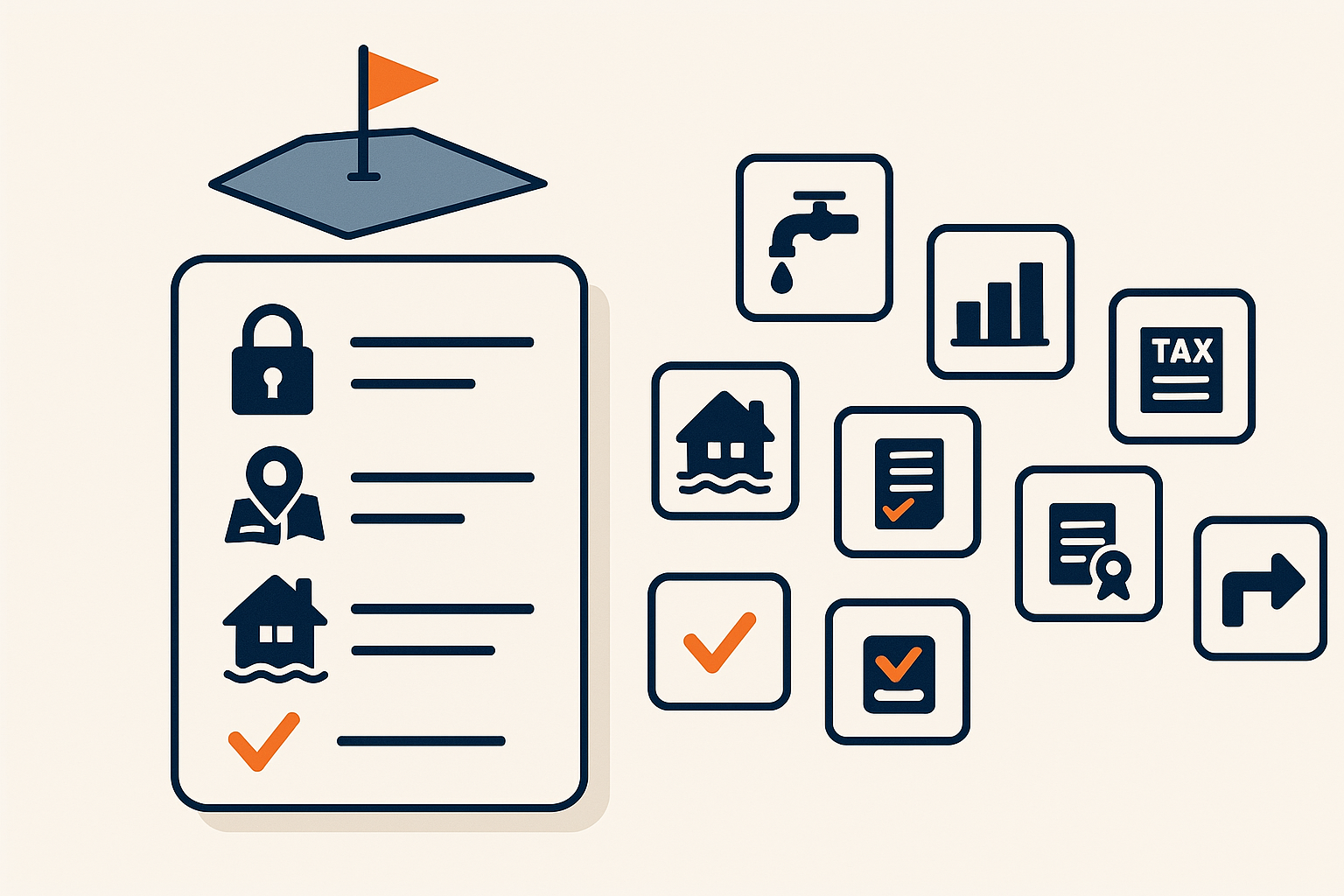
Before committing, perform a detailed title search with a reputable title company or real estate attorney to uncover liens or easements. Verify zoning compliance and allowable uses through the local planning department. Conduct or review environmental assessments if the property’s history or location suggests possible contamination or protected habitats. Each of these checks can reveal red flags that either raise your offer conditions or signal that walking away is the safer choice.
How do you get started with land flipping in 2026?
Begin by thoroughly researching your target market, focusing on areas with realistic growth potential and manageable competition. Next, screen available properties for price, location, access, and legal status.
Use county record offices and GIS mapping tools to verify parcel boundaries, legal access points, and zoning. Contact local real estate professionals to gauge buyer interest and obtain off-market leads. Finally, explore your financing options,including traditional loans, seller financing, or private arrangements,based on your credit and investment goals. Confirm lenders’ requirements early, as land loans often have stricter terms than residential ones.
What types of land are best suited for flipping?
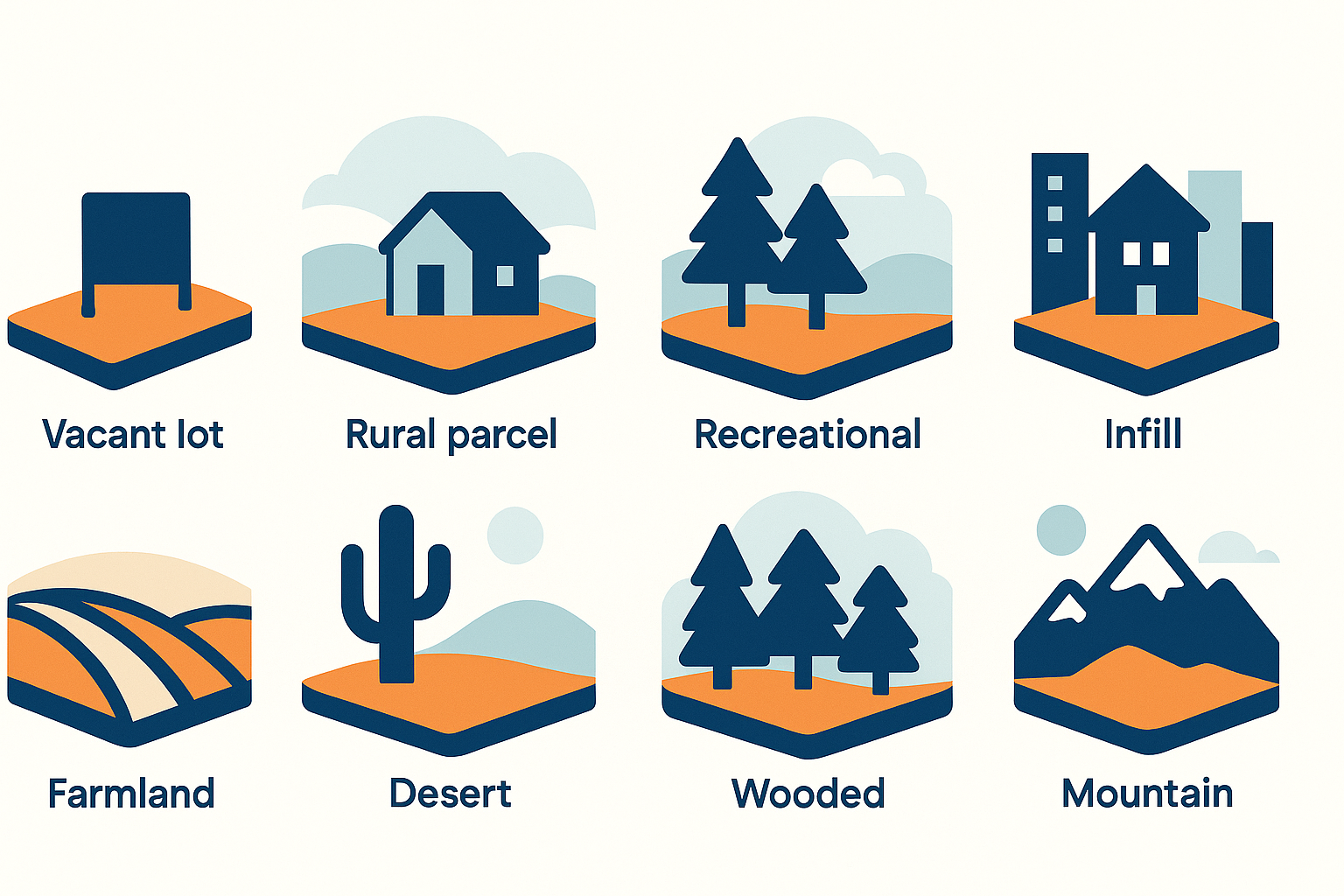
Different land types carry distinct opportunities and risks. Residential lot flipping appeals to buyers building homes and requires confirming local zoning and building regulations. Commercial land flipping targets business development areas but demands careful evaluation of infrastructure and regulatory environment. Raw or undeveloped land offers flexibility but might need subdivision or access improvements, adding complexity.
Confirm the land’s zoning classification with the county planning office and review potential restrictions or future municipality plans that affect usability. For raw land, verify access roads and utility availability, as these factors heavily influence a buyer’s interest and your resale timing.
What is the step-by-step process for flipping land profitably?
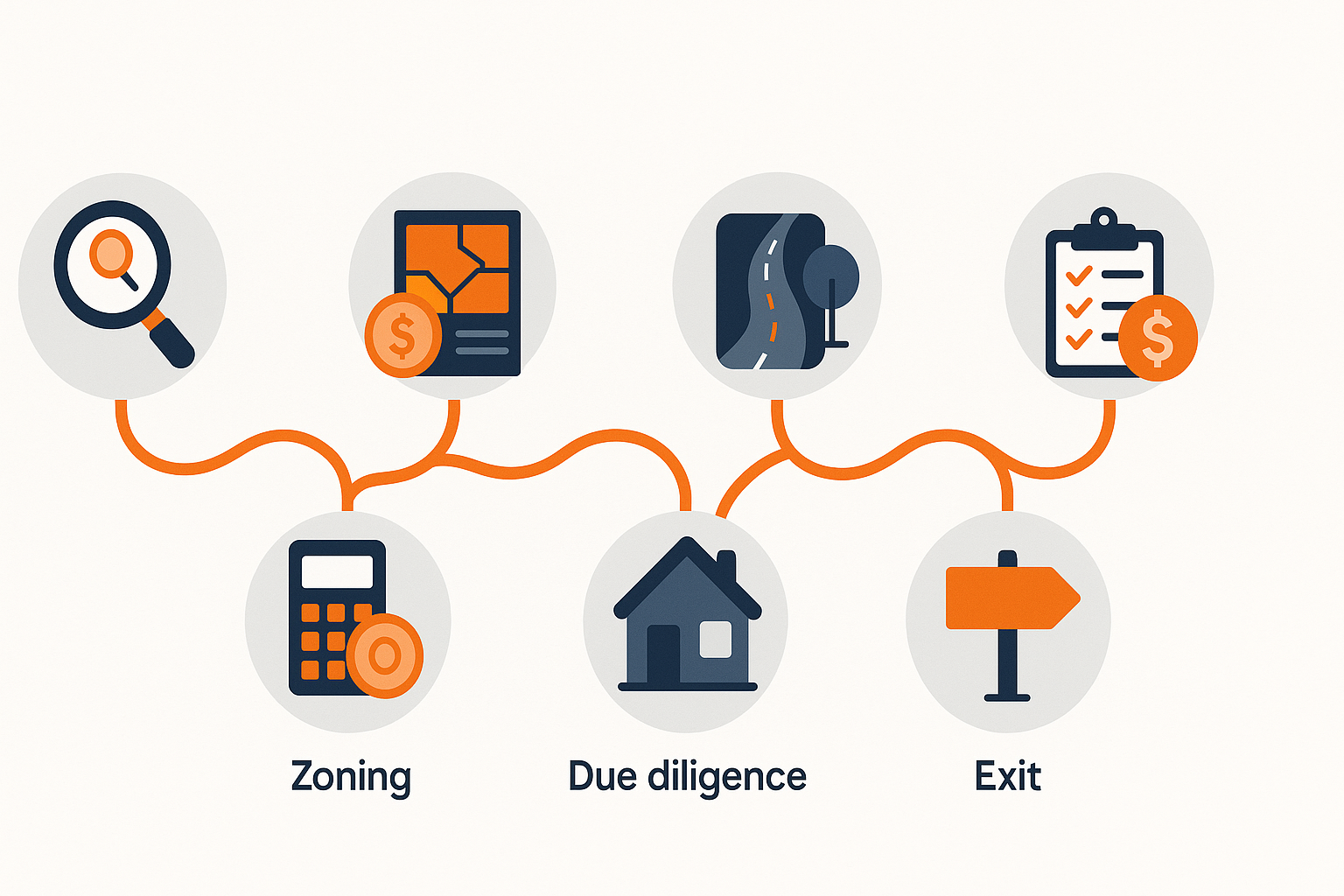
The process begins with acquisition: negotiate purchase price using solid data on comparable sales and seller motivation. Conduct title search and due diligence,including surveys, zoning, and environmental checks,to confirm there are no deal-breakers.
Next, improve the property only if the cost of enhancements (like clearing, granting access, or subdividing) can be outweighed by increased sale price. Then, create a marketing plan targeting likely buyers through multiple channels with transparent information about the land’s potential and verified attributes. Throughout, track all expenses and timelines to ensure profitability.
How do you accurately value a piece of land?
Start by compiling recent sales of comparable land parcels in the same area considering size, legal use, and physical conditions. Adjust these comparables for differences such as access (private versus public roads), terrain challenges, utility availability, and zoning permissions.
Contact the county assessor and planning department to access sales records and zoning maps. A clear understanding of these elements lets you establish a defensible price range. Overpricing can stall sales, while underpricing sacrifices profit; your goal is to find a market-aligned price that justifies both acquisition and resale.
What legal checks must you complete before buying?
You must conduct a property title examination to identify any liens, encumbrances, or ownership disputes. Verify the land’s zoning classification and potential restrictions with local planning offices. Obtain environmental reports or phase 1 environmental site assessments when contamination or protected land is a possibility.
Working with experienced real estate attorneys and title companies is essential to confirm all legal matters are clear. Any unresolved legal issue discovered during due diligence should be a red flag that triggers either renegotiation or withdrawal from the deal.
How can you finance your land flip?
Financing options range from traditional bank or credit union loans to seller-financed deals and alternative funding such as private lenders. Land loans typically come with higher down payments and interest rates, so you must verify financing terms with lenders upfront. Seller financing can reduce upfront cash needs but requires carefully negotiated contract terms.
Assess your risk tolerance and cash flow to select a financing method that aligns with your investment timeline and exit plan. Always confirm financing arrangements before signing purchase agreements to avoid surprises.
What tax considerations impact land flipping?
Profits from land flipping are typically subject to capital gains tax, which varies based on how long you hold the property before resale. You may also incur property taxes during ownership and potentially deduct allowable expenses related to acquisition, improvement, and marketing.
Consulting a qualified CPA or tax professional is necessary to understand your tax liability fully and identify applicable deductions. Tax consequences can influence your holding period or pricing strategy, making this verification step critical before finalizing any transaction.
How do you market a land parcel effectively to sell fast?
Create detailed online listings featuring accurate property descriptions, clear photos, and key verified facts like acreage, zoning, access, and utilities. Advertise on multiple platforms such as land-specific marketplaces and broad real estate websites.
Utilize social media advertising to target likely buyers based on demographics and interests. Networking with local real estate agents and other investors can provide valuable referrals. Transparency combined with strategic promotion boosts buyer confidence and accelerates your sale.
What are the common mistakes to avoid in land flipping?
Avoid overestimating land value due to emotional bias or insufficient market data. Never skip or limit due diligence,it can reveal hidden encumbrances, environmental liabilities, or zoning restrictions that derail flips. Ignoring changing market trends or buyer demand can cause inventory to stagnate, tying up capital unnecessarily.
Establish clear verification checkpoints: confirm market comparables, complete legal and environmental checks, and monitor local development plans. Walk away or renegotiate if any of these factors cast doubt on your anticipated returns.
How important is location in determining land flip success?
Location influences land desirability, development potential, and access to services, all affecting resale value. Before buying, research local demographic trends, infrastructure plans, and ease of access to amenities through county planning documents and market data.
Land near growing job centers or planned infrastructure projects generally carries better upside potential. However, verify that zoning and environmental constraints don’t offset location benefits.
How can you identify a strong land flipping deal?
Look for properties priced below recent sale prices for comparables with similar legal and physical characteristics. Spot motivated sellers through signs like extended market time or situations indicating urgency. Evaluate neighborhood trends for rising demand and planned development.
Confirm these factors through MLS data, county records, and conversations with market insiders. Deals that meet your criteria for price, risk, and resale feasibility merit an offer; otherwise, keep searching.
What strategies can improve your long-term land flipping results?
Build a network of real estate agents, local investors, and land professionals to access off-market deals and reliable market intelligence. Use Geographic Information Systems (GIS) tools to assess land characteristics and nearby developments efficiently. Commit to ongoing education through courses, books, and industry discussions to refine your approach as markets evolve.
Each strategy requires applying specific verification steps regularly to maintain an edge and avoid costly mistakes. Persistence combined with disciplined due diligence drives sustainable flipping success.
What advantages does flipping land have over flipping houses?
Land flipping typically requires less capital, involves fewer ongoing costs like maintenance and repairs, and has simpler transactions with fewer regulatory and tenant issues. This can result in faster turnovers and reduced complexity.
However, that simplicity places more emphasis on knowing land-specific variables such as zoning, environmental constraints, and legal status. Ensure you verify these thoroughly to avoid hidden complications that can offset land flipping’s easier management.
How long does a typical land flipping process take?
The timeline varies widely but commonly spans a few months from acquisition through resale. Acquisition time depends on how quickly you negotiate and close, improvements range from minimal to several weeks or months if permits or clearing are involved, and selling time depends on market conditions and marketing effectiveness.
Include buffer periods for due diligence, legal checks, and potential delays. Verify local market turnover times through recent sales data and agent reports to set realistic expectations.
How do you know if a land market is saturated?
Signals of saturation include consistently declining land prices, increased inventory levels, and notable drops in buyer inquiries or site visits. These indicators suggest competition exceeds demand, reducing resale potential.
Track local data on listings and sales volumes via county records and real estate reports. If saturation signs appear, pause new acquisitions until market balance improves.
How can you assess demand for land in a specific area?
Evaluate recent sales velocity and price trends for comparable parcels, study census and local economic growth data, and monitor infrastructure projects or zoning changes signaling increased interest. These steps help gauge whether land demand is rising, stable, or declining.
Confirm findings by consulting local real estate professionals and reviewing economic development plans. Only enter markets showing clear, sustainable demand to reduce risk.
What features make land desirable to buyers?
Key desirability factors include location accessibility, favorable zoning for intended uses, utility availability, and natural features such as scenic views or water access. Each can significantly influence resale value and marketing appeal.
Verify each attribute by reviewing zoning maps, utility maps, and conducting site visits. Ensure your marketing materials highlight verified features buyers care about.
What are the best practices for negotiating a land purchase?
Understand the seller’s background and motivation to tailor offers appropriately,for instance, urgent sellers may accept lower prices. Support your offer with data from comparable sales to demonstrate fairness. Start with a reasonable but competitive bid that leaves room for negotiation.
Maintain clear communication and be prepared to walk away if terms don’t meet your vetted investment criteria. Document all terms carefully to avoid misunderstandings.
Why is due diligence essential in land flipping, and how do you perform it?
Due diligence uncovers issues that could affect your investment, such as legal encumbrances, environmental hazards, or access problems. Comprehensive checks reduce risks of costly surprises and enable informed decision-making.
Perform due diligence through title company reports, surveying, environmental assessments, zoning consultation, and physical property inspections. Treat any uncovered issues as negotiation points or potential deal breakers.
How can technology improve your land flipping workflow?
GIS mapping tools help analyze property boundaries, topography, and nearby developments. Real estate listing platforms streamline property searches and market monitoring. Data analytics support pricing and demand forecasting. Online marketing channels amplify outreach efforts to targeted buyers.
Use these tools to enhance screening accuracy, accelerate sales, and improve negotiations. Verify all technology-driven insights with official county records and on-site inspections to confirm accuracy.
What are the key steps for closing a land sale smoothly?
Select a reliable title company to handle title searches and escrow processes. Prepare all legal documents accurately, including purchase agreements and disclosures, with professional review. Understand and budget for closing costs like title insurance and transfer fees.
Confirm timelines and contingencies clearly with all parties to prevent delays. Proper preparation ensures funds and documents flow seamlessly, securing a successful closing.
How do you build and scale a profitable portfolio of flipped land?
Diversify across land types and locations to mitigate risks tied to market fluctuations. Reinvest profits strategically into similar or complementary land parcels with aligned risk-return profiles. Scale operations with a strong network of professionals, reliable due diligence processes, and technology to maintain quality and efficiency.
Regularly review each property’s performance metrics against your investment goals, adjusting strategy as needed. Growth depends on disciplined acquisition and resale, not just volume.
What psychological factors influence success in land flipping?
Managing emotions helps investors maintain objectivity amid market swings or negotiation stress. Understanding buyer motivations improves marketing and sales approaches. Confidence grows through education and experience, enabling decisive actions rather than hesitation.
Develop clear criteria for purchases and sales to reduce impulsivity. Embrace continuous learning and networking for support and perspective. Psychological discipline differentiates successful land flippers from reactive participants.
Where can you find reliable learning resources about land flipping?
Books like the Dirt Rich book offer comprehensive strategies and case studies. Online courses and the land investing bootcamp provide structured learning. Joining the Land Geek community connects you with experienced investors and mentors.
Always complement theory with local market verification to adapt knowledge effectively to your specific investment decisions.
How can you stay current on land flipping trends?
Subscribe to real estate newsletters and join local investment groups to receive the latest updates on market conditions and regulatory changes. Regularly review county market reports and engage with industry professionals to maintain situational awareness.
Continuously updating your knowledge base enables timely adjustments in strategy and helps you stay ahead of downturns or opportunities. Verify trends with empirical data before altering your investment plans.
Mini FAQ
- What is land flipping? Buying land cheaply and reselling it quickly, usually with minimal improvements.
- What types of land can you flip? Residential, commercial, and raw or undeveloped land.
- How do I start flipping land? Research markets, locate suitable properties, secure financing, and verify legal and physical factors.
- What risks are involved? Market changes, legal/title issues, and environmental challenges.
- How do I value land? Through comparative sales, zoning and legal use assessment, and property feature evaluation.
- How do I improve my success? Build a network, leverage technology, and pursue ongoing education.
- What about taxes? Expect capital gains tax on profits; consult professionals on deductions and local tax obligations.
What should you do next to move from reading to taking action?
Land investing becomes manageable when you follow a proven process and verify every decision step. To accelerate your journey with expert guidance and avoid common pitfalls, consider these resources:
- Dirt Rich book
- land investing bootcamp
- Land Geek community