
The best type of land to invest in depends on the buyer’s strategy, budget, location, demand, zoning, access, utilities, carrying costs, and exit plan. Parcels with clear legal access, usable zoning, manageable due diligence, and identifiable buyer demand are usually easier to evaluate and resell.
What factors should I consider before investing in land?
The best approach is to first define your intended use,for example, residential development, agricultural income, or speculative holding,and then verify location, zoning, access, and property condition against that goal.
This consideration directly affects market value and legal feasibility, making it essential to screen the following:
- Location: Check county records and local planning departments for proximity to infrastructure and future growth plans.
- Zoning Regulations: Confirm the parcel’s zoning classification and permitted uses via local zoning offices or online municipal databases. Incompatible zoning is a major red flag.
- Legal Access: Verify recorded easements or deeded right-of-ways ensuring legal vehicular access to the parcel through title company research or county assessor maps.
- Utilities and Infrastructure: Determine availability or feasibility of connecting water, electricity, sewage, and roads, which impact development costs and resale value.
- Environmental Restrictions: Review environmental assessments for issues like wetlands, contamination, flood plains, or protected species habitat that can severely limit land use.
Skipping these verification steps can lead to costly surprises or inability to use or resell the land as intended.
What are the main types of land available for investment?
Land investments generally fall into three primary categories,residential, commercial, and agricultural,each with distinct risk-reward profiles linked to their permitted uses and market dynamics.
Residential Land
This land is zoned or suitable for single-family homes, subdivisions, or multifamily housing. It tends to hold value well where housing demand is strong and infrastructure exists or is planned.
📘 Get Your FREE Land Investing Strategy Guide
Discover how savvy investors build passive income with vacant land.
Verify local demand indicators like population growth and school district quality. Confirm residential zoning and development constraints with planning authorities.
Commercial Land
Used for retail, office, industrial, or mixed-use developments, commercial land offers potentially higher returns but fluctuating market conditions and requires stricter zoning compliance.
Assess economic indicators like local employment trends and business development plans. Ensure commercial zoning permits your intended use and understand parking, setback, and environmental regulations that affect buildability.
Agricultural Land
Often valued for crop production, ranching, or timber, agricultural land can generate income via leasing or resource harvesting. Its valuation depends heavily on soil quality, water rights, and market demands for farm products.
Verify soil reports, water access, and local agricultural zoning. Understand local farming patterns and environmental restrictions such as conservation easements that may apply.
How does the land’s location impact its investment value?
Location affects land desirability, appreciation potential, and liquidity. The key is to assess actual access, surrounding amenities, economic conditions, and planned development in the specific area.
Urban vs Rural Impact
Urban or suburban land usually commands higher prices because of direct access to services and infrastructure, facilitating quicker development or resale. However, these parcels typically cost more upfront.
Rural land may have lower entry costs and appeal for agriculture, recreation, or long-term appreciation, but challenges include limited access and slower market activity. Confirm local land use plans to see if rural areas are likely to undergo development that could drive appreciation.
Future Development and Amenities
Research official municipal or county development plans. Land near planned highways, schools, or utility expansions may appreciate as the area develops.
Check proximity to essential amenities like hospitals, markets, and public transit, which affect market demand.
Always verify future infrastructure projects directly with municipal planning or transportation agencies’ published plans to avoid overestimating potential value.
What role do zoning laws play in choosing land to invest in?
Zoning laws dictate permissible land uses and development standards, directly impacting what you can do with the property and how valuable it can be.
Failing to confirm zoning before purchase can result in owning land you cannot use profitably or must hold indefinitely while seeking rezoning.
How to verify zoning
Contact the county or city zoning office to obtain the current zoning designation and permitted uses. Ask about any pending zoning changes or variance procedures.
Bring a copy of the parcel’s legal description and assessor’s parcel number for precise lookup.
Why zoning matters
Different zones allow residential, commercial, industrial, or agricultural uses. Some may have minimum lot sizes, build height limits, or prohibit subdivision.
If zoning limits your intended use, either seek parcels already zoned appropriately or be prepared to factor rezoning risks into your offer or exit plan.
Read more about zoning regulations for deeper insight.
How can I accurately assess land value before buying?
To assess land value, start with a comparative market analysis (CMA) of recently sold similar parcels nearby, then adjust for factors like legal access, usable acreage, zoning, utilities, and topography.
This method aligns your offer price with the actual market rather than speculation.
Steps for valuation
- Gather sales data of genuinely comparable parcels sold recently within the same county or vicinity.
- Assess physical differences: size, slope, vegetation, and access roads.
- Adjust for zoning and permitted uses; land with commercial zoning often commands premiums over agricultural.
- Consider utility availability,parcels with electricity and water access generally have higher value.
- Account for any known encumbrances, easements, or environmental restrictions.
- If possible, hire a professional appraiser for an independent valuation, especially on large or complex parcels.
Obtaining accurate land appraisal and title reports ensures you don’t overpay or overlook hidden costs.
What are the main risks I should be aware of in land investing?
Land investments carry risks including environmental liabilities, title or legal disputes, market volatility, and infrastructure availability.
Environmental and Legal Risks
Contamination, wetlands, or endangered species habitat may severely restrict use and add environmental remediation costs.
Verify environmental assessments through local environmental agencies or specialized inspection firms before closing.
Title issues such as liens, encroachments, or unclear ownership require a thorough title search and title insurance to reduce legal exposure.
Liquidity and Market Risks
Land is less liquid than developed real estate and may take longer to sell. Economic downturns or changes in zoning can reduce demand.
Develop a realistic holding plan and confirm local market conditions with a qualified land professional.
Why invest in agricultural land and what should I verify?
Agricultural land offers potential steady income from leases, tax advantages, and value tied to rising global food demand. It can also serve as a hedge against inflation.
Before investing, verify soil quality, water rights, and existing leases. Obtain soil tests and contact local agricultural extension services for crop viability.
Assess whether conservation easements or farming restrictions apply, which can limit future development or resale strategies.
Learn more about the benefits of investing in agricultural land.
How can I find the best land deals effectively?
Finding high-quality land deals requires combining several approaches to widen your search and access off-market opportunities.
Strategies to find deals
- Use experienced real estate agents specializing in land,they have local market knowledge and access to pocket listings.
- Monitor online land marketplaces regularly with custom filters for your preferred location and budget.
- Network within land investor groups and attend local auctions or trustee sales,these can offer discounted prices but require rapid decisions.
Evaluate each opportunity with your verification checklist to avoid impulse buys.
See guidance on how to find the best land deals.
How does land development affect investment potential?
Land development can substantially increase a property’s value but entails risks and costs that must be carefully evaluated.
Assess land development potential by researching:
- Zoning flexibility for intended development
- Availability and costs of needed infrastructure (roads, utilities, permits)
- Market demand for developed uses
- Environmental and regulatory hurdles
Create a detailed budget including development, holding, and carry costs, then compare projected returns to determine if development adds value to your strategy.
Successful development requires expertise and patience; beginners should consider partnering with experienced developers or advisors.
What types of land present the highest investment risk?
Wetlands, unzoned parcels, and remote lands with limited access are generally higher risk due to regulatory complexity, uncertain permitted uses, or low liquidity.
For wetlands, check with local environmental agencies and the Army Corps of Engineers to understand development restrictions and permitting requirements.
Unzoned land requires careful monitoring of local zoning decisions before assuming it can be developed.
Remote land often lacks utilities and infrastructure, increasing holding costs and reducing resale market. Perform on-site inspections and review recorded access before purchase.
For additional information, visit Resources.
How do economic trends affect land investment decisions?
Economic trends shape land demand and financing costs, influencing when and what land to buy.
- Interest Rates: Higher rates increase borrowing costs and can reduce buyer pool; low rates generally stimulate land purchases.
- Employment and Job Growth: Robust job markets increase demand for residential and commercial land.
- Population Growth: Growing regions typically offer better land appreciation potential.
Monitor economic data from local governments and financial institutions to time investments accordingly. Bear in mind localized markets may buck wider trends.
What land types are best for long-term investment?
Long-term investments often involve developable land in or near growth areas, or resource-rich properties such as timberland or mineral land which may provide ongoing income streams.
Specifically, evaluate:
- Developable Land: Properties zoned for residential or commercial development near urban expansion offer higher upside but require infrastructure.
- Growth Areas: Land in regions with planned infrastructure or population growth is more likely to appreciate over time.
- Resource Land: Timber or mineral rights can generate income independently from land sale, offering diversification.
The best fit depends on your investment horizon, capital availability, and risk tolerance.
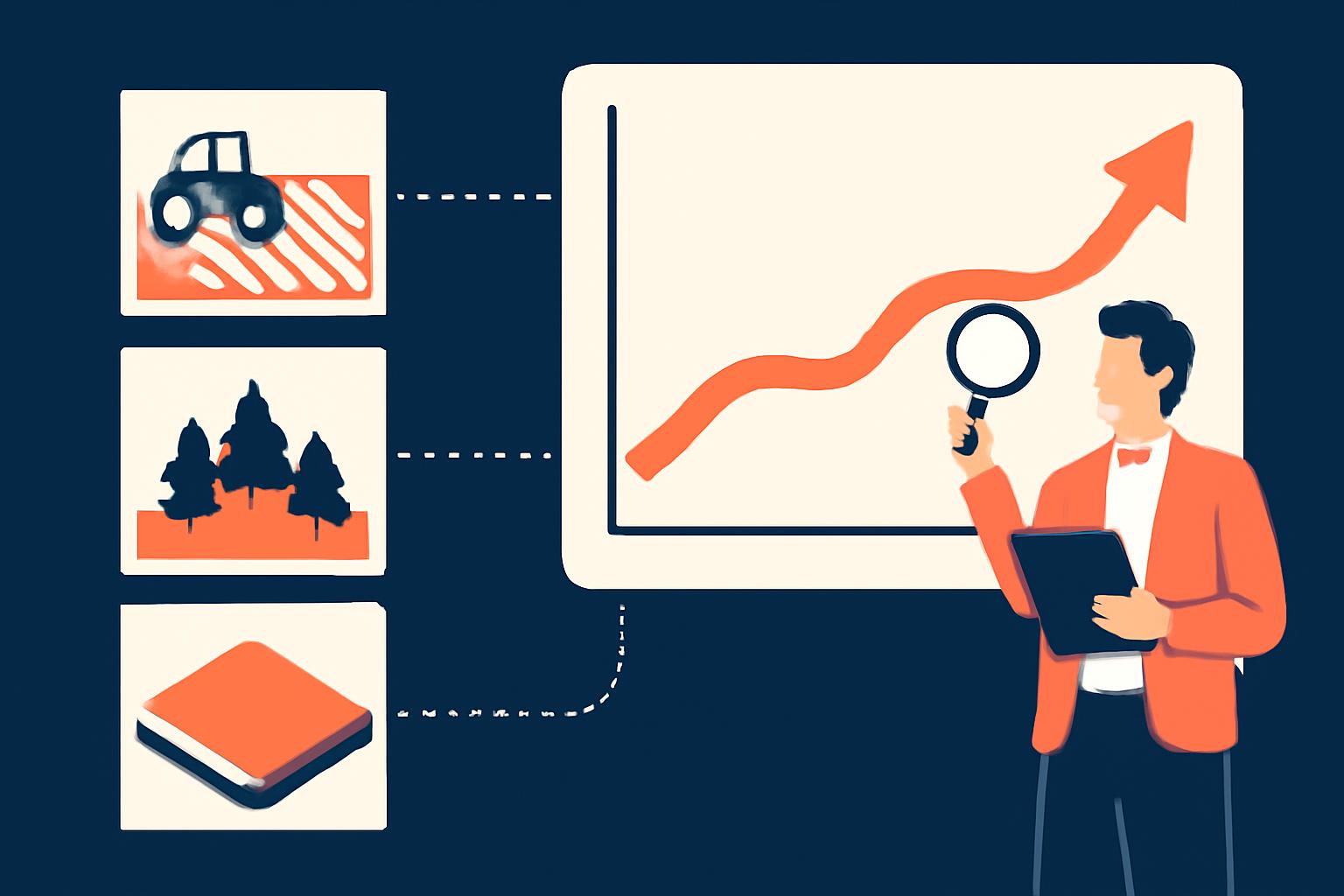
How can I evaluate environmental factors affecting land?
Environmental evaluation protects you from costly liabilities and use restrictions. Key verifications include:
- Environmental Site Assessments (ESA): Hire environmental consultants for Phase I ESA to detect contamination, wetlands, or protected habitats.
- Soil Quality Analysis: Particularly necessary for agricultural land; check nutrient levels, drainage, and contamination.
- Water Access and Rights: Verify groundwater and surface water rights with local water authorities, essential for farming or development uses.
Failing to identify environmental constraints early may block your intended land use or require expensive remediation.
What financing options exist for buying land?
Financing land differs from purchasing developed real estate and typically requires higher down payments and stricter underwriting standards.
- Traditional Mortgages: Less common for raw land; usually reserved for improved parcels with plans for residential or commercial use.
- Land Loans: Specialized loans that cater to raw or developed land, often with shorter terms and variable rates.
- Owner Financing: Seller-financed purchases offer flexible terms but require detailed contracts and due diligence.
Consult lenders early to understand eligibility and terms. Choose financing aligned with your investment timeline and risk acceptance.
What are the tax considerations when investing in land?
Property taxes, potential capital gains tax upon sale, and deductions for expenses like maintenance or conservation easements can affect net returns.
Verify local property tax rates with the county assessor’s office. Understand how long-term versus short-term holding impacts taxation by consulting a tax professional.
Keep detailed records of any expenses related to your landholding to maximize potential deductions, after confirming allowable deductions in your jurisdiction with a tax advisor.
How does land size influence investment decisions?
Land size affects usability, cost, and market appeal. Small parcels may be affordable and easier to sell but have limited development options. Large parcels offer scalability and subdivision potential but require more capital and carry higher holding costs.
Check local subdivision regulations and minimum lot sizes to understand if and how you can divide land.
Match parcel size to your investment strategy, whether flipping smaller lots for quick turnover or holding acreage for development or resource extraction.
How do infrastructure and public services impact land value?
Access to roads, public utilities, and services like schools and emergency response directly influence land desirability and price.
- Transportation Access: Land near highways, public transit, or major roads typically commands a premium.
- Utility Availability: Parcels with ready water, sewer, and electricity connections reduce development costs.
- Public Services: Quality schools and emergency services enhance residential values.
Confirm infrastructure status and planned improvements through local utility companies and planning departments to accurately gauge value.
What are key negotiation tips when buying land?
Understand the seller’s motivations and timeframes. Use a well-researched offer based on land valuation, zoning constraints, and development costs.
Negotiate contingencies like access verification or environmental inspections into contracts. Engage title companies and real estate attorneys early for smooth closing.
Being informed about comparable sales and potential risks strengthens your bargaining power and prevents overpayment.
How does land use planning affect my investment?
Local land use plans shape future development and infrastructure. Being aware of community growth strategies helps identify promising properties and avoid ones with restricted use.
Review municipal comprehensive plans, zoning maps, and transportation projects available from planning departments. Early detection of planned rezoning or infrastructure boosts can justify paying premiums or, conversely, cause you to avoid riskier parcels.
What are common mistakes to avoid in land investing?
- Insufficient Due Diligence: Skipping title searches, zoning checks, or environmental inspections often leads to costly complications.
- Ignoring Total Costs: Beyond purchase price, factor in taxes, maintenance, insurance, and development expenses.
- Focusing Solely on Price: A cheap parcel without access, utilities, or favorable zoning can be a bad investment.
- Neglecting Exit Strategies: Have a clear resale or development plan before buying to avoid holding unwanted land indefinitely.
Careful, fact-based analysis at every step guards against these pitfalls.
Why consider working with a land investment advisor?
Land investment advisors bring specialized expertise, market knowledge, and negotiation skills that enhance outcomes and reduce learning curve mistakes.
An advisor can help navigate complex zoning laws, identify high-quality parcels, and structure deals effectively. They may also provide access to off-market deals.
Choose advisors with proven track records and local market expertise aligned with your investment goals.
How do demographic trends influence land investment?
Population growth, urbanization, and shifting lifestyle preferences impact land demand. Regions with expanding populations typically see increased land values and development.
Changing preferences such as remote work can increase demand for rural or suburban residential land, while environmental awareness can boost interest in sustainably managed agricultural land.
Track demographic data from census reports and local planning departments to identify emerging opportunities and adapt your strategy accordingly.
Mini FAQ
Q: What is the best type of land to invest in?
It depends on your goals; residential, commercial, and agricultural land all have potential, but you must verify zoning, location, and market conditions before choosing.
Q: How can I finance a land purchase?
Options include traditional mortgages, specialized land loans, and owner financing. Terms vary widely, so confirm lender requirements early.
Q: What are the main risks of investing in land?
Risks include zoning restrictions, environmental liabilities, unclear legal access, and market illiquidity. Thorough due diligence mitigates these risks.
Q: How does location affect land value?
Proximity to infrastructure, amenities, and growth zones directly impacts value. Verify these with government and planning resources.
Q: Why are zoning laws important?
Zoning governs permitted uses and development potential, determining what you can build or do with the land.
Q: How do I maintain land value?
Maintain access, utilities, and upkeep; monitor market trends and adjust plans to align with community growth.
Q: What common mistakes should I avoid?
Neglecting due diligence, focusing only on price, and underestimating carrying costs are frequent errors that diminish returns.
This content is for informational purposes only. It does not constitute accounting, financial, or legal advice. Please consult a qualified professional before making decisions based on this information.



