
Contaminated land regulation in Pennsylvania is a critical factor for land investors, property owners, and developers who must navigate state and federal rules to avoid costly surprises and legal pitfalls. This guide provides actionable insights into the rules governing contaminated properties, clarifies responsibilities, and outlines practical steps to verify contamination status before making land purchasing or development decisions.
Understanding how flood zones impact land investing can be crucial for assessing property risks and opportunities land investing flood zones.
Understanding these rules matters because contamination can affect the value, usability, and legal risks tied to a land parcel. Knowing the exact contamination status and remedial obligations helps set realistic offers, ensures compliance, and guides exit or reuse strategies for Pennsylvania land investments.
What are the contaminated land rules in Pennsylvania?
Pennsylvania regulates contaminated land primarily under state laws like the Land Recycling and Environmental Remediation Standards Act (commonly known as Act 2) and the Pennsylvania Hazardous Sites Cleanup Act (HSCA), complemented by federal standards such as CERCLA overseen by the EPA. These rules aim to identify contamination, mandate cleanups when needed, and support land reuse while protecting health and environment.
For any land decision, confirm whether Act 2 standards apply by checking with the Pennsylvania Department of Environmental Protection (DEP), as they coordinate site assessments and remediation protocols. A red flag arises if the property is listed under HSCA or if DEP records indicate unresolved contamination, demanding further due diligence or renegotiation.
Why is understanding contaminated land rules important for your land investment decision?
Contamination poses direct health risks, environmental damage, and legal liabilities that can dramatically alter a property’s value and your ability to develop or resell it. Awareness prevents unwelcome surprises like costly remediation orders, liability for cleanup, or restrictions on land use imposed by regulators.
Before proceeding, verify the property’s contamination history by reviewing public environmental records via the DEP and consider commissioning environmental testing such as a Phase 1 Environmental Site Assessment to uncover hidden concerns. Encountering significant contamination should trigger a reassessment of your offer or holding strategy.
Who bears responsibility for contaminated land in Pennsylvania?
Responsibility rests first with property owners and developers who must conduct contamination assessments and remediate known issues. Pennsylvania law can hold current owners liable even for legacy contamination, so buyers must perform thorough due diligence before acquisition.
📘 Get Your FREE Land Investing Strategy Guide
Discover how savvy investors build passive income with vacant land.
The DEP enforces regulations, provides oversight during cleanup, and may assume responsibility for orphaned sites, but this is exceptional. Developers should engage environmental consultants early to identify risks and draft remediation plans to comply with DEP expectations.
What are the common sources of land contamination in Pennsylvania?
Contaminants often originate from prior industrial activities such as manufacturing, mining, or waste disposal sites, agricultural applications of pesticides and fertilizers, and improper waste handling including illegal dumps. Each source determines contaminant types and cleanup complexity.
Understanding the property’s historical use can highlight these contamination risks early. Verify this by obtaining historical land use records, environmental reports, and any available Phase 1 Environmental Site Assessment documentation before purchase.
How is contaminated land identified in Pennsylvania?
Identification involves a combination of environmental assessments, including site inspections and laboratory environmental testing of soil, water, and air samples, alongside review of public records listing known contaminated or suspect sites.
Initiate screening by reviewing the DEP’s databases for any listings or warnings about the parcel. Then, supplement with a professional environmental site assessment to confirm or rule out contamination. Positive findings typically trigger statutory reporting and remediation obligations.
What are the remediation options for contaminated land in Pennsylvania?
Remediation depends on site-specific conditions and may include physical removal of contaminated soil (excavation), in situ treatment like bioremediation using microbes, soil washing, or containment techniques. Pennsylvania’s Act 2 encourages flexible cleanup methods designed to meet specific risk-based criteria.
When evaluating remediation options, engage qualified environmental consultants to estimate remediation scope and costs. The adequacy of cleanup influences whether the property can be safely redeveloped or if use restrictions will persist, impacting investment returns and use cases.
How does Pennsylvania classify contaminated sites?
Pennsylvania uses Act 2 classifications that distinguish sites as remediated or unremediated based on compliance with cleanup standards. Separately, the federal EPA classifies sites under CERCLA programs, which Pennsylvania coordinates with but manages under its own standards.
Brownfield designation applies to contaminated but potentially reusable sites, often with access to financial incentives. Verifying your prospective property’s classification via DEP and EPA records will clarify cleanup status and eligibility for redevelopment support.
What is the role of the Pennsylvania Department of Environmental Protection (DEP)?
The DEP is the central regulatory body overseeing contaminated land assessment, enforcement, remediation plan approvals, and public communication. It monitors compliance with state environmental laws and coordinates with federal agencies.
To understand the regulatory status of a property, contact the DEP or search their online databases for site reports and remediation activity records. Their enforcement authority includes issuing cleanup orders and penalties for violations, which can materially affect property liability and timing.
What are the typical remediation steps under Pennsylvania law?
Remediation generally follows these key steps: initial site assessment to characterize contamination; development and DEP approval of a remediation plan; implementation of cleanup; and final verification testing to confirm compliance with state standards.
Prior to acquisition, confirm whether remediation is complete and verified or if your investment requires commitment to cleanup. Expect remediation plans and approvals to affect timelines, budgets, and regulatory risk.
What financial implications should land investors expect with contaminated land?
Financial impacts include cleanup costs, which vary widely and can be substantial; potential legal liabilities for past contamination; and changes in market value reflecting the stigma and restrictions related to contamination.
Grant and funding opportunities for remediation may be available, especially for brownfield redevelopment, but eligibility and amounts vary. Conduct a cost-benefit review considering potential remediation expenses versus market price reductions. Engage environmental and legal professionals to assess liability risk and explore insurance options.
How do contaminated land rules affect real estate transactions in Pennsylvania?
Sellers must disclose known contamination, and buyers have due diligence responsibilities to assess environmental liabilities. Undisclosed contamination can lead to legal disputes and financial losses post-sale.
Before closing, obtain environmental site assessments, review DEP and HSCA status, and negotiate contingencies addressing contamination risks. Failure to do so can result in unexpected cleanup obligations, reduced property value, or loss of resale potential.
What penalties exist for violating Pennsylvania’s contaminated land rules?
Violations can result in significant fines, legal actions including lawsuits or criminal charges, and damage to reputation. The DEP actively enforces compliance and can impose escalating penalties based on severity.
Investors and developers should prioritize compliance to avoid these consequences. Confirm compliance history during due diligence and maintain clear documentation to manage risk.
How can landowners protect themselves from contamination issues?
Landowners should consider environmental liability insurance to mitigate financial risks, engage legal counsel with environmental expertise, and implement regular environmental monitoring to detect and manage issues early.
Active management and timely response to contamination concerns reduce liability exposure and protect asset value. Early detection via routine site assessments can prevent escalation and regulatory penalties.
What public participation requirements apply to contaminated land decisions?
Pennsylvania law mandates public involvement including notifications, public comment periods, and community meetings during remediation planning and implementation. This promotes transparency and incorporates local concerns into cleanup decisions.
Investors should investigate whether a property’s remediation has involved public participation, as unresolved community opposition can delay or complicate projects. Engage with local stakeholders early to address concerns and potentially expedite approval.
How does federal law influence Pennsylvania’s contaminated land rules?
Federal laws like CERCLA provide overarching frameworks for identifying and cleaning hazardous waste sites. Pennsylvania’s DEP enforces complementary state regulations that align with EPA standards but may have distinct procedural or technical nuances.
Verify whether a property is listed under federal Superfund programs or state listings to understand the full scope of potential regulatory involvement and cleanup obligations.
What environmental justice considerations impact contaminated land management in Pennsylvania?
Environmental justice focuses on preventing disproportionate contamination burdens on low-income and minority communities. Pennsylvania law and policies increasingly require these considerations in remediation planning to ensure equitable treatment and risk reduction.
Review whether a property’s location subjects nearby communities to elevated risks and whether remediation plans address these concerns. Projects ignoring environmental justice issues risk legal challenges and public opposition.
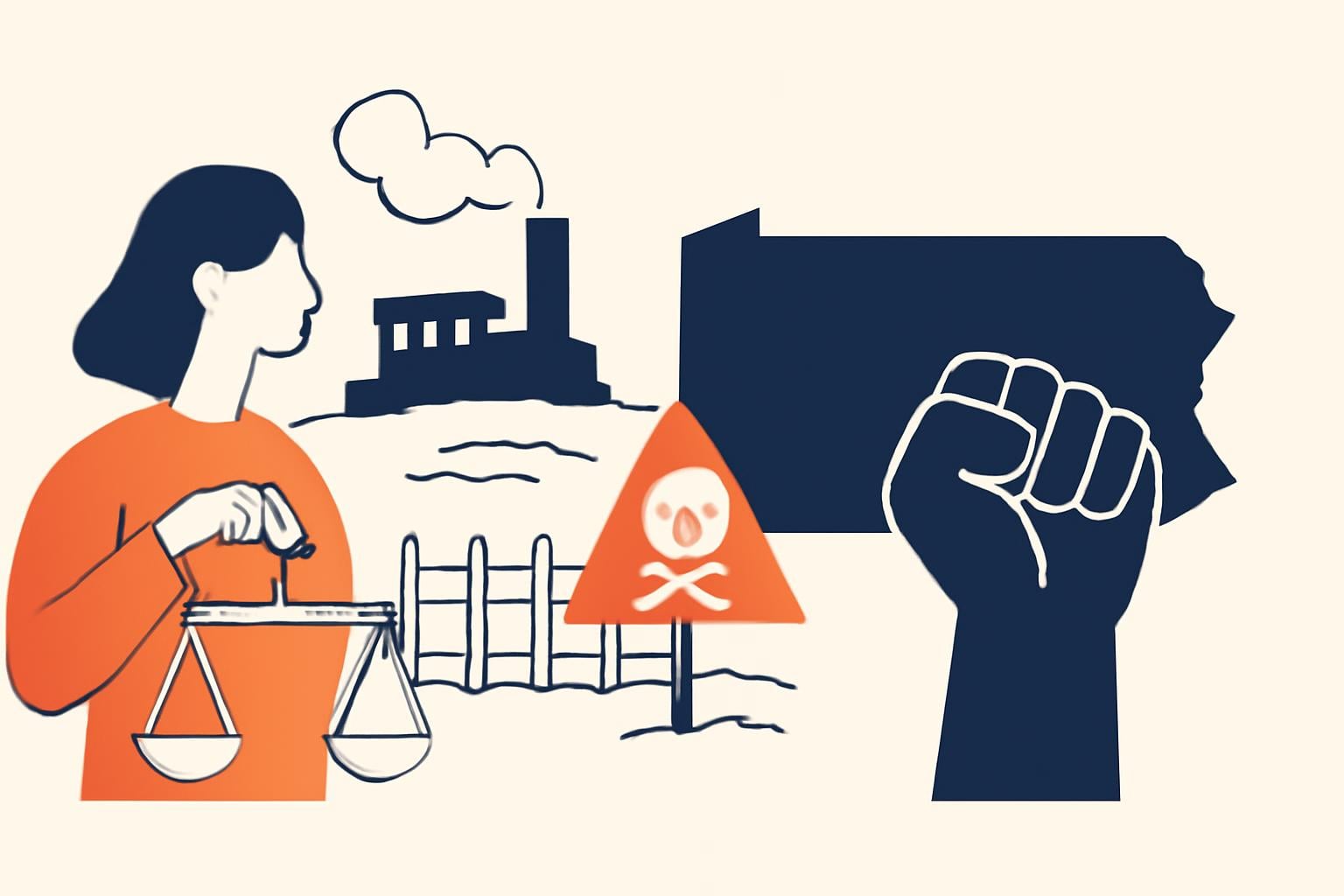
What resources exist for those affected by contaminated land in Pennsylvania?
Pennsylvania’s DEP provides technical assistance, funding programs, and educational materials for affected communities. Nonprofit organizations offer advocacy and legal aid for impacted residents. Access to these resources can ease the burden of contamination and facilitate community engagement.
Before purchasing or developing land with contamination issues, identify available state grants or programs, and consult nonprofits or legal aid clinics for additional support or dispute resolution.
How do contaminated land regulations differ across states compared to Pennsylvania?
States vary in cleanup standards, enforcement rigor, public participation, and funding availability. Pennsylvania’s framework is considered comprehensive but may differ in procedural details and risk-based remediation approaches compared to neighboring states.
Investigate local distinctions if considering multi-state investments. Understanding Pennsylvania’s particular requirements helps avoid cross-border compliance mistakes and aligns investment expectations.
What future trends are likely in Pennsylvania’s contaminated land management?
Expect legislative updates to address emerging contaminants and enhance environmental justice protections. Adoption of new technologies for site assessment and cleanup will improve efficiency. Sustainability and climate resilience will increasingly factor into remediation planning.
Stay abreast of regulatory changes and technology advancements by maintaining contact with environmental consultants and monitoring DEP announcements, as these can impact project feasibility and costs.
What enforcement challenges does Pennsylvania face with contaminated land?
Resource constraints limit DEP’s capacity to inspect all sites thoroughly. Political fluctuations can shift enforcement priorities. Public awareness gaps may reduce community engagement necessary for effective oversight.
Recognize that enforcement may be uneven, so solid due diligence and cautious investment strategies are essential. For higher-risk properties, independently verify information rather than relying solely on enforcement records.
How can local communities participate in contaminated land issues?
Communities can engage through local environmental groups, attend public meetings, participate in comment periods, and advocate for stronger remediation and transparency. Education workshops and advocacy programs support empowered citizen involvement.
If you represent local interests, encourage proactive engagement with remediation processes to influence outcomes. For investors, positive community relations can reduce project delays and opposition.
How can developers navigate Pennsylvania’s contaminated land regulations successfully?
Developers should thoroughly research contamination status before purchase, hire experienced environmental consultants for site assessments and remediation planning, and maintain proactive communication with the DEP. Understanding regulatory steps upfront streamlines permitting and reduces surprises.
Engage in early stakeholder negotiation, including community outreach, to align project goals with environmental and social concerns, improving chances of approval and timely completion.
What are best practices for managing contaminated land investments?
Prioritize comprehensive pre-purchase environmental due diligence; implement risk-based remediation and monitoring; secure legal and insurance protections; and maintain transparent communication with regulators and communities.
These measures reduce financial and legal risk while enhancing property value and community goodwill, making land investments more secure and potentially profitable.
How do contaminated land rules impact agricultural land in Pennsylvania?
Contamination affects soil quality and water sources essential for agriculture, raising food safety and productivity concerns. Regulations require managing contaminated soil and water, which can affect planting options and yield.
Farmers and land buyers must test soil and water quality, especially if prior industrial or waste activities occurred nearby. Confirm compliance with agricultural use restrictions and remediation plans to avoid crop failure or regulatory sanctions.
What role does technology play in managing contaminated land?
Technology aids in detailed site assessments via GIS mapping, remote sensing, and advanced data analytics. Emerging remediation technologies like phytoremediation and chemical oxidation improve cleanup effectiveness and sustainability.
Investors and developers should seek environmental consultants utilizing state-of-the-art technologies to obtain accurate site data and optimize remediation approaches, potentially lowering costs and timelines.
What educational resources about contaminated land are available in Pennsylvania?
Pennsylvania DEP’s publications, online environmental courses, and local workshops provide valuable knowledge on regulations, best practices, and community engagement. These resources help land owners and professionals make informed decisions and comply with laws.
Review DEP’s website and local university extensions for up-to-date training options before making land decisions affected by contamination.
How can businesses ensure compliance with contaminated land rules?
Businesses should conduct regular environmental audits, train employees on contamination risks and regulatory requirements, and develop internal compliance programs outlining procedures for assessment, reporting, and remediation.
Employing environmental consultants and legal experts reduces the chance of violations and costly penalties, while demonstrating corporate responsibility to clients and regulators.
What are the implications of climate change on contaminated land management?
Climate change increases flooding risks that can spread contamination beyond original sites, complicating cleanup and increasing health hazards. Changing environmental conditions may reduce remediation efficacy, requiring adaptive strategies.
Long-term land management plans should integrate climate resilience to anticipate these challenges, including monitoring extreme weather and updating remediation systems accordingly.
What key takeaways should land investors remember about Pennsylvania’s contaminated land rules?
Understand the complex regulatory environment and the property’s contamination status early through thorough environmental due diligence. Confirm responsibilities, remediation status, and any restrictions with DEP records and professional assessments before purchase. Factor cleanup requirements and risks into your financial analysis and investment strategy.
Engage legal and environmental professionals to navigate liability and compliance. Recognize the importance of community involvement and environmental justice factors. Keeping informed about changing laws, technologies, and climate impacts protects your investment and promotes successful land ownership or development.
Mini FAQ
What qualifies as contaminated land in Pennsylvania?
Any parcel containing hazardous substances at concentrations harmful to humans or the environment, as established by DEP and federal guidelines.
Who is responsible for cleanup?
Primarily property owners and developers, with the DEP overseeing enforcement. Liability can extend to current owners regardless of contamination origin.
What are typical contamination sources?
Industrial operations, agricultural chemical use, and improper waste disposal are common contributors.
How does the DEP regulate contaminated land?
By reviewing assessments, approving remediation plans, enforcing compliance, and facilitating community involvement.
What penalties apply for violations?
Penalties range from fines to legal action and reputational harm.
What support is available for affected communities?
The DEP offers technical and financial resources, while nonprofits and legal aid provide advocacy and assistance.
This content is for informational purposes only. It does not constitute accounting, financial, or legal advice. Please consult a qualified professional before making decisions based on this information.



