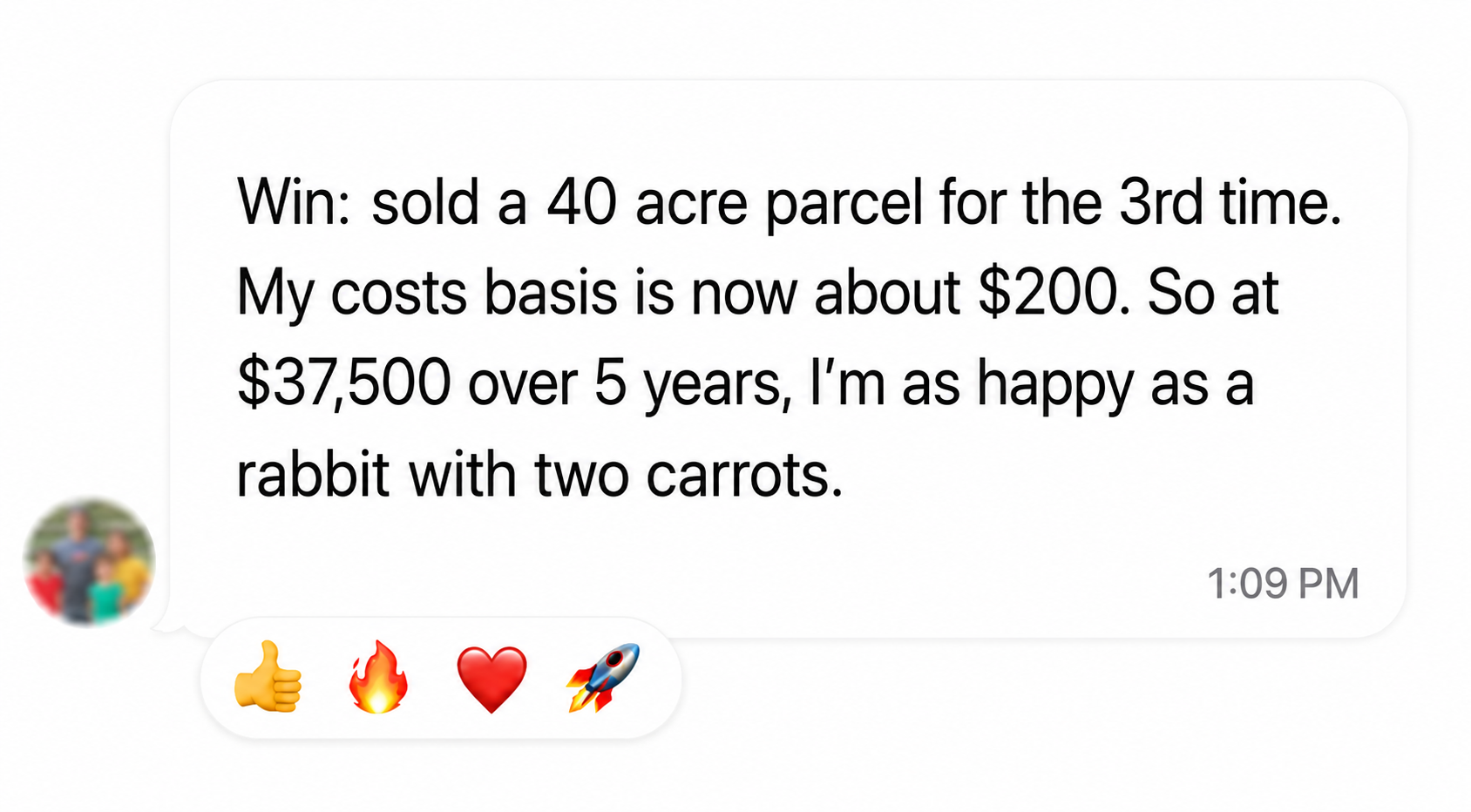
How much money you can make flipping land in 2026 depends on multiple factors including the property location, purchase price, market conditions, and your execution of the flip. Understanding these elements and applying a disciplined strategy is crucial before committing to any deal.
This guide provides a practical framework to evaluate the financial potential of land flipping, helping you identify key criteria, avoid common pitfalls, and verify critical information before buying or selling.
Getting these steps right can significantly improve your chances of a profitable outcome in land investing.
What is land flipping and how does it generate profit?
Land flipping means buying vacant land below market value and reselling it at a higher price to capture a profit margin. Typically, flips don’t require costly improvements like renovating buildings, focusing instead on market timing and property selection.
Investors identify parcels that have potential for price appreciation due to location trends, zoning changes, or upcoming infrastructure. The process involves finding undervalued land, securing it with a workable deal, and marketing it effectively for resale.
Understanding Selling, Marketing & Buyer Psychology can help sellers position their land for a successful transaction.
Before an offer, confirm the property condition, market comparables, and zoning restrictions with local county records or professionals. Clear title and property access are non-negotiable verification steps that strongly affect your ability to close and resell.
How much money can land flipping make in 2026?
Profits from flipping land in 2026 vary widely but generally range from 20% to 30% returns on investment under typical market conditions. Savvy investors may realize higher gains in select markets or by targeting specific property types. However, returns hinge on buying at the right price and understanding selling dynamics.
To estimate your potential profit, start by calculating a defensible purchase price based on comparable land sales in the immediate area and market segment. Then factor in holding and transaction costs (taxes, closing fees, marketing expenses). Your goal net profit must exceed these combined costs and account for the time you hold the land.
Verify the recent sale prices of similar parcels at the county recorder or assessor’s office, and check if zoning or land use changes could affect demand or restrictions. Anything that reduces resale potential is a critical red flag that should lower your offer or stop the deal.
What are the essential steps to start flipping land?
The core steps to begin flipping land are: (1) identifying promising land parcels, (2) confirming legal and physical property facts, (3) securing financing, (4) purchasing, and (5) marketing and reselling for profit.
📘 Get Your FREE Land Investing Strategy Guide
Discover how savvy investors build passive income with vacant land.
- Identify Opportunities: Screen parcels using sales records, planning departments, and local market knowledge to find undervalued plots.
- Due Diligence: Confirm property boundaries, access rights, zoning compliance, environmental status, and clear title through county and professional sources. Any unresolved issues can lower value or cause costly delays.
- Financing: Choose a financing method aligned with your budget, which may be cash, conventional loans, or creative options like seller financing. Verifying loan terms and cash flow impact helps avoid surprises.
- Purchase and Hold: Close the deal and hold the land for a suitable period given market conditions and your exit plan.
- Sell Strategically: Use competitive pricing, targeted marketing on online platforms, and negotiation skills to attract buyers and close sales quickly.
Always verify each property’s unique facts with the appropriate county offices or qualified professionals before finalizing purchase decisions.
What common mistakes should you avoid in land flipping?
Key errors include overpaying without thorough research, ignoring zoning laws, and underestimating holding costs. Overpaying reduces profit margins drastically, especially if resale takes longer than planned.
Some investors neglect to confirm legal access and title status, which can cause serious transactional hurdles. Not understanding zoning restrictions can limit your ability to develop or resell the land as intended.
To avoid these mistakes, compare your offer price only with verified recent sales of comparable land, verify title through a professional title company, and consult local zoning and planning departments before purchase.
What costs should you expect when flipping land?
| Cost Type | What It Includes | Verification & Impact |
|---|---|---|
| Purchase Price | Price agreed with the seller. | Check comps to set realistic maximum; overpaying diminishes profit. |
| Closing Costs | Title insurance, recording fees, attorney fees, transfer taxes. | Obtain estimates from title company upfront; factor into your budget. |
| Property Taxes | Annual taxes owed while holding land. | Verify current and projected taxes with county assessor. |
| Marketing Expenses | Advertising, listing fees, agent commissions if applicable. | Estimate costs based on sales strategy; balance aggressive marketing vs. expenses. |
| Holding Costs | Insurance, maintenance (if any), loan interest if financed. | Budget accurately to avoid surprises that reduce net returns. |
Understanding and verifying each cost component maximizes your ability to calculate net profit and guides your walk-away price.
What risks should you consider before flipping land?
Flipping land involves risks including market fluctuations, legal complications, and environmental issues. The land market can vary widely by location and time, affecting your ability to resell at a profit.
Legal risks include unclear titles, disputes, easements, or restrictive zoning that may emerge during due diligence. Environmental hazards such as contamination or flood plain status can drastically reduce marketability or require remediation.
You must verify title status through professional title searches, consult zoning offices about land use, and perform environmental assessments if warranted. Any unresolved legal or environmental risk is a significant reason to pause or adjust your offer.
How do you decide which land parcel to buy for flipping?
Choose land based on a combination of location, accessibility, zoning, and local market demand. Priority should be on parcels with clear legal access, favorable zoning for your intended purpose or resale, and situated in areas showing positive market trends.
Verify accessibility by confirming public or legal ingress/egress through local records or a site visit. Check zoning regulations and upcoming planning changes with the county planning department. Analyze recent sales in the immediate neighborhood for your target market segment.
A parcel that checks these boxes and sells below comparable market value warrants serious consideration. Any red flags uncovered should reduce your offer or make you walk away.
What are the most effective strategies to sell flipped land?
Effective land sales rely on competitive pricing, targeted marketing to buyers likely to pay a premium, and skilled negotiation. Pricing should be based on recent comparable sales and adjusted for factors such as frontage, utilities, and restrictions.
Market the land on established real estate listing sites, specialized vacant land platforms, and local networks. High-quality photos and detailed, honest descriptions build buyer trust. Be ready to negotiate offers while knowing your minimum acceptable price.
Pricing too high can cause the property to stagnate; pricing too low sacrifices profit. Verification via market comp analysis and feedback during marketing helps dial in the optimal price.
How can you finance your land flipping projects?
Land flipping can be financed through cash purchases, traditional loans like land loans, or creative financing such as seller financing, partnerships, or private lenders. Cash offers often have an advantage in speeding up closings and negotiating prices.
Traditional loans may require higher down payments and stricter underwriting than residential mortgages. Verify loan terms, closing costs, and qualification requirements thoroughly before applying.
Creative financing requires solid agreements and trusted partners. Always vet financing options according to your budget and timeline. The financing method impacts your holding costs, flexibility, and overall profit potential.
Why is research crucial in land flipping and what should you focus on?
Research helps you identify promising properties, set realistic prices, and avoid risky deals. Focus areas include verifying ownership and title, analyzing market sales data, reviewing zoning and land use regulations, and assessing environmental and physical property conditions.
Use local government offices for title and zoning verification. Access county databases for recent comparable sales. Investigate any liens, easements, or restrictions that affect usability or marketability. Thorough research mitigates risk and bolsters informed bid decisions.
How do you accurately evaluate land value?
Start your land valuation by analyzing recent sales of comparable parcels within the same geographic area and with similar characteristics (size, zoning, access, topography). Adjust for differences such as utilities availability or land improvements.
Consider local zoning restrictions, development potential, and proximity to infrastructure and amenities, which all influence value. When practical, engage a professional land appraiser for an impartial, expert valuation, especially for financed purchases.
Reliable valuation guides your offer price and helps avoid overpaying or undervaluing the property during resale.
What are the tax implications of flipping land in 2026?
Profits from flipping land are typically subject to capital gains tax, with rates influenced by your holding period and tax jurisdiction. Investors should keep detailed records of purchase costs, holding expenses, and improvement costs to accurately calculate taxable gains.
Potential deductions may include property taxes, legal fees, marketing expenses, and other costs related to the transaction. However, tax liabilities vary widely based on individual circumstances and location.
Consult a qualified tax professional experienced in real estate transactions to understand tax responsibilities and potential strategies specific to your land deals.
What legal considerations must you verify before flipping land?
Key legal checks include confirming a clear property title without liens or claims, understanding zoning regulations and approved uses, and identifying any land use restrictions or easements that could affect your plan.
Obtain a thorough title search from a reputable title company and purchase title insurance if possible. Consult the zoning office to verify permissible uses and any pending rezoning efforts. Investigate any deed restrictions or homeowners association covenants that apply.
Legal risks discovered late can stall or derail deals, so early comprehensive verification is essential to confident flipping.
How can you build a successful network in land investing?
Building relationships with other investors, real estate agents, title companies, and local officials can uncover off-market deals and provide valuable insights. Join local real estate investment groups and attend industry events to meet peers and professionals.
Engage in online real estate forums and social media communities focused on land investing to broaden your network. A strong network increases your access to opportunities, helps you navigate challenges, and accelerates learning.
What practical resources can support new land investors?
Books and structured courses focused on land investing deliver foundational knowledge and step-by-step guidance. Real estate investment groups and local meetups provide community support and deal discussion.
Online tools and land listing websites offer data and access to properties. Forums enable Q&A and experience sharing. Leveraging these resources helps build expertise and confidence in flipping land.
What are common questions from new land flippers?
New investors often ask how to find trustworthy land listings, how to understand and time market cycles, and the best approaches to evaluate and price land. They also seek advice on financing options and legal due diligence.
Answers involve emphasizing county record searches, analyzing recent sales for market timing, and engaging local professionals for zoning and title clarity. Networking with experienced investors is a productive way to get practical answers.
Final remarks
Flipping land profitably in 2026 requires a clear, fact-based process: identify the right parcel based on verified facts, understand all costs and legal conditions, secure appropriate financing, and market the land strategically.
Every step includes verification through county sources, professionals, and market data. Avoiding assumptions and generalizations will protect your investment.
If you want to advance faster, consider proven coaching or reliable educational materials that guide you through this disciplined, detail-oriented process.
For practical next steps, start with the Dirt Rich book or explore Land Geek coaching.



