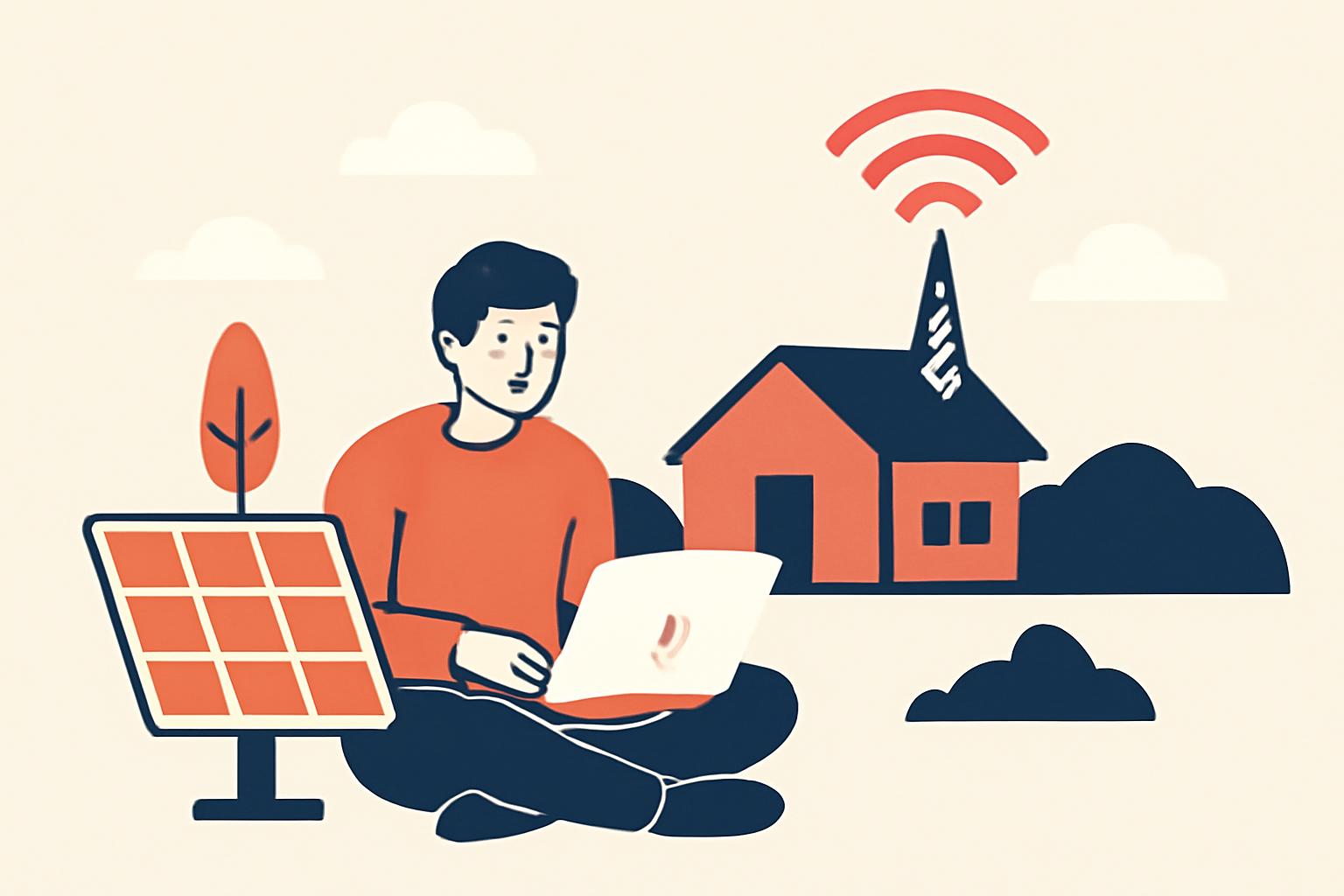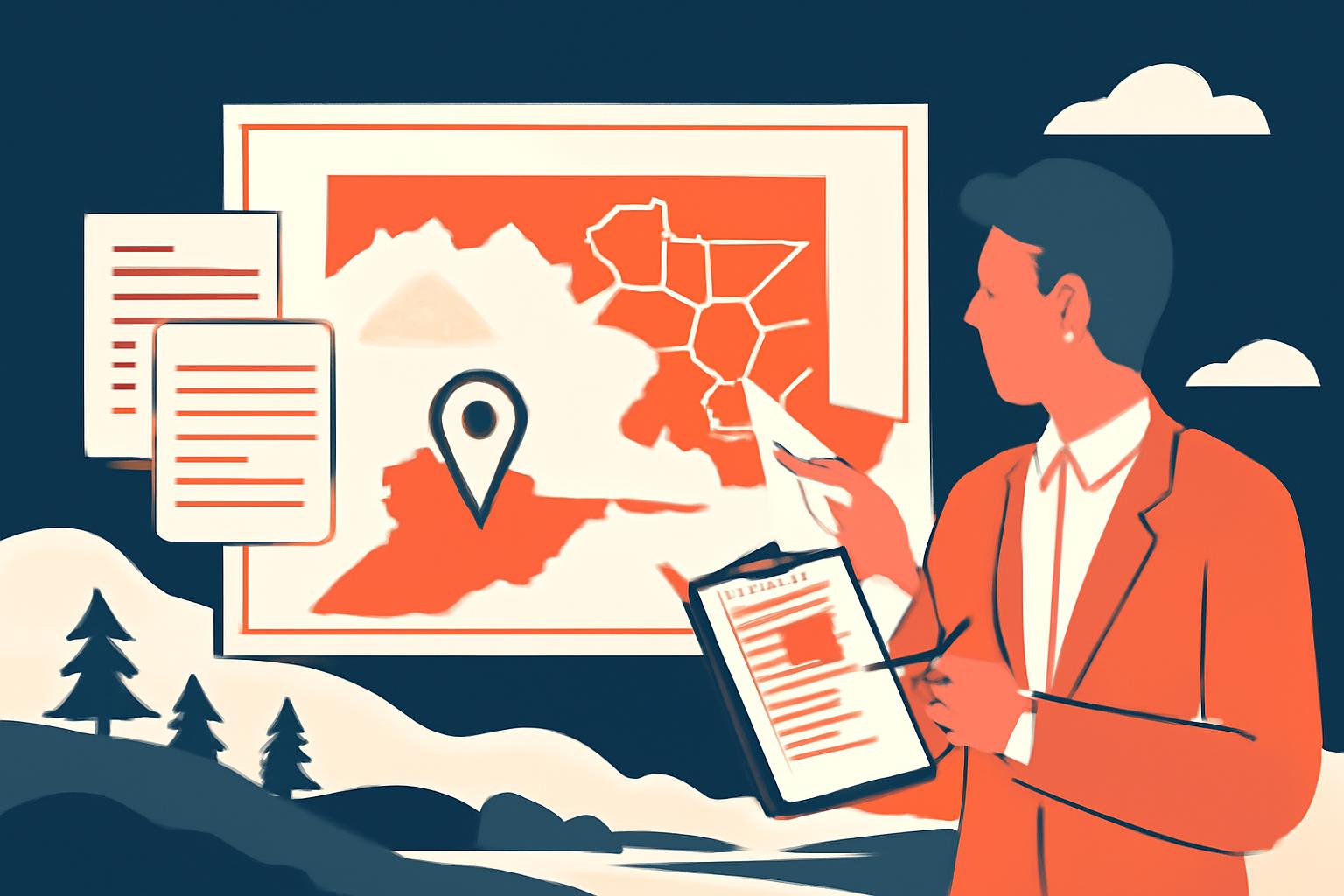
Living off-grid in Maryland is increasingly appealing to those seeking independence from utility companies, a sustainable lifestyle, or a return to nature. However, potential residents need to navigate various legal, environmental, and logistical hurdles to make this dream a reality. This comprehensive guide will examine the feasibility of off-grid living in Maryland, covering essential aspects such as legal requirements, land availability, energy generation, and community Resources. The following sections will provide detailed insights to help you make informed decisions about living off the grid.
Can You Live Off Grid in Maryland?
Yes, you can live off grid in Maryland, but it requires careful planning and adherence to local laws and regulations. Off-grid living allows for a self-sufficient lifestyle, but individuals must be prepared for the challenges it presents.
Definition of Off-Grid Living
Off-grid living refers to a lifestyle where individuals or families live independently of public utilities such as electricity, water, and sewage systems. This typically involves generating one’s own power, sourcing water, and managing waste without relying on municipal services. In Maryland, this can mean using solar panels, wind turbines, or other renewable energy sources to meet energy needs, while also utilizing rainwater harvesting and composting for water and waste management.
Benefits of Off-Grid Living
The benefits of living off-grid in Maryland include greater self-sufficiency, reduced utility costs, and a smaller environmental footprint. Residents can enjoy a more sustainable lifestyle by utilizing renewable resources and minimizing reliance on fossil fuels. Additionally, off-grid living often leads to increased privacy, less stress from urban life, and the opportunity to cultivate a closer connection to nature.
Challenges of Off-Grid Living
Despite its allure, off-grid living presents several challenges, including initial setup costs, ongoing maintenance, and compliance with local regulations. Residents must also be prepared for potential emergencies, such as power outages or water shortages. Additionally, the learning curve for managing energy, water, and waste systems can be steep, requiring a commitment to continuous education and adaptation.
What Are the Legal Requirements for Off-Grid Living in Maryland?
Living off-grid in Maryland comes with specific legal requirements, including zoning laws, building codes, and necessary permits. Understanding these regulations is crucial for a successful transition to an off-grid lifestyle.
Zoning Laws
Zoning laws in Maryland dictate what types of structures can be built in specific areas, affecting off-grid living plans. Some areas may have restrictions on tiny homes, mobile structures, or unconventional dwellings. It’s essential to consult local zoning regulations before purchasing land to ensure that your off-grid plans are compliant with local laws.
Building Codes
Maryland has stringent building codes that govern construction standards for safety and health. These regulations cover everything from the materials used to the design of structures. Off-grid dwellers must adhere to these codes, which may necessitate hiring certified professionals for construction or renovations to meet safety standards.
Permits Needed
Securing the appropriate permits is crucial for any off-grid project in Maryland. This can include permits for building, electrical work, and plumbing. Depending on the locality, permits may also be required for installing solar panels or wind turbines. Failure to obtain the necessary permits can result in fines or the requirement to dismantle unapproved structures.
Is It Possible to Find Land for Off-Grid Living in Maryland?
Yes, finding land suitable for off-grid living in Maryland is possible, particularly in rural areas. Prospective off-grid residents should consider location, land type, and specific requirements before making a purchase.
Best Areas for Off-Grid Living
Some of the best areas for off-grid living in Maryland include Garrett County, Washington County, and parts of the Eastern Shore. These regions offer larger parcels of land, lower population densities, and a more favorable attitude towards off-grid living. Each area has its unique characteristics, from mountainous terrains to flat plains, affecting accessibility and resource availability.
Types of Land Available
Land for off-grid living can vary widely in Maryland, from wooded lots to open fields. Prospective buyers can find raw land that requires development, or parcels that may already have some infrastructure in place, such as access roads or existing structures. It’s vital to evaluate the land for suitability regarding water access, sunlight for solar energy, and waste management options.
Land Purchase Considerations
When purchasing land for off-grid living, consider factors such as proximity to resources, accessibility, and local regulations. Additionally, assess the land’s suitability for building a home and its potential for sustainable practices like gardening or renewable energy generation. A thorough due diligence process can help ensure a successful off-grid living experience.
How Can You Generate Electricity Off Grid in Maryland?
Generating electricity off-grid in Maryland is achievable through various renewable energy sources, primarily solar and wind. Understanding your options and their feasibility is essential for creating a sustainable energy system.
Solar Power Options
Solar power is one of the most popular options for off-grid electricity generation in Maryland due to its efficiency and decreasing costs. Homeowners can install photovoltaic panels to convert sunlight into electricity, with battery storage systems allowing for energy use during non-sunny periods. Incentives and rebates may also be available to offset installation costs, making solar an attractive option for off-grid living.
Wind Energy Solutions
Wind energy can be a viable alternative or supplement to solar power, particularly in areas with consistent wind patterns. Small residential wind turbines can generate electricity to power homes, although initial setup costs can be higher than solar systems. Assessing local wind data and regulations is crucial before investing in wind energy solutions.
Backup Power Sources
Off-grid living necessitates a reliable backup power source to ensure energy availability during emergencies or equipment failure. Options include generators, battery banks, or even hydropower if a suitable water source is available. Each backup system should be carefully planned to align with energy needs and sustainability goals.
What Are Your Water Supply Options Off Grid in Maryland?
Water supply options for off-grid living in Maryland include rainwater harvesting, well water, and filtration systems. Choosing the right method depends on land characteristics and local regulations.
Rainwater Harvesting
Rainwater harvesting is a sustainable and efficient way to collect water for various uses. Systems can be installed to capture rainwater from roofs, which is then stored in tanks for later use. This method is particularly beneficial in areas with consistent rainfall, helping to reduce dependence on traditional water sources.
Well Water
Drilling a well is another common option for off-grid water supply. While this provides a reliable source of water, it requires a significant initial investment and adherence to local regulations and permits. Additionally, the quality and sustainability of well water must be regularly monitored to ensure safety and compliance with health standards.
Water Filtration Systems
Regardless of the water source, implementing a reliable filtration system is crucial for ensuring water safety. Off-grid residents may need to invest in filtration units that can remove contaminants from rainwater or well water. Regular maintenance and testing of water quality should also be part of any off-grid water management strategy.
How Do You Manage Waste Off Grid in Maryland?
Managing waste off-grid in Maryland involves utilizing composting toilets, greywater systems, and understanding local waste disposal regulations. Effective waste management is essential for sustainability and compliance.
Composting Toilets
Composting toilets are an eco-friendly solution for managing human waste, converting it into compost through aerobic decomposition. These systems require minimal water and can be easily maintained, making them ideal for off-grid living. However, understanding local regulations regarding composting toilets is essential before installation.
Greywater Systems
Greywater systems recycle water from sinks, showers, and washing machines for irrigation or other uses. These systems can significantly reduce water waste and are a sustainable solution for off-grid living. However, proper design and installation are necessary to ensure compliance with health and safety regulations.
Waste Disposal Regulations
Maryland has specific regulations governing waste disposal, including guidelines for hazardous waste and septic systems. Off-grid residents must familiarize themselves with these laws to avoid fines and ensure environmental protection. Regular inspections and maintenance of waste systems are also crucial for compliance.
What Heating and Cooling Solutions Are Available Off Grid in Maryland?
Heating and cooling solutions for off-grid living in Maryland include wood-burning stoves, passive solar design, and effective insulation techniques. These systems help maintain comfortable living conditions year-round.
Wood Burning Stoves
Wood-burning stoves provide an efficient and sustainable heating option for off-grid homes. They utilize renewable resources and can significantly reduce reliance on electric heating systems. Proper ventilation and chimney design are essential for safety and efficiency when using wood stoves.
Passive Solar Design
Passive solar design leverages natural sunlight to heat homes, reducing the need for traditional heating systems. This approach involves strategically placing windows, thermal mass, and insulation to optimize energy use. By maximizing natural light and heat, residents can maintain comfort while minimizing energy costs.
Insulation Techniques
Effective insulation is critical for maintaining comfortable temperatures in off-grid homes. Utilizing high-quality insulation materials and techniques can help reduce heat loss during winter and keep homes cool during summer. Investing in proper insulation not only enhances comfort but also lowers energy demands.
Can You Grow Your Own Food Off Grid in Maryland?
Yes, growing your own food off-grid in Maryland is entirely feasible through various gardening techniques, including permaculture practices and understanding seasonal planting. A self-sustaining food source is vital for off-grid living.
Gardening Techniques
Gardening techniques such as raised beds, container gardening, and vertical gardens can optimize space and yield. Maryland’s diverse climate allows for a range of crops, from vegetables to herbs. Planning your garden layout and utilizing companion planting can enhance productivity and sustainability.
Permaculture Practices
Permaculture principles focus on creating sustainable and self-sufficient agricultural ecosystems. These practices encourage biodiversity, soil health, and water conservation. Implementing permaculture can lead to higher yields and reduced resource input, making it an excellent fit for off-grid living.
Seasonal Planting Guide
Understanding the seasonal planting calendar in Maryland is crucial for successful off-grid gardening. Cool-season crops can be planted in early spring or late summer, while warm-season crops thrive in late spring and summer. A well-planned planting schedule can ensure a continuous food supply throughout the year.
What Are the Best Renewable Energy Sources for Maryland Residents?
The best renewable energy sources for Maryland residents include solar energy, wind energy, and biomass. Each option has its advantages and can contribute to a sustainable off-grid lifestyle.
Solar Energy Feasibility
Solar energy is highly feasible in Maryland due to its moderate climate and incentives for solar installation. Homeowners can benefit from net metering and state tax credits, making solar a cost-effective option for off-grid energy generation. The potential for energy independence makes solar a popular choice among off-grid residents.
Wind Energy Potential
Wind energy potential in Maryland varies by location, with some areas offering consistent winds suitable for small turbines. While the initial investment may be high, the long-term savings and renewable energy generation can make wind a viable option for off-grid living. Careful site selection is crucial to maximize wind energy efficiency.
Biomass Energy Options
Biomass energy involves using organic materials, such as wood, crop waste, and even animal manure, to generate power. This renewable energy source can be particularly beneficial for off-grid residents with access to ample organic materials. Implementing biomass systems can contribute to energy self-sufficiency while promoting sustainable land management practices.
How Do You Stay Connected While Living Off Grid in Maryland?
Staying connected while living off-grid in Maryland is possible through various internet access options, mobile connectivity, and emergency communication solutions. Technology can enhance the off-grid experience without compromising independence.
Internet Access Options
Internet access for off-grid living can be achieved through satellite services, cellular data, or fixed wireless connections. Satellite internet provides coverage in remote areas, while cellular data can be an affordable option in regions with good reception. Choosing the right provider and plan is essential to meet your communication needs.
Mobile Connectivity
Mobile connectivity is critical for off-grid residents who wish to stay in touch with family and friends or conduct business remotely. Investing in a reliable mobile phone plan and considering signal boosters can enhance connectivity in rural areas. Understanding local network options can help ensure consistent communication.
Emergency Communication Solutions
Emergency communication solutions are essential for off-grid living, providing a means to call for help in case of emergencies. Options include satellite phones, two-way radios, or even ham radios. Having a reliable communication plan can significantly enhance safety while living off the grid.
What Are the Costs Associated with Off-Grid Living in Maryland?
The costs associated with off-grid living in Maryland can vary widely based on initial setup, ongoing maintenance, and financing options. Understanding these expenses will help you budget effectively for your off-grid lifestyle.
Initial Setup Costs
Initial setup costs for off-grid living can be substantial, often ranging from tens of thousands to over a hundred thousand dollars, depending on land, home construction, and energy systems. These costs include purchasing land, building materials, solar panels, and other renewable energy systems. A detailed budget and financial planning are essential to cover these upfront expenses.
Ongoing Maintenance Expenses
Ongoing maintenance expenses are a crucial aspect of off-grid living, including costs for fuel, repairs, and system checks. Regular maintenance of energy systems, water supply, and waste management is necessary to ensure functionality and compliance. Planning for these recurring costs can help avoid financial strain over time.
Financing Options
Various financing options are available for off-grid living, including personal loans, mortgages, and grants for renewable energy projects. Researching available programs and incentives can make off-grid living more financially feasible. It’s crucial to understand the terms and conditions of any financing option before proceeding.
How Do You Implement Sustainable Practices Off Grid in Maryland?
Implementing sustainable practices off-grid in Maryland involves energy and water conservation techniques along with the use of sustainable building materials. These practices enhance self-sufficiency and minimize environmental impacts.
Energy Conservation Techniques
Energy conservation techniques are vital for off-grid living, focusing on reducing energy consumption through efficient appliances, LED lighting, and smart home systems. Simple habits, such as unplugging devices when not in use, can also contribute to lower energy demands. The more efficiently energy is used, the less reliant residents will be on their renewable energy systems.
Water Conservation Strategies
Water conservation strategies are essential for sustainability, particularly in off-grid settings. Techniques such as drip irrigation, xeriscaping, and efficient fixtures can significantly reduce water usage. Implementing these strategies not only conserves water but can also decrease the need for extensive water storage systems.
Sustainable Building Materials
Utilizing sustainable building materials is critical for off-grid homes, focusing on renewable resources, recycled materials, and energy-efficient designs. Options include reclaimed wood, straw bales, or earth-based materials. Choosing the right materials can enhance sustainability while providing a comfortable living environment.
What Community Resources Are Available for Off-Grid Living in Maryland?
Community resources for off-grid living in Maryland include local groups, workshops, and online communities that offer support and information. Engaging with these resources can enhance your off-grid experience.
Local Groups and Organizations
Local groups and organizations provide valuable resources for off-grid living, including networking opportunities, workshops, and advocacy for sustainable practices. Joining these groups can connect you with like-minded individuals and offer practical advice for living off-grid in Maryland.
Workshops and Training
Workshops and training sessions on off-grid living are often available through community centers, universities, or local organizations. These programs can cover various topics, from renewable energy systems to permaculture practices. Participating in these workshops can enhance your skills and knowledge for successful off-grid living.
Online Communities
Online communities provide a platform for off-grid enthusiasts to share experiences, resources, and advice. Forums and social media groups can be excellent sources of information and support, allowing residents to connect with others facing similar challenges and successes in off-grid living.
How Do You Prepare for Emergencies While Living Off Grid in Maryland?
Preparing for emergencies while living off-grid in Maryland involves assembling emergency kits, developing disaster preparedness plans, and acquiring first aid training. These preparations are essential for safety and security.
Emergency Kits
Creating a comprehensive emergency kit is crucial for off-grid residents, including non-perishable food, water, medical supplies, and essential tools. Regularly reviewing and updating the kit ensures it remains functional and relevant. Additionally, including communication devices can enhance safety during emergencies.
Disaster Preparedness Plans
Developing a disaster preparedness plan is essential for off-grid living, outlining steps to take during various emergencies, such as power outages, severe weather, or medical emergencies. This plan should include evacuation routes, communication methods, and designated meeting points. Regularly practicing the plan can help ensure family readiness in case of an emergency.
First Aid Training
First aid training is an invaluable asset for anyone living off-grid, equipping individuals with the skills to respond to medical emergencies effectively. Many local organizations and online platforms offer courses that cover basic first aid, CPR, and emergency response techniques. Being trained can significantly increase safety and confidence when living independently.
What Are the Best Off-Grid Living Resources for Maryland Residents?
The best off-grid living resources for Maryland residents include books, websites, blogs, and YouTube channels dedicated to sustainable living. These resources can provide valuable information and inspiration.
Books and Guides
Numerous books and guides focus on off-grid living, offering insights into energy systems, gardening, and sustainable practices. Popular titles include “The Renewable Energy Handbook” and “The Backyard Homestead.” These resources serve as essential references for anyone interested in transitioning to an off-grid lifestyle.
Websites and Blogs
Websites and blogs dedicated to off-grid living provide up-to-date information, tips, and personal stories from seasoned off-grid residents. Sites like Off-Grid World or The Prairie Homestead offer a wealth of resources covering everything from energy systems to gardening techniques. Engaging with these platforms can enhance your understanding of off-grid living.
YouTube Channels
YouTube channels focused on off-grid living can offer visual tutorials, personal experiences, and practical advice. Channels like “Living Big in a Tiny House” and “Off Grid with Doug and Stacy” provide inspiring content that can help new off-grid residents learn valuable skills. Watching these videos can also foster a sense of community among off-grid enthusiasts.
Can You Work Remotely While Living Off Grid in Maryland?
Yes, working remotely while living off-grid in Maryland is possible with the right internet access, equipment, and planning. Many remote jobs can be performed from anywhere, making off-grid living compatible with modern work arrangements.
Remote Job Opportunities
Remote job opportunities continue to grow across various industries, allowing off-grid residents to maintain a steady income. Fields such as technology, writing, and consulting often provide flexible work arrangements. Identifying remote job opportunities that align with your skills is crucial for sustaining an off-grid lifestyle.
Setting Up a Home Office
Setting up a home office in an off-grid setting can be challenging, but with careful planning, it can be accomplished. Ensure your workspace has reliable power sources, such as solar panels or a generator, and adequate internet connectivity. A designated office space can help separate work from home life, enhancing productivity.
Balancing Work and Off-Grid Life
Balancing work and off-grid life requires effective time management and prioritization. Setting boundaries for work hours and personal time can help maintain a healthy lifestyle. Additionally, incorporating breaks to enjoy nature and engage in off-grid activities can enhance overall well-being while working remotely.
What Are the Most Common Misconceptions About Off-Grid Living?
Common misconceptions about off-grid living include beliefs about isolation, costs, and the required technical skills. Understanding these myths can help potential off-grid residents make informed decisions.
Isolation vs. Community
A prevalent misconception is that off-grid living leads to isolation from society. In reality, many off-grid residents actively engage with local communities and networks, sharing resources and knowledge. Building connections with others can provide invaluable support and camaraderie, making off-grid living a more enriching experience.
Cost Myths
Many people believe that off-grid living is prohibitively expensive, primarily due to the initial setup costs. While these costs can be high, long-term savings on utility bills and self-sufficiency can offset these expenses. Additionally, various financing options and grants can make off-grid living more accessible.
Technical Skills Misunderstandings
Some believe that extensive technical skills are required for off-grid living, which can deter potential residents. While having some knowledge of energy systems and gardening can be beneficial, many resources and communities are available to help newcomers learn. A willingness to learn and adapt is often more important than pre-existing technical expertise.
How Does Off-Grid Living Impact Your Lifestyle in Maryland?
Off-grid living significantly impacts lifestyle, shaping daily routines, social interactions, and work-life balance. Understanding these changes can help individuals prepare for the transition.
Daily Routines
Daily routines in off-grid living often revolve around resource management, including energy generation, water collection, and food production. Residents may find themselves spending more time engaging with their environment, whether gardening or maintaining energy systems. This shift can lead to a slower, more mindful way of life that prioritizes sustainability and self-sufficiency.
Social Interactions
Social interactions may change when living off-grid, as residents may have fewer opportunities for spontaneous gatherings or activities. However, many off-grid communities foster strong relationships based on shared values and experiences. Engaging with local groups can facilitate social connections and support networks.
Work-Life Balance
Achieving work-life balance can be more challenging in an off-grid setting, particularly for those working remotely. Setting boundaries between work and personal time is crucial for maintaining well-being. Off-grid living can encourage a lifestyle that values leisure and connection with nature, enhancing overall life satisfaction.
What Are the Environmental Impacts of Off-Grid Living in Maryland?
Off-grid living can have various environmental impacts, including carbon footprint reduction, considerations for biodiversity, and land management practices. Understanding these impacts is essential for fostering a sustainable lifestyle.
Carbon Footprint Reduction
By utilizing renewable energy sources and sustainable practices, off-grid living can significantly reduce an individual’s carbon footprint. This lifestyle minimizes reliance on fossil fuels, encouraging a more sustainable way of life. The benefits extend beyond individual households, contributing to broader environmental goals.
Biodiversity Considerations
Maintaining biodiversity is essential for sustainable land management in off-grid living. Practices such as permaculture and native plant gardening can enhance local ecosystems and support wildlife. Off-grid residents can positively impact their environment by preserving natural habitats and promoting ecological health.
Land Management Practices
Implementing responsible land management practices is crucial for off-grid residents. Techniques such as rotational grazing, agroforestry, and organic gardening promote soil health and minimize erosion. By prioritizing sustainable land use, off-grid residents can contribute to the long-term health of their environment.
How Can You Find Off-Grid Living Inspiration in Maryland?
Finding inspiration for off-grid living in Maryland can come from visiting off-grid communities, reading success stories, and networking with other enthusiasts. Engaging with these sources can enhance your off-grid journey.
Visiting Off-Grid Communities
Visiting established off-grid communities can provide firsthand insights into sustainable living practices. Many communities welcome visitors for tours and workshops, offering opportunities to learn from experienced residents. These visits can inspire new ideas and approaches for your off-grid lifestyle.
Reading Success Stories
Reading success stories from those who have successfully transitioned to off-grid living can provide motivation and practical advice. Many blogs and books share personal experiences, challenges, and triumphs, offering valuable lessons for aspiring off-grid residents. Engaging with these narratives can help build confidence in your off-grid journey.
Networking with Off-Grid Enthusiasts
Networking with off-grid enthusiasts can enhance your understanding of sustainable living practices. Online forums, social media groups, and local meetups offer platforms for sharing knowledge and experiences. Building connections with others can provide support and encouragement throughout your off-grid journey.
What Are the Future Trends in Off-Grid Living in Maryland?
Future trends in off-grid living in Maryland may include technological innovations, policy changes, and sustainability movements. Staying informed about these trends can help residents adapt to the evolving landscape of off-grid living.
Technological Innovations
Technological innovations in renewable energy and sustainable living practices are rapidly evolving. Advancements in solar panel efficiency, battery storage, and smart home technology can enhance off-grid living experiences. Staying updated on these trends can help residents make informed decisions about energy systems and sustainable practices.
Policy Changes
Policy changes at local and state levels may impact off-grid living regulations and incentives. Advocating for supportive policies can help create a more favorable environment for off-grid residents. Engaging with local governance and advocacy groups can contribute to positive changes in off-grid living legislation.
Sustainability Movements
The growing sustainability movement emphasizes the importance of environmental stewardship and self-sufficiency. As more individuals seek sustainable living options, off-grid living may become increasingly mainstream. Engaging with this movement can provide valuable resources and support for off-grid residents.
Can You Live Off Grid Year-Round in Maryland?
Yes, it is possible to live off-grid year-round in Maryland, but it requires thorough planning and adaptation to seasonal changes. Understanding the climate and preparing for seasonal challenges are essential for a successful off-grid lifestyle.
Seasonal Considerations
Seasonal considerations for off-grid living in Maryland include adapting to varying temperatures and precipitation. Winter months may require additional energy storage and heating solutions, while summer can present challenges related to water usage and heat management. Understanding seasonal patterns can help residents prepare for the unique demands of off-grid living throughout the year.
Winter Preparation
Winter preparation is crucial for off-grid residents, requiring adequate insulation, heating solutions, and energy reserves. Ensuring that all systems are functional before winter sets in can prevent emergencies during the colder months. Regular maintenance checks can help ensure that equipment remains operational and efficient.
Summer Sustainability
Summer sustainability practices focus on water conservation and energy efficiency. Implementing systems for rainwater harvesting and using energy-efficient appliances can help manage resources during hot months. Engaging with the local environment, such as gardening and foraging, can also enhance self-sufficiency during the summer season.
What Are the Pros and Cons of Off-Grid Living in Maryland?
The pros of off-grid living in Maryland include self-sufficiency and lower living costs, while the cons may involve higher initial setup costs and potential isolation. Weighing these factors is essential for making an informed decision about off-grid living.
Advantages of Living Off Grid
Advantages of living off-grid include greater autonomy from utility companies, reduced living expenses, and a more sustainable lifestyle. Off-grid residents often enjoy a deeper connection to nature and increased privacy, making it an appealing lifestyle choice for many. The ability to grow one’s own food and generate energy can also contribute to personal satisfaction and fulfillment.
Disadvantages of Off Grid Living
Disadvantages of off-grid living can include higher initial investment costs, ongoing maintenance, and potential challenges in accessing resources. Living off-grid may also require a significant lifestyle adjustment and a willingness to learn new skills. Understanding these challenges can help individuals prepare for a successful transition.
Personal Considerations
Personal considerations play a significant role in deciding to live off-grid. Factors such as family needs, work commitments, and lifestyle preferences should be carefully evaluated. Engaging with current off-grid residents can provide insights into the realities of this lifestyle, helping prospective residents make informed choices.
How Do You Transition to Off-Grid Living in Maryland?
Transitioning to off-grid living in Maryland involves careful planning, gradual strategies, and essential skill development. A thoughtful approach can facilitate a smoother transition to an off-grid lifestyle.
Planning Your Move
Planning your move to off-grid living begins with thorough research and goal setting. Understanding local regulations, available resources, and the specifics of your chosen location can help create a solid foundation for your off-grid lifestyle. Developing a timeline and checklist for your transition can keep you organized and focused.
Gradual Transition Strategies
Gradual transition strategies can make the shift to off-grid living more manageable. Starting with small changes, such as implementing energy-saving practices or growing a garden, can build confidence and experience. Over time, residents can expand their efforts towards full off-grid living, allowing for adjustment and adaptation.
Essential Skills to Learn
Acquiring essential skills for off-grid living is crucial for success. Skills such as gardening, renewable energy management, and basic construction can significantly enhance self-sufficiency. Many resources are available for learning these skills, including local workshops, online courses, and books dedicated to off-grid living.
What Are the Resources for Learning Off-Grid Skills in Maryland?
Resources for learning off-grid skills in Maryland include local classes, online learning platforms, and books. Engaging with these resources can enhance your knowledge and capabilities for living off the grid.
Local Classes and Workshops
Local classes and workshops offer hands-on learning opportunities for off-grid skills such as gardening, renewable energy systems, and sustainable practices. Many community centers and agricultural extension offices offer programs tailored to off-grid living. Participating in these classes can provide valuable knowledge and connect you with like-minded individuals.
Online Learning Platforms
Online learning platforms provide a wealth of information on off-grid skills, offering courses on various topics. Websites such as Udemy or Coursera feature programs focused on sustainable living and renewable energy. These platforms allow individuals to learn at their own pace and access information from experts in the field.
Books and Manuals
Books and manuals on off-grid skills can serve as essential references for residents. Titles covering topics such as permaculture, renewable energy, and self-sufficiency provide valuable insights and practical advice. Building a library of off-grid resources can enhance your knowledge and preparedness for living independently.
Can You Raise a Family While Living Off Grid in Maryland?
Yes, raising a family while living off-grid in Maryland is feasible, provided you consider education, family activities, and healthcare access. Planning and adaptability are essential for a successful family life off-grid.
Education Options
Education options for off-grid families can include homeschooling, online education, or local co-op programs. Many off-grid families choose to homeschool, allowing for personalized learning experiences tailored to their children’s needs. Engaging with local educational communities can provide resources and support for off-grid families.
Family Activities
Family activities in an off-grid setting can focus on nature, gardening, and hands-on learning experiences. Engaging in outdoor activities, such as hiking, camping, and foraging, can foster a deeper connection to the environment. Additionally, working on gardening and renewable energy projects can provide valuable family bonding opportunities while teaching essential skills.
Health Care Access
Accessing healthcare while living off-grid may pose challenges, especially in remote areas. Establishing a relationship with local healthcare providers and understanding emergency protocols is crucial. Many off-grid families prioritize preventive care and natural remedies, emphasizing health education and sustainable living practices.
How Do You Protect Your Off-Grid Home in Maryland?
Protecting your off-grid home in Maryland involves implementing security measures, understanding insurance considerations, and preparing for emergencies. A proactive approach can enhance safety and peace of mind.
Security Measures
Implementing security measures for your off-grid home can deter theft and vandalism. Options include alarm systems, security cameras, and secure locks. Additionally, developing relationships with neighbors can foster a community watch approach, enhancing security through mutual support.
Insurance Considerations
Insurance considerations for off-grid homes may differ from traditional properties. Understanding local insurance requirements and finding providers that cater to off-grid living is essential. Proper coverage can protect against unforeseen events, such as natural disasters or property damage.
Emergency Preparedness
Emergency preparedness is crucial for off-grid residents, especially in remote areas. Developing emergency plans, including evacuation routes and communication strategies, can enhance safety during crises. Regular drills and updating emergency kits can ensure readiness for various situations.
What Are the Best Practices for Off-Grid Living in Maryland?
Best practices for off-grid living in Maryland include establishing daily maintenance routines, conducting system checks, and engaging with the community. These practices contribute to a successful and sustainable off-grid lifestyle.
Daily Maintenance Routines
Establishing daily maintenance routines is crucial for off-grid living, ensuring that systems remain functional and efficient. Regularly checking energy systems, water supply, and waste management can prevent issues before they arise. A proactive approach to maintenance can enhance overall sustainability and reduce long-term costs.
System Checks
Conducting regular system checks for energy, water, and waste management systems is vital for off-grid residents. These checks can identify potential problems and ensure that all systems are functioning optimally. Keeping detailed logs of system performance can help track maintenance needs and identify patterns over time.
Community Engagement
Engaging with the local community can enhance the off-grid living experience by providing support and resources. Participating in local events, sharing knowledge, and collaborating on projects can foster a sense of belonging. Building relationships with neighbors can create a network of assistance and shared experiences.
Mini FAQ
Q: Is off-grid living legal in Maryland?
A: Yes, off-grid living is legal in Maryland, but residents must comply with local zoning laws and building codes.
Q: How do you find land for off-grid living?
A: Look for rural areas in Maryland, considering land types and local regulations before purchasing.
Q: Can I use solar power for off-grid living?
A: Yes, solar power is an excellent option for generating electricity off-grid in Maryland.
Q: What are the water supply options for off-grid living?
A: Rainwater harvesting, well water, and filtration systems are viable options for off-grid water supply.
Q: How do you manage waste off-grid?
A: Composting toilets and greywater systems are common methods for waste management in off-grid settings.
Q: Can I grow food off-grid in Maryland?
A: Yes, growing food is entirely feasible through gardening techniques and permaculture practices in Maryland.
Q: What resources are available for learning off-grid skills?
A: Numerous resources, including local workshops, online courses, and books, can help you learn essential off-grid skills.
This content is for informational purposes only. It does not constitute accounting, financial, or legal advice. Please consult a qualified professional before making decisions based on this information.