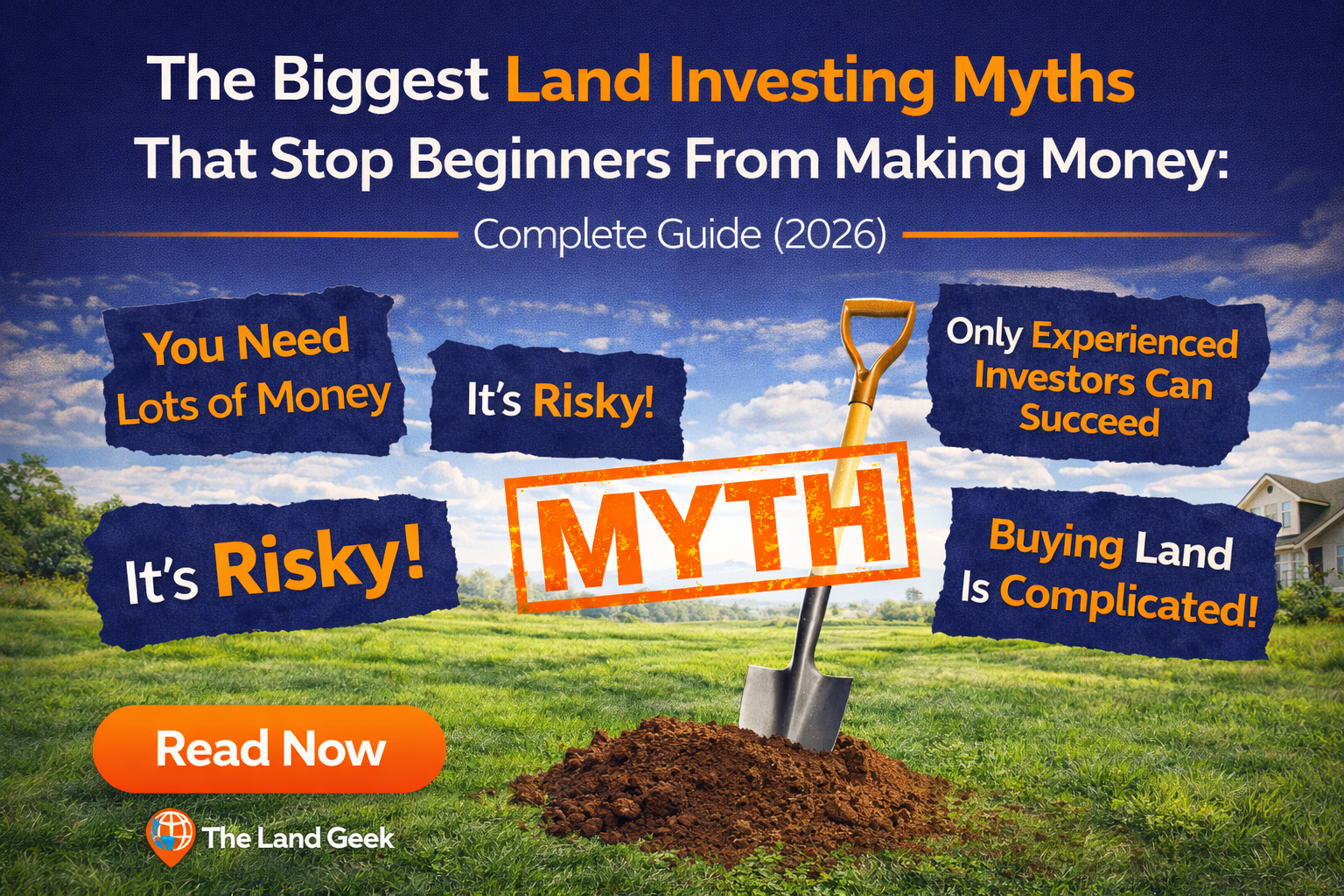
The Biggest Land Investing Myths That Stop Beginners From Making Money — this guide provides clear, practical guidance and answers the most common questions, followed by detailed steps, tips, and key considerations to help you make confident decisions.
What Are the Common Misconceptions About Land Investing?
Common misconceptions about land investing can deter potential investors. Understanding these myths is crucial for beginners to navigate the landscape effectively and make informed decisions. Addressing these misconceptions can lead to greater opportunities and financial success in land investments.
Defining Land Investing Myths
Land investing myths often revolve around perceived barriers such as high costs, extensive knowledge requirements, and risks associated with the investment. One prevalent myth is that land investments are only for wealthy individuals or experienced investors. This misconception can prevent many from exploring potentially lucrative opportunities.
Why Misconceptions Persist
Misconceptions about land investing persist due to a lack of understanding and misrepresentation in media. Many beginners rely on anecdotal evidence or outdated information, which can cloud their judgment. Additionally, the complexity of real estate laws and market dynamics can contribute to the spread of myths, making it essential for new investors to seek accurate, reliable sources of information.
📘 Get Your FREE Land Investing Strategy Guide
Discover how savvy investors build passive income with vacant land.
Impact on New Investors
The impact of these misconceptions on new investors can be significant. They may miss out on profitable opportunities or avoid land investing altogether. This can lead to a narrow focus on more traditional investment avenues, limiting their potential for wealth accumulation. Understanding the realities of land investing is key to overcoming these barriers.
Is Land Investing Only for the Wealthy?
No, land investing is not exclusive to wealthy individuals. With various financing options and investment strategies available, it is accessible for people across different financial backgrounds. Success in land investing is achievable, even for those with limited initial capital.
Understanding Investment Thresholds
Investment thresholds in land investing can vary widely based on location, land type, and market conditions. While some parcels of land can cost hundreds of thousands, others are available for a few thousand dollars. Understanding your budget and identifying lower-cost opportunities can help make land investing more accessible.
Financing Options for Beginners
Beginners have numerous financing options available to them, including traditional bank loans, seller financing, and crowdfunding platforms. Seller financing, in particular, allows investors to negotiate terms directly with the seller, often resulting in lower upfront costs. Exploring these options can significantly ease the financial burden of starting in land investing.
Success Stories of Average Investors
There are countless success stories of average investors who have profited significantly from land investments. These individuals often started with minimal Resources and leveraged their knowledge and network to make smart buying decisions. Such stories illustrate that land investing is within reach for anyone willing to learn and take calculated risks.
Do You Need Extensive Knowledge to Start Investing in Land?
No, extensive knowledge is not a prerequisite for starting in land investing. While research is important, many resources are available to help beginners gain the necessary understanding to make informed decisions. With dedication, anyone can acquire the knowledge needed to succeed.
Importance of Research
Research is a fundamental component of successful land investing. Investors should familiarize themselves with local property laws, zoning regulations, and market trends. By conducting thorough research, beginners can make informed decisions and avoid common pitfalls that may lead to costly mistakes.
Learning Resources Available
There are numerous learning resources available, including online courses, webinars, books, and community forums. Many organizations and experts offer guidance specifically for land investing, providing valuable insights and strategies. Utilizing these resources can help demystify the process and build confidence in new investors.
Overcoming Knowledge Barriers
Overcoming knowledge barriers requires a proactive approach. Beginners should seek mentorship, join local investment groups, or engage in online discussions to learn from experienced investors. This community support can enhance understanding and provide practical tips that are invaluable for newcomers.
Is Land Investing Too Risky for Beginners?
While all investments carry risks, land investing is not inherently too risky for beginners. By thoroughly evaluating risk factors and conducting diligent research, investors can mitigate potential risks and make informed decisions. Understanding these risks is essential to navigating the land investment landscape successfully.
Evaluating Risk Factors
Evaluating risk factors involves analyzing market conditions, location, and land characteristics. Factors such as economic trends, local development plans, and environmental considerations can affect land value. By assessing these elements, investors can identify opportunities with lower risk profiles and enhance their chances of success.
Mitigating Risks with Research
Research is a powerful tool for mitigating risks in land investing. Investors should conduct thorough due diligence on potential properties, including title searches and environmental assessments. Understanding the full context of the investment can help identify red flags and prevent costly mistakes.
Long-term vs. Short-term Risks
Long-term and short-term risks in land investing differ significantly. Short-term risks may include market volatility or economic downturns, while long-term risks often involve changes in land use regulations or environmental concerns. Investors need to weigh these risks carefully, considering their investment horizon and risk tolerance.
Can You Make Money Without a Real Estate License?
Yes, it is possible to make money in land investing without a real estate license. While having a license can provide advantages, many successful investors operate without one by leveraging alternative methods and strategies. Understanding the legal framework is crucial for success.
Legal Requirements for Land Investing
The legal requirements for land investing vary by jurisdiction but generally do not necessitate a real estate license for purchasing land. However, understanding local laws regarding property transactions is essential to avoid legal complications. Familiarizing oneself with these regulations can empower investors to navigate the market confidently.
Alternatives to Licensing
There are various alternatives to obtaining a real estate license, such as collaborating with licensed agents or utilizing investment platforms that facilitate land transactions. Building relationships with professionals in the field can provide valuable insights and help investors make informed decisions without needing a license.
Profitability Without a License
Profitability in land investing without a real estate license is achievable through strategic buying, selling, and leasing of properties. Many investors successfully generate income by focusing on specific niches and employing creative investment strategies. Adopting a proactive approach can lead to significant financial gains, even without formal licensing.
Do You Have to Be an Expert in Real Estate to Succeed?
No, becoming a successful land investor does not require expertise in real estate. While knowledge is beneficial, many successful investors start with minimal experience and gradually build their skills over time. Focused learning and networking can significantly contribute to success.
Skillsets Required for Success
Successful land investors typically possess a combination of analytical skills, market awareness, and negotiation abilities. Understanding how to analyze potential properties, assess their value, and negotiate favorable terms is crucial. Developing these skills through practice and education can lead to successful investments.
Building a Support Network
Building a support network is essential for new investors. Connecting with experienced investors, local real estate agents, and industry professionals can provide guidance and insights. Networking opportunities can be found through real estate meetups, online forums, and social media groups dedicated to land investing.
Learning Through Experience
Learning through experience is one of the most effective ways to succeed in land investing. Beginners should consider starting with smaller investments to gain practical knowledge and build confidence. Each transaction provides valuable lessons that can improve future decision-making and investment strategies.
Is Land Investing Only for Experienced Investors?
No, land investing is not solely for experienced investors. Beginners can successfully enter the market by employing strategic entry-level approaches and gradually increasing their knowledge and investment portfolio. There are ample resources and strategies available to assist newcomers.
Entry-Level Strategies
Entry-level strategies for land investing include focusing on lower-cost parcels, utilizing seller financing, or partnering with more experienced investors. These approaches allow beginners to enter the market with less financial risk while gaining valuable insights from seasoned professionals. Starting small can pave the way for future growth and success.
Finding Your Niche
Finding a niche in land investing can significantly benefit new investors. By specializing in a specific type of land, such as agricultural, recreational, or investment properties, newcomers can develop expertise and differentiate themselves from competitors. Identifying a niche can lead to more targeted marketing efforts and increased profitability.
Gradual Learning Curve
The learning curve in land investing can be gradual, allowing beginners to build their knowledge and skills over time. Many successful investors started with minimal experience and expanded their expertise as they completed transactions and engaged with the community. Embracing this learning process can lead to long-term success in the field.
Are All Types of Land Investments Profitable?
No, not all types of land investments are guaranteed to be profitable. Factors such as location, market demand, and land characteristics significantly influence profitability. Investors should conduct thorough evaluations to determine the potential return on investment for different land types.
Types of Land Investments
There are various types of land investments, including residential, commercial, agricultural, and raw land. Each category has distinct market dynamics and investment potential. Understanding these differences can help investors identify opportunities that align with their goals and risk tolerance.
Market Demand and Profitability
Market demand plays a critical role in determining the profitability of land investments. Areas experiencing growth, infrastructure development, or population increases tend to have higher demand, leading to greater potential returns. Investors should analyze local market trends to identify promising opportunities.
Evaluating Different Land Types
Evaluating different land types involves assessing their unique characteristics, potential uses, and market conditions. Factors such as zoning regulations, access to utilities, and environmental considerations can impact profitability. Conducting thorough due diligence is essential for making informed investment decisions.
Is It Necessary to Invest in Urban Land Only?
No, investing in rural land is equally viable and often more profitable than urban land. Rural land can offer lower entry costs and unique opportunities, making it an attractive option for many investors. Each investment type presents distinct advantages and challenges.
Benefits of Rural Land Investment
Rural land investment offers several benefits, including lower purchase prices, potential for agricultural use, and opportunities for recreational development. Additionally, rural areas may experience less competition, allowing investors to find unique opportunities that can yield significant returns. Understanding these benefits can help investors diversify their portfolios.
Urban vs. Rural Investment Strategies
Urban and rural investment strategies differ in terms of target markets, pricing, and property types. Urban investments may focus on residential or commercial developments, while rural investments may emphasize agricultural or recreational properties. Investors should consider their goals and market conditions when developing their investment strategies.
Identifying Opportunities in Various Locations
Identifying opportunities in both urban and rural locations is crucial for a successful land investment strategy. Investors should research market trends, population growth, and infrastructure developments to uncover hidden gems in various areas. A broad perspective can lead to diverse investment opportunities with significant profit potential.
Do You Need a Large Initial Investment to Start?
No, it is not necessary to have a large initial investment to start in land investing. Many opportunities exist for investors with limited capital, allowing them to enter the market without significant financial risk. Creative financing options and lower-cost properties can facilitate entry for beginners.
Understanding Investment Scales
Investment scales in land investing can vary from small plots to large tracts of commercial land. Beginners can benefit from understanding these scales and identifying properties that align with their financial capabilities. By starting small, investors can gain experience and gradually scale their investments over time.
Options for Low-Cost Investments
Low-cost investment options include purchasing distressed properties, tax lien properties, or land in less competitive markets. These opportunities often require more research and due diligence but can lead to significant returns with minimal upfront investment. Identifying such options can provide a pathway for beginners to enter the market.
Creative Financing Solutions
Creative financing solutions, such as seller financing or lease options, can enable investors to acquire land with little to no upfront cash. By negotiating favorable terms with sellers, investors can structure deals that align with their financial situation. These strategies can make land investing more accessible for those with limited capital.
Is Land Flipping the Only Way to Make Money?
No, land flipping is not the only method to make money in land investing. While it can be profitable, there are numerous alternative strategies such as leasing, development, or long-term holding that can also yield significant returns. Diversifying investment strategies can enhance potential profitability.
Alternative Strategies for Profit
Alternative strategies for profit in land investing include leasing land for agricultural use, developing residential or commercial properties, or holding land long-term for appreciation. Each approach has its benefits and risks, and investors should choose strategies that align with their financial goals and expertise.
Long-term vs. Short-term Investments
Long-term investments typically focus on holding land for appreciation, while short-term investments may involve quick sales or flips. Understanding the distinctions between these approaches can help investors tailor their strategies to their financial objectives. Balancing both types can lead to a well-rounded investment portfolio.
Building Wealth Over Time
Building wealth through land investing often requires patience and a long-term perspective. Many successful investors accumulate value over time by strategically acquiring properties and waiting for market conditions to improve. This approach can lead to substantial financial growth and stability.
Are Real Estate Agents Essential for Land Deals?
No, real estate agents are not essential for land deals, though they can provide valuable assistance. Many investors successfully navigate land transactions independently by conducting research and leveraging their networks. Understanding when to use agents can optimize the buying and selling process.
Pros and Cons of Using Agents
Using real estate agents offers several advantages, including access to market data, negotiation skills, and industry connections. However, agents also charge fees and may not always align with an investor’s specific goals. Weighing these pros and cons can help investors make informed decisions about utilizing agents.
When to Consider DIY Approaches
DIY approaches can be effective when investors have sufficient knowledge and confidence in their research abilities. Many successful investors choose to handle transactions independently to save on commissions and fees. However, understanding when to seek professional help is essential to avoid costly mistakes.
Negotiation Tips for Beginners
Negotiation is a critical skill for land investors. Beginners should prepare by researching property values, understanding seller motivations, and developing a clear offer strategy. Building negotiation skills can lead to favorable terms and increased profitability in land deals.
Is It Difficult to Sell Land After Buying?
Selling land after purchase is not inherently difficult, but it requires strategic marketing and timing. By understanding the market and employing effective selling strategies, investors can successfully sell their properties for a profit. Preparation and research are key to a successful sale.
Market Strategies for Selling
Effective market strategies for selling land include online listings, targeted marketing campaigns, and leveraging social media platforms. Presenting the land in the best light through professional photography and accurate descriptions can attract potential buyers. Understanding the local market is crucial for setting competitive prices.
Timing Your Sale for Profit
Timing is a critical factor in selling land for profit. Investors should monitor local market conditions and trends to determine the best time to sell. Seasonal variations, economic factors, and community developments can all influence the optimal timing for a sale.
Common Pitfalls to Avoid
Common pitfalls in selling land include overpricing, neglecting marketing, and failing to disclose important property details. Investors should conduct thorough research and seek advice from experienced professionals to avoid these challenges. Proactive planning can lead to smoother sales and better financial outcomes.
Do You Need To Be a Financial Expert to Succeed?
No, you do not need to be a financial expert to succeed in land investing. While basic financial literacy is beneficial, many successful investors learn as they go and develop their financial acumen over time. Utilizing available resources can enhance financial understanding.
Basic Financial Literacy for Investors
Having a foundational understanding of financial concepts, such as budgeting, investment returns, and cash flow, is essential for land investors. This knowledge enables investors to make informed decisions and manage their investments effectively. Beginners can improve their financial literacy through online courses and educational materials.
Using Financial Tools Effectively
Utilizing financial tools, such as budgeting apps, investment calculators, and accounting software, can streamline the management of land investments. These tools provide valuable insights into cash flow, expenses, and profitability, helping investors stay organized and make informed decisions.
Seeking Professional Advice
Seeking professional advice from financial advisors, accountants, or real estate professionals can provide invaluable guidance for investors. These experts can help navigate complex financial decisions, offering tailored strategies that align with individual goals. Building a reliable support network can enhance the chances of success.
Is Land Investing Passive Income?
Land investing can generate passive income, but it often requires active management, especially in the initial stages. While some strategies, such as leasing land, can lead to passive income, others may demand continuous involvement. Understanding the balance between active and passive income is essential.
Understanding Passive vs. Active Income
Passive income refers to earnings that require minimal effort to maintain, while active income involves ongoing work and management. In land investing, certain strategies, like leasing, can provide passive income streams, while others, such as flipping or developing land, may require more active participation.
Effort Required for Success
While some land investments can yield passive income, achieving success typically requires effort and diligence. Investors must conduct research, manage properties, and stay informed about market trends. A proactive approach can enhance profitability and lead to more sustainable income streams.
Managing Investments Effectively
Effective management of land investments is crucial for maximizing returns. Investors should regularly assess their portfolios, monitor market conditions, and adjust their strategies as needed. Utilizing property management systems or seeking professional assistance can improve the management process and enhance profitability.
Do You Have to Manage Properties After Purchase?
Managing properties after purchase is not always necessary, especially with vacant land. However, for developed properties or those generating income, some level of management is required. Understanding the different management approaches can help investors decide their level of involvement.
Types of Land Ownership
Types of land ownership can vary widely, influencing management requirements. Vacant land may require minimal management, while developed properties may need ongoing maintenance, tenant relations, and compliance with regulations. Understanding these differences can help investors tailor their management strategies accordingly.
Management Strategies for Investors
Management strategies for land investors can include self-management, hiring property managers, or utilizing management software. Each approach has its pros and cons, and investors should choose a strategy that aligns with their goals, investment type, and level of expertise. Effective management can lead to better returns and lower stress.
Outsourcing Management Tasks
Outsourcing management tasks can be a viable option for investors looking to reduce their workload. Property management companies can handle tenant relations, maintenance, and compliance, allowing investors to focus on other opportunities. Weighing the costs and benefits of outsourcing is essential for effective land management.
Is Land Investing Only for Young Entrepreneurs?
No, land investing is not exclusively for young entrepreneurs. People of all ages can successfully invest in land, and many seasoned investors bring valuable experience to the table. Age diversity in investing can lead to a richer exchange of ideas and strategies.
Age Diversity in Investing
Age diversity in land investing can foster a broader range of perspectives and experiences. Younger investors may bring fresh ideas and technological savvy, while older investors often have valuable historical insights and established networks. Encouraging collaboration across age groups can enhance success for all parties involved.
Experience Over Age
Experience often outweighs age in land investing success. Many older investors have learned from their past mistakes and have developed effective strategies for navigating the market. Conversely, younger investors can leverage technology and innovative approaches to achieve their goals. Success is determined by knowledge, dedication, and strategy, rather than age.
Success Stories Across Ages
Success stories in land investing span all age groups, from young entrepreneurs to seasoned veterans. These individuals demonstrate that with dedication, continuous learning, and strategic planning, anyone can achieve success in land investing, regardless of their starting point. Sharing these success stories can inspire new investors to take action.
Are There Hidden Costs in Land Investing?
Yes, there can be hidden costs in land investing that new investors should be aware of. Understanding these potential expenses can help investors budget effectively and avoid unexpected financial burdens. Transparency and due diligence are crucial in identifying these costs.
Understanding Additional Expenses
Additional expenses in land investing may include property taxes, maintenance costs, legal fees, and survey costs. These expenses can add up quickly and impact overall profitability. Investors should account for these costs in their budgets to ensure a comprehensive understanding of their investment’s financial landscape.
Budgeting for Unexpected Costs
Budgeting for unexpected costs is essential for successful land investing. Investors should allocate a portion of their budget for unforeseen expenses, such as repairs, legal disputes, or market fluctuations. Developing a contingency plan can provide a safety net and help investors navigate challenges without jeopardizing their investments.
Transparency in Transactions
Transparency in transactions is vital to uncover hidden costs. Investors should conduct thorough due diligence, including title searches and property inspections, to identify any potential issues before completing a purchase. Seeking advice from experienced professionals can enhance transparency and lead to more informed investment decisions.
Is It Too Late to Start Investing in Land?
It is never too late to start investing in land. The land market continually evolves, presenting new opportunities for investors regardless of their timing. Understanding current market trends and embracing new strategies can lead to successful land investments at any stage of life.
Current Market Trends
Current market trends can significantly influence land investment opportunities. Factors such as urbanization, population growth, and infrastructure developments are shaping the demand for land. Staying informed about these trends can help investors identify promising areas and capitalize on emerging opportunities.
Historical Perspectives on Investment Timing
Historically, many successful investors began their journeys during economic downturns or market corrections. These periods often present unique opportunities to acquire undervalued properties. Understanding the cyclical nature of real estate markets can empower investors to seize opportunities regardless of external conditions.
Embracing New Opportunities
Embracing new opportunities in land investing requires a proactive mindset. Investors should continuously seek knowledge, adapt to changing market conditions, and remain open to unconventional strategies. This adaptability can lead to significant financial gains and successful investments, regardless of when they start their journey.
Do You Need to Invest in Multiple Properties to Succeed?
No, investing in multiple properties is not a requirement for success in land investing. Beginners can achieve success with a single well-chosen property, focusing on quality over quantity. Strategic investments can yield significant returns without needing a large portfolio.
Benefits of Diversification
Diversification can reduce risk and enhance returns in land investing. By spreading investments across different types of properties or geographic areas, investors can mitigate potential losses from market fluctuations. However, beginners should focus on acquiring solid investments before expanding their portfolios.
Starting Small vs. Going Big
Starting small can provide valuable experience and a solid foundation for new investors. Many successful investors began with one property, allowing them to learn the ropes before scaling up. This approach minimizes risk and ensures that investors develop the necessary skills and knowledge for larger investments.
Scaling Your Investments Over Time
Scaling investments over time is a common strategy among successful land investors. As they gain experience and confidence, they may choose to expand their portfolios and explore new opportunities. A gradual approach allows investors to build wealth while managing risk effectively.
Can You Use Retirement Funds for Land Investing?
Yes, it is possible to use retirement funds for land investing through self-directed IRAs. This approach enables investors to leverage their retirement savings for real estate investments, providing flexibility and potential tax benefits. Understanding the regulations is crucial for successful execution.
Understanding Self-Directed IRAs
Self-directed IRAs allow individuals to invest in a broader range of assets, including real estate, using their retirement funds. This type of account provides investors with greater control over their investment choices, enabling them to diversify their portfolios. Familiarity with self-directed IRAs can open up new investment possibilities.
Pros and Cons of Using Retirement Funds
Using retirement funds for land investing has several pros and cons. On the positive side, it allows investors to leverage their savings and potentially grow their wealth tax-deferred. However, there are strict regulations and potential penalties for improper transactions, making it essential to understand the rules thoroughly.
Regulations to Be Aware Of
Investors using retirement funds must adhere to specific regulations, including prohibited transactions and investment limits. Violating these rules can lead to penalties and tax implications. Consulting with a financial advisor or tax professional is advisable to navigate these complexities successfully.
Is It Possible to Lose All Your Money in Land Investments?
While losing all your money in land investments is possible, it is not common with proper research and risk management. Understanding the market, making informed decisions, and employing strategies to minimize loss can significantly reduce this risk. Knowledge is key to safeguarding investments.
Assessing Worst-Case Scenarios
Assessing worst-case scenarios can help investors prepare for potential losses. By evaluating factors such as market downturns, property devaluation, and unexpected expenses, investors can develop contingency plans. This foresight can mitigate risks and improve overall investment resilience.
Strategies for Minimizing Loss
Strategies for minimizing loss in land investing include thorough due diligence, diversifying investments, and maintaining a sufficient cash reserve. Being proactive and vigilant can help investors navigate challenges and adjust their strategies as needed. Educating oneself about market dynamics can also play a significant role in reducing risk.
Learning from Mistakes
Learning from mistakes is a valuable part of the land investing journey. Many successful investors have experienced setbacks but used those lessons to improve their strategies and decision-making processes. Embracing a growth mindset can lead to long-term success and resilience in the face of challenges.
Do You Need to Follow Market Trends Closely?
Yes, following market trends closely is essential for successful land investing. Understanding market dynamics, economic indicators, and local developments can help investors make informed decisions and capitalize on emerging opportunities. Staying informed is key to maximizing returns.
Understanding Market Dynamics
Understanding market dynamics involves analyzing factors such as supply and demand, interest rates, and economic growth. These elements can significantly impact land values and investment potential. Investors should regularly review market reports and data to stay informed and make strategic decisions.
Tools for Tracking Market Trends
Various tools are available for tracking market trends, including real estate analytics platforms, local market reports, and economic indicators. Utilizing these resources can provide valuable insights into current market conditions and help investors identify potential opportunities. Staying proactive in tracking trends can enhance investment success.
Making Informed Decisions
Making informed decisions requires a combination of research, analysis, and intuition. Investors should weigh market data against their investment goals and risk tolerance to determine the best course of action. A data-driven approach can lead to more successful investments and better financial outcomes.
Is Land Investing a Quick Way to Get Rich?
No, land investing is not a quick way to get rich. While there are opportunities for significant returns, achieving long-term success typically requires patience, strategic planning, and a commitment to ongoing learning. Understanding this reality can help set realistic expectations for investors.
Realistic Expectations for Returns
Setting realistic expectations for returns is crucial in land investing. While some investors may achieve quick profits through flipping, most success stories involve long-term strategies that appreciate over time. Investors should focus on sustainable growth rather than chasing quick wins to build lasting wealth.
Chasing Quick Profits vs. Sustainable Growth
Chasing quick profits can lead to poor decision-making and increased risk. Sustainable growth involves taking a long-term approach, focusing on property appreciation, and maintaining a diversified portfolio. Investors should prioritize strategies that align with their financial goals and risk tolerance for better outcomes.
The Value of Patience
Patience is a valuable trait in land investing. Many successful investors have experienced ups and downs but maintained their focus on long-term goals. Embracing a patient mindset allows investors to navigate challenges and capitalize on opportunities that may take time to materialize.
Can You Invest in Land Without Seeing It First?
Yes, it is possible to invest in land without seeing it first, but it requires thorough due diligence. Utilizing technology, such as virtual tours and online research, can help investors make informed decisions without physically visiting the property. However, caution is advised to mitigate risks.
Importance of Due Diligence
Conducting due diligence is critical when investing in land remotely. Investors should gather as much information as possible about the property, including zoning regulations, access to utilities, and potential environmental issues. This research can help mitigate risks associated with unseen investments.
Virtual Tours and Tech Solutions
Virtual tours and tech solutions, such as drone footage and 3D mapping, can provide valuable insights into properties without requiring an in-person visit. These tools can help investors assess the land’s characteristics and surroundings, enabling informed decision-making. Embracing technology can enhance the investment process.
Building Trust with Sellers
Building trust with sellers is essential for remote land investments. Investors should communicate openly, ask detailed questions, and verify the seller’s credibility. Establishing a relationship based on transparency can lead to more successful transactions and reduce the risk of fraud or misrepresentation.
Does Land Investing Require a Business Plan?
Yes, having a business plan is highly recommended for land investing. A well-structured plan outlines goals, strategies, and financial projections, providing a roadmap for success. Investors who develop clear business plans are better positioned to achieve their objectives.
Importance of Strategic Planning
Strategic planning is crucial for successful land investing. A business plan helps investors clarify their goals, identify target markets, and outline acquisition strategies. This focused approach allows investors to allocate resources efficiently and stay on track toward achieving their investment objectives.
Components of a Successful Business Plan
A successful business plan for land investing should include an executive summary, market analysis, acquisition strategies, financial projections, and a risk management plan. These components provide a comprehensive overview of the investment strategy and help investors stay organized and accountable.
Adapting Plans Over Time
Adapting business plans over time is essential as market conditions and personal circumstances change. Investors should regularly review and revise their plans based on performance, market trends, and emerging opportunities. Flexibility and adaptability are key to long-term success in land investing.
Are There Legal Risks Involved in Land Investing?
Yes, there are legal risks in land investing that investors must navigate. These can include zoning laws, property disputes, and environmental regulations. Understanding these legal aspects is crucial for successful investments and can help avoid costly complications.
Understanding Zoning Laws
Understanding zoning laws is fundamental in land investing. Zoning regulations dictate how land can be used, impacting its value and potential for development. Investors should research local zoning laws to ensure their intended use aligns with legal requirements and avoid potential issues down the line.
Navigating Property Disputes
Navigating property disputes can be challenging for land investors. Disputes may arise over boundaries, easements, or property rights. Being aware of these potential conflicts and conducting thorough title searches before purchasing can help mitigate risks associated with property disputes.
Legal Resources for Investors
Investors should seek legal resources to navigate the complexities of land investing. Hiring a real estate attorney or consulting with legal experts can provide valuable guidance on property laws, contracts, and regulations. Accessing legal resources can help investors minimize risks and protect their investments.
Is It Necessary to Network with Other Investors?
Yes, networking with other investors is beneficial for success in land investing. Building connections can provide valuable insights, resources, and opportunities that may not be available otherwise. Engaging with a network of investors can enhance knowledge and support informed decision-making.
Benefits of Networking
Networking offers numerous benefits, including access to mentorship, collaboration opportunities, and market insights. Experienced investors can share lessons learned and strategies that can help newcomers avoid common pitfalls. Networking can also lead to joint ventures and partnerships that enhance investment potential.
How to Build Connections
Building connections can be achieved through attending real estate meetups, joining online forums, and participating in social media groups focused on land investing. Actively engaging with others in the community can foster relationships and create opportunities for collaboration. The more connections you make, the more resources and insights you can access.
Leveraging Relationships for Success
Leveraging relationships can significantly enhance investment success. By collaborating with experienced investors, accessing shared resources, and utilizing referral networks, newcomers can accelerate their learning and improve their chances of success. Building and maintaining these relationships is crucial for long-term growth in land investing.
Mini FAQ
1. Can I start land investing with no money?
No, while it is challenging, creative financing options can help minimize upfront costs.
2. How do I find good land deals?
Researching local markets, networking with agents, and exploring online listings can yield good opportunities.
3. Is it risky to invest in land?
Like all investments, land carries risks, but thorough research can mitigate potential losses.
4. Do I need to be a real estate expert to invest in land?
No, many successful investors began with little experience and learned as they went.
5. Can I use my retirement funds for land investing?
Yes, self-directed IRAs allow you to use retirement savings for real estate investments.
6. Is patience important in land investing?
Yes, many successful investors emphasize the value of patience and long-term strategies.
7. How can I ensure I don’t lose money in land investments?
Conducting thorough research, assessing risks, and having a solid business plan are crucial for protecting investments.
This content is for informational purposes only. It does not constitute accounting, financial, or legal advice. Please consult a qualified professional before making decisions based on this information.



