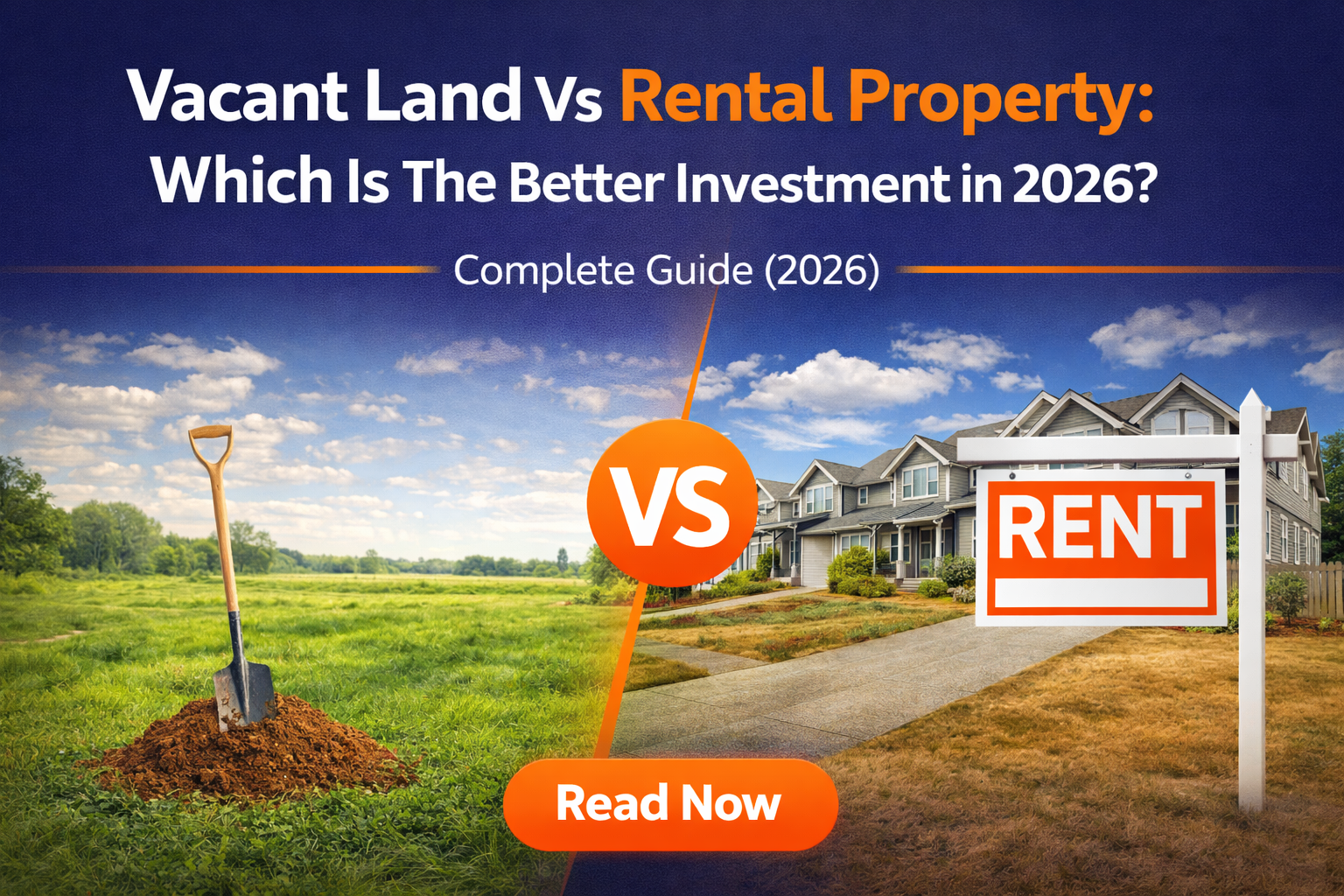
Choosing between investing in vacant land and rental property in 2026 depends on your financial goals, risk tolerance, and the specifics of the parcels or properties you’re considering. Neither option is universally better; instead, the decision hinges on your intended use, financing ability, management capacity, market conditions, and exit strategy. This guide presents a practical comparison and clear verification steps so you can make an informed land investment decision tailored to your needs.
For those new to this field, understanding the basics of land investing is essential and can be found in our land investing 101.
Both vacant land and rental properties have distinct advantages and challenges. Vacant land often requires less ongoing management and offers long-term appreciation potential, but lacks immediate cash flow. Rental properties generate steady income but come with higher operational costs and active management demands. The key is to assess which characteristics align best with your investment strategy and to verify critical facts before committing.
What Are the Key Differences Between Vacant Land and Rental Property?
Vacant land refers to undeveloped parcels without buildings, usable for development, resale, or holding as an asset. Rental property includes residential or commercial buildings leased to tenants for ongoing income. The main difference lies in cash flow: rental properties generally generate regular income, while vacant land typically does not until sold or developed.
This distinction matters because it affects your investment timeline and management involvement. Before purchasing, verify with the county assessor that the property is truly vacant land or rental property, review zoning records for permitted uses, and confirm any restrictions. Any inaccuracies here can alter expected uses, income potential, or resale prospects,potentially making the deal unsuitable.
For investors considering quick transactions, Land Flipping offers essential insights into maximizing short-term opportunities with land.
What Are the Initial Costs Associated with Vacant Land and Rental Property?
Vacant land usually has lower upfront purchase prices and fewer immediate expenses but may require costs for surveys, environmental tests, and potential development. Rental properties often demand higher acquisition costs, including inspections, repairs, and renovations to make units tenant-ready.
Understanding these costs influences your cash requirement and feasibility. Verify local land prices and fees by consulting county property records and obtaining professional inspections to identify unforeseen expenses such as environmental hazards or deferred maintenance. Unexpected costs can erode your investment return or require altering your purchase offer.
How Do Financing Options Compare Between Vacant Land and Rental Property?
Financing vacant land can be more challenging and expensive due to lender risk perception; expect higher down payments and shorter loan terms. Rental properties typically qualify for more favorable loans, leveraging rental income to access better terms and lower interest rates.
📘 Get Your FREE Land Investing Strategy Guide
Discover how savvy investors build passive income with vacant land.
Before committing, check loan offerings specific to your property type with both traditional lenders and alternative sources like seller financing. Confirm your local market lending conditions, including down payment requirements and credit criteria. Financing terms affect cash flow and risk, so verify exactly what is available to you before proceeding.
What Are the Ongoing Expenses For Vacant Land and Rental Property?
Vacant land expenses mostly involve property taxes, minimal maintenance (e.g., clearing or mowing), and insurance. Rental properties require ongoing costs for maintenance, repairs, property management fees, insurance, and utilities.
These expenses impact cash flow and investment sustainability. Verify tax amounts with the county treasurer’s office and anticipate realistic maintenance costs by inspecting the property or similar ones. Underestimating expenses on either investment risks negative returns or surprises that can make holding or resale difficult.
What Are the Potential Returns on Investment (ROI) for Vacant Land Versus Rental Properties?
Vacant land ROI usually depends on long-term appreciation and potential development gains, often without immediate income. Rental properties tend to offer more predictable cash flow combined with potential appreciation.
Accurately estimating returns means analyzing local market growth patterns, zoning trends, and comparable sales or rental rates. Verify trends by reviewing real estate transaction data and consulting local experts. Unverified assumptions about growth or rents can mislead projections and influence whether an investment meets your financial goals.
How Does Market Demand Affect Vacant Land and Rental Property Investments?
Demand for vacant land often rises with growth in development, infrastructure projects, or lifestyle trends favoring rural or suburban living. Rental property demand generally correlates with population growth, employment levels, and housing supply constraints.
Evaluate these by checking local planning department activity, building permits, and demographic shifts. Confirming robust demand helps avoid investing in stagnant areas that tie up capital without appreciation or rental income.
What Are the Risks Involved in Investing in Vacant Land?
Vacant land risks include zoning changes, lack of legal access, environmental restrictions, and limited liquidity. Land can sometimes have hidden issues like disputed boundaries or contamination.
Mitigate these by thoroughly researching title records, zoning maps, and environmental reports. A well-defined walk-away or reoffer condition should be based on adverse findings. Ignoring such verification risks unexpected devaluation or unusable property.
What Are the Risks Involved in Investing in Rental Property?
Rental property risks involve tenant defaults, vacancies, property damage, and market downturns affecting rents and property values. Unexpected maintenance or legal disputes can also impact cash flow.
Effective tenant screening and proper property inspections reduce these risks. Verify local landlord-tenant laws and assess the rental market to anticipate vacancy lengths and expense potential. Without this, an investor might face cash shortfalls and devalued assets.
How Does Location Impact Vacant Land Versus Rental Property Investments?
Location for vacant land matters for future development potential, proximity to infrastructure, and zoning. For rental properties, location affects tenant demand, rent levels, and vacancy rates.
Examine local government plans for infrastructure and development, and evaluate neighborhood desirability for rentals through vacancy and rental rate data. Location factors can greatly alter value trajectories, so detailed local research is essential before purchase.
What Are the Tax Implications of Investing in Vacant Land?
Vacant land typically incurs property taxes and may face capital gains taxes upon sale, with deductions being limited primarily to property-related expenses.
Review local tax assessor valuations and regulations to budget property tax. Consult a qualified CPA or tax advisor before purchase to understand how holding period and use affect capital gains treatment. Tax consequences can influence holding strategies and net returns.
What Are the Tax Implications of Investing in Rental Property?
Rental properties generate taxable income but often allow deductions for mortgage interest, depreciation, repairs, and management expenses, which can reduce taxable income.
Before investing, confirm deductible expenses with a tax professional and keep detailed records of income and costs. Proper tax planning can materially affect profitability, but details vary widely by jurisdiction and investor circumstances.
How Do Liquidity Levels Differ Between Vacant Land and Rental Property?
Vacant land generally has lower liquidity; it can take longer to find buyers at a desirable price, especially in less developed or remote areas. Rental properties often sell faster due to their income-generating appeal but are still influenced by market and location factors.
This affects your ability to exit or access cash. Investigate buyer demand by consulting with local brokers and reviewing days-on-market statistics. Lower liquidity means you should factor in longer holding periods and possible price concessions.
To understand these factors deeper, explore our comprehensive guide on Selling, Marketing & Buyer Psychology.
What Is the Time Commitment Required for Each Investment Type?
Vacant land investments require minimal time, mostly for periodic inspections and tax payments unless development is planned. Rental properties demand ongoing active management or oversight, including tenant relations, maintenance, and record-keeping.
Consider your available time and willingness to manage property or budget for property management services. This impacts your net return and stress levels significantly. Verify your expected time commitment against your lifestyle and goals before investing.
How Do Economic Factors Influence Vacant Land Versus Rental Property?
Economic growth, interest rates, and inflation affect both land and rental property values and demand. Rising rates may increase borrowing costs, while inflation can push rents and property prices up.
Keep informed of local economic indicators such as employment and infrastructure spending. Verify how these factors have historically and currently influence your target market by examining expert reports and government data. This understanding helps anticipate investment performance and risks.
How Should Personal Goals and Investment Strategies Affect the Choice?
Investors seeking steady income often prefer rental properties, while those targeting long-term appreciation and lower management may opt for vacant land. Risk tolerance, cash availability, and investment horizon critically shape this choice.
Clearly define your objectives and constraints upfront. Align investment decisions accordingly and confirm whether the property fits your strategy by examining its cash flow potential, development prospects, and exit options. Mismatch here can lead to dissatisfaction and financial setbacks.
What Are the Best Practices for Investing in Vacant Land?
Best practices include thorough due diligence on zoning, access, environmental conditions, title, and comparable sales. Also, verify utility availability and local future development plans to assess appreciation potential.
Before purchase, obtain official zoning maps from county planning departments and environmental assessments from qualified inspectors. This safeguards against unforeseen limits and values, enabling confident investment decisions.
What Are the Best Practices for Investing in Rental Property?
Key best practices are rigorous tenant screening, regular maintenance, accurate record keeping, and possibly engaging professional property management. Establish realistic rental pricing based on market data and maintain good tenant relations to reduce vacancies and costs.
Verify tenant financials and references, plus conduct comprehensive property inspections before purchase. Ongoing diligence keeps the investment profitable and manageable.
How Do Cash Flow Considerations Differ Between Vacant Land and Rental Property?
Vacant land typically does not produce cash flow until sold or developed, requiring investors to hold capital for potentially long periods. Rental properties generate monthly rental income that can cover expenses and create profit.
Determine your cash flow needs and holding capacity early. Analyze expected carrying costs against rental income or potential land appreciation. Use this to set offer limits and exit strategies.
What Are the Sustainability Considerations for Vacant Land and Rental Property?
Sustainability for vacant land involves environmental impact awareness, such as conservation status or development restrictions. For rental properties, energy efficiency upgrades and green building standards can reduce operating costs and attract tenants.
Ask about environmental protections or restrictions affecting the land. For rentals, review the feasibility of upgrades and their impact on value. Aligning with sustainability trends can enhance long-term viability.
How Do Government Policies Affect Vacant Land and Rental Property?
Zoning laws, land use regulations, tax incentives, and building codes shape what you can do with each property. Frequent updates or political changes can introduce risks to your investment plan.
Confirm current zoning and land use restrictions with local planning offices and check for planned legislative changes. This information influences property use, costs, and potential resale value.
What Key Trends Should Investors Watch in 2026?
In 2026, remote work trends are driving demand for suburban and rural land, while rental markets continue to be strong in cities with limited housing supply. Technological advances in property management and virtual sales processes are streamlining investment management.
Track local demographic shifts and infrastructure developments, and consider how tech can help monitor and market your investment. Awareness guides adaptive strategies to capitalize on opportunities.
How Does Community Development Influence These Investments?
Community growth improves infrastructure, amenities, and demand drivers for both vacant land and rentals. Areas with active revitalization projects can see increased property values and rental interest.
Review municipal development plans and attend community meetings. Properties near planned schools, parks, or transit enhancements often have better investment prospects.
How Should Investors Plan Exit Strategies for Vacant Land and Rental Properties?
Exiting vacant land investments usually involves resale for appreciation or development. Rental properties may be sold or exchanged, often timing sales to optimize tax outcomes and market conditions.
Develop flexible exit plans considering market timing, demand, and holding costs. Verify secondary market activity and resale options during due diligence to avoid getting locked in a less liquid investment.
What Are the Final Considerations When Choosing Between Vacant Land and Rental Property?
The final decision depends on your risk appetite, cash flow needs, management willingness, and long-term objectives. Evaluate market specifics, financing feasibility, tax consequences, and personal circumstances comprehensively.
Perform a full risk-benefit analysis tailored to the specific property, verify all critical data with official sources and professionals, and ensure alignment with your investment strategy before committing funds. This disciplined approach safeguards your capital and goals.
Mini FAQ
What is the main difference between vacant land and rental property? Vacant land is undeveloped and usually does not generate income until sold or developed, while rental property produces ongoing rental income through leased buildings.
Which investment has lower initial costs? Vacant land typically has lower purchase and immediate expenses compared to rental properties, which often require sizable upfront renovations and inspections.
How do financing options differ for vacant land versus rental property? Financing vacant land often demands higher down payments and shorter terms due to lender risk, whereas rental properties benefit from more favorable loans leveraging rental income.
What ongoing expenses should I expect for each investment? Vacant land incurs taxes and minimal upkeep costs. Rental properties require regular maintenance, management fees, insurance, and utilities, impacting cash flow.
How can I maximize ROI on vacant land? Focus on buying in areas with strong development potential, understand zoning rules, and maintain the land to enable smooth resale or development.
What are the main risks when investing in rental properties? Risks include tenant turnover, vacancies, property damage, and shifting market rents. Mitigate by screening tenants and budgeting for repairs.
What should I consider when planning an exit strategy? Consider market timing, demand for the property type, tax implications, and your investment horizon to optimize your sale or exchange approach.
This content is for informational purposes only. It does not constitute accounting, financial, or legal advice. Please consult a qualified professional before making decisions based on this information.



