
Land flipping in Canada is the strategy of purchasing land parcels with the intent to resell them relatively quickly at a profit. This investment approach leverages market opportunities, property attributes, and timing to generate returns. To succeed, investors must understand how to evaluate land, navigate legal and market complexities, and build a solid plan aligned with their intended use and exit strategy. This guide provides focused, actionable insights tailored to Canadian land flipping that help investors decide when to pursue a deal and when to walk away.
Whether targeting residential plots, commercial lots, or agricultural acreage, understanding the specific characteristics and market conditions affecting land parcels is critical. This article walks through the essential questions every prospective land flipper in Canada faces,from deal sourcing through sale, including risks, financing, legal considerations, and strategic marketing.
Getting these factors right improves the odds of profitable flips and minimizes exposure to costly mistakes or stalled sales.
What Is Land Flipping in Canada and How Does It Work?
Land flipping in Canada entails buying a land parcel below its market value, holding it briefly, and then selling it for a profit after minimal improvements or as-is. The process starts by identifying undervalued land with potential demand, followed by due diligence on title, zoning, and environmental status. After acquisition, smart marketing and timing the sale carefully are key to maximizing profits.
For an effective land flip, first clarify your intended use for the acquisition,whether for development, resale to builders, or recreational purposes. This intent guides which land to target and how to evaluate its value. After identifying a target parcel, verify ownership, encumbrances, zoning classifications, and access roads through county or municipal records.
A common shortcut is purchasing from sellers with motivated or distressed listings, but confirm these properties offer clear title and permissible uses. Avoid surprises by ordering title searches and consulting local planning departments on allowed uses and restrictions before bidding or offering.
Why Is Land Flipping Gaining Popularity in Canada?
Canada’s expanding urban areas, interplay of demographic shifts, and varied provincial regulations create opportunities for land investors to spot undervalued properties primed for appreciation. Investors seek shorter holding periods and potentially higher margins compared to traditional home flipping. Additionally, land flipping requires less upfront capital and ongoing maintenance than developed properties.
Understanding local market cycles is important. Some provinces experience rapid growth in infrastructure or population, which can push land values upward. But these trends vary widely, so do not generalize about “hot markets” without confirming recent comparable sales and municipal plans.
What Types of Land Are Suitable for Flipping in Canada?
Canadian investors flip three primary land types: residential, commercial, and agricultural. Each requires distinct local knowledge and carries different risks and potentials.
📘 Get Your FREE Land Investing Strategy Guide
Discover how savvy investors build passive income with vacant land.
- Residential land appeals to investors targeting housing demand. Check local zoning for residential development permissions, minimum lot sizes, and utility availability. Because residential land may move faster, it is often preferred by new flippers.
- Commercial land can deliver higher returns but often involves zoning complexities and longer holding times. Shopping centers, offices, or industrial parcels require understanding of local business needs and market trends.
- Agricultural land flipping relies heavily on location and future annexation potential. Verify soil types, farming restrictions, and whether the land qualifies for agricultural tax benefits which can affect costs during holding.
Before purchasing any land type, review official land use maps, zoning bylaws, and consult with planning officials to confirm permitted uses align with your flip plan.
What Are the Key Risks in Canadian Land Flipping?
The three main risk categories are market volatility, legal complications, and environmental liabilities.
- Market volatility: Land prices fluctuate. Economic downturns, changes in interest rates, or shifts in municipal plans can stall sales or reduce values. Limit exposure by basing offers on recent closed sales of similar properties and having a clear exit plan.
- Legal risks: Title defects, zoning violations, or easements can impede usability or resale. Ensure clean title by obtaining title insurance and professional title searches. Confirm zoning compliance by contacting local planning offices.
- Environmental risks: Contamination or presence of protected habitats impose costly cleanup and use restrictions. Order environmental assessments if any red flags arise, such as prior industrial use or wetlands.
Avoid deals lacking easily accessible public roads or with unresolved access rights, as these can substantially lower resale prospects.
How Can You Find Profitable Land Deals in Canada?
Finding good flips requires active sourcing and verification methods. These include:
- Online land marketplaces: Sites like Realtor.ca list many properties, but cross-check listings for accuracy and current status through local records.
- Networking with real estate agents: Build relationships with agents who specialize in land. They can provide early or off-market opportunities and insight into local trends.
- Local government auctions: Some municipalities auction surplus or tax-delinquent land at discounts. Research auction dates and terms, and inspect properties in advance.
Vet all leads with a checklist confirming ownership, zoning, access, and environmental status before making offers.
What Legal Considerations Must Canadian Land Flippers Know?
Legal scrutiny ensures your flip can proceed without costly interruptions. Key areas to verify include:
- Zoning and land use regulations: Confirm allowable uses for the parcel by contacting the municipal planning department. Restrictions or future municipal plans can affect resale viability.
- Property taxes and liens: Review municipal property tax records and title documents for liens, unpaid taxes, or other encumbrances.
- Contractual terms: Use clear, legally reviewed contracts to capture contingencies such as title clearance or financing. Ambiguity can cause disputes or delays.
Always engage a local real estate attorney before closing significant land deals to identify relevant provincial or municipal rules.
What Financing Options Are Available for Canadian Land Flipping?
Financing land purchases can come from:
- Traditional bank loans: Conventional mortgages for land are less common and often require larger down payments and stricter terms than home loans. Verify your lender’s requirements carefully.
- Private lenders or investors: These sources provide flexible capital faster but often at higher interest rates. Clear terms on repayment and profit participation are essential.
- Crowdfunding platforms: Emerging real estate crowdfunding may be an option, though investors should confirm platform legitimacy and legal compliance with Canadian securities laws.
Before selecting financing, assess your holding timeline, exit plan, and ability to cover carrying costs such as taxes and insurance.
Which Canadian Provinces Offer the Best Conditions for Land Flipping?
Conditions vary by province due to economic activity, population growth, and regulatory environment. Historically, provinces such as Ontario, British Columbia, and Alberta have presented considerable opportunities due to their diverse and expanding markets.
- Ontario: Urban expansion around Toronto and Ottawa fuels demand, but competitive markets require diligent research and swift action.
- British Columbia: High-density regions like Vancouver have strong demand, though higher prices and strict regulations may shorten margins.
- Alberta: Offers more affordable entry points with diverse opportunities from urban to rural properties, but its oil-based economy can add volatility.
When considering provinces, confirm local market liquidity, zoning flexibility, and municipal development plans to ensure attractive flipping prospects.
How Do You Evaluate Land Value for Flipping?
Start with a comparative market analysis (CMA) by examining recent sales of similar properties nearby under comparable conditions. Adjust values considering:
- Legal access and road quality
- Utility availability (water, sewer, electricity)
- Topography and terrain usability
- Zoning restrictions and development potential
- Environmental or title encumbrances
Locally obtained sales and tax assessment records provide the most reliable data. Avoid relying solely on online estimates or marketing materials. Document your valuation rationale to support offer decisions and resale pricing.
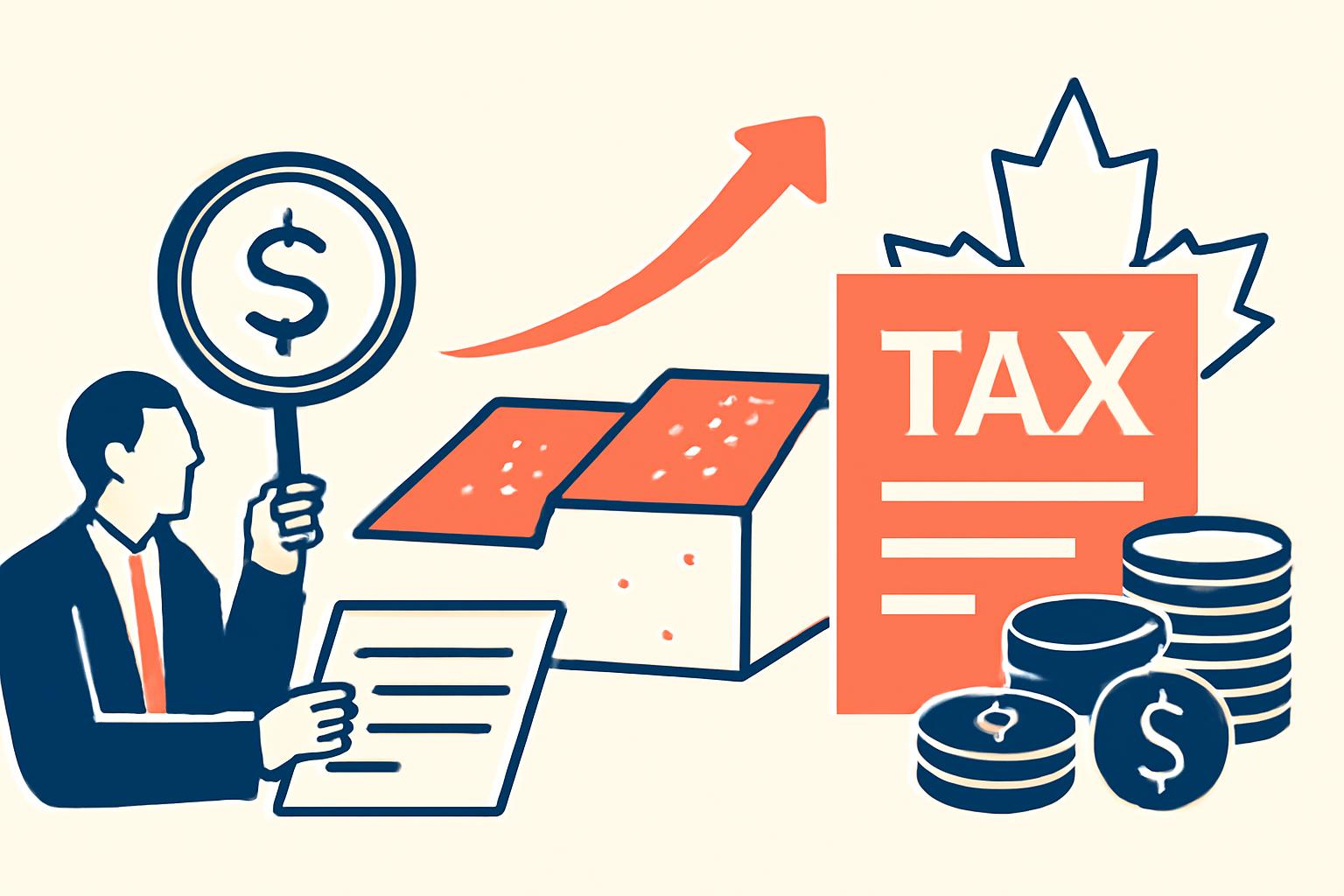
What Are the Tax Implications of Land Flipping in Canada?
Taxes can significantly affect net returns. While specifics vary with location and personal circumstances, consider the following:
- Capital gains tax: Profit from selling land is typically subject to capital gains tax. Consult a tax professional to understand obligations and timing impacts.
- Goods and Services Tax (GST): Commercial land sales or developed properties may attract GST; confirm applicability for each transaction.
- Property taxes: Ongoing holding costs can add up and reduce profits, so factor this into your financial models.
Because Canadian tax laws can vary by province and individual status, always verify with qualified advisors before finalizing calculations or deals.
How Should You Market Land to Sell Effectively?
Maximizing exposure is key to selling flipped land quickly. Use a combination of:
- Online listings: Post on reputable sites such as Realtor.ca, including high-quality photos and detailed parcel information.
- Social media campaigns: Target local and regional buyers using platforms like Facebook and LinkedIn to broaden reach.
- Agent networks and investor groups: Leverage real estate agents and local investors who specialize in land to access prequalified buyers.
Highlight unique selling points such as access to utilities, development potential, or proximity to amenities. Timing your listing around market activity peaks (spring and summer months) can also improve results.
What Role Do Real Estate Agents Play in Land Flipping?
Qualified agents specializing in land can streamline property search, offer negotiation, and marketing. Their local knowledge helps identify undervalued parcels and spot market trends.
- Finding properties: Agents can access MLS and off-market listings that may suit your criteria.
- Negotiating: Skilled agents often secure better deal terms by leveraging experience and negotiation tactics.
- Marketing: Agents can promote listings through established networks and professional channels, often shortening sale times.
Choosing an agent with proven land expertise in your target region increases your chances of successful flips.
How Can You Build a Strong Network for Land Flipping?
Networking with other investors, professionals, and service providers is essential for deal flow and practical support. To build your network:
- Join real estate investment groups and forums specializing in Canadian land.
- Attend local workshops and seminars focused on land investing and real estate markets.
- Participate in industry conferences and community events to meet agents, lawyers, contractors, and fellow investors.
Active networking creates opportunities to learn of deals early, share resources, and collaborate on complex flips.
How Can You Overcome Common Challenges in Land Flipping?
Challenges include competition, financing difficulties, and unforeseen legal issues. To overcome these:
- Differentiate your offers by targeting niche land types or less competitive markets.
- Maintain contingency funds to cover unexpected costs or holding periods.
- Conduct exhaustive due diligence with professional title searches, zoning checks, and environmental reviews before closing.
- Engage experienced professionals to aid negotiations, contract drafting, and troubleshooting.
Understanding challenges upfront helps set realistic expectations and reduces costly surprises.
What Skills Are Essential for Successful Land Flipping?
To navigate land flipping effectively, developing certain skills is critical:
- Negotiation: Essential for securing favorable purchase prices and deal terms.
- Market analysis: Ability to assess land value trends and identify good deals.
- Project management: Organizing timelines, legal steps, and marketing efforts.
- Legal and regulatory knowledge: Ensuring compliance with zoning, title, and environmental policies.
Investing in education and gaining experience in these areas will improve your confidence and decision-making.
How Should You Handle Post-Sale Responsibilities?
After selling land, your responsibilities include ensuring proper ownership transfer, reporting sales for tax purposes, and fulfilling any contractual obligations such as development or use stipulations.
- Ownership transfer: Coordinate with lawyers and title companies to record and confirm the transfer promptly.
- Tax reporting: Document your transaction thoroughly and consult your tax advisor to accurately report gains.
- Development obligations: If your sale includes conditions like improvement timelines, monitor compliance to maintain reputation and avoid penalties.
Properly handling these steps protects your investment record and relationships.
What Environmental Factors Should You Consider in Land Flipping?
Environmental factors can impact the usability and resale value of land:
- Property history: Investigate for past industrial or agricultural use that might cause contamination.
- Protected areas: Check if the parcel contains wetlands, forests, or species habitats under protection laws that limit development.
- Regulatory compliance: Understand local environmental regulations and get professional assessments as needed.
Failing to assess these factors can lead to legal issues or unexpected cleanup costs.
How Can You Stay Informed About Land Flipping Trends in Canada?
Maintaining up-to-date knowledge is critical to anticipate opportunities and risks:
- Regularly monitor real estate news outlets and government planning publications.
- Analyze market reports from real estate boards and research firms for property value movements and development trends.
- Attend conferences and workshops to keep abreast of emerging practices, technologies, and regulations.
This active research supports timely, informed decisions in a shifting marketplace.
Mini FAQ
What is the goal of land flipping? To acquire undervalued land and resell it at a higher price within a short time frame.
What are common risks? Market changes, legal title or zoning issues, and environmental liabilities can affect success.
How to find good deals? Use online platforms, agent relationships, and local auction knowledge while verifying all property details yourself.
What financing is available? Options include bank loans, private investors, and, less commonly, crowdfunding,each with pros and cons.
Which provinces are best? Ontario, British Columbia, and Alberta are notable for active land markets but require localized due diligence.
What skills matter most? Negotiation, market analysis, legal knowledge, and project management are key skills for flippers.
How to stay updated? Follow market news, study reports, and participate in industry events to remain informed on evolving trends.
This content is for informational purposes only. It does not constitute accounting, financial, or legal advice. Please consult a qualified professional before making decisions based on this information.



