
Selling vacant land by owner requires a clear, step-by-step approach focused on verifying key property facts, setting a defensible price, preparing the land, and using targeted marketing to reach the right buyers efficiently. This guide provides practical, experience-informed advice to help you navigate the sale from start to close with confidence.
By understanding exactly what to verify,such as legal access, zoning, title status,and knowing when to seek professional help or walk away, you can maximize financial returns and avoid costly mistakes. Selling land yourself offers unique advantages like cutting commission costs and controlling the timeline and negotiations directly.
What are the benefits of selling vacant land by owner?
Selling vacant land by owner often reduces costs, grants you full control over the sale, and enables direct communication with buyers, resulting in potentially faster and more profitable transactions.
For additional guidance on maximizing outcomes, explore our comprehensive land selling tips in land selling tips.
The key financial benefit lies in avoiding real estate agent commissions, which typically consume 5% to 7% of the sale price. This savings alone can significantly increase your net proceeds. Control over pricing and marketing lets you decide how flexible to be on price and timing based on your goals. Direct buyer interaction often smooths negotiations and closes deals faster by reducing miscommunication.
Understanding selling, marketing, and buyer psychology can further enhance your approach to selling vacant land Selling, Marketing & Buyer Psychology.
Before proceeding, confirm that you understand the entire sales process and are comfortable managing documents, negotiations, and marketing yourself. If not, weighing the cost versus benefit of professional help or partial agent involvement is wise. Choosing FSBO (for sale by owner) works best when you have the time and willingness to manage the sale.
How do I determine the value of my vacant land?
To accurately value your vacant land, start with a comparative market analysis (CMA), consider hiring a professional appraiser, and evaluate unique features like access, utilities, and zoning restrictions.
A CMA involves comparing recent sales of similar nearby parcels that match your land’s size, location, and zoning. This reveals local market trends and realistic price expectations. A professional appraisal adds an unbiased valuation considering all relevant factors, which can help justify your asking price and strengthen your negotiating position. Unique features such as road access, proximity to utilities, topography, and potential development uses also affect value significantly.
Verify these factors by consulting county property records, local zoning offices, and title reports. Confirm legal access is recorded and unambiguous, as lack of proper access can drastically reduce value or kill a sale. Check zoning restrictions with the local planning department to verify intended uses. Should these verifications uncover limitations or encumbrances, adjust your price accordingly or disclose these to buyers upfront to avoid surprises.
What documents do I need to sell vacant land?
The essential documents are the deed proving ownership, an updated land survey showing boundaries and easements, and a clear title report confirming no undisclosed liens or encumbrances exist.
📘 Get Your FREE Land Investing Strategy Guide
Discover how savvy investors build passive income with vacant land.
The deed legally transfers ownership and must be free of errors or discrepancies. A current survey ensures you know exactly what parcel you are selling and can demonstrate this clearly to buyers. A title report, obtained from a reputable title company, reveals any potential issues that must be resolved prior to sale.
Obtain these by ordering a title search from a title company and requesting a licensed surveyor conduct or update the land survey. If the deed or title indicates unresolved claims or liens, consult a real estate attorney to address these before listing. Having these documents prepared upfront avoids delays and builds buyer confidence.
How should I prepare my land for sale?
Preparing your land means clearing visible debris, ensuring legal and physical access, and enhancing features to appeal broadly to buyers.
Clear invasive vegetation, trash, or dangerous debris that could deter site visits. Verify or improve access roads or trails,land without reliable access is difficult to sell. Enhancements such as marked boundaries, cleared paths, or signage indicating possible uses can help buyers visualize the property’s potential.
Inspect property lines yourself and compare to the survey. If access is shared or subject to easements, prepare documentation or signage explaining this clearly. Enhancements like bringing utilities closer or partial landscaping can add value, but the cost-benefit should be carefully considered. Avoid spending heavily without first verifying likely buyer interest and price justification.
What are the best marketing strategies for vacant land?
Effective marketing blends online listings, targeted social media promotion, and local outreach to reach serious buyers.
List the property on popular real estate platforms specializing in land sales, ensuring your listing includes high-quality photos, clear descriptions, and key facts like acreage, access, and zoning. Use social media channels such as Facebook and Instagram to share engaging posts, videos, or virtual tours, targeting relevant geographic or interest groups with ads. Offline efforts such as flyers in nearby communities or networking with local real estate agents can capture local investor interest.
On platforms, track inquiries and refine your message based on buyer questions or feedback. Consistency and responsiveness to buyers’ questions improve your reputation and chances of a sale.
How do I price my vacant land competitively?
Price your land by researching recent local sales of closely comparable parcels, adjusting for differences in size, zoning, access, and unique features.
Begin with public records or MLS data to gather sales prices of similar properties sold recently. Analyze trends such as how long they stayed on the market and any price changes. Account for your parcel’s unique aspects like water access or restrictions to adjust the base price up or down. Price too high and you deter buyers; too low and you leave money on the table.
Set a price range rather than a fixed number as a starting negotiation point. Prepare to justify your price with documentation and reasoning during buyer negotiations. Update your pricing strategy regularly if your land remains unsold, reflecting evolving market conditions.
What platforms can I use to sell my vacant land?
Use specialized real estate websites like LandWatch, Zillow, and Realtor.com, along with social media channels and land auction sites, to reach broad and targeted audiences.
Explore the detailed features of popular websites to sell land websites to sell land effectively in your area.
These listing sites are well-trafficked by serious land buyers and often allow detailed filtering. Social media supports engaging content and community building. Auctions can work for unique nearby parcels or time-sensitive sales by creating urgency.
Carefully vet platform fees and terms before listing. Combine multiple platforms selectively to diversify exposure. Track where leads come from to focus marketing resources efficiently.
How can I create an effective land listing?
Your listing should combine an informative, persuasive description with high-quality photos that showcase the land’s best features and potential uses.
Describe size, location, zoning, access, utilities, and any unique characteristics clearly. Avoid jargon; explain potential buyer benefits such as proximity to amenities, recreational opportunities, or development possibilities. Include maps and survey excerpts if allowed. Photos and drone aerial images enhance buyer visualization. Including virtual tours can further differentiate your listing.
Review listings of recently sold similar properties to identify effective wording and presentation. Update your listing as needed based on buyer feedback and questions.
What are common mistakes to avoid when selling land by owner?
Avoid overpricing, neglecting legal requirements, and relying on poor or minimal marketing, all of which can extend your selling timeline or cause deal failures.
Overpricing can choke buyer interest and stall your sale; base your price on solid evidence. Neglecting required disclosures, zoning checks, or title issues can lead to legal liability or collapse at closing. Minimal marketing narrows your buyer pool, making sales less likely.
Verify zoning, title status, and access using county records or professionals early. Dedicate effort to thorough, multi-channel marketing to reach qualified buyers. Avoid emotional pricing and be ready to adjust based on the market response.
How do I handle negotiations with potential buyers?
Set a clear bottom line before negotiating, respond openly to reasonable offers, and know when to walk away from unfavorable deals to protect your investment.
Understand your minimum acceptable price based on your valuation and expenses. When offers arrive, consider buyer financing contingencies, timelines, and terms, not just price. If offers are below expectations, counter with rationale-driven counters. Maintain professionalism and clear communication throughout to build trust and encourage good faith from buyers.
If a buyer insists on unacceptable terms or fails to provide proof of funds, be prepared to decline and continue marketing. Protecting your bottom line ensures sustainability and prevents loss.
What should I disclose to buyers when selling land?
Disclose zoning restrictions, environmental conditions, and access rights to ensure transparency and avoid future disputes.
Zoning affects allowable uses and development potential; buyers need this info to assess fit. Environmental issues such as contamination or protected habitats may impose liabilities or restrictions. Access easements or shared rights can limit buyer use or increase costs. Fully disclosing these facts upfront builds trust and prevents legal claims later.
Verify disclosure obligations through local real estate regulations and consult a real estate attorney if uncertain. Avoid surprises that could derail closing or cause post-sale claims.
How can I ensure a smooth closing process?
Work with a reputable title company, understand closing costs ahead of time, and prepare all necessary documents early to facilitate a smooth closing.
The title company coordinates title insurance, escrow, and transfers. Clarify who pays closing costs and prepare funds accordingly. Having deed, survey, title report, and disclosures ready prevents delays. Stay responsive to buyer and closing agent questions and verify that all contingencies and approvals are met before the scheduled closing date.
For insights into profitable strategies, explore our comprehensive guide on Land Flipping.
Proactive organization and communication reduce risks of last-minute issues or cancellations, ensuring funds and title transfer efficiently.
What are the tax implications of selling vacant land?
Selling vacant land may trigger capital gains tax on profits, requires settling any outstanding property taxes, and mandates reporting the sale to tax authorities.
Calculate gains as the difference between your adjusted basis (purchase price plus improvements) and the sale price. Consult a tax professional about your specific situation, since rules vary widely by jurisdiction. Resolve any unpaid property taxes prior to closing to prevent liens affecting title transfer. Use detailed records of the sale and expenses for accurate reporting.
Failing to meet tax obligations can lead to penalties or tax audits, so verifying local tax rules and seeking professional advice before listing is prudent.
How do I market my vacant land to investors?
Identify investor types interested in your land’s characteristics, network with investor groups, and tailor listings to emphasize return potential and development value.
Investors often seek parcels with development or resale potential; highlight zoning, nearby infrastructure, and growth trends. Engage with local real estate investment clubs and online forums to connect directly with serious buyers. Use data-driven marketing emphasizing potential appreciation, zoning advantages, or rental income possibilities when applicable.
Research investors’ criteria and address their priorities to make your property stand out. If uncertain, consider hiring a marketing consultant experienced in land investment buyers.
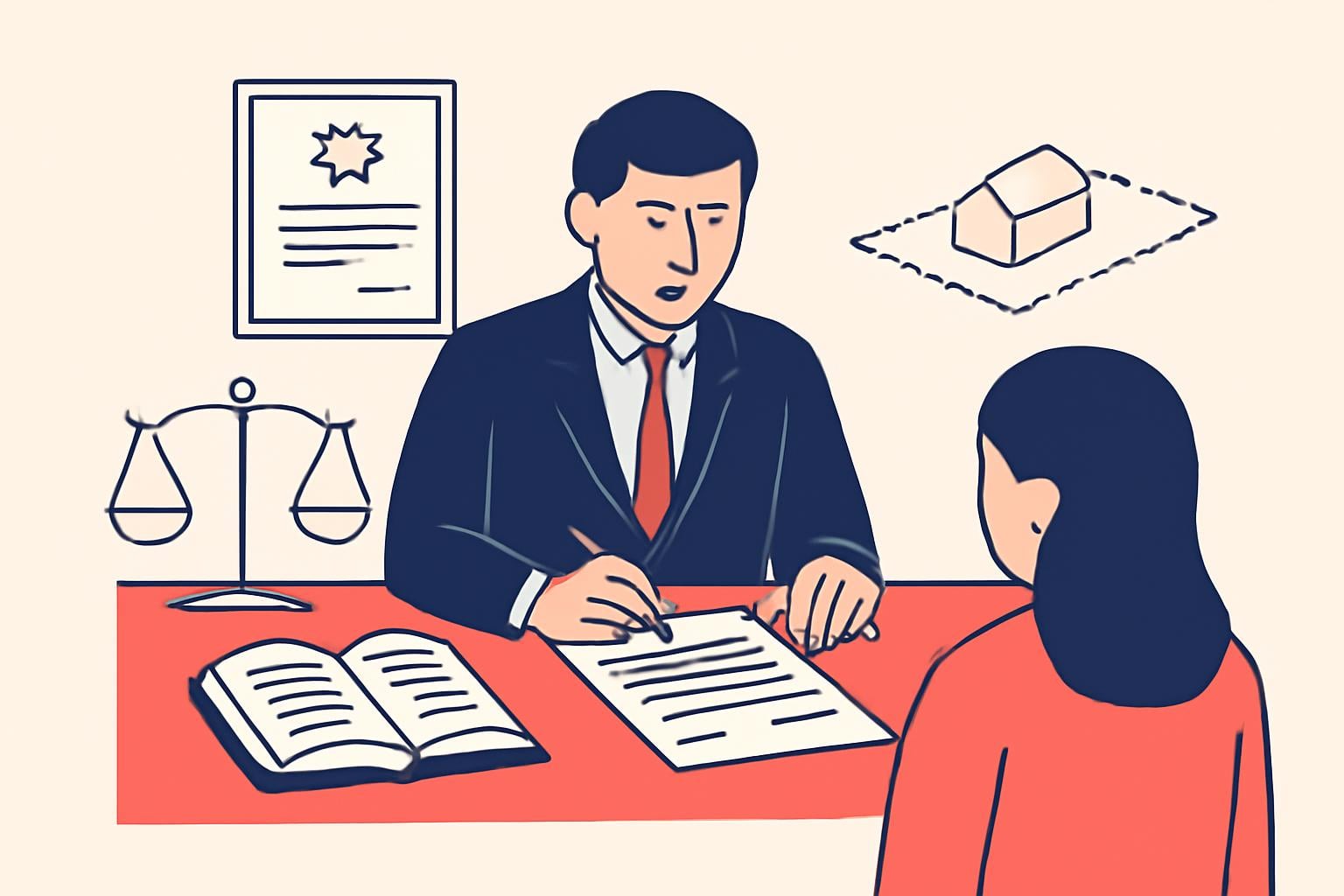
What role does a real estate attorney play in selling land?
A real estate attorney reviews contracts and disclosure documents, ensures compliance with local laws, and manages legal issues during the closing to protect your interests.
Legal complexities in land sales,such as title transfers, easements, zoning compliance, and unusual covenants,can cause costly disputes if improperly handled. An attorney ensures your sales contract clearly reflects agreed terms and that you meet disclosure requirements. Attorneys also coordinate with title companies to resolve last-minute legal concerns that may arise before closing.
If issues come up during due diligence or closing, having legal counsel ready can save time and money. Consider consulting an attorney early, especially if the transaction involves unusual terms or complex title conditions.
How can I attract cash buyers for my vacant land?
Attract cash buyers by offering owner financing, marketing directly to developers, and emphasizing the land’s investment potential in your marketing.
Seller financing widens your buyer pool beyond all-cash buyers by allowing payment flexibility. Developers often pay cash for parcels suitable for projects; network with them or advertise in developer forums. Highlighting aspects like development-ready zoning, proximity to growth areas, or included utilities can make your land more attractive to cash investors.
Verify buyer credentials and proof of funds early in negotiations to avoid wasted time. Offering flexible terms and clear due diligence materials also builds buyer confidence.
What are the advantages of owner financing?
Owner financing can attract a larger buyer pool, possibly secure a higher price, and speed up the sales process by bypassing traditional lender delays.
This approach lets buyers purchase without bank involvement, appealing to those with credit challenges or limited cash. Sellers may command premium pricing due to the convenience offered and can close deals faster without waiting for loan approvals. However, owner financing involves risk and requires thorough documentation and possibly legal assistance to manage properly.
Before offering owner financing, evaluate whether you can handle payment collection and defaults. Confirm local regulations and disclosure obligations related to seller financing to ensure compliance.
How can I leverage social media to sell my vacant land?
Use social media by creating engaging content with photos and videos, running targeted ads, and building interactive communities to increase your land’s visibility and lead generation.
Share compelling stories about your land’s potential use or unique features in posts and videos. Use platform advertising tools to target buyers by location, age, or interests. Engage with followers by responding promptly, sharing updates, and encouraging shares. Consider creating groups or pages dedicated to local land buying to nurture relationships and referrals.
Monitor metrics such as engagement and inquiry rates to refine your content and ads over time for better results.
What is the importance of land surveys when selling?
Land surveys precisely define property boundaries, reveal easements or encumbrances, and significantly boost buyer confidence by clarifying exactly what is for sale.
Survey inaccuracies or missing surveys create red flags for buyers, often requiring renegotiation or legal resolution before closing. A recent, professionally prepared survey minimizes boundary disputes and easement surprises, helping your sale proceed smoothly.
Order surveys from licensed professionals and provide copies early to buyers and their agents. If existing surveys differ or are outdated, new surveys may be required, exposing potential issues to resolve before sale.
How do I handle offers and counteroffers effectively?
Evaluate offers by price and terms, respond with clear, reasonable counteroffers, and maintain professional communication throughout negotiations to keep buyers engaged.
Consider contingencies, deposit amounts, and timing in addition to price when evaluating an offer. If the offer is below your floor price but shows serious intent, counter with clear terms reflecting your expectations. Avoid emotional reactions and keep communication polite and timely to preserve goodwill. Document all negotiations in writing.
If negotiations stall or offers fail to meet your minimum requirements, be prepared to pause or walk away to avoid unfavorable deals.
What are the legal considerations for selling vacant land?
Ensuring compliance with local laws, zoning regulations, and disclosure requirements is critical to avoid legal issues during or after the sale.
Verify local regulations regarding land sales, permitted uses, and seller disclosure obligations with municipal planning and legal authorities. Zoning rules must be openly disclosed, as they may restrict development or certain uses. Failure to disclose known defects or encumbrances can result in lawsuits or transaction delays.
Consult a real estate attorney familiar with local land sales to ensure all documents and processes comply with applicable regulations and protect your interests.
How can I use virtual tours to sell my land?
Virtual tours using 360-degree walkarounds and drone footage provide immersive property views that help buyers assess your land remotely and increase listing engagement.
Creating virtual walkthroughs allows buyers to measure distances, understand terrain, and visualize access points. Aerial drone footage showcases property size, topography, and surrounding amenities from unique perspectives. Including these virtual tours in your online listings increases buyer confidence and can shorten the sales cycle by attracting more qualified leads.
Hire professional drone operators and tour creators if you lack equipment or skills, ensuring high-quality, legally compliant content.
What are the steps to take if my land doesn’t sell?
If your land fails to sell within a reasonable time, reassess your pricing, upgrade your marketing efforts, and consider alternative sales methods like auctions or partnerships.
Review comparable sales and market shifts to determine if a price adjustment is warranted. Enhance your marketing by improving photographs, adding virtual tours, or expanding online and offline channels. Auctions can create urgency, while partnering with investors or developers might open new pathways to sale. Be prepared to pause, reevaluate your plan, or consider holding until market conditions improve.
How can I network with local real estate agents?
Build relationships with local agents by attending industry events, joining real estate groups both online and offline, and maintaining consistent, professional communication.
Introduce yourself at meetups or conferences and share your listing details. Engage actively in real estate forums or social media groups relevant to your geographic area or land sales niche. Follow up regularly with agents who express interest and offer reciprocal value such as leads or market insights. A strong network of agents can expand your selling reach and provide valuable market intelligence.
What should I know about land zoning before selling?
Understand your land’s zoning classification, restrictions, and any potential changes, as these strongly impact value, permissible uses, and buyer interest.
Check local government zoning maps and ordinances to confirm current zoning and allowed uses. Recognize how zoning affects development potential, agricultural use, or commercial applications. Verify if there are pending zoning changes or variances applications that could increase or restrict value. Disclose all zoning information accurately to avoid future disputes and help buyers assess fit.
How can I stage my land for potential buyers?
Stage your land by improving curb appeal, creating welcoming access, and highlighting development or recreational possibilities to help buyers visualize its potential.
Clear visible trash and excessive brush, mow grass, and cleanboundary lines. Mark pathways or access roads clearly. Install simple signage indicating possible uses like residential lots or camping. Providing picnic tables or benches can help buyers emotionally connect with the site. Clear staging reduces buyer uncertainty and accelerates interest.
What are the environmental considerations when selling land?
Be aware of environmental regulations, disclose any known contamination or habitat protections, and understand past land uses that could affect sale terms or uses.
Local or federal rules may restrict certain activities on the land due to wetlands, endangered species, or pollution history. Buyers will expect transparency on any environmental hazards or protections. Investigate past uses such as farming, mining, or industrial activities. Obtain environmental inspections if necessary. Ensuring compliance reduces liability and builds trust.
How do I handle financing options for buyers?
Offer and explain seller financing, understand buyer challenges with traditional loans, and consider lease options to expand your buyer pool.
Seller financing lets you provide loans directly to qualified buyers, increasing affordability. Understand and clearly communicate terms like interest rates and payment schedules. Recognize that many buyers prefer traditional mortgage financing despite stricter requirements. Offering lease-to-own arrangements can attract buyers who need time to secure funds or financing. Prepare clear, legally reviewed documents for all financing options.
Mini FAQ
What is the best way to price vacant land?
Research recent sales of comparable properties locally, factor in unique parcel features, and adjust pricing based on zoning and market demand for a competitively priced listing.
How can I effectively market my land for sale?
Combine detailed online listings with engaging photos and videos, social media promotion, and local advertising to reach and engage potential buyers effectively.
What documents are necessary for the sale of vacant land?
Have a clear deed, up-to-date survey, and title report prepared to prove ownership, define boundaries, and reveal any legal encumbrances.
How can I improve the chances of selling my vacant land quickly?
Prepare the land by clearing debris, ensuring accessible entry, price competitively, and use a multi-channel marketing approach targeting serious buyers.
What should I disclose to potential buyers?
Inform buyers about zoning restrictions, environmental concerns, and any easements or access rights affecting the property.
What role does a real estate attorney play in the sale of land?
A real estate attorney reviews contracts, ensures sale compliance with laws, addresses title or disclosure issues, and supports a smooth closing process.
This content is for informational purposes only. It does not constitute accounting, financial, or legal advice. Please consult a qualified professional before making decisions based on this information.



