Selling land through the right online platforms is a strategic step that can significantly improve your chances of connecting with qualified buyers and closing the deal. The best websites to sell land in 2026 are those that align with your property’s type, target audience, and your selling strategy. This guide provides actionable insights to help you select the right platform, prepare your listing, and navigate legal and market considerations to achieve a successful sale.
You will learn how to evaluate website options, tailor your marketing approach, and understand critical steps from setting the right price and handling inquiries to completing the sale. Leveraging expertise from decades of land investing, this guide focuses on practical decision points to move you from listing to closing with confidence.
Choosing the right platform and preparation steps matter because they directly influence how quickly and profitably you can sell your land. Carefully verifying key property details and market factors with local sources helps avoid costly pitfalls and wasted effort.
What Are the Best Websites to Sell Land?
The best websites to sell land in 2026 consist of specialized land platforms, general real estate marketplaces that allow land sales, and select auction sites. Each platform serves different types of buyers and offers distinct tools to aid your sale.
Specialized land platforms focus exclusively on land sales, attracting buyers specifically interested in raw, recreational, residential, agricultural, or commercial parcels. These sites often provide maps, zoning information, and tailored marketing features that general real estate sites may lack.
In contrast, general real estate marketplaces,like Zillow or Realtor.com,have broader audiences but might dilute your listing’s visibility among homes and commercial properties. Auction platforms work well if you’re aiming for a quick sale but may require setting a minimum reserve price carefully to avoid undervaluation.
To decide among these options, verify how active each site’s land market is in your property’s region. Check recent sales volume and inquiry levels on listings similar to yours. A site with low activity in your area is a red flag and suggests a waste of listing effort and fees.
What Features Matter Most in a Land-Selling Website?
Look for websites offering:
- Easy multiple-photo uploading with support for aerial and panoramic shots
- Map integration that clearly shows plot boundaries and nearby amenities
- Pricing calculators or market analysis tools to help set realistic prices
- Marketing upgrade options like promoted listings or social sharing capabilities
- Seller dashboards with inquiry tracking and user analytics
- Secure communication and transaction facilitation features
Verify the website’s fee structure and refund policies upfront. The platform’s user interface should be mobile-friendly as many buyers browse on smartphones.
How Do I Choose the Right Website for Selling Land?
Selecting the right website hinges on identifying your target buyer profile, matching that audience to a platform, and ensuring the platform’s fees and services align with your budget and selling timeline.
Who Is Your Target Buyer?
Identify the most likely buyer type for your property: an investor, a recreational user, a homeowner, or a developer. For example, recreational or hunting land appeals best on specialized land sites with outdoor enthusiast audiences, whereas residential lots benefit from general real estate platforms popular with local buyers.
Research each platform’s visitor demographics and typical land sales in your area. Call or email their support teams to ask about regional buyer engagement if this data isn’t obvious. If a platform lacks solid local buyer interest for your land type, it’s less likely to yield offers.
Assess the Website’s Fee Structure
Listing fees may be flat, subscription-based, or a percentage of sale price. Some sites offer free basic listings but charge for premium exposure. Analyze the total expected costs versus the platform’s reach to avoid overpaying for low traffic.
Verify if payment is due upfront or at sale closing, and if additional costs exist for marketing add-ons or transaction services. Clear fee understanding helps avoid surprises that reduce your net proceeds.
What Types of Land Can I Sell Online?
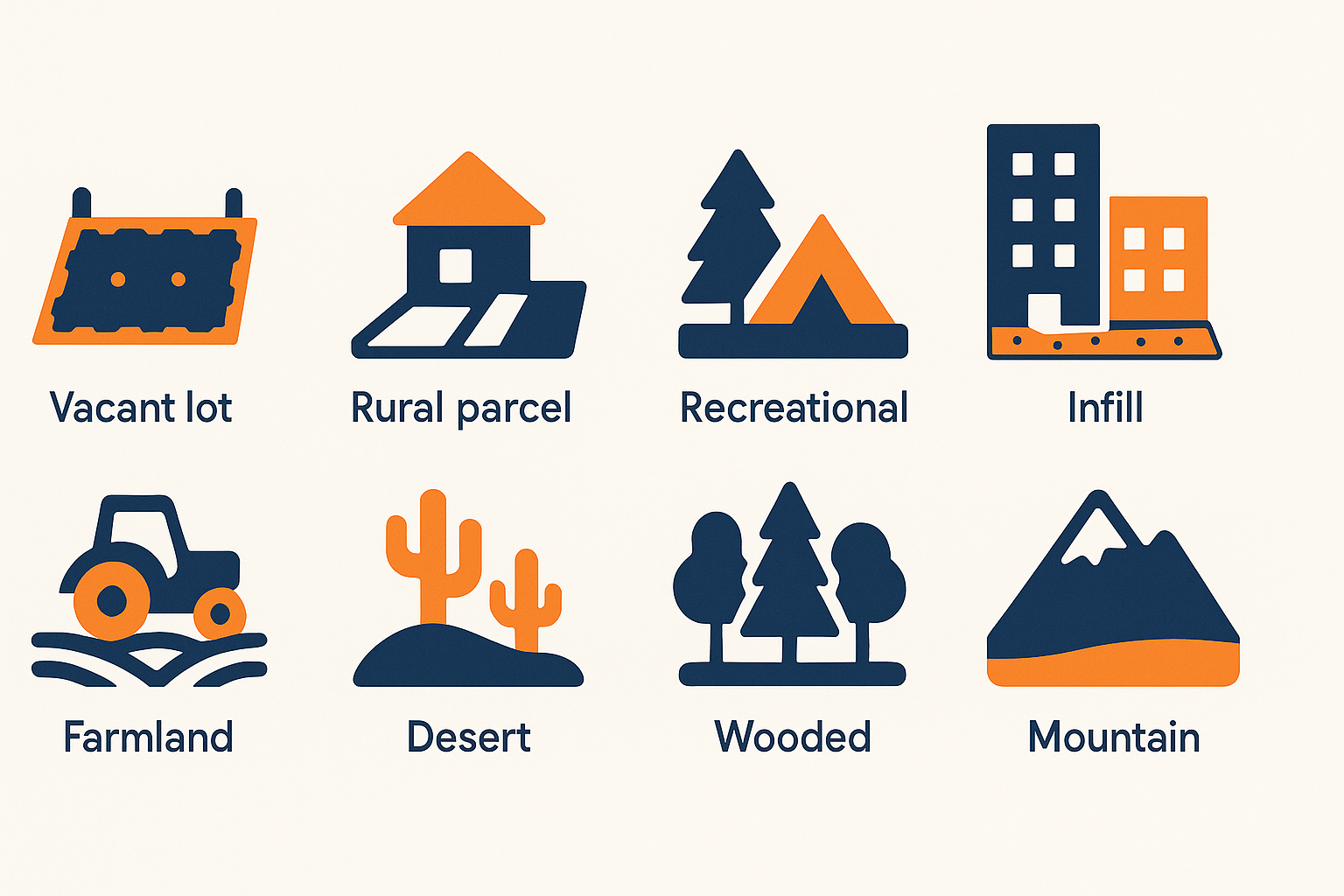
You can sell multiple land types online, including residential lots, commercial parcels, agricultural land, recreational acreage, and undeveloped tracts. Each requires a tailored marketing approach reflecting zoning, potential uses, and buyer expectations.
Residential Lots
Highlight local amenities, school districts, utilities access, and home-building potential. Verify zoning allows residential development with local planning offices before marketing.
Commercial Land
Emphasize proximity to roads, utilities, and commercial hubs. Confirm zoning and any restrictions with municipal planning departments. Buyers will scrutinize these details to assess development feasibility.
Agricultural and Recreational Land
Present soil quality, water availability, existing infrastructure, and natural features like forests or water bodies. Buyers often request historical land use or yield data, so consult local agricultural extension offices or prior owner records for verification.
What Are the Benefits of Selling Land Online?
Selling your land online in 2026 broadens buyer reach beyond local markets, often results in lower marketing costs compared to traditional methods, and lets you manage and update your listing on your schedule. This convenience and exposure increase your chances of attracting serious buyers faster.
To leverage these benefits, verify that your chosen platform attracts a geographically relevant audience and supports your property type. Otherwise, your listing may receive little attention despite being online.
How to Prepare Your Land for Sale on a Website?
Successful online land sales start with preparation: gathering documents, assessing your property accurately, and capturing quality photographs. This makes your listing credible and attractive.
Gather Mandatory Documents
Ensure you have the current deed, title report, recent property survey, and official zoning or land use documents. Before listing, confirm these with the county recorder’s or assessor’s office. Missing documentation delays sales and raises buyer suspicion.
Conduct a Property Assessment
Assess land size (accurate acres), topography, access roads, utilities, environmental restrictions, and easements. Local county offices, tax assessors, and land planners are primary sources to verify these facts. Accurate info lets you price correctly and handle buyer questions efficiently.
Take High-Quality Photos
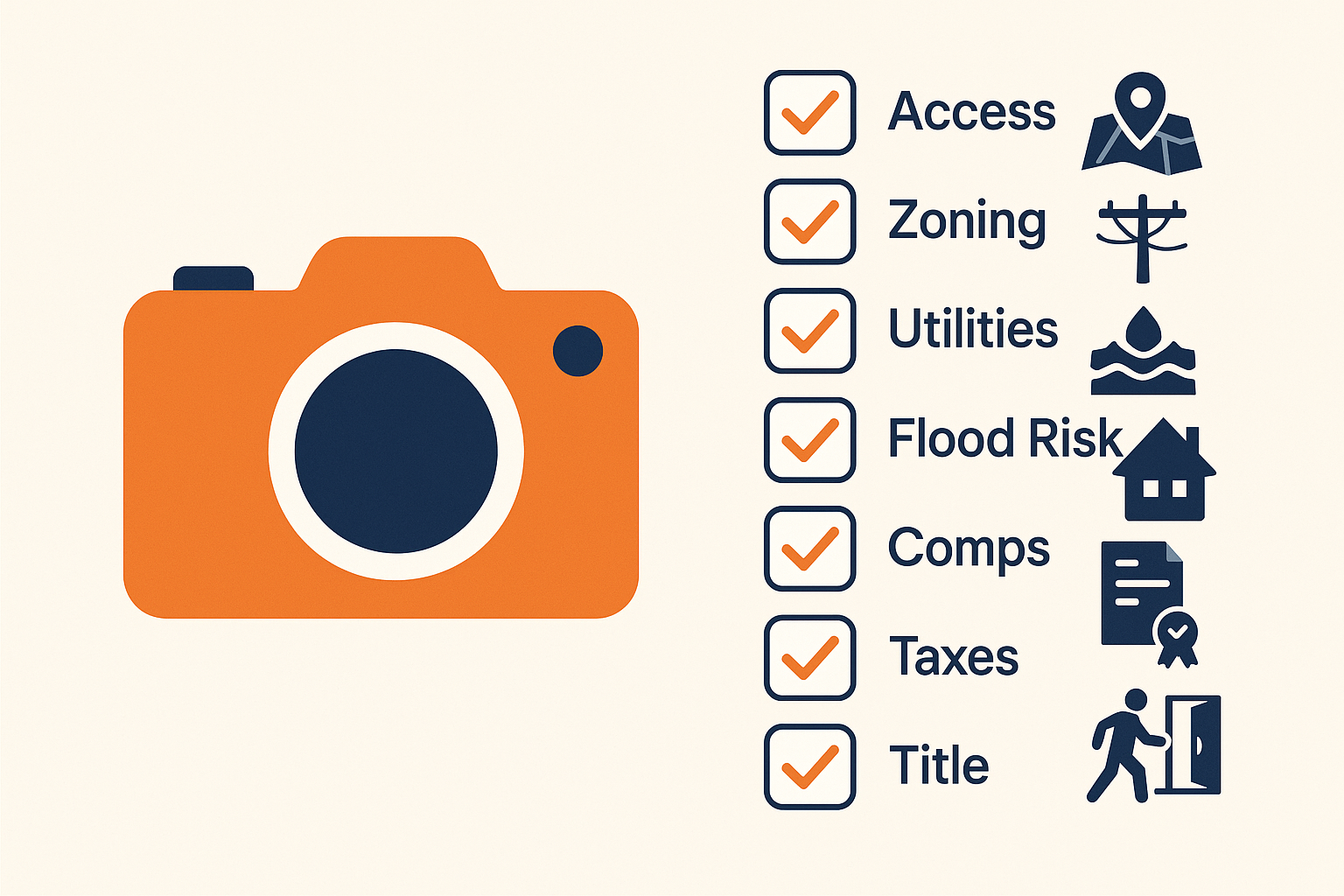
Use a good camera or hire a professional for clear shots in daylight. Include images of boundaries, terrain, access points, and any significant features like water sources or structures. Aerial drone photos enhance perspective,confirm FAA regulations and property owner permissions before use.
What Information Should I Include in My Listing?
Your listing must comprehensively describe the property to qualify buyers and reduce back-and-forth questions that delay sales.
Detail the Property
Include total acreage, shape, topography, existing structures, access type (public/private road), utilities availability, and environmental factors. Disclose known restrictions or easements. This level of transparency avoids post-offer surprises.
Specify Location and Zoning
Provide nearby major roads, towns, schools, and community services. State current zoning and allowable uses verified from local planning authorities. Buyers base use and development plans on this data.
Set a Realistic Asking Price
Base your price on recent sales of similar land, adjusted for unique property traits. Explain your pricing rationale where possible. This builds buyer confidence and sets appropriate expectations.
How Do Listing Fees Work on These Websites?
Listing fees vary; some platforms charge a flat fee per listing, others take a percentage commission on sale, while some offer free listings with optional paid features. Understanding these structures is crucial to assess your selling cost accurately.
| Fee Type | Description | When to Choose | Potential Drawbacks |
|---|---|---|---|
| Flat Listing Fee | One-time fee to list property, regardless of sale outcome | Good if you expect high sale price or want upfront cost control | Fee paid even if land doesn’t sell |
| Commission-Based | Percentage of final sale price paid after closing | Useful if you want minimal upfront cost, willing to pay upon sale | May reduce net proceeds; rates vary widely |
| Free Listing | No upfront fee; basic listing features only | Good for initial exposure or budget constraints | Limited visibility; possible lack of marketing tools |
What Are the Best Practices for Writing a Land Listing?
A well-crafted listing combines clear facts with persuasive language to highlight your land’s value and motivate buyers to inquire.
- Use vivid, descriptive terms to convey potential uses and lifestyle benefits (e.g., “quiet forest retreat,” “prime commercial access”).
- Highlight any unique attributes such as water frontage, mature trees, or existing infrastructure.
- Be honest and transparent to avoid surprises later.
- Include a clear call-to-action prompting buyers to contact or schedule a visit.
How Important Are Photos When Selling Land?
Photos are critical to buyer decisions. Listings with high-quality, varied images consistently attract more attention and engagement.
Essential Photo Types
Include a mix of:
- Ground-level images showing terrain and access points
- Aerial shots to illustrate parcel shape and surroundings
- Close-ups of notable features like water sources, structures, or views
Editing for brightness and color correction is useful but keep images authentic to avoid buyer distrust.
How Can I Promote My Land Listing Effectively?
Maximize visibility by extending promotion beyond the listing website:
- Social Media: Share your listing on Facebook, Instagram, and LinkedIn with compelling captions and images targeting relevant groups.
- Local Communities: Engage with local real estate clubs, landowner associations, and community forums to build interest.
- Email Outreach: Create a list of known investors or potential buyers to send updates and price changes.
What Legal Considerations Should I Be Aware Of?
Legal checks are vital to avoid disputes and delays that can derail your sale.
Confirm Ownership and Title Status
Verify ownership at the county recorder or clerk’s office and ensure the title is clear of liens or disputes. Issues here are a major red flag that must be resolved before listing.
Understand Zoning and Land Use Regulations
Confirm permitted uses, building restrictions, and any easements with local planning or zoning boards. Misrepresenting zoning can lead to canceled sales or legal exposure.
Disclose Material Facts
Sellers must disclose known hazards, legal encumbrances, or environmental issues impacting the land. Failure to do so can result in legal liabilities.
How to Set the Right Price for My Land?
Use a data-driven approach starting with a thorough comparative market analysis (CMA):
- Gather recent sales data for similar parcels in your area from county records or MLS databases.
- Adjust for differences like access, utilities, zoning, and land condition.
- Factor the land’s highest and best use potential and any constraints.
- Consult local real estate professionals for validation if unsure.
Setting a price too high deters buyers; too low reduces profit. The right price stimulates interest and expedites the sale.
What Are Common Mistakes to Avoid When Selling Land?
Beware of these pitfalls:
- Overpricing: Can stall your sale indefinitely.
- Poor Marketing: Insufficient photos or vague descriptions reduce buyer interest.
- Ignoring Legal Checks: Missing clear title or zoning info causes delays or cancellations.
- Non-Responsive Communication: Slow replies discourage serious buyers.
How Do Online Sales Compare to Traditional Sales?
Online sales generally provide faster exposure to a broader audience at lower upfront cost. They also facilitate easier communication and negotiation. Traditional sales might appeal in highly localized markets or for complex properties needing personal attention. Choosing online sales requires confirming sufficient local online buyer engagement; otherwise, supplement with offline methods.
What Payment Options Are Available When Selling Land?
Common payment options include:
- Cash Sales: Preferred for speed and simplicity; confirm buyer has proof of funds.
- Owner Financing: Seller acts as lender; requires legal contracts and risk assessment.
- Escrow Services: Neutral third-party holds funds until conditions are met, protecting both sides.
Select payment methods appropriate to your risk tolerance and the buyer’s creditworthiness. Engage qualified legal counsel to draft contracts for financing or escrow arrangements.
How Can I Build Trust with Potential Buyers?
Trust comes from transparency, timely communication, and reliable transaction processes.
- Provide accurate, verified property details and disclosures upfront.
- Respond promptly and completely to buyer inquiries.
- Use secure payment and document handling services, such as escrow agents.
What Should I Do After Selling My Land?
After a sale, complete these essential steps:
- Transfer Ownership: File all required deed transfers with local authorities and ensure the buyer obtains clear title.
- Settle Tax Responsibilities: Pay any outstanding property taxes and understand potential capital gains or other tax obligations by consulting a tax professional.
- Update Your Records: Remove the property from your holdings and notify relevant parties to avoid future liabilities.
How Can I Keep Track of My Listings?
Use platform tools or external spreadsheets to log listing views, inquiries, and follow-ups. Regularly update your listing details and promptly answer questions to maintain engagement and momentum toward sale.
Is It Possible to Sell Land Without a Real Estate Agent?
Yes, selling For Sale By Owner (FSBO) is viable but demands managing listing creation, marketing, legal paperwork, and negotiations yourself. Only pursue this if you have time, willingness to learn legal requirements, and access to marketing channels. Otherwise, expert assistance reduces risk and effort.
What Should I Know About Market Trends?
Stay informed on local land market conditions, buyer preferences, and seasonal cycles by monitoring county sales data, industry reports, and local real estate groups. These trends inform pricing and timing decisions.
How Can I Leverage Reviews and Testimonials?
Collect feedback from past buyers to build credibility. Display positive testimonials on your listings and promotional materials. A strong reputation can boost buyer confidence and ease negotiations.
What Are Alternative Methods for Selling Land?
Besides online listings, consider auctions for fast sales, land exchanges for diversification, or networking with investors who may offer direct cash offers. Each method requires verification of terms, legal diligence, and local knowledge.
How Can I Ensure a Smooth Closing Process?
Engage a real estate attorney or title company early to prepare closing documents, review sale contracts, and handle escrow. Understand closing costs and timelines to avoid surprises. Proper preparation prevents delays or legal issues.
What Resources Are Available for Land Sellers?
Tap into online guides, webinars, and real estate organizations to build your land-selling expertise. Participating in educational communities provides ongoing support and market insights.
How Do I Handle Negotiations with Buyers?
Establish your acceptable price range and terms upfront. Understand buyer motivations and be prepared to discuss compromises on price, contingencies, or closing dates while protecting your interests. Professional negotiation can maximize sale outcomes.
What Are the Tax Implications of Selling Land?
Selling land can trigger capital gains tax on profits and may involve property tax responsibilities until closing. Deductions may be available for selling expenses. Consult a qualified tax professional with your sale details and jurisdiction to ensure compliance and optimized tax planning.
How Can I Stay Informed About Land Selling Trends?
Follow industry news, join land investing forums, and attend local real estate events. These channels provide ongoing exposure to market developments, helping you adjust selling strategies effectively.
What Are the Risks of Selling Land Online?
Risks include buyer fraud, scams, market fluctuations, and legal liabilities from negligent disclosure. Mitigate these by verifying buyer identities, using secure payment services, confirming property details with official records, and consulting legal experts before finalizing sales.
How Can I Use Technology to Enhance My Land Sale?
Leverage virtual tours, drone photography, and online marketing tools to create compelling listings and reach wider audiences. Ensure data used is accurate and permissions for drone flights and virtual content are secured beforehand.
What Are the Next Steps After Listing My Land?
Once your land is listed, closely monitor listing views and inquiries, follow up promptly with interested buyers, and adjust your pricing or marketing as needed based on feedback and market activity. Consistent management sustains buyer interest and increases your chances of a timely sale.
What should you do next to move from reading to taking action?
Land investing gets easier when you follow a clear process and use proven resources. These are the fastest ways to learn the steps, avoid common mistakes, and move toward your first deal with confidence.
- Dirt Rich book
- land investing bootcamp
- Land Geek community



