
Capital gains on land in Michigan represent the profit earned when selling land for more than the total investment in it. This guide offers practical, expert insight to help landowners, investors, and prospective sellers understand how to evaluate, verify, and manage capital gains tax implications specific to Michigan land transactions. You will learn how to calculate gains, recognize exemptions, identify key records, and navigate tax liabilities effectively to make informed real estate decisions.
Capital gains can significantly influence net proceeds from land sales, affecting how you plan your purchase, holding period, improvements, and sale strategy. Knowing what to check and confirm before closing an offer or preparing the sale ensures you avoid costly mistakes and unexpected tax burdens.
What Are Capital Gains on Land in Michigan?
Capital gains on land in Michigan are the financial profits from selling land for more than your investment (purchase price plus related costs). This gain is subject to tax considerations at both federal and state levels, which directly affect your net proceeds from the sale.
For example, if you bought land for $60,000 and sold it for $80,000, the raw capital gain would be $20,000 before tax adjustments. This gain is important because it represents taxable income that must be reported. Understanding this concept upfront helps you anticipate tax liabilities and informs whether the land is suitable for your investment horizon or use.
What to verify: Confirm your full investment basis using purchase contracts, title records, and expense receipts. Accurate basis is essential to proper capital gains calculation and tax reporting. Any missing costs or improvements left undocumented can inflate your gains artificially, causing higher taxes.
How Are Capital Gains Calculated for Land Sales in Michigan?
Calculating capital gains on land sales involves subtracting your adjusted basis in the property from the total sale price received. The adjusted basis generally equals the purchase price plus qualified improvements minus any depreciation claimed.
This calculation determines the actual taxable gain, making it a critical step in financial planning for sale proceeds.
| Component | Description | Verification Source | Decision Impact |
|---|---|---|---|
| Purchase Price | The original amount paid for the land plus purchase-related expenses | Purchase agreement, closing statements, title records | Ensures starting basis is accurate |
| Improvements | Capital improvements that add value or extend usability | Receipts, permits, contractor invoices | Lowers reported gain by increasing adjusted basis |
| Depreciation | Depreciation claimed on land improvements (if any) | Tax returns showing depreciation schedules | Reduces basis, which may increase gain and trigger recapture rules |
| Sale Price | Total amount received for the land, including any additional agreements | Sales contract, closing statement | Determines gross gain before deductions |
Common pitfall: Not including all qualifying improvement costs or failing to deduct selling expenses (commissions, fees) can result in overstated capital gains and higher taxes. Keep meticulous records and consult professionals if needed.
What is the Current Capital Gains Tax Rate in Michigan?
The capital gains tax rate for land sales in Michigan depends on federal income tax rules combined with the state’s flat income tax rate. At the federal level, capital gains tax rates vary based on how long you held the property and your taxable income. Michigan applies a flat state income tax rate to all capital gains, regardless of holding period.
📘 Get Your FREE Land Investing Strategy Guide
Discover how savvy investors build passive income with vacant land.
This means calculating your expected total tax liability requires applying the federal rate,either long-term or short-term depending on your holding period,and adding Michigan’s fixed state tax on your gain.
Next steps: Confirm your federal tax bracket and holding period status (over one year is long-term; under one year is short-term). Consult the Michigan Department of Treasury or a qualified tax advisor to learn the current flat state tax rate as it applies to capital gains. This combined rate will dictate your actual tax obligation from the sale.
Are There Exemptions for Capital Gains on Land in Michigan?
There are specific exemptions and strategies that may reduce or defer capital gains taxes in Michigan. Key exemptions to consider include the primary residence exemption and using a 1031 exchange.
The primary residence exemption applies if the land includes a home you have lived in as your main residence for at least two of the last five years, potentially excluding a significant amount of gain from taxation.
A 1031 exchange allows deferral of capital gains taxes if you reinvest the proceeds into a similar type of property within strict IRS timelines. This can be a powerful strategy to avoid immediate tax liability while upgrading or changing your investment portfolio.
What matters for your decision: Verify your eligibility for the primary residence exemption through residency documentation and property use records. For 1031 exchanges, work with a qualified intermediary and tax professional to ensure compliance with rules including property similarity and timing.
What Are the Tax Implications of Selling Land in Michigan?
When you sell land, you must consider combined federal and state tax implications on your capital gains. Federal taxes depend on the holding period and your income, while Michigan charges a flat state income tax rate on your gain.
In addition, local tax consequences such as transfer taxes or fees can affect your net proceeds. These costs can vary by county or municipality and might impact your sale’s overall profitability.
How to use this information: Get a copy of your county’s property transfer tax policies and consult your closing agent or attorney on local fees. Factor these costs into your net sale proceeds and bottom-line calculations before finalizing price or terms.
What Records Do You Need to Keep for Capital Gains on Land Sales?
Keeping comprehensive and organized records is fundamental to accurately calculating capital gains and supporting your tax filings. Essential documents include:
- Original purchase contracts and closing statements
- Receipts and permits for capital improvements or additions
- Sale agreements, closing documents, and settlement statements
- Receipts for sale-related expenses such as commissions, legal fees, and transfer taxes
- Records showing any depreciation claimed against the property
Verification insight: Before selling, assemble all relevant documents and confirm that your adjusted basis calculations include all eligible costs. Incomplete records are a red flag that may mean unexpected tax liabilities or missed deductions.
How Can You Reduce Capital Gains Taxes on Land in Michigan?
You can potentially reduce your capital gains tax liability by employing a combination of strategies such as timing the sale, utilizing deductions, and using tax-deferral mechanisms.
- Hold the property long enough to qualify for long-term capital gains rates, which are generally lower.
- Deduct eligible costs like documented improvement expenses and selling costs from your gain.
- Use a 1031 exchange to defer tax by reinvesting proceeds into similar property.
- Sell in a lower income year if possible to reduce your overall tax bracket affecting gains.
Actionable step: Analyze your expected holding period and projected income to plan your sale timing. Discuss potential deductions with a tax advisor to capture all allowable costs and explore whether a 1031 exchange fits your investment goals.
What Are the Differences Between Long-term and Short-term Capital Gains?
The fundamental difference is the holding period: short-term gains apply if you owned the land for one year or less, and long-term gains apply if held over one year.
This difference is critical because short-term gains are taxed as ordinary income at your federal tax bracket, which is usually higher, while long-term gains benefit from reduced tax rates federally. Michigan’s state tax treats both similarly at the flat income tax rate.
Decision factor: Before buying, consider whether your investment horizon aligns with holding long enough to benefit from favorable tax treatment. If you anticipate selling within a year, be prepared for higher tax costs.
How Does the Michigan Property Tax System Affect Capital Gains?
Michigan’s property tax system indirectly influences capital gains by affecting the market value and attractiveness of land. Property taxes are set by local authorities based on assessed value, which can impact buyer demand and sale prices.
High property taxes may reduce buyer interest, potentially suppressing land prices and limiting capital gains. Conversely, land in areas with reasonable taxes and growing infrastructure may appreciate more.
Verification tip: Research the property tax rate and assessment history for the parcel’s county using local tax assessor websites. High or rapidly increasing property taxes can be a red flag that could depress future resale value.
To fully understand the tax implications involved, explore our detailed guide on land flipping taxes for land flipping taxes.
Understanding the broader context of taxes and ownership can help clarify how property-related costs impact your investment decisions Taxes, Ownership & Legal.
What is the Role of Depreciation in Capital Gains Calculations?
Depreciation claimed on land improvements reduces your basis in the property, potentially increasing taxable capital gains when you sell. This applies mainly if you used the land or structures for business or rental purposes.
Upon sale, any depreciation taken may be subject to recapture, meaning those amounts could be taxed at higher ordinary income rates instead of favorable capital gains rates.
Implication: Examine your tax returns and depreciation schedules closely. Consult a CPA to understand how depreciation affects your adjusted basis and possible recapture tax. This knowledge may influence your sale timing or strategy.
How Do Market Conditions Affect Capital Gains on Land?
Capital gains depend heavily on local market trends, including supply and demand, economic growth, and interest rates. Booming markets generally increase land values, resulting in higher capital gains, while slow markets can limit gains or even cause losses.
Economic factors like job growth, infrastructure developments, and buyer financing availability directly impact how much you can sell the land for.
What to check: Monitor local real estate market reports and economic indicators from sources such as county records or commercial real estate firms. Avoid committing to purchases or sales without understanding current market momentum.
What Are the Reporting Requirements for Capital Gains in Michigan?
You must report capital gains on your federal income tax return using IRS Form 8949 and Schedule D, detailing your purchase price, sale price, adjusted basis, and deductions.
Michigan requires reporting gains on your state income tax return as well.
Warning: Failure to report accurately can lead to penalties, interest, or audits from both IRS and Michigan Department of Treasury. Careful record keeping and possibly professional tax preparation are recommended to ensure compliance.
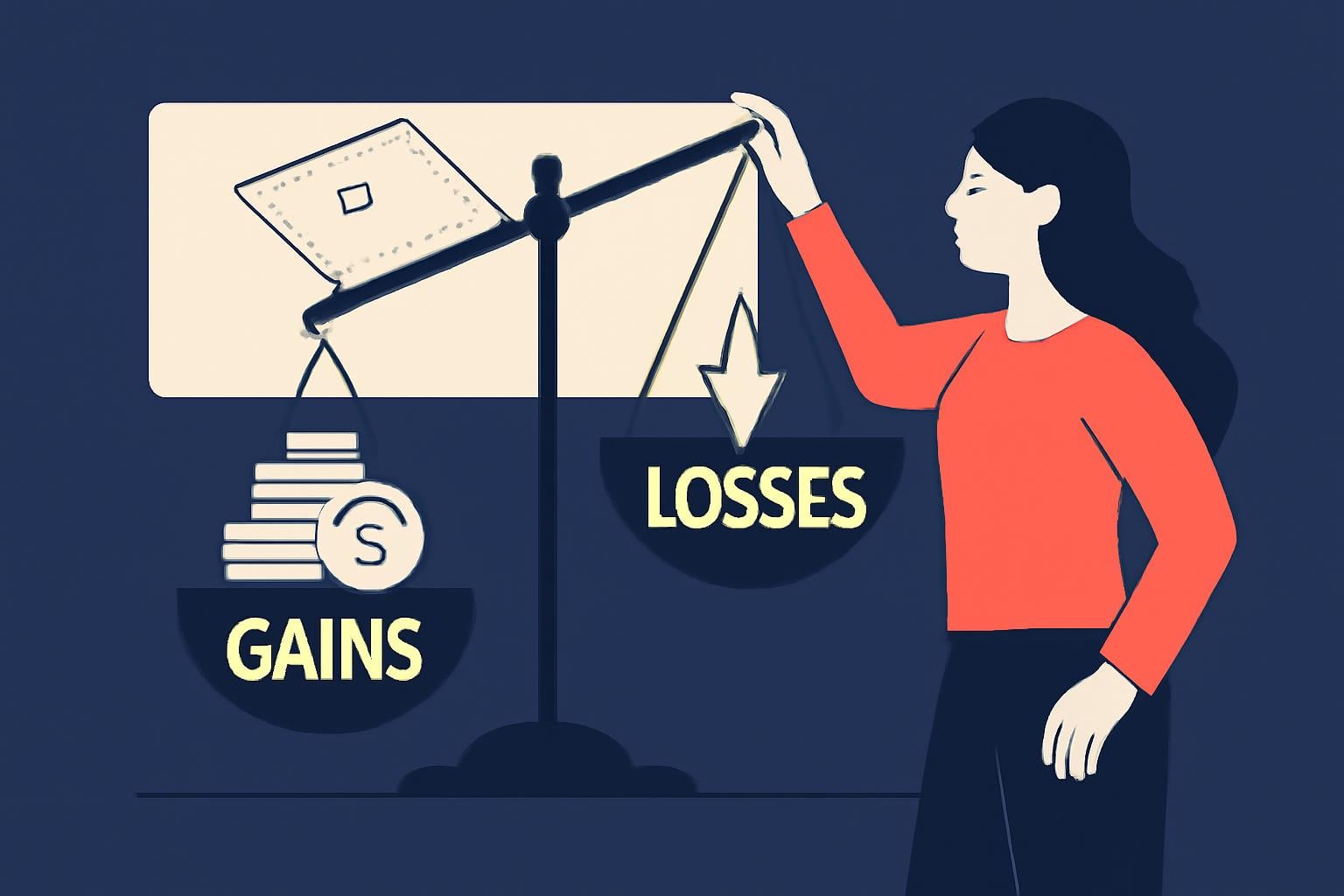
Can You Offset Capital Gains with Losses?
Yes, capital losses from other investments can offset capital gains to reduce taxable income. You can use losses to cancel out gains dollar-for-dollar up to certain IRS limits, with any excess losses carried forward to future years.
This strategy can be useful if you have other investment properties or assets that depreciated in value.
Action step: Catalog your investment losses and gains yearly. Work with your tax advisor on strategies to optimize your net taxable capital gain by timing sales and harvesting losses.
What Role Does Land Zoning Play in Capital Gains?
Land zoning impacts a property’s allowable uses, directly affecting its market value and capital gains potential. Properties zoned for commercial or high-density residential may sell for more than those with agricultural or restrictive zoning.
Changes in zoning,whether upzones or downzones,can change land value dramatically.
Verification: Confirm current zoning by contacting the local zoning office or reviewing municipal planning resources for the parcel’s jurisdiction. Anticipate how zoning might affect desired use or resale value before purchase or sale.
How Do Inherited Lands Affect Capital Gains?
Inherited lands receive a stepped-up basis to the property’s fair market value at the original owner’s death, which can significantly reduce taxable capital gains when heirs sell.
Understanding this rule is essential to avoid overpaying capital gains tax on inherited property.
What to confirm: Obtain a qualified property appraisal at the time of inheritance and consult a tax professional experienced with inherited real estate to navigate potential tax liabilities or opportunities unique to inherited land.
What Are the Implications of Land Use Changes on Capital Gains?
Changes in how land is used,such as reclassification from agricultural to residential or commercial,can increase property value and capital gains substantially.
This also may trigger reassessments affecting property taxes and potentially alter tax treatment.
Evaluate by: Monitoring zoning and land use notifications in the property’s locality. Assess how proposed developments or land use changes can create opportunities or risks impacting your investment returns.
How Do Local Governments Influence Capital Gains on Land?
Local government policies, tax assessments, development incentives, and infrastructure improvements can influence land values and sale proceeds.
Strong local development support can raise values, while heavy taxation or restrictive regulations may lower demand and gains.
Due diligence: Review local government plans, tax structures, and incentives directly from municipal offices or authoritative websites to assess if these factors benefit or hinder your land investment goals.
What Are the Common Mistakes When Calculating Capital Gains?
Common errors include:
- Incomplete records, leading to an incorrect basis
- Failing to account for allowable improvement costs or selling expenses
- Misclassifying holding periods (short-term vs long-term)
- Neglecting depreciation recapture
- Ignoring local tax or transfer fees that affect net proceeds
Avoid these by: Maintaining thorough documentation, consulting tax and real estate experts, and reviewing all tax laws applicable to your property sale.
How Can Real Estate Professionals Assist with Capital Gains?
Real estate agents, tax advisors, and attorneys can guide you in pricing, documentation management, tax planning, and compliance. Their regional expertise helps optimize your sale and tax outcome.
Agents provide market insights to position your land favorably, tax advisors identify deductions and exemptions, and attorneys ensure legal compliance through complex sales or exchanges.
When to engage: Consult these professionals early in your buying or selling process to build a strategy that minimizes surprises and maximizes your financial result.
What Should You Know About Capital Gains and Real Estate Investment?
Capital gains taxes can substantially affect your real estate investment returns. Strategic holding periods, reinvestment through exchanges, and sound tax planning help manage this impact.
Balancing potential gains against the tax cost is a key consideration prior to acquisition or sale. Be aware of risks such as market shifts or tax law changes that may change your expected outcome.
Consider: Your investment horizon, liquidity needs, and the tax consequences before buying or selling land to optimize your portfolio’s performance.
How Can You Prepare for a Capital Gains Tax Liability?
Effective preparation includes estimating your potential tax liability by applying expected tax rates to projected gains, factoring in allowable deductions, and planning sale timing appropriately.
Develop a financial plan incorporating anticipated tax payments to avoid cash flow issues post-sale.
Pro tip: Engage tax professionals early for detailed computations and strategizing,this enables adjustment of sale parameters, use of tax deferrals, or loss harvesting where applicable.
What Are the Future Trends in Capital Gains Taxation in Michigan?
Capital gains tax laws and rates can change due to legislation or economic policy shifts. Staying informed through official channels and professional advisors ensures your plans adjust appropriately.
While no specific changes can be forecasted here, monitoring legislative sessions, economic news, and tax authority announcements is advisable to anticipate impacts on your land investments.
What Resources Are Available for Understanding Capital Gains?
Michigan landowners can access:
- IRS official publications and website
- Michigan Department of Treasury resources
- Local county assessor and tax offices
- Specialized real estate investment guides and The Land Geek’s own educational content
Using authoritative sources helps ensure accurate, up-to-date information tailored to your specific property and situation.
How Can You Consult a Professional About Capital Gains?
Find certified public accountants (CPAs), tax advisors, and real estate attorneys experienced in Michigan real estate transactions and tax law. Ask about their experience with capital gains on land and request case examples if possible.
Clarify fees and scope of services upfront to ensure alignment with your needs. Effective professional advice can prevent costly errors and optimize your investment outcome.
What Are the Benefits of Understanding Capital Gains on Land?
Understanding capital gains enhances your ability to:
- Plan finances considering tax liabilities
- Make informed buy/sell timing decisions
- Maximize after-tax returns through strategic improvements and exchanges
This knowledge equips you to confidently navigate Michigan land investments and sales without unexpected tax surprises.
Mini FAQ
What is capital gains tax?
Capital gains tax is a tax on the profit made from the sale of an asset, such as land, that has increased in value.
How is capital gains tax calculated?
It’s calculated by subtracting the adjusted basis of the property from the sale price, then applying the relevant tax rates.
Are there exemptions for capital gains tax in Michigan?
Yes, exemptions like the primary residence exemption and 1031 exchanges can help defer or eliminate capital gains tax liabilities.
What records should I keep for capital gains?
Keep records of purchase prices, sale documentation, and expenses related to the property to accurately calculate capital gains.
Can I offset capital gains with losses?
Yes, capital losses can offset capital gains, reducing the overall taxable amount.
How does depreciation affect capital gains?
Depreciation reduces the basis of the property, potentially increasing taxable capital gains when sold.
Why consult a professional about capital gains?
Consulting professionals ensures compliance with tax regulations and helps optimize financial outcomes related to capital gains.
This content is for informational purposes only. It does not constitute accounting, financial, or legal advice. Please consult a qualified professional before making decisions based on this information.



