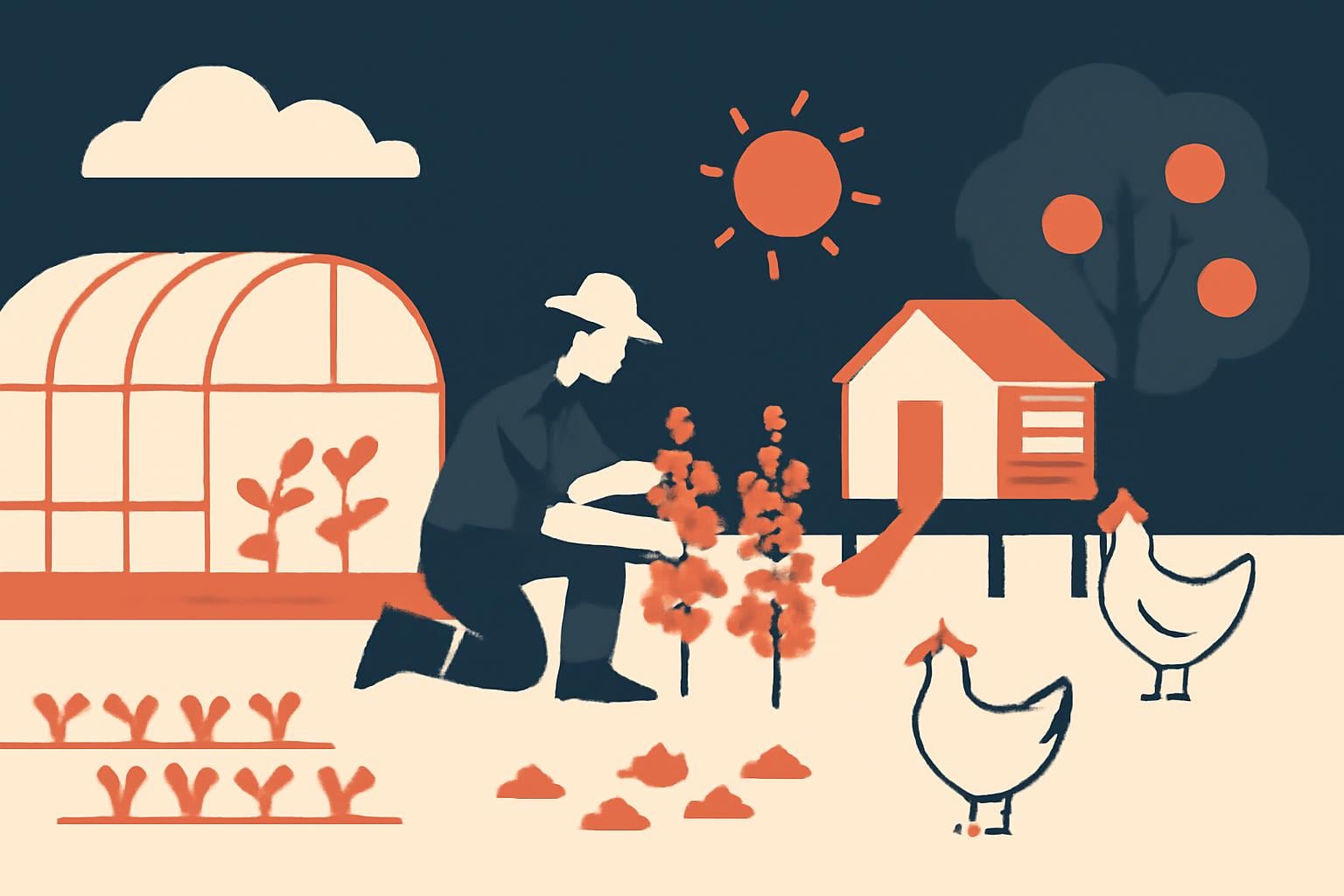
Living off-grid in New Hampshire is an increasingly popular choice for those seeking self-sufficiency, sustainability, and a deeper connection to nature. With its abundant Resources and varied landscapes, New Hampshire provides an ideal setting for off-grid living. However, potential residents must navigate legal, environmental, and logistical challenges. This comprehensive guide will explore what it truly means to live off-grid in New Hampshire, the benefits and challenges, and essential considerations for making the transition successfully.
Can You Live Off Grid in New Hampshire?
Yes, you can live off-grid in New Hampshire, provided you understand local laws, environmental conditions, and resource availability. Many individuals and families have successfully adopted this lifestyle, enjoying the benefits of self-sufficiency and reduced dependence on public utilities.
Definition of Off-Grid Living
Off-grid living refers to a lifestyle that strives for minimal reliance on public utilities and infrastructure. This often involves generating one’s own electricity, sourcing water independently, and managing waste without municipal services. Individuals may choose this lifestyle for various reasons, including environmental concerns, personal freedom, or economic motivations. In New Hampshire, the off-grid lifestyle can be particularly rewarding due to the state’s rich natural resources and supportive communities.
Popularity of Off-Grid Living
The trend of off-grid living has grown significantly in recent years as more people seek sustainable lifestyles and a break from urban environments. In New Hampshire, this movement is fueled by a combination of environmental awareness and a desire for a simpler life. Many residents are attracted to the idea of self-sufficiency, which can provide both personal fulfillment and financial savings. The rise of social media and online communities has also played a role in popularizing off-grid living, as individuals share their experiences and knowledge.
Overview of New Hampshire
New Hampshire is characterized by its diverse geography, which includes mountains, forests, and lakes. This variety not only offers stunning views but also provides ample opportunities for off-grid living. The state’s low population density and strong sense of community foster a welcoming environment for those looking to adopt an independent lifestyle. With a mix of rural areas and small towns, New Hampshire offers potential off-grid residents various options for land and resources.
What Are the Benefits of Living Off Grid in New Hampshire?
Living off-grid in New Hampshire presents numerous benefits, including self-sufficiency, a reduced environmental footprint, and potential cost savings. These advantages can lead to a more fulfilling lifestyle that prioritizes personal values and sustainability.
Self-Sufficiency
One of the primary benefits of off-grid living is the opportunity for self-sufficiency. By generating your own energy, growing your own food, and managing your waste, you reduce reliance on external systems and services. This autonomy can provide a sense of empowerment and control over your life. In New Hampshire, the availability of land and resources supports this lifestyle, allowing residents to cultivate their own gardens and utilize renewable energy sources effectively.
Environmental Impact
Off-grid living significantly reduces an individual’s environmental footprint. By harnessing renewable energy sources like solar and wind, off-gridders minimize their reliance on fossil fuels. Additionally, growing your own food can lead to less packaging waste and lower transportation emissions. New Hampshire’s natural beauty and resources make it an ideal location for environmentally conscious individuals who wish to live in harmony with nature.
Cost Savings
While the initial setup costs for off-grid living can be substantial, many individuals find that long-term savings can be significant. By generating your own electricity and growing your own food, you can reduce monthly utility bills and grocery expenses. Additionally, off-grid living often encourages a simpler lifestyle, which can lead to fewer overall expenses. In New Hampshire, residents often find that their investments in renewable energy and sustainable practices pay off over time.
What Are the Challenges of Off-Grid Living in New Hampshire?
Despite its many benefits, off-grid living in New Hampshire presents unique challenges, including harsh weather conditions, limited access to resources, and legal considerations. Prospective off-gridders must thoroughly understand these factors before making the transition.
Harsh Weather Conditions
New Hampshire’s climate is marked by cold winters and warm summers, which can pose challenges for off-grid living. Snow accumulation can hinder solar energy generation, while extreme cold can impact heating and water supply systems. Understanding seasonal variations and preparing for them is essential for successful off-grid living. Residents must invest in appropriate insulation, heating systems, and energy management strategies to thrive in this environment.
Access to Resources
Access to essential resources, such as water and building materials, can be limited in certain areas of New Hampshire. While many regions offer natural water sources, residents must ensure that these sources are safe for consumption. Additionally, finding sustainable building materials may require research and planning. Off-grid residents should familiarize themselves with local suppliers and consider innovative solutions like rainwater harvesting and recycling to overcome these challenges.
Legal Considerations
Understanding the legal landscape is crucial for anyone considering off-grid living in New Hampshire. Zoning laws, building codes, and land use regulations can vary by municipality and may impose restrictions on off-grid homes. It’s essential to consult local authorities and conduct thorough research to ensure compliance with all legal requirements. Failing to do so can lead to fines or forced removal of structures.
Is It Legal to Live Off Grid in New Hampshire?
Yes, it is generally legal to live off-grid in New Hampshire, but specific laws and regulations vary by location. Understanding local zoning laws, building codes, and land use regulations is crucial for compliance and successful off-grid living.
Zoning Laws
Zoning laws in New Hampshire dictate how land can be used, including restrictions on residential structures and land development. These laws can vary significantly between towns and may impact whether you can build an off-grid home. Before purchasing property, thoroughly investigate the zoning regulations applicable to your desired location. Engaging with local zoning boards can provide clarity on what is permissible and ensure adherence to regulations.
Building Codes
Building codes outline the minimum safety standards for construction, and they can influence the design and materials used in off-grid homes. In New Hampshire, these codes may require specific permits for new constructions, renovations, or alternative systems like composting toilets. Familiarizing yourself with these codes is essential for ensuring that your off-grid home meets safety standards and can avoid legal complications down the line. Consulting with a professional builder familiar with off-grid living can also be beneficial.
Land Use Regulations
Land use regulations govern how property can be utilized and can impact off-grid living in various ways. These regulations may affect water usage, waste disposal, and even agricultural practices. Understanding these rules is essential for successful off-grid living, as non-compliance can lead to legal challenges. Engaging with local authorities and researching state laws can help ensure that your off-grid lifestyle is both legal and sustainable.
What Is the Climate Like in New Hampshire?
New Hampshire experiences a humid continental climate, characterized by four distinct seasons. This climate can significantly influence the feasibility and approach to off-grid living, impacting energy generation, heating needs, and agricultural practices.
Seasonal Variations
New Hampshire’s climate features distinct seasonal variations, with cold, snowy winters and warm, humid summers. Winter temperatures can plunge below freezing, while summer highs can reach the 80s°F (27°C). These variations necessitate careful planning for energy use, heating, and food production. Off-grid residents must consider seasonal energy storage solutions and adaptive strategies for managing resources throughout the year.
Temperature Extremes
Temperature extremes in New Hampshire can create challenges for off-grid living. Winter conditions may require robust heating solutions, while summer heat can affect food preservation and water needs. Understanding temperature patterns and investing in appropriate systems, such as wood stoves or energy-efficient cooling methods, is essential for maintaining comfort and sustainability in an off-grid home.
Precipitation Patterns
New Hampshire receives considerable precipitation throughout the year, with snowfall averaging over 40 inches in some regions. Rainfall is also substantial, which can be advantageous for water collection systems. However, residents must consider the impact of heavy precipitation on water management and erosion. Implementing proper drainage and water collection strategies will be crucial for successful off-grid living in the state.
How Do You Find Off-Grid Property in New Hampshire?
Finding suitable off-grid property in New Hampshire involves researching real estate resources, attending land auctions, and exploring private sales. A strategic approach can help you locate land that meets your off-grid living needs.
Real Estate Resources
Many online platforms and local real estate agencies specialize in off-grid properties. Websites like Zillow, Realtor.com, and local listings can provide valuable insights into available land. Additionally, consulting with real estate agents who are familiar with off-grid living can help identify properties that meet your criteria. It’s essential to consider factors like access to resources, proximity to communities, and zoning restrictions when evaluating potential properties.
Land Auctions
Land auctions can be an excellent way to find off-grid property at potentially lower prices. Local government agencies or real estate firms often hold these auctions, offering a variety of land parcels. Researching upcoming auctions and understanding the bidding process is crucial for success. Attending these events can also provide opportunities to learn more about the local real estate market and available resources.
Private Sales
Private sales can yield unique off-grid property opportunities that may not be listed publicly. Networking within local communities or online forums can help identify homeowners looking to sell their land. Engaging with local off-grid communities and resources often leads to discovering these opportunities. Direct communication with landowners can also provide insight into the property’s history, resources, and potential challenges.
What Are the Best Locations for Off-Grid Living in New Hampshire?
Several locations in New Hampshire are particularly suited for off-grid living, including Northern, Western, and Southern regions. Each area offers unique advantages, making it essential to evaluate your lifestyle preferences and resource needs.
Northern New Hampshire
Northern New Hampshire is known for its vast wilderness, making it an ideal location for off-grid enthusiasts seeking seclusion and natural beauty. This region offers abundant forests, lakes, and rivers, providing ample opportunities for hunting, fishing, and foraging. However, the harsh winters necessitate careful planning for heating and energy needs. Residents in this area often rely on wood stoves and solar energy to maintain comfort during colder months.
Western New Hampshire
Western New Hampshire combines rural charm with access to essential services, making it an attractive option for off-grid living. This region is characterized by rolling hills and fertile farmland, providing excellent opportunities for gardening and livestock raising. Being closer to small towns allows for easier access to resources while still enjoying the benefits of a rural lifestyle. Community support in this area can also be advantageous for those transitioning to off-grid living.
Southern New Hampshire
Southern New Hampshire offers a blend of suburban and rural living, providing off-grid residents with more access to amenities while maintaining a connection to nature. This region features a mix of forests, rivers, and lakes, which can be advantageous for water sourcing and recreational activities. The proximity to larger towns can make it easier to find resources and connect with other off-grid enthusiasts. However, zoning regulations may be stricter in more populated areas, requiring careful consideration of property choices.
How Do You Power Your Off-Grid Home in New Hampshire?
Powering an off-grid home in New Hampshire typically involves a combination of solar power, wind energy, and backup generators. Understanding these options is crucial for establishing a reliable energy system.
Solar Power Options
Solar power is one of the most popular and effective energy sources for off-grid homes in New Hampshire. With numerous solar panel options available, residents can customize their systems to meet their energy needs. Utilizing solar energy can significantly reduce dependence on fossil fuels and lower electricity costs. However, ensuring adequate energy storage solutions, such as batteries, is essential for maintaining power during cloudy days or winter months.
Wind Energy
Wind energy is another viable option for powering off-grid homes in New Hampshire, particularly in areas with consistent wind patterns. Small wind turbines can be installed to supplement solar energy and provide additional power during windy conditions. However, site assessment is crucial for determining wind viability, and zoning regulations may affect turbine installation. Combining wind energy with solar can create a more resilient energy system for off-grid living.
Backup Generators
Backup generators serve as an essential component of off-grid power systems, providing additional reliability during periods of low solar or wind generation. These generators can be powered by gasoline, propane, or diesel, offering flexibility for energy needs. However, residents must consider fuel availability and costs when integrating generators into their systems. Regular maintenance and fuel management are crucial for ensuring that backup generators remain operational when needed.
What Are the Water Sources for Off-Grid Living?
Off-grid residents in New Hampshire can utilize various water sources, including wells, rainwater harvesting, and natural water sources. Understanding these options is vital for establishing a reliable and sustainable water supply.
Wells
Drilling a well is a common solution for off-grid residents seeking a dependable water source. Wells can provide access to groundwater, which is typically safe for consumption when properly managed. However, drilling a well can be expensive, and the feasibility depends on local geology and regulations. Regular testing and maintenance of well water quality are essential to ensure safety and reliability.
Rainwater Harvesting
Rainwater harvesting is an effective method for collecting water in New Hampshire, especially with the state’s significant precipitation. Residents can install rain barrels or larger cisterns to capture runoff from roofs and store it for later use. Implementing a filtration system is crucial for ensuring that harvested rainwater is safe for consumption. This sustainable practice can significantly reduce dependency on other water sources.
Natural Water Sources
Natural water sources, such as rivers, streams, and ponds, can also provide water for off-grid living. However, accessing and using these sources requires careful consideration of water quality and legal regulations. Residents must ensure that water from these sources is treated and filtered before use. Additionally, understanding local wildlife and ecosystem impacts is essential for sustainable water management.
How Do You Manage Waste Off Grid?
Effective waste management is crucial for off-grid living in New Hampshire. Options include composting toilets, waste disposal methods, and recycling practices that minimize environmental impact.
Composting Toilets
Composting toilets are a popular and environmentally friendly solution for waste management in off-grid homes. These toilets use natural processes to break down waste into compost, which can be used to enrich soil. Proper maintenance and understanding of composting principles are essential for ensuring hygienic and effective operation. Composting toilets can significantly reduce water usage and the environmental impact of traditional sewage systems.
Waste Disposal Methods
In addition to composting toilets, off-grid residents must consider other waste disposal methods, such as managing solid waste and hazardous materials. Establishing a regular schedule for waste collection and disposal is essential to ensure sanitary conditions. Options may include burning, burying, or transporting waste to designated disposal sites. Understanding local regulations regarding waste disposal is also crucial to avoid legal issues.
Recycling
Recycling is an important aspect of waste management for off-grid residents. Establishing a recycling system for materials such as paper, plastics, and metals can significantly reduce waste. Setting up designated bins and educating all household members about recycling guidelines can streamline this process. Additionally, connecting with local recycling programs can provide resources and support for sustainable waste management practices.
What Are the Food Production Options Off Grid?
Off-grid living allows for various food production options, including gardening, permaculture, and livestock raising. These methods can enhance self-sufficiency and promote sustainable living.
Gardening
Gardening is one of the most common methods of food production for off-grid residents. Growing fruits, vegetables, and herbs can provide fresh produce while minimizing grocery costs. Understanding local growing conditions, including soil quality and climate, is essential for successful gardening. Implementing techniques such as crop rotation and companion planting can enhance yields and overall garden health.
Permaculture
Permaculture is a sustainable farming method that focuses on creating self-sustaining ecosystems. By designing gardens that mimic natural ecosystems, off-grid residents can produce food while conserving resources. This approach promotes biodiversity and soil health, leading to a more resilient food system. Learning about permaculture principles can provide valuable insights for optimizing food production in an off-grid setting.
Livestock Raising
Raising livestock can further enhance food production capabilities for off-grid households. Chickens, goats, and rabbits are popular choices due to their relatively low maintenance and high productivity. Livestock can provide eggs, milk, and meat, contributing to a diverse diet. However, it’s crucial to understand local regulations regarding animal husbandry and to ensure proper care and management for the health of both the animals and the environment.
How Do You Stay Connected Off Grid?
Staying connected off-grid involves utilizing various communication tools, internet access options, and emergency services. Understanding these methods is essential for maintaining contact with the outside world.
Internet Access
Internet access in off-grid locations can be challenging but is achievable through various methods, such as satellite internet or cellular data plans. Satellite internet can provide reliable access in remote areas, although it may come with higher costs and slower speeds. Alternatively, residents can utilize mobile hotspots or local service providers to explore broadband options. Evaluating connectivity needs and researching available services is crucial for effective communication.
Communication Tools
Effective communication tools are essential for off-grid living, especially for emergencies and staying connected with family and friends. Walkie-talkies, ham radios, and mobile phones can serve as reliable communication methods in remote areas. Ensuring that all household members are familiar with these tools can enhance safety and connectivity. Regularly testing equipment and establishing communication protocols can also help maintain consistent contact.
Emergency Services
Accessing emergency services can be more complex in off-grid settings, making it essential to establish a plan for emergencies. Understanding local resources, such as nearby hospitals and fire departments, is crucial for preparedness. Additionally, maintaining a reliable communication system and having an emergency kit can enhance safety. Engaging with local communities can also provide support and resources in case of emergencies.
What Are the Best Building Materials for Off-Grid Homes?
The best building materials for off-grid homes in New Hampshire prioritize sustainability, energy efficiency, and durability. Selecting appropriate materials is essential for creating a comfortable and efficient living space.
Sustainable Materials
Sustainable building materials, such as reclaimed wood, straw bales, and bamboo, are ideal for off-grid homes. These materials minimize environmental impact and can often be sourced locally. Using sustainable materials reduces reliance on traditional building supplies and promotes eco-friendly practices. Additionally, integrating natural materials can enhance aesthetics and provide better insulation for homes.
Insulation Options
Effective insulation is crucial for maintaining energy efficiency in off-grid homes, particularly in New Hampshire’s varying climate. Options include fiberglass, cellulose, and foam insulation, each offering different advantages. Proper insulation can significantly reduce heating and cooling costs, enhancing comfort and sustainability. Evaluating insulation needs based on climate and energy goals is essential for optimal performance.
Energy Efficiency
Choosing energy-efficient building materials can significantly impact the overall sustainability of an off-grid home. Materials that provide better thermal performance, such as triple-glazed windows and insulated doors, can help reduce energy consumption. Additionally, opting for energy-efficient appliances and fixtures can further enhance the home’s energy profile. Prioritizing energy efficiency in the design and construction phases will lead to long-term cost savings and environmental benefits.
How Do You Insulate Your Off-Grid Home?
Insulating your off-grid home effectively involves selecting appropriate materials, utilizing DIY techniques, and considering professional help when necessary. Proper insulation is essential for maintaining comfort and energy efficiency.
Types of Insulation
Various types of insulation are available for off-grid homes, including fiberglass batts, spray foam, and rigid foam boards. Each type has its advantages and disadvantages, depending on budget, application method, and insulation needs. Understanding the thermal performance of each material is essential for selecting the best option. Additionally, ensuring proper installation is crucial for maximizing insulation effectiveness.
DIY Techniques
Many off-grid residents opt for DIY insulation techniques to save costs and enhance their self-sufficiency. Techniques may include using recycled materials, such as old newspapers or denim, to create insulation. Additionally, sealing air leaks with weatherstripping or caulk can improve overall efficiency. Engaging in DIY insulation projects can promote a sense of accomplishment and further enhance off-grid living skills.
Professional Help
While DIY insulation projects can be rewarding, seeking professional help may be necessary for more complex installations or specific materials. Professional contractors can provide valuable expertise in energy-efficient design and ensure that insulation meets local codes. Collaborating with professionals can also offer insights into advanced insulation techniques and materials that may not be readily available to the average homeowner.
What Are the Transportation Options for Off-Grid Living?
Transportation options for off-grid living in New Hampshire include various vehicle choices, public transport availability, and understanding road conditions. Evaluating these factors is crucial for accessibility and mobility.
Vehicle Choices
Choosing the right vehicle is essential for off-grid living, especially in rural New Hampshire. Trucks and SUVs are popular choices due to their robustness and ability to navigate rough terrain. Additionally, electric vehicles may be suitable if paired with a solar charging system. Understanding the terrain and intended use will help in selecting the most appropriate vehicle for off-grid living.
Public Transport Availability
Public transportation options may be limited in more rural areas of New Hampshire, making it essential to consider personal transportation needs. While larger towns may offer bus services, they may not be frequent or extensive. Off-grid residents should evaluate their proximity to public transport routes and consider carpooling or rideshare options for increased accessibility. A reliable personal vehicle is often a necessity for off-grid living in these areas.
Road Conditions
Road conditions in off-grid areas can vary widely, affecting accessibility and transportation options. Seasonal weather changes can impact road maintenance and travel safety. Residents should familiarize themselves with local road conditions and invest in vehicles suitable for off-road travel. Preparing for seasonal variations, such as snow and mud, is essential for maintaining mobility in off-grid living.
How Do You Prepare for Emergencies Off Grid?
Preparing for emergencies in an off-grid setting involves assembling emergency kits, establishing safety protocols, and leveraging local resources. A proactive approach ensures safety and security in unforeseen situations.
Emergency Kits
Assembling a comprehensive emergency kit is crucial for off-grid living. Essential items should include food, water, first aid supplies, flashlights, and necessary medications. Regularly checking and updating these kits can ensure that you are prepared for various emergencies, such as natural disasters or power outages. Additionally, involving all household members in emergency planning can enhance preparedness and safety.
Safety Protocols
Establishing safety protocols is essential for off-grid living, particularly in remote locations. Create plans for various scenarios, such as severe weather events or medical emergencies, and ensure all household members are familiar with these protocols. Regular drills and discussions can reinforce the importance of preparedness. Connecting with local emergency services can also provide valuable resources and contacts for assistance.
Local Resources
Utilizing local resources can enhance emergency preparedness in off-grid living. Engaging with local communities can provide insights into available resources, such as shelters, medical facilities, and emergency services. Networking with neighboring off-grid residents can also create a support system during emergencies. Staying informed about local conditions and resources can significantly impact safety and preparedness.
What Are the Community Aspects of Off-Grid Living?
Community aspects of off-grid living include networking with other off-gridders, engaging with local communities, and sharing resources. Building connections can enhance the off-grid experience and provide valuable support.
Networking with Other Off-Gridders
Networking with other off-grid residents can provide a wealth of knowledge and support. Local meetups and online forums often facilitate connections among individuals with similar interests. Sharing experiences and resources can enhance the off-grid living experience and provide solutions to common challenges. Building relationships with fellow off-gridders fosters a sense of community and collaboration.
Local Off-Grid Communities
Many areas in New Hampshire have established off-grid communities where like-minded individuals can share resources and knowledge. These communities can offer support in terms of shared infrastructure, such as communal gardens or workshops. Additionally, participating in community events can foster connections and provide opportunities for collaboration on sustainability initiatives. Engaging with local off-grid communities can enhance the overall experience of off-grid living.
Sharing Resources
Sharing resources is a common practice among off-grid residents, promoting sustainability and reducing costs. This can include sharing tools, equipment, or knowledge related to gardening, energy systems, and waste management. Establishing a resource-sharing network can foster collaboration and strengthen community ties. Additionally, pooling resources can enhance overall efficiency and sustainability in off-grid living.
How Do You Stay Informed About Off-Grid Living?
Staying informed about off-grid living involves utilizing online resources, books, publications, and attending workshops or events. Continuous learning is essential for adapting to the off-grid lifestyle.
Online Resources
The internet offers a wealth of information on off-grid living, including blogs, forums, and social media groups dedicated to the topic. Engaging with these resources can provide insights into best practices, new technologies, and personal experiences. Regularly following trusted sources can help off-grid residents stay updated on trends and innovations in sustainable living. Online communities often serve as valuable support networks for individuals navigating off-grid challenges.
Books and Publications
Books and publications focused on off-grid living can provide in-depth knowledge and practical guidance. Topics may include renewable energy, gardening, waste management, and sustainable building techniques. Libraries and online bookstores often carry a range of resources that can enhance understanding and skills related to off-grid living. Investing time in reading and learning can empower residents to make informed decisions and improve their off-grid experience.
Workshops and Events
Attending workshops and events focused on off-grid living can provide hands-on learning opportunities and valuable networking experiences. Local organizations, community centers, or agricultural fairs often host such events, covering various topics from homesteading to renewable energy. Participating in workshops can enhance practical skills and foster connections with other individuals interested in off-grid living. These experiences can contribute significantly to the overall success of an off-grid lifestyle.
What Are the Costs Associated with Off-Grid Living?
Costs associated with off-grid living in New Hampshire can vary widely based on initial setup, ongoing maintenance, and hidden expenses. Understanding these costs is crucial for effective budgeting and financial planning.
Initial Setup Costs
The initial setup costs for off-grid living can be significant, including land acquisition, building materials, and renewable energy systems. Expenses for drilling wells, installing solar panels, and purchasing livestock can also add up quickly. It’s essential to create a detailed budget that accounts for all potential costs and to seek ways to minimize expenses through DIY projects or resource sharing. Understanding these initial investments is crucial for long-term success in off-grid living.
Ongoing Maintenance Costs
Ongoing maintenance costs are an essential consideration for off-grid living, as residents must manage energy systems, water sources, and waste disposal. Regular maintenance of solar panels, generators, and plumbing systems can incur costs over time. Additionally, budgeting for supplies and replacements, such as batteries and filters, is vital for sustainability. Developing a maintenance plan can help ensure that expenses remain manageable and predictable.
Hidden Expenses
Hidden expenses can arise unexpectedly in off-grid living, making it crucial to prepare for unforeseen costs. These may include emergency repairs, fuel costs for generators, or additional resources for gardening and livestock. Having a contingency fund can provide peace of mind and financial flexibility when unexpected situations arise. Regularly reviewing budgets and expenses can help identify potential hidden costs and ensure financial stability.
How Can You Finance Off-Grid Living in New Hampshire?
Financing off-grid living in New Hampshire can involve various options, including loans, grants, and crowdfunding. Exploring these financing avenues can help facilitate the transition to an off-grid lifestyle.
Loans and Mortgages
Obtaining loans or mortgages for off-grid living can be challenging but is often necessary for land acquisition and construction. Traditional lenders may require specific documentation concerning alternative living arrangements. Researching local lenders who understand off-grid living can provide better options. Additionally, considering personal loans or lines of credit may offer flexibility for funding initial expenses.
Grants and Assistance
Various grants and assistance programs are available for individuals pursuing off-grid living and sustainable practices. Local and state governments may offer funding opportunities for renewable energy projects, energy efficiency improvements, or homesteading initiatives. Researching available grants and applying for financial assistance can significantly reduce the burden of initial costs. Engaging with local organizations that support sustainable living can also provide valuable resources and guidance.
Crowdfunding Options
Crowdfunding platforms can offer unique financing opportunities for off-grid living projects. Sharing your vision and goals on platforms like Kickstarter or GoFundMe can help raise funds from friends, family, and interested supporters. Presenting a compelling narrative and outlining how funds will be used is crucial for success. Additionally, engaging with local communities and social media can help spread awareness and attract potential contributors.
What Legal Documents Do You Need for Off-Grid Living?
Essential legal documents for off-grid living in New Hampshire include land deeds, permits, and insurance policies. Proper documentation is crucial for ensuring compliance and protecting your investment.
Land Deeds
Land deeds are vital for establishing ownership of property and ensuring that you have the legal right to build and live off-grid. When purchasing land, it’s essential to review the title and confirm that there are no liens or encumbrances. Additionally, having a clear understanding of property boundaries is crucial for planning your off-grid setup. Consulting with a real estate attorney can help clarify legal aspects related to land ownership.
Permits
Permits are often required for construction, well drilling, and waste management systems, depending on local regulations. Before beginning any off-grid projects, it’s essential to research and obtain the necessary permits to avoid legal complications. Engaging with local authorities can provide clarity on specific requirements and streamline the permitting process. Keeping all permits and documentation organized is crucial for compliance and future reference.
Insurance Policies
Insurance is an essential consideration for off-grid living, as it provides financial protection against unforeseen events. Homeowners should consider obtaining property insurance to protect their investment and liability insurance for potential accidents. Additionally, specialized insurance for renewable energy systems may be necessary. Consulting with insurance professionals familiar with off-grid living can offer tailored coverage options to meet your needs.
How Do You Choose the Right Off-Grid Lifestyle?
Choosing the right off-grid lifestyle involves evaluating personal needs, assessing skills, and setting clear goals. A thoughtful approach ensures a successful and fulfilling off-grid experience.
Evaluating Personal Needs
Assessing your personal needs is crucial for determining the most suitable off-grid lifestyle. Consider factors such as family size, dietary preferences, and energy requirements. Understanding these needs can help inform decisions regarding property size, energy systems, and food production methods. Engaging in self-reflection allows you to align your off-grid lifestyle with your values and priorities.
Assessing Skills
Evaluating your skills and abilities can significantly impact your success in off-grid living. Consider your experience with gardening, construction, and renewable energy systems. Identifying areas for improvement can guide your learning journey and help you develop the necessary skills for self-sufficiency. Engaging in workshops and community events can enhance your skillset and prepare you for the challenges of off-grid living.
Setting Goals
Setting clear goals is essential for guiding your off-grid journey. Define what you hope to achieve through off-grid living, whether it’s financial independence, environmental sustainability, or personal fulfillment. Establishing measurable goals can help track progress and provide motivation during challenging times. Regularly revisiting and adjusting your goals ensures they remain aligned with your evolving off-grid lifestyle.
What Are the Long-Term Considerations for Off-Grid Living?
Long-term considerations for off-grid living in New Hampshire include sustainability, community integration, and future planning. These factors are crucial for ensuring a successful and fulfilling off-grid lifestyle.
Sustainability
Prioritizing sustainability is essential for long-term success in off-grid living. Implementing practices such as permaculture, renewable energy systems, and resource conservation can enhance your self-sufficiency. Continuously seeking ways to reduce your environmental impact and improve efficiency will contribute to a sustainable lifestyle. Engaging with local resources and communities can also provide valuable insights into sustainable practices and innovations.
Community Integration
Integrating into local communities can significantly enhance the off-grid living experience. Building connections with neighbors and fellow off-gridders fosters collaboration and support. Participating in local events and initiatives can provide opportunities for resource sharing and knowledge exchange. Establishing a sense of belonging within the community can enhance the overall quality of life in an off-grid setting.
Future Planning
Future planning is crucial for addressing potential challenges and ensuring long-term success in off-grid living. Consider potential changes in climate, resource availability, and personal circumstances. Developing adaptable strategies can help mitigate risks and maintain resilience in the face of uncertainty. Regularly reviewing and adjusting plans will ensure that your off-grid lifestyle remains sustainable and fulfilling over time.
Can You Live Off Grid with a Family in New Hampshire?
Yes, you can live off-grid with a family in New Hampshire, but it requires careful planning to address family needs and dynamics. Ensuring adequate education options and community support is essential for a successful off-grid family life.
Family Needs and Dynamics
Living off-grid with a family requires considering each member’s needs and preferences. Factors such as space, amenities, and accessibility must be evaluated to create a comfortable living environment. Open communication among family members is crucial for navigating challenges and ensuring everyone feels included in decision-making. Establishing a family routine that accommodates off-grid responsibilities can also enhance harmony and cooperation.
Education Options
Education options for off-grid families in New Hampshire can vary widely, including homeschooling, online learning, and local schools. Researching available educational resources and programs is essential for ensuring that children receive a quality education. Engaging with local homeschooling groups or educational cooperatives can provide additional support and opportunities for socialization. Flexibility in educational approaches can enable families to tailor learning experiences to their unique off-grid lifestyle.
Community Support
Community support plays a vital role in the success of off-grid family living. Building relationships with neighbors and fellow off-grid families can create a network of resources and assistance. Participating in local events and activities can foster connections and provide opportunities for collaboration. Engaging with supportive communities can enhance the overall experience of off-grid living for families, promoting a sense of belonging and shared values.
What Are Some Success Stories of Off-Grid Living in New Hampshire?
Success stories of off-grid living in New Hampshire illustrate the potential for self-sufficiency, creativity, and resilience. These narratives can provide inspiration and insights for those considering the off-grid lifestyle.
Case Studies
Numerous case studies showcase individuals and families successfully living off-grid in New Hampshire. These stories often highlight innovative solutions for energy generation, food production, and waste management. Understanding the experiences of others can provide valuable lessons and strategies for overcoming challenges. Documenting these successes can also contribute to a greater understanding of the off-grid movement in the region.
Interviews with Off-Grid Residents
Interviews with off-grid residents can offer firsthand insights into the realities of living off-grid in New Hampshire. These conversations can reveal the motivations, challenges, and rewards associated with this lifestyle. Learning from others’ experiences can provide practical tips and inspiration for those considering the transition. Sharing these stories within local communities can help foster a spirit of collaboration and support among off-grid enthusiasts.
Lessons Learned
Lessons learned from off-grid living experiences can serve as valuable guidance for newcomers. Common themes may include the importance of thorough planning, the need for adaptability, and the benefits of community engagement. Reflecting on these lessons can help individuals and families better prepare for their off-grid journeys. Documenting personal experiences can also contribute to a growing body of knowledge and support for future off-grid residents.
How Do You Transition to Off-Grid Living?
Transitioning to off-grid living involves careful planning, gradual implementation, and understanding the balance between full-time and part-time living. A strategic approach can facilitate a smoother transition to this lifestyle.
Planning Your Move
Planning your move to off-grid living requires thorough research and organization. Begin by identifying your goals, assessing potential properties, and determining the resources needed for your off-grid setup. Creating a timeline for the transition can help keep you on track and minimize stress. Engaging with local communities and resources can also provide valuable insights and support throughout the process.
Gradual Transition Strategies
A gradual transition to off-grid living can ease the adjustment process and allow for learning along the way. Start by implementing small changes, such as establishing a garden or investing in renewable energy systems. This approach allows you to test different systems and practices before fully committing to an off-grid lifestyle. Gradually increasing off-grid practices can also help family members adapt to the changes more comfortably.
Full-Time vs. Part-Time Living
Deciding between full-time and part-time off-grid living is a crucial consideration for many individuals and families. Full-time living offers complete immersion in the off-grid experience but may require more extensive preparations and resources. Part-time living allows for gradual adaptation and the opportunity to maintain connections to urban amenities. Assessing your goals and lifestyle preferences will help determine the most suitable approach for your off-grid journey.
What Resources Are Available for Off-Grid Living in New Hampshire?
Numerous resources are available for individuals pursuing off-grid living in New Hampshire, including local organizations, online forums, and government resources. Leveraging these resources can enhance your off-grid experience and provide valuable support.
Local Organizations
Local organizations focused on sustainability and off-grid living can offer valuable resources and support. These groups often host workshops, community events, and educational programs related to renewable energy, gardening, and homesteading. Engaging with these organizations can foster connections and provide opportunities for collaboration within the local off-grid community. Researching and joining local groups can enhance your off-grid journey.
Online Forums
Online forums dedicated to off-grid living provide a wealth of information, resources, and community support. Websites and social media groups often feature discussions on various topics, including energy systems, waste management, and food production. Engaging with these online communities can offer insights into best practices and solutions to common challenges. Participating in discussions and sharing your experiences can also foster connections with like-minded individuals.
Government Resources
Government resources can provide valuable information regarding regulations, grants, and assistance programs for off-grid living. Local and state agencies may offer guidance on renewable energy incentives, zoning regulations, and building codes. Researching available resources can enhance your understanding of legal requirements and financial opportunities. Engaging with government resources can also promote compliance and sustainability in off-grid living.
How Do You Educate Yourself on Off-Grid Skills?
Educating yourself on off-grid skills involves participating in workshops, online courses, and seeking mentorship opportunities. Continuous learning is essential for successfully navigating the challenges of off-grid living.
Workshops and Classes
Participating in workshops and classes focused on off-grid skills can provide valuable hands-on learning experiences. Topics may include gardening, renewable energy installation, and sustainable building techniques. Local organizations and community centers often host these events, making them accessible to interested individuals. Regularly attending workshops can help develop practical skills and foster connections within the off-grid community.
Online Courses
Online courses offer a flexible way to learn about off-grid living at your own pace. Numerous platforms provide courses on topics ranging from permaculture to renewable energy systems. Engaging with these resources can enhance your knowledge and prepare you for off-grid challenges. Exploring online forums and communities can also provide recommendations for reputable courses and valuable insights from experienced off-gridders.
Mentorship
Seeking mentorship from experienced off-grid residents can provide invaluable guidance and support. Connecting with individuals who have successfully navigated the off-grid lifestyle can offer insights into best practices and lessons learned. Mentorship can also foster a sense of community and collaboration, enhancing the overall off-grid experience. Engaging with local networks or online forums can help identify potential mentors and facilitate these connections.
What Are the Environmental Impacts of Off-Grid Living?
Off-grid living can have significant environmental impacts, including carbon footprint reduction, biodiversity considerations, and the promotion of sustainable practices. Understanding these impacts is essential for fostering a positive relationship with the environment.
Carbon Footprint Reduction
Living off-grid can lead to substantial reductions in carbon footprints through the use of renewable energy sources and sustainable practices. By generating your own energy and minimizing reliance on fossil fuels, off-grid residents contribute to a healthier planet. Implementing energy-efficient practices and reducing waste can further enhance environmental benefits. Awareness of personal carbon footprints can motivate individuals to adopt more sustainable lifestyle choices.
Biodiversity Considerations
Off-grid living can promote biodiversity through sustainable land management practices. Engaging in permaculture and organic gardening supports local ecosystems and enhances soil health. Avoiding harmful chemicals and pesticides protects local wildlife and promotes a balanced ecosystem. Understanding the interconnectedness of off-grid practices and biodiversity is crucial for fostering a sustainable environment.
Sustainable Practices
Emphasizing sustainable practices is essential for minimizing environmental impact in off-grid living. Implementing water conservation techniques, waste management strategies, and renewable energy systems contributes to ecological health. Educating oneself and others about sustainable practices fosters a culture of responsibility and stewardship. Committing to sustainability in off-grid living can create lasting positive impacts on both local and global environments.
What Are the Psychological Effects of Living Off Grid?
Living off-grid can have various psychological effects, including mental well-being, social isolation challenges, and opportunities for self-discovery. Understanding these impacts is essential for fostering a positive off-grid experience.
Mental Wellbeing
The off-grid lifestyle can positively influence mental well-being through enhanced connection to nature and self-sufficiency. Spending time outdoors and engaging in physical activities can reduce stress and improve overall happiness. The sense of accomplishment that comes from managing one’s own resources can also boost self-esteem and confidence. Prioritizing mental well-being is essential for enjoying the benefits of off-grid living.
Social Isolation
While off-grid living can offer seclusion and tranquility, it may also lead to feelings of social isolation. Distance from urban centers and limited access to social activities can create challenges for maintaining relationships. Building connections with local off-grid communities and engaging in networking opportunities can mitigate these feelings. Establishing strong support systems is crucial for fostering social well-being in off-grid living.
Self-Discovery
Living off-grid often provides opportunities for self-discovery and personal growth. The challenges of self-sufficiency can lead to increased resilience and adaptability. Additionally, exploring new skills and interests can foster a deeper understanding of personal values and priorities. Embracing the journey of self-discovery can enhance the overall experience of off-grid living and contribute to a fulfilling lifestyle.
How Do You Network with Other Off-Grid Enthusiasts?
Networking with other off-grid enthusiasts involves engaging in local meetups, online communities, and social media groups. Building connections can enhance the off-grid experience and provide valuable support.
Local Meetups
Attending local meetups focused on off-grid living can foster connections with like-minded individuals. These events often provide opportunities for sharing experiences, resources, and knowledge. Engaging in discussions and workshops can enhance understanding and skills related to off-grid living. Building relationships within local off-grid communities can create a strong support network for navigating challenges.
Online Communities
Online communities dedicated to off-grid living offer a wealth of information and opportunities for networking. Engaging in forums and social media groups allows individuals to share experiences, ask questions, and seek advice. Participating actively in these communities can foster connections and provide valuable insights into best practices. Regularly visiting online platforms can help individuals stay informed and engaged with the off-grid movement.
Social Media Groups
Social media platforms often host groups focused on off-grid living, providing additional networking opportunities. Joining these groups allows individuals to connect with others who share similar interests and goals. Engaging in discussions and sharing personal experiences can foster community and support. Utilizing social media as a networking tool can enhance the overall off-grid experience and promote collaboration among enthusiasts.
Mini FAQ
1. Is off-grid living legal in New Hampshire?
Yes, but compliance with local zoning laws and building codes is necessary.
2. What are common challenges of living off-grid?
Common challenges include harsh weather, resource access, and legal considerations.
3. How can I find off-grid property?
Research real estate resources, attend land auctions, or explore private sales.
4. What energy sources are available for off-grid homes?
Common energy sources include solar power, wind energy, and backup generators.
5. What are the food production options for off-grid living?
Options include gardening, permaculture, and livestock raising.
6. How do I network with other off-grid enthusiasts?
Attend local meetups, join online communities, and engage in social media groups.
7. What are the costs associated with off-grid living?
Costs can include initial setup, ongoing maintenance, and potential hidden expenses.
This content is for informational purposes only. It does not constitute accounting, financial, or legal advice. Please consult a qualified professional before making decisions based on this information.