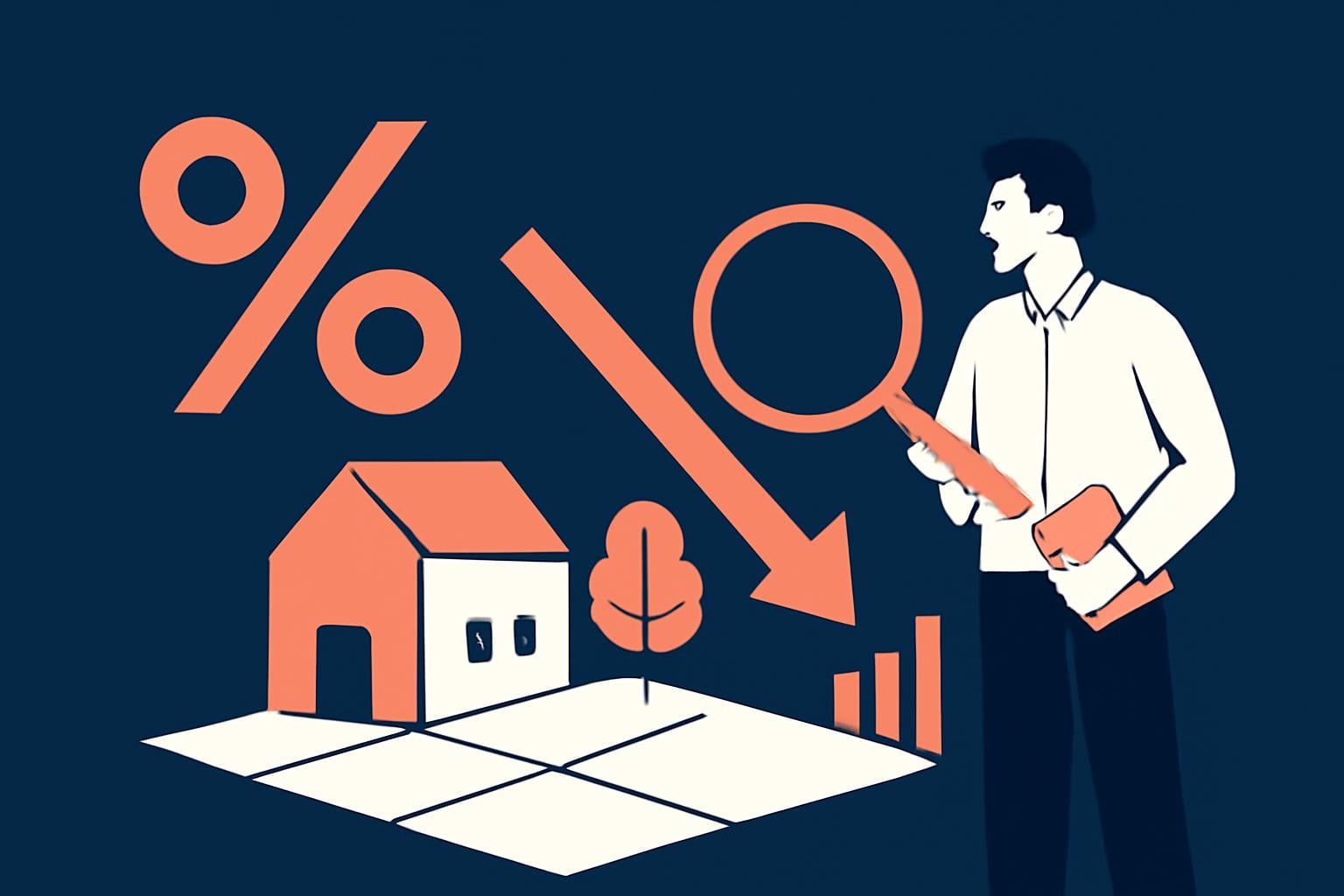
As we look ahead to 2026, the landscape of investment opportunities is evolving rapidly. Investors must consider various factors, including economic conditions, technological advancements, and changing consumer preferences. This article will explore where to invest money in 2026, covering a range of asset classes and strategies to help you make informed decisions. By examining the top investment options, risks, and potential benefits, you can position yourself for financial success in the coming years.
Where Should I Invest My Money in 2026?
In 2026, strategic investment choices will focus on a mix of traditional and emerging assets, tailored to individual goals, risk tolerance, and time horizons.
Understanding Investment Goals
Before investing, it’s crucial to define your financial goals. Are you saving for retirement, a home, or your children’s education? Establishing clear objectives will guide your investment decisions. For example, long-term goals may warrant a more aggressive portfolio, while short-term goals might necessitate safer, more liquid investments. Tailoring your strategy to your specific aspirations can enhance your chances of success.
Assessing Risk Tolerance
Understanding your risk tolerance is essential for creating a balanced investment portfolio. Risk tolerance varies among individuals and is influenced by factors such as age, income, and investment experience. Conducting a risk assessment can help determine how much volatility you can withstand. For instance, younger investors may be more inclined to take on higher risks for the potential of greater returns, while retirees often favor more stable investments.
📘 Get Your FREE Land Investing Strategy Guide
Discover how savvy investors build passive income with vacant land.
Identifying Time Horizon
Your investment time horizon significantly impacts your choices. A longer time horizon generally allows for more aggressive investment strategies, as you have time to recover from market fluctuations. Conversely, if you plan to access your funds soon, it’s wise to adopt a conservative approach. Knowing when you will need your capital can help shape an appropriate investment strategy that aligns with your financial needs.
What Are the Top Investment Options for 2026?
The top investment options for 2026 include stocks, bonds, and real estate, each offering unique benefits and risks suitable for various investor profiles.
Stocks and Equities
Investing in stocks and equities remains a popular choice for growth-oriented investors. Historically, equities have outperformed other asset classes over the long term. However, they come with inherent risks, including market volatility and economic downturns. In 2026, sectors such as technology, healthcare, and renewable energy are expected to provide strong growth opportunities. Conducting thorough research and diversifying across sectors can mitigate risks while capitalizing on potential gains.
Bonds and Fixed Income
Bonds and fixed-income securities can serve as a stabilizing force in your investment portfolio. They typically offer lower returns than stocks but provide predictable income through interest payments. With interest rates projected to fluctuate in 2026, investors should carefully consider the types of bonds to include. Government bonds are often seen as safer, while corporate bonds may offer higher yields but come with increased risk.
Real Estate
Real estate investing can provide significant benefits, including rental income and potential property appreciation. In 2026, urban areas and regions with job growth and infrastructure development may present lucrative opportunities. Investors must consider factors such as location, property management, and market trends. Real estate can also be a hedge against inflation, making it an attractive option for many in uncertain economic times.
How Will the Stock Market Perform in 2026?
While predicting exact stock market performance is challenging, historical trends, market predictions, and sector analyses can provide valuable insights for 2026.
Historical Trends
Examining historical stock market performance can offer context for future expectations. Historically, the stock market has shown resilience, recovering from downturns and achieving long-term growth. However, past performance does not guarantee future results. Understanding cyclical patterns and the effects of economic indicators can help investors make informed decisions about when to enter or exit the market.
Market Predictions
Market predictions for 2026 suggest cautious optimism, with analysts forecasting moderate growth influenced by economic recovery post-pandemic. Factors such as monetary policy, inflation rates, and corporate earnings will play a significant role. Investors should stay updated on market news and economic forecasts to adjust their strategies accordingly. Engaging with financial experts and leveraging data-driven insights can also enhance decision-making.
Sector Analysis
Sector analysis is crucial for identifying potential investment opportunities in 2026. Sectors such as technology, healthcare, and renewable energy are expected to thrive due to evolving consumer preferences and regulatory support. Investors should analyze sector fundamentals, including growth prospects and competitive dynamics. By focusing on high-potential sectors, investors can optimize their portfolios for better performance.
What Are the Benefits of Investing in Real Estate in 2026?
Investing in real estate in 2026 offers rental income potential, property appreciation, and tax benefits, making it a viable option for diverse investors.
Rental Income Potential
One of the primary benefits of real estate investing is the potential for consistent rental income. As demand for rental properties remains strong in urban areas, investors can generate cash flow through monthly rent payments. This income can help offset mortgage costs or be reinvested into additional properties. Additionally, a diversified real estate portfolio can provide a reliable income stream, especially during economic downturns.
Property Appreciation
Real estate values typically appreciate over time, especially in high-demand locations. Investors who buy properties in emerging neighborhoods or areas experiencing growth can benefit significantly from capital appreciation. Holding properties long-term can yield substantial returns, surpassing initial investments. However, it’s essential to conduct thorough market research to identify locations with strong appreciation potential.
Tax Benefits
Real estate investments come with various tax benefits that can enhance overall returns. Deductions for mortgage interest, property taxes, and depreciation can significantly reduce taxable income. Additionally, investors may benefit from 1031 exchanges, allowing them to defer capital gains taxes when selling properties. These tax advantages make real estate an attractive option for investors seeking to maximize their returns and minimize tax liabilities.
Are Cryptocurrencies a Good Investment in 2026?
Cryptocurrencies may represent a high-risk but potentially high-reward investment in 2026, depending on market conditions and regulatory developments.
Market Volatility
Cryptocurrencies are known for their extreme volatility, which can result in significant price fluctuations over short periods. This volatility can be both a risk and an opportunity for investors. While some have profited immensely from trading cryptocurrencies, others have faced substantial losses. Understanding market dynamics and employing effective risk management strategies are essential for navigating the crypto landscape in 2026.
Long-Term Potential
Despite their volatility, many investors view cryptocurrencies as a long-term investment with substantial growth potential. The increasing adoption of blockchain technology and digital currencies by mainstream financial institutions could drive demand. Additionally, as more businesses accept cryptocurrencies as payment, their legitimacy and value may increase. Investors should conduct thorough research and remain informed about developments in the crypto space to assess their long-term viability.
Regulatory Considerations
Regulatory developments play a crucial role in the future of cryptocurrencies. Governments worldwide are increasingly scrutinizing digital currencies, leading to potential regulations that could impact market dynamics. Investors must stay abreast of regulatory changes to understand their implications on investments. Compliance with tax laws and reporting requirements is also essential for anyone investing in cryptocurrencies in 2026.
How Can I Diversify My Investment Portfolio for 2026?
Diversifying your investment portfolio in 2026 involves asset allocation strategies, investing in different sectors, and geographical diversification to mitigate risks.
Asset Allocation Strategies
Asset allocation is a fundamental strategy for portfolio diversification. By distributing investments across various asset classes—such as stocks, bonds, real estate, and cash—investors can reduce risk and enhance returns. A well-balanced portfolio can withstand market fluctuations better than one heavily weighted in a single asset class. Regularly reviewing and adjusting your asset allocation based on market conditions and personal goals is also vital for long-term success.
Investing in Different Sectors
Investing across multiple sectors can protect against downturns in specific industries. For example, if the technology sector experiences volatility, investments in healthcare or consumer goods may provide stability. Identifying sectors with growth potential, such as renewable energy or e-commerce, can further enhance diversification. Staying informed about sector trends and reallocating investments based on performance can optimize portfolio returns.
Geographical Diversification
Geographical diversification involves spreading investments across different countries and regions. This strategy can reduce exposure to localized economic downturns and enhance overall portfolio resilience. International investments offer access to emerging markets with high growth potential, but they also come with unique risks, including currency fluctuations and geopolitical instability. A robust understanding of global markets is essential for effectively implementing geographical diversification.
What Are the Risks of Investing in 2026?
Investing in 2026 entails various risks, including market risks, economic factors, and geopolitical risks that investors should carefully consider.
Market Risks
Market risks refer to the potential for losses due to fluctuations in the financial markets. These risks can arise from economic downturns, changes in investor sentiment, or external events such as natural disasters. Diversifying your investment portfolio and employing risk management strategies can help mitigate market risks. However, it’s essential to remain vigilant and adjust your investment strategy in response to changing market conditions.
Economic Factors
Economic factors, such as inflation, interest rates, and employment levels, significantly influence investment performance. For instance, rising inflation can erode purchasing power and negatively impact fixed-income investments. Conversely, changes in interest rates can affect borrowing costs and influence consumer spending. Keeping abreast of economic indicators and trends can help investors anticipate potential risks and adjust their strategies accordingly.
Geopolitical Risks
Geopolitical risks can arise from political instability, conflicts, or changes in government policies that may impact global markets. These risks can affect trade agreements, supply chains, and investor confidence. Monitoring geopolitical developments and understanding their potential implications on investments is critical for risk management. Investors may consider diversifying their portfolios internationally to mitigate the impact of localized geopolitical risks.
Should I Consider ESG Investments in 2026?
Considering ESG (Environmental, Social, and Governance) investments in 2026 can align your portfolio with ethical values while potentially enhancing returns.
Understanding ESG Criteria
ESG criteria evaluate a company’s performance based on environmental sustainability, social responsibility, and governance practices. Investors interested in ethical investing often consider these factors when selecting investments. Understanding ESG metrics can help identify companies committed to sustainable practices, potentially leading to better long-term performance. ESG investments are gaining traction as more investors prioritize sustainability in their portfolios.
Performance of ESG Funds
Recent studies suggest that ESG funds can perform comparably or even outperform traditional funds. As sustainability becomes increasingly important to consumers and investors, companies with strong ESG practices may benefit from enhanced reputation and customer loyalty. While past performance is not a guarantee of future results, integrating ESG criteria into investment strategies could lead to both financial and social returns.
Impact on Investment Returns
Investing in ESG-compliant companies may yield positive returns due to rising consumer demand for sustainable products and practices. Furthermore, as regulatory frameworks evolve to support sustainability, companies with robust ESG practices could be better positioned for long-term growth. Investors should evaluate ESG performance alongside traditional financial metrics to make informed decisions about their portfolios.
How Do Interest Rates Affect Investments in 2026?
Interest rates significantly impact investments in 2026, influencing bond prices, real estate markets, and overall economic conditions.
Understanding Interest Rate Trends
Interest rates are a critical factor in the investment landscape. When rates rise, borrowing costs increase, which can slow economic growth and affect consumer spending. Conversely, lower interest rates can stimulate economic activity by making loans more affordable. Investors should monitor central bank policies and economic indicators to understand potential interest rate trends and their implications on various asset classes.
Impact on Bonds
Interest rates have a direct impact on bond prices. When rates rise, existing bonds with lower yields become less attractive, causing their prices to fall. Conversely, when rates decline, existing bonds with higher yields become more valuable. Understanding the inverse relationship between interest rates and bond prices is essential for bond investors. It’s crucial to consider interest rate forecasts when selecting bonds for your portfolio.
Impact on Real Estate
Interest rates also affect the real estate market, as higher rates can lead to increased mortgage costs, potentially dampening demand for housing. Conversely, lower rates can stimulate demand and drive property prices higher. Investors should consider interest rate trends when evaluating real estate investments, as they play a significant role in determining affordability and market dynamics.
What Are the Best Investment Apps for 2026?
The best investment apps for 2026 will focus on user experience, fees and commissions, and a diverse range of investment options to meet investor needs.
User Experience
User experience is a critical factor when selecting an investment app. An intuitive interface and easy navigation can enhance the investment process for users. Many apps now offer educational Resources, personalized recommendations, and customizable dashboards to improve usability. Investors should consider apps that provide a seamless experience, facilitating timely and informed investment decisions.
Fees and Commissions
Fees and commissions can significantly impact investment returns, making it essential to evaluate this aspect when choosing an investment app. Some platforms offer commission-free trading, while others may charge fees for certain services. Understanding the fee structure can help investors select the most cost-effective option that aligns with their investing style. Always compare multiple apps to find the best fit for your financial goals.
Investment Options
The variety of investment options available on an app is crucial for building a diversified portfolio. The best investment apps offer access to a range of assets, including stocks, ETFs, bonds, cryptocurrencies, and real estate. This diversity allows investors to tailor their portfolios according to their specific goals and risk profiles. When selecting an app, ensure it provides the investment options that align with your strategy.
How Can I Invest for Retirement in 2026?
Investing for retirement in 2026 involves utilizing retirement accounts, adopting effective investment strategies, and understanding expected returns to secure financial stability.
Retirement Accounts Overview
Retirement accounts, such as 401(k)s and IRAs, offer tax advantages that can significantly enhance your savings. Contributions to these accounts can reduce taxable income, while investment growth within the accounts is often tax-deferred or tax-free. Understanding the various retirement accounts available and their contribution limits is essential for maximizing retirement savings. Investors should carefully choose accounts that align with their retirement goals.
Investment Strategies for Retirement
Effective investment strategies for retirement often emphasize growth and income generation. A balanced approach that combines stocks for growth and bonds for income can help build a robust retirement portfolio. Additionally, regularly rebalancing your portfolio ensures that your asset allocation remains aligned with your risk tolerance and investment objectives. Planning for retirement requires long-term thinking and adaptability to changing market conditions.
Expected Returns
Expected returns on retirement investments vary based on asset allocation and market conditions. Historically, equities have provided higher long-term returns compared to bonds, but they also come with greater volatility. Investors should set realistic return expectations based on historical performance while considering their risk tolerance and investment horizon. Consulting with a financial advisor can help establish a retirement investment plan tailored to individual circumstances.
What Should I Know About Index Funds in 2026?
Index funds are a cost-effective investment option in 2026, offering benefits such as diversification, lower fees, and performance tracking against market indices.
Benefits of Index Funds
Index funds provide a simple way to achieve diversification through a single investment. By tracking a specific market index, these funds allow investors to gain exposure to a broad array of securities. Additionally, index funds typically have lower expense ratios than actively managed funds, which can enhance long-term returns. This cost-effectiveness, combined with the potential for market-matching performance, makes index funds an attractive option for many investors.
Comparing Index Funds to Actively Managed Funds
While actively managed funds aim to outperform market indices through strategic selection, index funds focus on replicating index performance. Studies show that many actively managed funds fail to consistently outperform their benchmarks, making index funds a compelling choice for passive investors. However, assessing the specific goals and risk tolerance of an investor is critical when choosing between index and actively managed funds.
Top Index Funds to Consider
As of 2026, several index funds are worth considering. Popular options include the S&P 500 Index Fund, which offers exposure to large-cap U.S. companies, and Total Stock Market Index Funds, which encompass a broader range of stocks. Additionally, international index funds can provide geographical diversification. Evaluating the performance and expense ratios of these funds can help investors make informed decisions.
Is Peer-to-Peer Lending a Viable Investment in 2026?
Peer-to-peer lending offers a unique investment opportunity in 2026, presenting both risks and potential returns for investors willing to diversify their portfolios.
Understanding Peer-to-Peer Lending
Peer-to-peer (P2P) lending platforms connect borrowers with individual investors, allowing them to lend money directly. This model can yield attractive returns for investors, often higher than traditional savings accounts or bonds. However, investing in P2P lending also carries risks, including borrower defaults and platform reliability. Thorough research and due diligence are essential before entering this investment space.
Risks Involved
Investing in P2P lending involves inherent risks, primarily related to borrower defaults. Economic downturns can increase default rates, impacting investor returns. Additionally, the lack of regulatory oversight in some P2P platforms can pose risks to investors. Diversifying loans across multiple borrowers can help mitigate these risks and enhance overall returns. Investors should assess their risk tolerance and conduct thorough research before committing funds.
Potential Returns
Potential returns from P2P lending can vary significantly based on borrower creditworthiness and the platform’s fee structure. While some investors report returns exceeding 10%, these figures are not guaranteed and depend on various factors. Understanding the loan terms, interest rates, and repayment schedules is crucial for evaluating the potential returns from P2P lending investments. As with any investment, careful analysis and risk assessment are vital for success.
What Role Do Commodities Play in 2026 Investments?
Commodities can serve as a hedge against inflation and market volatility in 2026, offering diverse investment opportunities for savvy investors.
Understanding Commodity Markets
Commodity markets encompass raw materials such as metals, energy, and agricultural products. These markets can be volatile, influenced by supply and demand dynamics, geopolitical events, and economic indicators. Investors can gain exposure to commodities through direct purchases, futures contracts, or commodity-focused ETFs. Understanding market trends and factors affecting supply and demand is critical for successful commodity investing.
Investing in Gold and Silver
Gold and silver are popular commodities often viewed as safe-haven assets during economic uncertainty. Investors flock to these precious metals during periods of market volatility, driving prices higher. While they may not yield income, gold and silver can provide a hedge against inflation and currency devaluation. Investors should consider the role of these metals in their portfolio and market conditions when deciding to allocate funds.
Agricultural Commodities
Agricultural commodities, such as corn, wheat, and soybeans, can offer investment opportunities tied to global food demand and supply chain dynamics. Factors such as weather patterns, trade policies, and technological advancements can impact agricultural commodity prices. Investors should stay informed about market trends affecting agricultural commodities and consider their potential for diversification within a broader investment strategy.
How Can I Invest in Startups in 2026?
Investing in startups in 2026 can offer high-growth potential, but it requires careful evaluation of equity crowdfunding platforms and understanding the associated risks.
Equity Crowdfunding Platforms
Equity crowdfunding platforms allow investors to purchase shares in early-stage companies, making startup investing more accessible. These platforms facilitate connections between entrepreneurs and potential investors, enabling individuals to support innovative businesses. However, investors should research the platform’s track record, the businesses listed, and their growth potential. Understanding the investment structure and terms is essential for making informed startup investments.
Evaluating Startups
When considering startup investments, thorough evaluation is crucial. Investors should assess the company’s business model, market potential, and competitive landscape. Additionally, evaluating the founding team’s experience and track record can provide insights into the startup’s likelihood of success. Conducting due diligence and seeking advice from experts can enhance decision-making in the startup investment arena.
Risks and Rewards
Investing in startups carries significant risks, including the potential for total loss of investment. Many startups fail, and investors should be prepared for this reality. However, successful startups can yield substantial returns, often far exceeding traditional investments. Balancing risk and reward is essential for startup investors, and diversifying across multiple investments can help manage potential losses.
What Are the Pros and Cons of Mutual Funds in 2026?
Mutual funds offer a blend of advantages and disadvantages, making them a viable option for various investors in 2026.
Diversification Benefits
One of the primary advantages of mutual funds is diversification. By pooling money from multiple investors, mutual funds can invest in a wide range of securities, reducing individual investment risk. This diversification allows investors to gain exposure to different asset classes and sectors without needing extensive capital. For those seeking a balanced approach to investing, mutual funds can be an effective choice.
Fees and Expenses
While mutual funds offer diversification, they often come with fees and expenses that can impact overall returns. Management fees, expense ratios, and sales loads can accumulate over time, diminishing profits. Investors should carefully review the fee structure of any mutual fund before investing, comparing it to potential returns. Understanding these costs is essential for making informed investment decisions.
Performance Analysis
Performance analysis is critical when evaluating mutual funds. While past performance is not indicative of future results, analyzing a fund’s historical returns can provide insights into its management and strategy. Assessing performance relative to benchmarks and peer funds can help investors determine whether a mutual fund aligns with their investment objectives. Regularly reviewing mutual fund performance is crucial for maintaining a well-optimized investment portfolio.
How Can I Utilize Robo-Advisors in 2026?
Robo-advisors offer a convenient and cost-effective way to manage investments in 2026 by leveraging automated technology to optimize portfolio management.
What is a Robo-Advisor?
A robo-advisor is an automated investment platform that creates and manages portfolios based on individual investor profiles. By using algorithms and data analysis, robo-advisors can tailor investment strategies to align with specific financial goals and risk tolerances. This technology-driven approach provides investors with a streamlined investment process, making it accessible for those who may lack extensive financial knowledge.
Advantages of Using a Robo-Advisor
Robo-advisors offer several advantages, including low fees, automated rebalancing, and tax-loss harvesting. The low-cost structure makes them appealing to budget-conscious investors, while automation simplifies portfolio management. Additionally, robo-advisors can adjust portfolios based on changing market conditions, ensuring investments remain aligned with goals. This combination of benefits makes robo-advisors an attractive option for many investors in 2026.
Choosing the Right Robo-Advisor
When selecting a robo-advisor, investors should consider factors such as fees, investment options, and available features. Different platforms may offer varying levels of customization, portfolio options, and customer service. Researching and comparing multiple robo-advisors can help investors find the best fit for their needs. Additionally, reading reviews and assessing the platform’s track record can provide insights into its reliability and performance.
What Should I Know About Bonds in 2026?
Bonds in 2026 provide a stable income source, but understanding bond types, current market trends, and purchasing methods is essential for effective investing.
Types of Bonds
There are several types of bonds, including government bonds, corporate bonds, and municipal bonds, each with unique characteristics and risk profiles. Government bonds are considered low-risk, while corporate bonds may offer higher yields but come with greater risk. Understanding the various bond types and their suitability for your investment strategy is crucial for effective portfolio management.
Current Bond Market Trends
Current bond market trends are influenced by interest rates, economic conditions, and investor sentiment. As interest rates fluctuate, bond prices may experience volatility. Investors should monitor economic indicators and central bank policies to anticipate potential changes in the bond market. Staying informed about market trends can help investors make timely decisions regarding bond investments.
How to Buy Bonds
Investors can purchase bonds through various methods, including brokerages, bond funds, or directly from the government. Understanding the purchasing process and associated costs is essential for effective bond investing. Additionally, investors should consider their investment horizon and yield requirements when selecting bonds to align with their financial goals. Consulting with financial advisors can provide valuable guidance in the bond purchasing process.
Are International Investments Worth It in 2026?
International investments in 2026 can offer diversification and access to emerging markets, but they also come with unique risks that investors must evaluate.
Benefits of Global Diversification
Global diversification can reduce the overall risk of an investment portfolio. By investing in international markets, investors can access growth opportunities that may not be available domestically. Additionally, geopolitical events and economic conditions in other countries can impact market performance differently than in the investor’s home country, potentially leading to enhanced returns. Understanding the benefits of global diversification is crucial for optimizing investment strategies.
Risks of International Markets
Investing in international markets comes with risks, including currency fluctuations, political instability, and economic uncertainty. These factors can impact returns and introduce additional complexities for investors. Assessing the specific risks associated with international investments is essential for making informed decisions. Investors should conduct thorough research and consider diversifying across multiple countries to mitigate risks effectively.
Top International Markets to Consider
As of 2026, several international markets present attractive investment opportunities. Emerging markets in Asia, Africa, and Latin America are often highlighted for their growth potential. Additionally, developed markets in Europe and North America offer stability and established economies. Investors should evaluate the economic conditions, growth prospects, and risks associated with each market before making investment decisions.
How Will Inflation Impact My Investments in 2026?
Inflation can substantially affect investment returns in 2026, necessitating strategic planning to protect purchasing power and maintain profitability.
Understanding Inflation
Inflation refers to the general increase in prices over time, eroding purchasing power. As inflation rises, the value of fixed-income investments may decline, making it essential for investors to consider inflation’s impact on their portfolios. Understanding inflation trends can help investors make informed decisions about asset allocation and investment strategies to preserve capital and achieve growth.
Inflation-Proof Investments
Inflation-proof investments, such as real estate, commodities, and inflation-linked bonds, can help protect against rising prices. Real estate often appreciates over time, providing a hedge against inflation. Commodities, like gold and silver, can also retain value during inflationary periods. Investors should consider incorporating these assets into their portfolios to mitigate the adverse effects of inflation on their investments.
Historical Impact of Inflation
Historically, inflation has had varying effects on investment returns. While equities have generally outperformed inflation over the long term, certain fixed-income investments may struggle during high inflation periods. Understanding historical trends can provide context for current investment strategies and help investors prepare for potential inflationary challenges in 2026.
What Are the Best Investment Strategies for 2026?
The best investment strategies for 2026 include value investing, growth investing, and income investing, each tailored to different investor goals and risk tolerances.
Value Investing
Value investing focuses on identifying undervalued stocks or assets with strong fundamentals. This strategy often involves thorough analysis and research to find companies trading below their intrinsic value. Value investors typically adopt a long-term perspective, believing that the market will eventually recognize the true worth of these assets. Understanding the principles of value investing can help investors capitalize on market inefficiencies.
Growth Investing
Growth investing centers on companies that exhibit strong potential for future growth, often at higher valuations. This strategy appeals to investors seeking capital appreciation rather than immediate income. Growth investors focus on sectors such as technology, healthcare, and renewable energy, where innovation drives growth. While this approach can yield significant returns, it also comes with higher volatility and risk. Investors should carefully assess their risk tolerance when pursuing growth investments.
Income Investing
Income investing prioritizes generating a steady income stream through dividends or interest payments. This strategy often involves investing in dividend-paying stocks, bonds, or real estate. Income investors typically seek stable, established companies with a history of consistent dividend payments. Understanding yield, payout ratios, and overall financial health is essential for successful income investing. This strategy can provide financial stability, especially during periods of market volatility.
How Can I Track My Investments Effectively in 2026?
Tracking investments effectively in 2026 involves utilizing investment tracking tools, analyzing performance metrics, and setting clear investment goals.
Investment Tracking Tools
Investment tracking tools, including apps and software, can help investors monitor their portfolios and make informed decisions. These tools often provide real-time performance updates, asset allocation analysis, and market news. Integrating investment tracking tools into your strategy can enhance visibility into portfolio performance and facilitate timely adjustments. Investors should explore various options to find tools that align with their preferences and investment styles.
Performance Metrics
Analyzing performance metrics is essential for evaluating investment success. Key metrics, such as total return, volatility, and Sharpe ratio, can provide valuable insights into portfolio performance. Comparing these metrics against benchmarks helps investors determine whether their investments are meeting expectations. Regularly reviewing performance metrics allows for informed decision-making and portfolio optimization.
Setting Investment Goals
Setting clear investment goals is foundational for effective tracking and management. Whether focusing on capital appreciation, income generation, or retirement savings, defining specific, measurable, achievable, relevant, and time-bound (SMART) goals can guide investment decisions. Regularly revisiting and adjusting goals based on market conditions and personal circumstances is crucial for maintaining alignment with your overall financial strategy.
What Role Does Financial Education Play in Investing in 2026?
Financial education is vital in 2026, empowering investors to make informed decisions and navigate the complexities of the investment landscape.
Importance of Financial Literacy
Financial literacy equips investors with the knowledge and skills necessary to understand investment concepts, risks, and strategies. A solid foundation in financial education enables individuals to make informed decisions, set realistic goals, and develop effective investment plans. As financial markets evolve, continuous learning becomes increasingly important for adapting to new investment opportunities and challenges.
Resources for Education
Numerous resources are available for enhancing financial education, including books, online courses, webinars, and financial news outlets. Engaging with reputable sources can help investors stay informed about market trends, investment strategies, and economic developments. Joining investment clubs or networking with experienced investors can also provide valuable insights and foster a deeper understanding of investment principles.
Continuous Learning
Continuous learning is essential for successful investing in the ever-changing financial landscape. Regularly updating knowledge about market trends, investment products, and economic indicators allows investors to make timely and informed decisions. Embracing a mindset of lifelong learning can empower investors to adapt their strategies and seize opportunities as they arise, ultimately leading to greater financial success.
Should I Seek Professional Financial Advice in 2026?
Seeking professional financial advice in 2026 can provide valuable insights and tailored strategies to help navigate the investment landscape effectively.
Benefits of a Financial Advisor
Working with a financial advisor can offer numerous benefits, including personalized investment strategies, market insights, and ongoing portfolio management. Advisors often have access to resources and research that individual investors may not, enhancing decision-making. Additionally, they can provide guidance on tax-efficient investing and estate planning, ensuring a comprehensive approach to wealth management. For those lacking investment experience or time, a financial advisor can be a valuable asset.
Choosing the Right Advisor
Choosing the right financial advisor is crucial for achieving investment goals. Investors should consider factors such as qualifications, experience, and fee structures when evaluating potential advisors. Seeking referrals and conducting interviews can help ensure a good fit. Trust and communication are essential elements of a successful advisor-client relationship, so finding someone who aligns with your values and investment philosophy is vital.
Cost Considerations
Understanding the costs associated with hiring a financial advisor is essential for making informed decisions. Advisors may charge fees based on a percentage of assets under management, hourly rates, or flat fees. Evaluating these costs against potential benefits is crucial for determining whether professional advice is worth the investment. Investors should weigh their budget against the value of expert guidance and support in achieving their financial objectives.
What Are the Tax Implications of Investing in 2026?
Tax implications of investing in 2026 encompass capital gains taxes, tax-advantaged accounts, and reporting requirements that investors must navigate.
Understanding Capital Gains Taxes
Capital gains taxes apply to profits made from selling investments. In 2026, the tax rates for long-term and short-term capital gains may differ, making it essential for investors to understand their tax liabilities. Holding investments for more than one year typically qualifies for lower long-term capital gains rates. Investors should consider the tax implications when buying and selling assets to optimize their overall investment strategy.
Tax-Advantaged Accounts
Tax-advantaged accounts, such as IRAs and 401(k)s, allow investors to defer taxes on investment gains until withdrawal. Utilizing these accounts can substantially enhance long-term returns by minimizing tax liabilities. Understanding the contribution limits and withdrawal rules associated with these accounts is critical for effective retirement planning. Investors should consider incorporating tax-advantaged accounts into their overall investment strategy to maximize savings.
Reporting Investment Income
Reporting investment income accurately is essential for compliance with tax laws. Investors must keep track of dividends, interest, and capital gains for tax purposes. Understanding the reporting requirements and deadlines can help avoid penalties and ensure compliance. Engaging with tax professionals can provide guidance on effectively managing investment income and optimizing tax strategies for the upcoming tax year.
How Can Technology Influence My Investments in 2026?
Technology plays a crucial role in shaping investment strategies in 2026, influencing everything from trading platforms to data analysis and investment trends.
Fintech Innovations
Fintech innovations are transforming the investment landscape, providing new tools and platforms for investors. From robo-advisors to trading apps, technology has made investing more accessible and efficient. These innovations enable investors to execute trades, monitor portfolios, and access market data in real-time, enhancing decision-making. Embracing fintech solutions can empower investors to leverage technology for better investment outcomes.
AI in Investing
Artificial intelligence (AI) is revolutionizing investment strategies by providing advanced data analysis and predictive insights. AI algorithms can analyze vast amounts of market data to identify trends and optimize investment strategies. This technology enhances portfolio management by allowing for more informed decision-making. As AI continues to evolve, investors who leverage these tools may gain a competitive edge in the markets.
Blockchain Technology
Blockchain technology is reshaping the financial landscape through increased transparency and security in transactions. This decentralized ledger technology can enhance trust in digital assets, including cryptocurrencies. Additionally, blockchain applications are expanding to various sectors, including supply chain management and real estate. Understanding the implications of blockchain technology on investments can help investors navigate this rapidly changing landscape effectively.
What Are the Emerging Markets to Watch in 2026?
Emerging markets in 2026 present exciting investment opportunities, driven by growth potential, but they require careful analysis of associated risks.
Identifying Growth Markets
Identifying growth markets involves analyzing economic indicators, demographic trends, and market dynamics. Countries in Southeast Asia, Africa, and parts of Latin America are often highlighted for their rapid economic development and increasing consumer demand. Investors should conduct thorough research and consider factors such as political stability, infrastructure development, and market accessibility when evaluating emerging markets for investment.
Risks Associated with Emerging Markets
Investing in emerging markets carries unique risks, including political instability, currency fluctuations, and limited regulatory oversight. These factors can introduce volatility and uncertainty for investors. Understanding the specific risks of each market and employing effective risk management strategies is essential for navigating these investments. Diversifying across multiple emerging markets can help mitigate potential risks while capitalizing on growth opportunities.
Investment Opportunities
Emerging markets offer a range of investment opportunities, including equities, bonds, and real estate. Sectors such as technology, renewable energy, and consumer goods often present significant growth potential. Investors should stay informed about market trends, regulatory changes, and economic developments to identify promising investment opportunities in emerging markets. Engaging with local experts and leveraging data-driven insights can enhance decision-making in this space.
How Do Economic Indicators Influence Investment Decisions in 2026?
Economic indicators play a pivotal role in shaping investment decisions in 2026, providing insights into market trends and potential risks.
Key Economic Indicators
Key economic indicators, such as GDP growth, unemployment rates, and inflation, offer valuable insights into a country’s economic health. Monitoring these indicators can help investors assess market conditions and make informed investment decisions. For instance, rising GDP growth may indicate a robust economy, prompting investors to consider equities, while high unemployment may signal economic challenges, steering investors towards safer assets.
Interpreting Economic Data
Interpreting economic data requires an understanding of the broader context and potential implications for investments. Investors should analyze trends and patterns rather than focusing solely on individual data points. For example, a rise in inflation may prompt central banks to adjust interest rates, impacting various asset classes. Staying informed about economic developments and their potential effects on investments is crucial for effective decision-making.
Making Informed Decisions
Making informed investment decisions involves integrating economic indicators into your overall strategy. Investors should consider how macroeconomic trends influence their portfolios and adjust their asset allocations accordingly. Engaging with economic reports, market analyses, and expert opinions can provide valuable insights and enhance investment decision-making. Adapting to changing economic conditions is vital for achieving long-term investment success.
Mini FAQ
What are the best investment options for 2026? The best options include stocks, bonds, real estate, cryptocurrencies, and ESG investments, each catering to different risk tolerances and goals.
How can I diversify my investment portfolio? Diversification can be achieved through asset allocation strategies, investing in different sectors, and geographical diversification to spread risk.
What are the risks associated with investing in 2026? Risks include market volatility, economic factors, geopolitical instability, and regulatory changes affecting specific asset classes.
Should I invest in cryptocurrencies in 2026? Cryptocurrencies may offer high rewards but come with significant risks, including market volatility and regulatory uncertainties.
How do interest rates impact my investments? Interest rates influence borrowing costs, bond prices, and overall economic conditions, affecting various asset classes.
Is professional financial advice worth it? Professional advice can provide personalized strategies and insights, making it valuable for investors seeking guidance.
What role does financial education play in investing? Financial education empowers investors with knowledge and skills to make informed decisions and navigate the investment landscape effectively.
This content is for informational purposes only. It does not constitute accounting, financial, or legal advice. Please consult a qualified professional before making decisions based on this information.