Land flipping is the process of buying vacant land at a price supported by a realistic resale plan, then selling it for more than your total acquisition, holding, marketing, and closing costs. A sound land flipping process has eight stages: choose a market, find sellers, value parcels, complete due diligence, close safely, prepare the property, market it, and sell.
The key is to decide how you could resell a parcel before you buy it. A low purchase price does not create a good deal if the land lacks legal access, cannot be used as expected, has title problems, or has little buyer demand.
What is the complete land flipping process?
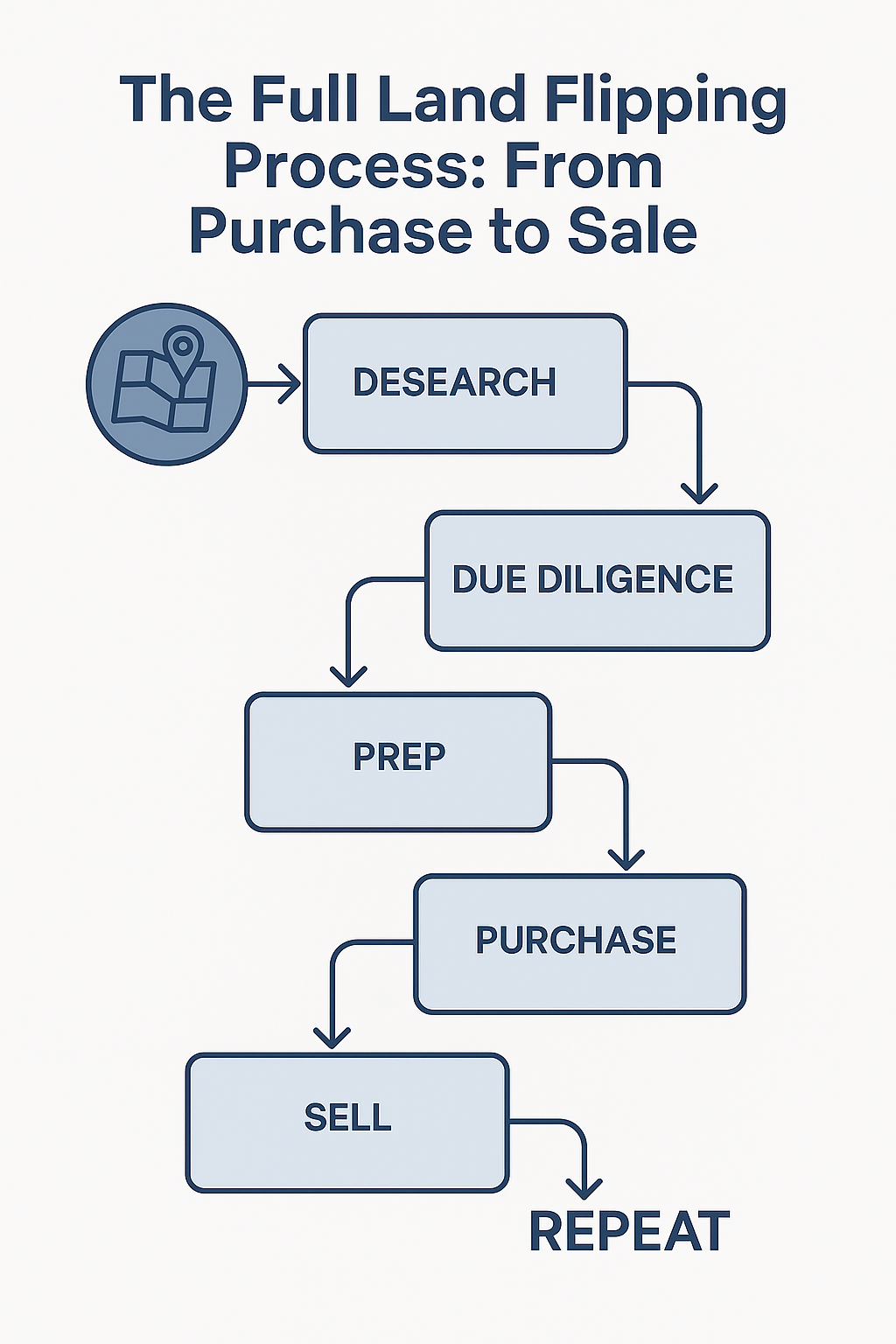
The full process runs from market selection through resale and performance review. Each stage should have a written decision rule so that excitement about an inexpensive parcel does not replace research.
| Stage | Primary task | Decision |
|---|---|---|
| 1. Select | Choose a market and buyer profile | Is there observable demand? |
| 2. Source | Contact owners and review listings | Is the seller open to a workable price? |
| 3. Value | Analyze sold comparable parcels | Is the resale estimate defensible? |
| 4. Verify | Check title, access, use, and liabilities | Does the parcel pass due diligence? |
| 5. Buy | Sign, fund, and record correctly | Is the transfer legally complete? |
| 6. Prepare | Build an accurate listing package | Can a buyer understand the property? |
| 7. Sell | Market, negotiate, and close | Do the price and terms meet your goal? |
| 8. Review | Measure results and update the system | What should change on the next deal? |
Beginners should run the same checklist on every parcel. A repeatable process is also the foundation of building a land business with documented systems.
How do you find land deals worth flipping?
Land investors commonly source opportunities through direct mail to property owners, existing online listings, land brokers, referrals, and county tax-sale information. The best channel is one you can operate consistently while measuring offers, responses, contracts, and completed purchases.
Start with the resale buyer, not the mailing list. Decide whether you are targeting recreational users, nearby owners, rural home-site buyers, investors, or another identifiable group. Then choose counties where properties fitting that use actually sell.
- Direct owner outreach: Build a narrowly defined owner list and send clear, compliant communications. Track follow-ups rather than treating each mailing as a one-time event.
- Older online listings: A long listing period may indicate seller flexibility, but it can also signal overpricing or a parcel defect.
- Agents and land brokers: Local specialists may clarify buyer preferences and marketability, although representation and compensation should be documented.
- Tax sales: These are not automatic bargains. Redemption periods, bidding rules, title consequences, and sale procedures vary by jurisdiction. Review the county’s rules and obtain legal guidance when needed. The separate guide to buying land through a tax sale explains the additional questions involved.
A common mistake is expanding lead volume before defining acquisition criteria. Set minimum standards for acreage, legal access, allowable use, location, maximum total cost, and evidence of buyer demand. Reject parcels that fail those standards unless the price and exit plan specifically account for the problem.
What research should you complete before making an offer?
Before making an offer, identify the parcel correctly, estimate its conservative resale value, understand likely uses, and calculate every foreseeable cost. Preliminary research helps set an offer, but it does not replace formal due diligence before closing.
📘 Get Your FREE Land Investing Strategy Guide
Discover how savvy investors build passive income with vacant land.
Confirm the parcel and seller
Match the owner’s name, assessor parcel number, legal description, acreage, and county records. GIS maps are useful research tools, but displayed boundary lines may be approximate. If boundaries materially affect use or value, ask a qualified surveyor what is required.
Estimate market value from sold land
Use recent sold properties that resemble the subject in location, acreage, access, terrain, utilities, zoning, and intended use. Active listings show competition, not proven sale prices. Avoid relying on a county assessment or a broad price-per-acre average as your only valuation method.
Work backward from a conservative resale estimate:
- Expected resale proceeds
- Minus acquisition and closing costs
- Minus taxes, association charges, and holding expenses
- Minus photography, listing, cleanup, or other preparation costs
- Minus selling and buyer-closing costs you expect to cover
- Minus a margin for uncertainty and profit
The remaining amount is the maximum purchase price supported by your assumptions. If the deal only works under the highest possible resale price, it does not have much room for error.
Which due-diligence checks prevent costly land mistakes?
Land due diligence verifies ownership, transferability, legal access, permitted use, physical suitability, ongoing obligations, and resale demand. Complete these checks during a written inspection period whenever possible, and use qualified local professionals for legal, title, survey, environmental, tax, or engineering questions.
- Title and ownership: Confirm the seller can convey the property and investigate liens, judgments, easements, mineral reservations, and other exceptions.
- Legal and physical access: A visible road does not necessarily provide legal ingress and egress. Verify recorded access and whether the route is usable or maintained.
- Zoning and restrictions: Ask the relevant planning office about permitted uses, setbacks, minimum parcel sizes, and known development requirements. Review deed restrictions and association rules separately.
- Taxes and assessments: Check delinquent taxes, special assessments, association balances, and recurring obligations.
- Utilities and wastewater: Verify availability, distance, connection requirements, and likely alternatives. “Utilities nearby” is too vague to underwrite a purchase.
- Physical constraints: Investigate terrain, drainage, flood exposure, wetlands indicators, dumping, contamination concerns, and septic feasibility where relevant.
Use a consistent land due-diligence checklist, but remember that requirements vary by parcel, county, and intended use. If an unresolved issue could materially change value, delay closing or walk away rather than guessing.
How should you close a land purchase safely?
The safest closing method depends on the property, price, title history, jurisdiction, and parties involved. A title company or local real estate attorney can coordinate documents, title work, funds, recording, and applicable disclosures. Self-closing provides less independent oversight and is not appropriate for every transaction.
Before sending funds, confirm the final legal description, vesting name, deed type, taxes, closing charges, recording instructions, and treatment of any liens or exceptions. Independently verify wire instructions through a trusted contact method because payment fraud can occur.
Do not assume that signing a purchase agreement or deed alone completes the transaction. Execution, notarization, delivery, recording, and disclosure requirements vary by state and county. When the seller is an estate, trust, entity, or multiple-owner group, verify signing authority before closing.
How do you prepare vacant land for resale?
Prepare land for resale by resolving known issues and creating a factual property package that lets buyers evaluate location, access, use, costs, and purchase terms. Good marketing makes the parcel easier to understand without overstating what a buyer can build or do.
- Recorded deed and accurate property identification
- County and regional maps showing location and access
- Current ground photos and lawful aerial imagery
- Zoning information with the office a buyer can contact
- Known utility, tax, association, and road-maintenance details
- Disclosures and supporting documents relevant to the parcel
Never draw precise boundaries from an approximate GIS layer or advertise land as buildable without adequate support. State what has been verified, identify the source, and encourage buyers to confirm suitability for their intended use. The Land Geek Resources section provides additional land-investing materials.
How should you price land for profit and speed?
Price land from comparable sales, current competition, parcel-specific advantages and defects, holding costs, and your desired selling period. A lower price may attract more cash buyers, while a higher price can require more time, stronger marketing, or more flexible terms.
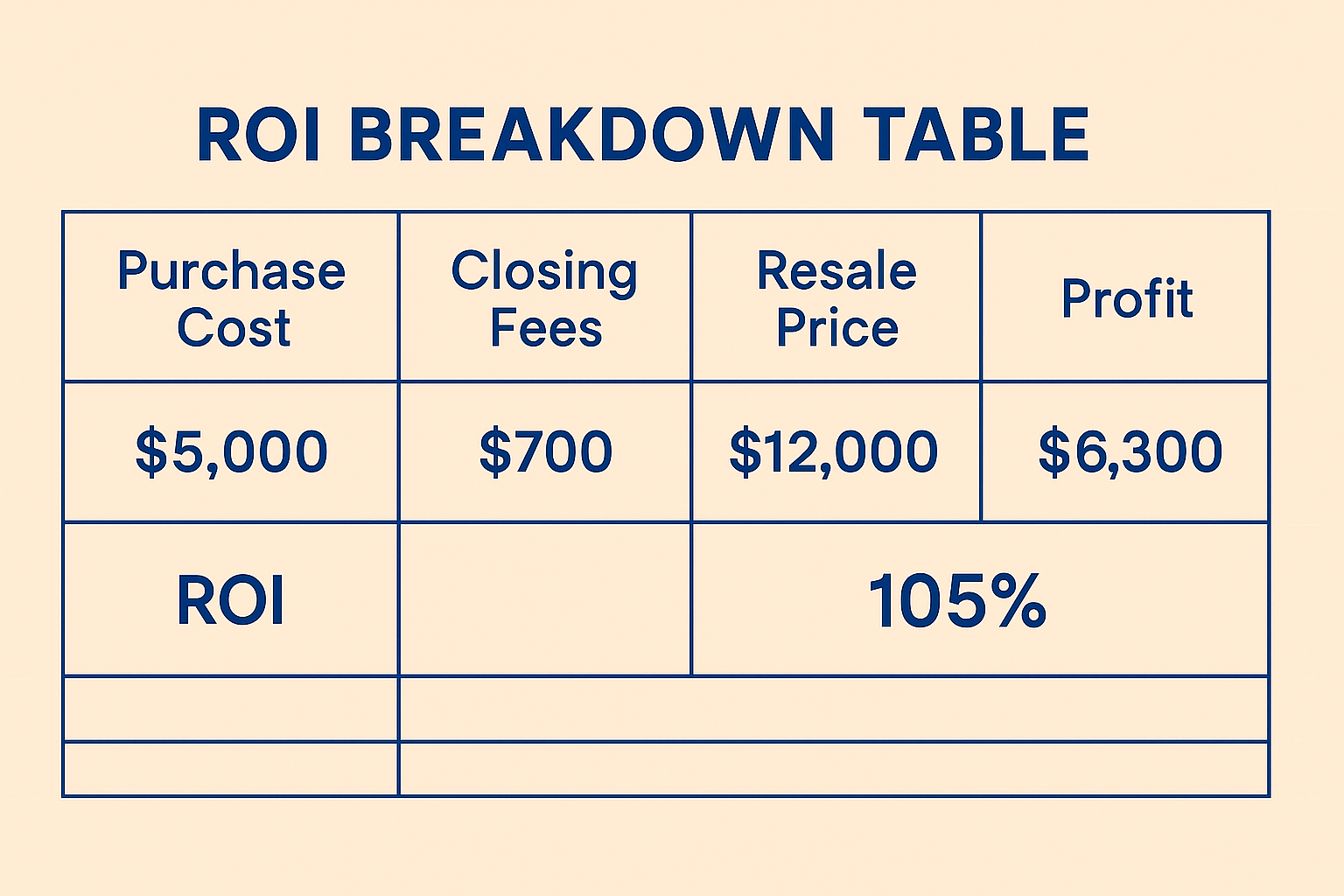
Calculate profit from net proceeds, not the difference between purchase price and advertised price. Include acquisition costs, recording, taxes, association charges, maintenance, marketing, commissions, closing expenses, and any concessions.
Seller financing can expand the buyer pool, but it introduces payment-default, servicing, documentation, compliance, and collection risks. Use state-appropriate documents and professional advice rather than copying generic terms. Tax treatment also depends on the facts and how the activity is conducted. Review general IRS capital gains information and consult a qualified tax professional about your situation.
Where should you list land for maximum useful exposure?
List land where the likely buyer already searches: land-specific websites, broad real estate marketplaces, local classified channels, broker networks, and your permission-based buyer list. Useful exposure means qualified inquiries, not merely a large view count.
A strong listing should include the price, acreage, parcel number, general location, access, zoning, annual taxes, known utilities, purchase options, maps, photos, and a clear inquiry process. Disclose material limitations rather than hiding them. Accurate listings reduce repetitive questions and prevent negotiations from being built on incorrect assumptions.

How do you negotiate and close with a land buyer?
Negotiate by identifying whether the buyer’s priority is price, closing date, certainty, or payment structure. Compare offers using expected net proceeds, timing, contingencies, financing risk, and likelihood of closing rather than headline price alone.
Put every material term in writing, including earnest money, inspection rights, closing date, included costs, financing terms, and default provisions. Use an appropriate closing professional, disclose known material facts as required, and do not market specific uses that have not been verified.
If a buyer objects to price, return to relevant comparable sales and parcel facts. If the evidence does not support your number, adjust the price. If it does, explain the basis calmly and decide whether a faster exit is worth a smaller margin.
How do you repeat and scale the land flipping process?
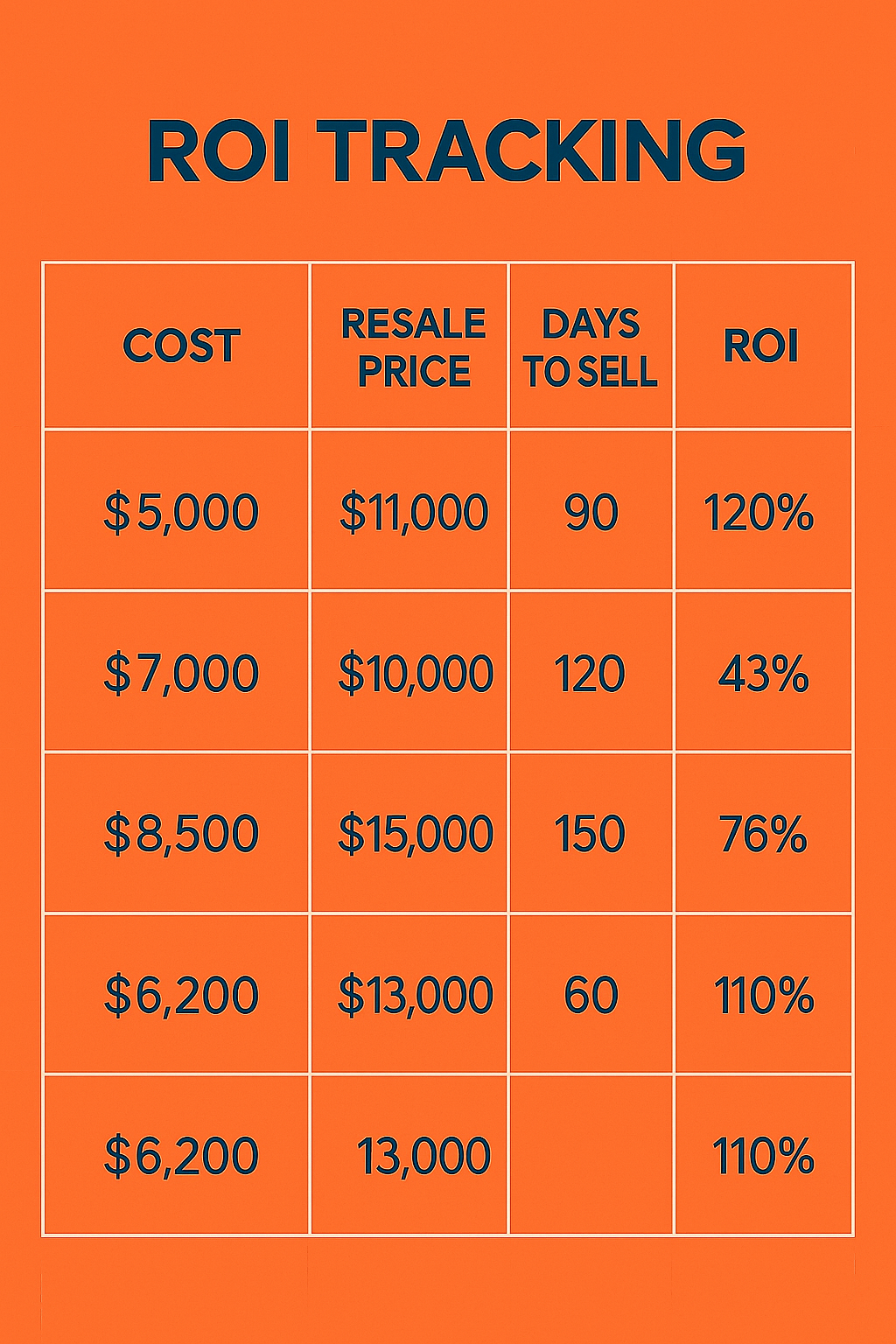
Scale only after one process produces understandable results. Document sourcing, valuation, due diligence, closing, marketing, and follow-up; then track where time and money are being lost before adding more parcels or markets.
- Track leads, offers, contracts, purchases, days held, total costs, and net proceeds.
- Record why parcels were rejected so list criteria can improve.
- Create checklists without automating final judgment.
- Keep parcel documents, communications, and deadlines organized.
- Delegate defined tasks, but retain quality control over valuation and due diligence.
Reinvesting should follow cash-flow planning, not optimism about an unsold inventory. Readers developing a limited-hours operation may also benefit from the guide to land investing as a side hustle.
Frequently asked questions about flipping land
How long does a land flip take?
There is no dependable universal timeline. Market demand, price, title work, access, buyer financing, seasonality, and closing requirements can all affect the sale. Build a holding-cost reserve and avoid buying a parcel that must sell by a specific date for the deal to work.
Can you flip land without using your own money?
Some transactions use partners, seller financing, or contract assignments, but none eliminates risk or legal requirements. Assignability, disclosure, licensing, financing, and documentation rules can vary. Obtain local legal and tax advice before marketing a contract interest or accepting third-party capital.
Do you need to visit the property before buying?
Not always, but someone should verify conditions that remote records cannot establish. Satellite imagery and GIS data may miss blocked access, dumping, drainage, neighboring uses, or road conditions. When those issues could affect value, arrange an inspection by a qualified local person and obtain current photos.
Important disclaimer: This article provides general educational information, not legal, tax, financial, surveying, engineering, environmental, or investment advice. Property conditions and requirements vary by jurisdiction and parcel. No financial result, investment return, deal outcome, or resale timeline is guaranteed.



