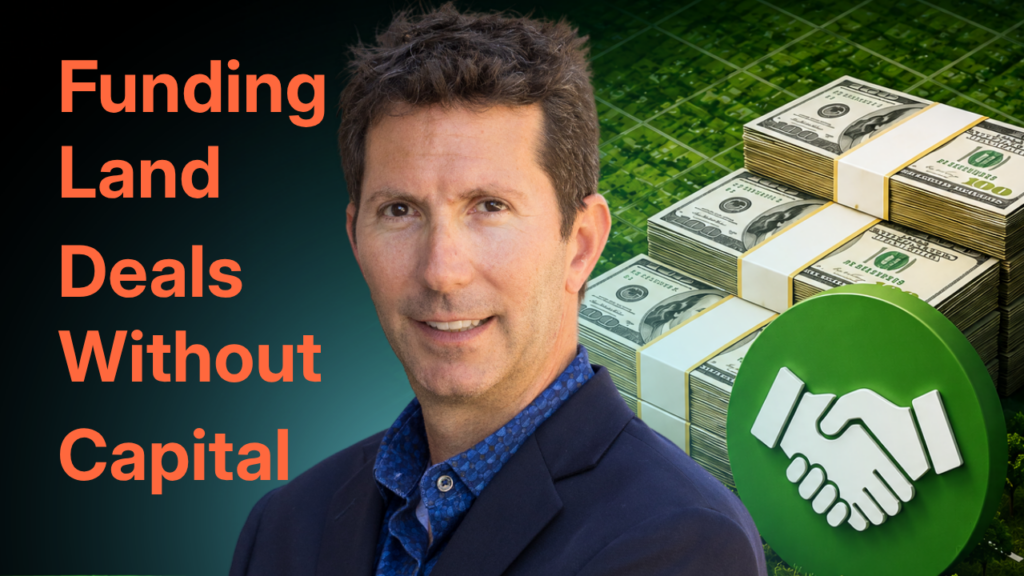
In this episode, Mark Podolsky, Scott Bossman, Mike Zaino, and Jon Burnett break down how land investors can grow without relying entirely on their own cash. Fresh off a virtual boot camp, the team shares lessons on partnerships, community, creative funding, wholesaling, LandArb, private loans, note sales, and other ways to conserve capital while building inventory.
The key takeaway is that limited capital doesn’t have to limit growth. By finding strong deals, building trust with other investors, and matching people who have opportunities with people who have capital, investors can create mutually beneficial partnerships and scale more confidently.
Tune in as the team discusses:
- Key lessons and standout moments from the latest virtual land investing boot camp.
- Why community, accountability, and shared experience can accelerate an investor’s progress.
- How focused action over a 90-day period can create major momentum in a land business.
- Why investors with limited capital can start small and reinvest profits into additional deals.
- Using wholesaling, LandArb, note sales, private loans, and partnerships to conserve capital.
- How funding partners can provide both money and an experienced second set of eyes on a deal.
- Why building a track record can make it easier to transition from profit-sharing partnerships to debt financing.
- How takedown agreements and double closings can reduce the amount of cash required upfront.
- Why strong relationships and proven deals are often more valuable than simply having money in the bank.
- How using other people’s money can help investors maintain marketing, inventory, and growth without constantly draining their own cash reserves.
TIP OF THE WEEK
Mark Podolsky: Don’t let a low bank balance automatically stop a good deal. Look at the resources and relationships available to you, then structure funding creatively around an opportunity that makes financial sense.
Scott Bossman: Once you know how to buy and sell land confidently, consider using outside capital to keep inventory and marketing moving instead of repeatedly draining your own cash reserves.
Mike Zaino: When you’re new, a partnership can be more valuable than simply borrowing money. Giving up part of the profit may be worthwhile if an experienced funding partner also helps validate the deal.
Jon Burnett: Use every capital lever available to you—wholesaling, LandArb, selling notes, partnerships, or reasonable private loans—to keep good opportunities moving through your business.
WANT MORE?
Enjoyed this episode? Dive into more episodes of AOPI to discover how to build real passive income through land investing.
UNLOCK MORE FREE RESOURCES:
Get instant access to my free training, a free copy of my Bestseller Dirt Rich Book, and exclusive bonuses to accelerate your land investing journey—CLICK HERE
“Isn’t it time to create passive income so you can work where you want when you want, and with whomever you want?”



