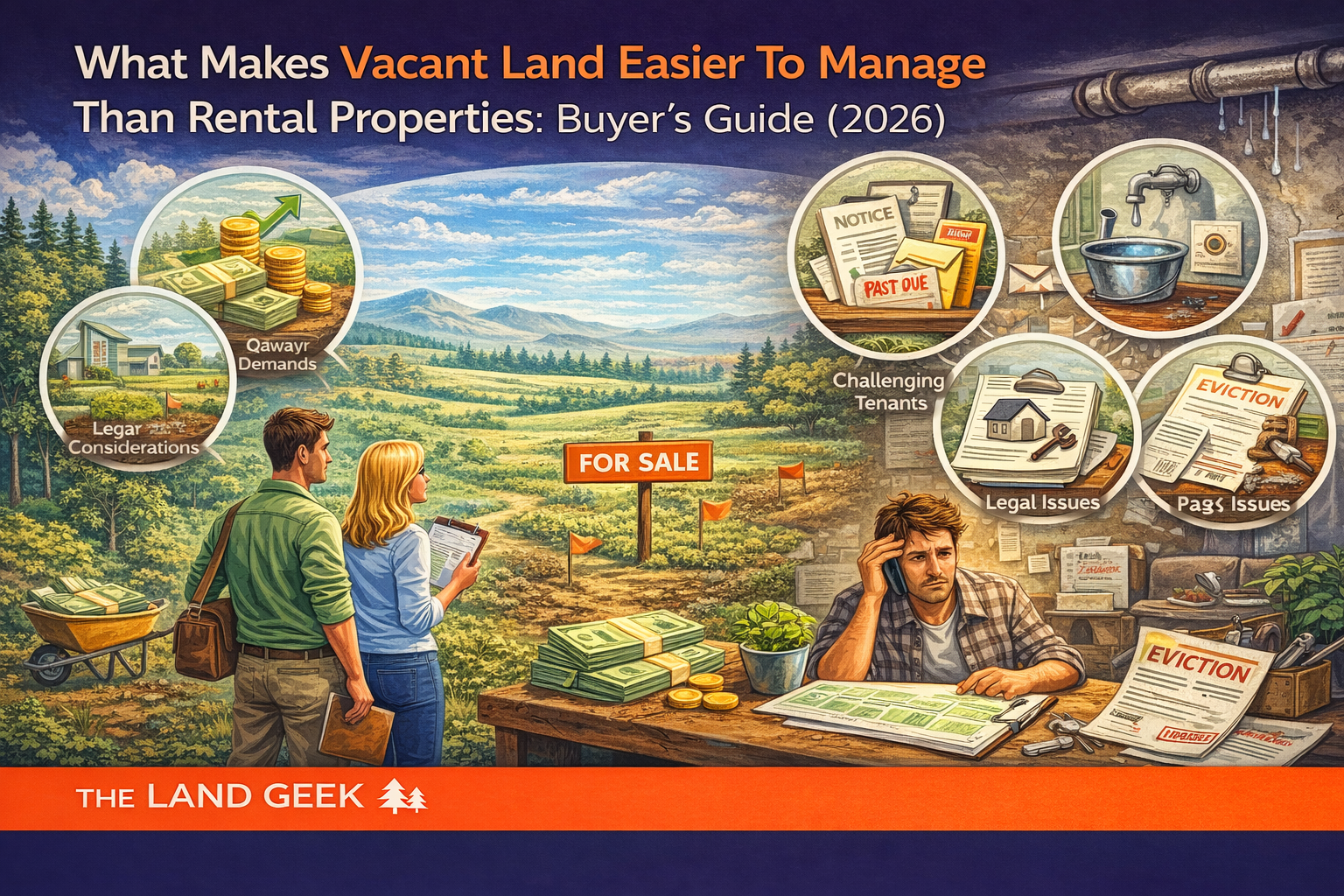
Investing in real estate presents various options, among which vacant land and rental properties are two prominent choices. While both have their merits, many investors find vacant land easier to manage due to lower operational demands and fewer complexities. In this article, we will explore the aspects that make vacant land simpler for owners compared to traditional rental properties. By examining management responsibilities, financial implications, legal considerations, and more, we aim to provide a thorough understanding of the advantages and disadvantages of each option. This critical analysis will empower potential investors to make informed decisions that align with their financial goals and lifestyle preferences.
What is Vacant Land and How Does It Differ from Rental Properties?
Vacant land refers to undeveloped parcels of land without any structures, while rental properties are developed real estate designed for tenants. Understanding their distinctions is crucial for potential investors.
Definition of Vacant Land
Vacant land encompasses parcels that are not currently being used for residential, commercial, or industrial purposes. This type of land can be raw or partially developed, offering various potential uses, from agriculture to future construction. Investors often seek vacant land for its flexibility, as it can appreciate over time without the complexities of tenant management.
Characteristics of Rental Properties
Rental properties typically include residential homes, apartments, or commercial spaces that are leased to tenants. These properties require ongoing maintenance, tenant management, and adherence to a myriad of regulations. Unlike vacant land, rental properties generate consistent income through rent, but they demand significant time and Resources to manage effectively.
📘 Get Your FREE Land Investing Strategy Guide
Discover how savvy investors build passive income with vacant land.
Key Differences Between Both
The primary differences between vacant land and rental properties lie in management requirements, financial implications, and potential returns. Vacant land often entails lower maintenance responsibilities and fewer legal complexities, whereas rental properties require active tenant relations and compliance with housing laws. Investors must weigh these factors when choosing their investment strategy.
Why is Vacant Land Considered Easier to Manage?
Vacant land is generally easier to manage due to its lower maintenance requirements, minimal tenant interaction, and reduced regulatory oversight compared to rental properties.
Lower Maintenance Requirements
One of the most significant advantages of owning vacant land is the reduced maintenance burden. Unlike rental properties, which require regular upkeep such as plumbing repairs, landscaping, and cleaning, vacant land typically requires infrequent actions, mainly related to ensuring the property remains free of debris. This lower maintenance commitment allows owners to focus their efforts elsewhere, making it an appealing choice for investors seeking passive income.
Minimal Tenant Interaction
With vacant land, there is no need for tenant interaction, which can often become a source of stress for rental property owners. The absence of tenants means no lease agreements, late-night calls about emergencies, or disputes over lease terms. This significantly reduces the time and emotional investment needed to manage the property, allowing owners to enjoy their investment without the headaches associated with tenant management.
Less Regulatory Oversight
Vacant land often faces fewer regulatory requirements compared to rental properties, which must comply with local housing codes and tenant laws. While zoning and land use regulations still apply, they are generally less complex than the myriad regulations governing tenant-landlord relationships. This reduced oversight simplifies the ownership process, making it easier for investors to navigate their responsibilities.
What Are the Financial Implications of Owning Vacant Land?
Owning vacant land comes with various financial implications, including lower initial investment, reduced ongoing costs, and the potential for appreciation over time.
Lower Initial Investment
Investing in vacant land often requires a lower initial financial outlay compared to purchasing rental properties. Land prices can vary significantly based on location and intended use, but generally, buyers can acquire parcels at a fraction of the cost of developed real estate. This lower barrier to entry makes it accessible for new investors looking to enter the property market.
Reduced Ongoing Costs
Ongoing costs for vacant land ownership tend to be lower than those associated with rental properties. Owners typically face minimal expenses, such as property taxes and occasional land maintenance, without the burden of utilities or property management fees. This financial efficiency allows owners to retain more of their investment returns, contributing to a more favorable profit margin.
Potential for Appreciation
Vacant land often has significant potential for appreciation, particularly in areas experiencing growth or development. Unlike rental properties, which may have fluctuating rental prices, land value tends to increase steadily over time, especially in desirable locations. This potential for appreciation can lead to substantial returns on investment if the land is sold in the future.
How Does Property Management Vary Between Vacant Land and Rental Properties?
Property management for vacant land differs significantly from that of rental properties, with variations in management responsibilities, frequency of tasks, and costs associated with property management services.
Management Responsibilities
For vacant land, management responsibilities primarily revolve around maintaining the property’s condition, ensuring compliance with zoning regulations, and monitoring for potential environmental issues. In contrast, rental properties require extensive oversight concerning tenant relations, lease agreements, and regular property maintenance. This discrepancy highlights the simplicity of managing vacant land, making it attractive for investors seeking a less hands-on approach.
Frequency of Management Tasks
The frequency of management tasks for vacant land is generally lower than that of rental properties. Landowners may only need to inspect the property occasionally or address specific issues as they arise, whereas rental property owners face ongoing tasks such as rent collection, tenant inquiries, and property upkeep. This reduced frequency allows landowners to allocate their time more efficiently.
Cost of Property Management Services
While both vacant land and rental properties can benefit from property management services, the costs associated with managing vacant land are usually lower. Many investors choose to self-manage vacant land due to its minimal requirements, while rental properties often necessitate hiring professional management companies, which can consume a significant portion of rental income. This cost disparity underscores the financial advantages of managing vacant land.
What Are the Legal Considerations for Vacant Land Owners?
Vacant land owners must be aware of various legal considerations, including zoning and land use regulations, permitting requirements, and liability issues that can affect their ownership experience.
Zoning and Land Use Regulations
Understanding zoning and land use regulations is critical for vacant land owners, as these rules dictate how the land can be used. Different zones may allow for residential, commercial, or agricultural uses, and failing to adhere to these regulations can lead to costly penalties. Landowners should familiarize themselves with local regulations before purchasing or developing their property to avoid legal complications.
Permitting Requirements
Depending on the intended use of the vacant land, owners may need to secure specific permits before proceeding with development or construction. This can include building permits, environmental assessments, and utility connections, which can add time and complexity to any planned projects. Landowners should proactively research and prepare for these requirements to streamline the development process.
Liability Issues
Liability is a crucial consideration for vacant land owners, as they may be held responsible for accidents or injuries that occur on their property. To mitigate potential risks, owners should ensure their land is safe and accessible, addressing any hazards that may pose a threat. Additionally, obtaining liability insurance is advisable to protect against unforeseen incidents.
How Does Vacant Land Generate Income Compared to Rental Properties?
Vacant land generates income through various avenues such as selling, land leasing, and flipping, while rental properties primarily rely on consistent tenant rent payments.
Selling vs. Renting
One of the primary ways vacant land can generate income is through selling it at a profit after appreciation. Unlike rental properties, which rely on ongoing rent payments, vacant land may be sold once its value increases. This selling strategy can yield substantial returns, especially if the land is situated in a developing area.
Land Leasing Opportunities
Land leasing presents another avenue for generating income from vacant land. Owners can lease their land for agricultural, commercial, or recreational purposes, providing a steady income stream without the complexities of tenant management. This flexibility allows landowners to capitalize on their investment while maintaining ownership.
Flipping Vacant Land
Flipping vacant land involves purchasing underperforming parcels, improving them, and reselling them at a higher price. This strategy can be lucrative, especially for investors who understand market trends and have the resources to enhance the land’s appeal. Flipping requires market knowledge and investment acumen but can lead to significant profits over time.
What Are the Tax Advantages of Owning Vacant Land?
Owning vacant land offers various tax advantages, including property tax benefits, deductible expenses, and implications for capital gains.
Property Tax Benefits
Property tax assessments for vacant land can be lower than those for developed properties, depending on the jurisdiction. Owners often benefit from reduced property tax liabilities, saving money over time. Understanding local tax laws can help landowners take advantage of potential savings associated with undeveloped land.
Deductible Expenses
Certain expenses related to owning vacant land may be tax-deductible, including maintenance costs and property taxes. This capacity allows landowners to offset some of their ownership costs, making it more financially viable. Keeping accurate records of expenses is essential for maximizing these deductions during tax season.
Capital Gains Implications
When the time comes to sell vacant land, owners may face capital gains taxes on profits from the sale. However, if the property is held for over a year, it typically qualifies for long-term capital gains rates, which are lower than short-term rates. Understanding these implications is vital for strategic financial planning when selling the property.
How Does the Market Demand for Vacant Land Compare to Rental Properties?
The market demand for vacant land tends to fluctuate based on economic conditions, development trends, and buyer preferences, differing from the more stable demand for rental properties.
Trends in Land Purchase
Recent trends indicate a growing interest in vacant land purchases, particularly in suburban and rural areas. Many buyers are seeking space for recreational use, future development, or investment purposes. This increasing demand can drive land prices up, making it an attractive investment opportunity for savvy buyers.
Demand Fluctuations
Unlike rental properties, where demand may remain steady due to housing shortages, the demand for vacant land can be more volatile. Economic downturns or changes in buyer preferences can impact how quickly land sells. Investors should closely monitor market conditions to make informed purchasing decisions.
Market Stability
While rental properties typically offer a more stable income stream, vacant land can provide opportunities for significant returns during favorable market conditions. This volatility can translate into higher risks for investors, but also higher potential rewards if they can time the market effectively. Understanding these dynamics is crucial for successful investment in vacant land.
What Are the Risks Associated with Vacant Land Ownership?
Owning vacant land comes with several risks, including market risk, environmental risks, and potential legal challenges that owners must navigate.
Market Risk
Market risk is a significant concern for vacant land owners as the value of the property can fluctuate based on economic conditions, demand, and local development trends. If the market takes a downturn, owners may find it challenging to sell or lease their land, potentially leading to financial losses. Investors must conduct thorough market research to minimize this risk and make informed decisions.
Environmental Risks
Environmental risks are also pertinent to vacant land ownership, particularly regarding contamination or hazardous conditions that can arise from past uses. Landowners may face costly remediation efforts if environmental issues are discovered. Therefore, prospective buyers should conduct environmental assessments before purchase to identify potential risks and liabilities.
Legal Risks
Legal risks can arise from zoning disputes, boundary issues, or non-compliance with local regulations. Owners may encounter challenges if their intended use for the land conflicts with zoning laws or if there are disputes with neighbors over property lines. Being proactive in understanding and addressing these legal considerations is essential for protecting one’s investment.
How Do Location and Accessibility Affect Vacant Land Management?
Location and accessibility are critical factors that influence the management and value of vacant land, affecting its potential uses and investment prospects.
Impact of Location on Value
The location of vacant land significantly impacts its market value and potential uses. Land situated near urban centers or in high-demand areas typically commands higher prices than remote or rural parcels. Understanding the local market dynamics and trends is essential for investors looking to maximize their returns.
Accessibility Considerations
Accessibility is another crucial factor for vacant land management. Properties with easy access to roads, utilities, and amenities are more appealing to buyers and can be developed more efficiently. Investors should evaluate the accessibility of their land to determine its viability for various uses, including residential or commercial development.
Development Potential
The development potential of vacant land is closely tied to its location and accessibility. Land in areas with favorable zoning and infrastructure is more likely to appreciate and attract interest from developers. Investors should analyze local planning documents and market conditions to identify opportunities for future development and increased property value.
What Are the Advantages of Vacant Land in Terms of Long-Term Investment?
Vacant land offers several advantages as a long-term investment, including holding period flexibility, potential for future development, and a comparative risk assessment relative to rental properties.
Holding Period Flexibility
Investors in vacant land enjoy considerable flexibility regarding the holding period. Unlike rental properties, which may generate immediate income but require ongoing management, vacant land can be held for as long as desired while appreciating in value. This flexibility is advantageous for investors who prefer a more patient investment strategy.
Potential for Future Development
Vacant land offers substantial potential for future development, allowing owners to capitalize on rising demand for housing, commercial space, or recreational areas. As communities grow, the value of vacant land often increases, providing long-term investment opportunities. Investors can explore various development possibilities, enhancing their potential returns.
Comparative Risk Assessment
When comparing the risks associated with vacant land and rental properties, many investors find that vacant land presents a lower risk profile. The absence of tenants and lower maintenance demands reduce the likelihood of income disruption. This comparative risk assessment makes vacant land an appealing option for risk-averse investors.
How Can Vacant Land Be Utilized or Improved?
Vacant land can be utilized or improved in various ways, including agricultural uses, recreational opportunities, and plans for future development.
Agricultural Uses
Many vacant land parcels are ideal for agricultural purposes, such as farming, gardening, or livestock raising. Depending on the location and land quality, owners can generate income through crop sales or lease the land to farmers. This utilization can provide a steady revenue stream while maintaining ownership of the land.
Recreational Opportunities
Vacant land can also be developed for recreational opportunities, such as camping, hiking, or outdoor events. Owners can transform their land into a recreational paradise, attracting visitors and generating income through entry fees or event hosting. This approach adds value to the land while enhancing community engagement.
Future Development Plans
Investors may choose to hold vacant land for future development, taking advantage of rising demand and property appreciation. Developing residential or commercial projects can significantly increase the land’s value. Strategic planning and market analysis are essential to maximize the potential of vacant land for future development.
What Role Does Community Planning Play in Vacant Land Management?
Community planning is a vital component of vacant land management, influencing local development plans, community involvement, and the impact on future value.
Understanding Local Development Plans
Understanding local development plans is crucial for vacant land owners, as these plans outline the future vision for the area and dictate permissible land uses. Investors should engage with local planning departments to stay informed about proposed developments and zoning changes that could affect their property.
Community Involvement
Active community involvement can enhance the management of vacant land, fostering relationships with local stakeholders and government officials. Engaging with community groups can provide valuable insights into local needs and preferences, helping landowners make informed decisions about potential land use or improvements.
Impact on Future Value
Community planning can significantly impact the future value of vacant land. Areas that attract investment and development often see rising property values, making community engagement and understanding local plans essential for maximizing investment returns. Investors should be proactive in monitoring community planning efforts to capitalize on emerging opportunities.
How Do Seasonal Changes Affect Vacant Land Compared to Rental Properties?
Seasonal changes can impact vacant land management differently than rental properties, influencing maintenance needs, weather accessibility, and land use variability.
Seasonal Maintenance Needs
While vacant land requires minimal maintenance, seasonal changes can necessitate specific actions, such as clearing debris after storms or managing vegetation growth during the spring. Owners should be mindful of these seasonal factors to maintain their land’s condition and mitigate potential issues that could arise during extreme weather events.
Weather Impacts on Accessibility
Weather can significantly affect the accessibility of vacant land, especially in regions prone to heavy snowfall or flooding. These conditions can hinder access to the property, impacting potential uses and investments. Owners should consider seasonal weather patterns when planning for land use and development, ensuring they are prepared for any access challenges that may arise.
Land Use Variability
Seasonal changes can also influence land use variability, as certain activities may be more suitable during specific seasons. For example, agricultural uses may peak during growing seasons, while recreational opportunities may be more favorable in warmer months. Understanding these seasonal dynamics can help landowners optimize their property’s potential throughout the year.
What Are the Maintenance Requirements for Vacant Land?
Maintenance requirements for vacant land are generally lower than for rental properties, with land clearing, environmental considerations, and long-term care being key components.
Land Clearing and Management
Land clearing and management are essential maintenance tasks for vacant land owners, particularly to prevent overgrowth and maintain property aesthetics. Regular inspections can help identify areas that require clearing, ensuring the land remains accessible and free of debris. These tasks, while relatively infrequent, are crucial for preserving the land’s value.
Environmental Considerations
Environmental considerations play a significant role in the maintenance of vacant land. Owners must be mindful of local ecosystems and any potential environmental hazards that may arise, such as soil erosion or contamination. Implementing sustainable practices can enhance the land’s ecological health while protecting the owner’s investment.
Long-Term Care
Long-term care of vacant land involves maintaining its condition over time, including monitoring for invasive species and ensuring compliance with any applicable regulations. Establishing a long-term management plan can help owners effectively oversee their property while maximizing its potential for appreciation or development.
How Does the Time Commitment for Vacant Land Compare to Rental Properties?
The time commitment for managing vacant land is significantly lower than that required for rental properties, with less time invested in management, tenant relations, and emergency responses.
Time Invested in Management
Investors in vacant land typically invest considerably less time in management compared to rental properties. With fewer responsibilities, such as no tenant interactions and minimal maintenance, landowners can manage their property with just occasional inspections and compliance checks. This time efficiency allows for a more hands-off investment approach.
Time for Tenant Relations
One of the most time-consuming aspects of rental property management is tenant relations, which can involve multiple interactions, conflict resolutions, and lease negotiations. In stark contrast, vacant land ownership eliminates these responsibilities, allowing owners to spend their time on other investments or personal pursuits.
Emergency Responses
Emergency responses are another area where vacant land ownership significantly reduces time commitment. Rental property owners often face urgent tenant issues, such as plumbing failures or safety concerns, requiring immediate attention. In contrast, vacant land owners are less likely to encounter these emergencies, further minimizing their time investment.
What Are the Pros and Cons of Selling Vacant Land vs. Rental Properties?
When considering selling vacant land compared to rental properties, investors should weigh the easier selling process, market timing considerations, and the potential for higher returns.
Easier Selling Process
Generally, selling vacant land is perceived as a simpler process than selling rental properties. With no tenants to manage or properties to show, the transaction can focus solely on the land’s value and potential uses. This streamlined process often leads to quicker sales, benefiting owners looking to liquidate their investments.
Market Timing Considerations
Market timing can significantly impact the selling process for both vacant land and rental properties. However, vacant land may experience more pronounced market fluctuations that can present unique opportunities for sellers. Investors must stay informed about market conditions to optimize their selling strategy.
Potentially Higher Returns
Investors may find that selling vacant land can yield potentially higher returns than selling rental properties, particularly if the land is located in a developing area. The appreciation potential of vacant land can surpass that of traditional rental properties, making it an attractive option for investors seeking maximum profitability.
How Does Financing Work for Vacant Land Compared to Rental Properties?
Financing for vacant land often differs from that of rental properties, with variations in types of financing available, interest rates, and down payment requirements.
Types of Financing Available
Financing options for vacant land can include traditional bank loans, owner financing, or land contracts. Unlike rental properties, which may qualify for conventional mortgage products, vacant land financing options may be more limited and come with stricter lending criteria due to the perceived risk associated with undeveloped land.
Interest Rates Comparison
Interest rates for vacant land loans can be higher than those for rental properties, reflecting the increased risk lenders associate with land purchases. Investors should compare financing options carefully and consider the long-term costs associated with higher interest rates when assessing their overall investment strategy.
Down Payment Requirements
Down payment requirements for vacant land purchases can also differ from those for rental properties. Typically, lenders may require a larger down payment for land purchases, often ranging from 20% to 50%. This higher requirement can impact the accessibility of financing for some buyers, necessitating careful financial planning.
What Should Buyers Consider When Choosing Between Vacant Land and Rental Properties?
Buyers should consider various factors when choosing between vacant land and rental properties, including investment goals, market research, and personal lifestyle preferences.
Investment Goals
Understanding one’s investment goals is crucial when deciding between vacant land and rental properties. Investors seeking passive income may gravitate towards rental properties, while those interested in long-term appreciation may favor vacant land. Clearly defining investment objectives will guide buyers toward the most suitable option.
Market Research
Thorough market research is essential for buyers considering either option. Analyzing local market trends, property values, and economic conditions can provide insights into which investment will yield the best returns. Buyers must remain informed about market dynamics to make educated purchasing decisions.
Personal Lifestyle Preferences
Personal lifestyle preferences also play a significant role in the decision-making process. Investors who prefer a hands-on approach may find rental properties more suitable, while those seeking lower maintenance commitments may lean towards vacant land. Aligning investment choices with lifestyle preferences will enhance overall satisfaction with the investment.
How Can Technology Simplify the Management of Vacant Land?
Technology can simplify the management of vacant land through the use of land management software, online marketplaces, and drone technology for monitoring.
Using Land Management Software
Land management software can streamline various aspects of vacant land ownership, from tracking expenses to monitoring maintenance needs. These tools can help owners keep organized records, making it easier to assess the property’s performance over time. Utilizing technology can enhance efficiency and reduce the administrative burden of land ownership.
Online Marketplaces
Online marketplaces have transformed the way vacant land is bought and sold, providing greater access to potential buyers and sellers. Owners can list their land on various platforms, reaching a broader audience and increasing the likelihood of a successful sale. This technology-driven approach simplifies transactions and can lead to quicker sales.
Drone Technology for Monitoring
Drone technology offers innovative solutions for monitoring vacant land, allowing owners to assess property condition and boundaries from a distance. This aerial perspective can help identify maintenance needs and ensure compliance with local regulations. Leveraging drones can enhance land management efficiency while providing valuable data for decision-making.
What Are the Environmental Benefits of Managing Vacant Land?
Managing vacant land offers several environmental benefits, including the preservation of natural habitats, the implementation of sustainable practices, and the potential for carbon sequestration.
Preservation of Natural Habitats
Vacant land management can contribute to the preservation of natural habitats, providing essential ecosystems for wildlife. By maintaining land in its natural state, owners can support biodiversity and contribute to ecological health. This preservation effort can be an attractive feature for environmentally conscious investors.
Sustainable Practices
Implementing sustainable practices on vacant land, such as organic farming or conservation efforts, can enhance the land’s ecological benefits. These practices not only protect the environment but can also improve the land’s long-term value. Investors who prioritize sustainability may find additional appeal in managing vacant land.
Carbon Sequestration Potential
Vacant land has significant carbon sequestration potential, particularly when it features trees or vegetation. By managing land responsibly, owners can help mitigate climate change impacts and improve air quality. This environmental benefit can enhance the appeal of vacant land ownership for investors focused on sustainability.
How Do Future Development Trends Impact Vacant Land Management?
Future development trends significantly impact vacant land management, with urbanization effects, sustainable development goals, and smart city planning shaping opportunities for landowners.
Urbanization Effects
As urban areas continue to expand, the demand for vacant land in proximity to cities is likely to increase. This urbanization trend can lead to rising property values and greater interest in land development. Owners should remain aware of these trends to capitalize on potential opportunities for their vacant land.
Sustainable Development
Sustainable development trends are influencing how vacant land is utilized, with a growing emphasis on eco-friendly practices and green building initiatives. Investors who align their land management strategies with these principles may find favorable opportunities in the market. Sustainability can enhance land appeal and long-term value.
Smart City Planning
Smart city planning initiatives are reshaping urban landscapes, creating new opportunities for vacant land development. As cities embrace technology and data-driven solutions, landowners can leverage these trends to enhance their property’s value. Understanding these shifts will enable investors to make strategic decisions for their vacant land management.
What Are the Common Misconceptions About Vacant Land Management?
Several misconceptions surround vacant land management, including the perceived lack of value, assumed complexity, and management myths that can mislead potential buyers.
Perceived Lack of Value
One common misconception is that vacant land lacks intrinsic value compared to developed properties. In reality, vacant land can appreciate significantly over time, especially in growing areas. Investors should recognize the potential value of undeveloped land as a strategic investment opportunity.
Assumed Complexity
Many buyers assume that managing vacant land is complex and burdensome, deterring them from pursuing this investment option. However, as highlighted in this article, vacant land often requires significantly less management than rental properties, making it a more straightforward investment choice for many. Understanding this can encourage more investors to explore vacant land opportunities.
Management Myths
Several myths surrounding vacant land management persist, such as the belief that it requires constant attention or that it is only suitable for specific uses. In reality, proper management can be minimal, and vacant land offers diverse opportunities, from agriculture to recreational uses. Dispelling these myths can empower investors to consider vacant land as a viable investment option.
How Can Networking Enhance the Management of Vacant Land?
Networking can enhance the management of vacant land by building relationships with local authorities, engaging with other landowners, and accessing valuable resources.
Building Relationships with Local Authorities
Developing relationships with local authorities can provide vacant land owners with critical insights into zoning regulations, development opportunities, and community planning efforts. Establishing these connections can facilitate smoother land management and enhance the owner’s understanding of local dynamics affecting their property.
Engaging with Other Landowners
Networking with other landowners can foster collaboration and knowledge sharing, allowing investors to learn from one another’s experiences. Through forums, local meet-ups, or online communities, landowners can exchange valuable information about land management strategies, market conditions, and potential partnerships.
Accessing Resources
Networking can also provide access to valuable resources, such as contractors, legal advice, or land management tools. By connecting with professionals in the field, landowners can enhance their management capabilities and make more informed decisions regarding their properties. This collaborative approach can lead to improved outcomes for vacant land ownership.
What Are the Best Practices for Managing Vacant Land?
Best practices for managing vacant land include regular assessment and monitoring, developing a management plan, and staying informed on local regulations to ensure effective oversight.
Regular Assessment and Monitoring
Regular assessment and monitoring of vacant land are essential for maintaining its condition and value. Landowners should conduct periodic inspections to check for any environmental issues, boundary disputes, or potential hazards. This proactive approach allows for timely interventions that can protect the investment.
Developing a Management Plan
Creating a comprehensive management plan is crucial for effective vacant land management. This plan should outline the landowner’s goals, maintenance schedules, and compliance strategies. A well-defined plan can streamline management efforts and help ensure that the property remains in good condition over time.
Staying Informed on Local Regulations
Remaining informed about local regulations is vital for vacant land owners to avoid legal complications. Changes in zoning laws, environmental regulations, or community planning can impact land use and ownership responsibilities. Engaging with local planning authorities and staying updated on relevant legislation can help landowners navigate these challenges successfully.
How Do Environmental Regulations Affect Vacant Land Management?
Environmental regulations play a significant role in vacant land management, influencing compliance requirements, land use, and long-term sustainability practices.
Understanding Compliance Requirements
Vacant land owners must understand the compliance requirements associated with environmental regulations, which can vary based on land use and location. Compliance may involve obtaining permits, conducting environmental assessments, or adhering to specific land management practices. Being informed about these regulations helps landowners avoid costly penalties and ensures responsible land stewardship.
Impact on Land Use
Environmental regulations can significantly impact how vacant land can be utilized. Restrictions on development or land use may be imposed to protect sensitive ecosystems or natural resources. Landowners must navigate these regulations to ensure their intended uses align with legal requirements, potentially affecting their investment strategies.
Long-Term Sustainability
Implementing environmentally sustainable practices is essential for vacant land management. Adhering to regulations and adopting sustainable land use strategies contribute to long-term ecological health and can enhance property value. Investors who prioritize sustainability can gain a competitive advantage in the market, appealing to environmentally conscious buyers.
What Are the Psychological Benefits of Owning Vacant Land?
Owning vacant land can have psychological benefits, including a sense of ownership, connection to nature, and the potential for creative projects that enhance personal satisfaction.
Sense of Ownership
A strong sense of ownership can provide psychological satisfaction for vacant land owners, as they possess a tangible asset that they can influence and develop over time. This ownership fosters a sense of pride and investment in the land, contributing to overall well-being. The emotional connection to the land can enhance the owner’s experience, beyond mere financial considerations.
Connection to Nature
Owning vacant land offers an opportunity for a deeper connection to nature, allowing individuals to enjoy outdoor spaces and engage in activities such as hiking, gardening, or wildlife observation. This connection can promote mental health benefits, reducing stress and fostering relaxation. The natural environment can provide a serene retreat from the complexities of modern life.
Potential for Creative Projects
Vacant land can serve as a canvas for creative projects, whether that involves building a dream home, developing a community garden, or establishing recreational spaces. Engaging in these projects can provide a sense of purpose and fulfillment, enhancing the overall ownership experience. The potential for creativity adds an enriching dimension to owning vacant land.
How Can Community Engagement Improve Vacant Land Use?
Community engagement plays a vital role in improving vacant land use through collaborative projects, community gardens and parks, and local events that enhance land value and social connections.
Collaborative Projects
Engaging with the community can lead to collaborative projects that enhance the use of vacant land. By partnering with local organizations and residents, landowners can identify shared goals and develop initiatives that benefit the community. These collaborations often lead to more productive land use and foster a sense of belonging among residents.
Community Gardens and Parks
Transforming vacant land into community gardens or parks can provide valuable green spaces for residents. These projects promote environmental sustainability, enhance neighborhood aesthetics, and foster community connections. Landowners who support such initiatives can contribute positively to their communities while enhancing the value of their property.
Local Events
Hosting local events on vacant land can create opportunities for community engagement, bringing people together and promoting social interactions. Events such as farmers’ markets, festivals, or outdoor concerts can generate interest in the land, enhancing its visibility and potential for future development. This engagement can lead to increased appreciation and value for the property.
What Future Trends Could Influence Vacant Land Management?
Future trends such as technological advances, changing demographics, and evolving economic factors are likely to influence how vacant land is managed and utilized.
Technological Advances
Technological advances will continue to shape the management of vacant land, with innovations in land monitoring, data analysis, and development techniques. These technologies can enhance efficiency and provide valuable insights for landowners, enabling smarter decision-making regarding land use and investment. Staying abreast of technological trends will be crucial for effective management.
Changing Demographics
Changing demographics, including shifts in population density and preferences, will influence vacant land management strategies. As urban populations grow and younger generations seek alternative lifestyles, the demand for vacant land in rural or suburban areas may increase. Understanding these demographic shifts will be vital for landowners looking to position their investments strategically.
Evolving Economic Factors
Evolving economic factors, such as interest rates, inflation, and market fluctuations, will impact the management and value of vacant land. Landowners must remain informed about economic trends to adapt their strategies and capitalize on emerging opportunities. Proactive financial planning will be essential for success in the dynamic real estate market.
Mini FAQ
1. What are the key benefits of owning vacant land? Lower maintenance, minimal tenant interaction, and the potential for appreciation make vacant land appealing.
2. How does vacant land generate income? Income can be generated through selling, leasing, or flipping the land.
3. Are there tax advantages to owning vacant land? Yes, potential tax benefits include lower property taxes and deductible expenses.
4. What are the major risks of vacant land ownership? Risks include market fluctuations, environmental issues, and legal complications.
5. How does technology aid in managing vacant land? Technology facilitates management through software, online marketplaces, and monitoring tools like drones.
6. What future trends should landowners monitor? Key trends include technological advances, demographic shifts, and evolving economic conditions.
This content is for informational purposes only. It does not constitute accounting, financial, or legal advice. Please consult a qualified professional before making decisions based on this information.



