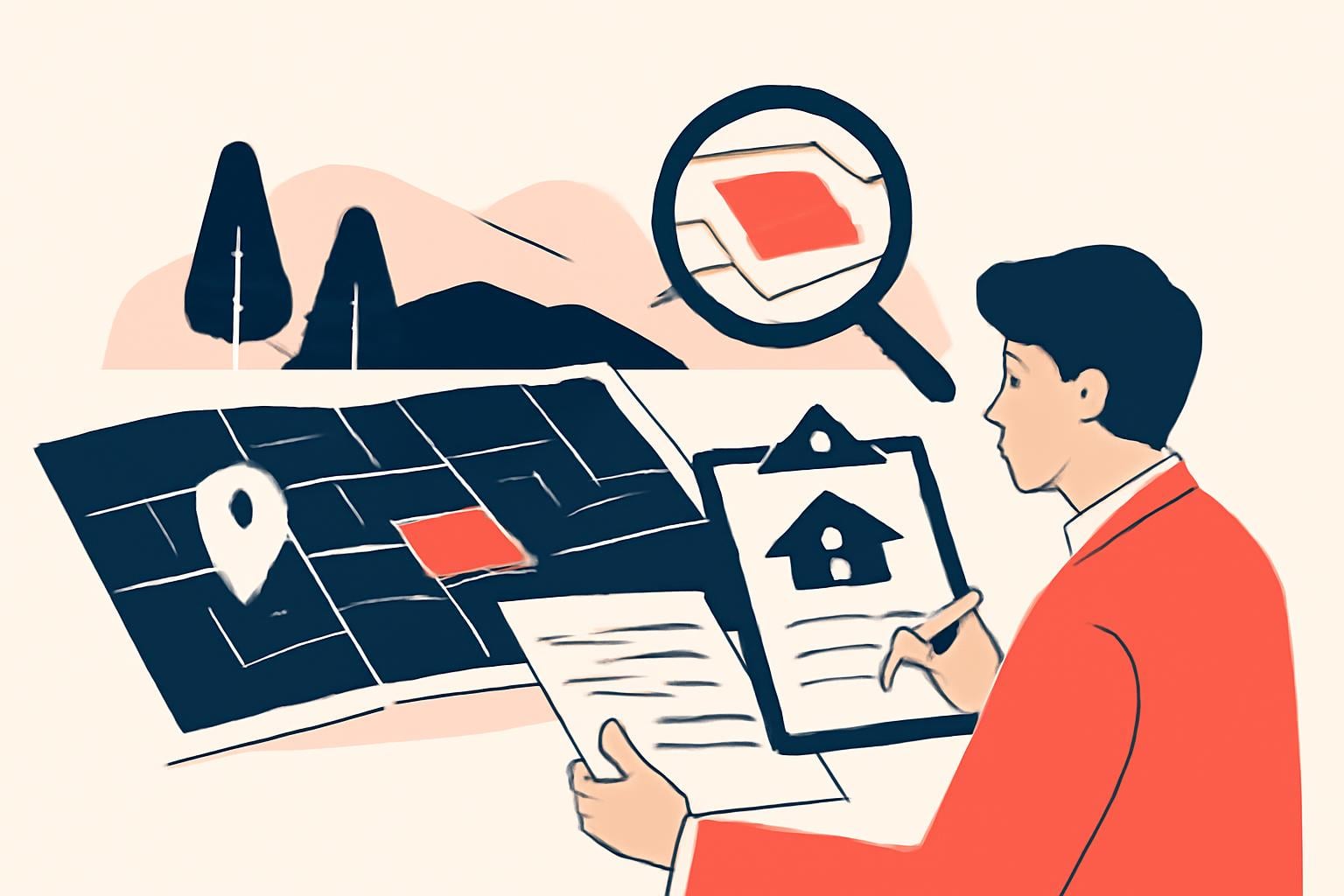
Where to invest money in 2026 depends on when you need it, how much loss you can tolerate, and what the money must accomplish. Match short-term funds with liquid, lower-volatility options and evaluate longer-term choices such as diversified funds, real estate, and land by return potential, costs, taxes, and liquidity.
Where Should I Invest My Money in 2026 for Land Investing?
The best place to invest money in 2026 depends on your intended use, risk tolerance, and timing. For land investment, focus on parcels that meet your goals,whether for future development, reselling, recreational use, or passive income,and verify land-specific factors that can make or break profitability.
Before making an offer, identify exactly how you intend to use the land. This decision shapes what to verify next. For example, if you plan to develop the site, check zoning and utility availability. For long-term resale, access to comparable sales and clear title are crucial.
Verification should include:
- Access to recorded public documents confirming legal road or easement access.
- Zoning and land use restrictions from the county planning office.
- Title and ownership status verified by a title company.
- Environmental or flood risk reports if applicable to your property’s region.
- Comparable recent sales of similar parcels nearby for valuation.
Failing to confirm any of these can drastically affect use and resale value, signaling a walk-away or renegotiation point. Tailoring purchases to verified facts ensures your investment aligns with your strategy and avoids costly surprises.
What Are the Top Investment Options for 2026 Related to Land and Real Estate?
In 2026, prime investment options include raw land, rental properties, and diversified real estate funds, each with different verification needs and risk profiles.
Raw Land
Raw land investment offers affordability and flexibility but demands rigorous due diligence. Verify access, zoning, land topography, floodplain status, and proximity to growth centers. For instance, land zoned exclusively for agriculture may limit development potential, which affects resale options or cash flow plans. Ensure market comparables exist; without evidence of appreciating demand, land may remain illiquid.
📘 Get Your FREE Land Investing Strategy Guide
Discover how savvy investors build passive income with vacant land.
Rental and Income Properties
Rental properties provide cash flow but require operational management and tenant screening. Evaluate neighborhood trends, occupancy rates, and local landlord regulations. Real estate generating steady income can offset expenses but involve variable risks like tenant turnover and maintenance costs.
Real Estate Investment Trusts (REITs) and Funds
REITs offer indirect real estate exposure with liquidity akin to stocks. They suit investors who prefer market diversification without property management. Understand the fund’s holdings,commercial, residential, industrial,and how economic shifts may affect its dividends and share price. Less direct control means reliance on fund management and market behavior.
How Will the Stock Market Affect My 2026 Land Investment Decisions?
While stock market performance indirectly influences land investment through broader economic conditions and interest rates, land decisions require parcel-specific verification beyond general market trends.
A declining stock market can reduce investor liquidity and demand for land, whereas an expanding market might boost interest in real estate and development. However, these effects differ regionally and by property type.
To gauge market influence:
- Monitor regional economic health and employment growth near the land.
- Assess interest rate trends as they affect borrowing costs for land buyers and developers.
- Consider local real estate market activity rather than national stock indices.
Use these economic signals as context, not sole decision criteria. A parcel’s zoning, access, and title condition remain primary determinants of value.
For insights on evaluating property options, explore our detailed guide on Buying Land & Deal Sourcing.
What Are the Benefits of Investing in Real Estate or Land in 2026?
Investing in real estate and land can offer tangible assets, portfolio diversification, inflation hedging, and various income streams. For land specifically:
- Long-Term Appreciation: Undeveloped parcels near growth corridors might appreciate as infrastructure or zoning changes allow development.
- Control and Flexibility: Landowners can set use, lease for recreation or agriculture, or hold for future resale.
- Low Holding Costs: Compared to developed property, raw land may have lower insurance and maintenance costs but still requires property tax payments.
Always verify these benefits by confirming local zoning, utility availability, access rights, and future land use plans through county offices and title companies. Without this, perceived benefits may not materialize and could lead to unexpected costs or restricted use.
Are Cryptocurrencies a Good Investment for Land Buyers in 2026?
Cryptocurrencies generally do not directly impact land investments in 2026 and come with high volatility and regulatory uncertainty. If you are considering using crypto to finance land purchases, verify whether the seller accepts it and assess transaction legality.
Understand that land value depends on tangible factors,zoning, access, comparables,that cryptocurrencies do not affect. Crypto holdings may diversify your overall portfolio but should not replace land due diligence or alter your offer strategy.
How Can I Diversify My Investment Portfolio with Land in 2026?
To diversify effectively in 2026, allocate investments across multiple land types, locations, and asset classes. Within land investing, consider varying parcel sizes, usage types (recreational, agricultural, residential), and geographic regions to reduce risk from localized economic or environmental changes.
Verification steps include:
- Confirming zoning and use restrictions vary meaningfully across parcels to avoid over-concentration.
- Checking local market demand and comparable sales in each region before committing.
- Assessing county tax rates, access infrastructure, and potential environmental issues separately for each parcel.
Diversifying in this data-driven manner safeguards against a single event impacting your total investment and prepares you for multiple resale or income scenarios.
What Are the Key Risks in Land Investing in 2026?
Major risks include:
- Title Issues: Unclear or disputed ownership can derail transactions or cause liens.
- Access Problems: Lack of legal, recorded road or easement access can make land unusable or worthless to certain buyers.
- Zoning Restrictions: Unexpected zoning or land use limits can restrict development or resale uses.
- Environmental Hazards: Floodplains, protected wetlands, or contamination can limit usability.
- Liquidity Risks: Land can be difficult to resale, especially in remote or low-demand areas.
The practical approach is to confirm critical facts with county records, title companies, and onsite inspections before offer submission. Encountering red flags like incomplete title documents or access issues requires reevaluating or walking away from a purchase.
How Do Interest Rates Affect Land and Real Estate Investments in 2026?
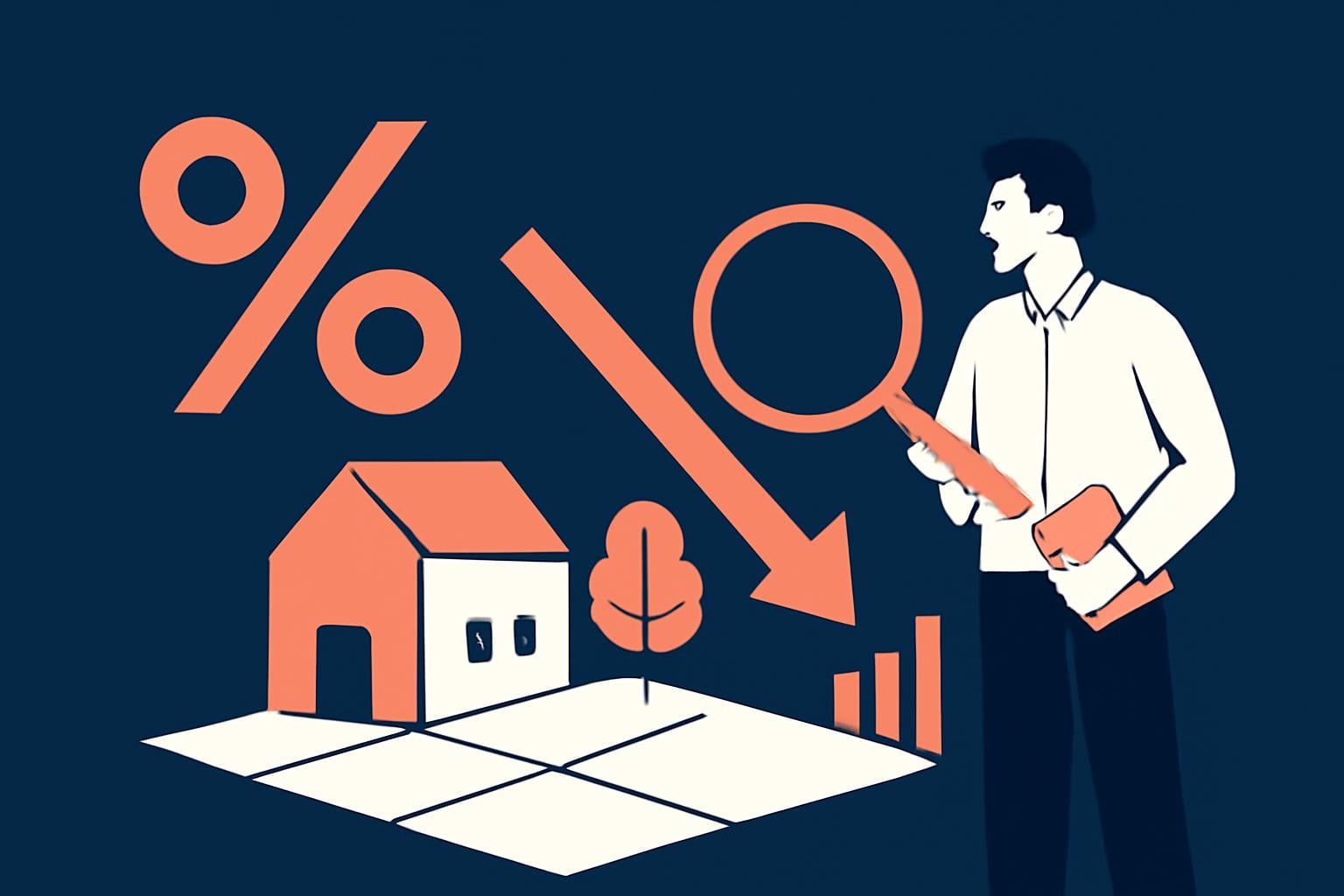
Interest rates influence financing costs for land buyers and developers. Rising rates increase loan payments, potentially lowering demand and prices for land requiring financing. Lower rates have the opposite effect, stimulating buyer interest and raising values.
Before buying, verify current financing options locally, projected interest rate trends from central bank statements, and assess how they affect your budget and exit strategy. If financing costs threaten planned returns, consider renegotiation or alternative parcels.
What Should I Know About Tax Implications When Investing in Land in 2026?
Tax implications vary by state and county, including property taxes, potential transfer taxes, and capital gains upon resale. Before purchase:
- Check local property tax assessments from the county tax assessor’s office.
- Understand if improvements might trigger higher taxes or reassessments.
- Consult a CPA or tax professional on capital gains and 1031 exchanges for your situation.
- Verify tax lien status to avoid unexpected debts.
Understanding local tax rules helps prevent costly surprises during ownership or at sale.
How Can Technology Support My Land Investing Decisions in 2026?
Technology can aid initial screening by mapping parcel boundaries, overlaying zoning, access roads, flood zones, and nearby development patterns. These tools help shortlist promising properties faster but don’t replace onsite inspections and verified title reports.
Use online county GIS portals, title search services, and aerial imagery for preliminary research. Confirm findings through direct county contacts and professional inspections before final commitments.
What Is a Practical Workflow to Evaluate a Land Investment in 2026?
| Step | Action | Verification Source | Decision Outcome |
|---|---|---|---|
| 1. Define Intended Use | Determine development, recreational use, or resale strategy | Personal goals and investment plan | Focus due diligence accordingly |
| 2. Confirm Legal Access | Verify recorded road or easement access | County recorder’s office or title company | No recorded access = walk away or renegotiate |
| 3. Check Zoning and Land Use | Verify permitted uses and restrictions | County planning or zoning department | Unfavorable zoning limits use, adjust offer or reject |
| 4. Verify Title and Ownership | Clear title with no liens or disputes | Title company and public records | Unclear title = high risk; avoid purchase |
| 5. Review Comparable Sales | Analyze recent sales of similar parcels nearby | County assessor and local brokers | Valuation supports offer or requires adjustment |
| 6. Assess Environmental and Physical Conditions | Check flood zones, topography, soil quality | GIS data, environmental reports, field inspection | Major issues require price reduction or walk away |
| 7. Confirm Tax Status | Verify property tax amounts, liens, and payment status | County tax office and title search | Unpaid taxes or liens affect closing and costs |
| 8. Decide Offer Strategy | Set price and terms based on verified facts | All collected data and personal goals | Make informed offer or continue searching |
How Can I Track and Manage My Land Investments Effectively?
Tracking involves maintaining organized records of each property’s purchase documents, due diligence reports, tax payments, and market data. Use spreadsheet trackers or property management software tailored to land investment to monitor performance and upcoming obligations.
Regularly review local market trends, zoning changes, and tax assessments to reassess investment value. Staying proactive helps avoid unforeseen costs and identify optimal times to sell or leverage.
Should I Seek Professional Financial Advice or Guidance in 2026?
Professional advice is valuable, especially when evaluating complex legal, tax, and market factors in land investing. Real estate attorneys, CPAs, and experienced local brokers provide insights that can uncover risks and enhance negotiation strategies.
Before relying on general information, consult professionals who understand your specific jurisdiction and property type. Their expertise can confirm assumptions or reveal unknown issues, reducing risk and supporting confident decision-making.
Mini FAQ
What is the first step before buying land in 2026? Clearly define your intended use for the land, as it guides all subsequent verification steps.
How do I verify land access? Check county records for recorded roads or easements and consult title reports to ensure legal access.
What if zoning restrictions don’t match my plans? Consider adjusting your use, renegotiating the offer, or walking away if restrictions limit profitability.
Why is title verification critical? A clear title prevents ownership disputes, liens, or legal challenges that can jeopardize your investment.
Should I rely on online tools alone? No. Use them for screening but always confirm findings via official county records and professional inspections.
How important is professional advice? It helps identify risks and navigate complex legal and tax issues unique to your jurisdiction and parcel.
Approaching land investing with a verification-first mindset and a clear decision workflow in 2026 empowers you to invest confidently, minimize risks, and position your portfolio for suitable returns based on your personal goals.
This content is for informational purposes only. It does not constitute accounting, financial, or legal advice. Please consult a qualified professional before making decisions based on this information.



