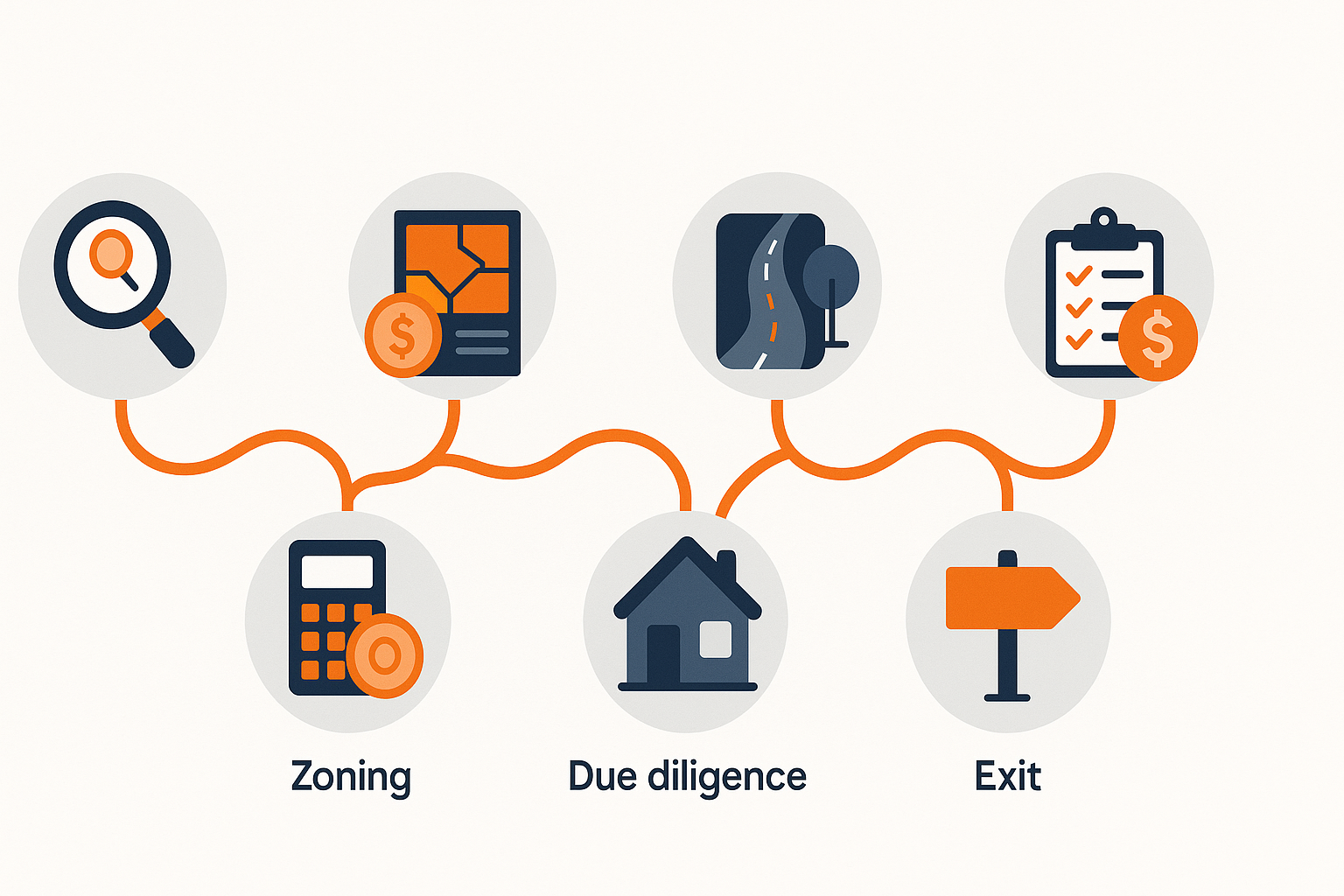
Land flipping is an investment strategy that involves purchasing plots of land at a low price, making improvements, and then selling them for a profit. This practice has gained popularity due to its potential for high returns and relatively lower entry barriers compared to traditional real estate investments. Understanding the nuances of land flipping can provide investors with valuable insights into making informed decisions in this unique market.
What is land flipping?
Land flipping is the practice of buying parcels of land with the intent to sell them quickly for a profit, often after making minimal improvements or marketing efforts.
Definition of land flipping
Land flipping involves acquiring land at a low price and then reselling it at a higher price. Investors often seek out undervalued or distressed properties, making necessary improvements or simply marketing them better to attract buyers. This can be a lucrative investment strategy due to the lower upfront costs typically associated with land compared to developed properties.
How it differs from other real estate investing
Unlike traditional real estate investing, which often involves purchasing buildings and dealing with tenants and maintenance, land flipping focuses solely on the raw land itself. This means fewer complications related to property management, making it an attractive option for many investors. However, it also requires a keen understanding of land values and market trends.
Historical context of land flipping
Land flipping has a long-standing history that dates back to the early days of real estate investment. As urbanisation increased and populations grew, investors recognised the potential of land as a finite resource. Over the decades, various methods and strategies have emerged, adapting to economic conditions and technological advancements, yet the core principles of land flipping remain consistent.
Why is land flipping a lucrative investment?
Land flipping can provide high returns on investment, driven by market demand for land, particularly in desirable locations with low competition.
Potential for high returns
One of the primary attractions of land flipping is the potential for significant profits. Investors can often acquire land at a fraction of its future value, especially in rapidly growing areas. Well-timed purchases and effective marketing strategies can lead to impressive returns, making this a compelling venture for many. The scalability of land flipping also allows investors to build wealth over time.
Market demand for land
The demand for land often fluctuates based on economic conditions, population growth, and urban development. In areas undergoing expansion, the demand for land typically rises, leading to higher resale values. Understanding local market dynamics can help investors identify when to buy and sell, optimising their profits. Additionally, trends in remote work have increased interest in rural and suburban land, further driving demand.
Low competition in certain areas
While some regions may be saturated with investors, many rural areas present lower competition for land flipping. Identifying these less competitive markets can enhance profit margins for savvy investors. By focusing on under-the-radar locations, investors can often find deals that others overlook, creating opportunities for notable financial gains.
What are the risks associated with land flipping?
Land flipping comes with several risks, including market fluctuations, legal issues, and environmental concerns, which investors must navigate carefully.
Market fluctuations
The real estate market is inherently volatile, and land values can fluctuate significantly based on economic conditions. Investors must stay informed about market trends and be prepared for potential downturns that could affect their investments. A thorough understanding of local and national economic indicators can aid in making informed decisions and mitigating risks associated with market fluctuations.
Legal issues
Land flipping can involve various legal challenges, such as zoning restrictions, property title issues, and easements. Investors must conduct due diligence to ensure the land is free from legal complications that could hinder resale. Engaging with legal professionals who specialise in real estate can provide valuable insights and help avoid costly pitfalls.
Environmental concerns
Environmental issues, such as contamination or protected habitats, can significantly impact the value of land. Investors should conduct thorough environmental assessments before purchasing land to identify any potential red flags. Understanding local regulations regarding land use and environmental protections is crucial to ensuring a successful land flipping venture.
How do you get started with land flipping?
Getting started in land flipping requires thorough market research, identifying the right properties, and understanding various financing options available to investors.
Researching the market
Effective market research is essential for successful land flipping. Investors should analyse local trends, property values, and economic indicators to identify potential opportunities. Online resources, market reports, and local real estate events can provide valuable insights. Networking with other investors and real estate professionals also aids in gathering information about emerging markets.
Finding the right properties
Identifying suitable properties for flipping involves assessing various factors, including location, price, and potential for appreciation. Investors should look for land that is undervalued or in areas with upcoming developments. Direct mail campaigns, online listings, and local auctions can be effective ways to discover potential properties for flipping.
Understanding financing options
Investors have several financing options for land purchases, ranging from traditional loans to seller financing. Understanding the pros and cons of each option is crucial for making informed decisions. Investors should also evaluate their financial situation to determine the best approach for funding their land flipping ventures.
What types of land can you flip?
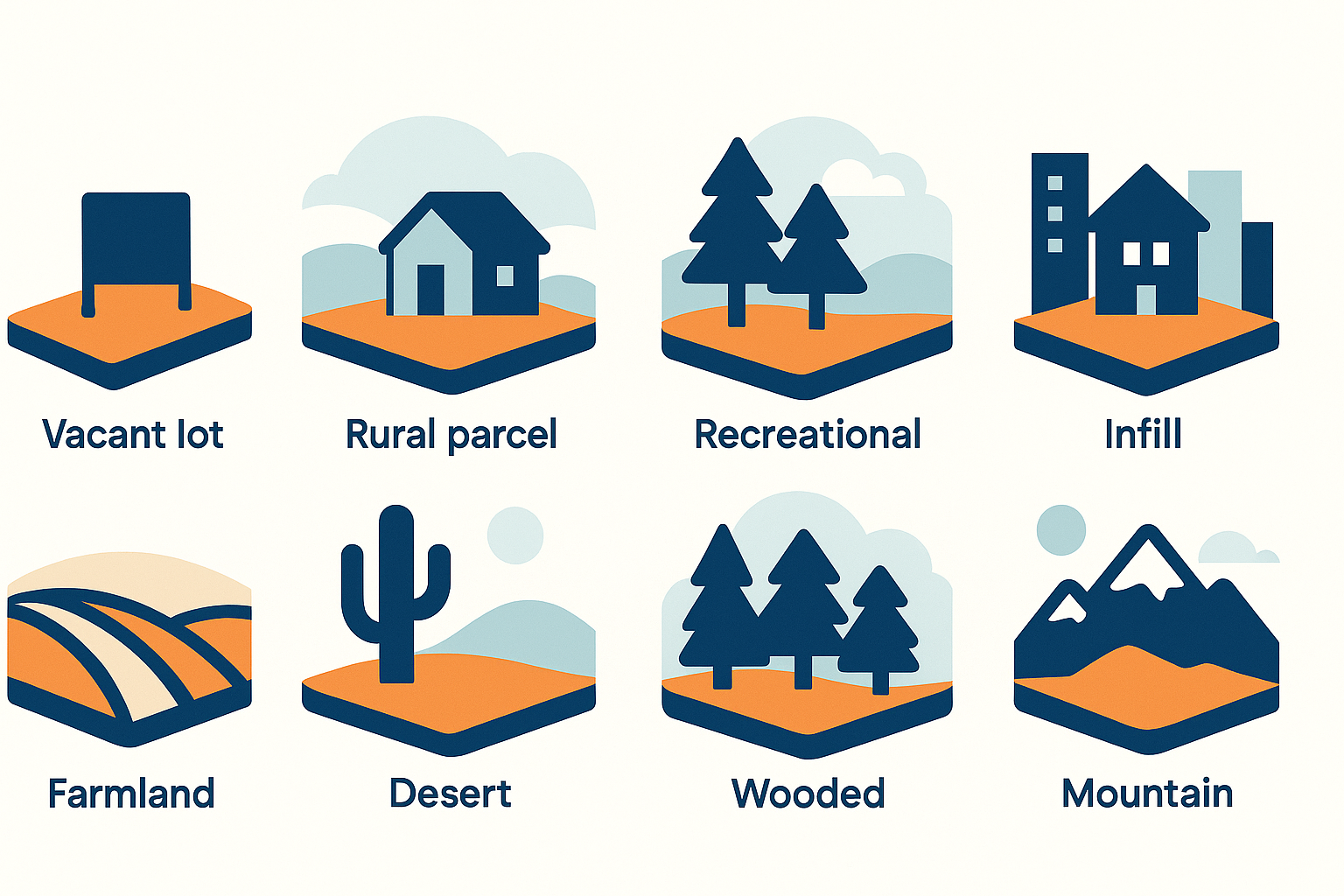
Various types of land can be flipped for profit, including residential, commercial, and raw or undeveloped land, each presenting unique opportunities.
Residential land
Residential land is often highly sought after, particularly in suburban areas with growing populations. Investors can purchase vacant lots or parcels intended for future residential development. Understanding local zoning laws and building regulations is vital when flipping residential land to ensure compliance and maximise resale potential.
Commercial land
Commercial land typically refers to properties intended for business use, such as retail or office space. These parcels often have higher price points but can yield substantial returns when flipped in thriving economic areas. Investors should consider the long-term viability of commercial land and its proximity to amenities and infrastructure to attract buyers.
Raw or undeveloped land
Raw or undeveloped land presents unique opportunities for flipping, especially in areas experiencing growth. Investors can purchase large tracts of land and subdivide them for resale, maximising profits. Conducting thorough research on potential uses for undeveloped land can help identify the best strategies for flipping raw land successfully.
What is the process of land flipping?
The land flipping process involves acquiring land, making improvements, and marketing the property effectively for resale.
Acquisition of land
The first step in land flipping is acquiring the property at a suitable price. This often involves thorough market analysis and negotiations with sellers. Investors should conduct due diligence to ensure the land is free from legal issues and meets their investment criteria. Building relationships with landowners and real estate professionals can facilitate smoother acquisition processes.
Improving the property
Improving the property, while not always necessary, can significantly enhance its value. Improvements may include clearing the land, securing access roads, or obtaining necessary permits for development. Investors should assess the cost of improvements against the potential increase in resale value to determine if they are worth pursuing.
Selling the land
Once the property is ready for resale, effective marketing is key to attracting potential buyers. This may involve listing the property on multiple platforms, utilising social media, and networking with local real estate agents. Providing clear and comprehensive information about the property can aid in showcasing its potential to buyers.
How do you value a piece of land?
Valuing land involves conducting a comparative market analysis, assessing location and zoning, and understanding specific land features that contribute to its worth.
Comparative market analysis
A comparative market analysis (CMA) involves examining recently sold properties in the area to determine the fair market value of the land. This analysis should consider factors such as size, location, and amenities of comparable properties. A thorough CMA helps investors make informed decisions about pricing their land for resale.
Assessing location and zoning
Location is one of the most significant factors influencing land value. Proximity to urban centres, schools, and amenities can greatly enhance a property’s desirability. Additionally, understanding local zoning regulations is crucial, as certain uses can significantly affect the land’s value. Investors should analyse zoning maps and consult local planning departments to gain insights into potential land uses.
Understanding land features
Specific features of the land, such as topography, access to utilities, and natural resources, can influence its value. Investors should evaluate these features carefully, as they can impact development potential and resale attractiveness. Conducting site visits and obtaining professional assessments can provide valuable insights into the land’s condition and features.
What tools and resources can help in land flipping?
Various tools and resources can assist investors in land flipping, including real estate websites, land valuation tools, and networking opportunities with local real estate agents.
Real estate websites
Online real estate platforms offer valuable listings and market data that can help investors identify potential land purchases. These websites often provide filters for property type, location, and price, making it easier to find suitable opportunities for flipping. Regularly monitoring these platforms can keep investors updated on new listings and market trends.
Land valuation tools
Utilising land valuation tools can assist investors in determining the fair market value of a property. These tools often provide insights based on recent sales data and comparables. Familiarising oneself with these resources can enhance decision-making and ensure that investors are making competitive offers on properties.
Networking with local real estate agents
Building relationships with local real estate agents can provide invaluable insights into the land market. Agents often have access to off-market listings and can offer advice on current trends and buyer preferences. Networking through real estate events and local investment groups can also help establish connections with industry professionals.
What are the legal considerations in land flipping?
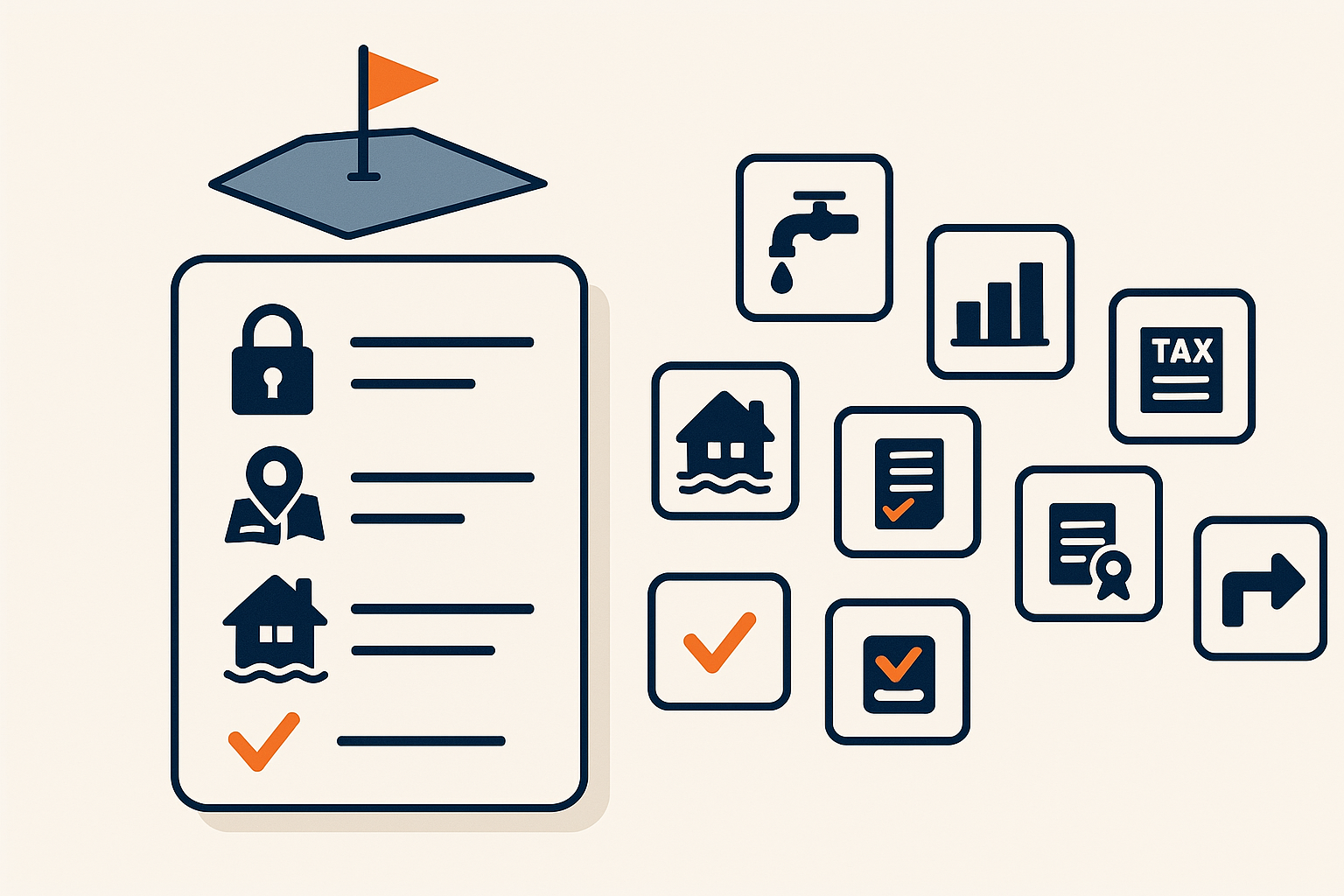
Legal considerations in land flipping include property title examination, zoning regulations, and environmental assessments, which are essential for ensuring a smooth transaction.
Property title examination
Conducting a thorough property title examination is crucial for identifying any liens, easements, or other legal issues that may affect ownership. Investors should work with a title company or real estate attorney to ensure the title is clear and transferable. Addressing any title issues before purchasing can prevent complications during the resale process.
Zoning regulations
Understanding local zoning regulations is vital in land flipping, as these laws dictate how the land can be used. Investors should research zoning classifications and any restrictions applicable to the property. Familiarising oneself with these regulations can help investors determine the best use for the land and avoid potential legal challenges.
Environmental assessments
Environmental assessments can identify any potential hazards or issues associated with the land, such as contamination or protected habitats. Conducting these assessments prior to purchase can help investors understand the risks and costs associated with the property. Being proactive in addressing environmental concerns can enhance the property’s marketability.
How can you finance a land flip?
Financing a land flip can involve several options, including traditional loans, seller financing, and alternative financing options that cater to different investor needs.
Traditional loans
Traditional loans, such as those offered by banks and credit unions, can be a viable option for financing land purchases. However, lenders may have stricter requirements for land loans compared to home mortgages. Investors should be prepared to provide a detailed plan for the land’s intended use and demonstrate their ability to repay the loan.
Seller financing
Seller financing can be an advantageous option for investors looking to purchase land without immediate access to traditional financing. In this arrangement, the seller allows the buyer to make payments over time, typically without requiring a large down payment. This can make land acquisition more accessible for investors while providing sellers with a steady income stream.
Alternative financing options
Alternative financing options, such as private loans or crowdfunding, can provide flexibility for investors. These options often have fewer restrictions and faster approval processes compared to traditional loans. Investors should evaluate the terms and conditions of alternative financing carefully to ensure it aligns with their investment strategy.
What are the tax implications of land flipping?
Land flipping has specific tax implications, including capital gains tax, property tax considerations, and potential tax deductions for expenses incurred in the process.
Capital gains tax
Capital gains tax applies to the profit made from selling the land, and understanding this tax is crucial for investors. The tax rate can vary based on how long the property was held before selling. Investors should consult with a tax professional to understand their liability and explore strategies for minimising capital gains tax exposure.
Property tax considerations
Property taxes can significantly impact the overall costs of land flipping. Investors should factor in potential property tax liabilities when evaluating a property’s profitability. Understanding local tax rates and any exemptions available can help investors make informed decisions about their land purchases.
Tax deductions for expenses
Investors may be eligible for various tax deductions related to expenses incurred during the land flipping process. These may include costs associated with acquisition, improvements, and marketing. Keeping detailed records of all expenses can help investors maximise their deductions and reduce their overall tax burden.
How do you market a flipped piece of land?
Marketing a flipped piece of land effectively involves online listings, social media marketing, and networking with real estate investors to attract potential buyers.
Online listings
Creating compelling online listings is essential for reaching a broad audience of potential buyers. This includes providing high-quality photographs, detailed descriptions, and accurate information about the land’s features and benefits. Utilizing multiple online platforms can increase visibility and enhance the chances of a successful sale.
Social media marketing
Social media platforms offer powerful tools for marketing land to potential buyers. Investors can create targeted advertisements and share engaging content to reach specific demographics. Building a strong online presence can also foster community engagement and attract buyers interested in land investment.
Networking with real estate investors
Networking with other real estate investors can open up opportunities for collaboration and referrals. Attending local meetups, joining investment groups, and participating in industry events can help build relationships and increase exposure for the flipped land. Establishing a solid network can also provide access to valuable insights and market trends.
What are common mistakes to avoid in land flipping?
Common mistakes in land flipping include overestimating property value, neglecting due diligence, and ignoring market trends, all of which can hinder profitability.
Overestimating property value
One of the most significant mistakes investors can make is overestimating the potential resale value of a property. Relying on emotional opinions rather than data-driven analysis can lead to poor investment decisions. Conducting thorough market research and utilizing comparative analysis can help investors establish realistic value expectations.
Neglecting due diligence
Skipping due diligence can result in unexpected legal or financial challenges. Investors should thoroughly research the property, including title checks, zoning regulations, and environmental concerns. Taking the time to conduct comprehensive due diligence can mitigate risks and enhance the likelihood of a successful land flip.
Ignoring market trends
Staying informed about market trends is crucial for successful land flipping. Ignoring changes in buyer preferences, economic conditions, or local developments can lead to missed opportunities. Regularly reviewing market reports and engaging with local real estate professionals can help investors stay on top of evolving trends and make informed decisions.
What role does location play in land flipping?
Location is a critical factor in land flipping, influencing desirability, future development potential, and access to amenities that can affect property value.
Desirability of the area
The desirability of a location significantly impacts the potential resale value of land. Areas with strong job growth, good schools, and low crime rates tend to attract more buyers. Understanding what makes a location appealing can help investors make strategic acquisitions that resonate with prospective buyers.
Future development potential
Identifying areas with future development potential can enhance land flipping opportunities. Investors should research local government plans, infrastructure projects, and zoning changes that may affect land values. By positioning themselves in areas slated for growth, investors can maximise their returns on flipped land.
Access to amenities
Access to amenities, such as transportation, shopping, and recreational facilities, can greatly influence land desirability. Properties located near essential services and infrastructure are often more attractive to buyers. Evaluating nearby amenities can enhance an investor’s ability to market the land effectively and secure higher offers.
How can you identify a good deal in land flipping?
Identifying a good deal in land flipping requires analysing property listings, understanding seller motivations, and evaluating neighborhood trends to uncover hidden opportunities.
Analyzing property listings
Carefully analysing property listings can reveal undervalued land opportunities. Investors should look for properties that have been on the market for extended periods or those that have seen recent price reductions. Recognising signs of motivated sellers can provide leverage in negotiations and lead to better acquisition prices.
Understanding seller motivations
Understanding why a seller is listing their land can provide insight into negotiation strategies. Sellers facing financial difficulties or those looking to relocate may be more willing to accept lower offers. Engaging in open communication can help investors gauge seller motivations and adjust their approach accordingly.
Evaluating neighborhood trends
Monitoring neighborhood trends is essential for identifying potential land flipping opportunities. Investors should observe changes in demographics, property values, and local developments that may signal rising demand. Staying informed about these trends enables investors to make timely purchases and position themselves for profitable flips.
What strategies can enhance your land flipping success?
Enhancing land flipping success involves building a strong network, utilising technology, and committing to continuous education to stay informed about market dynamics.
Building a strong network
Establishing a robust network of real estate professionals, investors, and industry experts can significantly enhance success in land flipping. Networking provides access to valuable insights, collaboration opportunities, and potential buyers. Regularly attending industry events and joining local investment groups can help expand connections and foster beneficial relationships.
Utilising technology
Technology plays a vital role in modern land flipping strategies. Tools such as Geographic Information Systems (GIS) can aid in identifying potential properties and understanding market trends. Online marketing platforms can facilitate effective outreach and engagement with prospective buyers, streamlining the sales process.
Continuous education
Investing in continuous education is crucial for staying competitive in the ever-evolving land market. Online courses, workshops, and industry publications can provide valuable insights into best practices and emerging trends. Committing to ongoing learning equips investors with the knowledge needed to navigate challenges and optimise their land flipping strategies successfully.
What are the benefits of flipping land over houses?
Flipping land often presents several advantages over flipping houses, including lower maintenance costs, fewer renovations needed, and generally simpler transactions.
Lower maintenance costs
Land typically incurs lower maintenance costs compared to houses, which often require ongoing repairs and upkeep. This can free up resources for investors to allocate towards marketing and acquisition rather than constant property management. The simplicity of land can make it a more appealing option for those looking to minimise ongoing expenses.
Fewer renovations needed
Flipping land usually involves fewer renovations compared to flipping houses, where significant updates may be required to attract buyers. Investors can focus on marketing the land’s potential rather than investing heavily in physical improvements. This can lead to quicker sales and reduced financial risk.
Simpler transactions
Transactions involving land are often simpler and quicker than those involving houses. With fewer legal complexities and no tenants to consider, the closing process can be more straightforward. This efficiency can enhance cash flow and allow investors to reinvest profits into new opportunities more rapidly.
How long does the land flipping process usually take?
The duration of the land flipping process can vary based on factors such as acquisition time, improvements made, and the time required to sell the property.
Time for acquisition
The acquisition phase can vary from a few weeks to several months, depending on market conditions and negotiations with sellers. Investors should be prepared for potential delays in obtaining financing or completing due diligence. Building relationships with local sellers and real estate agents can help expedite this process.
Duration of improvements
The time required for making improvements to the land can also vary significantly. Some properties may only require minimal clearing, while others might need more extensive enhancements or permitting processes. Investors should factor in these timelines when planning their investment strategy to ensure a smooth progression towards resale.
Time to sell
Once the property is ready for sale, the time to sell can range from weeks to months, depending on market demand and pricing strategies. Effective marketing can expedite this process, while overpriced listings may linger on the market longer. Investors should remain flexible and be prepared to adjust their pricing strategies based on market feedback.
What are the signs of a saturated land market?
Identifying signs of a saturated land market can help investors avoid poor investment decisions, including declining prices, increased inventory, and diminished buyer interest.
Declining prices
One of the most obvious signs of a saturated market is a decline in property prices. If land prices are consistently dropping, it may indicate an oversupply in the market, suggesting that competition is high and demand is waning. Monitoring local market data can help investors make informed decisions about when to enter or exit the market.
Increased inventory
An increase in available land listings can signal a saturated market, indicating that sellers are struggling to find buyers. Investors should pay attention to inventory levels and the average time properties spend on the market. A high inventory level can suggest that pricing adjustments may be necessary to attract buyers.
Diminished buyer interest
Noticing a decrease in buyer interest, such as fewer inquiries or showings, can indicate a saturated market. Investors should assess their marketing strategies and evaluate whether they align with current buyer preferences. Engaging with local real estate professionals can provide insights into buyer sentiment and market conditions.
How can you assess the demand for land in a specific area?
Assessing demand for land involves analysing recent sales data, studying population growth, and evaluating economic indicators that influence buyer interest.
Analyzing recent sales data
Reviewing recent sales data can provide valuable insights into demand for land in a specific area. Investors should look for trends in sales volume, pricing, and the types of properties that are selling well. This information can help investors identify which areas are experiencing growth and where demand is strong.
Studying population growth
Population growth is a key indicator of demand for land, as increasing populations typically drive the need for more housing and infrastructure. Investors should research demographic trends, migration patterns, and local economic conditions to gauge potential demand. Areas experiencing significant growth may present more opportunities for successful land flipping.
Evaluating economic indicators
Economic indicators, such as employment rates and local business development, can provide insights into demand for land. A thriving economy often correlates with increased land demand, as businesses and residents seek to establish roots in growing areas. Monitoring these indicators can help investors make informed decisions about where to focus their land flipping efforts.
What makes a piece of land desirable?
Desirability of land is influenced by factors such as location and accessibility, zoning and usage options, and the presence of natural features that enhance its appeal.
Location and accessibility
The location of a piece of land is one of the most critical factors influencing its desirability. Proximity to urban centres, transportation options, and essential services can greatly enhance a property’s attractiveness to buyers. Investors should evaluate how accessible the land is and what amenities are nearby to determine its market potential.
Zoning and usage options
Zoning regulations dictate how land can be used, and favourable zoning can significantly increase desirability. Land zoned for residential, commercial, or mixed-use development often attracts more buyers. Understanding local zoning laws and potential changes can help investors identify valuable land opportunities and market them effectively.
Natural features and aesthetics
The presence of natural features, such as water bodies, forests, or scenic views, can enhance the appeal of land. Investors should consider how these features can be marketed to prospective buyers. Properties that offer unique natural characteristics can often command higher prices and attract more interest in the market.
How do you negotiate a land purchase?
Negotiating a land purchase involves understanding the seller’s perspective, using market data to support your offer, and making a fair offer based on your analysis of the property.
Understanding the seller’s perspective
To negotiate effectively, it’s crucial to understand the seller’s motivations and needs. Sellers may have various reasons for selling, such as financial hardship or relocation. Engaging in open dialogue can help identify their motivations, allowing investors to tailor their offers to meet those needs while still achieving their investment goals.
Using market data
Utilising market data can provide a strong foundation for negotiations. Investors should gather information on comparable land sales and current market trends to support their offers. Presenting this data during negotiations can help establish credibility and justify pricing, making it easier to reach a mutually beneficial agreement.
Making a fair offer
Making a fair offer is essential for successful negotiations. Investors should consider both their budget and the property’s value when determining an offer price. A fair offer can facilitate smoother negotiations and increase the likelihood of closing the deal, ensuring that both parties feel satisfied with the transaction.
What is the importance of due diligence in land flipping?
Due diligence is crucial in land flipping, as it involves verifying property details, conducting inspections, and researching local regulations to ensure a successful investment.
Verifying property details
Verifying property details, such as boundaries, access rights, and title status, is crucial to avoid complications later. Investors should obtain surveys and title reports to confirm that the property is as represented. This diligence ensures that buyers are aware of any potential issues that could affect their investment.
Conducting inspections
Conducting thorough inspections of the land is essential for identifying any physical or environmental issues that may impact its value. Investors should look for signs of contamination, drainage problems, and accessibility challenges. Understanding these factors can help investors make informed decisions and avoid costly surprises down the line.
Researching local regulations
Researching local regulations, including zoning laws and land-use restrictions, is vital for ensuring compliance and maximising the property’s potential. Investors should engage with local planning departments and review current regulations to understand what can be developed on the land. This knowledge can inform purchasing decisions and enhance the overall success of land flipping ventures.
How can you leverage technology in land flipping?
Leveraging technology in land flipping can enhance efficiency, improve market analysis, and streamline marketing efforts to attract potential buyers.
Using GIS tools
Geographic Information Systems (GIS) tools provide powerful capabilities for analysing land data and understanding market trends. Investors can use GIS technology to visualise property characteristics, assess land use patterns, and identify potential investment opportunities. This technology can enhance decision-making and provide valuable insights for land flipping strategies.
Online marketing platforms
Online marketing platforms offer effective means for reaching potential buyers and showcasing properties. Investors can create listings with high-quality images and detailed descriptions to attract interest. Social media and real estate websites can amplify marketing efforts, enabling investors to engage with a broader audience.
Data analytics for decision making
Utilising data analytics can significantly improve decision-making in land flipping. Investors can analyse historical sales data, market trends, and buyer preferences to inform their strategies. This data-driven approach can help investors make more informed choices, ultimately enhancing their chances of successful land flips.
What are the best practices for closing a land sale?
Closing a land sale involves choosing the right title company, preparing necessary documents, and understanding the associated closing costs to ensure a successful transaction.
Choosing the right title company
Selecting a reputable title company is essential for facilitating a smooth closing process. A good title company will conduct thorough title searches, ensuring that the property is free from liens or encumbrances. Investors should seek recommendations and do their research to find a reliable title company that meets their needs.
Preparing necessary documents
Preparing necessary documents, including the purchase agreement and disclosure statements, is crucial for a successful closing. Investors should ensure that all paperwork is accurate and complete to avoid delays. Working with legal professionals can help streamline this process and ensure compliance with local regulations.
Understanding closing costs
Understanding closing costs is vital for budgeting and financial planning. Closing costs can include title insurance, recording fees, and other transaction-related expenses. Investors should be aware of these costs upfront to avoid any surprises during the closing process and ensure a smooth transaction.
What are the trends in land flipping?
Current trends in land flipping encompass sustainable land use, the dynamics between urban and rural flipping, and the impact of remote work on land demand.
Sustainable land use
Sustainable land use is becoming increasingly important in land flipping as buyers seek eco-friendly properties. Investors can capitalise on this trend by promoting land that can be developed for sustainable purposes, such as renewable energy projects or conservation efforts. Understanding environmental considerations can enhance marketing strategies and attract environmentally conscious buyers.
Urban vs. rural flipping
The dynamics of urban versus rural flipping are shifting as more buyers seek land outside crowded city centres. Investors should evaluate the unique opportunities presented by both urban and rural markets, considering factors such as buyer preferences and pricing trends. Recognising the changing landscape can help investors position themselves for success in their chosen markets.
Impact of remote work on land demand
The rise of remote work has influenced land demand, with more individuals seeking land in rural or suburban areas for lifestyle improvements. Investors should monitor how this trend affects land preferences and identify areas where demand is surging. Adapting to these shifts can enhance investment strategies and increase profitability in land flipping.
How can you build a portfolio of flipped land?
Building a portfolio of flipped land requires diversifying property types, strategic reinvestment of profits, and scaling operations to enhance long-term success.
Diversifying property types
Diversifying property types within a land portfolio can mitigate risk and enhance potential returns. Investors should consider acquiring a mix of residential, commercial, and undeveloped land to create a balanced portfolio. This strategy allows investors to adapt to market fluctuations and capitalise on various opportunities.
Strategic reinvestment
Strategically reinvesting profits from successful flips can help grow a land portfolio over time. Investors should identify areas of opportunity and reinvest in properties that align with their long-term goals. This approach fosters sustainable growth and enhances the potential for future success in land flipping.
Scaling operations
Scaling operations involves expanding the volume of land flips while maintaining quality and profitability. Investors can explore partnerships, collaborate with other investors, or hire professionals to support their efforts. Streamlining processes and leveraging technology can also enhance efficiency, allowing for more successful flips and portfolio growth.
What are the psychological aspects of land flipping?
The psychological aspects of land flipping include managing investor emotions, understanding buyer psychology, and building confidence in decision-making to enhance overall success.
Managing investor emotions
Investing in land can evoke a wide range of emotions, from excitement about potential profits to anxiety over market fluctuations. Managing these emotions is crucial for making sound investment decisions. Establishing a clear strategy and sticking to it can help investors maintain focus and avoid impulsive decisions based on emotional reactions.
Understanding buyer psychology
Understanding buyer psychology can provide valuable insights into what motivates potential buyers. Factors such as emotional connections to the land, perceived value, and future potential can influence purchasing decisions. Investors should consider these psychological elements when marketing properties to effectively resonate with buyers.
Building confidence in decision making
Building confidence in decision-making is essential for success in land flipping. Investors should educate themselves about the market, engage with peers, and seek mentorship to gain insights and knowledge. Confidence in their strategies will enable investors to take calculated risks and navigate challenges more effectively.
What resources are available for learning about land flipping?
Various resources are available for learning about land flipping, including books, online courses, real estate investing forums, and local workshops or seminars.
Books and online courses
Books and online courses offer valuable information about land flipping strategies, market analysis, and investment techniques. Many authors and educators share their expertise through comprehensive materials that can guide aspiring investors. Engaging with these resources can provide a solid foundation for understanding the complexities of land flipping.
Real estate investing forums
Participating in real estate investing forums can provide opportunities to connect with experienced investors and share insights. These platforms often feature discussions about market trends, strategies, and challenges, fostering a community of knowledge-sharing. Engaging with like-minded individuals can enhance learning and provide valuable networking opportunities.
Local workshops and seminars
Attending local workshops and seminars can provide hands-on learning experiences and direct access to industry professionals. These events often cover various aspects of land flipping, including market analysis, legal considerations, and marketing strategies. Networking with attendees and speakers can also create valuable connections and enhance understanding of the land flipping landscape.
How can you stay updated on land flipping trends?
Staying updated on land flipping trends involves subscribing to industry newsletters, networking with professionals, and monitoring market reports to remain informed about changes in the market.
Industry newsletters
Subscribing to industry newsletters can provide regular updates on market trends, regulations, and investment opportunities. Many real estate organisations and experts publish newsletters that focus on land flipping, offering valuable insights and resources. Staying informed through these publications can enhance decision-making and keep investors ahead of the curve.
Networking with professionals
Networking with real estate professionals can provide firsthand insights into land flipping trends and opportunities. Engaging with experienced investors, real estate agents, and industry experts can help investors stay informed about market dynamics. Building a strong network fosters collaboration and information-sharing, enhancing overall success in land flipping.
Monitoring market reports
Regularly monitoring market reports can help investors track changes in land values, buyer preferences, and economic indicators. These reports often provide data-driven insights that can inform investment strategies. Subscribing to reputable market analysis services can ensure that investors are equipped with the latest information to make informed decisions.
Mini FAQ
What is land flipping? Land flipping is buying parcels of land at a low price and reselling them for a profit, often after making minimal improvements.
What types of land can be flipped? Land types include residential, commercial, and raw or undeveloped land.
How can I get started with land flipping? Start by researching the market, finding properties, and understanding financing options.
What are the risks of land flipping? Risks include market fluctuations, legal issues, and environmental concerns.
How do I value a piece of land? Value is assessed through comparative market analysis, location, zoning, and land features.
What strategies enhance land flipping success? Build a network, leverage technology, and commit to continuous education.
What are the tax implications of land flipping? Tax implications include capital gains tax, property tax considerations, and possible tax deductions for expenses.
What should you do next to move from reading to taking action?
Land investing gets easier when you follow a clear process and use proven resources. These are the fastest ways to learn the steps, avoid common mistakes, and move toward your first deal with confidence.



