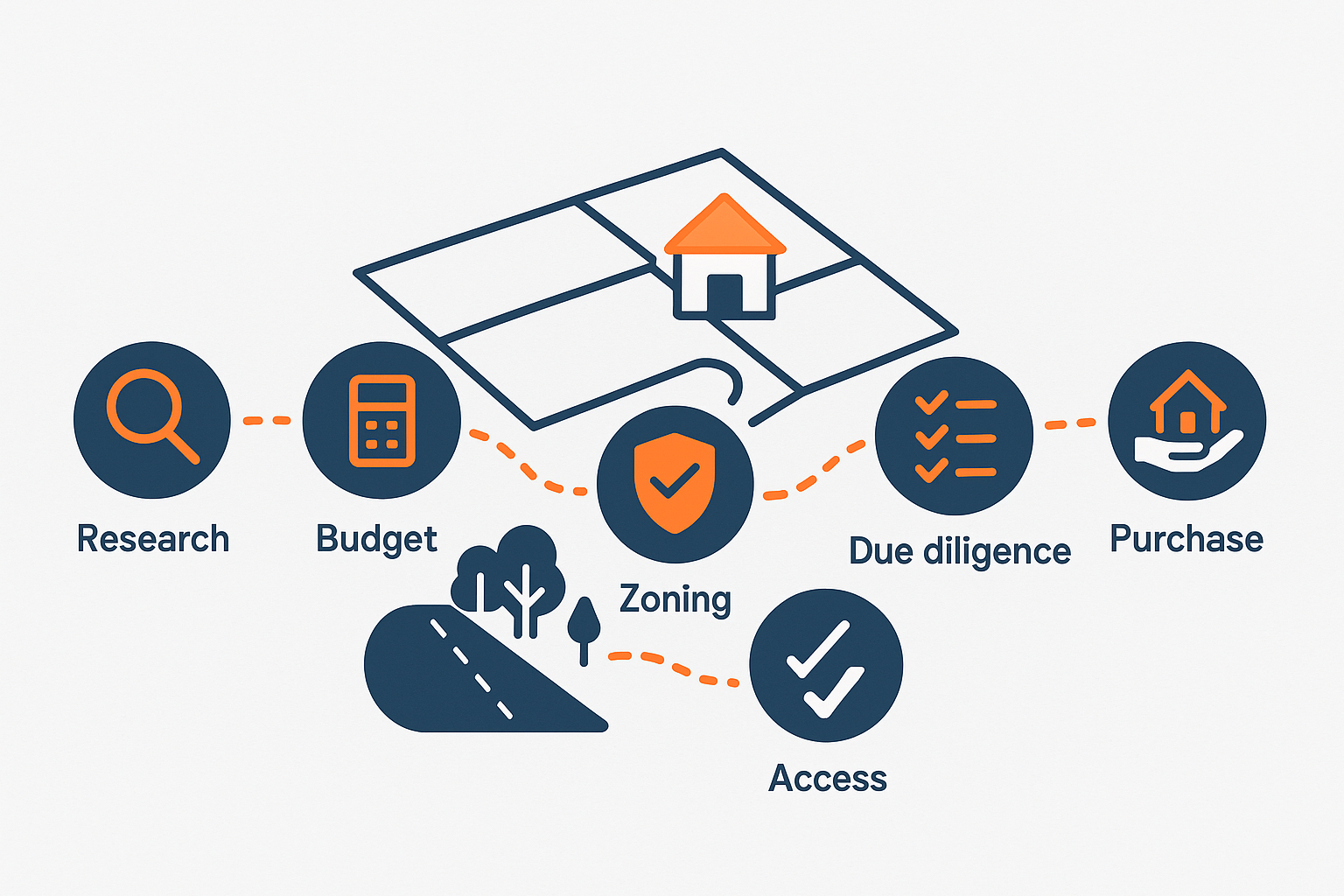
Subdividing land for profit means legally dividing a large piece of land into smaller parcels that can be sold separately, often increasing the total value compared to the original single parcel. This strategy appeals to investors aiming to maximize profits by tailoring land offerings to specific buyer demands and market conditions. However, successful subdivision hinges on thorough due diligence,understanding zoning, costs, timelines, and local regulations,before making any financial commitments.
This guide provides a practical, step-by-step approach to subdividing land profitably in 2026, focusing on what you must verify, the critical decisions you’ll face, and how to mitigate risks so you can proceed confidently or know when to walk away.
What Does Subdividing Land for Profit Mean in Practice?
Subdividing land for profit involves legally splitting a single parcel into smaller lots that sell individually, often yielding a combined sale price exceeding the value of the original undivided land. This process requires boundary surveys, compliance with local subdivision regulations, and an understanding of market demand for the newly created parcels.
This matters because many larger parcels lack liquidity or market appeal compared to smaller, affordable lots that attract a broader pool of buyers. Before planning subdivision, verify local zoning codes and minimum lot size requirements at the county planning or land-use department. A parcel’s subdivision potential depends heavily on these legal factors. A red flag is any zoning classification or local ordinance prohibiting smaller lot creation or requiring prohibitive minimum sizes that would make subdivision nonviable.
Why Should You Consider Subdividing Your Land?
Subdividing land can increase total property value because smaller lots tend to sell faster and attract more buyers willing to pay a premium per acre. This creates an opportunity to convert an otherwise hard-to-sell large parcel into multiple profitable units.
You should confirm local market demand by researching recent sales of similar subdivided lots in the area via county tax records or a local real estate agent. If market data shows strong interest or housing shortages, subdivision can be lucrative. Conversely, weak demand or oversupply may justify holding or selling the land whole rather than subdividing.
What Types of Land Are Typically Eligible for Subdivision?
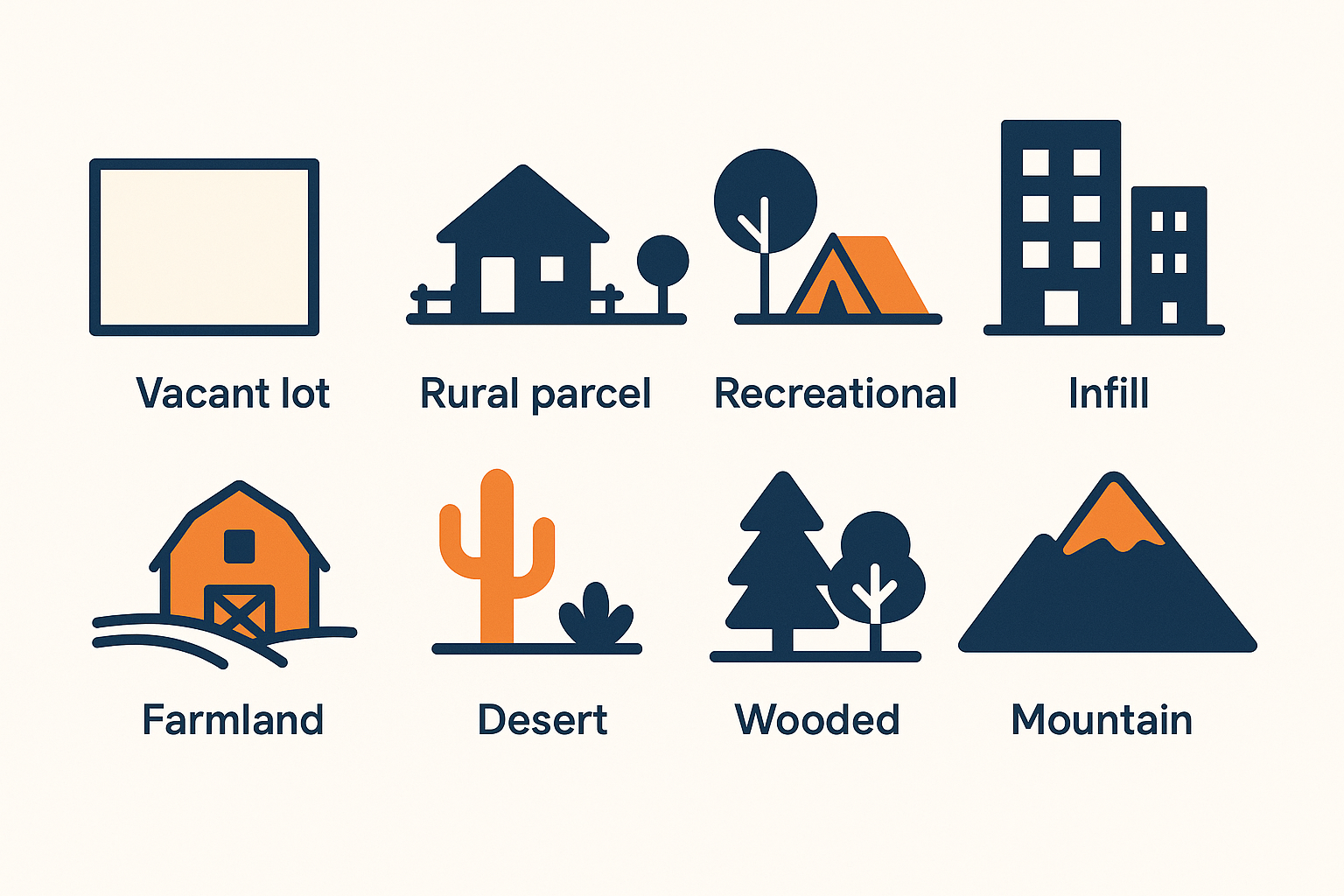
Residential, commercial, and agricultural lands may be subdivided, but each category has different zoning implications and market considerations.
- Residential Land: Most common for subdivision into single-family or multifamily lots; success often depends on aligning lot sizes and density with zoning.
- Commercial Land: Can be subdivided for retail, office, or mixed-use parcels, but zoning and infrastructure demands are typically more complex and expensive.
- Agricultural Land: Possible to subdivide for residential or other uses, but you should verify zoning restrictions and potential conservation easements or agricultural protections that limit parcel breakdown.
Verify the zoning classification and permitted uses with the local planning office early in your evaluation. A parcel’s zoning can fundamentally restrict or enable subdivision.
How Do You Determine if a Parcel Can Be Subdivided?
Start by obtaining the official zoning map and subdivision ordinance from the local government’s planning or land-use office. These documents define parcel size minimums, permitted uses, required lot frontage, and other subdivision standards.
Confirm the parcel’s zoning classification and consult the subdivision ordinance for lot size minimums and infrastructure requirements (like road frontage, utility access). Also, check for specific overlay districts or environmental restrictions that could limit or prohibit subdivision.
If local authorities allow subdivision in your parcel’s zoning district and you meet size and infrastructure criteria, the parcel is potentially subdividable. Any conflicts or special conditions are a red flag that will require either a zoning variance, rezoning petition, or abandonment of subdivision plans.
What Are the Steps to Subdivide Land?
The subdivision process generally follows these key steps:
- Research and pre-planning: Verify zoning, minimum lot sizes, and infrastructure requirements based on intended lots and uses.
- Engage professionals: Hire a licensed land surveyor to map existing boundaries and design proposed lots compliant with local codes.
- Prepare and submit application: Submit subdivision plans and supporting documents to the local planning commission or land-use authority.
- Address feedback: Respond to comments or required changes from planning staff or commissions, possibly attending hearings.
- Obtain subdivision approval: Receive final plat approval and record subdivision map with the county clerk or recorder.
- Develop infrastructure (if required): Install roads, utilities, or drainage as mandated before lot sales.
- Market and sell subdivided lots: List parcels individually or as packages to appropriate buyers or developers.
Throughout this process, confirm timelines, fees, and additional requirements with your local planning department to anticipate delays or costs. A red flag is encountering unyielding regulatory or neighborhood opposition that could halt approval.
How Do Zoning Laws Impact the Subdivision Process and Profitability?
Zoning laws establish what can be built and how a lot may be used, directly influencing whether subdividing is possible and what lot sizes or uses are permitted. For instance, a zoning district that requires large minimum lot sizes or restricts multi-family units may limit subdivision feasibility or market appeal.
Investigate local zoning codes thoroughly and confirm with the planning department, since zoning impacts:
- Minimum lot sizes that control number of lots you can create
- Permitted uses (residential, commercial, mixed-use)
- Infrastructure requirements
- Potential for future rezoning that might enable or restrict subdivision
A trade-off is that more flexible zoning may increase subdivision profit but also require meeting higher infrastructure standards. A red flag is the need for a zoning change or variance, which requires additional time, expense, and uncertainty.
Why Is a Land Survey Critical to Subdividing, and What Should You Expect?
A professional land survey defines existing property boundaries, easements, topography, and marks proposed lot lines essential for legal subdivision. It ensures proposed lots meet size and frontage requirements and verifies legal access.
Choose a surveyor experienced with local subdivision regulations. Expect survey costs to vary widely based on acreage and complexity. This investment reduces risk of legal disputes and approval delays.
Verify survey accuracy with county recorder or assessor maps to avoid surprises. A red flag is survey discrepancies or unclear access rights requiring resolution before approval.
How Should You Assess the Value of Newly Subdivided Lots?
Use a comparative market analysis (CMA) focused on genuinely similar recently sold lots nearby to estimate lot values. Adjust for factors like:
- Lot size and shape
- Zoning and permitted uses
- Utilities and infrastructure availability
- Physical features and access
- Proximity to amenities or growth areas
Consider obtaining professional appraisals for an unbiased valuation especially if financing or resale requires it.
A critical verification step is reviewing recent closed sales records at the county assessor or through real estate agents. A red flag is a thin or declining market indicating difficulty selling subdivided parcels at profitable prices.
What Costs Should You Expect When Subdividing Land?
Subdivision involves significant costs including:
| Cost Type | What It Covers | Verification | Significance |
|---|---|---|---|
| Initial Costs | Surveys, legal fees, application and impact fees | Request itemized fee schedules from planning and land-use offices | High upfront expense, critical to budget accurately |
| Ongoing Expenses | Property taxes on subdivided lots, maintenance, insurance | Check property tax rates and any special district levies with the county tax office | Affect cash flow during holding period |
| Infrastructure Costs | Roads, utilities, drainage systems necessary for development | Obtain engineering or contractor estimates and local requirements documentation | Potentially the largest expense, can make project unprofitable if not carefully planned |
| Unexpected Costs | Permit delays, rezoning petitions, environmental remediation | Consult professionals for risk assessment and contingency planning | Can derail or delay projects; prepare contingency funds |
How Can You Maximize Profit From Subdividing Land?
Maximizing profit requires matching market demand with the subdivided product, effective marketing, and timing sales strategically.
- Market research: Confirm buyer profiles,whether residential, commercial, or mixed-use,and tailor lot sizes and parcel features accordingly.
- Marketing strategies: Utilize online listings, local real estate agents, and networking to reach target buyers.
- Infrastructure improvements: Investing in access roads and utilities can increase lot appeal and value.
- Timing: Monitor local real estate cycles to avoid selling during downturns.
Verify buyer demand with local agents and recent sales data. The trade-off is balancing infrastructure investment with anticipated return. Avoid over-improving lots beyond what the local market can sustain.
What Risks Should You Consider When Subdividing Land?
Risks include financial overruns, regulatory hurdles, market fluctuations, and delays.
- Financial risks: Underestimated costs, changing market prices.
- Regulatory risks: Denied approvals, changing zoning laws.
- Market risks: Reduced buyer demand or oversupply of similar parcels.
- Time risks: Prolonged approval process or construction delays affecting cash flow.
Mitigate risks by thorough upfront research, working with trusted professionals, and creating contingency budgets. A red flag is inability to secure a subdivision timeline or cost estimate from local authorities.
What is the Role of Financing in Subdividing Land?
Financing subdivision can involve several options, such as traditional bank loans, private lenders, or financing lines. The choice depends on the investor’s financial strength, project scope, and risk tolerance.
Seek out lenders familiar with land subdivision projects and carefully evaluate loan terms, including interest rates, fees, and repayment schedules. Be prepared to show detailed subdivision plans and market analysis to lenders.
A red flag is vague or high-cost funding options that reduce profit margins or cause cash flow issues. Confirm financing feasibility before acquisition or incurring subdivision expenses.
How Long Does the Subdivision Process Usually Take?
The duration depends on local government procedures, project complexity, and completeness of your application but generally ranges from several months to over a year.
- Simple subdivisions with pre-approved designs locally may take 3–6 months.
- Complex projects requiring environmental studies, rezoning, or infrastructure build-out can exceed 12 months.
Verify timelines with local planning offices and experienced consultants. Anticipate delays caused by regulatory reviews or public hearings. Build buffer time into your project schedule to avoid cash flow strain.
What Permits Are Typically Required for Subdividing Land?
Common permits include:
- Subdivision permit: Approval to legally divide the parcel.
- Environmental permits: If protected habitats, wetlands, or other environmental issues exist.
- Building permits: Required prior to any construction on new lots.
Consult your local planning or land-use office to obtain the exact list of permits and application requirements for your jurisdiction. Missing permits can cause legal issues and delay sales.
How Can You Increase the Appeal of Your Subdivided Lots?
To make subdivided lots more attractive to buyers:
- Ensure clear, well-marked boundaries and maintained access roads.
- Invest in basic infrastructure such as utilities, drainage, or streetlights if cost-effective.
- Highlight unique lot features – scenic views, proximity to schools or amenities – in marketing materials.
Verify what local buyers prioritize through real estate agents or community surveys to tailor improvements effectively. Over-improving can erode profit, so balance expense against expected value gain.
What Are the Tax Implications of Subdividing Land?
Subdividing land can affect property taxes, which may increase as lots are assessed individually rather than as a single parcel. Also, selling subdivided lots may trigger capital gains tax liabilities if the land appreciated.
Document all subdivision-related expenses, such as surveying or legal fees, which might be deductible to offset income. Consult a tax professional before and after the subdivision process to understand specific implications for your situation.
What Are Effective Strategies to Find Buyers for Subdivided Lots?
Finding buyers involves multiple avenues:
- List lots on reputable real estate platforms with professional photos and detailed descriptions.
- Work closely with real estate agents who have local market knowledge and buyer networks.
- Leverage local networking, signage, and community events to attract interest.
Prioritize avenues that have demonstrated results in your local market. Engage agents to screen qualified buyers, reducing holding time and expenses.
What Common Mistakes Should You Avoid When Subdividing Land?
- Ignoring zoning laws or subdivision requirements; always confirm with official sources before purchase or improvement.
- Underestimating all subdivision costs; include hidden or contingency expenses to avoid budget shortfalls.
- Neglecting market demand research; selling subdivided lots without demand leads to extended holding periods and losses.
- Failing to consult professionals; surveyors, attorneys, and planners help navigate complex rules and reduce risk.
Avoid these errors to save time, money, and legal headaches.
How Do Market Trends Affect Subdividing Land?
Current market demand, future economic growth forecasts, and seasonal fluctuations influence subdivision profitability.
Conduct up-to-date market analyses through recent sales data and economic reports. Plan sales to coincide with peak buyer interest seasons (often spring and summer). Monitor local development trends that may increase demand for subdivided lots.
Red flags include declining price trends or oversupply in your target market segment, which suggest caution or delayed subdivision.
How Do You Choose the Right Location for Subdividing?
Select locations with accessible infrastructure, proximity to amenities, stable or growing neighborhoods, and demographic profiles matching your targeted buyers.
Verify neighborhood growth data from local planning departments or real estate reports. Match lot offerings to demographic preferences , for example, family-oriented neighborhoods may favor larger residential lots.
Rarely subdivide in areas with stagnant or declining populations unless you have a niche strategy.
What Utilities Must Be Considered When Planning Subdivision?
Key utilities to verify include:
- Water and sewer: Confirm availability and capacity for new lots; absence can be a dealbreaker.
- Electricity and gas: Ensure reliable connections; costly extensions reduce profitability.
- Internet and telecommunications: Increasingly important for buyers; confirm providers and service quality.
Consult utility companies or local authorities for feasibility and cost estimates. Lack of utilities or long construction lead times can strongly impact marketability.
What Are Best Practices for Marketing Subdivided Lots?
Use clear, targeted messaging and multiple real estate channels:
- Craft detailed, transparent listings with professional photos and key lot benefits.
- Utilize targeted online ads focusing on buyer segments who suit your lot sizes and locations.
- Engage experienced agents and leverage social media for wider but relevant exposure.
Avoid generic or vague advertisements which fail to attract serious buyers. Track marketing responses and adapt strategies accordingly.
Can Technology Help in the Land Subdivision Process?
Technology can assist by:
- Using mapping and CAD software to visualize subdivisions and prepare accurate plans.
- Listing parcels efficiently on digital real estate platforms to reach buyers.
- Managing project timelines and documents with specialized tools.
However, technology does not replace professional advice or official approvals, which must be verified. Use tech as a supplement to,not a substitute for,due diligence and communication with regulators.
Are There Clear Success Stories in Land Subdivision to Learn From?
Successful subdivisions share these commonalities:
- Thorough upfront research and compliance with local laws
- Professional surveying and planning
- Timing sales to align with strong market demand
- Effective, targeted marketing
Analysis of case studies from trusted industry sources or mentors can provide valuable lessons. When studying examples, separate strategies that fit your local context from those shaped by unique markets to avoid misapplication.
How Do You Stay Updated on Changing Land Development Regulations?
Regularly review local government websites and attend planning commission meetings for updates on zoning or subdivision rules.
Subscribe to industry newsletters and join local land investor or real estate groups to receive timely insights. Developing relationships with local planners or land-use attorneys also helps anticipate regulatory shifts.
Failure to stay current can lead to out-of-date plans or noncompliance, risking costly delays.
What Future Trends Are Shaping Land Subdividing?
Look for trends such as increasing attention to sustainable subdivision practices, urban sprawl that drives demand in suburbs, and buyer preferences for walkable communities or mixed-use developments.
While future trends should inform your planning, always confirm local impacts with planning officials. Trends vary greatly by region; what applies in one area may not in another.
How Can You Build a Support Network for Subdividing Land?
Connect with local real estate investment groups, regional land development forums, and online communities where professionals and investors exchange experiences.
Participate in workshops, seminars, and trade shows to meet surveyors, attorneys, agents, and lenders. These relationships can provide valuable advice, partnership opportunities, and market intelligence essential to subdivision success.
Mini FAQ
What is the primary benefit of subdividing land? It can increase overall property value by selling smaller, more marketable lots.
How long does subdividing usually take? From a few months to over a year, depending on project complexity and local regulations.
What financing options exist? Traditional loans, private lenders, and lines of credit are common, each with pros and cons.
How do I choose a good location? Evaluate infrastructure, growth trends, amenities, and buyer demographics.
What common mistakes should I avoid? Ignoring local laws, underestimating costs, and neglecting market demand research.
How can I find buyers? Use online listings, real estate agents, and networking.
What role does zoning play? It determines what uses and lot sizes are allowed, directly impacting subdivision feasibility and profit.
What should you do next to move from reading to taking action?
Subdividing land profitably requires a clear process and reliable resources. To learn step-by-step methods, avoid common pitfalls, and advance confidently toward your first deal, consider these proven tools:
- Dirt Rich book
- land investing bootcamp
- Land Geek community



