
R1 zoning rules in Colorado regulate residential areas mainly designated for single-family homes, setting standards that affect property use and development. Understanding these rules is essential for land investors and homeowners to make informed decisions about purchasing, developing, or selling property in R1 zones. This guide breaks down the core aspects of R1 zoning in Colorado, explains local variations, and highlights key steps to verify before proceeding with any transaction or development plan.
As you evaluate a property with R1 zoning, the critical step is identifying your intended use and then verifying the specific rules that apply in the municipality and county where the land is located. This approach will help you avoid costly surprises, ensure compliance, and set realistic expectations about your investment.
What Are R1 Zoning Rules in Colorado?
R1 zoning in Colorado designates areas for low-density residential use, focusing primarily on single-family homes. These rules regulate how land can be used and developed to maintain neighborhood character and orderly growth. Typical R1 zoning provisions include minimum lot sizes, setback requirements, building height limits, and restrictions on commercial activities.
For your land-investing decision, the key consequence is that R1 zoning limits the property to mostly residential purposes with controls to avoid overcrowding or incompatible uses. Before relying on this classification, verify the precise definition and regulations of R1 zoning with the local planning or zoning office. Municipalities often publish zoning maps and codes online, but direct confirmation helps catch any recent amendments or overlays affecting the property.
What Types of Properties Are Included in R1 Zoning?
R1 zones generally cover single-family residential properties, with some allowing accessory structures like accessory dwelling units (ADUs) depending on local rules. Vacant land within R1 zones is intended for future development that complies with single-family residential standards.
To proceed confidently:
- Confirm whether the subject property is developed or vacant.
- Inquire whether ADUs or other secondary residences are permitted, as this varies between municipalities.
- Check if there are deed restrictions or overlays that might further limit permitted uses beyond zoning.
Local zoning offices or municipal websites often provide detailed information on permitted property types under R1 zones.
What Are the Key Characteristics of R1 Zoning You Should Know?
R1 zoning typically includes the following essential standards:
📘 Get Your FREE Land Investing Strategy Guide
Discover how savvy investors build passive income with vacant land.
| Characteristic | Typical Range or Description | Why It Matters | What To Verify |
|---|---|---|---|
| Minimum Lot Size | Usually 5,000 to 12,000 square feet | Prevents overcrowding and ensures adequate spacing for homes and yards | Check local land use code or zoning ordinance for exact minimum lot size |
| Setback Requirements | Front: 20–30 ft; Side and rear: typically less | Ensures privacy, safety, and proper access on the property | Confirm setback distances with municipal zoning regulations |
| Height Restrictions | Generally capped around 30 to 35 ft | Maintains neighborhood uniformity and prevents blocking views | Verify allowed building heights for the specific property location |
In your purchase or development plan, differentiating between local requirements is crucial because exceeding or failing to meet these standards can result in denied permits or costly modifications. Always consult local zoning ordinances or a land use professional for precise rules.
How Do R1 Zoning Rules Affect Property Development?
R1 zoning governs property development by controlling allowable building types, lot configurations, and renovation limits. It impacts how you can build or modify structures, subdivide land, or add additional dwelling units.
- New Construction: Must comply with lot size, setbacks, and height rules, which may restrict the number or size of structures you can build.
- Renovations: Any addition or alteration generally must not violate zoning parameters such as height or setbacks.
- Subdivision: Larger lots may be eligible for subdivision into smaller parcels if each new lot meets R1 zoning standards, but you will need approval through local processes.
Before developing, request zoning verification letters from the local planning department and potentially consult a land use attorney or planner to understand subdivision and modification limits. Confirm if the property qualifies for any zoning variances or conditional use permits that may allow exceptions.
What Uses Are Allowed Under R1 Zoning?
Allowed uses in R1 zones primarily focus on single-family dwelling purposes. Some include accessory uses like home-based businesses and community facilities such as parks.
- Single-family homes are the principal permitted use.
- Home-based businesses may be allowed if they don’t disrupt the residential environment, but they usually face limits on size, signage, and customer visits.
- Community facilities like parks or recreational areas can be permitted but typically require a review for consistency with the residential neighborhood.
You should check local zoning codes and confirm with municipal planning offices whether your intended use is permissible or if special permits or variances are required. Restrictions vary widely based on local ordinances.
What Are Common Restrictions on R1 Zoning Properties?
R1 zoning properties commonly face restrictions designed to preserve residential character, including limits on commercial activities, animal keeping, fencing, and landscaping.
- Commercial Activities: Commercial uses are usually prohibited except carefully regulated home occupations.
- Animal Regulations: Keep pets within local limits; livestock is typically not allowed.
- Fencing and Landscaping: Many municipalities regulate fence height, types, and landscaping standards to maintain a cohesive neighborhood look.
For any property you are considering, review the local zoning ordinance and HOA rules (if applicable) that may impose stricter standards. Non-compliance with these restrictions can lead to penalties or neighbor disputes.
Understanding land investing zoning land investing zoning can help clarify how different regulations impact property use and development.
How Do R1 Zoning Rules Vary Across Colorado Municipalities?
R1 zoning is not standardized statewide; each municipality and county can set its own specific regulations for minimum lot sizes, allowed uses, and development standards.
This means that:
- What qualifies as an R1 zone in Denver may differ in Boulder or Fort Collins in terms of lot size, permitted structures, and accessory uses.
- Counties without municipal zoning may have different or more relaxed standards.
- Local amendments may add overlay districts with unique requirements or allowances.
Therefore, always verify the exact R1 zoning specifications with the county or city planning department where the property is located to understand local deviations from general R1 standards. This local check is a must before making an offer or planning development.
What Is the Process for Changing R1 Zoning?
Changing R1 zoning to a different classification usually requires submitting an application to the local zoning authority, undergoing public hearings, and receiving approval from bodies like city councils or planning commissions.
Key steps typically include:
- Submitting detailed use proposals and demonstrating conformity with community objectives.
- Participating in public hearings to allow community input and objections.
- Receiving a decision from elected or appointed officials considering zoning codes and public feedback.
Before initiating or relying on a zoning change, confirm the specific procedures and criteria with the local planning department. The process can be lengthy, uncertain, and may require professional representation. Failure to anticipate complex local politics or criteria can derail plans or reduce property value.
What Are the Consequences of Violating R1 Zoning Rules?
Violations can result in fines, legal actions, and enforcement measures that may require you to undo non-compliant uses or constructions.
- Fines can escalate with repeated non-compliance.
- Local authorities may issue cease-and-desist orders or pursue litigation.
- You may be required to remove illegal structures or obtain retroactive permits, which can be costly and time-consuming.
To avoid these risks, confirm zoning compliance before purchasing land or starting development by obtaining zoning verification letters or engaging zoning professionals. Early due diligence protects your investment and reduces exposure to legal complications.
Understanding how Taxes, Ownership & Legal interact with R1 zoning can help clarify your responsibilities as a landowner.
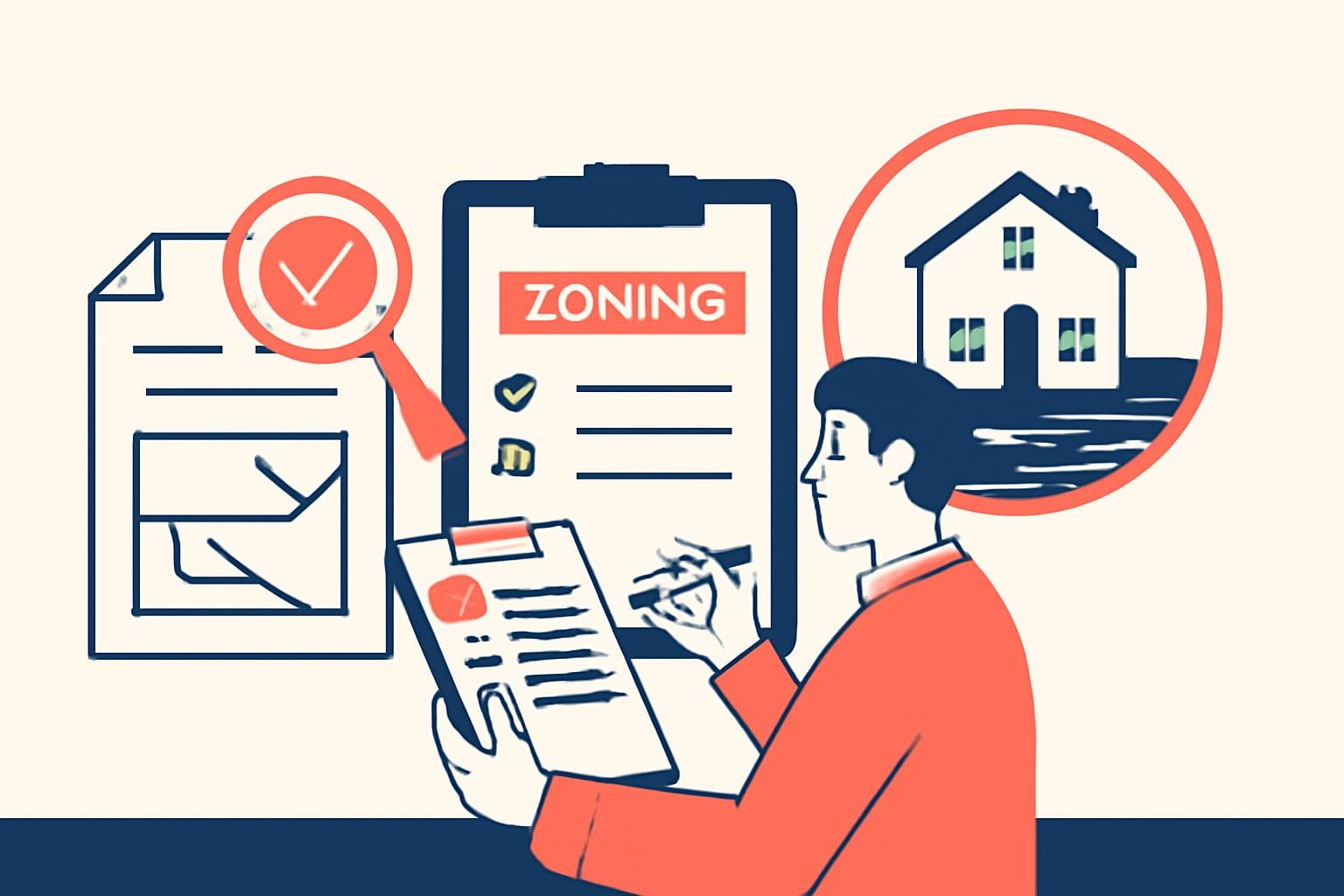
How Can Homeowners Ensure Compliance with R1 Zoning?
Compliance begins by:
- Consulting the local zoning or planning office for accurate and current regulations.
- Hiring zoning experts or land use attorneys to interpret complex rules and guide applications.
- Thoroughly reviewing local codes, including amendments, overlays, and HOA rules.
This proactive approach helps avoid inadvertent violations and facilitates informed decisions about property modifications, expansions, or usage changes.
Where Can You Find Reliable Information About R1 Zoning?
Reliable sources include:
- Local Government Websites: Access zoning maps, codes, and contact info for planning officials.
- Zoning Offices: Request confirmation letters and discuss specific questions.
- Community Planning Resources: Attend public meetings or forums for insights on local zoning policies.
Use published zoning documents as a starting point but always confirm details directly with local officials or qualified experts to account for recent changes or nuanced interpretations.
How Does R1 Zoning Impact Property Values?
R1 zoning can enhance property values by providing neighborhood stability and predictability, which appeals to buyers seeking single-family home environments. However, the restrictive nature of R1 zoning might also limit potential uses and density, impacting investment flexibility.
When evaluating a property:
- Consider how the zoning aligns with your intended use and market preferences.
- Verify local real estate market dynamics and any proposed zoning changes.
- Be cautious if the zoning restricts future subdivision or redevelopment possibilities.
What Are the Benefits of R1 Zoning for Communities?
Communities benefit from R1 zoning through preservation of neighborhood character, controlled density preventing overcrowding, and typically enhanced safety and aesthetics that attract residents looking for stable environments.
From an investing standpoint, these benefits support consistent demand for well-kept single-family residential parcels but can also mean less flexibility when commercialization or higher-density housing is desired.
How Can You Navigate R1 Zoning Effectively?
Best practices include:
- Research your property’s zoning codes before making offers or submitting plans.
- Engage with local planners early to understand any nuances or upcoming zoning updates.
- Document all communications and approvals to avoid compliance disputes later.
This approach enhances your chances for a smooth acquisition and development process.
How Does R1 Zoning Affect the Rental Market?
R1 zoning often limits commercial activities, including regulating short-term rentals to protect neighborhood tranquility. Long-term rentals are generally allowed but must meet safety and maintenance codes.
Landlords must verify local rental regulations applicable in R1 zones to avoid violations that could impact tenancy and property condition.
How Can Residents Influence R1 Zoning Decisions?
Residents can participate by attending zoning meetings, engaging in public comment periods, and joining community forums. Active involvement gives them a voice in zoning amendments and development proposals that affect their neighborhoods.
What Are the Next Steps if You Plan Development in an R1 Zone?
If you plan development on an R1-zoned property:
- Consult the local zoning office for current regulations and permitting requirements.
- Prepare necessary documentation, including site plans and applications, conforming to zoning rules.
- Understand the review timelines and public hearing processes that may affect project scheduling.
Early interaction with local officials can help identify potential constraints or required variances, enabling a more predictable development path.
Mini FAQ
What is R1 zoning?
It is a residential zoning category primarily for single-family homes, intended to preserve neighborhood aesthetics and low density.
Can I build an ADU in an R1 zone?
ADUs may be allowed, but rules vary; verify with your municipality.
What happens if I violate R1 zoning?
Violations can result in fines, legal actions, or required corrections.
Where do I find R1 zoning information?
Check local government websites, zoning departments, or consult planning professionals.
Are home-based businesses allowed?
Some home-based businesses are permitted with restrictions to minimize neighborhood disruption.
How does R1 zoning affect property values?
It tends to stabilize and potentially enhance values by maintaining community character.
Can I influence zoning decisions?
Yes, through public meetings, forums, and direct feedback to local authorities.
For additional in-depth resources, consult local zoning offices and municipal codes. For guidance on related topics like setback regulations or minimum lot size requirements in Colorado, see the linked detailed guides.
This content is for informational purposes only. It does not constitute accounting, financial, or legal advice. Please consult a qualified professional before making decisions based on this information.



