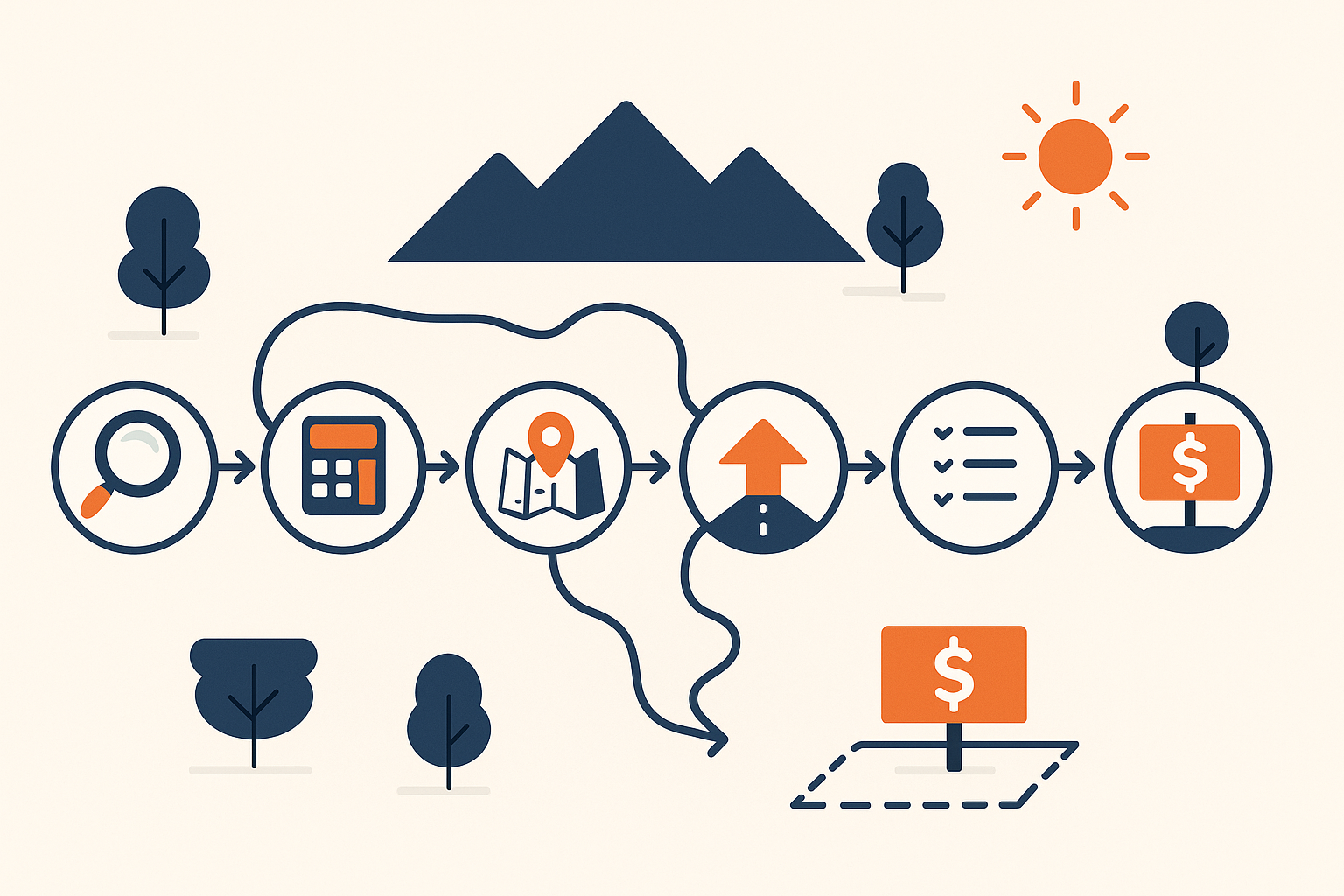
Passive income from land is an appealing concept for many investors, as it offers the potential to earn revenue without the need for continuous active management. By understanding how land can be utilized for generating income, potential investors can make informed decisions. This comprehensive guide will delve into the various aspects of passive income from land, offering insights into investment strategies, types of land, and various methods to maximize returns. Whether you’re a seasoned investor or a beginner, this guide aims to equip you with the necessary knowledge to embark on your land investment journey successfully.
What is Passive Income from Land?
Passive income from land refers to the income generated through land ownership without requiring active involvement in day-to-day operations. This can be achieved through various methods, such as leasing, selling resources, or using the land for agricultural purposes.
Definition of Passive Income
Passive income is defined as earnings derived from rental properties, limited partnerships, or other enterprises in which a person is not actively involved. In the context of land, it typically involves generating revenue through leasing or selling resources without continuous management efforts.
How Land Generates Income
Land generates income through various means, like leasing to tenants, agricultural production, or selling natural resources. Investors can capitalize on the inherent value of the land by finding suitable uses that provide consistent revenue streams, ensuring the investment remains profitable over time.
Types of Passive Income from Land
There are several types of passive income that can be derived from land. These include leasing land for farming, allowing hunting or recreational use, and even selling timber or mineral rights. Each of these income streams can provide a reliable financial return with minimal ongoing effort.
Why Invest in Land for Passive Income?
Investing in land for passive income is attractive due to its potential for long-term appreciation, stable income streams, and lower maintenance costs. Land typically appreciates over time, making it a solid investment choice for generating passive income.
Benefits of Land Investment
The primary benefits of land investment include potential appreciation, tax advantages, and the versatility of land use. Land can be developed, leased, or held for future use, making it a flexible asset that can adapt to market changes and investor strategies.
Long-term vs Short-term Gains
Long-term gains from land investment are typically realized through appreciation and sustained rental income, while short-term gains can come from flipping land or quick sales. Understanding these distinctions helps investors choose strategies aligned with their financial goals.
Market Stability
Land investment often provides a stable market presence compared to other asset classes. Real estate markets tend to recover over time, making land a less volatile investment option. This stability can be particularly beneficial during economic downturns.
What Types of Land Can Generate Passive Income?
Various types of land can generate passive income, including residential, commercial, and agricultural properties. Each type has unique characteristics, investment potentials, and income-generating methods that cater to different investor interests.
Residential Land
Residential land can be leased for housing developments, providing consistent rental income. Investors can also sell residential lots to builders. The demand for housing makes this type of land particularly lucrative for generating passive income.
Commercial Land
Commercial land can provide substantial passive income when leased to businesses. Investors can earn higher rental rates compared to residential properties. The demand for commercial space often ensures steady income and long-term leases, which can enhance investment returns.
Agricultural Land
Agricultural land can yield significant passive income through crop production or livestock grazing. Investors can lease the land to farmers or engage in community-supported agriculture (CSA) models, creating multiple revenue streams from the same asset.
How Do I Start Investing in Land?
Starting in land investing involves thorough research, understanding market dynamics, and setting clear investment goals. By following a structured approach, potential investors can make informed decisions that align with their financial aspirations.
Researching Land Opportunities
Researching land opportunities requires a comprehensive understanding of local markets, zoning laws, and potential uses for the land. Utilizing online resources, attending real estate seminars, and networking with other investors can help uncover valuable investment opportunities.
Understanding the Market
Understanding the market involves analyzing trends, property values, and economic indicators. Investors should familiarize themselves with local land prices and demand levels, which can greatly influence investment success and profitability.
Setting Investment Goals
Setting clear investment goals is crucial for guiding your land investment strategy. Goals may include generating a specific monthly income, achieving a certain return on investment, or acquiring specific types of land. These goals will help shape your investment decisions.
What Financing Options Are Available for Land Purchases?
Financing options for land purchases can vary widely, including cash purchases, bank financing, and owner financing. Understanding these options allows investors to select the most suitable method for their financial situation.
Cash Purchases
Cash purchases provide the advantage of avoiding interest payments and lengthy approval processes. However, not all investors have the liquid capital necessary to buy land outright. This method can also facilitate quicker transactions, which may enhance investment opportunities.
Financing through Banks
Traditional bank financing is a common method for purchasing land. Investors can apply for loans specifically designed for land acquisition, usually requiring a down payment and good credit history. Understanding the terms and conditions is essential to securing favorable financing.
Owner Financing
Owner financing is a flexible option where the seller provides financing to the buyer. This arrangement often includes less stringent qualifying criteria and can lead to more favorable terms for both parties. It allows investors to acquire land without immediate full payment.
How to Identify Profitable Land Investments?
Identifying profitable land investments involves thorough location analysis, understanding land use potential, and keeping an eye on market trends. This comprehensive approach helps ensure that investments will yield the desired returns.
Location Analysis
Location is a critical factor in land investment profitability. Analyzing proximity to urban centres, access to transportation, and local amenities can influence property value and demand. Investing in areas with growth potential often leads to greater returns.
Land Use Potential
Understanding the land use potential is essential for maximizing investment returns. Different types of land can be used for various purposes, like agriculture, residential development, or recreational use. Assessing the zoning regulations can reveal potential income opportunities.
Market Trends
Monitoring market trends helps investors identify opportunities and make informed decisions. Staying updated on local developments, economic conditions, and demographic shifts can provide valuable insights into future land value and demand projections.
What Are the Risks of Investing in Land for Passive Income?
Investing in land carries certain risks, including market fluctuations, zoning and regulatory changes, and maintenance costs. Being aware of these risks enables investors to develop strategies to mitigate potential downsides.
Market Fluctuations
Market fluctuations can significantly impact land value and rental income. Economic downturns may lead to decreased demand, affecting property values and potential revenue. Investors should be prepared for market volatility and consider long-term strategies to withstand downturns.
Zoning and Regulations
Understanding zoning laws and regulations is crucial for land investment success. Changes in zoning can affect property use and value, potentially limiting income-generating opportunities. Staying informed about local regulations can help investors make better decisions.
Maintenance Costs
Maintenance costs can vary based on land type and usage. Investors should anticipate expenses for upkeep, taxes, and potential improvements. Proper budgeting for these costs ensures that passive income generated from the land remains profitable over time.
How Can I Assess the Value of Land?
Assessing the value of land involves conducting comparative market analysis, obtaining professional appraisals, and utilizing online valuation tools. These methods provide essential insights into the fair market value of properties.
Comparative Market Analysis
A comparative market analysis (CMA) involves evaluating similar properties in the area to determine a land’s market value. By examining recent sales data and current listings, investors can gauge the competitive landscape and make informed decisions based on market conditions.
Professional Appraisals
Hiring a professional appraiser can provide an unbiased valuation of the land. Appraisers consider various factors, including location, size, and potential uses, to determine fair market value. This method ensures that investors make well-informed purchasing decisions.
Online Valuation Tools
Online valuation tools can help estimate land value by considering factors like location, size, and market trends. While these tools can offer a quick assessment, they should be supplemented with thorough research and professional insights for accurate evaluations.
What Are the Different Ways to Generate Income from Land?
There are numerous ways to generate income from land, including leasing, selling timber, and utilizing mining rights. Each method offers unique opportunities for revenue generation based on the specific characteristics of the land.
Leasing Land
Leasing land can provide a steady income stream while retaining ownership. Landowners can lease their property for agricultural, commercial, or recreational purposes, offering flexibility in how the land is utilized while generating passive income.
Selling Timber
Timber sales can be a lucrative income source for landowners with forested properties. By selectively harvesting timber, landowners can generate significant revenue while maintaining the ecological balance of the forest. This method can also promote sustainable land management practices.
Mining Rights
Landowners may have the option to sell or lease mining rights for valuable minerals or resources located beneath their land. This can yield substantial income, especially in regions rich in natural resources. Understanding local regulations is vital when pursuing this option.
How Can I Lease My Land for Passive Income?
Leasing land for passive income involves finding suitable tenants, creating lease agreements, and managing those leases effectively. This process can turn idle land into a profitable asset with minimal ongoing effort.
Finding Tenants
Finding suitable tenants requires marketing the property effectively and networking within relevant industries. Online platforms, local newspapers, and community groups can help attract potential lessees interested in utilizing the land for various purposes.
Creating Lease Agreements
Creating a clear and comprehensive lease agreement is essential for protecting both parties’ interests. This document should outline terms, rental rates, responsibilities, and duration. Consulting a legal professional can ensure that agreements are legally binding and enforceable.
Managing Leases
Effective lease management involves maintaining communication with tenants and ensuring compliance with lease terms. Regular inspections and responsiveness to tenant needs can foster positive relationships, encouraging longer lease terms and reliability in rental income.
What is Land Flipping and How Does it Work?
Land flipping involves purchasing undervalued land, making improvements, and selling it at a profit. This strategy can yield significant returns while requiring careful planning and market analysis to identify profitable opportunities.
Identifying Flipping Opportunities
Identifying flipping opportunities requires a keen eye for undervalued properties and understanding market trends. Investors should look for land in developing areas or properties that can be improved to increase value. Networking with real estate professionals can also uncover hidden gems.
Renovation and Improvement
Renovating or improving the land can significantly enhance its value. This may involve clearing debris, improving access roads, or obtaining necessary permits for development. These improvements can attract buyers willing to pay a premium for ready-to-use properties.
Selling for Profit
Selling the improved land for profit requires effective marketing strategies, including online listings, open houses, and networking within the real estate community. Setting the right price based on thorough market analysis will help ensure a successful sale.
How Can I Use Land for Agriculture to Generate Income?
Using land for agriculture can generate substantial passive income through crop production, livestock grazing, or community-supported agriculture (CSA) models. These methods leverage the land’s natural resources to create consistent revenue streams.
Crop Production
Crop production can be a profitable use of agricultural land. By selecting high-demand crops and employing sustainable farming methods, landowners can generate significant income. Understanding market trends and consumer preferences can further enhance profitability.
Livestock Grazing
Livestock grazing on agricultural land allows for a steady income stream through meat, dairy, or wool production. This method can also promote land health through natural grazing practices, enhancing the land’s long-term value while generating income.
Community Supported Agriculture (CSA)
Community Supported Agriculture (CSA) programs allow consumers to buy shares in a farm’s harvest. This model provides upfront capital for farmers and creates a loyal customer base. Investors can establish CSAs to leverage their land and generate consistent income.
What Are the Tax Implications of Land Investment?
The tax implications of land investment include property taxes, capital gains tax, and potential tax deductions. Understanding these aspects is essential for effective financial planning and maximizing returns on investment.
Property Taxes
Property taxes are an ongoing cost for landowners and vary by location. Investors should factor these expenses into their budgets for managing land effectively. Keeping abreast of local tax regulations can help ensure compliance and avoid unexpected costs.
Capital Gains Tax
Capital gains tax applies when selling land for a profit. Understanding the applicable rates and potential exemptions is essential for effective financial planning. Investors can strategize to minimize tax liabilities through careful timing of sales and reinvestment.
Tax Deductions
Investors may qualify for various tax deductions related to land ownership, including expenses for maintenance, improvements, and management. Consulting with a tax professional can help identify eligible deductions and optimize tax strategies associated with land investment.
How Can I Create a Land Investment Strategy?
Creating a land investment strategy involves setting clear goals, diversifying investments, and continuously monitoring progress. A well-defined strategy helps investors make informed decisions that align with their financial objectives.
Setting Goals
Setting specific, measurable, achievable, relevant, and time-bound (SMART) goals is crucial for effective land investment. Goals may include desired income levels, investment timelines, or targeted property types. These objectives guide decision-making and strategy development.
Diversifying Investments
Diversifying investments across different types of land can mitigate risk and enhance overall returns. By expanding the portfolio to include residential, commercial, and agricultural properties, investors can capitalize on various income streams and market opportunities.
Monitoring Progress
Regularly monitoring investment progress ensures that strategies remain effective and aligned with changing market conditions. Investors should assess their portfolio’s performance, adjust as necessary, and stay informed about industry trends and economic factors that may impact investments.
What Resources Are Available for Land Investors?
A variety of resources are available for land investors, including online courses, investment groups, and books and guides. Utilizing these resources can enhance knowledge and provide valuable insights into successful land investment strategies.
Online Courses
Online courses offer structured learning opportunities for land investors, covering various topics from market analysis to financing strategies. Many platforms provide access to experienced instructors and practical examples, making them valuable resources for both beginners and seasoned investors.
Investment Groups
Joining investment groups allows land investors to network with like-minded individuals, share insights, and discover new opportunities. These groups may host events, seminars, and discussions that can enhance knowledge and foster collaboration among investors.
Books and Guides
Books and guides on land investment can provide in-depth knowledge on specific topics, strategies, and market dynamics. Investors can find valuable resources in libraries, bookstores, or online platforms, broadening their understanding and improving their investment acumen.
How Can I Evaluate Land Investment Opportunities?
Evaluating land investment opportunities involves a thorough due diligence process, risk assessment, and return on investment calculation. This systematic approach helps ensure informed decision-making and enhances the likelihood of successful investments.
Due Diligence Process
The due diligence process requires researching the property’s history, zoning, and potential uses. Investors should verify title, check for liens, and assess any encumbrances that could affect the investment. This thorough investigation helps uncover potential issues before committing to a purchase.
Risk Assessment
Conducting a risk assessment involves identifying potential challenges and uncertainties associated with the land investment. Evaluating factors such as market volatility, environmental considerations, and regulatory changes can help investors develop strategies to mitigate risks.
Return on Investment Calculation
Calculating return on investment (ROI) is crucial for assessing the profitability of land investments. Investors should consider all associated costs, including purchase price, maintenance, and taxes, and compare them to expected income. This analysis helps in making informed investment decisions.
What Role Does Location Play in Land Investment?
Location plays a significant role in land investment, influencing property value, income potential, and overall investment success. Understanding the nuances of urban versus rural land can help investors make informed choices that align with their goals.
Urban vs Rural Land
Urban land typically offers higher income potential due to demand for residential and commercial space, while rural land often appeals to agricultural uses or recreational activities. Understanding the local market dynamics is essential for making investment decisions based on location.
Access to Amenities
Access to amenities, such as schools, transportation, and shopping, enhances land value and attractiveness to potential buyers or tenants. Properties located near urban centres or essential services often command higher prices, making location a critical factor in land investment.
Future Development Potential
Evaluating future development potential can significantly influence investment strategies. Areas with planned infrastructure improvements or zoning changes may experience increased demand and value appreciation. Staying informed about local development plans can help investors identify promising opportunities.
Can I Invest in Land with Little Money?
Investing in land with limited funds is possible through low-cost land options, partnerships, and creative financing methods. These strategies enable individuals to enter the land market without significant upfront capital.
Low-cost Land Options
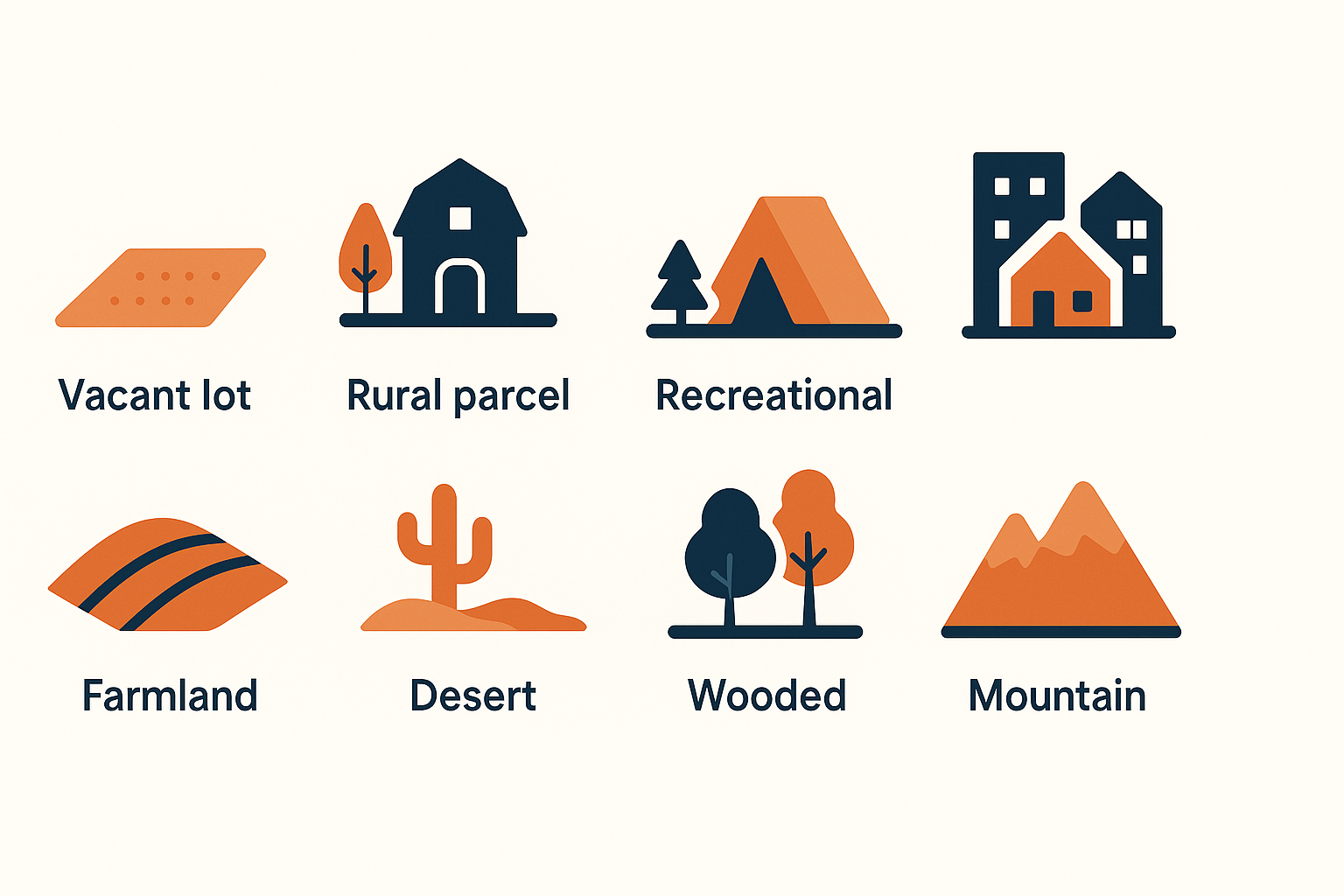
Low-cost land options, such as vacant lots or rural properties, can provide viable investment opportunities for those with limited funds. These properties often require less initial capital and can be developed or sold for profit over time, creating a pathway to passive income.
Partnerships
Forming partnerships with other investors can help spread the financial burden of land purchases. By pooling resources, individuals can acquire larger or more valuable properties that may have been out of reach when investing independently.
Creative Financing
Creative financing options, such as lease-to-own agreements or seller financing, can make land investments more accessible. These methods allow buyers to negotiate terms that fit their financial situations while still acquiring valuable land assets.
How Do I Manage My Land Investments?
Managing land investments effectively involves regular inspections, maintaining tenant communication, and keeping accurate records. Proactive management ensures that investments remain profitable and continue to meet financial goals.
Regular Inspections
Regular inspections of land help identify any maintenance needs or potential issues early on. These inspections can also ensure that the land is being used according to lease agreements, promoting accountability and compliance with local regulations.
Tenant Communication
Maintaining open communication with tenants fosters positive relationships and ensures that any issues are addressed promptly. Proactive engagement can lead to longer lease terms and greater tenant satisfaction, ultimately benefiting the investment.
Record Keeping
Accurate record-keeping is essential for tracking expenses, income, and property management activities. Organized records help investors maintain clarity regarding their financial performance and facilitate informed decision-making regarding their land investments.
What Are the Benefits of Owning Land Long-term?
Owning land long-term offers benefits such as appreciation potential, generational wealth, and tax advantages. These factors can contribute to financial stability and create lasting value for future generations.
Appreciation Potential
Land typically appreciates over time, providing long-term investors with increased value. This appreciation can lead to substantial profits when selling the property or can enhance rental income through increased demand for land in desirable areas.
Generational Wealth
Owning land can create generational wealth by providing a tangible asset to pass down to future generations. This inheritance can serve as a financial foundation for heirs, allowing them to build upon the investment and continue its legacy.
Tax Advantages
Long-term land ownership can offer various tax advantages, including potential deductions for property taxes and depreciation. Understanding these tax benefits is essential for maximizing returns and ensuring effective financial planning.
How Can I Sell Land for Passive Income?
Selling land for passive income involves effective marketing strategies, collaborating with real estate agents, and setting appropriate prices. A well-executed sale can provide substantial returns on investment while generating immediate revenue.
Marketing Strategies
Implementing effective marketing strategies is crucial for attracting potential buyers. Utilizing online listings, social media, and local advertising can increase visibility and interest in the property, ultimately leading to a successful sale.
Working with Real Estate Agents
Collaborating with real estate agents can streamline the selling process and enhance the chances of achieving a favorable sale. Agents bring valuable expertise, market knowledge, and negotiation skills that can benefit land sellers and buyers alike.
Setting the Right Price
Setting the right price is essential for a successful land sale. Conducting thorough market research and considering comparable sales can help determine a fair price that attracts buyers while maximizing returns for the seller.
What Are the Best Practices for Land Development?
Best practices for land development include understanding zoning laws, considering environmental factors, and evaluating community impact. Adhering to these principles can lead to successful development projects that benefit both investors and the surrounding community.
Understanding Zoning Laws
Understanding zoning laws is crucial for successful land development. These regulations dictate how land can be used and developed, influencing investment opportunities and potential income. Investors should thoroughly research local zoning requirements before proceeding with development plans.
Environmental Considerations
Considering environmental factors is essential for sustainable land development. Investors should assess the ecological impact of their projects and comply with regulations that protect natural resources. Sustainable practices can enhance property value and community relations.
Community Impact
Evaluating the community impact of land development is vital for ensuring positive relationships with local residents. Engaging with community stakeholders and addressing concerns can lead to smoother development processes and enhance the property’s reputation.
How to Use Technology in Land Investing?
Technology plays an essential role in modern land investing, offering tools for GIS mapping, online marketplaces, and investment tracking software. Leveraging these technologies can enhance efficiency and decision-making processes.
GIS Mapping
Geographic Information Systems (GIS) mapping technology allows investors to visualize land data, analyze geographic trends, and assess potential uses. This powerful tool aids in making informed investment decisions and identifying suitable properties based on location and characteristics.
Online Marketplaces
Online marketplaces provide platforms for buying and selling land, increasing accessibility for investors. These platforms often feature comprehensive listings, allowing investors to compare properties, prices, and investment opportunities quickly and conveniently.
Investment Tracking Software
Investment tracking software helps land investors monitor their portfolios, track expenses, and analyze performance. These tools facilitate efficient management and decision-making, ensuring that investors stay informed about their investments and financial progress.
What Are the Trends in Land Investing?
Current trends in land investing include sustainable land use, urbanization, and the impact of remote work. Staying informed about these trends can help investors adapt their strategies to align with market demands and opportunities.
Sustainable Land Use
Sustainable land use practices are gaining traction as investors and developers focus on environmentally responsible projects. This trend not only benefits the environment but can also enhance property value and appeal to a growing market of eco-conscious buyers.
Urbanization
Urbanization continues to drive demand for residential and commercial land in growing metropolitan areas. Investors should consider the implications of urban growth when evaluating land opportunities, as increased demand often leads to higher property values and rental income potential.
Remote Work Impact
The rise of remote work has changed the dynamics of land investment, with more individuals seeking properties in rural or suburban areas. This trend creates new opportunities for investors to cater to the evolving preferences of homebuyers and businesses, driving demand for diverse land types.
How Can I Network with Other Land Investors?
Networking with other land investors can enhance knowledge, uncover new opportunities, and foster collaboration. Engaging with the investment community is essential for long-term success in land investing.
Joining Investment Clubs
Joining investment clubs allows land investors to connect with peers, share insights, and learn from each other’s experiences. These clubs often host events, discussions, and workshops that foster collaboration and provide valuable networking opportunities.
Attending Conferences
Attending industry conferences offers opportunities to learn from experts and network with other investors. These events often feature keynote speakers, panel discussions, and networking sessions that can enhance knowledge and build valuable connections within the land investing community.
Online Forums
Participating in online forums and discussion groups can facilitate connections with other land investors. These platforms provide opportunities to share experiences, seek advice, and discuss strategies, fostering a sense of community among like-minded individuals.
What Should I Know About Land Ownership Responsibilities?
Land ownership responsibilities include maintenance obligations, adherence to local regulations, and fostering positive community relations. Understanding these responsibilities ensures that landowners manage their properties effectively and maintain good standing within their communities.
Maintenance Obligations
Landowners have maintenance obligations that include keeping the property in good condition and addressing any issues that may arise. Regular upkeep ensures that the land remains attractive to potential buyers or tenants and preserves its long-term value.
Local Regulations
Adhering to local regulations is crucial for landowners to avoid potential legal issues. This includes understanding zoning laws, property taxes, and environmental regulations. Staying informed about local policies can help landowners manage their properties responsibly.
Community Relations
Fostering positive community relations is essential for landowners to maintain a good reputation and ensure smooth interactions with local stakeholders. Engaging with the community and addressing concerns can lead to better cooperation and support for land development projects.
Is Land Investment Suitable for Everyone?
Land investment may not be suitable for everyone, as it requires assessing personal financial situations, investment goals, and risk tolerance. Individuals should carefully evaluate these factors before entering the land market.
Assessing Personal Financial Situation
Assessing personal financial situations is crucial before investing in land. Individuals should consider their current financial health, available capital, and existing obligations to determine whether they can afford to invest in land without jeopardizing their financial stability.
Investment Goals
Clarifying investment goals helps individuals determine whether land investing aligns with their objectives. Goals may include generating passive income, achieving long-term appreciation, or diversifying investment portfolios. Understanding these goals is essential for making informed decisions.
Risk Tolerance
Assessing risk tolerance is vital for determining whether land investment is suitable. Individuals should consider their comfort level with market fluctuations, potential losses, and the time commitment required for land management. Investing in land may not be appropriate for those with low risk tolerance.
How to Create a Land Investment Exit Strategy?
Creating a land investment exit strategy involves timing the market, evaluating offers, and considering alternative uses for the land. A well-defined exit strategy ensures that investors can maximize profits and minimize losses when selling their properties.
Timing the Market
Timing the market is crucial for maximizing profits from land sales. Investors should monitor market trends and economic conditions to identify the optimal time to sell. This approach helps ensure that properties are sold at peak value, enhancing returns on investment.
Evaluating Offers
Evaluating offers requires careful consideration of potential buyers and their proposals. Investors should assess offers based on price, terms, and the buyer’s ability to close the sale. This diligence helps ensure that investors make informed decisions when selling their properties.
Alternative Uses for Land
Considering alternative uses for land can provide additional exit strategies. For example, landowners may choose to lease the property, develop it for different purposes, or sell it in smaller parcels. Exploring these options can enhance flexibility and profitability in land investments.
What Resources Can Help Me Stay Informed About Land Investment?
Staying informed about land investment requires utilizing various resources, including newsletters, podcasts, and industry reports. These tools provide valuable insights and updates on market trends, strategies, and investment opportunities.
Newsletters
Subscribing to newsletters focused on land investment can provide regular updates and insights into market trends and investment strategies. These newsletters often feature articles, case studies, and expert opinions, helping investors stay informed about industry developments.
Podcasts
Listening to podcasts dedicated to land investment offers a convenient way to learn from experts and hear success stories. Many podcasts feature interviews with successful investors, providing valuable insights and tips that can enhance listeners’ investment strategies.
Industry Reports
Accessing industry reports can provide comprehensive analyses of land markets, trends, and forecasts. These reports often include data on property values, demand, and emerging opportunities, helping investors make informed decisions based on current market conditions.
Mini FAQ
What is passive income from land? Passive income from land refers to earnings generated through land ownership with minimal active management, such as leasing or resource sales.
Why should I invest in land? Investing in land offers long-term appreciation, stable income potential, and lower maintenance costs compared to other assets.
What are the risks associated with land investment? Risks include market fluctuations, zoning changes, and maintenance costs that can impact profitability.
How can I assess the value of land? Assess land value through comparative market analysis, professional appraisals, and online valuation tools.
Can I invest in land with little money? Yes, options like low-cost land, partnerships, and creative financing make it possible for limited budgets.
What are the benefits of owning land long-term? Benefits include appreciation potential, generational wealth creation, and tax advantages.
How can I network with other land investors? Join investment clubs, attend conferences, and participate in online forums to connect with other investors.
What should you do next to move from reading to taking action?
Land investing gets easier when you follow a clear process and use proven resources. These are the fastest ways to learn the steps, avoid common mistakes, and move toward your first deal with confidence.



