Owner financing land is a practical alternative to traditional bank loans, where the seller directly finances the purchase, allowing buyers to pay over time without going through conventional lenders. This method provides flexibility in terms and accessibility, often enabling buyers who struggle with traditional financing to acquire land more easily. In this guide, you will learn how owner financing works, how to evaluate offers, identify risks, and understand legal and financial aspects to make confident, informed land investment decisions in 2026.
Understanding owner financing is critical for your land investing outcome because it changes how you structure your purchase, manage payments, and protect your interests. This guide will help you verify what matters for your specific parcel, avoid common pitfalls, and decide when to proceed or walk away.
What is Owner Financing for Land and How Does It Work?
Owner financing for land is a transaction where the seller acts as the lender, allowing the buyer to purchase the property by making payments directly to the seller over time instead of obtaining a bank mortgage. Typically, the seller retains legal title until the loan is paid off.
This arrangement usually involves a promissory note outlining payment amounts, interest rates, schedules, and loan duration agreed upon by both parties. It enables buyers to bypass traditional lenders entirely and negotiate terms suited to their financial situation.
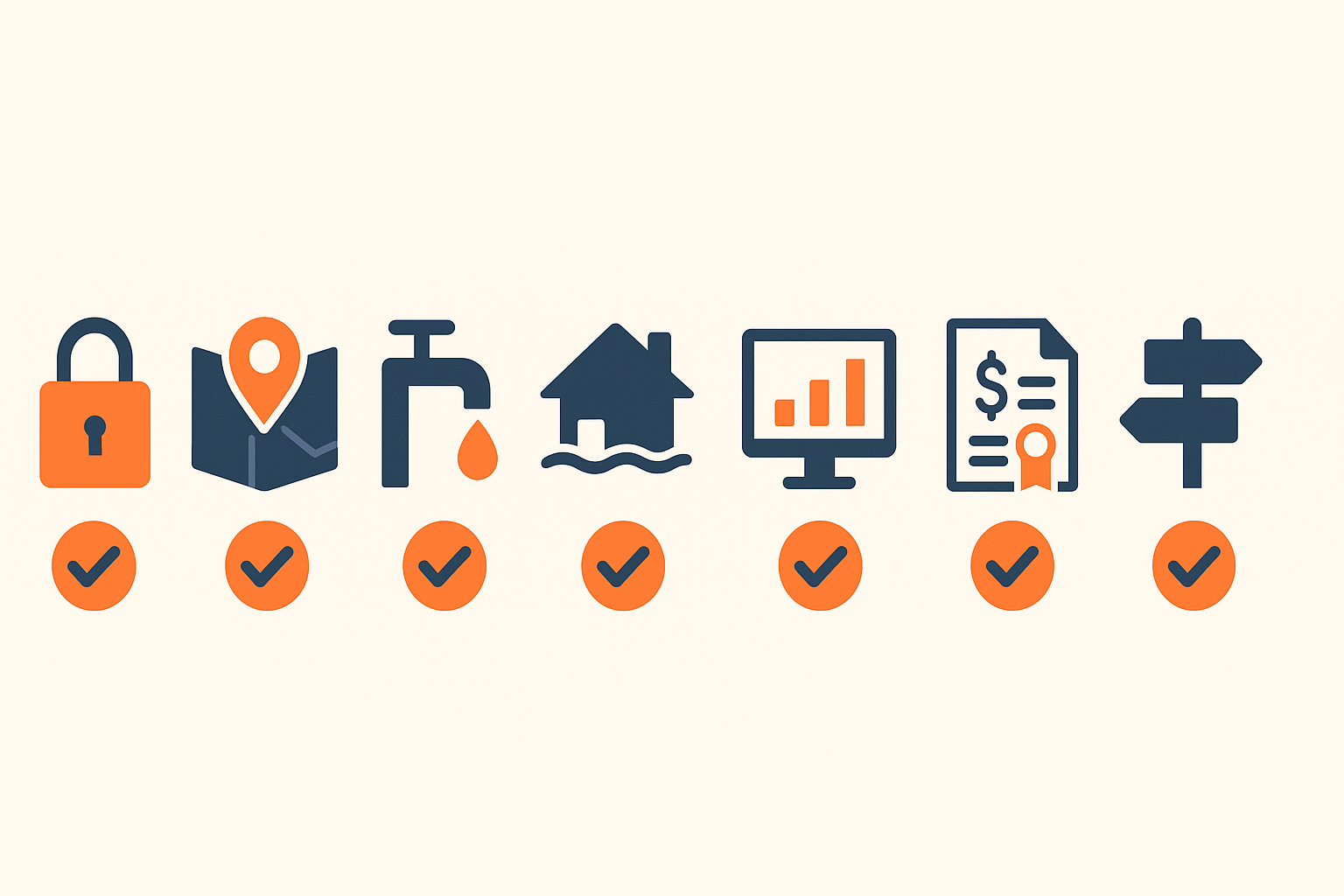
Before relying on an owner financing offer, verify the seller’s ownership and authority to finance by checking local county records and title documents. Confirm the legal status of the land, including liens or encumbrances, with a title company or attorney to avoid surprises that could affect your land use or ownership.
Why Consider Owner Financing When Buying Land?
Owner financing is often chosen because it improves access to land purchase opportunities for buyers who may lack strong credit scores, large down payments, or prefer flexible payment terms. It allows faster closings and negotiation directly with the seller instead of waiting on bank approvals.
This flexibility can make remote or unconventional land parcels more attainable and often enables buyers to tailor payment schedules. However, the trade-off may be higher interest rates and shorter loan terms than conventional loans.
To decide if owner financing suits your situation, confirm your budget, intended use, and exit plan, then compare seller terms to market norms and your financial capability. If the seller’s terms create prohibitively high payments or expose you to excessive risk, consider other financing options or properties.
What Key Terms Should You Focus on in an Owner Financing Agreement?
The critical terms in owner financing agreements include the interest rate, down payment amount, loan term, payment schedule, and default provisions. Each directly affects your total cost, monthly obligations, and risks.
| Term | Description | Verification and Impact |
|---|---|---|
| Interest Rate | Rate the seller charges on the outstanding loan balance. Often negotiable but may exceed traditional bank rates. | Compare with current market rates in your region. High rates increase your total cost and may limit affordability. |
| Down Payment | Initial upfront amount paid to the seller, reducing the loan principal. | Assess affordability and how it affects monthly payments. Larger down payments reduce financing costs but require more cash up front. |
| Loan Term | The number of months or years over which payments are spread. | Longer terms lower monthly payments but increase total interest. Short terms require larger payments but pay off sooner. |
| Payment Schedule | Specifies payment frequency (monthly, quarterly) and amounts, including whether balloon payments apply. | Ensure you can meet schedule to avoid default. Balloon payments require lump sum at term end,plan accordingly. |
| Default Clauses | Outlines consequences if payments are missed, often including repossession or foreclosure. | Verify local laws and contract clarity. Risk of losing property is high if terms are strict. |
Before signing, have a qualified real estate attorney review the terms. Confirm that the agreement complies with your state’s requirements, including whether it should be recorded in county records to protect your ownership interest.
How Does Owner Financing Differ from Traditional Bank Loans?
Owner financing bypasses formal bank processes, allowing sellers to directly finance the purchase, which changes approval criteria, loan structure, and closing logistics.
Unlike banks, sellers may not require credit checks, income verification, or extensive underwriting, potentially speeding approval. Payment terms are more negotiable, often including balloon payments or flexible schedules unavailable via traditional loans.
Closing costs are typically lower and less complex without lender fees, appraisals, or mortgage insurance, but buyers must still pay recording and legal fees. The key is verifying contract enforceability and title transfer processes with professionals to avoid defects that a bank’s due diligence might catch.
Who Typically Offers Owner Financing for Land?
Owner financing is commonly offered by private landowners, real estate investors, and developers. Each has differing motivations and risk tolerances:
- Private Landowners: May offer financing to sell faster or to buyers with financing challenges.
- Real Estate Investors: Use owner financing to move inventory quickly and earn consistent income from payments.
- Developers and Builders: Offer financing to enable sales of new subdivisions or plots where buyers lack conventional loan options.
Verify seller credentials and motivations. Private sellers may lack experience in structuring owner financing properly, increasing risk for buyers. Investors and developers typically operate under more formal terms and may be easier to negotiate with if you understand the market.
What Types of Land Are Suitable for Owner Financing?
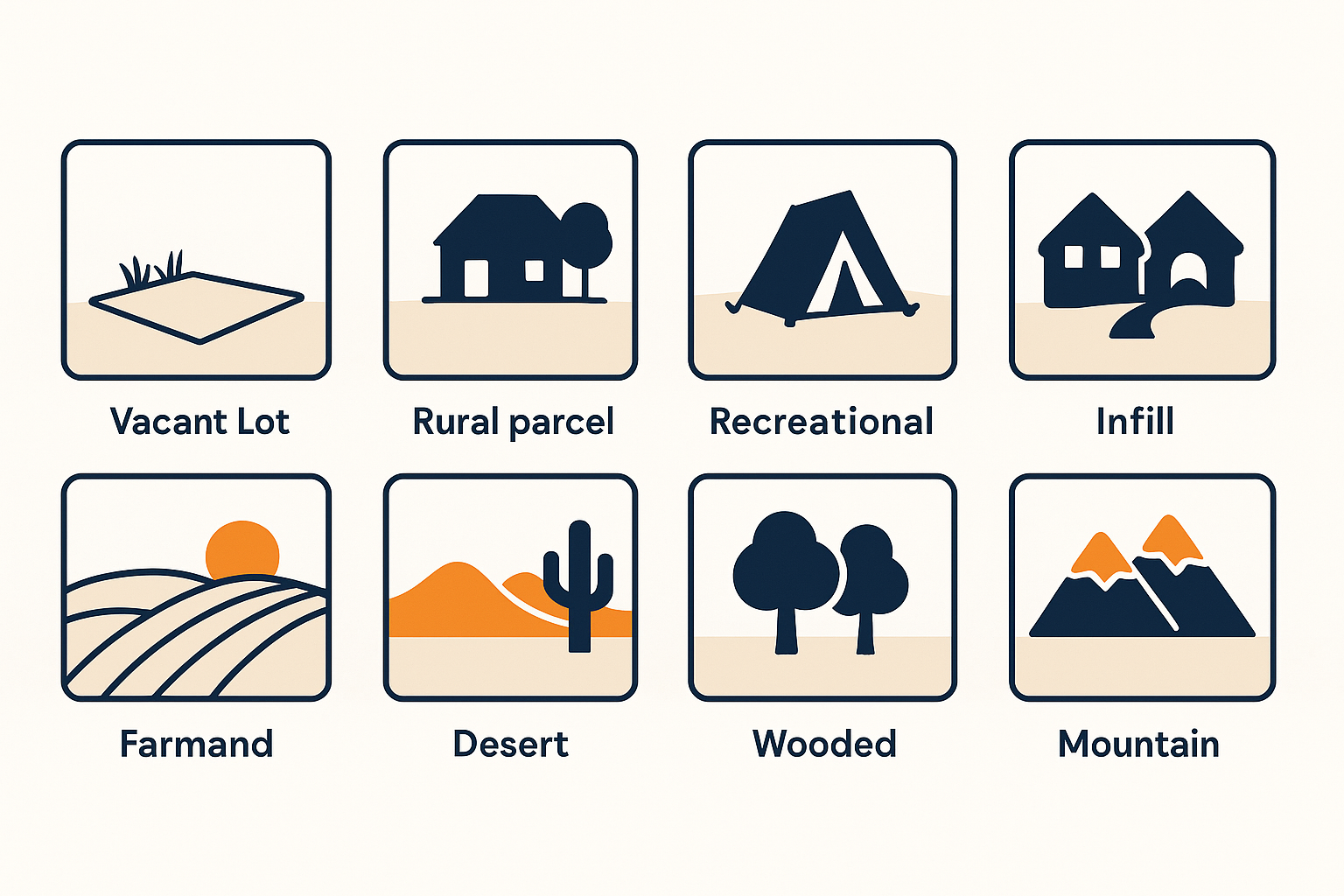
Owner financing can be applied across many land types:
- Residential Lots: Often financed to buyers building homes.
- Recreational Land: Parcels for hunting, camping, or off-grid retreats.
- Commercial Land: Used by entrepreneurs or developers, but terms may be more complex due to zoning and use restrictions.
Because vacant and recreational lands may have less conventional financing available, owner financing is frequently the only accessible option. However, verify zoning, access easements, and utilities early, as these factors influence land usability and value profoundly.
What Are the Main Risks of Owner Financing Land?
Owner financing entails risks including buyer default, title complications, and legal uncertainties. Non-payment may lead to forfeiture of the property, often without the formal protections present in bank foreclosures.
Title issues can arise if liens exist on the property or the seller doesn’t have clear ownership. Both buyer and seller must perform due diligence on ownership status and existing encumbrances. Additionally, poorly drafted contracts can lead to enforceability problems.
Before committing, carefully investigate property records at the county recorder’s office or via title companies. Engage a real estate attorney to structure or review the agreement and confirm that state laws governing seller-financed land sales are met.
How Can Buyers Protect Themselves When Using Owner Financing?
Protection starts by obtaining clear, written contracts reviewed by legal counsel to ensure the terms are fair and enforceable. Buyers should also acquire title insurance to safeguard against hidden title defects and liens.
Maintaining detailed payment records and communications helps resolve disputes if they arise. Verify the land’s zoning, access, and development restrictions with local planning offices to avoid limitations that impact your intended use.
If available, work with reputable title companies and real estate attorneys who specialize in owner financing transactions. Avoid deals where the seller resists formal documentation or title recording, as these raise serious red flags.
What Happens If a Buyer Defaults on Owner Financing?
If a buyer defaults, the seller may accelerate the loan balance or initiate repossession without foreclosure, depending on state laws and contract terms. This can result in the loss of property and payments made.
Some jurisdictions require notice and opportunities to cure the default prior to repossession. Confirm the state’s legal process with a real estate attorney before proceeding.
Buyers facing financial difficulty should strive to negotiate new terms or seek refinancing options before defaulting, as open communication can result in alternatives to losing the property.
Is It Possible to Refinance Owner-Financed Land?
Yes, buyers can refinance an owner-financed land purchase by obtaining a conventional loan to pay off the seller’s loan balance. This can reduce interest costs or improve payment terms if the buyer’s credit improves.
Refinancing requires an appraisal and meeting lender requirements, including creditworthiness and income verification. Be aware that refinancing costs and loan terms may differ significantly.
Planning a refinancing strategy early and consulting with mortgage lenders experienced in land loans can help buyers identify when refinancing is advantageous.
What Are the Tax Considerations with Owner Financing?
Tax implications depend on both buyer and seller circumstances and local laws. Buyers are typically responsible for property taxes and may deduct interest payments if the financing meets IRS criteria.
Sellers may recognize capital gains over time rather than immediately, potentially spreading their tax burden. Both parties should document payments and agreements for accurate reporting.
Consult a qualified tax professional or CPA to understand how owner financing affects your specific tax situation and filing requirements, especially for interest deductions or capital gains reporting.
How Should Payments Be Structured in Owner Financing Agreements?
Payments can be structured as regular monthly installments, balloon payments, or flexible arrangements like seasonal payments. Each has trade-offs:
- Monthly Payments: Provide steady, predictable cash flow and budgeting.
- Balloon Payments: Require a lump sum at the end, reducing monthly costs but necessitating a payoff plan.
- Flexible Terms: Could involve deferred or variable payments but increase complexity and require careful documentation.
Confirm your ability to meet payment schedules and balloon commitments before agreeing. Clear, enforceable terms specifying payment amounts, due dates, and penalties for late payments minimize future disputes.
What is a Land Contract in Owner Financing?
A land contract is a form of owner financing where the seller retains legal title until the buyer completes payment, but the buyer obtains equitable title and possession during the term.
This contrasts with traditional mortgages where the buyer receives title immediately, but the lender holds a lien. Land contracts simplify closing and can reduce upfront costs, but the buyer risks losing the property if they default.
Because title remains with the seller, buyers must confirm their rights and protections under the land contract by consulting legal counsel, especially regarding default and foreclosure procedures.
Where and How Can You Find Land Available with Owner Financing?
Owner-financed land listings can be found on real estate websites that allow seller financing filters, through real estate agents knowledgeable about owner financing, and via local networking events or land investment groups.
When searching, verify the seller’s credentials, property records, and financing terms thoroughly. Avoid deals with incomplete or informal documentation.
Networking in local real estate investment communities may reveal off-market owner-financed opportunities not listed publicly, providing additional options.
What Documentation Is Required for Owner Financing Transactions?
Essential documents include:
- Purchase Agreement outlining sale terms
- Promissory Note detailing loan amount, interest, and payment schedule
- Mortgage or Deed of Trust securing the loan against the property
- Recording of these instruments in county records to protect ownership and lien rights
Ensure all documents comply with state laws. Work with real estate attorneys and title companies to prepare, review, and record these documents properly.
How Should You Negotiate Owner Financing Terms?
Effective negotiation starts with knowing market rates, comparable land prices, and your financial capacity. Understand the seller’s motivation,is it quick sale, steady income, or flexibility? Tailor your offer to address those needs while protecting your interests.
Negotiate down payments, interest rates, term length, payment flexibility, and closing cost responsibilities. Prioritize clear default and remedy clauses to minimize future risks.
Engage professionals for legal and financial advice before agreeing. A win-win outcome strengthens your relationship and reduces friction during the financing term.
What Happens After the Owner Financing Agreement is Signed?
Once signed, buyers begin making payments per the agreed schedule and assume responsibility for property upkeep, taxes, and insurance. Maintain comprehensive payment records and correspondence.
Stay communications open with the seller for any disputes or modifications. Buyers with good records and clear documentation establish stronger claims if any issues arise.
Can You Resell Owner-Financed Land?
Owner-financed land can be resold, but the existing financing agreement may need to be transferred or paid off first. Transferring payments and loan terms requires seller consent and legal documentation.
Potential buyers must be made aware of the existing financing terms. Sellers should ensure the new buyer qualifies and understands obligations to avoid defaults.
Summary: What Should You Do Next?
Owner financing can be a powerful tool to acquire land with more accessible and flexible terms than banks provide. However, it demands increased due diligence, legal scrutiny, and financial planning.
Your first steps should be:
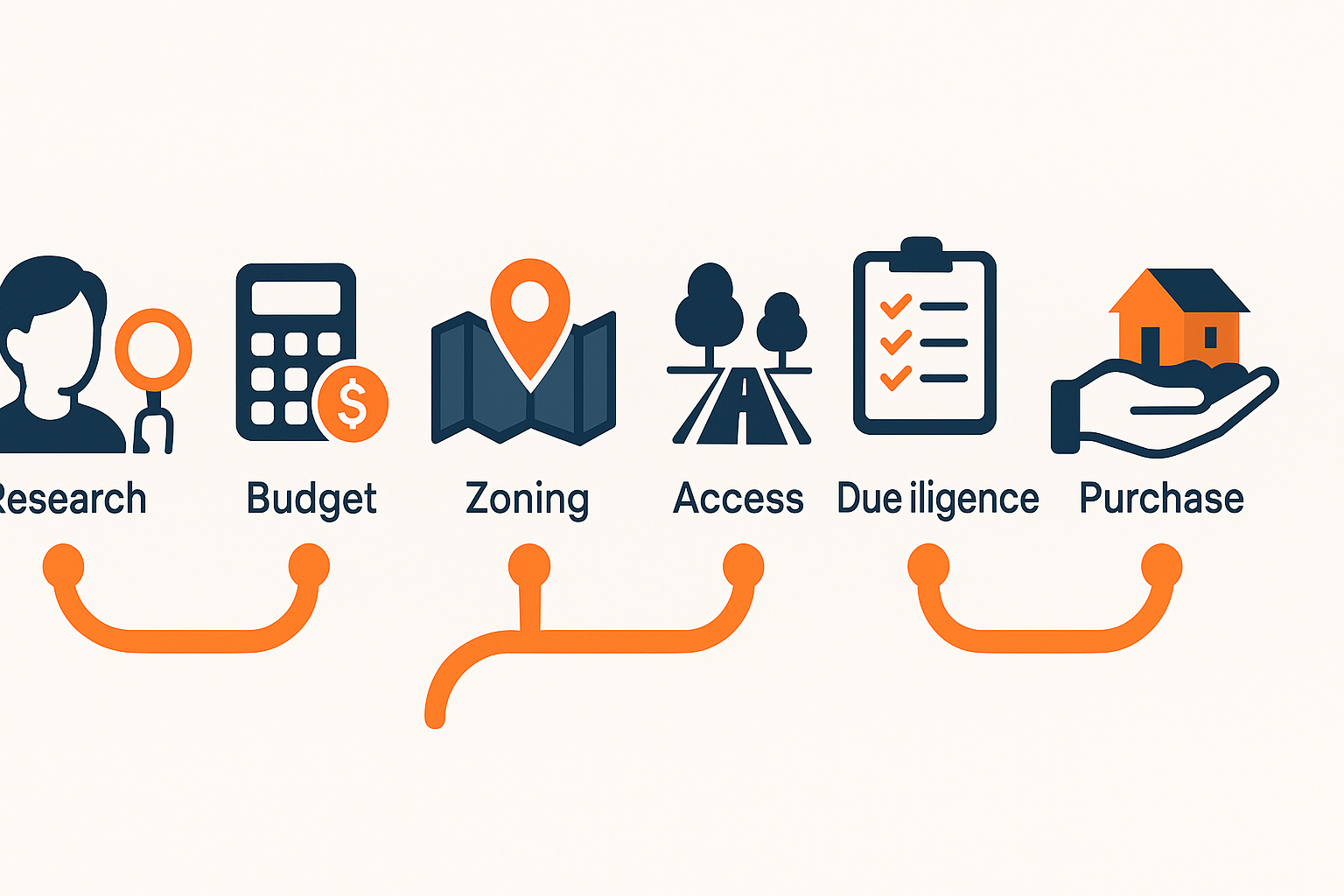
- Define your intended land use and budget.
- Verify seller ownership, land title, and local zoning regulations.
- Have a qualified attorney review all documents before signing.
- Negotiate terms ensuring payment schedules and default remedies are realistic.
- Conduct an independent title search and obtain title insurance.
- Plan for possible refinancing or exit strategies in case your financial situation changes.
By following this workflow and validating key facts upfront, you can confidently move forward with owner financing offers or decide to walk away from deals that carry excessive risk or unfavorable terms.
Additional Help to Move from Reading to Action
Land investing improves with the right strategies and community support. Consider these proven resources to boost your knowledge and acquire actionable skills:
- Dirt Rich book – for foundational land investing principles and owner financing strategies.
- Land Investing Bootcamp – virtual and in-person training with practical exercises.
- Land Geek community – connect with experienced investors for advice and deal insights.



