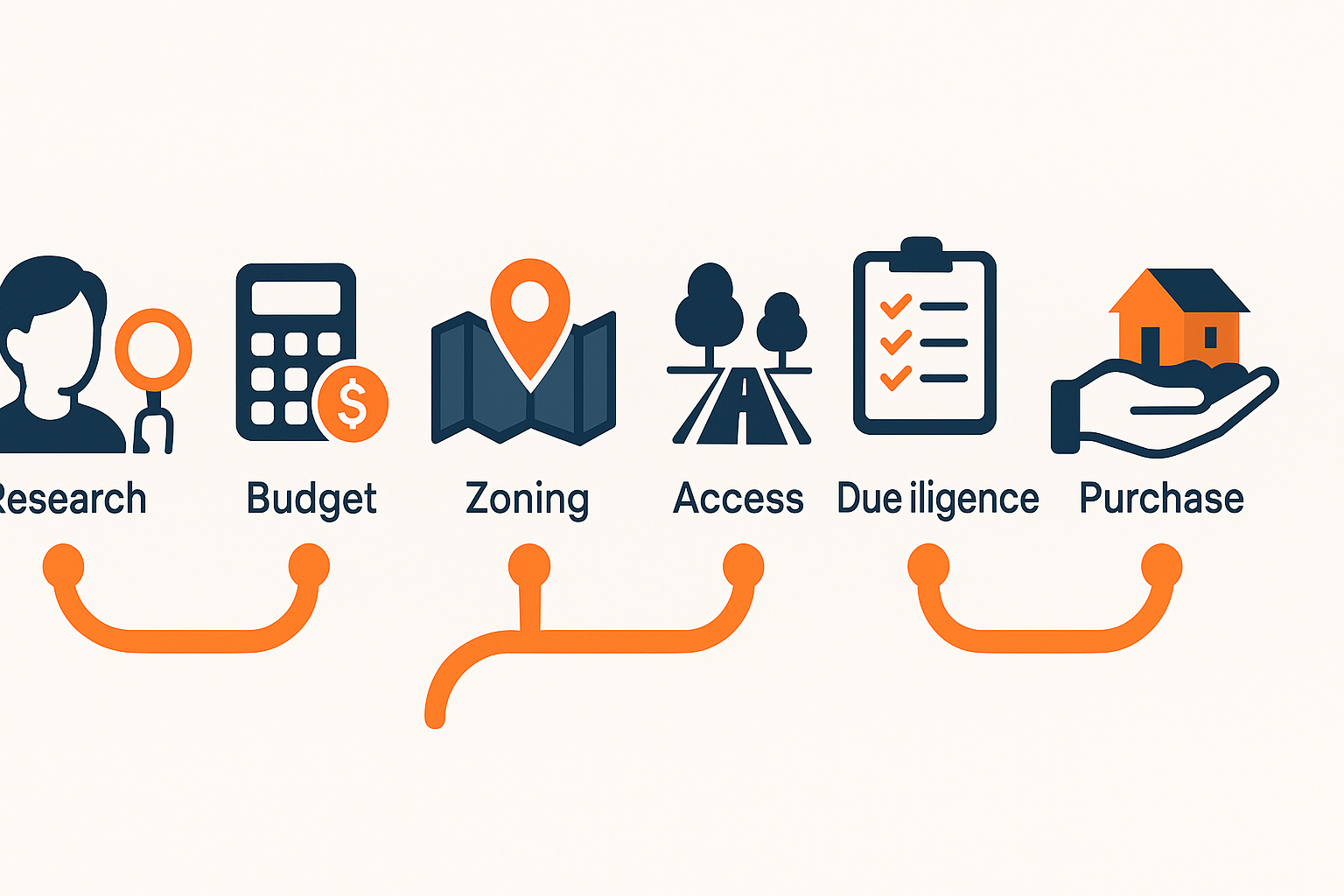
Owner financing for land is an innovative approach that allows buyers to purchase property directly from the seller without the involvement of traditional financing institutions. This method can provide greater flexibility and accessibility for buyers who may face challenges in obtaining conventional loans. Understanding the ins and outs of owner financing can empower potential buyers to make informed decisions, ensuring a smoother transaction process. This comprehensive guide aims to explain various aspects of owner financing, helping buyers navigate this unique purchasing route effectively.
What is Owner Financing for Land?
Owner financing for land is a transaction where the seller finances the purchase for the buyer, allowing for payments to be made directly to the seller rather than a bank or lending institution.
Definition of Owner Financing
Owner financing, also known as seller financing, occurs when the seller of the property provides a loan to the buyer to facilitate the purchase. Instead of relying on a mortgage from a financial institution, the buyer makes payments directly to the seller according to mutually agreed-upon terms. This arrangement can be beneficial for both parties, as it streamlines the buying process and eliminates the need for traditional loan approval hurdles.
How Does Owner Financing Work?
In owner financing arrangements, the seller retains the title of the property until the loan is fully paid off. The buyer makes regular payments, which typically include both principal and interest. The terms of the agreement, such as the interest rate, payment schedule, and loan duration, are negotiated between the buyer and seller. This flexibility allows buyers to customize their payment plans according to their financial situations.
Benefits of Owner Financing
Owner financing offers several advantages, including increased accessibility for buyers who may struggle with traditional financing methods. It can also provide sellers with a quicker sales process and a steady income stream. Additionally, the absence of traditional closing costs and bank fees can make the transaction more economical for both parties.
Why Choose Owner Financing for Land Purchases?
Choosing owner financing for land purchases provides buyers with increased accessibility, flexibility in payment options, and eliminates the need for traditional loan applications.
Accessibility for Buyers
One of the most significant advantages of owner financing is that it opens doors for buyers who may have difficulty securing a conventional loan due to low credit scores or lack of a substantial down payment. This financing method enables more individuals to invest in land, as sellers are often more willing to negotiate terms based on the buyer’s situation rather than strict credit criteria.
Flexible Payment Options
Owner financing allows for a range of payment structures, which can be tailored to fit the buyer’s needs. For instance, buyers may negotiate lower monthly payments, longer payment periods, or even balloon payment options where a larger sum is due at the end of the term. This flexibility can make it easier for buyers to manage their finances while investing in land.
No Need for Traditional Loans
With owner financing, buyers bypass the lengthy and often complicated process of applying for traditional loans. This can save time and reduce stress, making the buying experience more enjoyable. Furthermore, without the need for bank involvement, buyers can often close deals more quickly, allowing them to begin utilizing their land sooner.
What are the Key Terms in Owner Financing Agreements?
Key terms in owner financing agreements typically include the interest rate, down payment requirements, and the duration of the loan, which are essential for understanding the overall cost and payment structure.
Interest Rate
The interest rate in an owner financing agreement is often negotiable and may vary significantly from traditional loan rates. Sellers might charge higher interest rates compared to banks, reflecting the increased risk they take on by financing the buyer directly. It is crucial for buyers to compare these rates with market averages to ensure they are getting a fair deal.
Down Payment
Down payments in owner financing arrangements can vary widely, ranging from 5% to 30% of the property’s purchase price. Buyers should negotiate this term carefully, as a higher down payment can lead to lower monthly payments and overall interest paid over the life of the loan. Sellers may also consider the down payment as a sign of the buyer’s commitment to the purchase.
Loan Term
The loan term in owner financing agreements can range from a few years to several decades. Buyers and sellers should discuss their preferences and financial capabilities to determine a suitable timeframe. A longer loan term may result in lower monthly payments, but it could also mean paying more interest in the long run.
How is Owner Financing Different from Traditional Financing?
Owner financing differs from traditional financing primarily in the approval process, loan structure, and closing costs, offering buyers a unique purchasing experience.
Approval Process
In traditional financing, buyers must undergo a rigorous approval process, including credit checks, income verification, and debt-to-income ratio assessments. In contrast, owner financing allows sellers to set their criteria for approval, often leading to a more lenient and personalized approach that can benefit buyers with less-than-perfect credit histories.
Loan Structure
The loan structure in owner financing can be highly customizable. Buyers and sellers can negotiate terms such as interest rates, payment schedules, and balloon payments, which are less common in traditional financing. This flexibility can make it easier for buyers to find a solution that fits their financial situation.
Closing Costs
Owner financing often incurs fewer closing costs than traditional financing. Without the involvement of banks, buyers may not face origination fees, appraisal costs, or extensive legal fees. However, it is essential for both parties to discuss and agree upon any potential costs upfront to avoid misunderstandings later.
Who Can Offer Owner Financing?
Owner financing can be offered by private landowners, real estate investors, and developers or builders who are motivated to sell their properties directly to buyers.
Private Landowners
Private landowners frequently offer owner financing to attract buyers without requiring them to secure a traditional loan. This approach can be particularly advantageous for those looking to sell quickly or to a broader audience, including buyers who may face financing challenges. Additionally, it can create a steady cash flow for the seller.
Real Estate Investors
Real estate investors often utilize owner financing as a strategy to facilitate quicker sales and enhance their investment portfolios. By offering financing, they can attract a wider range of buyers, leading to a faster transaction process. This method also allows investors to maintain a steady income stream from the payments made by the buyer.
Developers and Builders
Developers and builders may offer owner financing as a means to sell newly developed properties more efficiently. By providing financing options, they can appeal to buyers who might be interested in purchasing properties but lack the means to secure traditional loans. This strategy can help developers move inventory more swiftly while generating income from the financing arrangement.
What Types of Land Can be Purchased with Owner Financing?
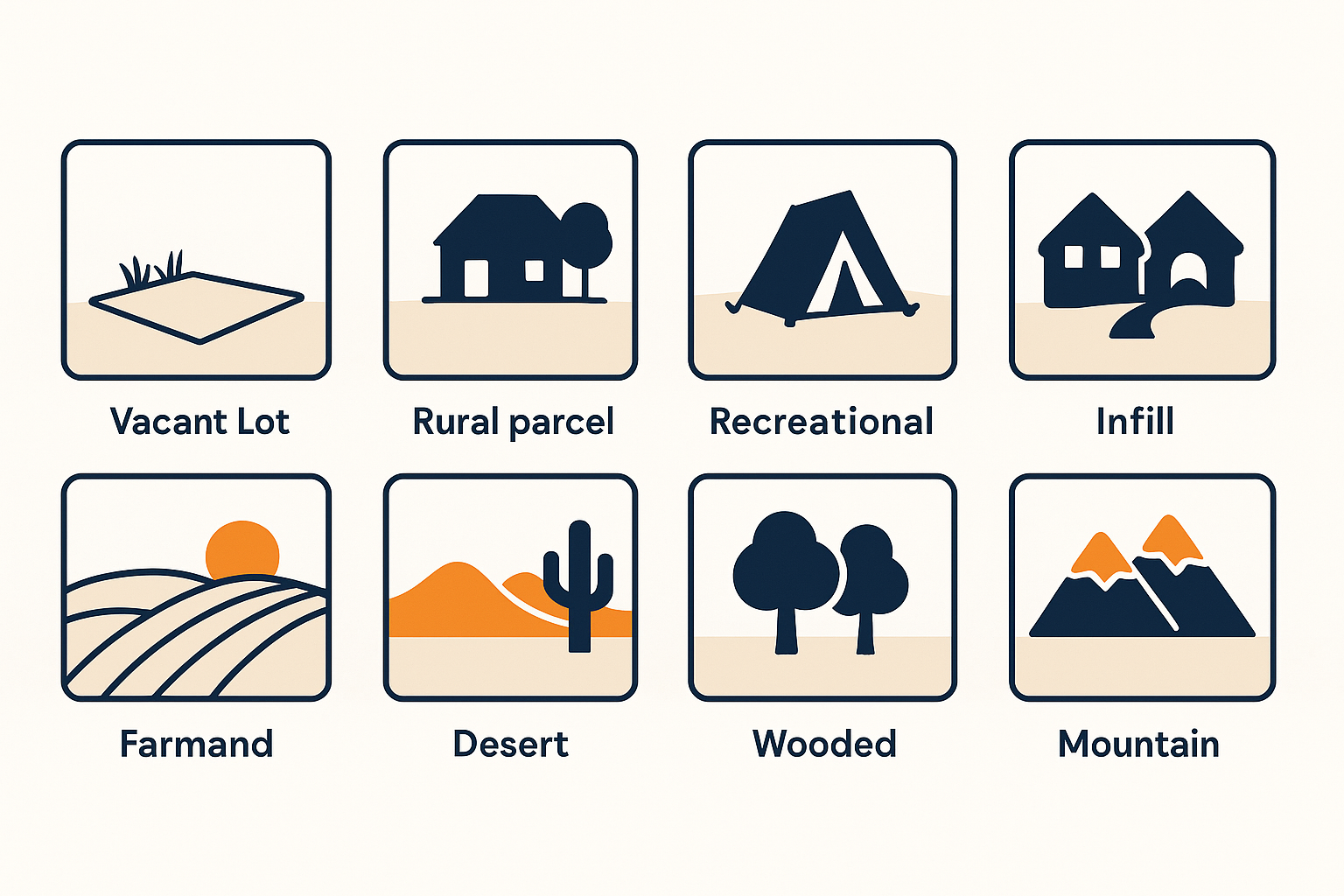
A variety of land types can be purchased through owner financing, including residential lots, recreational land, and commercial land, catering to different buyer needs.
Residential Lots
Residential lots are a popular choice for owner financing, allowing buyers to acquire land for building their dream homes. This type of financing can make it easier for individuals to purchase land in desirable areas where traditional financing may be more difficult to obtain. Additionally, sellers may find residential lots easier to sell if they offer financing options.
Recreational Land
Recreational land, such as parcels for camping, hunting, or fishing, can also be purchased through owner financing. Buyers looking for a getaway property may appreciate the flexibility of owner financing, enabling them to invest in land without the challenges of traditional financing. Sellers of recreational land may find that offering financing attracts more buyers, increasing the likelihood of a sale.
Commercial Land
Commercial land can also be available through owner financing. This option can be appealing for entrepreneurs and business owners seeking to establish or expand their operations. By offering owner financing, sellers can attract a diverse range of buyers and facilitate quicker sales in the competitive commercial real estate market.
What Are Common Misconceptions About Owner Financing?
Common misconceptions about owner financing include beliefs that it is only for individuals with poor credit, that it is too risky, and that the process is overly complicated.
It’s Only for Poor Credit
Many people assume that owner financing is exclusively for buyers with poor credit. While it does provide opportunities for those facing challenges with traditional financing, it is not limited to this demographic. Buyers with good credit may also choose owner financing for its flexibility and ease of transaction.
It’s Too Risky
Some buyers perceive owner financing as risky, fearing potential issues with the seller or the property itself. However, with careful due diligence and a well-structured agreement, many of these risks can be mitigated. Buyers can protect themselves by seeking legal assistance and ensuring clear terms are established in the contract.
It’s Complicated
Another misconception is that owner financing is overly complicated. While it may seem daunting at first, understanding the basic components can simplify the process significantly. By clearly communicating with the seller and ensuring all terms are documented, buyers can navigate the owner financing landscape with confidence.
How Do I Find Owner-Financed Land?
Finding owner-financed land can be accomplished through online listings, real estate agents, and networking within local communities.
Online Listings
Online listings are an excellent starting point for buyers seeking owner-financed land. Various real estate websites and platforms allow sellers to advertise properties with owner financing options. Buyers can filter their searches to find properties that meet their criteria, making it easier to locate suitable land.
Real Estate Agents
Engaging a real estate agent familiar with owner financing can streamline the search for land. Agents can provide valuable insights, access to exclusive listings, and assist in negotiations. Their expertise can help buyers navigate the complexities of owner financing and ensure a smooth purchasing process.
Networking
Networking within local communities can also lead to potential owner-financed land opportunities. Attending real estate investment meetings, local events, or connecting with property owners can uncover hidden gems. Building relationships within the community can yield beneficial contacts and insights into available properties.
What Should I Look for in an Owner Financing Agreement?
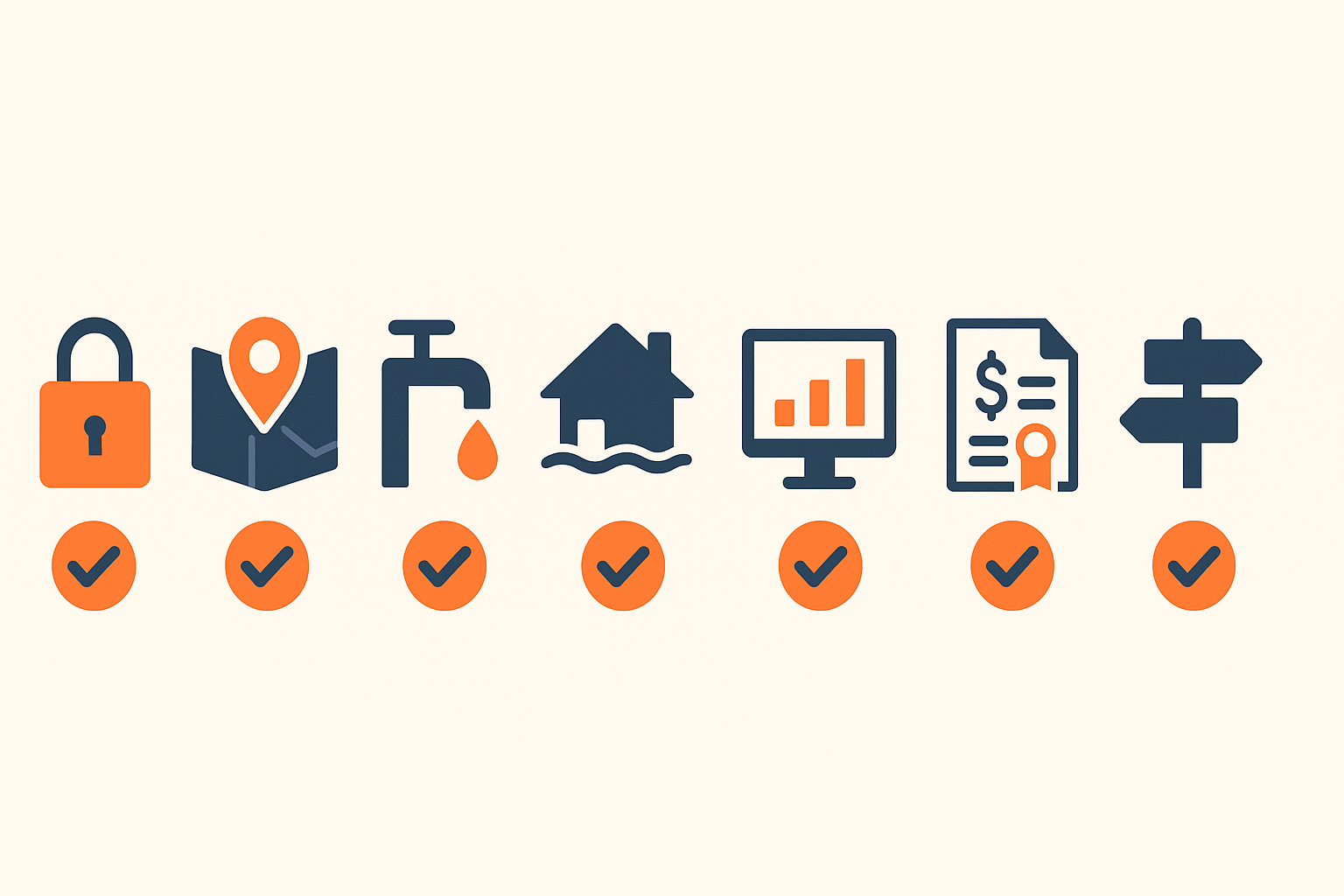
Key aspects to look for in an owner financing agreement include clear terms, a defined payment schedule, and clauses addressing potential defaults.
Clear Terms
Having clearly defined terms in an owner financing agreement is crucial for a successful transaction. This includes detailing the interest rate, loan duration, and payment amounts. Clarity helps prevent misunderstandings and ensures both parties are on the same page regarding their obligations and expectations.
Payment Schedule
A well-defined payment schedule is essential for both the buyer and seller. This schedule should outline when payments are due, the amount, and any applicable penalties for late payments. A transparent payment schedule helps maintain a positive relationship between the parties and reduces the risk of conflict.
Default Clauses
Including default clauses in the agreement is critical for protecting both parties. These clauses should specify the actions that will be taken in the event of a default, such as foreclosure or property repossession. Understanding these terms can help buyers and sellers make informed decisions and mitigate potential risks.
What Are the Risks of Owner Financing?
Risks associated with owner financing include non-payment risk, property transfer issues, and potential legal complications that buyers should be aware of.
Non-Payment Risk
A significant risk in any financing arrangement is the possibility of non-payment by the buyer. If the buyer defaults on the payment, the seller may face challenges in recovering the owed amount. To mitigate this risk, sellers should conduct thorough due diligence on the buyer’s financial situation before entering into an agreement.
Property Transfer Issues
Property transfer issues can arise in owner financing agreements if the terms are not clearly defined. If the buyer defaults or the seller fails to fulfill their obligations, there may be complications in transferring the title. Engaging legal assistance can help ensure that the transfer process adheres to local laws and regulations.
Legal Complications
Legal complications can occur if the agreement does not comply with local laws or if there are disputes between the buyer and seller. It is essential for both parties to understand their rights and responsibilities and to have a legally binding contract in place. Consulting with a legal professional can help navigate these complexities and avoid potential pitfalls.
How Can I Protect Myself in an Owner Financing Deal?
Protecting oneself in an owner financing deal involves seeking legal assistance, obtaining title insurance, and ensuring all agreements are documented in writing.
Legal Assistance
Engaging a legal professional can provide valuable insights and guidance throughout the owner financing process. A lawyer can help draft or review the financing agreement, ensuring that it meets all legal requirements and adequately protects your interests. Their expertise can be instrumental in avoiding future disputes or complications.
Title Insurance
Obtaining title insurance is a crucial step in protecting against potential claims on the property. This insurance can safeguard the buyer from unforeseen issues related to property ownership, such as liens or disputes. Purchasing title insurance provides peace of mind and ensures that the investment is secure.
Written Agreements
Having a written agreement is essential to protect both the buyer and seller. This document should outline all terms, including payment schedules, interest rates, and default clauses. A well-documented agreement provides a clear reference point for both parties and helps prevent misunderstandings.
What Happens If I Default on an Owner Financing Agreement?
If a buyer defaults on an owner financing agreement, there are specific consequences, including potential foreclosure, legal actions, and possible remedies to rectify the situation.
Consequences of Default
Defaulting on an owner financing agreement can lead to severe consequences, including loss of the property. The seller may initiate foreclosure proceedings to reclaim the property if the buyer fails to make payments as agreed. Understanding the implications of default is critical for buyers entering into such agreements.
Foreclosure Process
The foreclosure process for owner-financed properties may differ from traditional foreclosures. Sellers typically must follow a legal process based on state laws, which may involve notifying the buyer and providing them with an opportunity to rectify the default. Buyers should be aware of their rights and the steps involved in this process.
Possible Remedies
In some cases, buyers may have options to remedy the default before facing foreclosure. This could include negotiating a new payment plan with the seller, making a lump-sum payment, or seeking alternative financing to catch up on missed payments. Open communication with the seller can sometimes lead to mutually beneficial solutions.
Can I Refinance an Owner Financed Property?
Yes, refinancing an owner-financed property is possible, but it involves understanding refinancing options, the impact on loan terms, and potential challenges that may arise.
Understanding Refinancing Options
Refinancing an owner-financed property allows buyers to secure a new loan to pay off the existing owner financing agreement. This can be advantageous if interest rates have decreased or if the buyer’s credit has improved. Buyers should research available refinancing options and choose a lender that aligns with their financial goals.
Impact on Terms
Refinancing can significantly impact the terms of the loan, including the interest rate, monthly payments, and loan duration. Buyers should carefully evaluate the new terms to ensure that they provide better financial conditions than the original agreement. It may also be beneficial to consult with a financial advisor to assess the potential benefits and drawbacks.
Common Challenges
Common challenges in refinancing include meeting the lender’s requirements, such as credit score and income verification. Additionally, the property may need to be appraised, which can affect the amount the buyer can refinance. Understanding these potential obstacles can help buyers prepare for the refinancing process and make informed decisions.
What Are the Tax Implications of Owner Financing?
Owner financing carries specific tax implications for both buyers and sellers, including tax responsibilities for buyers, potential tax benefits for sellers, and reporting requirements.
Tax Responsibilities for Buyers
Buyers engaged in owner financing must be aware of their tax responsibilities, including property taxes and interest payments. Interest paid on the loan may be tax-deductible, depending on individual circumstances. Buyers should consult a tax professional to understand their obligations and available deductions.
Tax Benefits for Sellers
Sellers who offer owner financing may benefit from tax advantages, such as spreading the recognition of capital gains over the loan term rather than reporting it all in one year. This can result in a lower tax liability for the seller. Understanding these benefits can help sellers make informed decisions when considering owner financing.
Reporting Requirements
Both buyers and sellers must adhere to specific reporting requirements when engaging in owner financing. Proper documentation of the agreement and payments is essential for tax purposes. Consulting with a tax professional can help ensure compliance with IRS regulations and provide guidance on reporting income from owner financing arrangements.
How to Structure Payments in an Owner Financing Agreement?
Structuring payments in an owner financing agreement can include options for monthly payments, balloon payments, and payment flexibility tailored to both parties’ needs.
Monthly Payments
Monthly payments are a common structure in owner financing agreements, allowing buyers to make regular payments over the loan term. The amount and frequency of these payments should be clearly defined in the agreement to ensure both parties understand their obligations. This predictable payment schedule can help buyers manage their finances effectively.
Balloon Payments
Balloon payments involve making smaller monthly payments for a specified period, followed by a larger lump sum payment at the end of the term. This structure can be beneficial for buyers who anticipate an increase in income or financial situation, allowing them to pay off the loan in one payment. However, buyers should ensure they can meet the balloon payment obligation when it comes due.
Payment Flexibility
Payment flexibility can be a significant advantage of owner financing agreements. Buyers and sellers can negotiate terms that accommodate the buyer’s financial situation, such as seasonal payments or deferred payments. This adaptability can create a more positive purchasing experience and foster a better working relationship between both parties.
What is a Land Contract in Owner Financing?
A land contract is a specific type of owner financing agreement where the seller retains legal title to the property while the buyer makes payments, effectively allowing for ownership rights during the term.
Definition of Land Contract
A land contract, also known as a contract for deed, is a legal agreement where the seller finances the purchase of the property, and the buyer makes payments over time. The seller retains the title until the buyer fulfills their payment obligations, at which point the title is transferred to the buyer. This arrangement can provide security for the seller while allowing the buyer to occupy and use the property.
How It Works
In a land contract, the buyer typically makes a down payment followed by regular monthly payments. The seller remains responsible for the property’s legal title until the loan is paid off. If the buyer defaults on payments, the seller may reclaim the property without going through foreclosure, which can expedite the process for the seller.
Advantages
Land contracts can offer several advantages, including a streamlined process, flexible terms, and reduced closing costs. Buyers can often negotiate more favorable terms compared to traditional financing, while sellers benefit from quicker sales and ongoing income. This arrangement can be a win-win for both parties when structured correctly.
How Do Interest Rates Work in Owner Financing?
Interest rates in owner financing can vary widely and are typically negotiated between the buyer and seller, influenced by market conditions and individual circumstances.
Setting Interest Rates
Interest rates in owner financing agreements are generally determined through negotiation, taking into account the current market rates and the buyer’s financial profile. Sellers may charge higher rates than banks to offset the risk of direct financing. Buyers should research average interest rates in their area to ensure they are receiving a fair offer.
Fixed vs. Variable Rates
Owner financing can involve either fixed or variable interest rates. Fixed rates remain constant throughout the loan term, providing predictability for monthly payments. Conversely, variable rates may fluctuate based on market conditions, which can lead to changes in payment amounts over time. Buyers should carefully consider their preferences and financial stability when choosing between these options.
Market Influences
Market conditions can significantly impact the interest rates offered in owner financing agreements. In a competitive market with high demand, sellers may charge higher rates due to increased buyer interest. Conversely, in a slower market, sellers may be more inclined to offer lower rates to attract buyers. Understanding these dynamics can help buyers negotiate better terms.
What is a Down Payment in Owner Financing?
A down payment in owner financing is an upfront sum paid by the buyer, which can vary based on agreement specifics and negotiation dynamics.
Typical Down Payment Amounts
Down payment amounts in owner financing agreements typically range from 5% to 30% of the property’s purchase price. The specific percentage can depend on various factors, including the buyer’s creditworthiness and the seller’s preferences. Buyers should be prepared to discuss and negotiate down payment amounts to find a suitable arrangement.
Negotiating Down Payments
Buyers can often negotiate down payments when entering into owner financing agreements. Factors such as the buyer’s financial situation and the seller’s urgency to sell can influence these negotiations. A larger down payment can benefit buyers by lowering monthly payments and overall interest paid, making it a strategic consideration during discussions.
Impact on Financing
The size of the down payment can significantly impact the overall financing arrangement. A larger down payment typically leads to lower monthly payments and less interest over the loan’s life. Conversely, a smaller down payment may result in higher payments and increased overall costs. Buyers should carefully assess their financial capabilities before finalizing the down payment amount.
How Long Does an Owner Financing Agreement Last?
The duration of an owner financing agreement can vary widely, typically ranging from a few years to several decades, depending on the agreement between the buyer and seller.
Typical Loan Terms
Owner financing agreements generally have loan terms that can range from three to thirty years. Shorter terms may result in higher monthly payments but allow buyers to pay off the property more quickly. Conversely, longer terms usually involve lower monthly payments but may lead to higher overall interest costs.
Factors Affecting Duration
Several factors can influence the duration of an owner financing agreement, including the buyer’s financial situation, seller preferences, and market conditions. Buyers seeking lower monthly payments may opt for longer terms, while sellers looking to sell quickly may prefer shorter terms. Open communication during negotiations can help both parties reach an agreeable duration.
Renewal Options
Some owner financing agreements may include renewal options, allowing buyers to extend the term if they need more time to pay off the loan. This flexibility can be beneficial for buyers facing unforeseen financial challenges. However, both parties should discuss and document any renewal options to avoid misunderstandings later.
What Should Buyers Know About Closing Costs?
Buyers should be aware of typical closing costs in owner financing, the potential for negotiation, and who is responsible for covering these expenses.
Typical Closing Costs in Owner Financing
Closing costs in owner financing arrangements can vary but are often lower than those associated with traditional financing. Common costs include legal fees, title insurance, and recording fees. Buyers should inquire about these costs upfront to budget accordingly and ensure transparency throughout the transaction.
Negotiating Costs
Buyers have the opportunity to negotiate closing costs with the seller during the owner financing process. This could involve agreeing on who will cover specific expenses or finding ways to reduce overall costs. Effective negotiation can lead to a more favorable financial outcome for both parties in the transaction.
Who Pays What
Typically, both the buyer and seller may share closing costs in an owner financing agreement, but the specifics can vary based on negotiation outcomes. Buyers should clarify responsibilities for costs like title insurance, legal fees, and recording fees to prevent misunderstandings. A clear agreement on who pays what can contribute to a smoother closing process.
Can Owner Financing Be Used for Vacant Land?
Yes, owner financing can be used for vacant land purchases, making it a feasible option for buyers interested in investing in undeveloped properties.
Vacant Land Financing Options
Owner financing is often a practical solution for purchasing vacant land, especially in areas where traditional financing may be limited. Sellers of vacant land are frequently open to financing options to attract buyers and expedite the sale. This flexibility can provide opportunities for buyers to invest in land without the constraints of conventional loans.
Considerations for Buyers
When considering owner financing for vacant land, buyers should assess factors such as land use, zoning regulations, and future development potential. Understanding these elements is essential for making informed investment decisions. Additionally, buyers should conduct thorough due diligence to confirm that the land meets their needs and expectations.
Potential Pitfalls
While owner financing for vacant land can be advantageous, buyers should be cautious of potential pitfalls, such as unclear property boundaries or zoning restrictions. Engaging a real estate professional or legal counsel can help mitigate these risks by ensuring that all necessary research is conducted before finalizing the purchase.
What Are the Benefits of Owner Financing for Sellers?
Owner financing can provide numerous benefits for sellers, including a faster sales process, a steady income stream, and the ability to attract more buyers.
Faster Sales Process
Offering owner financing can significantly expedite the sales process, as it appeals to a broader range of potential buyers. Sellers can attract buyers who may not qualify for traditional financing, leading to quicker transactions. This efficiency can be especially beneficial for sellers looking to move their properties quickly and efficiently.
Steady Income Stream
By providing financing to buyers, sellers can create a steady income stream from monthly payments. This arrangement can be particularly advantageous for sellers who are looking for passive income opportunities or retirement income. The predictable cash flow can help sellers manage their finances more effectively and achieve their financial goals.
Attracting More Buyers
Owner financing can widen the seller’s pool of potential buyers, as it appeals to those who may face challenges securing traditional loans. This increased interest can lead to higher offers and a more competitive sales environment. Sellers can leverage owner financing to make their properties more attractive and enhance their chances of a successful sale.
What Documentation is Required for Owner Financing?
Documentation required for owner financing typically includes essential documents, legal requirements, and best practices to ensure a smooth transaction.
Essential Documents
Essential documents for owner financing arrangements include the purchase agreement, promissory note, and mortgage or deed of trust. These documents outline the terms of the financing agreement and protect the interests of both parties. Proper documentation is critical to ensure that all aspects of the transaction are legally binding and enforceable.
Legal Requirements
Each state may have specific legal requirements for owner financing transactions. Buyers and sellers should familiarize themselves with local regulations to ensure compliance. This may include recording the mortgage or deed of trust with the appropriate governmental authority to establish legal rights to the property.
Best Practices
Best practices for owner financing documentation include working with legal professionals to draft and review all agreements, ensuring that terms are clearly defined and understood. Both parties should retain copies of all documents for their records. This diligence can help prevent misunderstandings and protect the interests of both buyer and seller throughout the transaction.
How Do I Negotiate an Owner Financing Deal?
Negotiating an owner financing deal involves effective communication, understanding the seller’s needs, and creating win-win solutions that benefit both parties.
Tips for Successful Negotiation
Successful negotiation begins with thorough preparation and understanding the local real estate market. Buyers should research comparable properties and financing terms to present a compelling case to the seller. Clear communication of their financial situation and expectations can also foster trust and facilitate a more productive negotiation process.
Understanding Seller’s Needs
Understanding the seller’s motivations and needs can provide valuable insights during negotiations. Sellers may be looking for a quick sale, steady income, or specific terms that suit their financial situation. By addressing these needs, buyers can create tailored offers that resonate with the seller, increasing the likelihood of a successful agreement.
Creating Win-Win Solutions
Creating win-win solutions is essential in owner financing negotiations. Both the buyer and seller should feel satisfied with the terms of the agreement to foster a positive relationship. This may involve flexibility on payment structures, interest rates, or other terms to find a mutually beneficial arrangement that meets both parties’ needs.
What Happens After the Owner Financing Agreement is Signed?
After signing an owner financing agreement, the payment schedule commences, property management responsibilities are established, and both parties should maintain accurate record-keeping practices.
Payment Schedule Commencement
Once the agreement is signed, the buyer should begin making payments according to the established schedule. Timely payments are crucial to maintaining a positive relationship with the seller and fulfilling the terms of the agreement. Buyers should set reminders or automate payments to avoid late fees and potential default situations.
Property Management Responsibilities
In owner financing arrangements, the buyer typically assumes property management responsibilities, including maintenance, property taxes, and insurance. Clear communication regarding these responsibilities is essential to ensure both parties understand their obligations. Buyers should familiarize themselves with local regulations and best practices for property management.
Record Keeping
Accurate record-keeping is vital in owner financing agreements. Both parties should maintain copies of all payments made, along with any correspondence related to the agreement. This documentation can serve as a reference in case of disputes or misunderstandings and can be invaluable for tax purposes.
Can I Sell Owner Financed Land?
Yes, it is possible to sell owner-financed land, but it involves transferring the agreement, understanding the re-selling process, and addressing potential complications.
Transfer of Agreement
When selling owner-financed land, the existing financing agreement can often be transferred to the new buyer. This process typically requires the consent of both the seller and the buyer, as well as legal documentation to formalize the transfer. Properly transferring the agreement ensures that the new buyer assumes the same terms and conditions.
Re-selling Process
The re-selling process for owner-financed land may differ from traditional sales due to the existing financing arrangement. Sellers should clearly communicate the terms of the financing to potential buyers and be prepared to outline the benefits of the existing agreement. Transparency is key to ensuring a smooth transition and maintaining buyer interest.
Potential Complications
Potential complications may arise during the sale of owner-financed land, such as buyer qualifications and the existing buyer’s payment history. Sellers should be prepared to address these issues and provide necessary documentation to facilitate the sale. Working with a real estate professional can help navigate these complexities and ensure a successful transaction.
What Resources Are Available for Owner Financing?
Various resources are available for individuals interested in owner financing, including online tools, financial advisors, and educational materials related to real estate investing.
Online Tools
Online tools can assist buyers and sellers in understanding owner financing options, including calculators for determining payment structures and interest rates. These resources can help individuals plan their financing strategies and make informed decisions when entering into agreements. Many real estate websites also provide valuable insights into current market trends and opportunities.
Financial Advisors
Engaging a financial advisor with expertise in real estate can provide tailored guidance for those considering owner financing. Advisors can help individuals assess their financial situations, explore financing options, and develop strategies for successful real estate investments. Their insights can be invaluable in navigating the complexities of owner financing.
Real Estate Education
Many organizations and online platforms offer educational resources related to real estate investing and owner financing. These materials can include articles, webinars, and courses that cover various aspects of the process, from negotiation to legal considerations. Continuous learning can empower individuals to make informed decisions and enhance their real estate knowledge.
Mini FAQ
What is owner financing? Owner financing is a method where the seller provides financing directly to the buyer, allowing for payments to be made without traditional bank involvement.
Who can offer owner financing? Owner financing can be offered by private landowners, real estate investors, and developers.
Can I refinance an owner-financed property? Yes, refinancing an owner-financed property is possible, and it involves understanding refinancing options and potential challenges.
What types of land can be purchased with owner financing? Owner financing can be used for residential lots, recreational land, and commercial properties.
What are the risks of owner financing? Risks include non-payment, property transfer issues, and potential legal complications.
How do I protect myself in an owner financing deal? Protect yourself by seeking legal assistance, obtaining title insurance, and ensuring all agreements are documented in writing.
What should I look for in an owner financing agreement? Look for clear terms, a defined payment schedule, and default clauses to ensure a smooth transaction.
What should you do next to move from reading to taking action?
Land investing gets easier when you follow a clear process and use proven resources. These are the fastest ways to learn the steps, avoid common mistakes, and move toward your first deal with confidence.



