
When it comes to investing in land versus real estate, understanding the nuances of each option can significantly impact your financial strategy. Both asset classes offer unique benefits and risks, but they also differ in terms of investment approach, market dynamics, and long-term potential. This comprehensive guide will explore the key differences and similarities between land investing and real estate investing, providing insights to help you make informed decisions.
What is Land Investing?
Land investing involves purchasing parcels of land for various purposes, such as future development, agriculture, or holding as an investment asset. It is often seen as a long-term strategy that can yield significant returns based on land appreciation and demand.
Definition of Land Investing
Land investing refers to the acquisition of undeveloped or developed land with the intention of making a profit. Investors may buy land for various purposes, including residential, commercial, agricultural, or recreational use. The investment strategy can vary widely, from purchasing raw land to holding it for appreciation or developing it for specific uses.
Types of Land Investments
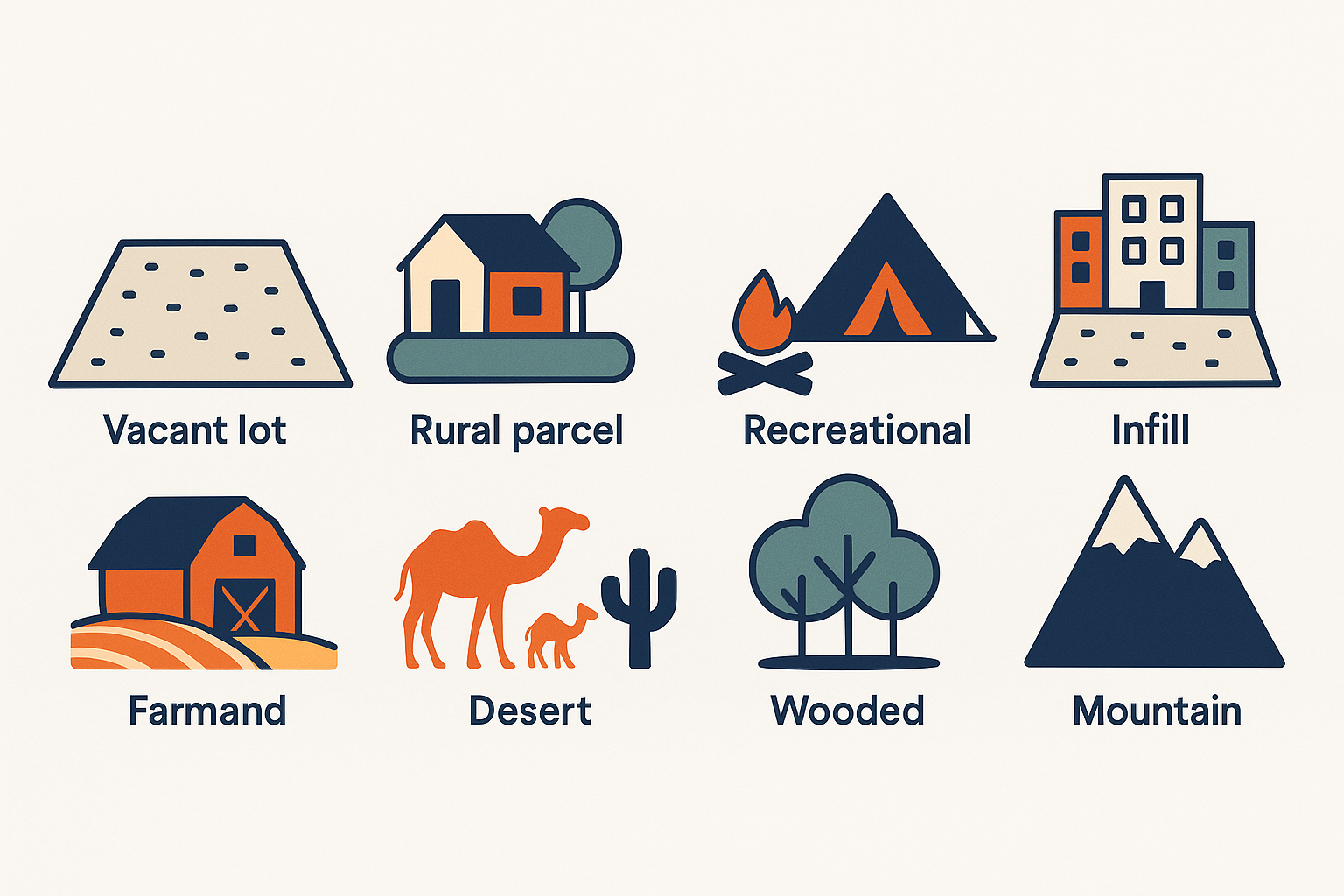
There are several types of land investments, including raw land, infill lots, agricultural land, and recreational land. Raw land is often unimproved and may require significant investment to develop. Infill lots are parcels located within existing urban areas, while agricultural land is used for farming. Recreational land may include parcels for camping, hunting, or other outdoor activities.
Benefits of Land Investing
One of the primary benefits of land investing is the potential for appreciation over time, especially in growing areas. Land is a finite resource, which can lead to increased demand and value. Additionally, land typically requires less maintenance than developed properties, making it easier for investors to manage. The lower initial costs compared to real estate also make it an appealing option for many investors.
What is Real Estate Investing?
Real estate investing involves purchasing properties for the purpose of generating income, appreciation, or both. This can include residential, commercial, or industrial properties, often requiring ongoing management and maintenance to ensure profitability.
Definition of Real Estate Investing
Real estate investing encompasses the purchase, ownership, management, and sale of properties for profit. Investors can acquire residential properties, such as single-family homes or multifamily units, as well as commercial properties, including office buildings, retail spaces, and warehouses. The aim is to generate rental income and benefit from property value appreciation over time.
Types of Real Estate Investments
There are several types of real estate investments, including residential, commercial, industrial, and retail properties. Residential investments often focus on renting or flipping homes, while commercial investments target office spaces or retail outlets. Industrial properties may include warehouses or manufacturing facilities, and retail investments involve shopping centers and storefronts.
Benefits of Real Estate Investing
Real estate investing offers benefits such as a steady cash flow from rental income, potential appreciation of property values, and various tax deductions. Investors can leverage properties for additional financing and enjoy the tangible ownership of physical assets. Additionally, real estate can act as a hedge against inflation, making it a popular choice for many investors.
How Do Land Investing and Real Estate Investing Differ?
Land investing and real estate investing differ significantly in terms of investment type, market dynamics, and strategies employed. Understanding these differences can help investors choose the right path based on their financial goals and risk tolerance.
Key Differences in Investment Type
The primary difference between land and real estate investing lies in the type of asset being purchased. Land investing focuses on acquiring vacant or undeveloped parcels, while real estate investing involves purchasing properties that may require ongoing management and improvement. Land investments can often be less complex, with fewer regulatory hurdles compared to developed properties.
Differences in Market Dynamics
Market dynamics vary significantly between land and real estate investments. Land markets tend to be influenced by factors such as zoning regulations, land use policies, and geographic demand. In contrast, real estate markets are often impacted by interest rates, housing supply and demand, and economic conditions, leading to different investment cycles and trends.
Variations in Investment Strategies
Investment strategies also differ between land and real estate. Land investors may focus on long-term appreciation, while real estate investors often seek immediate cash flow through rental income. Strategies for land investing may involve holding for appreciation or developing the land, whereas real estate investing strategies can include flipping properties or managing rental units for consistent income.
What Are the Financial Benefits of Land Investing?
Land investing offers several financial benefits, including lower initial costs, the potential for high returns, and tax advantages. These factors make it an attractive option for investors looking to diversify their portfolios.
Lower Initial Costs
One of the most significant financial benefits of land investing is the lower initial cost compared to purchasing developed real estate. Raw land often requires less capital upfront, making it accessible for new investors. This lower barrier to entry allows investors to diversify their portfolios without the need for substantial financing.
Potential for High Returns
Investors in land often experience the potential for high returns due to the appreciation of property values over time. As demand for land increases, particularly in growing areas, investors can sell their parcels at a premium. This potential for significant profit makes land investing an appealing option for those willing to hold their investment long-term.
Tax Benefits
Land investors may benefit from various tax advantages, including the ability to defer capital gains taxes through 1031 exchanges. Additionally, property taxes on vacant land can be lower than those on developed properties, providing further financial benefits. Understanding the tax implications is essential for maximizing returns on land investments.
What Are the Financial Benefits of Real Estate Investing?
Real estate investing provides financial benefits such as steady cash flow, property appreciation, and tax deductions, which can significantly enhance an investor’s overall returns and financial stability.
Steady Cash Flow
One of the most attractive financial benefits of real estate investing is the potential for consistent cash flow through rental income. This revenue can provide a reliable source of income, enabling investors to cover expenses, reinvest in additional properties, or enjoy personal financial gains. The predictability of cash flow is often a significant factor in investor decision-making.
Appreciation Over Time
Real estate properties tend to appreciate in value over time, contributing to the overall wealth of an investor. Factors such as location, property improvements, and market demand can all influence property values. Investors who hold their properties for extended periods often see substantial increases in value, which can lead to lucrative returns when selling.
Tax Deductions
Real estate investors can take advantage of various tax deductions, including mortgage interest, property depreciation, and expenses related to property management. These deductions can significantly reduce taxable income, enhancing overall profitability. Investors should consult with a tax professional to fully understand the benefits and ensure compliance with tax regulations.
What Are the Risks Associated with Land Investing?
Land investing comes with certain risks, including market fluctuations, development challenges, and property maintenance issues. Being aware of these risks can help investors make informed decisions and develop appropriate strategies.
Market Fluctuations
Market fluctuations can significantly impact land values and investment returns. Economic downturns, changes in zoning laws, or shifts in demand can lead to decreased property values. Investors should conduct thorough research before purchasing land and consider market trends to mitigate potential risks.
Development Challenges
Investors looking to develop land may encounter various challenges, including obtaining permits, adhering to zoning regulations, and managing construction costs. These challenges can delay projects and increase overall expenses, impacting potential returns. Understanding local regulations and working with experienced professionals can help mitigate these risks.
Property Maintenance
While land typically requires less maintenance than developed properties, it is not entirely maintenance-free. Investors must manage issues such as environmental concerns, access rights, and potential trespassing. Proper management and monitoring of the land are essential to protect the investment and ensure long-term value.
What Are the Risks Associated with Real Estate Investing?
Real estate investing involves risks such as market volatility, tenant issues, and property management costs. Recognizing these risks can help investors develop strategies to protect their investments.
Market Volatility
Real estate markets can be volatile, influenced by economic cycles, interest rates, and local market conditions. Investors may experience fluctuations in property values, affecting their investment returns. Staying informed about market trends and diversifying investments can help mitigate risks associated with market volatility.
Tenant Issues
Managing tenants can present challenges, including late payments, property damage, or disputes. These issues can negatively impact cash flow and require additional time and resources to resolve. Establishing clear rental agreements and conducting thorough tenant screenings can help minimize potential problems.
Property Management Costs
Real estate ownership often involves ongoing management costs, including maintenance, repairs, and property taxes. These expenses can eat into profits, particularly for investors who do not have a clear management strategy. Understanding and budgeting for these costs is essential for maintaining profitability in real estate investments.
How Do the Investment Strategies Differ?
Investment strategies for land and real estate differ significantly, focusing on varying goals, timelines, and management approaches. Understanding these variations can help investors align their strategies with their financial objectives.
Strategies for Land Investing
Land investors typically adopt long-term strategies focused on appreciation or development. This may involve purchasing raw land in emerging areas and holding it until market demand increases. Other strategies include subdividing land for resale or developing it for specific uses, such as residential or commercial projects.
Strategies for Real Estate Investing
Real estate investors often employ diverse strategies, including buy-and-hold, flipping properties, or investing in rental units. Each strategy requires different management approaches, timelines, and financial goals. Investors should evaluate their risk tolerance and investment objectives to choose the most suitable strategy.
Long-Term vs Short-Term Focus
Land investing usually emphasizes long-term appreciation, while real estate investing can focus on both short-term and long-term strategies. Investors may choose to flip properties for quick profits or hold them for extended periods to benefit from rental income and appreciation. Understanding the time horizon is crucial for effective investment planning.
What is the Time Commitment for Land Investing?
The time commitment for land investing can vary based on the investor’s strategy, with initial research and acquisition being the most time-intensive phases. Ongoing management typically requires less time than developed properties.

Research and Acquisition
Investors must dedicate significant time to researching potential land purchases, including market analysis and identifying suitable locations. This phase involves gathering data, evaluating land characteristics, and understanding zoning regulations. A thorough research process is critical for making informed investment decisions.
Development Timeframes
If investors choose to develop their land, they should anticipate a lengthy timeframe for obtaining permits and completing construction. Development projects can take months or even years to finalize, depending on local regulations and the complexity of the project. Investors should be prepared for this extended commitment and plan accordingly.
Ongoing Management
Once acquired, land typically requires less ongoing management compared to developed properties. Investors may need to manage taxes, monitor land use, or address environmental concerns, but there are usually fewer day-to-day responsibilities. This aspect of land investing can appeal to those looking for a more passive investment approach.
What is the Time Commitment for Real Estate Investing?
Real estate investing often demands a higher time commitment due to the intricacies of property acquisition, tenant management, and market monitoring. Understanding these time requirements is essential for effective investment management.
Property Acquisition Process
The process of acquiring real estate can be time-consuming, involving property searches, negotiations, inspections, and financing arrangements. Investors should be prepared to invest time in due diligence to ensure they make sound investment choices. This process is crucial for maximizing potential returns and minimizing risks.
Tenant Management
Managing tenants can require significant time and effort, particularly for residential rental properties. This includes conducting tenant screenings, handling lease agreements, and addressing tenant concerns. Investors should recognize the importance of dedicated management to maintain positive tenant relationships and ensure steady cash flow.
Market Monitoring
Real estate investors need to stay informed about market trends and economic conditions that could affect their properties. This involves ongoing research and analysis to identify emerging opportunities and potential risks. A proactive approach to market monitoring can help investors make timely adjustments to their strategies.
How Do Financing Options Compare?
Financing options for land investing and real estate investing can differ in terms of availability, terms, and requirements. Understanding these differences can help investors choose the best financing approach for their needs.
Financing for Land Investments
Financing land investments can be more challenging than traditional real estate financing, as lenders may perceive land as a higher risk. Options include cash purchases, bank loans, or seller financing. Investors should be prepared to provide detailed plans for land use or development to secure financing.
Financing for Real Estate Investments
Real estate investors have access to a broader range of financing options, including conventional mortgages, commercial loans, and private financing. These options often come with competitive interest rates and flexible terms, making it easier for investors to acquire properties. Understanding the financing landscape is crucial for maximizing investment potential.
Creative Financing Strategies
Both land and real estate investors can benefit from creative financing strategies, such as lease options, seller financing, or partnerships. These approaches can help investors secure properties without significant upfront capital. Exploring various financing methods can enhance investment opportunities and increase overall returns.
What Are the Legal Considerations in Land Investing?
Legal considerations in land investing include zoning laws, land use regulations, and title issues. Understanding these factors is essential for ensuring compliance and protecting your investment.
Zoning Laws
Zoning laws dictate how land can be used and what types of developments are permitted. Investors must familiarize themselves with local zoning regulations to ensure their intended use aligns with zoning classifications. Non-compliance can lead to legal challenges and hinder development plans.
Land Use Regulations
In addition to zoning laws, land use regulations govern environmental protections and land development practices. Investors should research these regulations to avoid potential pitfalls and ensure responsible land management. Compliance with these laws is essential to maintain the long-term value of land investments.
Title and Ownership Issues
Title and ownership issues can arise in land transactions, including disputes over boundaries or easements. Conducting thorough title searches and obtaining title insurance can help mitigate these risks. Investors should also be aware of any liens or encumbrances that may affect their ownership rights.
What Are the Legal Considerations in Real Estate Investing?
Legal considerations in real estate investing encompass property laws, tenant rights, and contractual agreements. Understanding these factors is crucial for successful property management and compliance.
Property Laws
Property laws govern the ownership and transfer of real estate, including issues related to deeds, mortgages, and property rights. Investors should familiarize themselves with local laws to ensure compliance and protect their investments. Knowledge of property laws is essential for navigating the complexities of real estate transactions.
Tenant Rights
Understanding tenant rights is critical for real estate investors, as these laws vary by jurisdiction. Investors must comply with fair housing regulations and provide safe living conditions for tenants. Being aware of tenant rights can help prevent legal disputes and promote positive landlord-tenant relationships.
Contracts and Agreements
Contracts and agreements play a vital role in real estate investing, outlining the terms of purchases, leases, and property management. Investors should ensure that all contracts are legally sound and clearly define the responsibilities of all parties involved. Consulting with a real estate attorney can help mitigate risks associated with contractual agreements.
How Do Market Trends Affect Land Investing?
Market trends significantly impact land investing, influencing property values, demand, and investment strategies. Staying informed about these trends is essential for making sound investment decisions.
Impact of Economic Changes
Economic changes, such as recessions or booms, can directly affect land values and demand. During economic downturns, land prices may decrease due to lower demand, while economic growth can drive up prices. Investors should monitor economic indicators to anticipate shifts in the land market.
Trends in Land Value
Land values are influenced by various factors, including location, accessibility, and zoning regulations. Emerging trends, such as urbanization and population growth, can increase demand for land in specific areas. Understanding these trends can help investors identify lucrative opportunities.
Market Demand
Market demand for land can fluctuate based on demographic trends, economic conditions, and development opportunities. Investors should analyze local market conditions to gauge demand and adjust their strategies accordingly. Recognizing shifts in demand can lead to timely investment decisions and increased profitability.
How Do Market Trends Affect Real Estate Investing?
Market trends play a crucial role in shaping real estate investing, impacting property values, rental demand, and investment strategies. Understanding these trends is vital for successful real estate investments.
Housing Market Trends
Housing market trends, including supply and demand dynamics, interest rates, and buyer preferences, can significantly influence real estate investments. Investors should stay informed about these trends to make strategic decisions regarding property acquisitions and sales. A strong understanding of the housing market can lead to profitable investment opportunities.
Impact of Economic Indicators
Economic indicators, such as unemployment rates, inflation, and GDP growth, can affect the real estate market. Positive economic conditions often lead to increased buyer confidence and higher property values, while negative indicators can lead to declines. Monitoring these indicators can help investors anticipate changes in the real estate landscape.
Regional Variations
Regional variations in real estate markets can lead to different investment opportunities and risks. Some areas may experience rapid growth, while others may face stagnation or decline. Investors should conduct thorough research on regional trends to identify the best markets for investment.
What Are the Tax Implications of Land Investing?
Tax implications of land investing can significantly impact overall returns, including property taxes, capital gains tax, and opportunities for tax deferrals through strategies like 1031 exchanges. Understanding these implications is essential for maximizing investment benefits.
Property Taxes
Property taxes on land can vary based on location and zoning classifications. Investors should be aware of the ongoing tax obligations associated with land ownership and factor these costs into their overall investment strategy. Researching local tax rates and regulations is crucial for accurate financial planning.
Capital Gains Tax
When selling land, investors may be subject to capital gains tax on the profits earned from the sale. Understanding the tax implications of capital gains is vital for effective tax planning. Investors should consider strategies such as holding land for longer periods to potentially qualify for lower tax rates.
1031 Exchange Opportunities
Investors in land can take advantage of 1031 exchanges, allowing them to defer capital gains taxes by reinvesting profits into similar properties. This strategy can help investors grow their portfolios while minimizing tax liabilities. Consulting with a tax professional can provide valuable insights into utilizing 1031 exchanges effectively.
What Are the Tax Implications of Real Estate Investing?
Tax implications of real estate investing include rental income tax, depreciation benefits, and various deductions that can enhance an investor’s financial position. Understanding these implications is vital for effective tax management.
Rental Income Tax
Rental income is generally subject to taxation, and investors must report this income on their tax returns. Understanding how rental income is taxed is essential for accurate financial planning. Investors should also consider strategies to offset taxable income through deductions and expenses.
Depreciation Benefits
Real estate investors can benefit from depreciation, which allows them to deduct a portion of the property’s value over time. This can significantly reduce taxable income and enhance cash flow. Familiarity with depreciation rules and calculations is important for maximizing tax benefits.
Tax Deductions
Real estate investors can take advantage of various tax deductions, including mortgage interest, property management expenses, and repair costs. These deductions can lower taxable income and improve overall profitability. Keeping accurate records and receipts is crucial for effectively claiming deductions on tax returns.
How Do You Evaluate Land Value?
Evaluating land value involves several methods, including comparative market analysis, land appraisal techniques, and assessing factors that influence value. A comprehensive evaluation is essential for making informed investment decisions.
Comparative Market Analysis
A comparative market analysis (CMA) involves analyzing recent sales of similar properties in the area to estimate land value. This technique considers factors such as location, size, and zoning to determine a fair market price. A well-conducted CMA can provide valuable insights for potential investors.
Land Appraisal Methods
Land appraisal methods, such as the income approach, cost approach, and sales comparison approach, can help determine land value. Each method offers different perspectives on value, and a combination of approaches may yield the most accurate assessment. Engaging a certified appraiser can help ensure a thorough evaluation.
Factors Affecting Land Value
Several factors can influence land value, including location, accessibility, zoning regulations, and market demand. Investors should consider these factors when evaluating potential investments. Understanding the elements that affect land value can lead to more informed purchasing decisions.
How Do You Evaluate Real Estate Value?
Evaluating real estate value involves various methods, including property appraisal techniques, market analysis, and investment return calculations. A comprehensive evaluation is essential for making sound investment decisions.
Property Appraisal Methods
Property appraisal methods, such as the sales comparison approach, income approach, and cost approach, can help determine real estate value. Each method provides a different perspective on property worth, and using multiple approaches can yield a more accurate valuation. Working with a licensed appraiser is often advisable for accurate assessments.
Market Analysis
Conducting a market analysis involves evaluating local market trends, property values, and economic indicators to assess real estate value. Understanding market dynamics can help investors identify opportunities and set realistic price expectations. A thorough market analysis is crucial for informed decision-making.
Investment Return Calculations
Calculating potential investment returns is essential for evaluating real estate value. Factors such as rental income, operating expenses, and property appreciation should be considered. Investors can use metrics such as cap rate and cash-on-cash return to assess profitability and make informed investment decisions.
What Are the Best Locations for Land Investing?
The best locations for land investing depend on various factors, including rural versus urban areas, growth potential, and zoning considerations. Identifying optimal locations can enhance investment success.
Rural vs Urban Areas
Investors must weigh the benefits of rural versus urban land investments. Rural areas may offer lower purchase prices and potential for future appreciation as demand increases. Urban areas, on the other hand, often provide immediate demand and development opportunities, albeit at higher costs. Understanding the trade-offs is crucial for making informed decisions.
Growth Potential Regions
Identifying regions with growth potential is vital for land investors. Areas experiencing population growth, infrastructure development, or economic expansion often present lucrative opportunities. Investors should research trends and demographic shifts to pinpoint regions likely to see increased demand for land.
Zoning Considerations
Zoning considerations are essential when evaluating land investment locations. Understanding local zoning regulations can help investors identify areas suitable for their intended use, whether residential, commercial, or agricultural. Zoning compliance is critical for maximizing land value and development potential.
What Are the Best Locations for Real Estate Investing?
The best locations for real estate investing are influenced by market conditions, economic factors, and demographic trends. Identifying top markets can enhance investment success and profitability.
Top Markets for Real Estate
Investors should consider top markets for real estate investment based on economic growth, job opportunities, and population trends. Cities with strong employment rates and infrastructure development often attract investors due to the potential for property appreciation. Researching local economies is crucial for identifying promising markets.
Emerging Neighborhoods
Investing in emerging neighborhoods can offer significant upside potential. Areas undergoing revitalization or gentrification often present opportunities for early investors to capitalize on increased demand and property values. Identifying these neighborhoods requires diligent market research and awareness of local trends.
Location Factors
Location factors, such as accessibility to amenities, schools, and transportation, play a significant role in real estate investment success. Properties in desirable locations tend to attract higher demand and rental rates. Investors should assess these factors when evaluating potential investments to maximize profitability.
How Do You Find Land Investment Opportunities?
Finding land investment opportunities involves various methods, including online listings, networking with landowners, and attending real estate events. Exploring multiple avenues can enhance your chances of discovering lucrative deals.
Online Listings
Online listings can be an excellent resource for finding land investment opportunities. Websites specializing in land sales often provide comprehensive listings, including pricing, location, and property details. Regularly monitoring these platforms can help investors identify promising parcels and stay updated on market conditions.
Networking with Landowners
Building relationships with landowners and local real estate professionals can lead to valuable investment opportunities. Networking can provide insights into off-market deals and upcoming developments. Engaging with local communities and attending real estate meetups can enhance your network and uncover hidden gems.
Real Estate Events
Attending real estate events, such as conferences and expos, can be a great way to discover land investment opportunities. These events often feature industry experts, networking opportunities, and resources to enhance your knowledge. Participating in such events can help you connect with potential partners and learn about emerging trends.
How Do You Find Real Estate Investment Opportunities?
Finding real estate investment opportunities entails various strategies, including working with real estate agents, utilizing online platforms, and participating in property auctions. Exploring diverse avenues can enhance your investment prospects.
Real Estate Agents
Working with experienced real estate agents can provide valuable insights into the local market and help identify investment opportunities. Agents often have access to listings before they hit the market and can guide investors on pricing and potential returns. Establishing a strong relationship with a reputable agent can lead to successful investments.
Online Platforms
Online platforms dedicated to real estate can be a useful resource for finding investment opportunities. These platforms often aggregate listings, enabling investors to filter properties by criteria such as price, location, and type. Regularly exploring these platforms can help you stay informed about available properties and market trends.
Property Auctions
Property auctions can present unique opportunities for real estate investors, often allowing them to acquire properties at discounted prices. Understanding the auction process and conducting thorough research on properties is crucial for successful bidding. Investors should also be prepared for potential competition and have financing options in place.
What is the Role of Technology in Land Investing?
Technology plays a significant role in land investing, providing tools for online research, data analysis, and virtual tours. Leveraging technology can enhance investment decision-making and streamline processes.
Use of Online Tools
Online tools, such as mapping software and land valuation platforms, can aid investors in identifying potential parcels and analyzing their value. These tools enable investors to assess land characteristics, such as zoning and proximity to amenities, helping them make informed decisions. Embracing technology can enhance the efficiency of the land investment process.
Data Analysis for Investments
Data analysis tools can help investors evaluate market trends, assess property values, and identify investment opportunities. Utilizing data-driven insights can lead to more informed decision-making and better investment outcomes. Investors should familiarize themselves with analytics platforms to maximize their investment potential.
Virtual Tours
Virtual tours are becoming increasingly popular in land investing, allowing investors to explore properties remotely. These tours can provide valuable insights into land characteristics and surrounding areas without the need for on-site visits. Embracing virtual technology can save time and resources while expanding investment horizons.
What is the Role of Technology in Real Estate Investing?
Technology significantly impacts real estate investing by offering tools for property management, market analysis, and online platforms for buying and selling properties. Leveraging technology can enhance efficiency and profitability in real estate investments.
Real Estate Platforms
Real estate platforms provide a centralized location for buying, selling, and researching properties. These platforms often feature comprehensive listings, market data, and tools for analyzing investment opportunities. Utilizing these platforms can streamline the property search process and enhance decision-making.
Property Management Software
Property management software can simplify the management process for real estate investors, enabling them to track expenses, tenant information, and maintenance requests. These tools enhance efficiency and organization, allowing investors to focus on growing their portfolios. Investing in effective property management solutions can lead to improved profitability.
Market Analytics
Market analytics tools provide valuable insights into local market trends, property values, and economic indicators. Utilizing these tools can help investors make informed decisions and identify emerging opportunities. Staying informed about market analytics is crucial for successful real estate investing.
What Are the Exit Strategies for Land Investing?
Exit strategies for land investing include selling to developers, long-term holding, and leasing options. Understanding these strategies can help investors maximize returns and make informed decisions about their investments.
Selling to Developers
Selling land to developers can be a lucrative exit strategy, particularly if the land is located in high-demand areas. Developers often seek land for residential or commercial projects, providing investors with opportunities for substantial profits. Understanding market dynamics and maintaining relationships with developers can enhance selling prospects.
Long-Term Holding
Long-term holding is a common strategy for land investors, allowing them to benefit from appreciation over time. Holding land for extended periods can lead to significant profits as demand increases, especially in growing areas. This strategy requires patience and a well-researched understanding of market trends.
Leasing Options
Investors can also consider leasing land for agricultural or commercial use as an exit strategy. Leasing can provide a steady income stream while retaining ownership of the property. This approach allows investors to generate cash flow while waiting for land values to appreciate.
What Are the Exit Strategies for Real Estate Investing?
Exit strategies for real estate investing include selling properties, refinancing options, and 1031 exchanges. Understanding these strategies can help investors maximize their returns and exit their investments effectively.
Selling Properties
Selling properties can be a straightforward exit strategy for real estate investors, particularly when market conditions are favorable. Timing the sale to maximize profits requires careful market analysis and an understanding of local demand. Investors should consider their financial goals when deciding to sell.
Refinancing Options
Refinancing can provide real estate investors with access to cash while retaining ownership of their properties. This strategy can be used to fund new investments or cover expenses. Understanding the refinancing process and market conditions is essential for making informed decisions.
1031 Exchanges
1031 exchanges allow real estate investors to defer capital gains taxes by reinvesting profits into similar properties. This strategy can enhance portfolio growth while minimizing tax liabilities. Investors should consult with tax professionals to navigate the complexities of 1031 exchanges effectively.
How Do Community and Environmental Factors Impact Land Investing?
Community and environmental factors play a significant role in land investing, influencing property values, development opportunities, and regulatory considerations. Understanding these factors is essential for successful land investments.
Community Development Trends
Community development trends, such as infrastructure improvements and population growth, can significantly impact land values. Areas experiencing revitalization or increased investment often see rising demand for land. Investors should analyze community development plans to identify areas with growth potential.
Environmental Regulations
Environmental regulations can affect land development and use, including restrictions on land alterations and conservation efforts. Investors must be aware of local environmental policies to ensure compliance and avoid potential legal issues. Understanding these regulations is crucial for responsible land management.
Sustainability Considerations
Sustainability considerations are increasingly important in land investing, as investors seek to align their investments with environmental responsibility. Sustainable land development practices can enhance property values and attract environmentally conscious buyers. Emphasizing sustainability in land investments can lead to long-term success.
How Do Community and Environmental Factors Impact Real Estate Investing?
Community and environmental factors significantly influence real estate investing, affecting property values, demand, and regulatory compliance. Understanding these factors is crucial for successful real estate investments.
Neighborhood Development
Neighborhood development trends, such as new amenities, transportation options, and infrastructure improvements, can impact real estate values. Properties located in developing neighborhoods often see increased demand, while stagnant areas may struggle. Investors should analyze neighborhood trends to identify promising investment opportunities.
Environmental Sustainability
Environmental sustainability is becoming increasingly important in real estate investing, as buyers seek properties that align with their values. Incorporating sustainable features, such as energy-efficient designs and green spaces, can enhance property appeal and value. Understanding the importance of sustainability is essential for modern real estate investors.
Community Amenities
Community amenities, such as parks, schools, and shopping centers, can significantly impact property values and rental demand. Properties located near desirable amenities often attract higher interest from buyers and tenants. Investors should evaluate community amenities when assessing potential real estate investments.
What Are the Long-Term Trends in Land Investing?
Long-term trends in land investing include the growth of land values, changing buyer preferences, and market predictions. Understanding these trends can help investors position themselves for future success.
Growth of Land Values
The growth of land values is a significant long-term trend, driven by factors such as population growth, economic development, and urbanization. Investors who hold land in high-demand areas can benefit from substantial appreciation over time. Staying informed about market dynamics is essential for maximizing investment returns.
Changing Buyer Preferences
Changing buyer preferences, including a growing interest in rural and recreational properties, can impact land investing strategies. As more individuals seek alternative lifestyles and remote work opportunities, demand for land in less populated areas may increase. Understanding these shifts can help investors identify emerging opportunities.
Market Predictions
Market predictions for land investing are often influenced by economic conditions, demographic trends, and regulatory changes. Investors should stay informed about market forecasts and adapt their strategies accordingly. Anticipating market changes can provide a competitive advantage in land investing.
What Are the Long-Term Trends in Real Estate Investing?
Long-term trends in real estate investing include shifts in rental markets, changes in homeownership patterns, and the importance of investment diversification. Understanding these trends can help investors navigate the evolving real estate landscape.
Shifts in Rental Markets
Shifts in rental markets, including increased demand for rental properties and changing tenant preferences, can impact real estate investment strategies. Investors should be aware of these shifts to align their portfolios with current market demands. Adapting to emerging rental trends can enhance profitability.
Trends in Homeownership
Trends in homeownership, including the rise of millennials and demographic shifts, can affect the real estate market. As preferences change, investors may need to adjust their strategies to meet evolving buyer needs. Understanding these trends is crucial for successful real estate investing.
Investment Diversification
Investment diversification is increasingly important in real estate investing, as investors seek to spread risk across multiple properties or asset classes. A diversified portfolio can provide greater stability and enhance overall returns. Investors should consider diversification strategies to mitigate risk and maximize opportunities.
In summary, both land investing and real estate investing present unique opportunities and challenges. Understanding the differences, benefits, and risks associated with each approach is essential for making informed investment decisions. By leveraging the insights provided in this guide, investors can position themselves for success in their chosen investment strategy.
Mini FAQ
What is the main difference between land investing and real estate investing?
The main difference lies in the asset type; land investing focuses on acquiring undeveloped land, while real estate investing involves purchasing developed properties for income generation and appreciation.
What are the financial benefits of land investing?
Land investing offers lower initial costs, the potential for high returns through appreciation, and various tax benefits, including opportunities for 1031 exchanges.
What are the risks associated with real estate investing?
Risks in real estate investing include market volatility, tenant issues, and ongoing property management costs, which can affect overall profitability.
How do financing options differ between land and real estate investing?
Financing land investments can be more challenging due to perceived risks, while real estate investments typically have broader financing options, including conventional mortgages and commercial loans.
What are some effective exit strategies for land investing?
Effective exit strategies for land investing include selling to developers, long-term holding for appreciation, and leasing options for generating income.
How do community factors impact land investing?
Community factors, such as development trends and environmental regulations, can significantly influence land values and investment opportunities, making it essential for investors to stay informed.
What are long-term trends in real estate investing?
Long-term trends in real estate investing include shifts in rental markets, changing homeownership patterns, and the importance of investment diversification, all of which can impact investment strategies.
What should you do next to move from reading to taking action?
Land investing gets easier when you follow a clear process and use proven resources. These are the fastest ways to learn the steps, avoid common mistakes, and move toward your first deal with confidence.



