Land investing in 2026 means buying parcels of land with a clear plan to profit through resale, development, or leasing. For beginners, this opportunity stands out because it offers relatively low upfront costs, less competition than other real estate types, and flexible uses that can fit many investment goals. To succeed, you must go beyond the basics,knowing exactly what to check before buying, how to verify key facts, and when to walk away from a deal is critical.
This guide gives you a step-by-step approach to evaluating, purchasing, managing, and selling land investments wisely. You’ll learn how to pinpoint the most important factors that affect value and risk, how to do proper due diligence on every property, and how to develop a strategy based on your specific financial goals and local market conditions.
Understanding land investing well can protect your money and increase the chances you buy land that works for your intended use and budget.
What is Land Investing?
Land investing means buying undeveloped or minimally developed land parcels to generate a profit through later resale, development, or leasing. Unlike buildings or rental properties, land itself is a tangible asset you can hold and sell without the complexities of maintenance or tenant management.
Understanding this distinction is key before you invest. Raw land (vacant and unimproved) offers different risks and rewards than improved land (with utilities, roads, or structures). Before making an offer, identify exactly what type of land you’re buying and what uses are feasible based on county zoning and local development plans.
Types of Land Investments
The main categories for land are:
- Residential: Planned for housing or subdivisions, often subject to strict local zoning and development rules.
- Commercial: Zoned for businesses, offices, or retail developments; market risk depends heavily on local economic conditions.
- Agricultural: Used for farming or ranching, value influenced by soil quality, water access, and commodity markets.
- Industrial: Intended for factories or warehouses, with location and infrastructure access being critical.
Decide early which land type fits your strategy and verify permitted uses by contacting the county planning or zoning office. Buying without verifying land use restrictions is a frequent cause of costly mistakes.
Why Should Beginners Consider Land Investing?
Land investing suits beginners because it offers an affordable entry point, potential for significant appreciation, and less competition compared to traditional real estate sectors. However, success depends on confirming location-specific facts that affect value and risks, not on broad promises about market cycles or quick flips.
How Does the Low Barrier to Entry Help?
Many land parcels sell for considerably less than developed properties, making initial investment capital requirements lower. But a low price doesn’t mean low risk,do not overlook due diligence steps like title checks and zoning verification.
What About Potential Returns and Competition?
Land in growing areas can appreciate sharply as demand grows, but this varies widely by location and local development plans. Also, many investors avoid land because of unfamiliarity, which can create opportunities. Still, verify market demand and recent comparable sales to set realistic expectations and avoid overpaying.
How Do I Get Started in Land Investing?
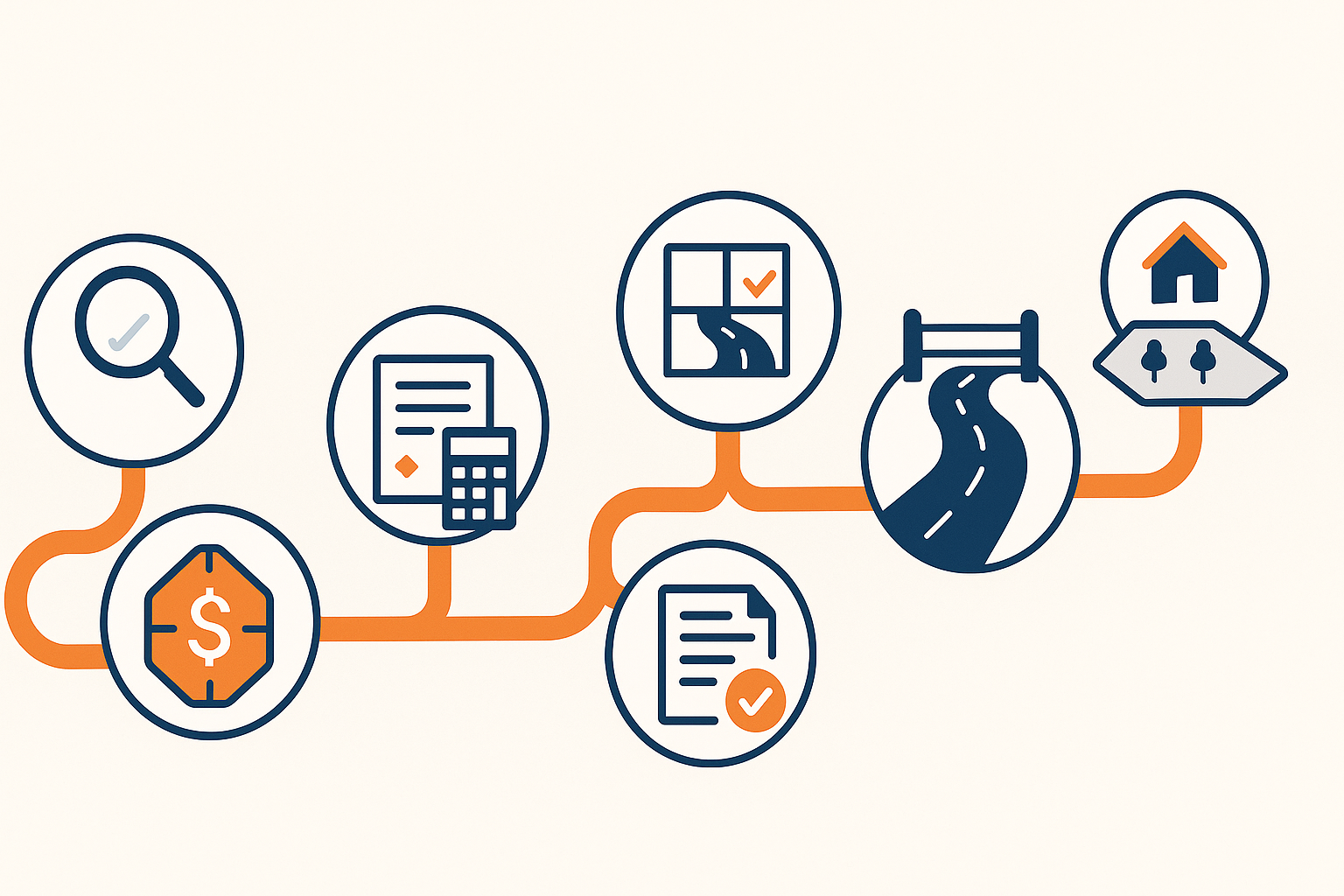
The starting point is a clear process: define your investment goal, research markets, set a budget including all associated costs, and gather verified data sources.
Step 1: Identify Your Intended Use
Clarify what you want to do with the land,hold for appreciation, develop a project, lease for income, or flip quickly. Your strategy impacts where and what type of land to pursue.
Step 2: Research Local Market Conditions and Regulations
Before making offers, check multiple data points with local county offices and trusted real estate professionals:
- Zoning and Land Use: Confirm permitted uses and development requirements with the county zoning or planning department.
- Title and Encumbrances: Order a title report to uncover liens, easements, or disputes that could affect ownership or development potential.
- Topography and Utilities: Assess if the terrain and access to utilities support your intended use.
Investors who skip local verification frequently face unexpected costs or are unable to proceed with their plans.
Step 3: Set a Budget with All Costs Included
Include purchase price, due diligence (title, survey, environmental assessment), closing costs, property taxes, insurance, and potential preliminary development costs. Understand that even raw land may require maintenance like weed control, access road upkeep, or fencing.
How Do I Determine the Value of Land?
Determining land value starts with a comparative market analysis (CMA) looking at recent sales of similar properties nearby. However, raw price comparisons alone don’t capture key influencers like legal access, usable acreage, zoning, or environmental restrictions. Adjust your valuation by verifying:
- Legal Access: Confirm recorded easements or road access. Lack of legal access is a serious red flag that can reduce value to near zero.
- Usable vs. Total Acreage: Steep terrain, wetlands, or protected areas reduce usable land. A survey or site visit can clarify this.
- Zoning and Restrictions: Verify current zoning allows your intended use and check for future rezoning trends with planning officials.
- Utilities: Availability of water, electricity, and sewer greatly impact value for development but less so for agricultural land.
Online listings and automated valuations can provide screening signals but never substitute for county records, surveyed boundaries, or onsite inspection.
What Are the Key Due Diligence Steps Before Buying Land?
Due diligence is the process that protects your investment by uncovering risks or limitations:
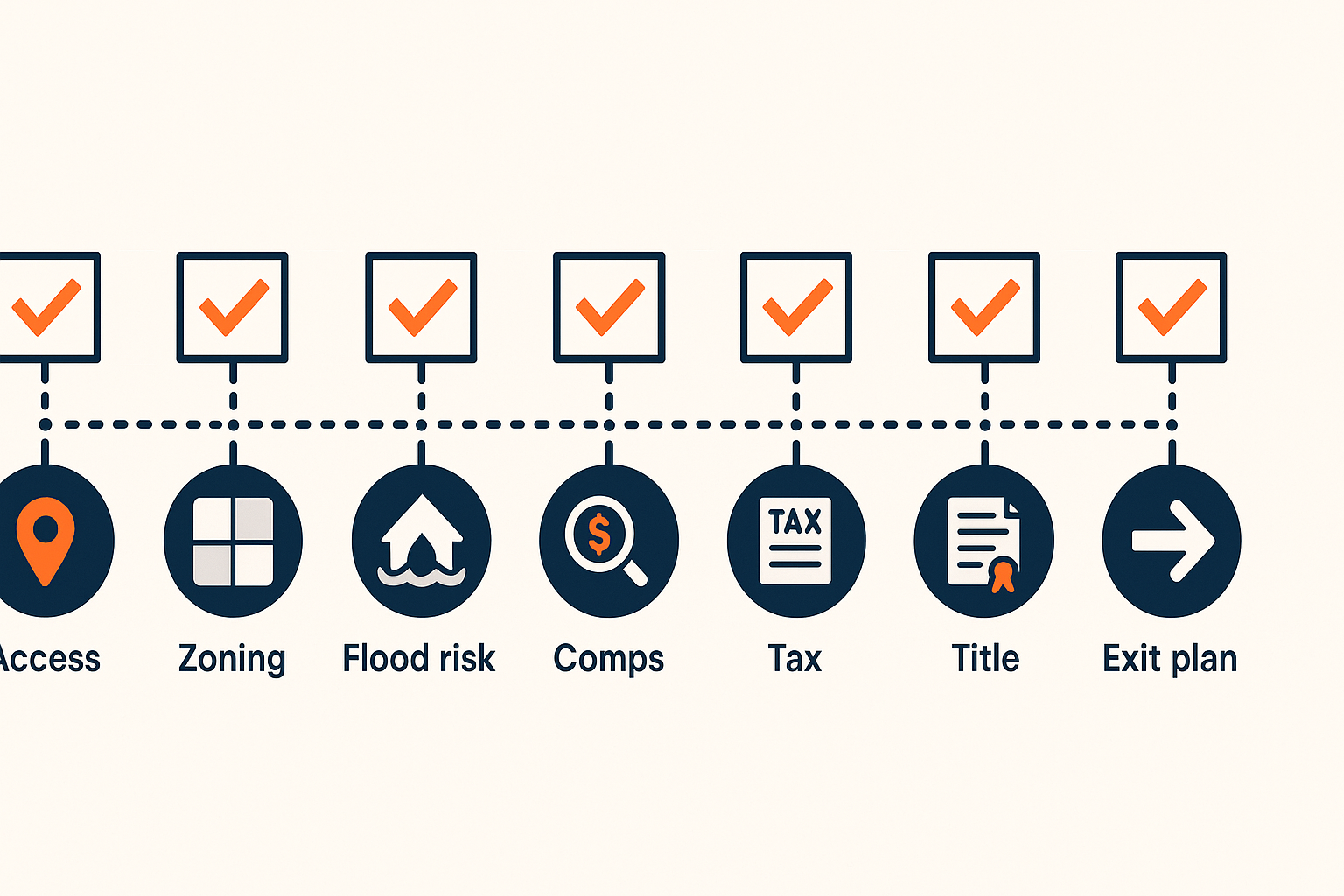
- Title Search: Obtain a title report from a reputable title company to identify liens, easements, or ownership disputes. Unclear titles warrant walking away.
- Survey: Hire a licensed surveyor to confirm boundaries, identify encroachments, and verify lot size and shape.
- Environmental and Site Assessments: Check for contamination, wetlands, or protected species on the land using state environmental agencies or professional assessments.
- Zoning Verification: Confirm zoning with the county planning office, including any restrictions or upcoming changes.
- Legal Access and Road Maintenance: Verify existence and maintenance responsibility of access roads; private roads may incur ongoing costs or disputes.
Completing these steps can reveal deal breakers or negotiating points before money is committed.
How Can I Finance Land Investments?
Land loans are more difficult to qualify for than home mortgages and often require a sizable down payment. Alternatives include cash purchases and seller financing.
Things to Consider When Choosing Financing
- Cash Purchases: Simplify closings and make offers more appealing to sellers but tie up liquidity.
- Land Loans: Available from some banks and USDA programs, but terms vary widely. Confirm interest rates, down payment requirements, and prepayment penalties before applying.
- Seller Financing: Can enable deals when conventional loans are unavailable, but negotiate clear terms and have all agreements reviewed by an attorney.
Regardless of method, include all financing costs when setting your budget and exit price.
How Do I Close a Land Deal Successfully?
Closing involves making a clear offer with contingencies, completing full due diligence, and executing legal agreements with transfer of funds and title.
To reduce risk:
- Make offers conditioned on clear title and zoning confirmation.
- Use an escrow or title company to handle funds and recording.
- Engage a local real estate attorney if unfamiliar with land-specific contract nuances.
What Are Common Mistakes to Avoid in Land Investing?
Beginners frequently make errors that undermine their returns or cause sunk costs. Key pitfalls to avoid include:
- Skipping Due Diligence: Not verifying zoning, title, or access leads to surprise legal issues or unusable land.
- Overpaying Based on Asking Prices: Always perform your comparative market and condition analysis before making an offer.
- Ignoring Holding Costs: Budget for ongoing taxes, insurance, and required maintenance even if you don’t actively use the land.
- Assuming Development is Easy: Building permits, environmental restrictions, and infrastructure costs can be substantial and vary greatly.
How Can I Market and Sell Land for Top Dollar?
Successfully selling land depends on timing, presentation, and pricing. Follow these strategies:
- Time the Market: Sell when demand and comparable sales indicate higher prices. Track local market reports and sales trends.
- Enhance Curb Appeal: Clear vegetation, maintain road access, post signage, and provide detailed property info to create a strong first impression.
- Price Strategically: Base asking price on recent sales of similar properties adjusted for your land’s unique features and restrictions.
- Use Multiple Channels: List on online marketplaces, network with local investors, and use a real estate agent with land expertise for wider exposure.
What Should I Know About Environmental and Legal Regulations?
Environmental laws may limit land use through wetlands protection, endangered species habitats, or pollution rules. Always check with local environmental agencies before buying.
Legal restrictions such as conservation easements or private covenants may also affect development potential. Property-use limitations should be confirmed via title review and public records search.
How Can I Build a Reliable Network in Land Investing?
Connect by joining local real estate clubs, attending land investing seminars, and participating in specialist online forums. A good network provides access to off-market deals, mentorship, and local insights not available from public sources alone.
How Can I Invest in Land Remotely (Out of State)?
Out-of-state land investing is achievable with due diligence modifications:
- Thoroughly research local laws, zoning, taxes, and market conditions using county offices and legal experts.
- Use virtual tours, drone footage, and trusted agents to inspect the property.
- Confirm remote closing procedures and acceptable documentation with your closing agents or attorney.
Local representation and trusted contacts are especially important to manage property maintenance and legal compliance from afar.
What Are Signs of a Good Land Investment Opportunity?
Look for these key indicators:
| Indicator | Why It Matters | Verification Source | Red Flag |
|---|---|---|---|
| Market Growth Potential | Growing population or economy increases land demand and appreciation. | Local government planning or economic reports. | Declining or stagnant population. |
| Community Development Plans | Approved infrastructure projects or zoning upgrades can boost land value. | County planning department and public meeting records. | No planned developments or restrictive zoning changes. |
| Access to Utilities | Availability of water, electricity, and roads enables development. | Utility companies and survey reports. | No legal access or lacking essential utilities without feasible alternatives. |
How Do I Protect My Land Investment?
Protection strategies include:
- Purchasing suitable land insurance for hazards and liability.
- Securing your rights with clear title and legal easements.
- Monitoring property condition regularly to prevent deterioration or unauthorized use.
Consult your insurance agent and legal counsel to tailor protections to your property and circumstances.
What Should You Do Next to Move From Reading to Taking Action?
Land investing success comes from following a systematic process that minimizes mistakes and maximizes opportunity. Start by identifying your specific investment goals and budget, then thoroughly research local regulations and market conditions. Complete full due diligence for each property: verify title, zoning, access, and environmental factors before making an offer.
Consider further education such as the Dirt Rich book or The Land Geek’s land investing bootcamp. These resources walk you through each step with practical examples and professional insights to turn knowledge into profitable deals.
Mini FAQ
- What is land investing? Purchasing parcels of land with a plan to profit through resale, development, or leasing.
- How can beginners start investing in land? By defining goals, researching markets, verifying legal and physical property details, and setting a realistic budget.
- What are the risks of land investing? Market fluctuations, title problems, restricted land use, ongoing holding costs, and unexpected legal or environmental issues.
- How do I determine land value? Conduct comparative market analysis adjusted for legal access, usability, zoning, and utilities verified through public records and professional reports.
- Can I invest remotely? Yes, but thorough local research, virtual inspections, and trusted local representation are essential.
- What are common mistakes? Inadequate due diligence, overpaying, ignoring holding costs, and misunderstanding zoning or development restrictions.
- What are benefits of holding land long-term? Potential appreciation, passive income via leasing, and possible tax advantages depending on your situation.



