Investing in land can be a valuable addition to your portfolio, but whether it’s a good investment depends on your goals, risk tolerance, and ability to navigate specific factors that affect land’s value and potential. This guide walks you through exactly what to verify, weigh, and decide before committing to a land purchase in 2026.
By understanding land types, location impact, financing, risks, and due diligence, you will be equipped to evaluate opportunities critically and avoid common mistakes. The practical focus here is on how to assess land for your intended use and investment strategy, confirming the critical facts that influence price, resale, and income potential.
Let’s start by directly addressing whether land is a good investment for beginners and what you must check before saying yes or no.
Is land a good investment for beginners?
Land can be a good investment for beginners who commit to researching its specific conditions and risks. It is generally simpler to manage than developed properties but still requires careful verification of use restrictions, access, and market demand before buying.
For a beginner, the key is to first identify your intended use for the land,whether for long-term holding, development, leasing, or resale. Each path demands different considerations. Once you know your goal, verify the zoning, access, utilities, and local market conditions through county records, zoning offices, and real estate professionals. Red flags like restricted access, unfavorable zoning, or poor growth prospects should prompt pausing or walking away.
Because land investing carries fewer ongoing management responsibilities, it is often a good entry point, but buyers who skip due diligence risk losses or illiquid holdings. Start small, learn to read title and zoning documents, and confirm all facts before offers.
What are the advantages of investing in land?
The main advantages of investing in land include potential appreciation, low holding costs, and flexibility in use. Land typically does not require repairs or tenant management, reducing ongoing expenses.
Land’s value tends to grow in areas experiencing population growth or infrastructure improvements, providing long-term appreciation opportunities. Its versatility allows investors to hold raw land, develop it, or lease it,for agriculture, recreation, or commercial purposes. This range of options can suit different market cycles and income needs.
To leverage these advantages, confirm if the land has legal access, favorable zoning, and nearby amenities supporting your intended use. Lacking these can increase costs or limit resale, negating the benefits.
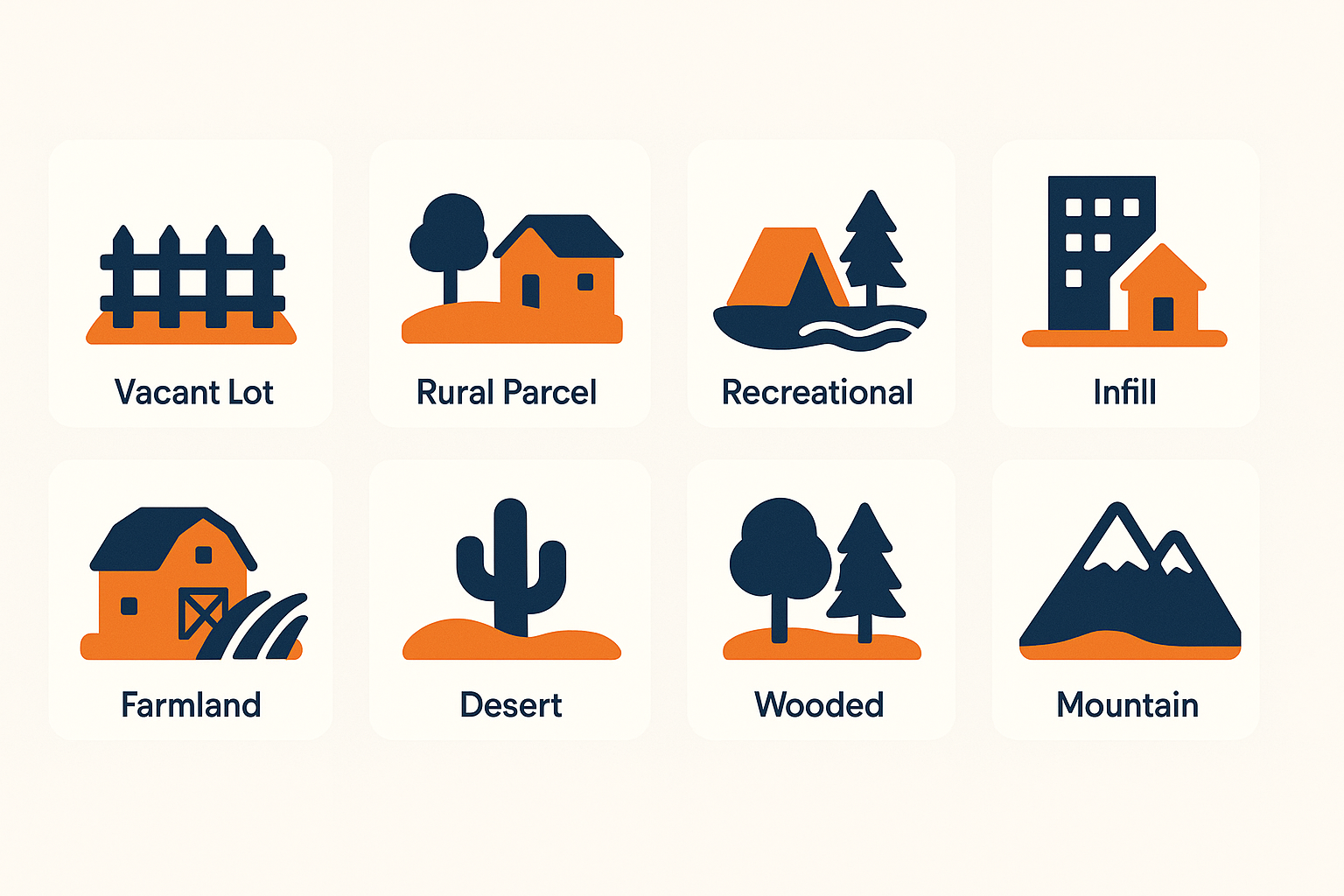
What types of land can be considered for investment?
You can invest in several land types,primarily residential, commercial, and agricultural land,each with distinct value drivers and risk profiles.
- Residential land is intended for housing development. It can offer strong returns in growing areas, but zoning and utility access must support building. Verify local building codes, subdivision plans, and infrastructure availability.
- Commercial land supports business uses like offices, retail, or industrial. Location near commercial hubs and zoning that allows business operations are critical. Market absorption rates and tenant demand should inform your valuation.
- Agricultural land can provide income via leases to farmers or timber growers. Evaluate soil quality, water rights, and environmental restrictions, as these heavily affect usability and income potential.
Each type demands verifying its permitted uses directly with the county zoning office and confirming physical and legal suitability for your investment plan.
How does location affect land investment?
Location is among the most critical factors affecting land value and future potential. Its influence comes from proximity to urban centers, transportation, utilities, and local economic growth.
Start your assessment by researching recent comparable sales in the area for similar land use and size. Then, check if the parcel has legal access (public roads or easements) and utilities needed for your intended use. A landlocked property or lack of utilities can reduce value and require costly improvements.
In urbanizing regions, land near growing business districts or infrastructure projects tends to appreciate faster. Conversely, remote rural land without development plans may hold little immediate value unless bought specifically for recreation or speculation. Always verify potential infrastructure developments or zoning changes through local planning offices.
What are the risks associated with land investing?
Risks include market volatility, zoning restrictions, fraudulent titles, and environmental liabilities. Unlike houses, land does not generate rent unless actively leased, which means carrying costs can accumulate during holding periods.
Mitigating these risks requires thorough due diligence: confirm clear title through a title company, check zoning and land-use restrictions with county planning departments, and order environmental assessments where contamination or protected zones are possible.
Market risk means land values can fluctuate with economic cycles; avoid speculative purchases unsupported by demand data or growth indicators. Legal or environmental encumbrances discovered late can delay or block desired uses. If any red flag emerges during verification, carefully reconsider your offer or exit plan.
How do I determine the value of a piece of land?
To establish land value, start with a comparative market analysis (CMA) using recent sales of similar parcels,comparable size, zoning, development potential, and location. Adjust for differences such as legal access, terrain, and utility availability.
Also evaluate the land’s physical condition,soil quality, flood risk, topography,as these affect usability and development costs, influencing its value. Consult local market data for buyer demand trends in your target use.
Because land sales are less frequent than homes, ensure your CMA references genuinely comparable sales. Discuss your findings with local land brokers or appraisers who understand subtle market nuances that affect price.
What financing options are available for land purchases?
Financing land can be more challenging than financing developed real estate because lenders perceive higher risk and limited collateral. Traditional bank loans often require substantial down payments and stricter credit qualifications.
Owner financing, where the seller finances the purchase, offers more flexible terms and quicker closings but requires due diligence on contract terms and title clarity. Alternative lenders or private loans may also provide options for buyers with financing challenges, but often at higher cost.
When considering financing, obtain pre-approval if possible and understand repayment terms fully before committing. Confirm with lenders what types of land and uses they finance to avoid surprises at closing.
What should I look for in a land investment?
Look for properties with legal and physical access, suitable zoning for your intended use, adequate utilities or realistic development potential, and positive local economic trends.
Examine topography (avoiding flood zones or challenging terrain), environmental conditions, and nearby future development plans, which can impact value growth.
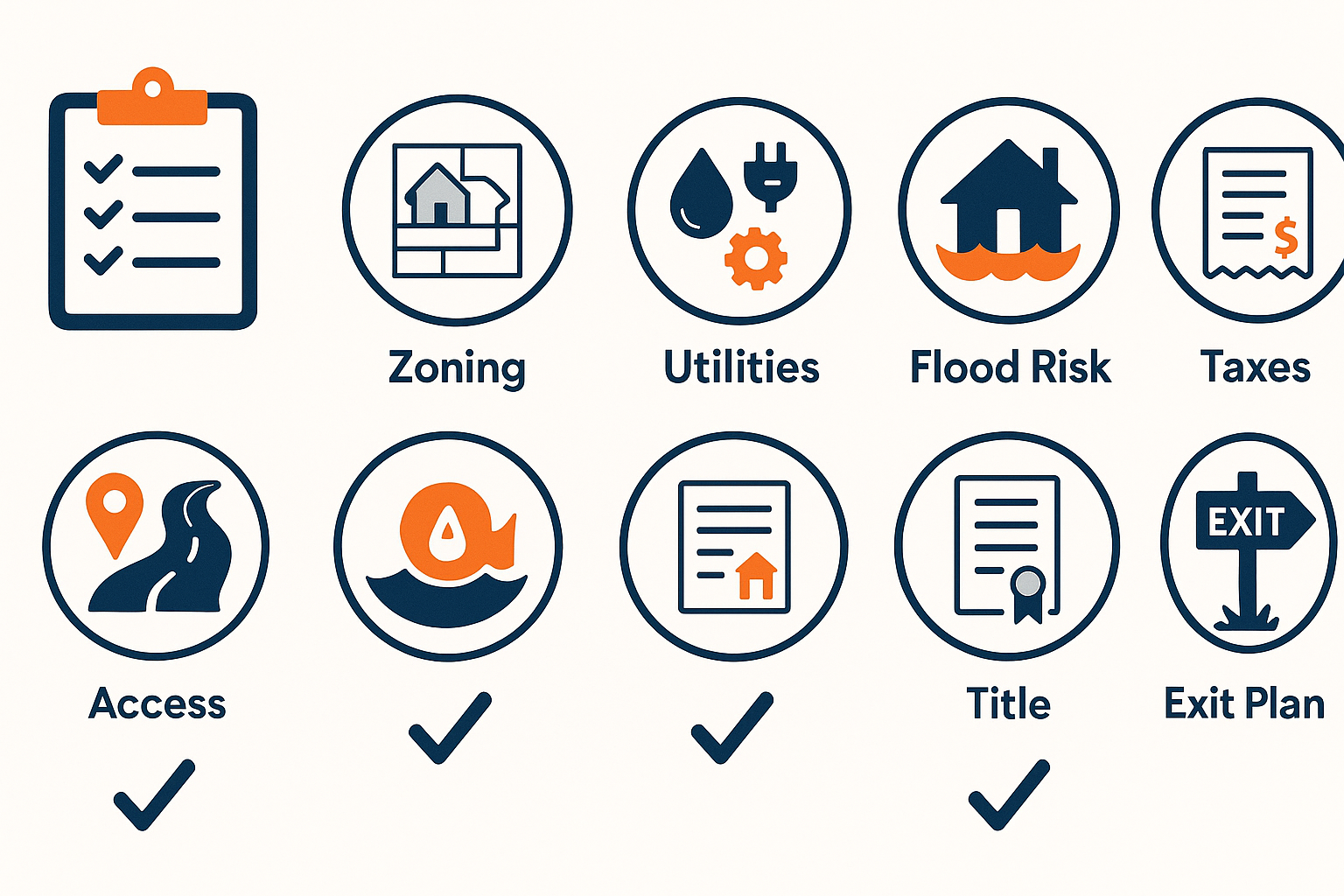
Verify ownership history, title status, easements, and any liens or encumbrances through title search. Confirm zoning and land use limits with local authorities. A parcel lacking access or with uncertain zoning is a common deal-breaker.
How do I find land for sale?
Search for land listings on specialized online platforms tailored to land sales, which often provide detailed filters and parcel data. Supplement this with local real estate agents’ listings; agents may know of off-market or upcoming opportunities not advertised online.
Networking with local investors, title companies, or attending land auctions can reveal deals before they reach mass audiences.
What are the tax implications of owning land?
Owning land involves property taxes assessed by local governments, which vary widely by location and can impact cash flow if holding land long-term. Budget for these ongoing costs before purchase.
Capital gains taxes apply when you sell the land for profit. The exact tax treatment depends on your holding period and tax filing situation, so consult a tax professional familiar with land and real estate in your state.
Some land uses or investment structures may offer tax benefits, but these vary greatly by local law and specific circumstances. Always confirm tax details with a qualified CPA before closing.
How can I maximize my return on land investment?
To maximize returns, consider improving the land with utilities or clearing to increase development potential, leasing it for agriculture or recreation to generate passive income, or timing sales to coincide with favorable market demand or infrastructure developments.
Leasing can create steady cash flow and improve carrying cost coverage, while adding utilities or subdividing can justify a higher sale price. However, development costs or delays reduce profitability, so evaluate trade-offs carefully.
Monitor local government plans for roads, schools, or business parks that enhance value and consider emerging zoning changes before selling or developing.
Is land a stable investment option?
Land can offer stability through long-term appreciation and lower volatility than stocks or developed real estate, especially when bought in growth regions with favorable use rights.
Its lack of rental income and liquidity can be drawbacks, requiring patience and capital to hold through market downturns. Balancing land with more liquid assets mitigates risk.
Historical data supports land as a durable asset, but location, legal access, and economic trends remain the main determinants of stability.
Should I consider land as part of my investment portfolio?
Including land can diversify risk, provide inflation protection, and add tangible asset security. It often behaves differently than stocks or bonds, potentially smoothing portfolio volatility.
Evaluate how much capital you can allocate long term without liquidity needs. Land’s slower appreciation but lower volatility suits certain portfolio goals like estate planning or inflation hedging.
Discuss your overall financial goals with an advisor who understands land investing to find the appropriate allocation and approach.
How does zoning affect land investment?
Zoning laws determine permissible uses,residential, commercial, agricultural, or industrial,and directly impact a parcel’s value and development potential.
Always verify zoning at the local planning department before purchase. Note any pending zoning changes that may enhance or restrict uses.
Investing in land with zoning misaligned to your goals can block development and reduce resale value. Obtaining zoning confirmation and understanding special district overlays, restrictions, or conditional uses is mandatory.
What is the importance of due diligence in land investing?
Due diligence is essential to uncover hidden issues that can delay development or hurt resale prospects: title defects, access problems, environmental restrictions, liens, or misreported zoning.
Steps include a professional title search, physical land inspection, zoning and environmental checks, and consulting local officials.
Insufficient due diligence leads to buyer’s remorse or costly surprises. Verify all material facts with professionals or government sources before closing. If anything is unclear or negative, reconsider or negotiate safeguards.
Can land be a source of passive income?
Yes, land can generate passive income by leasing it for agriculture, timber harvesting, recreational use (hunting, fishing, camping), or cellular tower leases.
Before leasing, research local market rates and tenant reliability. Draft clear lease agreements specifying duration, payments, and permitted uses.
Passive income requires occasional management but less than rental real estate. It’s ideal for investors seeking income without frequent oversight.
What role does market demand play in land investment?
Market demand shapes land value and resale prospects. High demand for residential lots or commercial properties increases competition and price.
Monitor population trends, economic activity, and local real estate markets to assess demand.
Consider buyer preferences (e.g., interest in rural retreats versus urban infill lots) and economic forecasts. Lack of demand suggests slower appreciation and longer holding periods.
How can I assess the long-term potential of land?
Assess long-term potential by researching local government development plans, infrastructure projects, and regional economic growth indicators.
Visit city planning offices or websites to review comprehensive plans, zoning maps, and infrastructure budgets.
A property near planned highways, schools, or business parks generally has higher appreciation potential. Conversely, stagnant or declining regions pose risks unless you have alternative use plans.
What are the environmental considerations in land investment?
Environmental factors,wetlands, flood zones, endangered species habitats, or contamination,may limit land use or add costs.
Order environmental site assessments and review FEMA flood maps and local environmental agency data before purchase.
Noncompliance or unrecognized hazards can delay development and decrease value. If environmental restrictions exist, determine if they align or conflict with your use plans.
How do land use regulations affect investment decisions?
Land use regulations, including zoning, subdivision controls, and easements, restrict what you can build or do on the land and can impact its marketability.
Confirm all such regulations with planning officials and title records. Restrictions inconsistent with your plans are grounds to renegotiate or walk away.
Regulatory frameworks vary widely; some areas require lengthy permitting, raising holding costs. Factor this into your investment horizon and budget.
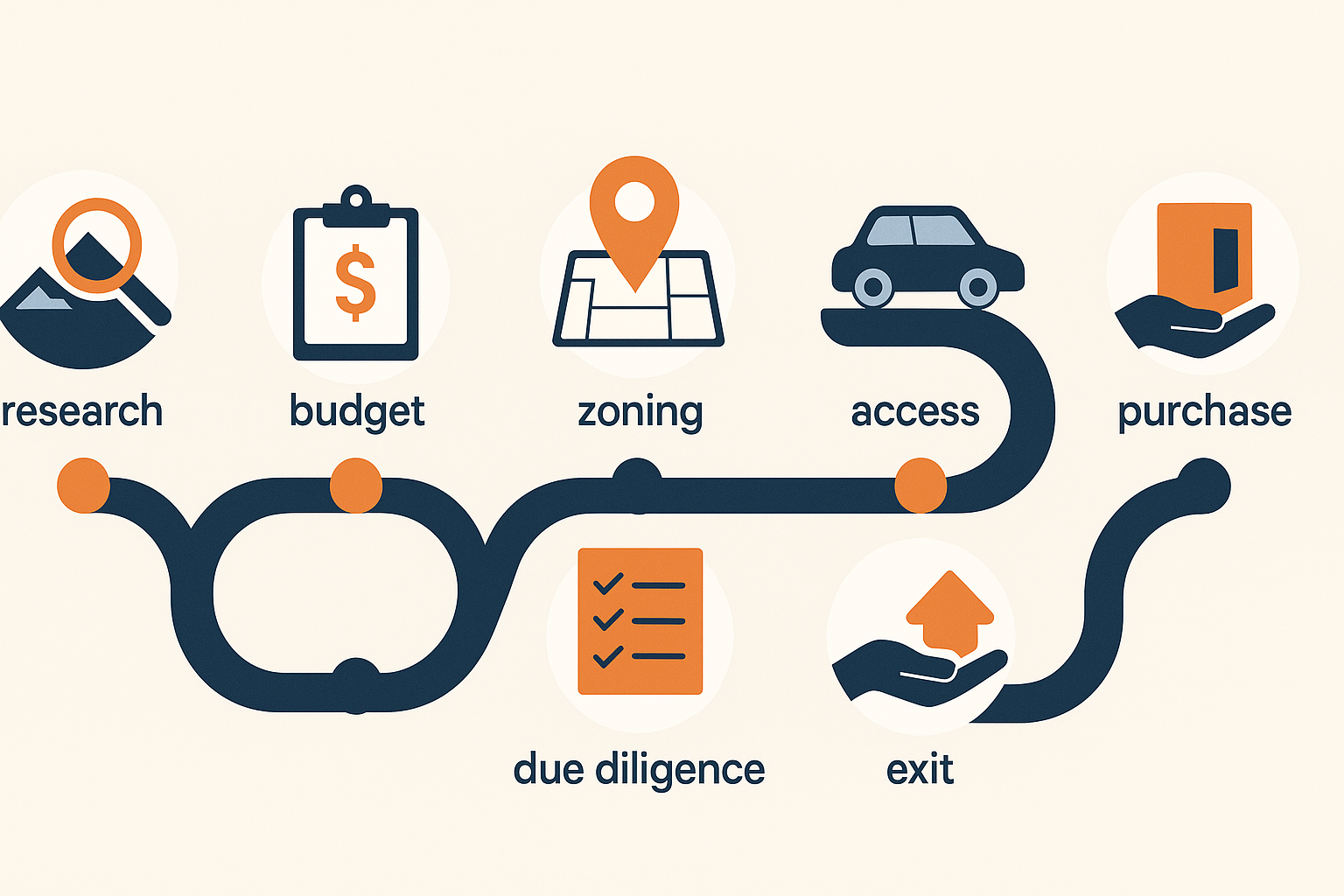
What is the process for purchasing land?
The purchase process involves identifying suitable parcels, conducting title and zoning due diligence, securing financing, negotiating terms, and closing with a title company.
Begin by clearly defining your investment goals, then shortlist parcels meeting your criteria. Research the property history and legal conditions thoroughly before offers.
During the offer phase, include contingencies for clear title, access, and approvals. At closing, ensure transfer of title and recording in public records. Skipping due diligence or rushing offers increases risk of post-purchase complications.
How do I avoid common pitfalls in land investing?
Avoid pitfalls by committing to diligent research, consulting with experienced professionals (agents, attorneys, surveyors), and clarifying your investment objective upfront.
Common errors include buying without legal access, underestimating development costs, ignoring zoning restrictions, and overpaying without a solid valuation basis.
Set clear walk-away criteria based on access, zoning, environmental, and financial red flags discovered during due diligence to protect your capital and time.
What are the benefits of investing in raw land?
Raw land offers lower upfront costs and less competition than improved properties. This often allows entry at attractive prices, especially in developing areas. Since raw land requires minimal management, it suits investors looking for passive holdings.
The potential for significant value appreciation exists if you select parcels near growing communities or upcoming infrastructure. However, raw land may lack immediate income and require patience.
Confirm the viability of development or leasing options before purchase to avoid long holding without returns.
How can I leverage technology in land investing?
Utilize online tools for mapping parcel boundaries, zoning overlays, and satellite views to preliminarily assess land’s features and location.
Online databases facilitate market research with access to recent sales and current listings, streamlining comparable analysis.
Virtual tours and drone footage can supplement physical site visits, especially for remote properties. Yet, always conduct in-person inspections or hire a surveyor before purchase to confirm conditions.
What are the trends shaping the future of land investment?
Key trends include ongoing urbanization driving demand in metropolitan peripheries, increased regulatory scrutiny on environmental impact, and adoption of technology enhancing land research and transaction transparency.
Climate change considerations also affect risk assessments, with growing attention on resilience against floods and wildfires.
Investors should monitor local growth patterns and regulatory evolutions, adjusting strategies for sustainability and infrastructure-oriented development.
Is land investment suitable for retirement planning?
Land can fit retirement portfolios for those seeking long-term capital preservation or passive income streams through leasing.
Its lower liquidity compared to stocks requires investors to match land acquisitions with timelines and cash needs in retirement.
Consider land as part of estate planning to transfer wealth, but consult professionals to align purchases with tax implications and retirement goals.
How does land investment compare to real estate investing?
Land investment differs from traditional real estate by generally requiring lower ongoing management but longer holding times and higher liquidity risk.
Unlike rental properties, land usually lacks immediate cash flow, and sales can take longer during down markets.
Returns may favor land in growth regions, but investors must be patient and thorough in due diligence to avoid surprises.
What role do real estate agents play in land investment?
Experienced land-focused real estate agents assist in identifying properties meeting your criteria, negotiating favorable terms, and navigating complex title and zoning issues.
Agents knowledgeable in local land markets provide valuable insights into off-market opportunities, development potential, and price trends.
Choose agents with proven land transaction experience to ensure they understand your investment goals and the specialized hurdles of land deals.
Mini FAQ
1. Is land a good investment for beginners?
Yes, provided you verify zoning, access, and local market conditions carefully before purchase.
2. What types of land can I invest in?
Residential, commercial, and agricultural land each offer unique opportunities and risks based on your investment goals.
3. How do I determine land value?
Use comparative market analysis along with physical and legal property condition assessments to establish a defensible price range.
4. What financing options are available?
Options include traditional loans, owner financing, and private or alternative lenders, each with distinct qualification criteria.
5. Can land generate passive income?
Yes, through leases for agriculture, recreation, timber, or commercial purposes with appropriate agreements.
6. What role does location play in land investment?
Location impacts land value most through proximity to growth areas, infrastructure, and local amenities.
7. How can I avoid common pitfalls in land investing?
Conduct thorough due diligence, consult professionals, and align with your clear investment objectives.
What should you do next to move from reading to taking action?
Land investing becomes more achievable when following a clear, step-by-step process and leveraging proven resources to avoid common mistakes.