
Starting a land flipping business can be an exciting and lucrative venture for those interested in real estate investment. This guide will cover all the essential aspects of land flipping, including market research, legal considerations, financing options, and effective marketing strategies. By understanding the intricacies of this business model, you can position yourself for success in the growing land investment market.
What is land flipping?
Land flipping involves purchasing parcels of land with the intention of reselling them at a profit. This process typically requires strategic planning, market research, and a solid understanding of the real estate landscape.
Definition of land flipping
Land flipping is the act of acquiring land at a lower price and selling it at a higher price, capitalizing on market demand and appreciation. It can involve raw land or improved properties, with the goal of generating a profitable return on investment. Successful land flippers often focus on specific niches within the market, such as recreational land, residential lots, or agricultural properties.
Historical context
Land flipping has been a practice in real estate for decades, evolving with the market’s dynamics and technological advancements. Initially, flipping primarily occurred in rapidly developing areas or regions with increasing demand. Now, with online platforms and resources, investors can access a broader range of properties and markets, making it easier to identify opportunities.
Current market trends
The land market has recently seen significant growth, driven by urban expansion, population increases, and a desire for outdoor spaces. Investors are increasingly interested in rural and undeveloped areas, as these properties often offer more significant potential for appreciation. Understanding these trends can help land flippers make informed decisions about where and when to invest.
Why consider starting a land flipping business?
There are several compelling reasons to start a land flipping business, including the potential for high returns, low barriers to entry, and the flexibility to scale operations according to individual goals.
Potential for high returns
One of the primary attractions of land flipping is the potential for high returns on investment. With the right market conditions and strategic purchasing decisions, investors can realize profits that significantly exceed their initial investment. Additionally, as land values appreciate over time, the potential for profit increases, making it an appealing option for investors seeking substantial gains.
Low barrier to entry
Starting a land flipping business typically requires less capital compared to other real estate investments, such as purchasing single-family homes or commercial properties. This lower financial commitment can make it more accessible for new investors. Furthermore, many resources are available to help beginners learn the ropes, including online courses, workshops, and networking opportunities.
Flexibility and scalability
Land flipping offers significant flexibility, allowing investors to operate at their own pace and on their own terms. Additionally, as you gain experience and build a successful track record, you can scale your operations by investing in additional properties or expanding into new markets. This adaptability makes land flipping an attractive option for many investors.
What skills do I need to start a land flipping business?
To succeed in land flipping, certain skills are essential, including research and analysis, negotiation, and marketing skills. Developing these abilities can significantly enhance your chances of success in the competitive land market.
Research and analysis skills
Strong research and analysis skills are critical in land flipping, as they enable you to identify profitable opportunities and assess potential risks. Being able to analyze market trends, property values, and demographic data will help you make informed decisions. This skill set can be developed through practice, online courses, and by learning from experienced investors.
Negotiation skills
Effective negotiation skills are vital in land transactions, as they can directly impact your profit margins. Understanding buyer psychology and employing strategic negotiation techniques can help you secure better deals. Practicing negotiation in various scenarios, whether through role-playing or real-world experience, can improve your confidence and effectiveness in this area.
Marketing skills
Marketing skills are essential for promoting your land and attracting potential buyers. Creating compelling listings, utilizing social media platforms, and engaging with local buyers can significantly enhance your visibility in the market. By developing your marketing skills, you can effectively communicate the value of your properties and increase sales opportunities.
How do I conduct market research for land flipping?
Conducting thorough market research is crucial for identifying lucrative land flipping opportunities. This process involves targeting specific areas, analyzing land values, and understanding zoning laws that may impact your investments.
Identifying target areas
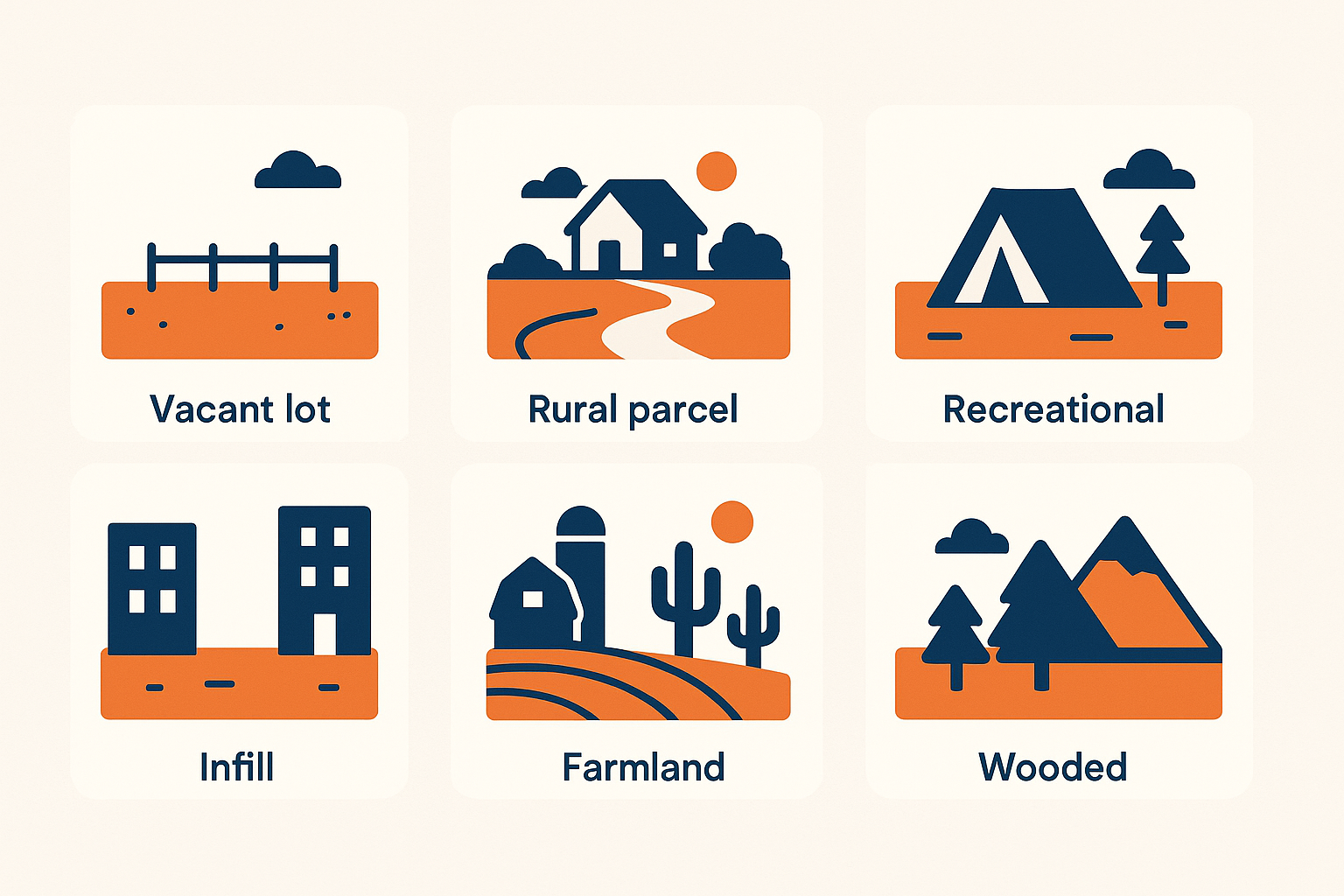
To start your market research, identify target areas with growth potential. Look for regions experiencing population growth, new infrastructure projects, or increasing demand for recreational land. Online resources, such as real estate websites and local government reports, can provide valuable insights into these trends, helping you determine where to focus your efforts.
Analyzing land values
Analyzing land values is an essential component of market research. By examining comparable sales in your target area, you can gain insight into current market prices and identify properties that are undervalued. Tools like comparative market analysis (CMA) can help you assess the fair market value of potential properties, ensuring you make informed purchasing decisions.
Understanding zoning laws
Zoning laws dictate how land can be used, impacting its potential value and resale opportunities. Familiarizing yourself with local zoning regulations is crucial, as these laws can influence what type of development is permitted on a property. Researching zoning information from local government websites and consulting with real estate professionals can help you navigate these regulations effectively.
What are the legal considerations in land flipping?
Understanding the legal landscape is essential in land flipping, as it helps you navigate property laws, permits, and contracts effectively. Familiarizing yourself with these aspects will protect your investments and ensure compliance.
Understanding property laws
Property laws vary by jurisdiction, and it is crucial to understand the legal framework governing land transactions in your target area. This knowledge includes understanding titles, easements, and property rights. Consulting with a real estate attorney can provide valuable insights and help you navigate any legal complexities associated with land flipping.
Permits and zoning regulations
In addition to understanding property laws, being aware of the necessary permits and zoning regulations is vital. Depending on your intended use for the land, you may need to obtain specific permits before proceeding with a purchase or development project. Researching local regulations and engaging with local government offices can help ensure compliance and avoid costly delays.
Contracts and agreements
Contracts and agreements play a pivotal role in land flipping transactions. A well-drafted purchase agreement protects both the buyer and seller, outlining the terms and conditions of the sale. It is advisable to work with a qualified real estate attorney to ensure that your contracts are comprehensive and legally enforceable, minimizing the risk of disputes in the future.
How much capital do I need to start?
The capital required to start a land flipping business can vary significantly based on your investment strategy, target market, and individual goals. Understanding initial investment costs, ongoing expenses, and potential funding options is crucial for success.
Initial investment costs
Initial investment costs for land flipping typically include the purchase price of the land, closing costs, and any necessary fees related to due diligence, such as inspections or title searches. It is essential to budget for these expenses to avoid undercapitalizing your venture. Additionally, consider setting aside funds for any potential improvements or marketing efforts that may enhance the property’s value.
Ongoing expenses
In addition to initial investment costs, ongoing expenses should also be factored into your budget. These may include property taxes, maintenance costs, and marketing expenses. Understanding your ongoing financial commitments will help you manage cash flow and ensure your business remains sustainable in the long term.
Funding options
There are various funding options available for those looking to start a land flipping business. Personal savings, loans from banks or credit unions, and partnerships with other investors are common pathways to secure the necessary capital. Exploring multiple funding sources can help you find the right fit for your financial situation and business goals.
Where can I find land to flip?
Finding suitable land to flip requires a proactive approach, utilizing various resources such as online listings, local auctions, and networking with real estate professionals. Each method presents unique opportunities and advantages.
Online listings
Online listings are one of the most accessible ways to find land for flipping. Websites dedicated to real estate listings often provide a comprehensive view of available properties, including detailed descriptions, photos, and price information. Utilizing search filters can help you identify land that meets your investment criteria, making it easier to pinpoint potential opportunities.
Local auctions
Local auctions can be a great source for acquiring land at competitive prices. Properties sold at auction may include tax-defaulted properties or those that have been foreclosed. Attending these auctions provides the opportunity to bid on land and potentially secure it below market value. However, it’s essential to thoroughly research properties before bidding to avoid any unforeseen issues.
Networking with real estate professionals
Networking with real estate professionals can significantly enhance your access to land opportunities. Connecting with real estate agents, brokers, and fellow investors can provide valuable insights into off-market deals and upcoming listings. Building relationships within the industry can open doors to exclusive opportunities that may not be widely advertised.
How do I evaluate a piece of land?
Evaluating a piece of land involves a thorough analysis of location, physical attributes, and market value. This comprehensive assessment ensures you make informed decisions before purchasing.
Assessing location
The location of a property is one of the most critical factors in its value and potential for appreciation. Factors to consider include proximity to amenities, transportation links, and overall desirability of the area. Researching demographic trends and future development plans can also provide insight into the long-term prospects of the location.
Evaluating physical attributes
Physical attributes of the land, such as size, topography, and accessibility, play a vital role in its usability and marketability. Evaluating these factors helps determine how the land can be developed or utilized. For example, land with access to utilities and favorable zoning will generally be more attractive to potential buyers.
Determining market value
Determining the market value of a piece of land requires comparing it to similar properties in the area. Conducting a comparative market analysis (CMA) can help establish a fair price based on recent sales data. Additionally, consulting local real estate experts can provide valuable insights into market trends and pricing strategies.
What is due diligence in land flipping?
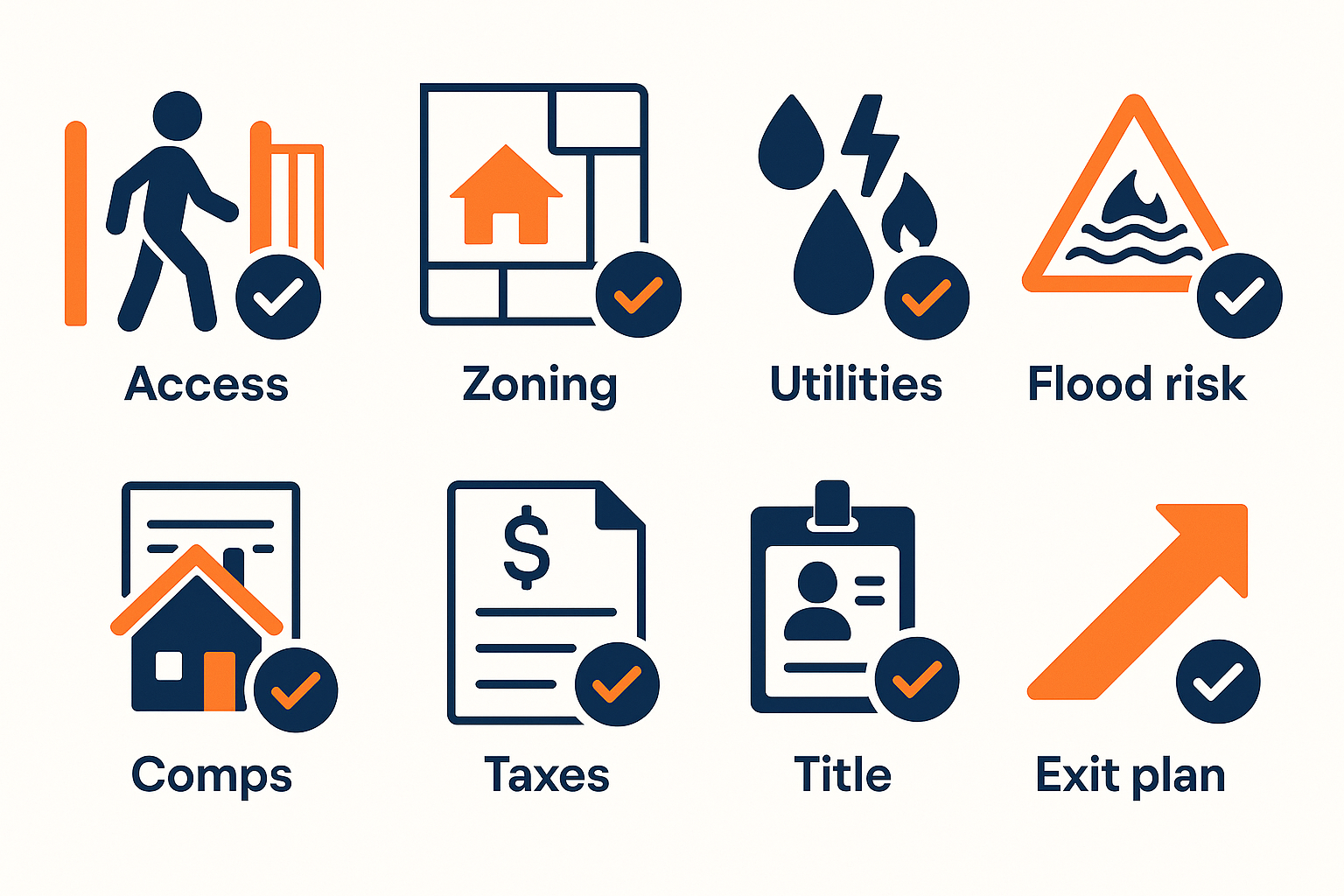
Due diligence in land flipping refers to the comprehensive process of investigating and verifying critical information about a property before finalizing a purchase. This essential step helps mitigate risks and ensures sound investment decisions.
Importance of due diligence
Due diligence is crucial in land flipping as it helps uncover potential issues that could impact the property’s value or usability. Failing to conduct thorough due diligence may lead to costly mistakes, such as purchasing land with unresolved legal issues or environmental concerns. By taking the time to assess all relevant factors, investors can protect their investments and enhance their chances of success.
Steps in the due diligence process
The due diligence process typically involves several key steps, including title searches, environmental assessments, and property inspections. Conducting a title search ensures that the property has a clear title and no outstanding liens. Environmental assessments may be necessary to identify any contamination or zoning issues that could affect future development. Additionally, property inspections can reveal any physical defects that may require attention.
Common pitfalls to avoid
Common pitfalls in the due diligence process include overlooking critical information, rushing through evaluations, and failing to consult experts. To avoid these issues, investors should develop a comprehensive checklist and engage professionals when necessary. Taking the time to conduct thorough due diligence can save investors from significant financial setbacks.
How do I finance my land flipping business?
Financing your land flipping business involves exploring various options to secure the necessary capital for investment. Understanding personal savings, loans, and partnerships will enable you to choose the best financial strategy for your needs.
Personal savings
Using personal savings is often the simplest way to finance your land flipping business. This option allows you to avoid debt and maintain full control over your investments. However, it is essential to ensure that you have sufficient reserves to cover both initial costs and ongoing expenses, as relying solely on personal savings can create financial strain.
Loans and mortgages
Loans and mortgages are common financing options for land flipping. Many banks and credit unions offer specialized loans for land purchases, which can provide the necessary funds to secure your investment. When considering loans, it’s essential to compare interest rates, terms, and eligibility requirements to find the best option for your situation.
Partnerships and investors
Forming partnerships or seeking investors can also provide the capital needed to start a land flipping business. Collaborating with others allows you to pool resources, share risks, and combine expertise. When entering into partnerships, ensure clear communication and establish agreements that outline each party’s roles, responsibilities, and profit-sharing arrangements.
What are the steps to purchase land?
The process of purchasing land involves several critical steps, including making an offer, securing financing, and closing the deal. Understanding these steps will help streamline your transactions and ensure a successful purchase.
Making an offer
Making an offer on a piece of land involves determining a fair price based on your market research and property evaluations. When submitting your offer, consider including contingencies that protect your interests, such as obtaining financing or completing due diligence. A well-structured offer can enhance your chances of a successful negotiation.
Securing financing
Once your offer is accepted, securing financing becomes a priority. Depending on your chosen financing method, this step may involve finalizing loan agreements or accessing personal funds. Ensure you have all necessary documentation ready, such as proof of income and credit history, to expedite the financing process.
Closing the deal
Closing the deal is the final step in purchasing land, where ownership is officially transferred from the seller to the buyer. During this process, you will review and sign all necessary legal documents, including the purchase agreement and title transfer. It’s advisable to work with a qualified real estate attorney to ensure that all aspects of the closing process are handled correctly and efficiently.
How do I market my land for resale?
Marketing your land for resale involves creating effective listings, utilizing social media, and actively engaging with potential buyers. A strategic marketing approach can significantly enhance your chances of selling quickly and at a desirable price.
Creating effective listings
Creating effective listings is crucial for attracting potential buyers. Your listings should include clear, high-quality images, detailed descriptions, and accurate information about the land’s features and benefits. Highlighting unique selling points, such as proximity to amenities or development potential, can make your listing stand out in a competitive market.
Utilizing social media
Social media platforms can be powerful tools for marketing your land. By sharing your listings on platforms like Facebook and Instagram, you can reach a broader audience and engage with potential buyers directly. Consider using targeted ads to further enhance visibility and attract serious inquiries.
Engaging with local buyers
Engaging with local buyers is essential for successful land sales. Attend local real estate events, participate in community activities, and network with fellow investors to build relationships with potential buyers. Establishing a local presence can enhance your credibility and increase your chances of closing deals.
What are the best strategies for pricing my land?
Developing effective pricing strategies is essential for maximizing profits and attracting buyers. Employing comparative market analysis, setting competitive prices, and adjusting based on feedback will enhance your pricing efforts.
Comparative market analysis
Conducting a comparative market analysis (CMA) is crucial for determining a competitive price for your land. This process involves analyzing recently sold properties in your area that are similar in size, location, and features. By understanding the pricing dynamics, you can set a price that reflects the current market conditions while ensuring a fair return.
Setting a competitive price
Setting a competitive price requires balancing your profit goals with market demands. Overpricing your land may deter potential buyers, while underpricing can lead to lost profits. Consider factors such as market trends, property features, and buyer perceptions when determining the optimal price point.
Adjusting prices based on feedback
Being open to adjusting prices based on buyer feedback is essential for successful land flipping. If you receive consistent inquiries but no offers, it may indicate that your price is too high. Regularly evaluating your pricing strategy and being willing to make adjustments will help you remain competitive and attract serious buyers.
How to negotiate effectively in land transactions?
Effective negotiation in land transactions involves understanding buyer psychology, employing strategic techniques, and recognizing when to walk away from a deal. Mastering these negotiation skills can significantly impact your profitability.
Understanding buyer psychology
Understanding buyer psychology is essential for successful negotiations. Buyers often have specific motivations and concerns that can influence their decisions. By empathizing with their needs and addressing their concerns, you can create a more favorable negotiating environment and increase the likelihood of reaching a mutually beneficial agreement.
Effective negotiation techniques
Employing effective negotiation techniques can help you secure better deals. Techniques such as anchoring, where you set an initial offer to influence the negotiation range, can be particularly effective. Additionally, maintaining a calm and composed demeanor during negotiations fosters a positive atmosphere and can lead to more productive discussions.
When to walk away
Knowing when to walk away from a negotiation is a vital skill. If a potential deal does not meet your financial goals or if the buyer’s demands become unreasonable, it’s essential to recognize that it may be in your best interest to seek alternative opportunities. Developing this discernment will help you avoid costly mistakes and maintain a healthy investment strategy.
What role does timing play in land flipping?
Timing plays a crucial role in land flipping, impacting market cycles, seasonal trends, and economic indicators. Understanding these factors can help you make informed investment decisions and maximize profits.
Market cycles
Market cycles refer to the fluctuations in real estate prices over time. Recognizing these cycles can help you identify the best times to buy and sell land. For instance, purchasing land during a downturn can lead to significant profits when the market rebounds. Staying informed about market trends and historical data is essential for successful timing in land flipping.
Seasonal trends
Seasonal trends can also influence land flipping opportunities. Certain times of the year may see increased buyer activity, such as spring and summer months when people are more likely to relocate or invest in property. Being aware of these seasonal fluctuations can help you plan your buying and selling strategies effectively.
Economic indicators
Economic indicators, such as interest rates, employment rates, and consumer confidence, can significantly impact the land market. Monitoring these indicators can provide insights into market health and buyer sentiment. Adjusting your strategies based on economic conditions can enhance your chances of success in land flipping.
How can I build a network for my land flipping business?
Building a network for your land flipping business is essential for accessing resources, gaining insights, and finding potential buyers. Connecting with other investors, engaging with real estate agents, and joining local real estate groups can help expand your network.
Connecting with other investors
Connecting with other investors allows you to share knowledge, resources, and potential opportunities. Attend local meetups or real estate investment clubs to meet like-minded individuals. Building relationships with experienced investors can provide valuable mentorship and support as you navigate the land flipping process.
Engaging with real estate agents
Real estate agents can be invaluable partners in your land flipping business. Their expertise and local market knowledge can help you identify potential properties and buyers. Establishing strong relationships with real estate agents can lead to access to off-market listings and insights into industry trends.
Joining local real estate groups
Joining local real estate groups or associations can enhance your networking efforts. These groups often host educational events, workshops, and networking opportunities that can help you connect with industry professionals. Engaging with these communities can provide ongoing support and resources as you grow your land flipping business.
What technology tools can help in land flipping?
Leveraging technology tools can streamline your land flipping operations, making research, marketing, and communication more efficient. Utilizing real estate software, online market analysis tools, and marketing platforms can enhance your productivity and effectiveness.
Real estate software
Real estate software can help manage your land flipping business more efficiently. These tools may include property management systems, CRM software, and financial tracking applications. By automating administrative tasks, you can focus on strategic decision-making and enhancing your investment portfolio.
Online market analysis tools
Online market analysis tools provide valuable insights into property values, market trends, and demographic data. Utilizing these resources enables you to make informed decisions when evaluating potential investments. Many of these tools offer user-friendly interfaces, allowing you to analyze data quickly and effectively.
Marketing platforms
Marketing platforms can enhance your ability to promote your land effectively. Online listing services, social media management tools, and email marketing platforms can help you reach a wider audience and engage with potential buyers. By utilizing these tools, you can streamline your marketing efforts and maximize your exposure in the market.
How do I handle unexpected challenges?
Handling unexpected challenges in land flipping requires a proactive approach, including identifying potential issues, developing contingency plans, and learning from mistakes. Being prepared for challenges can enhance your resilience and adaptability as an investor.
Identifying potential issues
Identifying potential issues before they arise is crucial for successful land flipping. Conducting thorough due diligence and staying informed about market trends can help you anticipate challenges such as fluctuating prices or regulatory changes. By proactively addressing these issues, you can minimize their impact on your investments.
Developing contingency plans
Developing contingency plans is essential for managing unexpected challenges. Consider scenarios such as delayed sales, unexpected costs, or changes in market conditions, and create strategies to address these situations. Having a well-defined plan in place can help you navigate challenges with confidence and maintain stability in your business.
Learning from mistakes
Learning from mistakes is an integral part of growing as a land flipper. Analyzing past decisions and their outcomes can provide valuable insights into what works and what doesn’t. Embracing a mindset of continuous improvement will help you refine your strategies and increase your chances of success in future ventures.
What are the tax implications of land flipping?
Understanding the tax implications of land flipping is crucial for maximizing profits and ensuring compliance with tax regulations. Familiarizing yourself with capital gains tax, deductions, and working with a tax professional will help you navigate your tax obligations effectively.
Understanding capital gains tax
Capital gains tax is applied to the profit made from selling an asset, including land. The tax rate can vary based on how long you hold the property before selling it. Understanding these tax implications is essential for accurate financial planning and maximizing your returns.
Deductions and expenses
Land flippers may be eligible for various deductions and expenses related to their business. Costs such as marketing, repairs, and professional services can often be deducted from your taxable income, reducing your overall tax liability. Keeping detailed records of your expenses will help facilitate this process and ensure compliance with tax laws.
Working with a tax professional
Engaging with a tax professional can provide valuable insights into the tax implications of land flipping. A qualified accountant can help you navigate complex tax regulations, identify potential deductions, and develop strategies to minimize your tax liability. Collaborating with a professional will enhance your financial management and ensure compliance with tax obligations.
How can I scale my land flipping business?
Scaling your land flipping business involves expanding into new markets, building a team, and automating processes. Implementing these strategies can enhance your operational efficiency and increase your overall profitability.
Expanding into new markets
Expanding into new markets can significantly enhance your land flipping opportunities. Researching and identifying regions with growth potential allows you to diversify your portfolio and capitalize on emerging trends. By carefully analyzing new markets, you can strategically invest in areas that align with your business goals.
Building a team
Building a team of professionals can enhance your operational efficiency and support your growth. Consider hiring experts in areas such as marketing, finance, and property management to streamline your processes. A well-rounded team can provide valuable insights and help you navigate the complexities of land flipping more effectively.
Automating processes
Automating processes can save time and reduce errors in your land flipping business. Utilizing technology tools to manage marketing, communication, and financial tracking can enhance your productivity and allow you to focus on strategic decision-making. Streamlining your operations through automation can lead to increased efficiency and profitability.
What are the common mistakes to avoid in land flipping?
Avoiding common mistakes in land flipping is essential for ensuring successful and profitable transactions. Key pitfalls include overpaying for properties, neglecting research, and ignoring legal requirements.
Overpaying for properties
One of the most significant mistakes in land flipping is overpaying for properties. Without conducting thorough market research and property evaluations, you may end up paying more than the land’s actual value. To avoid this, always perform a comparative market analysis and set a budget aligned with your investment goals.
Neglecting research
Neglecting research can lead to costly mistakes in land flipping. Failing to investigate market conditions, property attributes, and zoning laws may result in poor investment decisions. Prioritizing comprehensive research will empower you to make informed choices and enhance your likelihood of success.
Ignoring legal requirements
Ignoring legal requirements can have serious consequences for your land flipping business. Ensuring compliance with property laws, zoning regulations, and contractual obligations is essential for protecting your investments. Engaging with legal professionals can help you navigate these requirements and minimize risks associated with land transactions.
How do I create a business plan for land flipping?
Creating a business plan for land flipping involves outlining key components such as goals, objectives, and financial projections. A well-structured business plan serves as a roadmap for your venture and helps attract potential investors.
Key components of a business plan
A comprehensive business plan should include an executive summary, market analysis, marketing strategy, operational plan, and financial projections. Each component provides valuable insights into your business model and supports informed decision-making. Additionally, a clear business plan can serve as a persuasive tool when seeking financing or partnerships.
Setting goals and objectives
Setting clear goals and objectives is essential for guiding your land flipping business. Establish specific, measurable, achievable, relevant, and time-bound (SMART) goals to track your progress and maintain focus. Regularly reviewing and adjusting your goals will help you stay aligned with your overall business vision.
Financial projections
Financial projections are a critical component of your business plan, providing insights into expected revenues, expenses, and cash flow. Developing realistic financial projections based on market research and historical data will help you assess the viability of your business and support strategic decision-making. Regularly updating these projections will ensure your plan remains relevant as market conditions evolve.
What are the best practices for land flipping?
Implementing best practices in land flipping is essential for long-term success. Continuous education, maintaining ethical standards, and building a strong reputation are key elements that contribute to a thriving business.
Continuous education
Continuous education is vital for staying informed about industry trends, market changes, and best practices in land flipping. Participate in workshops, online courses, and networking events to enhance your knowledge and skills. Staying current with the latest developments in the real estate market will empower you to make informed investment decisions.
Maintaining ethical standards
Maintaining ethical standards is crucial for building trust and credibility in the land flipping business. Conducting transactions with integrity and transparency fosters positive relationships with buyers, sellers, and industry professionals. Upholding ethical standards will enhance your reputation and contribute to long-term success in your ventures.
Building a strong reputation
Building a strong reputation is essential for attracting buyers and securing favorable deals. Focus on delivering exceptional service, following through on commitments, and communicating effectively with clients. A positive reputation will lead to referrals and repeat business, enhancing your overall success in land flipping.
How do I stay informed about the land market?
Staying informed about the land market involves following industry news, participating in webinars, and reading relevant books and blogs. Staying updated on market trends and insights will enhance your decision-making capabilities.
Following industry news
Following industry news is essential for understanding market dynamics and emerging trends. Subscribe to real estate newsletters, follow industry publications, and engage with online forums to stay informed about developments that could impact your land flipping business. Regularly consuming relevant news will help you remain competitive and knowledgeable.
Participating in webinars
Participating in webinars can provide valuable insights from industry experts and successful investors. Many organizations and platforms offer free or low-cost webinars covering various topics related to land flipping. Engaging with these educational opportunities can enhance your knowledge and build your network.
Reading relevant books and blogs
Reading relevant books and blogs can deepen your understanding of land flipping strategies and best practices. Many authors and industry professionals share their experiences and insights through books and online content. Engaging with these resources will help you stay informed and improve your skills as a land flipper.
What are the long-term prospects for land flipping?
The long-term prospects for land flipping are promising, driven by market forecasts, sustainable practices, and evolving buyer preferences. Understanding these factors will help you position your business for future success.
Market forecasts
Market forecasts indicate continued growth in the land sector, driven by urban expansion, population growth, and increasing demand for recreational properties. Staying informed about these trends can help you identify lucrative opportunities and adapt your investment strategies accordingly. Regularly analyzing market forecasts will empower you to make informed decisions that align with future trends.
Sustainable practices
Implementing sustainable practices in land flipping can enhance your business’s appeal to environmentally conscious buyers. Focusing on properties with sustainable features or promoting eco-friendly development can differentiate your offerings in the market. By prioritizing sustainability, you can attract a growing segment of buyers interested in responsible land use.
Evolving buyer preferences
As buyer preferences continue to evolve, understanding these changes is essential for long-term success. Many buyers now seek properties that offer unique features, recreational opportunities, or access to nature. Staying attuned to these preferences will help you tailor your investments and marketing strategies to meet the demands of the market.
How do I exit a land flipping transaction profitably?
Exiting a land flipping transaction profitably involves understanding exit strategies, timing the sale, and maximizing profit margins. Implementing these strategies can enhance your overall returns on investment.
Understanding exit strategies
Understanding exit strategies is crucial for maximizing profits in land flipping. Common exit strategies include selling the property outright, leasing it, or developing it for resale. Evaluating the best strategy based on market conditions and property characteristics will help you make informed decisions about your exit approach.
Timing the sale
Timing the sale of your land is essential for maximizing profit margins. Monitoring market trends and economic indicators can help you determine the optimal time to sell. By positioning your property strategically during peak market conditions, you can enhance your chances of achieving a favorable sale price.
Maximizing profit margins
Maximizing profit margins involves careful pricing and effective marketing strategies. Setting a competitive price based on market analysis, combined with targeted marketing efforts, can help attract serious buyers and generate higher offers. Continuously evaluating your sales strategies will enable you to enhance your profitability as you exit transactions.
Mini FAQ
What is land flipping?
Land flipping involves purchasing land at a lower price and selling it at a higher price for profit.
What skills do I need to succeed?
Key skills include research and analysis, negotiation, and marketing.
How do I finance my land flipping business?
Options include personal savings, loans, and partnerships with other investors.
What are the legal considerations?
Understanding property laws, permits, and contracts is essential.
How do I find land to flip?
Look for online listings, local auctions, and network with real estate professionals.
What are common mistakes to avoid?
Common mistakes include overpaying for properties, neglecting research, and ignoring legal requirements.
What are the long-term prospects for land flipping?
Long-term prospects are promising, driven by market growth and evolving buyer preferences.
What should you do next to move from reading to taking action?
Land investing gets easier when you follow a clear process and use proven resources. These are the fastest ways to learn the steps, avoid common mistakes, and move toward your first deal with confidence.



