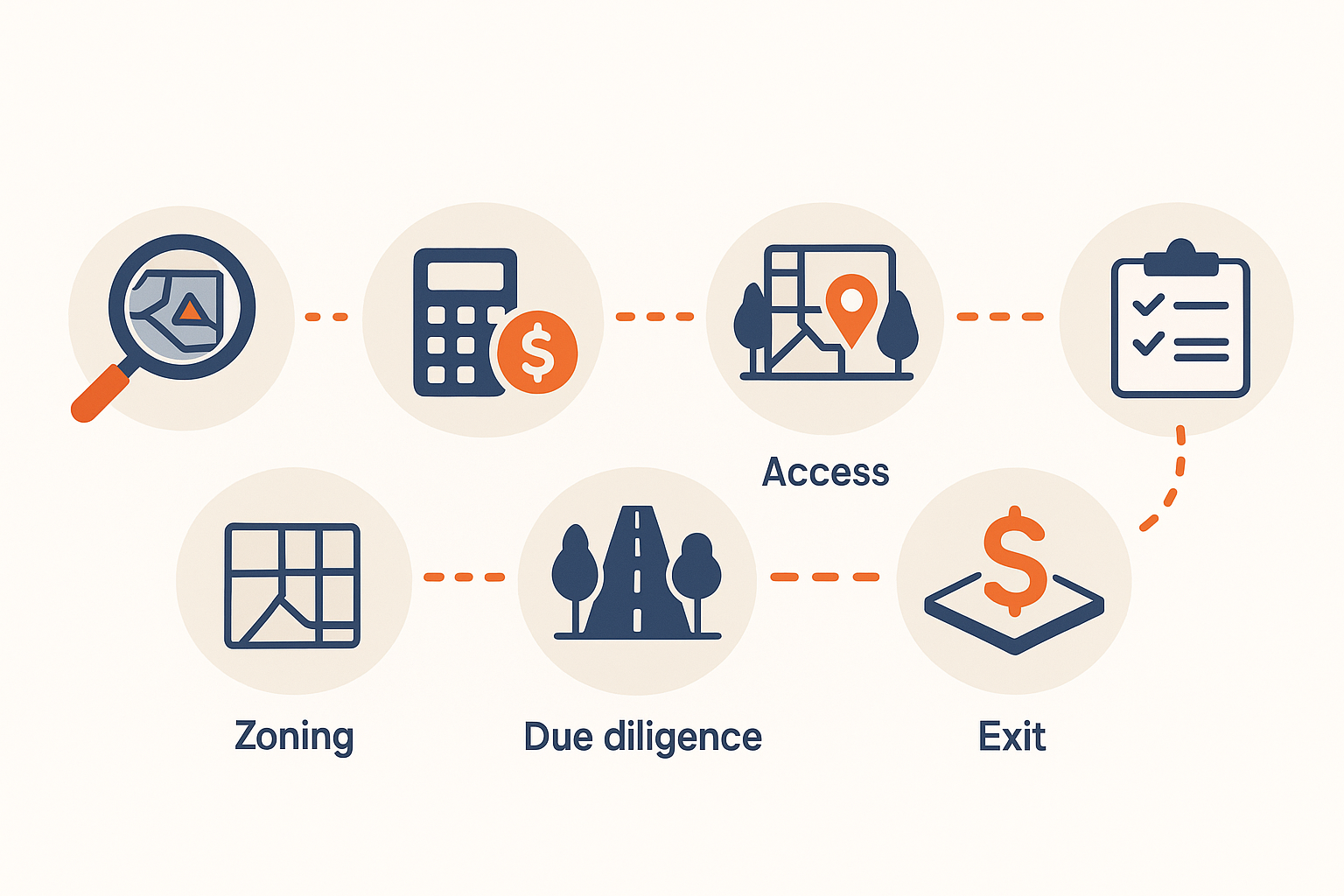
Investing in land can be a lucrative venture for individuals looking to diversify their portfolios or generate passive income. Understanding the intricacies of land investing, including the various methods to earn, types of land available, and financial considerations, is essential. This comprehensive guide aims to equip potential investors with the knowledge needed to navigate the land investment landscape effectively. Whether you are a novice or an experienced investor, gaining insight into the opportunities and risks associated with land can enhance your investment strategy.
What is Land Investing?
Land investing involves purchasing parcels of land with the intent to sell, lease, or develop them for profit. This investment strategy can take various forms, each offering unique advantages and challenges.
Definition of Land Investing
Land investing refers to the acquisition of land for financial gain. Investors may buy raw land, improved land, or land with existing structures. The key to successful land investing lies in understanding the market dynamics, location, and potential for future development. Investors often look for undervalued properties that can appreciate in value over time or generate income through leasing or selling.
Types of Land Investments
There are several types of land investments, including residential, commercial, agricultural, and recreational lands. Each category has its own market trends and investment strategies. Residential land is typically used for housing developments, while commercial land is intended for businesses. Agricultural land is used for farming purposes, and recreational land can be utilized for activities like camping or hunting. Understanding the distinctions between these types can help investors make informed decisions.
Benefits of Investing in Land
Investing in land provides several benefits, such as low maintenance costs compared to other real estate investments, potential appreciation in value, and the ability to generate passive income through leasing. Additionally, land is a finite resource, and as populations grow, the demand for land often increases, further enhancing its investment potential. Investors also have the flexibility to use land for various purposes, from agriculture to development, depending on their interests and market conditions.
How Can You Make Money with Land?
There are multiple ways to generate income from land investments, including selling, leasing, and developing properties. Understanding the different methods and strategies can help investors maximize their returns.
Different Methods of Earning
Investors can make money from land through several methods: selling land for profit, leasing it to tenants, or developing it into residential or commercial properties. Flipping land is another popular strategy where investors buy undervalued parcels, improve them in some way, and then sell them at a higher price. Each method requires a different approach, knowledge of the market, and an understanding of the specific land’s potential.
Short-Term vs Long-Term Strategies
Short-term strategies often involve flipping land for quick profits, while long-term strategies focus on holding land for appreciation over time. Investors who employ short-term strategies may need to be more active in their approach, quickly identifying and acquiring undervalued properties. On the other hand, long-term investors often benefit from compounding appreciation and can take advantage of market cycles.
Passive Income Opportunities
Leasing land can provide a steady stream of passive income. Investors can lease land for agricultural use, recreational activities, or commercial enterprises. This method allows landowners to retain ownership while generating income without the need for extensive management. Understanding the local market and tenant needs is essential for successful leasing arrangements.
What Types of Land Can You Invest In?
Investors can choose from various types of land, each with unique investment potentials and market dynamics. Understanding these types can help in making informed investment decisions.
Residential Land
Residential land is designated for housing developments and can range from single-family lots to large tracts for multi-family units. Investors in this category often look to develop or sell to builders. The demand for residential land can be influenced by population growth, local amenities, and zoning regulations, making it essential for investors to conduct thorough market research.
Commercial Land
Commercial land is intended for business purposes, including retail spaces, offices, and industrial sites. Investing in commercial land can yield higher returns than residential properties, but it often comes with higher risks and requires a deeper understanding of market trends. Knowing the specific needs of businesses in the area can help investors select the most profitable commercial sites.
Agricultural Land
Agricultural land is utilized for farming, ranching, and other agricultural activities. This type of land can provide income through crop production, livestock, or leasing to farmers. Investors must understand agricultural practices, market demand for crops, and environmental factors that can affect productivity. Long-term investment in agricultural land can lead to substantial returns, especially in regions with favorable farming conditions.
How to Buy Land for Investment?
Purchasing land requires careful planning and research. Understanding the market and legal aspects is critical to making informed decisions.

Researching Suitable Locations
Identifying suitable locations is paramount when buying land. Factors such as population growth, economic development, and infrastructure improvements can significantly affect land value. Investors should conduct thorough market analysis, including demographic trends, zoning laws, and future development plans to select promising areas for investment.
Understanding Zoning Laws
Zoning laws dictate how land can be used and can greatly impact its value and potential. Investors must familiarize themselves with local zoning regulations to ensure that their intended use aligns with legal requirements. Zoning classifications can vary by location, and understanding these laws can prevent costly mistakes and unlock potential investment opportunities.
Evaluating Land Value
Evaluating land value involves analyzing comparable sales, understanding market trends, and assessing the land’s potential for development or appreciation. Investors should look at factors such as access to utilities, road infrastructure, and proximity to amenities. A professional appraisal can also provide valuable insights and help ensure the purchase price is justified.
What Are the Costs Involved in Land Investing?
Investing in land comes with various costs that can impact overall profitability. Understanding these expenses is essential for effective budgeting and financial planning.
Initial Purchase Costs
The initial purchase costs include the land price, closing costs, and any associated fees. Closing costs can encompass title insurance, appraisal fees, and legal fees. Investors should be aware of all potential expenses involved in the transaction to ensure they have adequate funds and avoid unexpected financial burdens.
Ongoing Maintenance Costs
Ongoing maintenance costs can include property taxes, insurance, and any necessary upkeep. While land generally requires less maintenance than developed properties, investors should still budget for these expenses to protect their investment. Understanding local tax rates and insurance options is vital in evaluating the true cost of ownership.
Taxes and Fees
Taxes and fees can significantly impact the profitability of land investments. Property taxes vary by location and can change over time, affecting cash flow. Additionally, investors should consider any special assessments or fees associated with land development or specific uses. Familiarizing oneself with local tax regulations is key to successful land investing.
How to Finance Your Land Purchase?
Financing is a critical aspect of land investing, and several options are available depending on the investor’s financial situation and the type of land being purchased.
Cash Purchases
Paying cash for land can simplify the purchasing process and eliminate financing costs. This approach can also provide a competitive edge in negotiations, as sellers often prefer cash offers. However, investors should consider the opportunity cost of using cash versus financing, especially if they could invest those funds in higher-return opportunities.
Land Loans
Land loans are specifically designed for purchasing land and can vary in terms, interest rates, and requirements. Lenders may require a larger down payment for land loans compared to traditional mortgages, as land is often considered a riskier investment. Understanding the terms and conditions of land loans is crucial to finding the best financing option for your needs.
Creative Financing Options
Creative financing options, such as seller financing or lease-to-own agreements, can provide alternative ways to acquire land without traditional loans. Seller financing allows buyers to make payments directly to the seller, while lease-to-own agreements give buyers the option to purchase the property after leasing it. These alternatives can be beneficial for buyers with limited access to conventional financing.
What Are the Risks of Investing in Land?
Like any investment, land investing carries its risks. Understanding these risks helps investors make informed decisions and mitigate potential losses.
Market Fluctuations
Land values can fluctuate due to various factors, including economic conditions, interest rates, and local market trends. Investors must stay informed about market changes and be prepared for possible declines in property values. Conducting thorough research and analysis can help mitigate the risks associated with market fluctuations.
Environmental Concerns
Environmental factors, such as soil quality, water availability, and proximity to hazardous waste sites, can impact land value and usability. Investors should conduct environmental assessments before purchasing land to identify potential issues. Being proactive about environmental concerns can prevent costly surprises and enhance the land’s long-term viability.
Legal Issues
Legal issues, including land disputes, title issues, or zoning challenges, can complicate land investments. Investors should conduct thorough due diligence to ensure clear ownership and compliance with all laws and regulations. Working with legal professionals can help navigate complex legal landscapes and protect investments from potential liabilities.
How to Evaluate Land for Investment?
Proper evaluation of land is critical to successful investing. This process involves analyzing various factors that contribute to a property’s potential value and use.
Location Analysis
Location is one of the most significant factors influencing land value. Analyzing the surrounding area, nearby amenities, and future development plans can provide insights into potential appreciation. Investors should consider accessibility, visibility, and the overall desirability of the location to make informed purchasing decisions.
Land Size and Layout
The size and layout of the land can also impact its usability and value. Investors should assess how the land is configured and whether it meets their intended purpose, whether residential, commercial, or agricultural. A well-shaped parcel may offer better development opportunities than an irregularly shaped one.
Accessibility and Infrastructure
Accessibility to main roads, utilities, and essential infrastructure is crucial for land investments. Properties with easy access to transportation routes and existing utilities tend to have higher demand and value. Investors should evaluate the availability of services such as water, electricity, and sewage systems when considering a land purchase.
What Are the Best Strategies for Selling Land?
Successfully selling land requires effective marketing and sales strategies. Understanding the market and employing the right tactics can enhance the likelihood of a profitable sale.
Effective Marketing Techniques
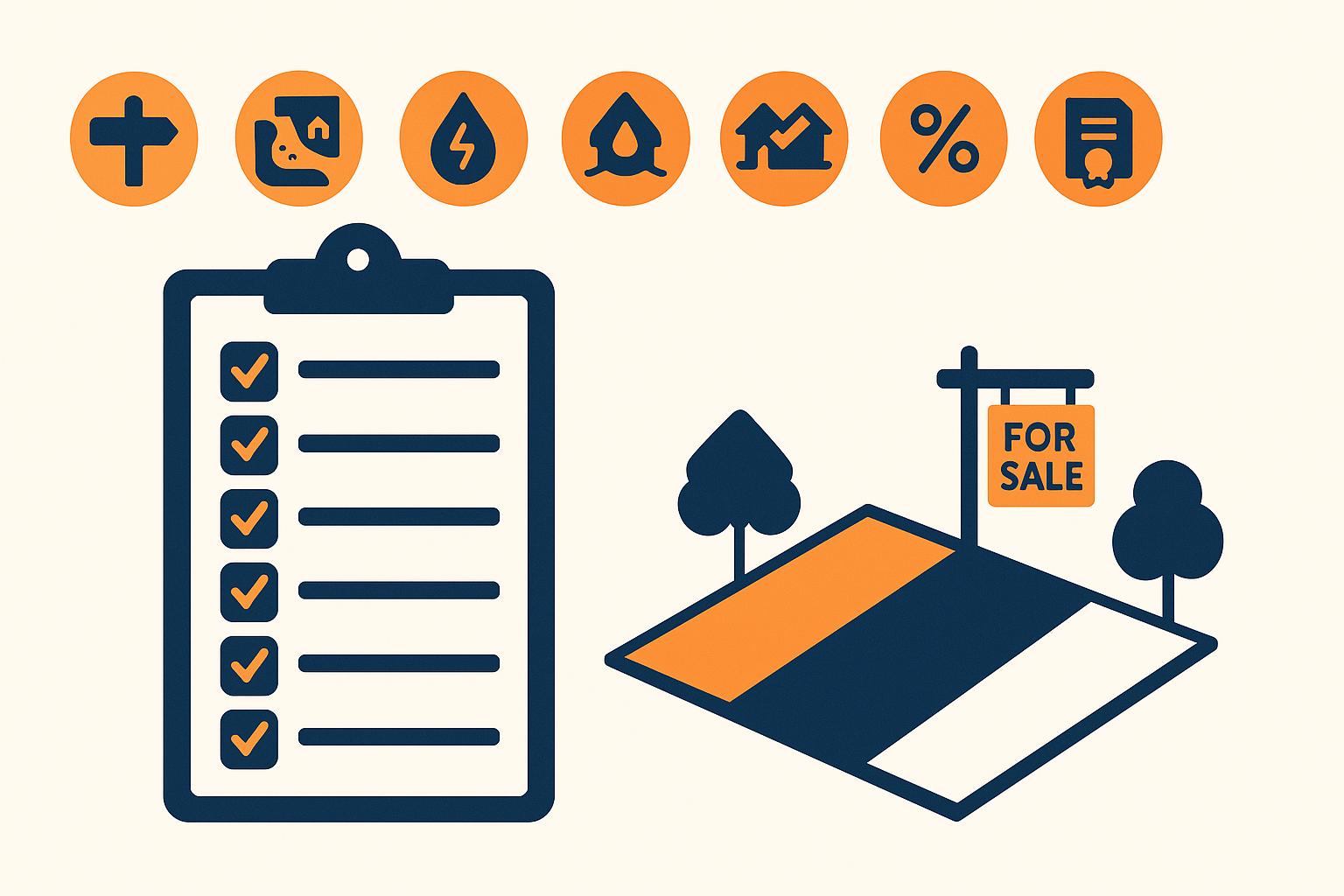
Utilizing effective marketing techniques, such as online listings, social media promotion, and local advertising, can help attract potential buyers. High-quality photos and detailed property descriptions can showcase the land’s potential and draw interest. Engaging with real estate agents who specialize in land sales can also expand marketing reach.
Pricing Strategies
Setting the right price is critical to selling land quickly and profitably. Conducting comparative market analysis and understanding local trends can help determine a competitive price. Investors should consider pricing strategies such as starting slightly higher to allow for negotiation or offering incentives to attract buyers.
Negotiation Tips
Effective negotiation can greatly impact the sale outcome. Investors should be prepared with market data and be clear about their minimum acceptable price. Flexibility and willingness to compromise can also facilitate a successful negotiation process, leading to a mutually beneficial agreement.
How to Lease Land for Income?
Leasing land can create a consistent income stream for landowners. Understanding lease agreements and tenant relationships is essential for successful land leasing.
Understanding Lease Agreements
Lease agreements outline the terms and conditions of the rental arrangement between the landowner and the tenant. These documents should specify rental rates, duration, and responsibilities for maintenance and improvements. Having a well-drafted lease agreement protects both parties and ensures clarity in expectations.
Types of Leases
There are several types of leases for land, including agricultural leases, commercial leases, and recreational leases. Each type has specific terms and conditions tailored to the intended use of the land. Understanding the nuances of different lease types can help landowners select the most appropriate option for their properties.
Finding Tenants
Finding suitable tenants requires effective marketing and networking. Landowners can utilize online platforms, local advertisements, and community connections to attract potential renters. Building relationships with local businesses or farmers can also lead to leasing opportunities, enhancing the likelihood of successful tenant placement.
What is Land Flipping?
Land flipping is the process of buying undervalued land, improving it, and selling it for a profit. This strategy can yield significant returns when executed correctly.
Definition and Process
Land flipping involves acquiring parcels of land at a lower price, making improvements such as clearing, zoning changes, or obtaining permits, and then selling them at a profit. Successful land flippers carefully analyze market trends and property potential to identify the best opportunities for flipping.
Finding Profitable Properties
Identifying profitable properties requires thorough research and market analysis. Investors should look for distressed properties or those with potential for value appreciation. Networking with local real estate professionals and utilizing online resources can assist in locating attractive flipping opportunities.
Timing the Market
Timing the market is crucial for successful land flipping. Investors should monitor market trends and economic conditions to identify optimal selling times. Understanding seasonal fluctuations and buyer demand can aid in making informed decisions on when to acquire and sell properties.
How to Develop Land for Profit?
Developing land can be a lucrative investment strategy, but it requires careful planning and adherence to regulations. Understanding the development process is crucial for success.
Understanding Development Regulations
Before developing land, investors must understand local zoning and development regulations. Compliance with these regulations is essential to avoid legal issues and project delays. Engaging with local planning departments can provide insights into necessary permits and approvals for development projects.
Permitting Process
The permitting process can be complex and varies by location. Investors should anticipate the time and resources needed to obtain the necessary permits for construction or land use changes. Thorough preparation and adherence to regulations can smooth the permitting process and facilitate successful development.
Investment in Infrastructure
Investing in infrastructure improvements, such as roads, utilities, and landscaping, can significantly enhance the value of developed land. Understanding the specific needs of the target market can guide investment decisions and ensure that the development meets buyer expectations. A well-planned infrastructure investment can lead to higher returns and increased property appeal.
What Are the Tax Benefits of Investing in Land?
Investing in land offers several tax benefits that can enhance overall profitability. Understanding these benefits is essential for effective tax planning.
Property Tax Deductions
Property tax deductions allow landowners to reduce their taxable income based on property taxes paid. This deduction can lower the overall tax burden and improve cash flow. Investors should keep detailed records of property taxes to ensure they maximize available deductions during tax season.
1031 Exchange
A 1031 Exchange allows investors to defer capital gains taxes when selling a property and reinvesting the proceeds into another similar property. This strategy can be advantageous for land investors looking to upgrade or diversify their portfolios while minimizing tax liabilities. Understanding the rules and requirements of a 1031 Exchange is critical for successful implementation.
Taxation on Gains
Understanding the taxation on gains from land sales is essential for investors. Capital gains taxes may apply when selling land for a profit, and the tax rate can vary based on the holding period. Investors should consult with tax professionals to develop strategies for minimizing tax liabilities related to land sales.
How to Use Land for Farming or Agriculture?
Utilizing land for farming or agricultural purposes can provide substantial income opportunities. Understanding agricultural investment strategies is key to success.
Types of Agricultural Investments
Investors can engage in various types of agricultural investments, including crop farming, livestock production, and organic farming. Each type of agricultural investment has its unique requirements and market dynamics. Understanding the specific needs and trends in agricultural markets can help investors select the most promising investment avenues.
Best Practices for Profitability
Implementing best practices for profitability in agriculture includes selecting high-demand crops, efficient farming techniques, and sustainable practices. Investors should also stay informed about market prices and consumer preferences to maximize returns. Networking with local agricultural professionals can provide valuable insights and resources for improving profitability.
Market Demand Analysis
Conducting a market demand analysis is essential for successful agricultural investments. Understanding current trends in food consumption, pricing, and local demand can guide investment decisions. Investors should also monitor changes in consumer preferences and emerging markets to adapt their strategies accordingly.
How to Invest in Recreational Land?
Recreational land can provide unique investment opportunities, especially in areas popular for outdoor activities. Understanding market trends and potential uses is essential for success.
Understanding Market Trends
Investors should stay informed about trends related to recreational land, such as the popularity of camping, hiking, and other outdoor activities. Analyzing market demand for recreational properties can help identify promising investment opportunities. Understanding local tourism trends can also provide insights into the best locations for recreational land investments.
Potential Uses and Income
Recreational land can serve various purposes, including camping, hunting, fishing, and nature retreats. Investors can generate income by leasing land for recreational use or developing amenities such as cabins or campsites. Understanding the preferences of recreational users is crucial for maximizing the land’s income potential.
Investment Considerations
Investing in recreational land requires consideration of factors such as accessibility, environmental conditions, and local regulations. Investors should evaluate the land’s proximity to recreational attractions and its potential for development. Conducting thorough due diligence can help ensure successful investments in this niche market.
What Are the Benefits of Buying Raw Land?
Buying raw land offers several advantages for investors, making it an appealing option for many. Understanding these benefits can enhance investment strategies.
Lower Purchase Price
Raw land typically comes at a lower purchase price compared to developed properties, making it accessible for many investors. This lower entry cost allows investors to acquire larger parcels or invest in multiple properties. The potential for appreciation over time can make raw land a worthwhile investment.
Potential for Appreciation
Raw land has significant potential for appreciation, especially in growing areas. As development pressures increase and populations grow, the value of raw land can rise dramatically. Investors who hold onto raw land strategically may benefit from substantial returns on their initial investment.
Flexibility in Use
Raw land offers flexibility in terms of potential uses, allowing investors to explore various development options or hold the land for future appreciation. Investors can choose to develop the land for residential, commercial, or recreational purposes based on market demand and personal interests. This versatility can enhance the investment’s overall value and attractiveness.
How to Utilize Land for Real Estate Development?
Utilizing land for real estate development can yield significant profits, but it requires careful planning and market analysis. Understanding the development process is critical for success.
Planning and Zoning
Before initiating real estate development, investors must understand local planning and zoning regulations. These regulations dictate how land can be used and can significantly impact development plans. Engaging with local planning authorities can provide insights into permitted uses and necessary approvals.
Financing Development Projects
Securing financing for development projects is essential for successful execution. Investors may explore traditional loans, private financing, or partnerships to fund their projects. Understanding the financial landscape and developing a comprehensive project budget can enhance the likelihood of securing necessary funding.
Market Research
Conducting thorough market research is crucial for successful real estate development. Investors should analyze local demographics, demand for specific property types, and market trends to ensure that their development aligns with buyer needs. Comprehensive market research can help mitigate risks and enhance the project’s overall success.
What is the Role of Location in Land Investing?
Location plays a critical role in land investing, influencing property value and potential returns. Understanding the importance of location can enhance investment strategies.
Impact on Value
The location of a property significantly impacts its value. Proximity to urban centers, availability of amenities, and access to transportation routes can all enhance land value. Investors should prioritize locations with strong growth potential to maximize investment returns.
Accessibility and Demand
Accessibility to main roads, public transportation, and essential services can affect land desirability. Properties with easy access tend to attract more buyers and tenants, driving up demand and value. Investors should assess accessibility when evaluating potential land purchases.
Future Development Potential
Understanding future development potential in a given area is crucial for land investment success. Investors should research local government plans, infrastructure investments, and population growth trends to identify areas poised for growth. This forward-looking approach can help investors make informed decisions about land purchases.
How to Create a Land Investment Business Plan?
Creating a solid business plan is essential for guiding land investment strategies and achieving financial goals. A comprehensive plan outlines objectives, market analysis, and financial projections.
Setting Goals and Objectives
Establishing clear goals and objectives is the foundation of a successful land investment business plan. Investors should define their investment strategy, desired returns, and timeframes for achieving their goals. This clarity will guide decision-making and ensure alignment with long-term aspirations.
Market Analysis
Conducting a thorough market analysis is vital for understanding the landscape of land investing. Investors should research local market trends, economic conditions, and demographic shifts to inform their strategies. This analysis will help identify promising investment opportunities and potential risks.
Financial Projections
Creating financial projections helps investors assess the viability of their business plan. Investors should estimate costs, revenues, and expected returns based on market data and their investment strategy. Accurate financial projections will assist in securing financing and guiding investment decisions.
What Are the Key Metrics in Land Investing?
Understanding key metrics is essential for evaluating land investments and making informed decisions. These metrics provide insights into profitability and potential risks.
Return on Investment (ROI)
Return on Investment (ROI) measures the profitability of an investment relative to its cost. Calculating ROI involves assessing the total gains from the investment and comparing them to the initial costs. A higher ROI indicates a more profitable investment, guiding landowners in making future investment decisions.
Cash Flow Analysis
Cash flow analysis evaluates the income generated from land investments relative to expenses. Understanding cash flow helps investors assess the financial health of their investments and identify opportunities for improvement. Positive cash flow is crucial for sustaining long-term investments and achieving financial goals.
Appreciation Rates
Appreciation rates reflect how much a property’s value increases over time. Monitoring appreciation rates in specific areas can help investors identify trends and make informed purchasing decisions. Understanding historical appreciation rates can also guide expectations for future investment returns.
How to Network in the Land Investment Community?
Networking within the land investment community can provide valuable opportunities for collaboration and knowledge sharing. Building relationships can enhance investment success.
Building Relationships
Building relationships with other investors, real estate professionals, and industry experts can open doors to new investment opportunities. Engaging in local real estate events, workshops, and networking groups fosters connections and encourages collaboration. Strong relationships can lead to valuable insights and partnerships in land investing.
Finding Partners and Investors
Identifying potential partners and investors can strengthen land investment strategies. Investors should seek individuals with complementary skills, resources, or expertise. Collaborative efforts can enhance purchasing power and provide diverse perspectives on investment decisions.
Joining Associations
Joining local or national real estate associations can provide access to valuable resources and networking opportunities. These organizations often host events, offer educational resources, and facilitate connections among members. Active involvement can enhance knowledge and promote successful land investment strategies.
What Are the Emerging Trends in Land Investing?
Staying informed about emerging trends in land investing is essential for adapting strategies and maximizing returns. Understanding these trends can provide a competitive edge.
Sustainability and Green Investments
There is a growing trend towards sustainability and green investments in land. Investors are increasingly interested in properties that incorporate eco-friendly practices and sustainable development principles. This trend reflects consumer preferences and can lead to higher demand for environmentally-conscious properties.
Urbanization Effects
Urbanization is driving changes in land demand and value. As populations continue to grow in urban areas, the demand for housing, commercial spaces, and recreational land is increasing. Investors should monitor urbanization trends to identify profitable investment opportunities in densely populated regions.
Technological Advances
Technological advances are transforming the land investment landscape. Tools such as GIS mapping, data analysis, and virtual tours can enhance property evaluations and streamline transactions. Adopting technology can improve efficiency and provide investors with valuable insights into market trends and property performance.
How to Protect Your Land Investment?
Protecting land investments requires proactive measures to mitigate risks and safeguard assets. Investors should implement strategies to secure their investments effectively.
Insurance Options
Obtaining appropriate insurance coverage is critical for protecting land investments. Investors should evaluate different types of insurance, including liability, property, and environmental insurance, to ensure comprehensive protection. Working with insurance professionals can help identify the best policies for specific investment needs.
Legal Protections
Legal protections, such as clear property titles and well-drafted contracts, are essential for safeguarding land investments. Investors should conduct thorough due diligence to confirm ownership and compliance with local regulations. Engaging legal professionals can provide added security and help navigate complex legal issues.
Regular Maintenance
Regular maintenance of land is crucial for preserving its value and usability. Investors should routinely assess the property for potential issues, such as invasive species, erosion, or damage from weather events. Proactive maintenance can prevent costly repairs and enhance the long-term viability of land investments.
How to Diversify Your Land Investment Portfolio?
Diversifying a land investment portfolio can reduce risk and enhance overall returns. Investors should consider various strategies for effective diversification.
Investing in Different Types of Land
Diversifying by investing in various types of land, such as residential, commercial, agricultural, and recreational, can spread risk across different markets. This approach allows investors to capitalize on various opportunities and reduce the impact of market fluctuations on their overall portfolio.
Geographical Diversification
Geographical diversification involves investing in land across different regions or markets. This strategy can mitigate risks associated with local economic downturns or market fluctuations. Understanding regional trends and dynamics is essential for successful geographical diversification.
Balancing Risk and Return
Balancing risk and return is critical for a diversified land investment portfolio. Investors should assess their risk tolerance and investment goals to develop a balanced strategy. A well-diversified portfolio should include a mix of high-risk, high-reward investments and more stable, lower-risk options to create a balanced approach.
How to Stay Informed About Land Market Trends?
Staying informed about land market trends is essential for making informed investment decisions. Investors should adopt strategies to remain updated on market developments.
Researching Market Reports
Regularly researching market reports and analyses can provide valuable insights into land market trends. Investors should access reports from reputable sources that cover local and national real estate trends. Understanding market dynamics can help investors identify opportunities and adjust their strategies accordingly.
Following Industry News
Keeping up with industry news through reliable sources helps investors stay informed about changes in regulations, market trends, and economic conditions. Subscribing to newsletters, following industry publications, and engaging with professional networks can enhance knowledge and awareness of market developments.
Connecting with Experts
Connecting with real estate professionals, industry experts, and fellow investors can provide valuable insights and advice. Engaging in networking events, online forums, and educational workshops can facilitate knowledge sharing and foster relationships that enhance investment strategies. Collaborating with experts can lead to better decision-making and increased investment success.
What Are the Common Mistakes in Land Investing?
Avoiding common mistakes can significantly enhance the success of land investments. Investors should be aware of these pitfalls and take proactive measures to avoid them.
Overlooking Due Diligence
Failing to conduct thorough due diligence can lead to costly mistakes in land investing. Investors should verify property titles, zoning regulations, and environmental assessments before purchasing land. Comprehensive due diligence helps prevent unexpected issues and ensures informed decision-making.
Ignoring Market Research
Ignoring market research can hinder investment success. Investors must stay informed about local market trends, demand, and economic conditions to make informed purchasing decisions. Regularly analyzing market data can provide insights into potential opportunities and risks.
Improper Valuation
Improper valuation of land can lead to overpaying or undervaluing properties. Investors should rely on professional appraisals and comparative market analyses to determine fair market value. Understanding the factors that influence land value is essential for making sound investment decisions.
How to Get Started in Land Investing?
Getting started in land investing requires careful planning and research. Understanding the foundational steps can enhance the likelihood of success.
Steps for Beginners
Beginners should start by educating themselves about land investing, including market trends, investment strategies, and legal considerations. Establishing clear goals and a budget will guide investment decisions. Starting small with manageable investments can help build confidence and experience.
Resources for Learning
Utilizing resources such as books, online courses, and webinars can provide valuable knowledge for aspiring land investors. Engaging with real estate professionals and attending workshops can enhance understanding and provide practical insights. Continuous learning is crucial for successful land investing.
Setting Your Budget
Establishing a budget is essential for effective land investing. Investors should consider purchase costs, ongoing expenses, and potential returns when setting their budget. A well-defined budget will guide investment decisions and help ensure financial sustainability.
Mini FAQ
What is the easiest way to make money with land? Leasing land for agricultural or recreational purposes can provide a steady income stream with minimal management.
How long does it take to see returns from land investments? Returns can vary based on the investment strategy; flipping land may yield quick returns, while long-term hold strategies may take years to appreciate.
Can I finance land purchases without a large down payment? Yes, options like seller financing or land loans can provide alternative financing methods with lower down payments.
What type of land is best for first-time investors? Raw land or residential lots are often considered suitable for first-time investors due to lower costs and simpler development processes.
What are the tax implications of selling land? Capital gains taxes may apply when selling land for a profit, and understanding these implications is crucial for effective tax planning.
Is it necessary to have a real estate agent for land investments? While not mandatory, a knowledgeable real estate agent can provide valuable insights and assist in navigating the complexities of land transactions.
What should you do next to move from reading to taking action?
Land investing gets easier when you follow a clear process and use proven resources. These are the fastest ways to learn the steps, avoid common mistakes, and move toward your first deal with confidence.



