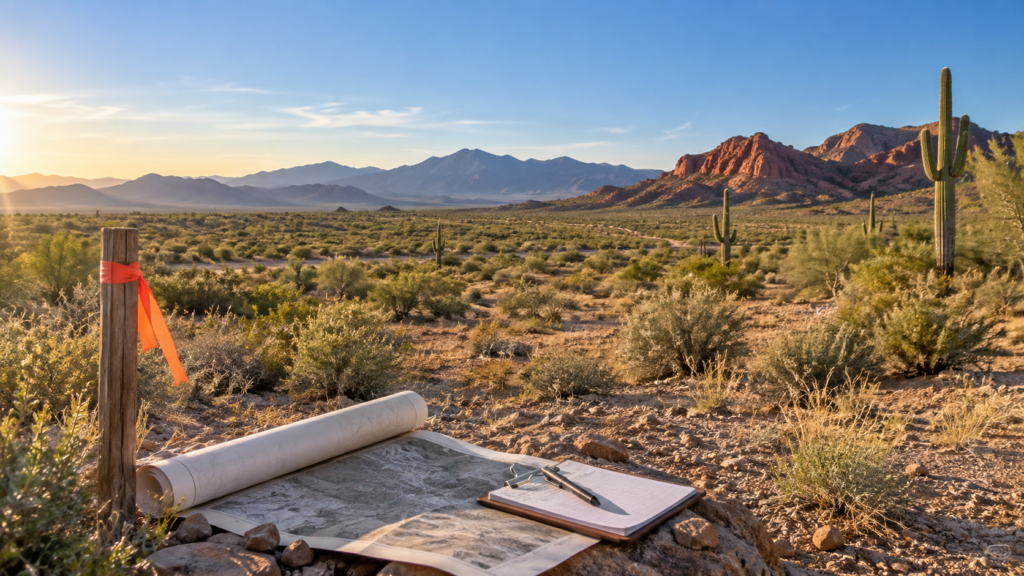
Land investing in Arizona offers unique opportunities due to the state’s diverse geography, growing population, and expanding infrastructure. If you’re wondering how to land investing Arizona and want a practical, step-by-step approach, this guide will help you make informed decisions that prioritize due diligence and risk management.
This article assumes you are seeking to purchase vacant land or undeveloped parcels for long-term holding, future development, or resale. It avoids offering financial guarantees or legal advice but focuses on core practical steps and key considerations for successful land investing in Arizona in 2026.
What Makes Arizona a Distinct Market for Land Investing?
Arizona’s land market reflects its desert climate, zoning variations between urban and rural counties, and trends in population growth. Areas near Phoenix, Tucson, and Flagstaff tend to have higher demand and development potential, but remote regions also attract investors looking for low-cost entry or recreational use.
Understanding local market conditions is critical. Factors like water access, land topography, road connectivity, and county regulations will impact the usability and value appreciation of land you invest in.
Step 1: Define Your Land Investing Goals
Before purchasing, clarify what you want to achieve. Are you acquiring land for:
- Long-term appreciation and resale?
- Recreational use or personal getaway?
- Building a tiny home, placing an RV, or farming?
- Future residential or commercial development?
Your investment strategy will shape the types of properties you seek and the due diligence steps you must follow. For example, land for tiny homes requires zoning and permitting checks that differ from raw land for future speculative resale.
Step 2: Research Counties and Locations in Arizona
Arizona has 15 counties, each with its own rules and market dynamics. Common counties for land investing include Maricopa, Pinal, Yavapai, Mohave, and Cochise. Your choice should depend on:
📘 Get Your FREE Land Investing Strategy Guide
Discover how savvy investors build passive income with vacant land.
- Access to utilities and infrastructure
- Local zoning and land use regulations
- Proximity to urban centers or highways
- Natural features and terrain
- Availability of public services and amenities
Checking local county assessor websites or contacting county planning offices can provide important baseline info.
Step 3: Verify Legal Ownership and Title Status
Once you identify a property, confirm the legal owner and review the title. This involves:
- Obtaining a title report through a professional title company
- Checking for liens, easements, or encumbrances
- Confirming property boundaries and parcel identification numbers (APNs)
Title issues can be deal-killers. Never assume clear ownership without a formal title search.
Step 4: Investigate Zoning and Land Use Restrictions
Zoning laws in Arizona vary by county and municipality. They dictate what activities or developments are permitted on the land. Verify:
- Zoning classification and allowed uses
- Building restrictions or setbacks
- Special overlays related to environmental protections or historic districts
Contact the local zoning office or reference resources like the Zoning Laws in Arizona: Complete Buyer’s Guide (2026) to confirm compliance and understand limitations.
Step 5: Assess Access to Utilities and Roads
Evaluate whether the land has legal and physical access via public or private roads. Also, check availability or potential connection to utilities like water, electricity, septic, and internet. Lack of access or utility services can significantly affect usability and future value.
Visit the land in person if possible, and consult local utility providers and county offices to verify service availability.
Step 6: Review Environmental and Terrain Considerations
Arizona’s landscape includes deserts, mountains, and flood plains. Consider natural factors such as:
- Flood risk or drainage issues
- Soil quality and topography affecting construction feasibility
- Presence of protected species or habitats
Some environmental conditions require professional surveys or assessments. Consulting local County Environmental Services or State Natural Resources departments can clarify any restrictions or concerns.
Step 7: Understand Property Taxes and Carrying Costs
Owning land in Arizona comes with annual property taxes based on assessed value. These vary by county and can change over time. Other ongoing costs may include homeowner association fees for subdivided parcels, maintenance costs, and insurance.
Confirm tax rates with the county assessor’s office and incorporate carrying costs into your investment calculations, ensuring affordability over your intended hold period.
Step 8: Conduct or Order a Land Survey
A land survey establishes exact boundaries and identifies potential encroachments or easements. Surveys are especially important if the property boundaries are unclear or for parcels with irregular shapes.
Check out the Land Survey Cost In Arizona: Complete Buyer’s Guide (2026) for detailed considerations on surveying practices and costs.
Step 9: Consider Accessory Uses and Development Potential
If your intent is to build or place a tiny home or RV on the land, confirm compliance with relevant regulations:
- Tiny home and RV zoning and permit requirements
- RV laws and allowed duration of stay
- Permit procedures and necessary inspections
Refer to guides like Tiny Home Laws In Arizona: Complete Buyer’s Guide (2026) and RV Laws In Arizona: Complete Buyer’s Guide (2026) for detailed insights.
Step 10: Perform a Title and Liens Final Review Before Closing
Before completing your purchase, order a final title update to ensure no new liens or claims have been filed since your initial search. Verify that the seller holds good title, and review all closing documentation carefully with your attorney or title professional.
Step 11: Develop a Plan for Post-Purchase Management
After acquiring land, decide how you will manage it. Options include:
- Holding for appreciation
- Leasing for recreational or agricultural use
- Planning improvements like fencing, wells, or utilities
Proactive management can protect your investment, but always factor carrying costs and local regulations into your plans.
Key Risks and Deal Breakers When Investing in Arizona Land
- No legal access or easement to the property
- Title defects or unresolved liens
- Severe zoning restrictions preventing intended use
- Lack of water rights or utility access where needed
- Environmental hazards or unbuildable terrain
If you encounter any of these, consider walking away or renegotiating to avoid costly surprises.
Additional Due Diligence Steps to Protect Your Investment
Beyond the foundational steps outlined, successful land investing in Arizona also benefits from enhanced due diligence including:
- Title Insurance: Consider purchasing title insurance to protect against unknown defects or claims that could arise after purchase.
- Survey Verification: Review any existing surveys for accuracy and completeness before ordering a new one, potentially saving time and costs.
- Right to Water: Verify any water rights are transferable with the land, especially important in arid Arizona markets.
- Check for Mineral and Extraction Rights: These can impact your land use or future value depending on existing leases or rights granted to third parties.
- Consult Local Experts: Engage with local real estate agents or land-use consultants who understand county-specific nuances and recent regulatory changes.
Adding these steps strengthens your position and reduces risk in Arizona’s diverse and sometimes complex land markets.
Summary Workflow Checklist for Arizona Land Investing
| Step | Action | Verification Source |
|---|---|---|
| 1 | Define investment goals | Self-assessment |
| 2 | Research counties and market | County websites, planning offices |
| 3 | Confirm legal ownership and title | Title company report |
| 4 | Review zoning and use restrictions | Local zoning office, online zoning maps |
| 5 | Verify road access and utilities | County public works, utility providers |
| 6 | Assess environmental and terrain factors | County environmental office, surveyor |
| 7 | Check property taxes and costs | County assessor’s office |
| 8 | Order land survey if needed | Licensed land surveyor |
| 9 | Confirm accessory uses and permits | County zoning and building departments |
| 10 | Final title review before closing | Title company, attorney |
| 11 | Plan post-purchase management | Self planning, professional advice |
| 12 | Perform enhanced due diligence checks | Title insurer, water rights office, local experts |
Where to Learn More and Stay Current
Arizona land investing rules and market conditions can evolve. For comprehensive and current information in 2026, consult specialty guides such as Land Investing In Arizona: Complete Guide (2026) and related topic guides from The Land Geek as linked above.
Conclusion
Starting land investing in Arizona requires thorough research, careful evaluation of legal and use issues, and ongoing management planning. By following a disciplined approach that prioritizes verified facts over assumptions, you can minimize risks and position your land purchase for your specific goals. Avoid rushing purchases and always verify critical information through official county, state, and professional sources.
Mini FAQ: Arizona Land Investing
Q: Can I build a home on vacant Arizona land?
A: It depends on zoning, access to utilities, and permits. Verify local building codes and zoning ordinances before purchasing.
Q: How do I find available land in Arizona?
A: Use public county assessor websites, online listings, and contact local real estate professionals specializing in land.
Q: Are there special considerations for investing in desert land?
A: Yes, water rights, soil conditions, and environmental restrictions should be carefully assessed.
Q: Is land investing in Arizona suited for beginners?
A: It can be, if you commit to comprehensive due diligence and consult professionals for legal, survey, and title reviews.



