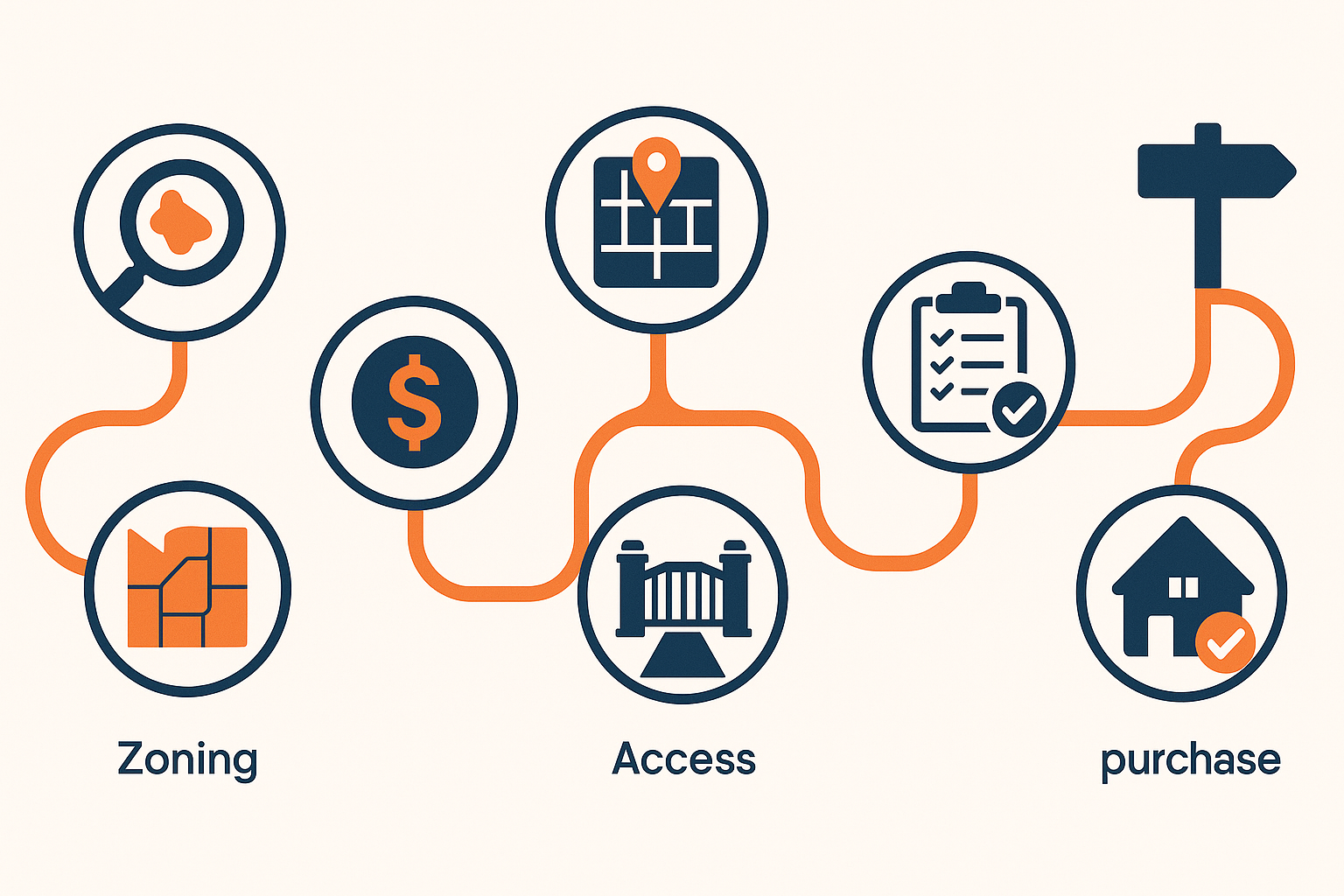
Investing in land can be an advantageous endeavor for individuals seeking to diversify their portfolios or create long-term wealth. Unlike traditional real estate investments, land offers unique opportunities ranging from appreciation to income generation. This guide will delve into various aspects of land investing, providing prospective buyers with the knowledge needed to make informed decisions.
What is land investing?
Land investing refers to the purchase of parcels of land for various purposes, including development, resale, or leasing. It encompasses different types of land investments and comes with unique benefits that can appeal to various investors.
Definition of land investing
Land investing involves acquiring property with the intention to hold, develop, or sell it for profit. This type of investment can vary significantly in terms of land use, location, and market demand. Investors may choose raw land, which is unimproved and undeveloped, or improved land that has utilities and infrastructure in place. The key is to understand the market dynamics and potential future value of the land being considered.
Types of land investments
There are several types of land investments, including residential, commercial, agricultural, and industrial land. Residential land is often purchased for building homes, while commercial land is utilized for business developments. Agricultural land is used for farming purposes, and industrial land is designated for manufacturing and production facilities. Each type presents different opportunities and challenges based on zoning regulations and market demand.
Benefits of investing in land
Investing in land offers numerous benefits, such as potential for appreciation, lower competition compared to residential properties, and minimal maintenance requirements. Moreover, land does not depreciate like buildings can, and it often provides a hedge against inflation. Investors can also generate passive income through leasing or selling the land in the future, making it a versatile option for wealth-building.
Why should I consider investing in land?
Investing in land can be a strategic move for those looking for long-term appreciation, limited supply, and the chance to diversify their investment portfolio. These factors contribute to the attractiveness and resilience of land as an asset class.
Long-term appreciation
Land has historically shown a strong potential for long-term appreciation, especially in areas experiencing growth. As populations increase and urban areas expand, the demand for land often rises, driving up its value over time. Investors who purchase land in the path of growth may see significant returns as infrastructure develops and demand increases.
Limited supply
The supply of land is inherently limited, particularly in desirable locations. This scarcity can lead to increased value as demand outstrips supply. Unlike other assets, land cannot be manufactured, making it a finite resource that appreciates in value as more people seek to acquire it.
Diverse investment portfolio
Including land in your investment portfolio can enhance diversification, reducing overall risk. Land investments can behave differently than stocks or bonds, providing a counterbalance during market fluctuations. This diversification can be particularly beneficial for investors seeking to stabilize their returns over time.
How do I start investing in land?
Starting your journey in land investing involves thorough market research, setting clear investment goals, and establishing a budget. These foundational steps will help refine your focus and increase your chances of success.
Research the market
Conducting comprehensive market research is crucial before investing in land. Understanding local trends, property values, and potential growth areas will help you identify lucrative opportunities. Utilize online resources, attend local real estate meetings, and consult with experts to gather valuable insights into the market dynamics.
Set investment goals
Clearly defined investment goals will guide your strategy and decision-making process. Are you looking for long-term appreciation, immediate income, or a combination of both? Establishing these objectives will help you focus your search and evaluate potential investments more effectively.
Create a budget
Having a well-defined budget is essential to successful land investing. Consider not only the purchase price but also ongoing costs such as taxes, maintenance, and potential development expenses. A realistic budget will keep you on track and help avoid financial pitfalls as you navigate the land investment landscape.
What types of land can I invest in?
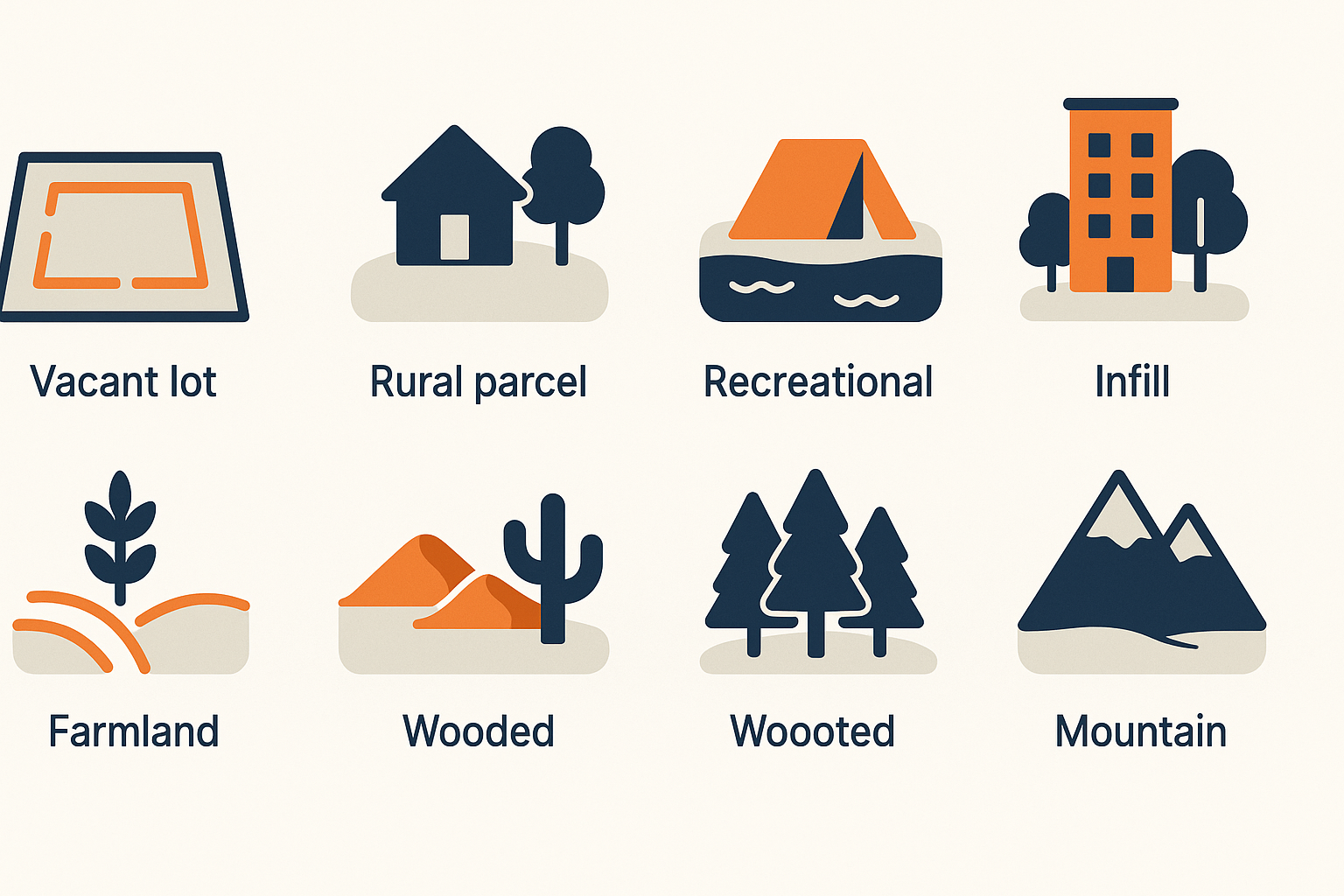
There are several types of land available for investment, including residential, commercial, and agricultural land. Each type serves different purposes and presents unique opportunities and risks for investors.
Residential land
Residential land is typically zoned for housing and can range from single-family lots to larger parcels designated for multi-family developments. Investors often purchase residential land to build homes or hold for future appreciation, capitalizing on the demand for housing in growing areas.
Commercial land
Commercial land is intended for business use, such as retail, office, or industrial spaces. This type of investment can yield significant returns, especially in high-demand locations. However, it often requires a deeper understanding of local zoning laws and market conditions to succeed.
Agricultural land
Agricultural land is used for farming and cultivation, presenting unique investment opportunities. This type of land can appreciate over time, particularly in regions with strong agricultural markets. Investors may also benefit from leasing the land to local farmers, providing a steady income stream while retaining ownership.
How do I find available land for investment?
Finding available land for investment can be achieved through various channels, including online listings, local real estate agents, and land auctions. Each method has its advantages and can help you discover unique opportunities.
Online listings
Online real estate platforms offer a wealth of listings for available land. Websites dedicated to land sales allow you to filter search criteria based on location, price, and land type. This convenience enables you to explore a wide variety of options from the comfort of your home.
Local real estate agents
Working with local real estate agents can provide valuable insights into the land market. Agents with experience in land sales can help identify suitable properties, navigate zoning regulations, and negotiate deals. Their expertise can be particularly beneficial for first-time land investors.
Land auctions
Land auctions present an opportunity to purchase properties at potentially lower prices. Attending auctions can provide access to unique parcels that may not be listed through traditional channels. However, it is essential to conduct due diligence before bidding, as auction purchases often come with their own set of risks.
What should I look for in a piece of land?
When evaluating a piece of land for investment, it is crucial to consider factors such as location, zoning regulations, and access to utilities. These elements can significantly influence the land’s value and potential for development.
Location considerations
The location of the land plays a vital role in its investment potential. Proximity to urban areas, amenities, and infrastructure can enhance value. Additionally, understanding local market trends and demographics can provide insights into future growth potential, allowing for smarter investment decisions.
Zoning regulations
Zoning regulations dictate how land can be used and developed. Familiarizing yourself with these regulations is essential to ensure that your intended use aligns with local laws. Zoning changes can also impact property value, making it important to stay informed about any proposed changes in your target area.
Access to utilities
Access to essential utilities such as water, electricity, and sewage is critical for land development. Properties lacking these services may require significant investment to develop, potentially affecting your overall return on investment. Evaluating utility access is a key component of land assessment.
How do I evaluate the value of land?
Evaluating the value of land involves conducting a comparative market analysis, assessing land features, and considering future development potential. These steps will provide a clear understanding of what the property is worth and help you make informed decisions.
Comparative market analysis
Conducting a comparative market analysis (CMA) involves researching recent sales of similar properties in the area. This analysis provides insight into current market trends and helps establish a fair market value for the land you are considering. A thorough CMA will incorporate various factors, including size, location, and zoning.
Assessing land features
Evaluating the physical attributes of the land is essential for determining its value. Factors such as topography, soil quality, and proximity to water sources can influence usability and desirability. Understanding these features will help you gauge the potential for development and future appreciation.
Future development potential
Considering the future development potential of the land is crucial in evaluating its value. Researching local growth plans, zoning changes, and market demand can provide insights into how the land may appreciate over time. Identifying areas poised for growth can lead to significant investment opportunities.
What are the financing options for land purchases?
Financing options for land purchases include cash purchases, land loans, and owner financing. Each option has its advantages, depending on your financial situation and investment goals.
Cash purchases
Paying cash for land is often the simplest option, as it eliminates the need for financing and interest payments. Cash purchases can also provide leverage in negotiations, making your offer more attractive to sellers. However, this method requires having sufficient capital available upfront.
Land loans
Land loans are specifically designed for purchasing land and can come from banks, credit unions, or private lenders. These loans often have stricter requirements compared to traditional mortgages, such as larger down payments and higher interest rates. Understanding the terms of a land loan is essential for successful financing.
Owner financing
Owner financing allows buyers to purchase land directly from the seller, bypassing traditional lenders. This arrangement can be beneficial for buyers who may not qualify for conventional loans. It also provides sellers with the opportunity to receive interest income while retaining ownership until the loan is paid off.
What are the legal considerations in land investing?
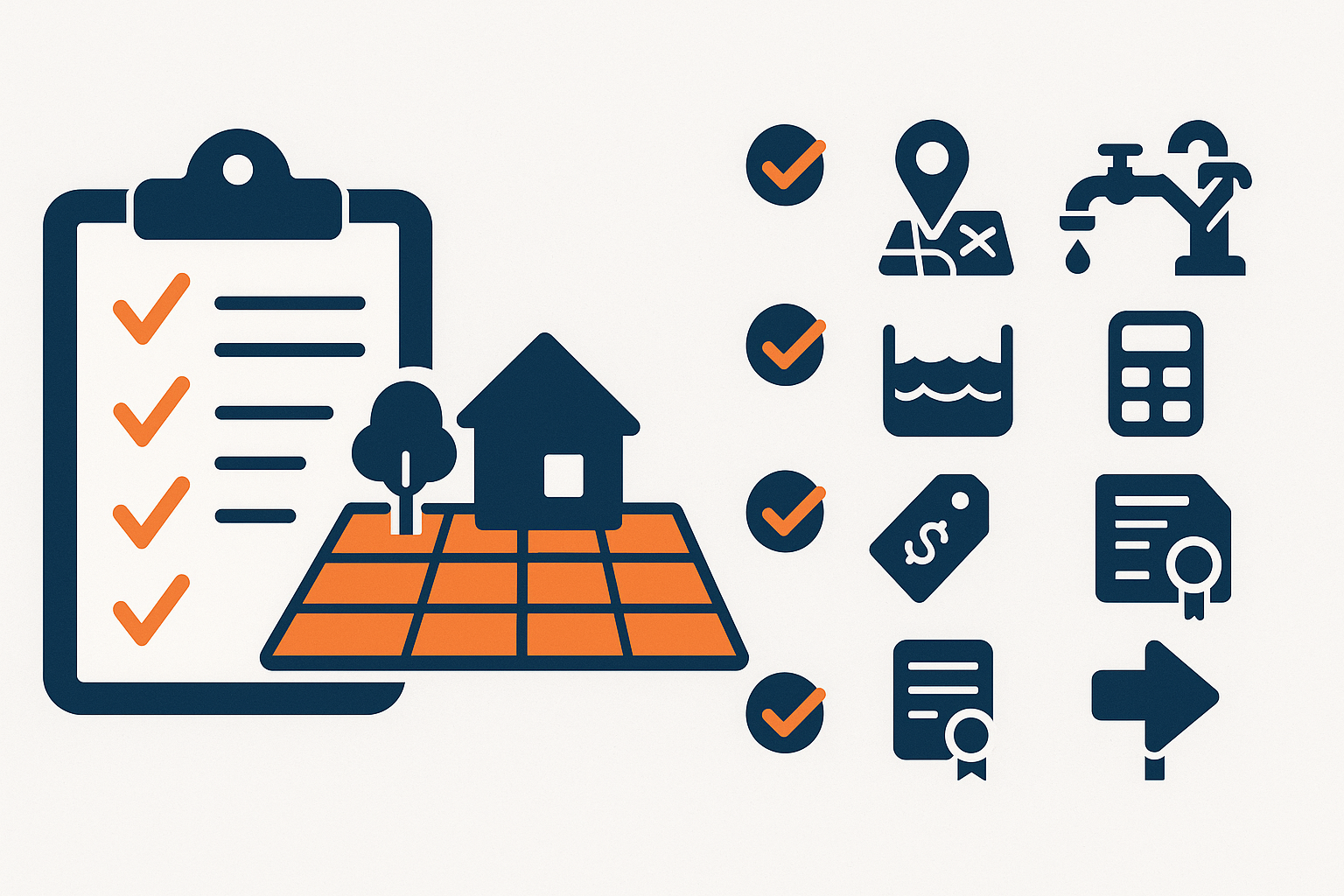
Legal considerations in land investing include conducting a title search, understanding land use restrictions, and complying with environmental regulations. Addressing these aspects is essential to avoid potential legal issues in the future.
Title search
Conducting a title search ensures that the land is free of liens, encumbrances, or disputes. This process verifies the ownership history and confirms that there are no legal claims against the property. A thorough title search is a critical step in protecting your investment and ensuring a smooth transaction.
Land use restrictions
Understanding land use restrictions is vital for determining what can and cannot be done with the property. These restrictions are often outlined in local zoning laws and can affect development potential and property value. Reviewing these restrictions before purchasing land will help you align your investment goals with local regulations.
Environmental regulations
Environmental regulations govern how land can be used and developed to protect natural resources. Familiarizing yourself with these regulations is important, as non-compliance can result in fines or legal issues. Conducting environmental assessments can also help identify potential risks and liabilities associated with the land.
How do I negotiate the purchase of land?
Negotiating the purchase of land involves understanding the seller’s motivation, making a fair offer, and ensuring a smooth closing process. Effective negotiation skills can lead to favorable terms and a successful transaction.
Understanding the seller’s motivation
Understanding why a seller is motivated to sell can provide valuable insights during negotiations. Sellers may be facing financial issues, relocating, or simply looking to cash in on their investment. Tailoring your offer to their specific motivations can create a win-win situation for both parties.
Making a fair offer
Making a fair offer is crucial in the negotiation process. Utilize your market research and comparative market analysis to determine an appropriate price. Being transparent about your findings can foster trust and facilitate a smoother negotiation process with the seller.
Closing the deal
Closing the deal involves finalizing all necessary paperwork and ensuring that both parties fulfill their obligations. This process can include working with a real estate attorney, conducting inspections, and ensuring that financing is in place. A well-organized closing will help solidify your investment and pave the way for future opportunities.
What are the ongoing costs associated with land ownership?
Ongoing costs associated with land ownership include property taxes, maintenance expenses, and insurance costs. Understanding these expenses is essential for budgeting and ensuring the long-term viability of your investment.
Property taxes
Property taxes are a recurring expense for landowners and can vary significantly based on location and land use. It is essential to factor these taxes into your overall budget, as they can impact your return on investment. Regularly reviewing tax assessments can help you stay informed about potential changes.
Maintenance expenses
While land generally requires less maintenance than developed properties, certain expenses may still arise. These can include clearing brush, maintaining access roads, or managing utilities. Being proactive about maintenance can help preserve the value of your land and prevent costly issues in the future.
Insurance costs
Landowners typically need to obtain insurance to protect their investment from potential liabilities or damages. The type and cost of insurance can vary based on land use and location. Understanding your insurance needs and finding an appropriate policy is essential for safeguarding your investment.
How can I generate income from my land investment?
Generating income from land investment can be achieved through various avenues, including leasing options, timberland investment, and recreational use. Each method offers different income potential and management requirements.
Leasing options
Leasing land can provide a steady income stream without the need for significant development. Many landowners lease their properties for agricultural use, commercial ventures, or hunting and recreational activities. Establishing a lease agreement can offer a reliable source of income while retaining ownership of the land.
Timberland investment
Investing in timberland allows landowners to generate income through the sale of timber. This investment strategy requires a long-term approach, as trees take time to mature. However, timberland can appreciate in value while providing an ongoing source of revenue from timber sales.
Recreational use
Land can also be utilized for recreational purposes, such as camping, hunting, or fishing. By offering access for recreational activities, landowners can charge fees and generate income. This option can be particularly appealing in areas with natural attractions, enhancing the land’s value and income potential.
What are the risks of investing in land?
Investing in land comes with risks, including market fluctuations, zoning changes, and environmental issues. Understanding these risks can help you make informed decisions and mitigate potential challenges.
Market fluctuations
Land values can be subject to market fluctuations influenced by economic conditions and demand. Changes in interest rates, local economies, and demographic shifts can affect property values. Staying informed about market trends and adopting a long-term investment strategy can help mitigate these risks.
Zoning changes
Zoning changes can significantly impact the value and use of land. Local governments may alter zoning regulations, affecting development potential. Being aware of potential zoning changes and advocating for favorable policies in your area can help protect your investment.
Environmental issues
Environmental issues, such as contamination or natural disasters, can pose risks to land investments. Conducting thorough environmental assessments and having a contingency plan in place can help mitigate these risks. Awareness of local environmental regulations is also essential for ensuring compliance and protecting your investment.
How do I sell my land in the future?
Selling land in the future requires proper preparation, effective marketing strategies, and possibly working with real estate professionals. These steps will ensure a successful sale and maximize your return on investment.
Preparing the land for sale
Preparing your land for sale involves addressing any issues that may deter potential buyers. This can include clearing overgrowth, obtaining necessary permits, and ensuring that utilities are accessible. A well-presented piece of land will attract more interest and command a higher price.
Marketing strategies
Implementing effective marketing strategies is crucial for reaching potential buyers. Utilize online listings, social media, and local advertising to showcase your property. High-quality photos and comprehensive descriptions can enhance your listing and draw more interest from serious buyers.
Working with real estate professionals
Engaging real estate professionals can streamline the selling process and enhance your chances of a successful sale. Real estate agents can provide valuable insights into pricing, marketing, and negotiating offers. Their expertise can help you navigate the complexities of selling land while maximizing your return.
What is the role of a real estate agent in land investing?
Real estate agents play a vital role in land investing by helping buyers find suitable properties, negotiating deals, and providing market insights. Their expertise can simplify the buying process and enhance investment success.
Finding suitable land
A knowledgeable real estate agent can help you identify land that meets your investment criteria. They have access to extensive listings and local market knowledge, allowing them to pinpoint properties that align with your goals. Their experience can save you time and effort in the search process.
Negotiating deals
Negotiating land purchases can be complicated, and having a skilled agent on your side can make a significant difference. They can assist you in crafting competitive offers, navigating counteroffers, and ensuring that all terms are favorable. Their negotiation skills can help secure the best possible deal for your investment.
Providing market insights
Real estate agents are well-versed in market trends and conditions, providing valuable insights that can inform your investment decisions. They can help you understand local demand, pricing dynamics, and future growth potential. This information can be crucial in making informed investment choices.
How can I use land as part of my retirement plan?
Incorporating land into your retirement plan can provide investment growth, passive income options, and long-term security. This strategy can help diversify your retirement portfolio and ensure financial stability.
Investment growth
Land can appreciate significantly over time, making it a valuable asset in your retirement plan. By investing in land, you can benefit from capital growth, enhancing your overall financial position as you approach retirement. Monitoring market trends and making strategic decisions can maximize this growth potential.
Passive income options
Owning land can provide several passive income options, such as leasing or renting. This income can supplement your retirement savings, allowing you to maintain a comfortable lifestyle. Understanding your options and actively managing your land can enhance your financial security during retirement.
Long-term security
Land is a tangible asset that can provide long-term security in retirement. Unlike stocks or bonds, land is a finite resource that tends to hold its value. This stability can be particularly reassuring for retirees seeking to protect their wealth and ensure a steady income stream.
What are land investment strategies?
Land investment strategies encompass approaches such as buy and hold, flipping land, and developing land. Each strategy has its own set of advantages and considerations, allowing investors to choose according to their goals and risk tolerance.
Buy and hold
The buy and hold strategy involves purchasing land with the intention of holding it for appreciation over time. This approach is often favored by long-term investors looking to benefit from rising property values. It requires patience and a keen understanding of market trends to maximize returns.
Flipping land
Flipping land entails purchasing properties at a lower price, making improvements, and selling them quickly for profit. This strategy can yield significant returns, but it requires a thorough understanding of the market and the ability to identify undervalued properties. Effective marketing and negotiation skills are also essential for success.
Developing land
Developing land involves improving the property for residential, commercial, or agricultural use. This strategy can lead to substantial profits, but it often requires a significant investment of time and resources. Understanding local regulations, market demand, and development costs is crucial for successful land development.
How does land zoning affect investment potential?
Land zoning plays a critical role in determining the investment potential of a property. Zoning categories dictate how land can be used, which can significantly impact its value and development opportunities.
Understanding zoning categories
Zoning categories define permitted land uses, such as residential, commercial, or industrial. Understanding these categories is essential for investors, as they dictate what can be built or developed on the land. Familiarizing yourself with local zoning regulations will help you align your investment goals with allowable land uses.
Potential for re-zoning
Re-zoning can transform a property’s investment potential by allowing different uses than originally permitted. Investors should research the likelihood of re-zoning in their target area, as this can significantly impact property value. Engaging with local planning departments can provide insights into potential changes and opportunities.
Impact on property value
Zoning regulations can directly affect property value based on the permitted uses. Properties in desirable zoning categories may experience appreciation as demand increases. Understanding the relationship between zoning and property value is essential for making informed investment decisions.
What should I know about land surveys?
Land surveys are essential for determining property boundaries, identifying potential issues, and ensuring compliance with regulations. Understanding the importance of land surveys can protect your investment and simplify the purchasing process.
Importance of land surveys
Land surveys are critical for accurately determining property boundaries and can help avoid disputes with neighbors. A survey identifies any easements, encroachments, or restrictions that may affect land use. Conducting a survey before purchasing land is a wise investment in protecting your property rights.
Types of surveys
There are various types of land surveys, including boundary surveys, topographic surveys, and site surveys. Each type serves a specific purpose and provides valuable information about the property. Understanding these different types of surveys can help you determine which is necessary for your investment.
How to obtain a survey
Obtaining a land survey typically involves hiring a licensed surveyor with expertise in your area. It’s essential to communicate your specific needs and concerns to ensure the survey meets your requirements. Costs for surveys can vary based on property size and complexity, so budgeting accordingly is advisable.
What resources can help me learn more about land investing?
Numerous resources can assist you in learning more about land investing, including books, online courses, and networking opportunities. Using these resources can expand your knowledge and enhance your investment success.
Books and publications
Several books and publications focus on land investing, providing valuable insights and strategies. These resources can offer a solid foundation for understanding the nuances of land investment and market trends. Investing time in reading can enhance your knowledge and inform your decision-making process.
Online courses
Online courses provide structured learning opportunities for those interested in land investing. Many platforms offer courses tailored to different aspects of land investment, from basic concepts to advanced strategies. Participating in these courses can deepen your understanding and equip you with practical skills.
Networking opportunities
Networking with other land investors, real estate professionals, and industry experts can provide valuable insights and guidance. Attending local real estate meetings, joining investment groups, or participating in online forums can facilitate connections and knowledge-sharing. Building a strong network can enhance your investment journey.
How do economic trends impact land investments?
Economic trends significantly influence land investments, affecting interest rates, market demand, and local economic factors. Understanding these trends can help investors make informed decisions and navigate the complexities of the land market.
Interest rates
Interest rates play a vital role in land financing and can affect the overall demand for land. Higher interest rates may deter buyers, while lower rates can stimulate purchasing activity. Monitoring interest rate trends is essential for understanding market dynamics and timing your investments appropriately.
Market demand
Market demand for land is influenced by various economic factors, including population growth, job creation, and urbanization. Understanding local and national trends can help investors identify areas with strong demand, leading to better investment decisions. Staying informed about market shifts is crucial for success in land investing.
Local economic factors
Local economic factors, such as employment rates and infrastructure development, can directly impact land values. Areas experiencing economic growth often see increased demand for land, making it a lucrative investment. Being aware of local economic conditions is essential for identifying promising opportunities.
What is the impact of environmental factors on land investment?
Environmental factors, including climate considerations, natural disasters, and sustainability concerns, can significantly affect land investments. Understanding these factors can help investors make informed decisions and mitigate potential risks.
Climate considerations
Climate considerations play a critical role in land investment decisions. Properties in areas prone to extreme weather events may face additional risks, impacting their value and development potential. Assessing climate-related risks is essential for protecting your investment and ensuring long-term viability.
Natural disasters
Natural disasters, such as floods, earthquakes, or wildfires, can pose significant risks to land investments. Understanding the history of natural disasters in the area can inform your decision-making process. Implementing risk mitigation strategies, such as purchasing insurance, is crucial for safeguarding your investment.
Sustainability concerns
Sustainability concerns are becoming increasingly important in land investment decisions. Properties that align with sustainable practices and environmental stewardship may experience higher demand from buyers and renters. Understanding and addressing these concerns can enhance the appeal of your land investment and contribute to its long-term success.
How can technology assist in land investing?
Technology plays a vital role in modern land investing, offering tools such as GIS mapping, online valuation tools, and virtual tours. Leveraging these technologies can enhance your investment strategy and streamline the purchasing process.
GIS mapping
Geographic Information System (GIS) mapping provides valuable insights into land characteristics, zoning, and development potential. These tools allow investors to visualize property features and make data-driven decisions. Utilizing GIS mapping can enhance your understanding of the land market and inform your investment choices.
Online valuation tools
Online valuation tools enable investors to estimate property values based on various factors, including location and market trends. These tools can provide quick assessments and help inform purchasing decisions. However, it is essential to complement these estimates with thorough market research for accuracy.
Virtual tours
Virtual tours offer a convenient way to explore properties without physically visiting the site. This technology allows investors to assess land features and potential uses remotely. Utilizing virtual tours can save time and enhance your ability to evaluate multiple properties efficiently.
What are the best practices for land investment?
Best practices for land investment include conducting thorough research, diversifying your portfolio, and staying informed about market trends. These strategies can enhance your chances of success and help protect your investments.
Conduct thorough research
Comprehensive research is the foundation of successful land investing. Understanding local markets, property values, and zoning regulations will empower you to make informed decisions. Dedicating time to research will help identify lucrative opportunities and minimize risks.
Diversify your portfolio
Diversifying your investment portfolio by including different types of land can reduce overall risk. By spreading your investments across various land types and locations, you can buffer against market fluctuations and enhance your long-term stability. A well-diversified portfolio is often more resilient in changing economic conditions.
Stay informed about market trends
Staying informed about market trends and economic conditions is essential for successful land investing. Regularly reviewing market reports, attending industry events, and engaging with local real estate professionals can provide valuable insights. This knowledge will help you adapt your investment strategy and make informed decisions.
How do taxes affect land investments?
Taxes play a significant role in land investments, impacting property tax implications, capital gains tax, and potential deductions for landowners. Understanding these tax considerations is crucial for effective financial planning.
Property tax implications
Property taxes are a recurring expense for landowners and can vary based on the property’s value and location. Understanding local tax rates and assessing your potential tax obligations is essential for budgeting purposes. Regularly reviewing your property tax assessments can help you stay informed about any changes affecting your investment.
Capital gains tax
Capital gains tax is applicable when selling land for a profit. Understanding the tax implications of your potential sale is crucial for financial planning. Engaging with a tax professional can help you navigate capital gains tax considerations and optimize your tax strategy.
Tax deductions for landowners
Landowners may be eligible for various tax deductions, such as those related to property maintenance, improvements, and certain expenses. Familiarizing yourself with available deductions can help reduce your overall tax liability. Consulting with a tax advisor can provide clarity on which deductions apply to your situation.
What role does location play in land investing?
Location is a critical factor in land investing, influencing property value, growth potential, and access to amenities. Understanding the importance of location can guide your investment decisions and enhance your success.
Urban vs. rural land
Urban land typically offers higher demand and potential for development due to population density and access to amenities. Conversely, rural land may present opportunities for agricultural use or recreational activities. Understanding the unique characteristics and demands of both urban and rural land can help you align your investment strategy accordingly.
Growth potential
Identifying areas with strong growth potential is essential for maximizing investment returns. Look for regions experiencing job growth, infrastructure development, and population increases. These indicators can signal future demand for land and enhance your investment’s appreciation potential.
Access to amenities
Access to amenities such as schools, shopping centers, and recreational facilities can significantly impact land value. Properties located near essential services are often more attractive to buyers and can command higher prices. Evaluating access to amenities is a vital consideration when assessing land investment opportunities.
How can I assess the development potential of land?
Assessing the development potential of land involves reviewing local plans, consulting with planners, and evaluating market demand. Understanding these factors will help you make informed decisions about your investment.
Reviewing local plans
Local development plans outline future growth and infrastructure projects in the area. Reviewing these plans can provide insights into potential zoning changes, infrastructure improvements, and overall development trends. This information is crucial for assessing the long-term potential of your land investment.
Consulting with planners
Engaging with local planning departments can provide valuable insights into the development potential of land. Planners can offer guidance on zoning regulations, future growth areas, and any potential challenges associated with development. Their expertise can help you navigate the complexities of land investment.
Evaluating market demand
Assessing market demand is essential for understanding the development potential of land. Researching local demographics, economic conditions, and housing demand will inform your investment decisions. Staying attuned to market trends will help you gauge the likelihood of successful development and appreciation.
What are common mistakes to avoid in land investing?
Common mistakes in land investing include skipping due diligence, overestimating value, and ignoring local regulations. Being aware of these pitfalls will help you make informed decisions and enhance your investment success.
Skipping due diligence
Failing to conduct thorough due diligence can lead to costly mistakes. Researching property history, zoning regulations, and potential issues is critical for informed decision-making. Taking the time to understand all aspects of the land will safeguard your investment and minimize risks.
Overestimating value
Overestimating the value of land can lead to poor investment decisions and financial losses. Conducting comprehensive market analysis and relying on data-driven insights is essential for accurate evaluation. Being realistic about property values will enhance your negotiation power and investment outcomes.
Ignoring local regulations
Ignoring local regulations can result in significant setbacks and legal issues. Understanding zoning laws, environmental regulations, and any restrictions is vital for successful land investment. Engaging with local authorities and conducting proper research will help ensure compliance and protect your investment.
How can I leverage partnerships in land investing?
Leveraging partnerships in land investing can enhance resources, share risks, and create joint investment opportunities. Collaborating with others can lead to more substantial investments and shared expertise.
Finding the right partners
Identifying the right partners for land investing involves seeking individuals or organizations with complementary skills and resources. Consider those with experience in real estate, financing, or land development. Building strong partnerships can enhance your investment strategy and provide additional support.
Sharing resources
Sharing resources with partners can lead to more significant investment opportunities and reduce individual financial burdens. Pooling funds, expertise, and networks can create a competitive advantage and enhance the potential for success. Collaborating with trusted partners can also provide guidance and support throughout the investment process.
Joint investment opportunities
Engaging in joint investment opportunities allows multiple investors to collaborate on land purchases and development projects. This approach can diversify risk while maximizing investment potential. Clearly defining roles, responsibilities, and profit-sharing arrangements is essential for successful partnerships.
What are the long-term trends in land investing?
Long-term trends in land investing include urbanization, sustainability practices, and technological advancements. Understanding these trends can help investors adapt their strategies and capitalize on emerging opportunities.
Urbanization
Urbanization is driving demand for land in metropolitan areas, creating opportunities for investors. As populations move towards urban centers, the need for housing, commercial space, and infrastructure increases. Identifying areas experiencing urban growth can lead to lucrative investment opportunities.
Sustainability practices
Sustainability practices are becoming increasingly important in land investment decisions. Properties that align with environmentally friendly practices may attract more interest from buyers and renters. Understanding and implementing sustainable practices can enhance the appeal and value of your land investments.
Technological advancements
Technological advancements are transforming the land investment landscape, offering new tools for research, analysis, and marketing. Embracing technology can streamline processes and enhance decision-making. Staying informed about emerging technologies will help investors remain competitive and maximize their investment potential.
- What is land investing?
- Land investing refers to the purchase of parcels of land for various purposes, including development, resale, or leasing.
- Why should I consider investing in land?
- Investing in land offers long-term appreciation, limited supply, and an opportunity to diversify your investment portfolio.
- How do I start investing in land?
- Start by researching the market, setting clear investment goals, and creating a budget.
- What types of land can I invest in?
- You can invest in residential, commercial, or agricultural land, each serving different purposes.
- How do I find available land for investment?
- Available land can be found through online listings, local real estate agents, and land auctions.
- What should I look for in a piece of land?
- Key considerations include location, zoning regulations, and access to utilities.
- How do I evaluate the value of land?
- Evaluate land value through comparative market analysis, assessing land features, and considering future development potential.
What should you do next to move from reading to taking action?
Land investing gets easier when you follow a clear process and use proven resources. These are the fastest ways to learn the steps, avoid common mistakes, and move toward your first deal with confidence.



