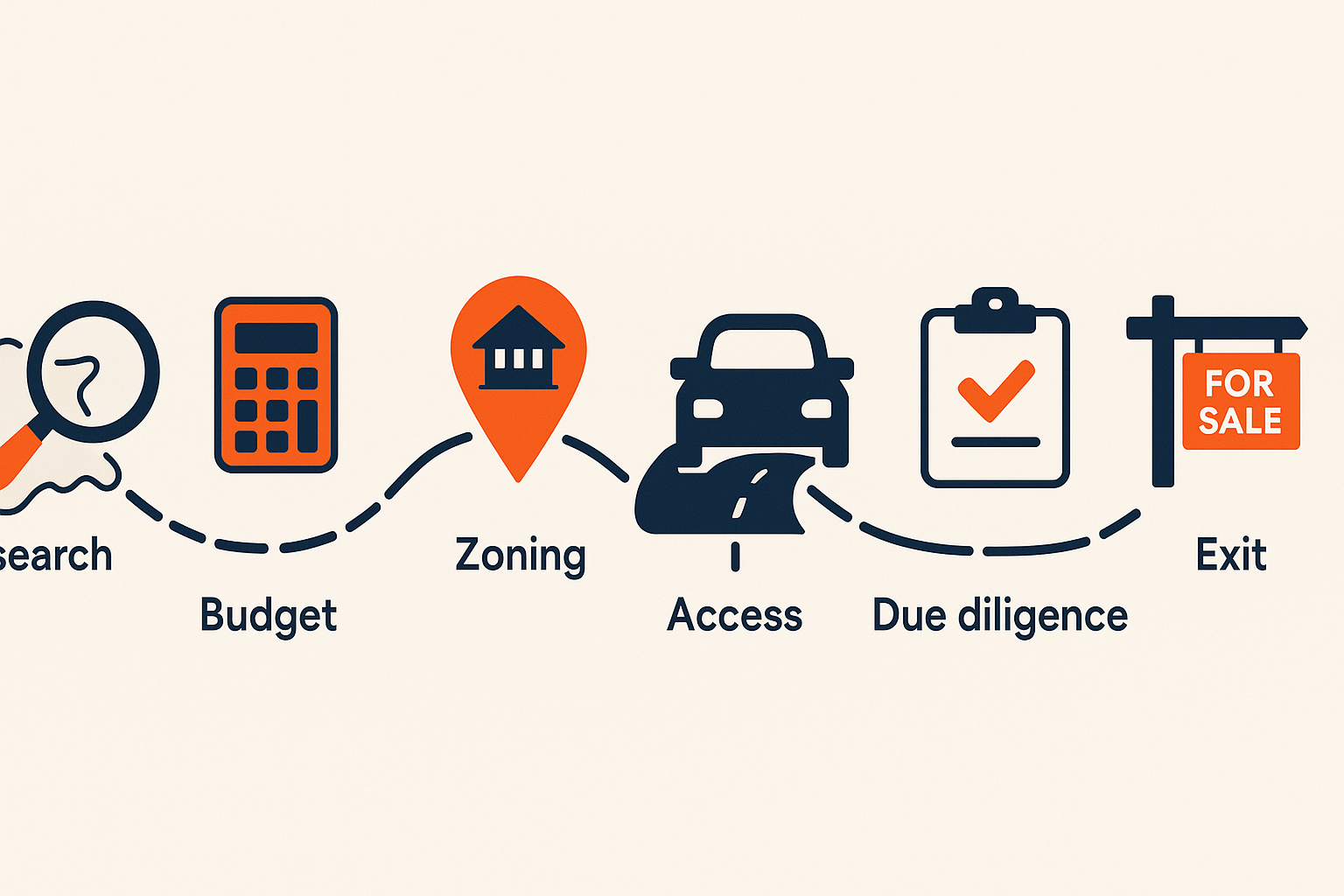
Finding land deals requires targeted approaches uniquely suited to the complexities of land investment. This guide focuses on actionable strategies that help you discover promising land deals, thoroughly evaluate them, and make decisions grounded in verifiable facts. You’ll learn how to identify opportunities, avoid common pitfalls, and move forward with confidence in 2026’s evolving market.
Your success hinges on a step-by-step decision workflow: define your intended use, verify key facts through reliable sources, and set clear criteria for proceeding or walking away. Land deals aren’t just about price,they depend heavily on location, legal status, land characteristics, and seller motivation. Let’s break down how to find the best land deals and what to examine before making an offer.
What Are the Best Strategies to Find Land Deals?
The best way to find land deals in 2026 combines focused market research, building a professional network, and leveraging online platforms that connect buyers and sellers. Each strategy uncovers different potential deals and validates your path forward.
Research Local Markets Using Official Sources and Field Work
Start by pinpointing your target area based on your land use goals (e.g., residential development, investment, farming). Consult your county’s property appraiser and planning department websites to examine zoning maps, recent recorded land sales, and tax records. These provide the hard data to confirm legality, price trends, and property characteristics.
Additionally, visiting the area (or conducting virtual tours if remote) lets you verify physical access, nearby infrastructure, and any on-the-ground constraints. Use local government meeting agendas and community newsletters to uncover upcoming developments that could affect land value.
Verification: Confirm zoning compliance and legal access with the county planning office. Check recent comparable sales through the county recorder. A red flag would be discrepancies between listing claims and official records, or restricted access limiting your use.
Build Relationships with Real Estate Professionals and Investors
Networking gives you access to off-market deals and inside knowledge. Connect regularly with land brokers who specialize in raw and undeveloped land, attend local real estate investment groups, and engage with landowner associations.
These relationships can provide early notifications about properties before public listing, reveal seller motivations, and offer negotiation guidance. Persistence and professionalism in relationship-building help secure deals others miss.
Verification: Vet all brokers’ track records through state real estate commissions and references. Beware of brokers with limited land experience or poor professional reviews, which can indicate risk.
Leverage Carefully Curated Online Real Estate and Auction Platforms
Use specialized land listing websites and municipal auction portals to scan available parcels. Set up precise alerts for your search parameters to react quickly to new listings and price changes.
However, online data should be your starting point only. Follow up every potential deal by independently confirming physical access, title status, and zoning restrictions before making offers.
Verification: Always cross-check online listing details directly with county assessor and recorder records. Properties sold via auction may have special conditions; review auction terms or consult with professionals before bidding.
How Can I Identify Undervalued Land?
To spot undervalued land, compare recent sales of similar parcels in the area while factoring in legal status, usable acreage, access to utilities, and zoning. Also actively seek motivated sellers whose circumstances create price flexibility.
Analyze Recent Comparable Sales
Use county land sale records to gather prices per acre for properties matching your criteria (location, size, zoning). Adjust for differences such as slope, access roads, and restrictions. Land priced significantly below this range may warrant further investigation as a potential undervalued opportunity.
Verification: Confirm sales prices from official public records, not just listing or broker claims. A trade-off might be land needing costly remediation or with poor access that explains lower pricing.
Look for Motivated Sellers and Non-Public Listings
Sellers dealing with financial distress, inheritance complications, or relocation may offer below-market prices. Seek out such sellers via direct outreach (letters, calls) or through intermediaries. Properties not publicly listed but offered under the table can be attractive but require enhanced due diligence.
Verification: Always verify seller identity and property ownership with the county recorder. Motived sellers sometimes signal urgent deals but can also mean hidden title or lien issues.
Assess Land Features and Zoning Restrictions
Undervalued land sometimes has less obvious limitations affecting use or future resale. Evaluate topography, flood risk, soil quality, and legal restrictions. Parcels with usable acreage reduced by terrain or zoning setbacks demand pricing adjustments.
Verification: Obtain a professional land survey and check zoning codes with local planning officials. Land with unresolvable use restrictions or environmental hazards should be avoided or heavily discounted.
What Role Does Location Play in Finding Land Deals?
Location directly influences land demand and resale potential. Evaluating market trends, identifying emerging growth areas, and analyzing accessibility and amenities guides you toward land with sustainable value.
Understand Local Market Trends Using Economic and Demographic Data
Research regional economic growth indicators such as job creation, population influx, and infrastructure spending. These often correlate with rising land demand.
Verification: Check data from local government economic development offices and U.S. Census statistics. Avoid speculative locations with declining demographics or stagnant economies.
Identify Up-and-Coming Neighborhoods Through Local Insight
Focus on areas undergoing revitalization, new construction, or zoning changes allowing denser development. Consult local real estate agents and attend planning commission meetings to spot these shifts early.
Verification: Validate plans with official planning documents. If development approvals stall or community opposition arises, factor these risks into your offer and exit strategy.
Evaluate Accessibility to Transportation and Essential Services
Properties near highways, public transit, schools, utilities, and retail generally maintain higher appeal and liquidity.
Verification: Confirm road maintenance responsibility and utility availability with local agencies. Land isolated by poor access may be more difficult to develop or resale.
How Do I Use Online Platforms to Find Land Deals?
Online platforms are an important part of your research but must be a starting screening tool, not the sole source of truth.
Use Real Estate Marketplaces with Rigorous Filtering and Alerts
Choose sites specializing in land rather than general residential listings. Filter by zoning, parcel size, price, and location. Set email alerts to avoid missing new listings.
Verification: Confirm listing accuracy through county records; listings may be outdated or contain errors.
Engage in Social Media Groups Where Sellers and Investors Connect
Join local and national land-buying groups on Facebook, LinkedIn, and Reddit where off-market deals are sometimes posted.
Verification: Verify property and seller details as fraud and misinformation are more common in social media leads.
Participate in Online Land Auctions After Thorough Preparation
Research auction rules before bidding, understand deposit requirements and auction conditions. Online auctions can yield good deals but have strict timelines and less negotiation flexibility.
Verification: Review title history and physical access prior to bidding; auction properties sometimes carry liens or title defects.
What Are the Benefits of Attending Land Auctions?
Land auctions offer a unique way to find deals but require complete understanding before participating.
Know the Auction Procedures and Terms in Advance
Auctions have fixed sale conditions, often no contingencies, and require swift payment. Being informed helps avoid getting locked into unfavorable commitments.
Verification: Read auction terms carefully and consult a real estate attorney if uncertain. Missing a deadline or funding requirement can mean losing deposits.
Network with Other Buyers and Industry Professionals at Auctions
Auctions put you in direct contact with investors and brokers. Networking here can provide future deal leads and mentorship.
Access Off-Market Properties Typically Not Listed Elsewhere
Some sellers choose auction to expedite sales or sell properties with challenges. This can lead to bargains if you have done sufficient due diligence.
Verification: Always conduct title and physical property verifications before bidding. Auction sales often occur “as-is” with limited recourse.
How Can I Build a Network for Finding Land Deals?
Building an effective network involves purposeful interaction with investors, brokers, and landowners. This network becomes a critical source of deal flow and knowledge.
Join Real Estate Investment Groups and Industry Associations
These groups offer regular meetings, workshops, and deal-sharing forums.
Attend Local Meetups and Conferences to Connect Face to Face
Personal connections typically yield more trust and quicker deal opportunities.
Develop Mutually Beneficial Relationships with Specialized Land Brokers
Brokers with land focus provide access to exclusive listings and negotiation expertise.
How Do I Analyze Land Listings Effectively?
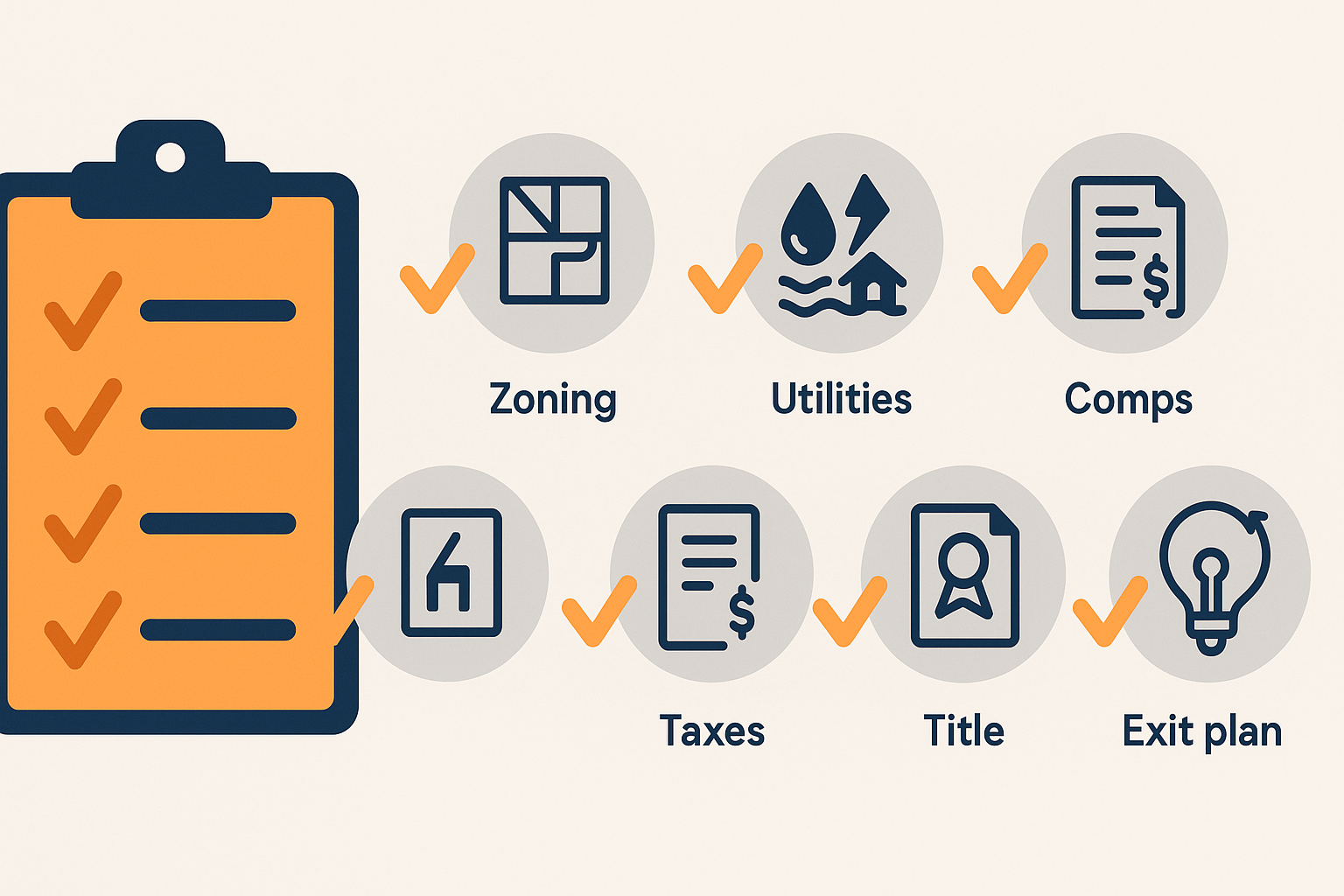
Effective analysis goes beyond price to include legal, physical, and market factors. Develop a checklist to compare listings systematically.
Review the Property Description for Critical Details
Look for zoning classification, availability of utilities, recorded easements, and any use restrictions.
Compare Price Per Acre Adjusted for Usability and Location
Calculate price per usable acre (excluding steep slopes, wetlands). Compare to recent sales similarly adjusted.
Investigate Land and Title History for Liens or Encumbrances
Check for liens, easements, or past lawsuits affecting the land’s use or ownership.
Verification: Use the county recorder’s office and title company to obtain official title reports and verified surveys.
How Important Is Due Diligence in Finding Land Deals?
Due diligence is the foundation of any sound land purchase decision and can’t be shortcut.
Perform Title Searches and Confirm Ownership Rights
Title searches reveal liens, easements, or ownership disputes. Such issues affect your risk and may require price adjustments or walk-away conditions.
Order Professional Land Surveys to Confirm Boundaries and Encroachments
Surveys verify the exact parcel lines, which protects you from future boundary disputes or unbuildable portions.
Check Local Zoning Codes and Restrictions Before Purchase
Know permissible land uses, development density, and future zoning proposals. These can drastically change land value and potential.
What Are Common Mistakes to Avoid When Seeking Land Deals?
Avoiding common mistakes improves your chances of success and saves money and time.
Overlooking Hidden Costs Like Taxes, Maintenance, and Access Improvements
Budget for ongoing ownership costs beyond purchase price. Neglecting these can turn a seemingly cheap land deal into a financial burden.
Failing to Verify Property Boundaries and Legal Access
Not confirming boundaries or if legal access roads exist can lead to conflict with neighbors or inability to use the land.
Ignoring Market Conditions and Local Economic Trends
Buying without understanding if regional demand exists can trap you in illiquid land. Always assess macro conditions and area-specific factors.
How Can I Use Social Media to Find Land Deals?
Use social media strategically by targeting specialized groups and engaging authentically.
Join and Participate in Land Investment and Local Property Groups
Active participation can expose you to unlisted properties, seller leads, and peer advice.
Follow Experienced Real Estate Investors and Land Experts
Their shared content provides tips and alerts you to market trends and opportunities.
Post Detailed and Clear Requests for Land Leads
Explicitly stating your location and budget goals can prompt direct outreach from sellers or brokers.
What Should You Do Next to Move from Reading to Taking Action?
Land investing requires moving beyond theory to a structured action plan. Start with learning proven steps and engaging a supportive community.
- Dirt Rich book offers in-depth guidance on finding and closing profitable land deals.
- Land investing bootcamp teaches step-by-step decision processes and proven strategies with expert support.
- Land Geek community connects you with experienced investors and resources to accelerate your learning and deal flow.



