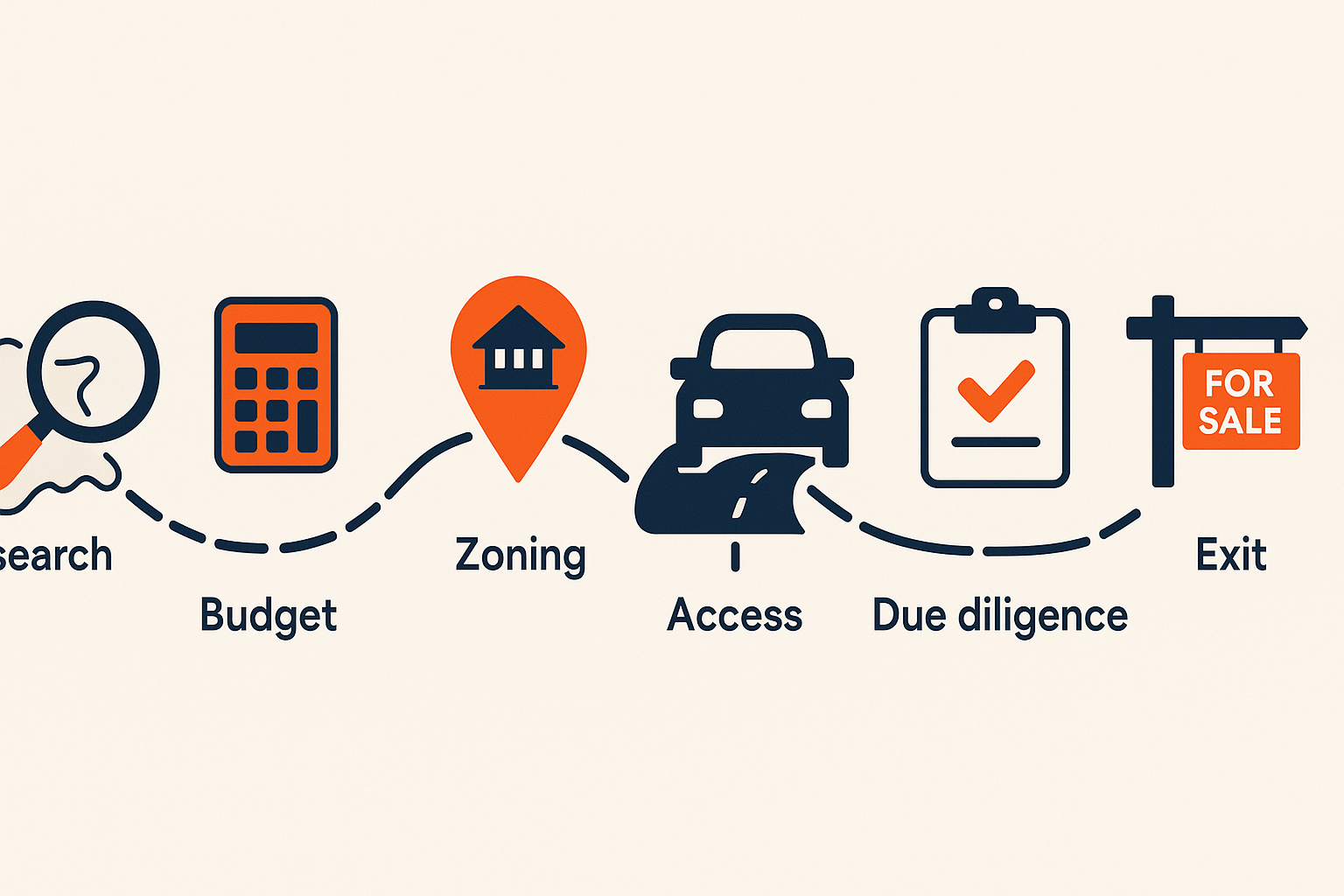
Finding land deals can be a rewarding venture, whether you’re a seasoned investor or a first-time buyer. Understanding the various strategies, tools, and considerations in land purchasing is essential to making informed decisions. This comprehensive guide outlines effective methods to identify and secure land deals, ensuring you are well-prepared to take advantage of opportunities in the real estate market.
What Are the Best Strategies to Find Land Deals?
The best strategies to find land deals include researching local markets, networking with real estate professionals, and utilizing online resources. Each of these approaches can provide valuable insights and opportunities for potential buyers.
Researching Local Markets
Researching local markets is crucial for identifying land deals that fit your investment goals. Start by analyzing neighborhood trends, property values, and overall market conditions. Local government websites and real estate platforms often provide data on zoning regulations, property taxes, and recent sales, which can help you make informed decisions. Additionally, attending local community meetings can give you insights into future developments and infrastructure projects that could influence land value.
Networking with Real Estate Professionals
Building a strong network with real estate professionals is an effective strategy for finding land deals. Connecting with agents, brokers, and investors can lead to valuable referrals and opportunities that may not be publicly listed. Attend networking events, join local real estate investment associations, and utilize platforms like LinkedIn to cultivate relationships. A well-established network can provide access to exclusive listings and insider knowledge about the market.
Utilizing Online Resources
Online resources are invaluable for discovering land deals. Websites dedicated to real estate listings, social media groups focused on land investment, and auction platforms can all yield potential opportunities. Set up notifications on various platforms to stay updated on new listings and price changes. Engaging with online communities can also provide support and insights from other investors who are actively seeking land.
How Can I Identify Undervalued Land?
Identifying undervalued land requires careful analysis of recent sales data, looking for motivated sellers, and assessing land features and zoning. These steps can help you spot opportunities that others may overlook.
Analyzing Recent Sales Data
Analyzing recent sales data allows you to understand market trends and determine fair prices for land. Look for comparable properties that have sold recently in the area you are targeting. Pay attention to the price per acre and any additional factors that may influence value, such as location, access to utilities, and zoning restrictions. This data helps you assess whether a piece of land is fairly priced or undervalued.
Looking for Motivated Sellers
Motivated sellers often present the best opportunities for finding undervalued land. These sellers may be eager to sell due to personal circumstances, such as financial difficulties or the need to relocate. Look for signs of motivation, such as properties that have been on the market for an extended period or listings that mention urgency. Engaging directly with sellers can also uncover opportunities for negotiation and favorable pricing.
Assessing Land Features and Zoning
Assessing land features and zoning regulations is essential when identifying undervalued properties. Different zoning classifications can significantly influence land use and potential value. Evaluate the topography, accessibility, and available utilities. Additionally, understanding the zoning laws can reveal future development possibilities that may increase the land’s value over time.
What Role Does Location Play in Finding Land Deals?
Location is a critical factor in finding land deals, as it affects property value, potential for appreciation, and desirability. Understanding market trends, identifying up-and-coming areas, and evaluating accessibility and amenities are essential components of location analysis.
Understanding Market Trends
Understanding market trends helps you identify desirable locations for land investment. Research historical data on property values, population growth, and economic indicators in various regions. Areas experiencing growth often have higher demand for land, leading to appreciation over time. Utilize tools like real estate market reports and economic forecasts to inform your decisions and pinpoint areas with strong investment potential.
Identifying Up-and-Coming Areas
Identifying up-and-coming areas is vital for finding land deals with high appreciation potential. Look for neighborhoods undergoing revitalization, improvements in infrastructure, or new development projects. These areas may not be on the radar of most investors but can offer significant long-term returns. Engage with local real estate agents who specialize in emerging markets to gain insights into where to focus your search.
Evaluating Accessibility and Amenities
Evaluating accessibility and amenities is essential for determining the desirability of a location. Properties with easy access to highways, public transportation, and essential services like schools and shopping centers tend to attract more buyers. Consider the quality of nearby amenities and the overall livability of the area, as these factors can significantly influence property value and demand.
How Do I Use Online Platforms to Find Land Deals?
Online platforms are powerful tools for finding land deals, enabling you to explore real estate websites, leverage social media groups, and utilize auction sites. These resources can connect you with potential sellers and investment opportunities.
Exploring Real Estate Websites
Exploring real estate websites is one of the most straightforward ways to find land deals. Popular platforms often have extensive listings that can be filtered by location, price, and property type. Set up custom alerts to receive notifications when new properties match your criteria. Additionally, many websites provide insights into market trends, making it easier to analyze and compare different listings.
Leveraging Social Media Groups
Leveraging social media groups can enhance your search for land deals. Join groups focused on real estate investment, land buying, and local community forums. Engage with members by asking questions and sharing your investment goals. These communities can provide valuable leads and insights that may not be available through traditional channels.
Using Auction Sites
Using auction sites can be an effective strategy for finding land deals at competitive prices. Many properties are sold at auction, allowing buyers to potentially acquire land below market value. Research the auction process thoroughly and familiarize yourself with any fees involved. Attend auctions in person or online to get a feel for the bidding environment and to identify opportunities.
What Are the Benefits of Attending Land Auctions?
Attending land auctions offers several benefits, including understanding auction processes, connecting with other investors, and identifying unique opportunities. These advantages can enhance your land investment strategy.
Understanding Auction Processes
Understanding auction processes is crucial for successful participation. Familiarize yourself with the rules, bidding procedures, and payment requirements beforehand. Many auction houses provide materials that outline what to expect, which can help you prepare effectively. Knowledge of the auction process increases your confidence and can lead to better decision-making during the event.
Connecting with Other Investors
Connecting with other investors at land auctions can expand your network and provide insights into market trends. Engaging with like-minded individuals can lead to partnerships or mentorship opportunities. Building relationships with seasoned investors can also enhance your understanding of successful bidding strategies and negotiation techniques.
Identifying Unique Opportunities
Identifying unique opportunities at land auctions can lead to significant savings. Auctions often feature properties that may not be widely marketed, providing access to hidden gems. Be prepared to conduct thorough research on auctioned properties to ensure they align with your investment goals and to avoid any surprises after purchase.
How Can I Build a Network for Finding Land Deals?
Building a network for finding land deals involves joining real estate investment groups, attending local meetups, and establishing relationships with brokers. A strong network can enhance your access to opportunities and valuable insights.
Joining Real Estate Investment Groups
Joining real estate investment groups is an excellent way to meet other investors and industry professionals. These groups often host events, workshops, and discussions that can provide valuable information on market trends and investment strategies. Active participation can enhance your knowledge and increase your chances of finding lucrative land deals.
Attending Local Meetups
Attending local meetups allows you to connect with individuals who share similar interests in land investment. Networking face-to-face can lead to more meaningful connections and collaborations. Look for events organized by local real estate associations or community groups focused on investment opportunities.
Establishing Relationships with Brokers
Establishing relationships with brokers can be highly beneficial for finding land deals. Brokers often have access to exclusive listings and insights into market conditions. Building a rapport with brokers who specialize in land sales can provide you with early notifications about new opportunities and valuable advice throughout the buying process.
What Tools Can Help Me Find Land Deals?
Several tools can assist you in finding land deals, including property search apps, mapping software, and data analytics tools. Utilizing these resources can streamline your search and improve your decision-making.
Utilizing Property Search Apps
Utilizing property search apps can make it easier to browse land listings on the go. Many apps allow users to filter searches by location, price, and land type, making it convenient to find suitable properties. Some apps also provide notification features to alert you when new listings meet your criteria, ensuring you stay updated on potential opportunities.
Employing Mapping Software
Employing mapping software can enhance your understanding of land locations and their surrounding areas. Tools like Google Maps or GIS software allow you to visualize property layouts, assess accessibility, and evaluate proximity to essential services. This geographical perspective can help inform your investment decisions and identify desirable land features.
Using Data Analytics Tools
Using data analytics tools can provide insights into market trends and property valuations. Many platforms offer customizable dashboards that display critical metrics, such as average sale prices and demographic data. Leveraging these insights can help you make data-driven decisions and identify undervalued properties more effectively.
How Do I Analyze Land Listings Effectively?
Effectively analyzing land listings involves evaluating property descriptions, comparing prices per acre, and checking land history. These steps ensure that you have a comprehensive understanding of each potential investment.
Evaluating Property Descriptions
Evaluating property descriptions is crucial for understanding what a listing offers. Pay close attention to details about zoning, utilities, and land features. Well-written descriptions can highlight the unique aspects of a property that may influence its value. If information is lacking, don’t hesitate to ask the seller for clarification or additional details.
Comparing Prices per Acre
Comparing prices per acre is an effective way to determine the relative value of different listings. This metric allows you to gauge whether a property is priced fairly based on its size and location. Create a comparison table to visually assess various properties, which can simplify your decision-making process and help you identify deals that stand out.
Checking Land History
Checking land history provides insights into previous ownership and any potential issues that may affect your purchase. Research the title history to uncover any liens, easements, or zoning changes that could impact your investment. Understanding the land’s past can help you assess its future potential and avoid potential pitfalls during the buying process.
What Are Some Creative Ways to Find Land Deals?
Creative ways to find land deals include implementing direct mail campaigns, driving for dollars, and utilizing public records. These methods can uncover opportunities that traditional search methods may miss.
Direct Mail Campaigns
Direct mail campaigns are a proactive approach to finding land deals. Consider sending postcards or letters to specific neighborhoods expressing your interest in purchasing land. This method can reach motivated sellers who may not have listed their properties publicly, creating unique opportunities for negotiation. Ensure your message is clear and professional to encourage responses.
Driving for Dollars
Driving for dollars is a hands-on technique that involves exploring neighborhoods to identify potential land deals. Look for properties that appear neglected or vacant, as these may indicate motivated sellers. Take note of contact information, if available, and follow up with owners to express your interest. This method allows you to uncover opportunities that may not be advertised online.
Utilizing Public Records
Utilizing public records can provide valuable insights into potential land deals. Access property tax records, land use permits, and zoning changes through local government websites or offices. These records can help you identify properties that may be undervalued or in transition, providing leads for your investment search.
How Important Is Due Diligence in Finding Land Deals?
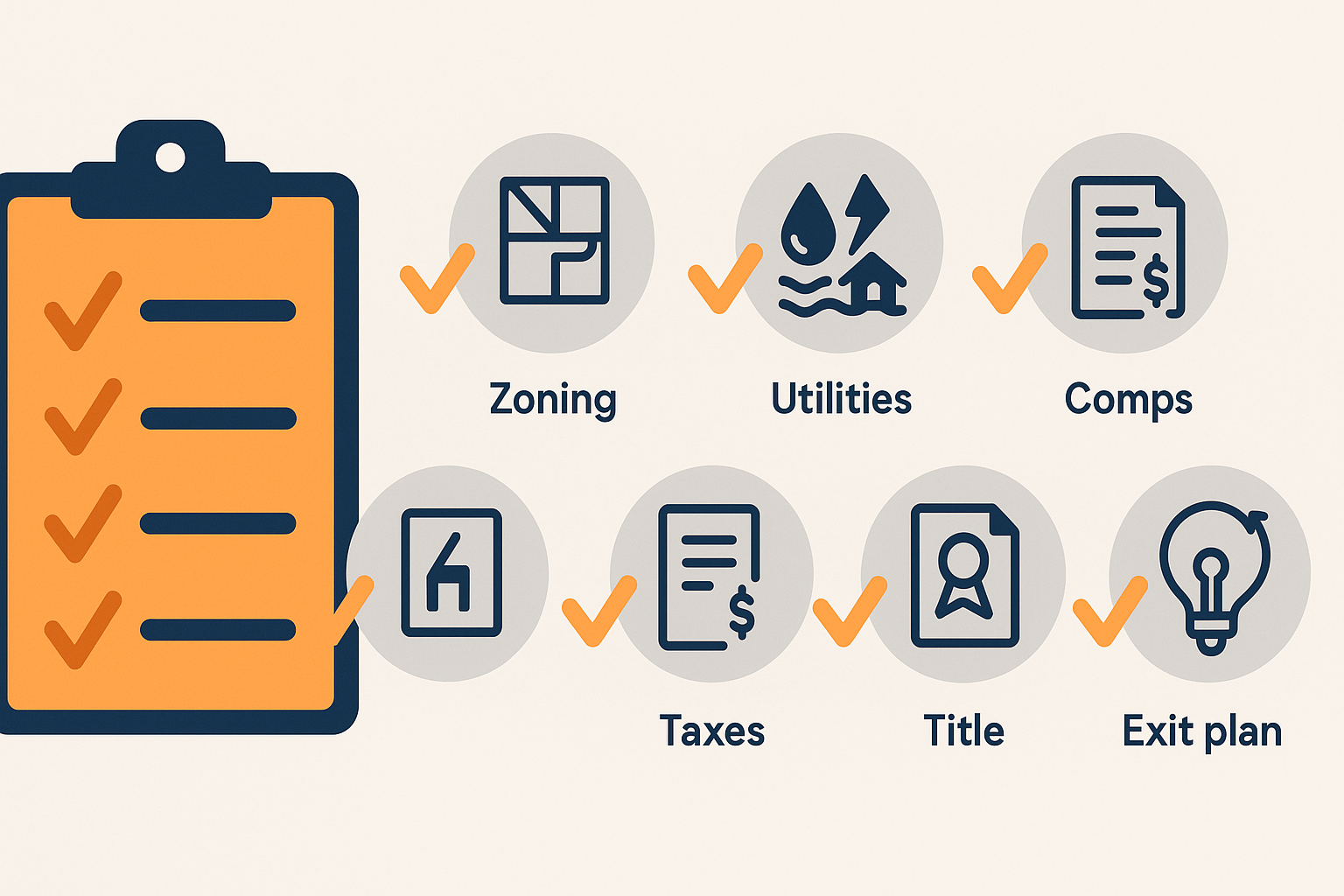
Due diligence is critical in finding land deals, encompassing title searches, conducting land surveys, and reviewing local zoning laws. This process helps ensure that your investment is sound and minimizes future risks.
Understanding Title Searches
Understanding title searches is essential for verifying property ownership and uncovering any liens or encumbrances. A thorough title search will reveal the history of ownership and any legal claims against the property. Engaging a title company or attorney can provide additional assurance that your investment is secure and free from disputes.
Conducting Land Surveys
Conducting land surveys is vital to understanding the exact boundaries and features of a property. Surveys can identify any encroachments or boundary disputes that may arise after purchase. Hiring a licensed surveyor ensures accurate measurements and can provide peace of mind regarding your investment.
Reviewing Local Zoning Laws
Reviewing local zoning laws is crucial for determining how you can use the land. Zoning regulations dictate what types of structures can be built and how land can be utilized. Understanding these laws before purchase can prevent costly mistakes and ensure that your investment aligns with your intended use.
What Are Common Mistakes to Avoid When Seeking Land Deals?
Common mistakes to avoid when seeking land deals include overlooking hidden costs, failing to research property boundaries, and ignoring market conditions. Being aware of these pitfalls can enhance your investment experience.
Overlooking Hidden Costs
Overlooking hidden costs can lead to unexpected expenses that impact your overall investment. Consider costs such as property taxes, maintenance, and potential development fees. Create a comprehensive budget that encompasses all financial aspects of land ownership to ensure you’re fully prepared for the responsibilities that come with your investment.
Failing to Research Property Boundaries
Failing to research property boundaries can result in disputes and legal complications. Ensure you have a clear understanding of where your property begins and ends by reviewing surveys and legal descriptions. This due diligence helps prevent encroachment issues and protects your investment.
Ignoring Market Conditions
Ignoring market conditions can lead to poor investment choices. Stay informed about local real estate trends, economic indicators, and demographic shifts that can influence land value. Regularly assessing the market ensures you make timely and informed decisions aligned with current conditions.
How Can I Use Social Media to Find Land Deals?
Using social media can enhance your search for land deals by engaging with property groups, following real estate influencers, and posting queries for leads. These platforms provide opportunities to connect with potential sellers and fellow investors.
Engaging with Property Groups
Engaging with property groups on social media platforms can help you discover land deals and network with other investors. Join groups that focus on real estate investment and land buying, where members frequently share listings and insights. Active participation can lead to valuable connections and access to unique opportunities.
Following Real Estate Influencers
Following real estate influencers can provide you with insights and tips on finding land deals. Many influencers share their experiences and knowledge, which can help you navigate the complexities of land investment. Engaging with their content through comments and discussions can expand your learning and networking opportunities.
Posting Queries for Leads
Posting queries for leads on social media can connect you directly with potential sellers. Clearly outline what you are looking for, including specific locations, property types, and budget. By sharing your goals, you may receive direct responses from motivated sellers who have land available for sale.
What Resources Can I Access for Land Investment Education?
Resources for land investment education include books and eBooks, online courses and webinars, as well as podcasts and blogs. These materials can help you build your knowledge and skills in land investment.
Books and eBooks
Books and eBooks are excellent resources for in-depth knowledge about land investment. Look for titles that cover various aspects of real estate investing, land valuation, and market analysis. Reading widely can enhance your understanding and provide insights into successful investment strategies.
Online Courses and Webinars
Online courses and webinars offer interactive learning experiences that can deepen your understanding of land investment. Many platforms provide courses taught by industry experts, covering essential topics such as due diligence, financing options, and market analysis. Participating in these educational opportunities can equip you with the knowledge needed to make informed decisions.
Podcasts and Blogs
Podcasts and blogs are accessible resources that deliver insights directly from industry professionals. Follow real estate podcasts that focus on land investment and subscribe to blogs that offer tips, market updates, and case studies. These formats allow for convenient learning while keeping you informed about current trends and strategies.
How Do I Assess the Investment Potential of Land?
Assessing the investment potential of land involves evaluating future development plans, considering economic indicators, and analyzing demographics. This comprehensive approach helps you determine whether a property aligns with your investment goals.
Evaluating Future Development Plans
Evaluating future development plans is crucial for understanding how a location might evolve. Research any upcoming projects or zoning changes that could impact land value. Local government websites and community boards often provide information on planned developments, which can signal growth potential and increased demand for land in the area.
Considering Economic Indicators
Considering economic indicators helps you gauge the overall health of the market. Look for signs of economic growth, such as job creation, population growth, and infrastructure improvements. These factors can significantly influence land demand and resale value. Monitoring economic trends ensures your investment aligns with potential growth trajectories.
Analyzing Demographics
Analyzing demographics provides insights into the current and future demand for land. Understanding the population’s age, income levels, and growth patterns can inform your investment decisions. Areas with a growing population and rising income levels often present better opportunities for appreciation, making demographic analysis a vital component of your assessment.
What Are the Legal Considerations When Finding Land Deals?
Legal considerations when finding land deals include understanding land contracts, familiarizing yourself with local laws, and consulting with legal experts. These steps ensure that your investment is compliant and secure.
Understanding Land Contracts
Understanding land contracts is essential for navigating the purchasing process. Familiarize yourself with the terms, conditions, and contingencies commonly found in land contracts. Ensure you comprehend your rights and obligations as a buyer to avoid potential disputes during the transaction.
Familiarizing Yourself with Local Laws
Familiarizing yourself with local laws is crucial for ensuring compliance in your land investment. Each jurisdiction has specific regulations governing land use, zoning, and property taxes. Consult local government resources and legal professionals to stay informed about applicable laws and requirements that may affect your investment.
Consulting with Legal Experts
Consulting with legal experts can provide guidance on complex issues related to land investment. Engaging a real estate attorney can help you navigate contracts, zoning regulations, and title issues effectively. Legal expertise ensures you are making informed decisions that protect your investment and comply with all legal requirements.
How Can I Leverage Technology to Find Land Deals?
Leveraging technology can enhance your search for land deals through geographic information systems (GIS), employing virtual tours, and analyzing market trends with AI. These innovations can streamline your process and improve decision-making.
Using Geographic Information Systems (GIS)
Using Geographic Information Systems (GIS) allows you to visualize and analyze land data effectively. GIS technology can help you map out properties, assess land use, and understand zoning regulations. This detailed analysis can aid in identifying opportunities that align with your investment criteria.
Employing Virtual Tours
Employing virtual tours can provide a convenient way to explore land without physically visiting each site. Many listings now offer virtual walkthroughs, allowing you to assess properties remotely. This technology saves time and resources while ensuring you can make informed decisions about potential investments.
Analyzing Market Trends with AI
Analyzing market trends with AI tools can provide advanced insights into land values and investment opportunities. AI algorithms can process vast amounts of data to identify patterns and predict future trends. Utilizing these tools can enhance your ability to make data-driven decisions and stay ahead in the competitive real estate market.
What Is the Importance of a Good Real Estate Agent?
A good real estate agent plays a vital role in finding land deals by providing expertise, access to exclusive listings, and negotiation assistance. Their knowledge and experience can significantly enhance your investment outcomes.
Finding Specialized Agents
Finding specialized agents who focus on land transactions can greatly benefit your search. These professionals understand the nuances of land sales and can provide insights that general agents may overlook. Seek out agents with a proven track record in land sales to ensure you receive expert guidance throughout your investment journey.
Understanding Their Role in Transactions
Understanding the role of your real estate agent in transactions can clarify expectations and enhance collaboration. Agents assist with market analysis, property showings, and negotiations, acting as intermediaries between buyers and sellers. Their expertise is invaluable in navigating the complexities of land purchases, ensuring a smoother transaction process.
Building a Trusting Relationship
Building a trusting relationship with your real estate agent can lead to better communication and outcomes. Share your investment goals and preferences openly to help your agent tailor their search effectively. A strong rapport fosters collaboration and ensures that your agent advocates for your best interests throughout the buying process.
How Can I Stay Updated on Land Deals?
Staying updated on land deals involves setting up alerts on real estate platforms, joining mailing lists, and following local real estate news. These strategies help you remain informed about new opportunities.
Setting Up Alerts on Real Estate Platforms
Setting up alerts on real estate platforms allows you to receive immediate notifications about new listings that match your criteria. Most platforms offer customizable alerts based on location, price, and property type. This proactive approach ensures you are among the first to know about potential deals.
Joining Mailing Lists
Joining mailing lists for real estate agencies and investment groups can keep you informed about upcoming land opportunities. Many organizations distribute newsletters that include market insights, property listings, and investment tips. Subscribing to these lists ensures you receive valuable information directly to your inbox.
Following Local Real Estate News
Following local real estate news helps you stay informed about market developments, trends, and opportunities. Subscribe to local newspapers, magazines, and online publications that cover real estate topics. Engaging with this content can provide insights into the broader market landscape and allow you to identify potential land deals.
What Are the Tax Implications of Purchasing Land?
The tax implications of purchasing land include understanding property taxes, exploring tax benefits for investors, and consulting with tax professionals. Being aware of these factors can help you make informed financial decisions.
Understanding Property Taxes
Understanding property taxes is essential when purchasing land. Property taxes are typically assessed based on the value of the land and can vary significantly by location. Knowing the tax rates and how they may change over time can help you budget for ongoing costs associated with land ownership.
Exploring Tax Benefits for Investors
Exploring tax benefits for investors can enhance your overall financial strategy. Certain expenses related to land investment, such as property management and maintenance costs, may be tax-deductible. Consult with a tax professional to identify potential deductions and strategies that align with your investment goals.
Consulting with Tax Professionals
Consulting with tax professionals can provide clarity on the tax implications of land purchases. A knowledgeable tax advisor can help you navigate complex tax laws and ensure compliance while maximizing potential benefits. This guidance is crucial for making sound financial decisions and optimizing your investment strategy.
How Can Networking Help in Finding Land Deals?
Networking can significantly help in finding land deals by building relationships with investors, connecting with landowners, and finding mentorship opportunities. These connections can open doors to valuable insights and opportunities.
Building Relationships with Investors
Building relationships with other investors can lead to collaborative opportunities in land investment. Networking events and online forums provide platforms to share experiences and strategies. Engaging with others in the field can enhance your knowledge and potentially lead to partnerships on joint investments.
Connecting with Landowners
Connecting with landowners can reveal unlisted properties that may be available for sale. Direct outreach through networking or community events can foster relationships that lead to potential deals without going through traditional listing channels. Building trust with landowners can create opportunities for negotiation and favorable pricing.
Finding Mentorship Opportunities
Finding mentorship opportunities can provide invaluable guidance and support as you navigate land investment. Seek out experienced investors willing to share their knowledge and experiences. A mentor can help you avoid pitfalls and provide insights that enhance your decision-making process.
What Should I Know About Financing Land Purchases?
Financing land purchases involves understanding different financing options, exploring seller financing, and preparing for loan applications. Knowing your financing options can significantly impact your investment strategy.
Understanding Different Financing Options
Understanding different financing options is essential when purchasing land. Traditional mortgages, personal loans, and land loans are common methods of financing. Each option has its own terms and requirements, so it’s crucial to research and compare to find the best fit for your financial situation.
Exploring Seller Financing
Exploring seller financing can provide an alternative to traditional financing methods. In seller financing arrangements, the seller offers a loan to the buyer, allowing for flexible payment terms. This option can be beneficial in situations where conventional financing is difficult to obtain or when negotiating with motivated sellers.
Preparing for Loan Applications
Preparing for loan applications involves gathering necessary documentation and understanding lender requirements. Lenders typically require information about your financial history, credit score, and the property in question. Being well-prepared can streamline the application process and increase your chances of securing financing.
How Do I Approach Landowners Directly?
Approaching landowners directly involves crafting effective communication, understanding seller motivations, and negotiating fair offers. This proactive method can uncover opportunities that may not be listed on the market.
Crafting Effective Communication
Crafting effective communication is key when reaching out to landowners. Be concise and clear in your messaging, outlining your interest in their property and your intentions. Personalizing your communication can also help establish rapport and increase the likelihood of a positive response.
Understanding Seller Motivations
Understanding seller motivations can enhance your negotiation strategy. Sellers may have various reasons for wanting to sell, such as financial needs or relocation. By identifying these motivations, you can tailor your approach and offer terms that meet their needs, increasing your chances of a successful transaction.
Negotiating Fair Offers
Negotiating fair offers is crucial for securing a land deal that benefits both parties. Conduct thorough research to determine a reasonable price based on market data and property conditions. Engaging in open and honest negotiations can foster goodwill and lead to a more favorable agreement.
What Are the Benefits of Working with Land Brokers?
Working with land brokers can provide access to exclusive listings, expertise in land valuation, and negotiation assistance. Their specialized knowledge can significantly enhance your land investment experience.
Access to Exclusive Listings
Access to exclusive listings is one of the primary benefits of working with land brokers. Many brokers have connections that allow them to offer properties before they are publicly listed. This early access can give you a competitive edge in securing desirable land deals.
Expertise in Land Valuation
Expertise in land valuation is another advantage of collaborating with land brokers. They possess in-depth knowledge of market trends and property values, enabling them to provide accurate assessments. This expertise can help you make informed decisions and avoid overpaying for a property.
Negotiation Assistance
Negotiation assistance from land brokers can be invaluable in securing favorable terms. Experienced brokers understand the intricacies of land transactions and can advocate on your behalf during negotiations. Their skills can lead to better pricing and terms, enhancing your overall investment strategy.
How Can I Use Local Government Resources to Find Land Deals?
Using local government resources can aid in finding land deals by accessing property records, engaging with planning departments, and reviewing public notices. These resources provide valuable information that can help identify opportunities.
Accessing Property Records
Accessing property records through local government offices can provide insights into land ownership and history. These records typically include information about property boundaries, tax assessments, and previous transactions. Familiarizing yourself with these details can enhance your understanding of potential investments and aid in decision-making.
Engaging with Planning Departments
Engaging with planning departments can reveal future development plans and zoning changes that may impact land value. Local planners can provide insights into upcoming projects and community initiatives that could influence market demand. Building relationships with planning officials can enhance your awareness of opportunities in the area.
Reviewing Public Notices
Reviewing public notices is another effective way to stay informed about land deals. Local governments often publish notices regarding land use changes, auctions, and zoning hearings. Regularly reviewing these notices can help you identify opportunities that may not be widely advertised, allowing you to act quickly when potential deals arise.
What Are the Most Common Types of Land Deals?
The most common types of land deals include raw land investments, recreational land purchases, and commercial land opportunities. Understanding these categories can help you identify which aligns best with your investment goals.
Raw Land Investments
Raw land investments involve purchasing undeveloped land with the potential for future development. Investors often seek raw land for residential, commercial, or agricultural purposes. This type of investment can yield high returns if the land appreciates in value or is developed effectively.
Recreational Land Purchases
Recreational land purchases cater to buyers looking for land for leisure activities, such as hunting, camping, or fishing. This type of land attracts individuals seeking personal enjoyment rather than immediate financial returns. Investing in recreational land can provide long-term enjoyment and potential appreciation as interest in outdoor activities grows.
Commercial Land Opportunities
Commercial land opportunities involve purchasing land for business ventures or development projects. This category includes properties intended for retail, office space, or industrial use. Understanding zoning regulations and market demands is crucial for successfully navigating commercial land investments.
How Do I Prepare for a Land Purchase?
Preparing for a land purchase involves creating a buyer’s checklist, setting a budget, and defining investment goals. This preparation ensures you approach your investment strategically and effectively.
Creating a Buyer’s Checklist
Creating a buyer’s checklist can help streamline your land purchasing process. Include items such as property research, financing options, and due diligence steps. A checklist ensures you cover all necessary aspects and minimizes the risk of overlooking critical details during your search.
Setting a Budget
Setting a budget is essential for maintaining financial discipline in land purchases. Consider not only the purchase price but also ongoing costs such as property taxes and maintenance. Establishing a clear budget will guide your search and prevent impulsive decisions that could strain your finances.
Defining Investment Goals
Defining investment goals helps clarify your objectives and focus your search for land deals. Determine whether you are seeking long-term appreciation, short-term gains, or recreational use. Clear goals will inform your decision-making process and ensure that your investments align with your overall strategy.
What Are the Pros and Cons of Buying Land at Foreclosure Sales?
Buying land at foreclosure sales offers distinct pros and cons, including understanding the foreclosure process, assessing potential risks, and evaluating opportunities. Being aware of these factors can help you make informed decisions.
Understanding the Foreclosure Process
Understanding the foreclosure process is vital when considering land purchases in this context. Properties in foreclosure are often sold at auction, sometimes at significantly reduced prices. Familiarize yourself with the legal and procedural aspects of foreclosure sales to navigate this market effectively.
Assessing Potential Risks
Assessing potential risks associated with foreclosure purchases is crucial. Properties may come with hidden issues, such as liens or property damage. Conduct thorough due diligence to identify any potential red flags before bidding on a foreclosure property, ensuring you are prepared for any challenges.
Evaluating Opportunities
Evaluating opportunities presented by foreclosure sales can lead to advantageous investments. Many investors find success in acquiring properties at lower prices, allowing for potential resale or development. Careful research and risk assessment can help you capitalize on these opportunities while minimizing potential downsides.
-
What should I consider when researching land deals?
- Consider local market trends, property values, and zoning regulations. Understanding these factors can help you identify valuable opportunities.
-
How can I effectively network in the real estate industry?
- Attend local events, join online forums, and connect with industry professionals through social media. Building relationships will enhance your access to land deals.
-
What are the key tools for analyzing land listings?
- Utilize property search apps, mapping software, and data analytics tools to assess listings effectively and make informed decisions.
-
Why is due diligence important in land investment?
- Due diligence minimizes risks by ensuring you understand property details, legal implications, and potential issues before purchase.
-
How can I stay informed on land deals?
- Set up alerts on real estate platforms, join mailing lists, and follow local real estate news to stay updated on new opportunities.
-
What financing options are available for purchasing land?
- Explore traditional mortgages, personal loans, seller financing, and land loans to determine the best fit for your financial situation.
-
How can I approach landowners directly for deals?
- Craft clear communication, understand seller motivations, and negotiate fair offers to establish connections with landowners.
What should you do next to move from reading to taking action?
Land investing gets easier when you follow a clear process and use proven resources. These are the fastest ways to learn the steps, avoid common mistakes, and move toward your first deal with confidence.



