
Finding off-market land deals means locating properties that aren’t publicly listed and are often sold through private negotiations. These opportunities can save you money, reduce bidding wars, and provide unique investment options. This complete guide breaks down how to discover, evaluate, and purchase off-market land in 2026 so you can move from searching to confidently closing your next deal.
Off-market land deals require focused research and due diligence because they lack the transparency of listed properties. This guide will help you identify motivated sellers, leverage key resources, navigate risks, and negotiate effectively to secure deals tailored to your intended use.
Understanding and acting on off-market deals can diversify your investment strategy, improve acquisition pricing, and uncover parcels unavailable through traditional channels. Let’s start with the essentials.
What Exactly Are Off-Market Land Deals?
Off-market land deals are properties sold outside of the Multiple Listing Service (MLS) or other public real estate platforms. This means the property doesn’t appear in standard listings accessible to most buyers, and transactions often happen through private sales or direct seller-buyer negotiations.
The practical consequence is less competition and more flexible terms, but buyers must compensate for the lack of market exposure by proactively finding and vetting opportunities.
To verify a land deal is truly off-market, confirm that it is not actively listed on MLS or typical real estate sites. Ask the seller and consult local listing services. Red flags include properties advertised on multiple platforms or only temporarily unlisted.
Why Should Off-Market Land Deals Be Part of Your Investment Strategy?
Off-market deals often allow buyers to negotiate better prices because sellers may have urgent needs or prefer quieter transactions. They also reduce buyer competition, allowing more control over price and contract terms.
This is important because it can lower acquisition costs and minimize bidding wars. Additionally, some off-market parcels offer unique characteristics,like rare zoning, location, or land use,that don’t show up in mainstream listings.
Before proceeding with an offer, verify the seller’s motivation through direct communication and property records. Confirm if there is a pressing reason to sell, such as tax delinquency or inheritance, which justifies lower prices. A lack of clear motivation may mean you will encounter tough negotiations or high prices similar to listed properties.
How Do You Find Off-Market Land Deals in Practice?
Finding these deals requires a combination of targeted research, networking, and outreach campaigns. No single method suffices,effective off-market investing blends multiple channels.
Research Local Government and Tax Records
County tax assessor websites and public records provide ownership data, delinquent taxes, and property status. Identify land parcels owned by absentee owners, inherited landowners, or tax-delinquent accounts to target motivated sellers.
Verification involves confirming ownership and tax status through official county websites. Properties with recent tax delinquencies might be promising leads but investigate liens or encumbrances to evaluate risks before outreach.
Network Strategically
Develop relationships with local real estate agents, investors, wholesalers, and landowners who have insider knowledge of sellers not publicly listing properties. Attend local real estate investment groups and industry networking events to gain access to these leads.
Confirm connections’ credibility by cross-referencing deals they share with public records or title data. Prioritize contacts who provide repeatable, provenance-verified leads to maintain your deal flow.
Use Online Platforms and Social Media Thoughtfully
Specialized land marketplaces and social media groups focused on real estate investing often reveal pre-listing or private sale opportunities. Join relevant forums and groups to participate in conversations and express your buying interest.
Verify any posted opportunity by checking county records, zoning, and title documents before considering an offer. Remember that some posts can be speculative or marketing attempts without legal backing.
What Types of Off-Market Land Deals Are Common?
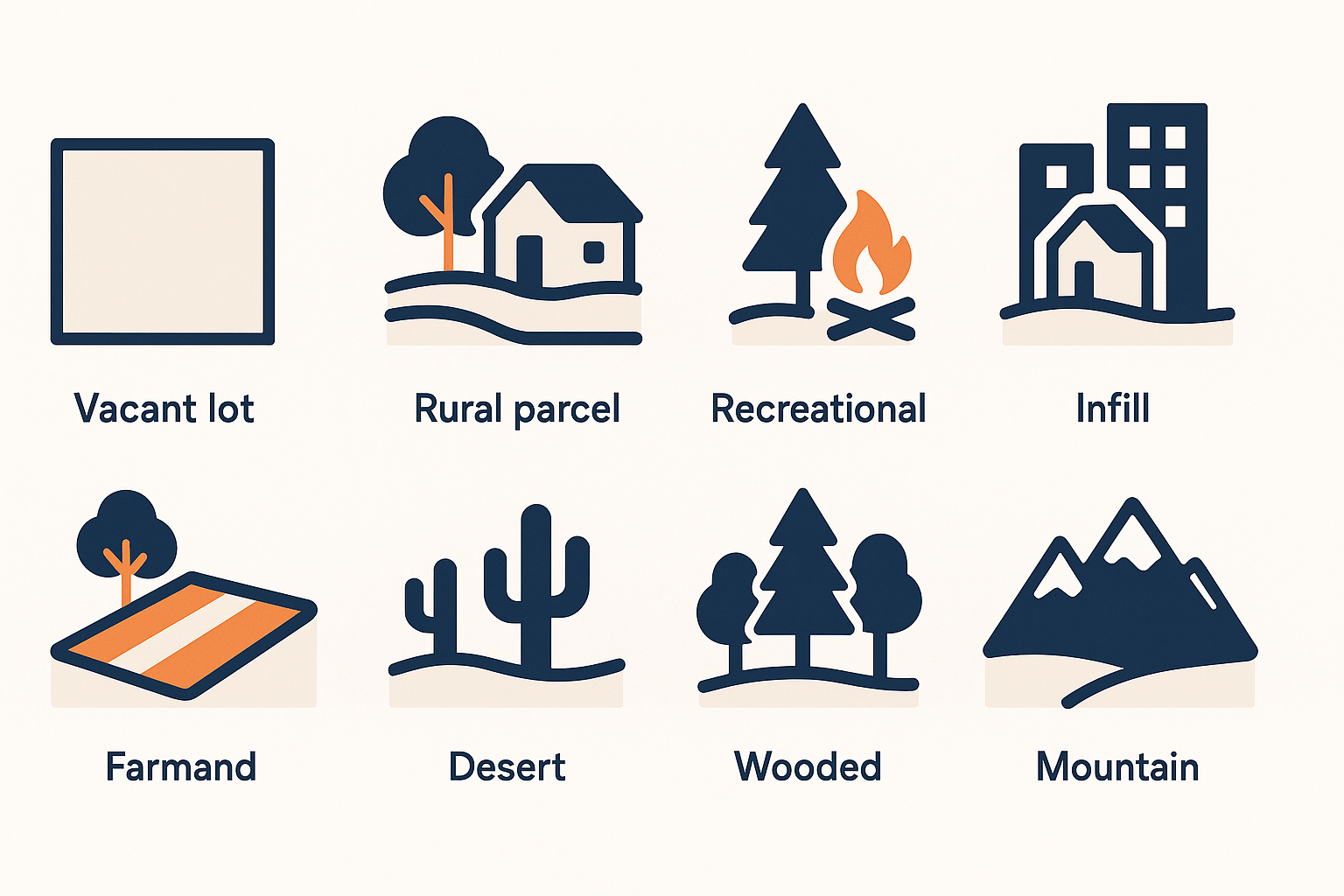
Off-market land deals come in several categories, each with distinct considerations:
| Property Type | Investment Potential | Key Verification Points |
|---|---|---|
| Undeveloped Land | High appreciation potential in growing areas; ideal for development or hold strategies. | Check zoning, access, water rights, and environmental restrictions carefully. |
| Vacant Lots | Can offer quicker turnaround, especially near urban centers. Developable for residential or commercial use. | Verify site usability, utilities availability, and local development plans. |
| Recreational Land | Good for personal use or niche markets like hunting or camping rentals. | Evaluate access limitations, permits, and conservation easements. |
How Can You Identify Motivated Sellers Effectively?
Motivated sellers often present opportunities for off-market deals because their need to sell can create negotiating leverage. Recognizing the signs requires observation and data analysis.
- Tax Delinquency or Foreclosure Notices: Public records reveal owners behind on taxes or facing foreclosure,common motivations to sell swiftly.
- Property Condition: Neglected maintenance or overgrown land may signal owner distress or disinterest, indicating potential seller motivation.
- Life Events: Divorce, inheritance, relocation, or financial hardship frequently motivate owners to sell land quickly.
Confirm seller motivation by initiating respectful conversation to understand their circumstances. Verify claims through public records or third-party data sources wherever possible. Absence of urgency or clear motivation reduces the likelihood of favorable pricing.
What Role Does Networking Play in Discovering Off-Market Deals?
Networking is crucial because most off-market deals are not advertised. Creating a reliable network increases your access to insider information and unpublished opportunities.
Join local real estate investment clubs and attend events to build contacts. Trustworthy connections can alert you to upcoming sales or connect you directly with sellers. Professionals like attorneys and title agents can also provide leads through their work with landowners.
Validate your network’s leads systematically through title searches and property record verification before committing resources to any deal.
How Can You Use Direct Mail and Cold Calling to Generate Off-Market Leads?
Direct mail campaigns and cold calling remain some of the most effective ways to reach motivated sellers who haven’t listed their land publicly.
Direct Mail Campaigns
Create targeted lists from tax records focusing on distressed or absentee owners. Design concise, professional messages highlighting your ability to close quickly and fairly. Track responses and refine your messaging based on what resonates.
Cold Calling
Develop a prepared script that communicates your intent clearly and respectfully. Approach conversations as relationship-building opportunities, listen to sellers’ needs carefully, and be prepared to handle objections with empathy. Always follow up in a timely manner.
Measure campaign effectiveness by tracking leads generated versus outreach efforts and adjust strategy accordingly.
How Can You Leverage Auctions for Off-Market Land Acquisitions?
Auctions can offer access to off-market properties, often sold due to tax liens or foreclosures. However, due diligence is imperative before bidding.
Understand auction procedures and deadlines. Carefully research available property information, including title status, zoning, and physical condition. Set a firm bidding limit to avoid emotional overspending.
Failure to verify auction properties thoroughly can lead to costly surprises such as unpaid liens or restricted usage.
What Risks Should You Be Aware of When Buying Off-Market Land?
Off-market deals pose risks including unclear titles, unknown property conditions, and limited seller disclosures. These risks can jeopardize your investment unless properly addressed.
- Title Issues: Off-market properties might have liens, encumbrances, or ownership disputes. Always order a title search and consider title insurance to mitigate.
- Lack of Disclosure: Sellers may not volunteer all property defects. Perform thorough inspections and environmental assessments.
- Market Illiquidity: Some off-market parcels may be harder to resell if demand is low or if the land has unusual restrictions.
Mitigate risks by involving experienced legal and title professionals and conducting comprehensive due diligence before any commitment.
How Should You Evaluate the Value of Off-Market Land Before Making an Offer?
Begin valuation by researching recent sales of comparable parcels in the same county with similar size, access, and zoning. Adjust for variations in terrain, utilities, and legal restrictions.
Next, analyze the intended use’s feasibility and any costs that could impact value, such as required permits, environmental remediation, or infrastructure development.
Finally, validate findings with local real estate professionals and adjust your offer based on confirmed facts. Establish a walk-away price that factors in all risks and potential costs.
What Key Zoning Regulations Must You Understand When Buying Off-Market Land?
Knowing a parcel’s zoning classification is essential because it legally dictates permitted land uses, affecting both your plans and resale potential.
Check the local municipal or county zoning maps and codes online or at the planning office. Verify whether your intended use complies or whether rezoning may be required,which can be time-consuming and uncertain.
Also, review any overlay districts, restrictions, or easements that could limit buildability or land use.
How Do You Negotiate and Close an Off-Market Land Deal Successfully?
Negotiations should start by understanding the seller’s priorities,speed, price, or terms,and crafting an offer that addresses these while protecting your interests.
Submit a concise, well-supported offer and be prepared to present evidence of comparable sales or your ability to close quickly. Aim for clear, professional communication throughout.
Engage a real estate attorney to draft or review contracts to ensure all contingencies, disclosures, and closing timelines are fully addressed. Confirm that title searches are completed and any title insurance procured before closing.
What Due Diligence Steps Are Critical When Buying Off-Market Land?
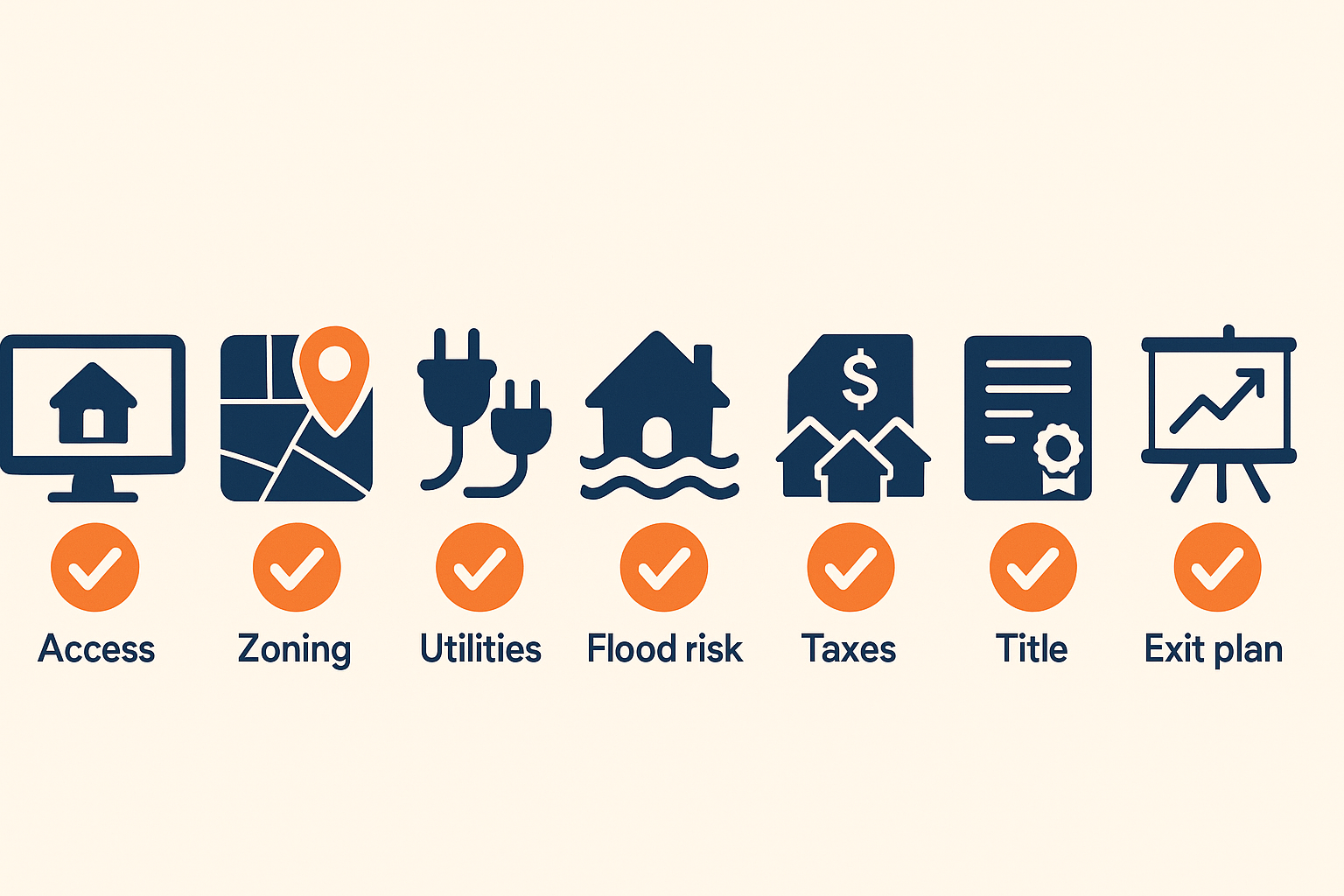
Thorough due diligence ensures you avoid costly surprises. The key steps include obtaining a comprehensive title search to uncover liens or claims, ordering a survey to verify boundaries and access, and performing environmental reviews if risks exist.
Also, confirm access rights,both legal and physical,to avoid landlocked parcels. Engage with local planning departments regarding current zoning and pending changes.
Red flags include unresolved title defects, lack of legal access, environmental contamination, or significant zoning conflicts, all of which may justify renegotiation or walking away.
How Can You Build and Manage a List of Off-Market Land Leads?
Compile potential properties from tax records, networking contacts, and outreach responses into a centralized database or CRM. Organize leads by urgency, parcel type, contact history, and follow-up schedule.
Regularly update information and track communication notes to maintain effective engagement. Prioritize leads based on seller motivation and deal viability.
What Are Common Mistakes to Avoid When Pursuing Off-Market Land Deals?
- Skipping Due Diligence: Rushing to purchase without verifying title, zoning, or condition often leads to costly pitfalls.
- Poor Follow-Up: Failing to nurture relationships with sellers reduces chances of closing deals, especially when motivation is uncertain.
- Lack of Clear Investment Criteria: Not setting firm investment goals or walk-away prices can cause indecision or overpaying.
How Do You Develop an Effective Off-Market Land Investing Strategy?
Start by clearly defining your investment goals, such as holding, developing, or flipping. Build a consistent lead-generation system combining research, networking, and outreach. Continually educate yourself on local market conditions, zoning changes, and investment techniques.
Establish your maximum offer prices and risk tolerances upfront. Develop relationships with professionals like agents, attorneys, and wholesalers to enhance your deal pipeline. Regularly review your strategy and results to refine your approach and maximize success.
Mini FAQ
What exactly makes a land deal “off-market”? An off-market land deal is a property transaction that occurs privately without public listing platforms like MLS, often directly negotiated between buyer and seller.
Why pursue off-market deals instead of listed properties? Off-market deals often feature less competition and more favorable pricing due to motivated sellers wanting a quick or discreet sale.
How can I verify details about an off-market property? Use county tax assessor websites, title search companies, local planning offices, and credible real estate professionals to confirm ownership, liens, zoning, and land condition.
What are key risks in off-market land investing? Risks include legal title defects, undisclosed property issues, lack of transparency, and difficulties in resale due to zoning or access restrictions.
How do I know when to walk away from an off-market deal? Red flags like unclear titles, unsuitable zoning, lack of legal access, or unresolvable environmental issues should prompt walking away or renegotiation before buying.
What Should You Do Next to Move From Reading to Taking Action?
Take the next step by deepening your education and building your network. Consider resources like the Dirt Rich book for practical land investing strategies, and join the land investing bootcamp for hands-on learning and community support. These resources can help you avoid common mistakes and confidently close your first off-market deal.



