
Finding off-market land deals can be a game-changer for investors looking to acquire property at competitive prices. These deals, which are not actively marketed to the public, can offer unique opportunities and less competition. Understanding how to locate and evaluate these properties is crucial for making informed investments. In this guide, we will delve into what off-market land deals are, the benefits of pursuing them, and effective strategies for locating these hidden gems.
What Are Off-Market Land Deals?
Off-market land deals refer to properties that are not listed on the multiple listing service (MLS) or widely advertised, making them less accessible to the average buyer. These deals often arise from private sales or direct negotiations.
Definition of Off-Market Deals
Off-market deals are properties sold without being publicly listed, meaning they are not available through traditional real estate channels. This can include private sales between individuals or transactions facilitated by real estate agents who have insider knowledge of sellers wanting to avoid the public listing process.
Advantages of Off-Market Properties
One significant advantage of off-market properties is the potential for lower purchase prices due to reduced competition. Buyers can negotiate directly with sellers, often leading to favorable terms. Additionally, these deals can provide unique property opportunities that may not be available through traditional listings.
Common Misconceptions About Off-Market Deals
Many believe off-market deals are only available to seasoned investors or that they involve hidden costs. However, motivated sellers often seek quick sales, which can lead to advantageous pricing for buyers. Understanding the market and being proactive can mitigate these misconceptions.
Why Should You Consider Off-Market Land Deals?
Investing in off-market land deals can yield better prices, reduced competition, and unique opportunities not found in the mainstream real estate market. These factors can significantly enhance your investment portfolio.
Potential for Better Prices
Off-market deals often provide buyers with the chance to negotiate better prices. Sellers looking for quick sales may be more flexible on price, allowing buyers to secure a deal below market value. This potential for savings makes off-market deals attractive for savvy investors.
Less Competition
Since off-market properties are not widely advertised, buyers face significantly less competition compared to traditional listings. This lack of competition can result in faster transactions and better terms, as fewer buyers are vying for the same property.
Unique Opportunities
Off-market deals can uncover unique land parcels that may not be ideal for every buyer but could hold significant value for specific projects. Whether it’s undeveloped land in a growing area or a parcel with specific zoning benefits, these opportunities can be incredibly advantageous.
How Can You Find Off-Market Land Deals?
Finding off-market land deals requires a multi-faceted approach, including thorough research, networking with industry professionals, and utilizing online resources effectively. Each method can lead you to promising opportunities.
Research Local Records
Local property records can be a goldmine for finding off-market deals. By examining tax records, foreclosure listings, and property ownership changes, you can identify potential motivated sellers. This method requires diligence and familiarity with the local property databases.
Network with Real Estate Professionals
Building relationships with real estate agents, investors, and other professionals in the industry can provide insights into off-market opportunities. Attending local real estate meetings and engaging in conversations can lead to valuable connections and information about properties that aren’t publicly listed.
Utilize Online Resources
Several online platforms offer resources for finding off-market properties. Websites that specialize in land sales, social media groups focused on real estate, and local community boards can provide leads. Utilizing these resources effectively can broaden your search significantly.
What Types of Off-Market Land Deals Are Available?
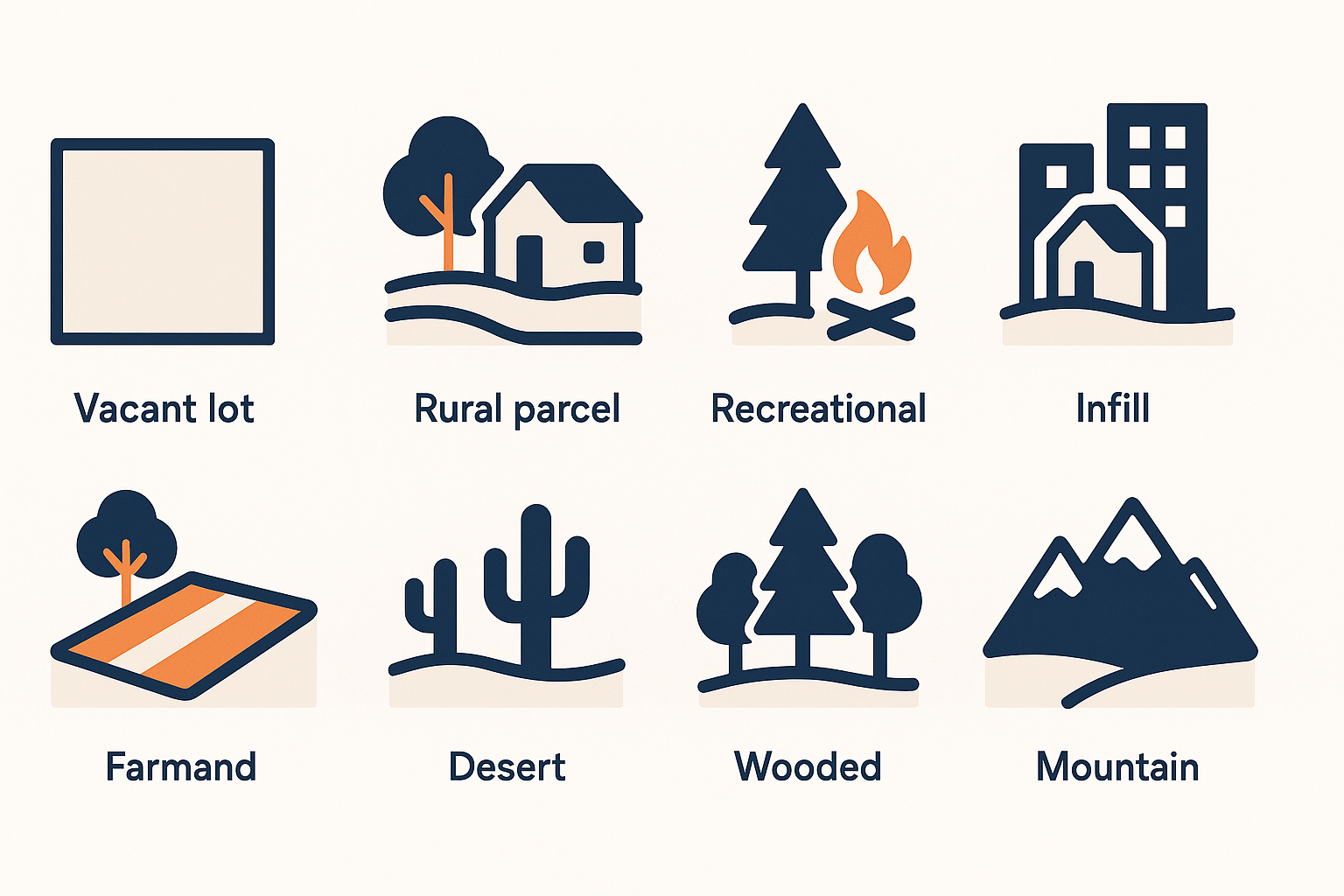
Off-market land deals vary widely, encompassing several types of properties, including undeveloped land, vacant lots, and recreational land. Each category presents distinct investment opportunities and potential challenges.
Undeveloped Land
Undeveloped land often presents the most significant potential for appreciation, especially in growing areas. Investors can purchase these parcels to hold for future development or resale. However, it’s crucial to conduct thorough due diligence regarding zoning and land use regulations.
Vacant Lots
Vacant lots can offer a quick investment opportunity, particularly in urban areas where demand for housing is increasing. These properties often require minimal maintenance and can be developed into residential or commercial spaces, making them an attractive option for investors.
Recreational Land
Recreational land, such as parcels suitable for camping, hunting, or other outdoor activities, can also be found off-market. These properties can appeal to buyers looking for personal use or investment opportunities in tourism and recreational activities.
How to Identify Motivated Sellers?
Identifying motivated sellers is essential when searching for off-market land deals. By recognizing the signs of distress and understanding seller motivations, you can approach negotiations more effectively.
Signs of Distress
Sellers in distress may be facing financial issues, personal circumstances, or property management challenges. Signs can include properties with overgrown lawns, neglected maintenance, or tax delinquency. Recognizing these signs can help you identify potential off-market opportunities.
Understanding Seller Motivation
Understanding why a seller is motivated to sell can provide leverage during negotiations. Common motivations include financial difficulties, divorce, or a desire to downsize. Knowing the seller’s situation can help tailor your offer to meet their needs.
Building Relationships
Establishing trust and rapport with potential sellers can lead to fruitful negotiations. Engaging in community interactions and demonstrating sincerity in your intentions can encourage sellers to consider your offers seriously, even if they initially weren’t looking to sell.
What Role Does Networking Play in Finding Off-Market Deals?
Networking is a vital component of finding off-market land deals, providing access to insider knowledge and potential leads. Building and maintaining relationships within the real estate community can significantly enhance your success in locating these properties.
Joining Local Real Estate Groups
Participating in local real estate investment groups can connect you with other investors and professionals. These groups often share information about off-market opportunities that members may not have access to otherwise. Engaging in these communities can provide critical insights and leads.
Attending Networking Events
Networking events, such as real estate expos and local meetings, offer excellent opportunities to meet sellers and other investors. Building these relationships can create a support network that facilitates access to off-market deals and valuable advice on navigating the investing landscape.
Leveraging Social Media
Social media platforms can be powerful tools for networking. Joining relevant groups and engaging with posts can help you connect with landowners and other investors. Sharing your interests and actively participating can lead to referrals and off-market opportunities.
How to Create a Direct Mail Campaign for Land Deals?
A well-crafted direct mail campaign can effectively target potential sellers of off-market land deals. Tailoring your message and audience can significantly increase your chances of success in reaching motivated sellers.
Crafting Your Message
Your message should be concise and compelling, clearly communicating your interest in purchasing land. Highlight the benefits of working with you, such as a quick closing process or a fair cash offer. A personal touch can also make your outreach more relatable.
Targeting the Right Audience
Identifying the right audience is crucial for your campaign’s success. Focus on owners of vacant or distressed properties, as well as individuals who may have inherited land. Researching public records and tax delinquency lists can help you refine your target list.
Measuring Campaign Success
Tracking the success of your direct mail campaign is essential to understand what works and what needs improvement. Monitor response rates and adjust your messaging or targeting as needed. Using tools like spreadsheets or CRM systems can help you organize data and analyze results effectively.
What Are the Benefits of Driving for Dollars?
Driving for dollars involves physically exploring neighborhoods to identify potential off-market land deals. This proactive approach can yield valuable insights and opportunities that may not be visible online.
Identifying Potential Deals
Driving for dollars allows you to spot properties that may not be actively marketed. Look for signs of neglect or distress, such as overgrown lawns or boarded windows. These indicators can often lead to motivated sellers who may be open to selling their land.
Building Local Knowledge
Regularly driving through neighborhoods helps you gain a better understanding of local property values and trends. This knowledge can be invaluable when assessing potential deals and negotiating fair prices. Familiarity with the area also allows you to spot emerging opportunities.
Connecting with Landowners
As you identify potential properties, reaching out to landowners directly can lead to fruitful conversations. Whether through direct mail or in-person visits, expressing your interest can encourage sellers to consider your offers. Building these relationships can enhance your chances of securing off-market deals.
How to Use Online Platforms to Find Off-Market Deals?
Utilizing online platforms can significantly enhance your search for off-market land deals. Various websites and social media groups can provide valuable leads and information about potential sellers.
Exploring Real Estate Listings
While off-market deals are not listed on MLS, some platforms specialize in connecting buyers and sellers. Websites focusing on land sales may have listings not found elsewhere. Regularly checking these sites can uncover hidden opportunities.
Utilizing Social Media Groups
Social media platforms have numerous groups dedicated to real estate investing. Joining these groups can provide access to off-market deals and discussions about properties. Engaging with members and participating in conversations can lead to valuable connections and insights.
Websites for Land Sales
Several websites cater specifically to land sales, offering listings for off-market properties. These platforms may provide additional filters or criteria that can help you narrow your search. Regularly visiting these websites can help you stay updated on new opportunities.
What Are the Best Practices for Cold Calling Landowners?
Cold calling can be an effective strategy for finding off-market land deals, but it requires preparation and strategy. Understanding how to approach landowners can facilitate productive conversations.
Preparing Your Script
Having a well-prepared script can help you communicate your interest clearly and effectively. Include essential details, such as your interest in purchasing property and a brief overview of your investment goals. A conversational tone can make the call feel more personal and less like a sales pitch.
Handling Objections
Anticipating objections is crucial when cold calling. Be prepared to address common concerns, such as the seller’s hesitation to sell or questions about your credibility. Responding with empathy and providing reassurance can help build trust and lead to further discussions.
Following Up Effectively
Effective follow-up is key to maintaining communication and interest from potential sellers. After your initial call, send a follow-up email or message thanking them for their time and reiterating your interest. Regular check-ins can keep you on their radar and increase your chances of securing a deal.
How Can You Leverage Auctions for Off-Market Deals?
Auctions can serve as a valuable avenue for acquiring off-market land deals, often providing unique opportunities and competitive pricing. Understanding the auction process is crucial for success.
Understanding Auction Processes
Before participating in an auction, familiarize yourself with the specific rules and procedures of the auction house or platform. Different auctions may have varying terms, timelines, and requirements. Knowledge of these details can help you navigate the process smoothly.
Researching Auction Properties
Investigating properties up for auction is essential. Review property details, zoning regulations, and any liens or encumbrances. Conducting thorough research ensures you make informed bids and avoid unexpected surprises later in the process.
Bidding Strategies
Developing effective bidding strategies can increase your chances of success at auctions. Set a clear budget and stick to it to avoid emotional bidding. Additionally, consider placing bids strategically to gauge competition and secure properties at favorable prices.
What are the Risks of Buying Off-Market Land Deals?
While off-market land deals can offer significant advantages, they also come with inherent risks. Understanding these risks can help you make informed decisions and protect your investment.
Potential Legal Issues
Off-market transactions may carry legal risks if proper due diligence is not conducted. Issues such as unclear titles, unresolved liens, or zoning violations can lead to complications. Engaging with legal professionals to review documents can help mitigate these risks.
Lack of Transparency
Buying off-market can sometimes mean less transparency regarding the property’s condition or history. Sellers may not disclose all relevant information, leading to potential surprises down the line. Comprehensive inspections and research are essential to uncover the property’s true state.
Property Condition Concerns
Without thorough inspections, buyers may encounter properties in poor condition. Off-market deals can include distressed properties that require significant repairs or renovations. Assessing the property thoroughly before purchase can help you avoid unexpected costs.
How to Evaluate the Value of Off-Market Land?
Evaluating the value of off-market land involves conducting thorough research and analysis. Understanding various factors that influence land value is crucial for making informed investment decisions.
Conducting Comparable Sales Analysis
Performing a comparable sales analysis involves researching recent sales of similar properties in the area. This method provides insight into market trends and can help you determine a fair price for the land. Consider factors like location, size, and amenities when comparing properties.
Assessing Land Use Potential
The potential uses of the land can significantly impact its value. Zoning regulations, environmental factors, and community plans can influence how the land can be utilized. Understanding these aspects is essential for accurately assessing the property’s worth.
Understanding Local Market Trends
Staying informed about local market trends can help you gauge the value of off-market land. Factors such as population growth, infrastructure development, and economic conditions can all affect property values. Regularly reviewing market reports and news can provide valuable insights.
What Should You Know About Zoning Regulations?
Understanding zoning regulations is vital when purchasing off-market land, as these laws dictate how properties can be used. Familiarity with local zoning laws can prevent potential legal issues and enhance investment opportunities.
Understanding Zoning Types
Zoning classifications vary by location and determine the permissible uses of a property. Common types include residential, commercial, and agricultural zoning. Knowing these classifications can help you assess whether a property aligns with your investment goals.
Researching Local Zoning Laws
Each municipality has its zoning regulations, which can change over time. Researching these laws before purchasing land ensures that you fully understand what can and cannot be done with the property. Local government websites often provide this information.
Impact on Land Use
Zoning regulations can have a significant impact on how you can develop or use the land. For instance, a property zoned for residential use cannot be developed as commercial space. Understanding these regulations is crucial to avoid costly mistakes in your investment strategy.
How to Negotiate the Purchase of Off-Market Land?
Negotiating the purchase of off-market land requires skill and strategy. Understanding the seller’s needs and employing effective negotiation techniques can lead to successful transactions.
Understanding Seller Needs
Identifying the seller’s motivations and needs is crucial for effective negotiation. Understanding why they want to sell—whether for financial reasons, personal situations, or other factors—can help tailor your offer to better meet their expectations.
Negotiation Strategies
Employing various negotiation strategies can enhance your chances of securing favorable terms. Consider starting with a lower offer while remaining respectful and open to discussion. Flexibility and creativity in structuring the deal can lead to mutually beneficial outcomes.
Closing the Deal
Successfully closing the deal involves ensuring that all terms are clearly understood and agreed upon by both parties. Prepare all necessary documentation and engage legal professionals to facilitate the process. Clear communication throughout can help prevent misunderstandings and ensure a smooth transaction.
What Resources Can Help You Find Off-Market Land Deals?
Numerous resources are available to assist in finding off-market land deals. Utilizing books, online courses, and community associations can enhance your knowledge and networking opportunities.
Books and Online Courses
Investing in educational materials, such as books and online courses, can provide valuable insights into finding off-market deals. These resources often cover strategies, case studies, and best practices, equipping you with the knowledge needed to succeed.
Local Real Estate Associations
Joining local real estate associations can connect you with other investors and professionals. These associations often host events, workshops, and networking opportunities that can lead to valuable off-market insights and connections.
Podcasts and Blogs
Podcasts and blogs focused on real estate investing can be excellent sources of information. Many industry leaders share their experiences and insights, providing actionable advice on finding and negotiating off-market deals.
How to Build a List of Potential Off-Market Properties?
Building a comprehensive list of potential off-market properties requires research, networking, and strategic planning. This list can serve as a foundation for your investment strategy.
Using Public Records
Public records, such as property tax records and ownership databases, can provide valuable leads on potential off-market properties. Accessing these records can help identify owners of distressed or vacant properties that may be willing to sell.
Community Resources
Engaging with community resources, such as local government offices or neighborhood associations, can yield additional information about off-market properties. These resources may have insights into properties that are not actively marketed but could be available for sale.
Real Estate Software
Utilizing real estate software can streamline the process of identifying potential off-market deals. Many platforms offer tools for tracking properties, analyzing data, and managing leads effectively, making it easier to build and maintain your list.
What Are the Best Tools for Finding Off-Market Deals?
Several tools are available to assist in the search for off-market deals. Utilizing the right technology can enhance your efficiency and effectiveness in locating properties.
Land Search Engines
Land search engines specialize in connecting buyers with landowners. These platforms often provide filters to narrow down searches, making it easier to identify off-market opportunities that fit your criteria.
Real Estate Investment Tools
Real estate investment tools can help analyze potential deals and assess their viability. Many of these tools offer features for managing finances, tracking leads, and evaluating market trends, providing valuable support in your investment journey.
Data Analytics Platforms
Data analytics platforms can provide insights into market trends and property values. By leveraging these insights, you can make informed decisions and identify off-market opportunities that align with your investment goals.
How Can Wholesalers Help You Find Off-Market Deals?
Wholesalers can be valuable allies in the search for off-market deals, often possessing insider knowledge and networks that can lead to unique opportunities. Understanding how to collaborate with wholesalers can enhance your chances of success.
Understanding Wholesaling
Wholesaling involves finding properties at a discount and then selling the contract to another buyer for a profit. Wholesalers often have extensive networks and can provide leads on off-market properties that may not be available to the public.
Building Relationships with Wholesalers
Establishing strong relationships with wholesalers can create a mutually beneficial partnership. By expressing your investment goals and preferences, wholesalers can direct suitable opportunities your way, increasing your chances of finding off-market deals.
Benefits of Working with Wholesalers
Working with wholesalers can save you time and effort in finding off-market properties. They often conduct initial research and negotiations, allowing you to focus on evaluating and finalizing deals. This collaboration can streamline your investment process significantly.
What Is the Importance of Due Diligence in Off-Market Deals?
Conducting thorough due diligence is essential when purchasing off-market land deals. This process helps identify potential risks and ensures informed investment decisions.
Conducting Title Searches
Performing a title search is critical to uncover any liens, encumbrances, or ownership disputes associated with the property. Understanding the title history can prevent legal complications and ensure a clear path to ownership.
Assessing Environmental Risks
Evaluating environmental risks, such as contamination or protected land, can significantly impact the property’s value and use. Conducting environmental assessments ensures you are aware of any potential issues that could affect your investment.
Understanding Property History
Reviewing the property’s history can provide insights into its past use and any significant events that may affect its current value. Understanding this history helps you make informed decisions and avoid potential pitfalls.
How to Utilize County Tax Assessor Websites?
County tax assessor websites can be invaluable resources for finding off-market land deals. These platforms provide access to important property data that can help identify potential sellers.
Navigating Assessor Websites
Learning to navigate county tax assessor websites can grant you access to valuable property information, including ownership details and tax records. Familiarizing yourself with the layout and search functionalities can streamline your research process.
Identifying Tax Delinquent Properties
Tax delinquent properties often indicate motivated sellers looking to offload their land. By identifying these properties through assessor websites, you can target potential sellers who may be open to negotiations.
Extracting Owner Information
Assessor websites typically provide ownership information, including contact details for landowners. This data can be used to reach out to potential sellers directly, increasing your chances of finding off-market deals.
What Are the Benefits of Working with a Real Estate Agent?
Collaborating with a real estate agent can enhance your search for off-market land deals, leveraging their expertise and resources to uncover hidden opportunities. Understanding the benefits of working with an agent can improve your investment strategy.
Finding Off-Market Listings
Real estate agents often have access to off-market listings through their networks and local connections. Their insider knowledge can lead you to opportunities that may not be publicly available, increasing your chances of finding the right property.
Negotiation Expertise
Experienced real estate agents possess negotiation skills essential for securing favorable terms in off-market transactions. Their expertise can help you navigate discussions with sellers and ensure that your interests are well-represented throughout the process.
Market Knowledge
Real estate agents bring valuable market knowledge, including insights into local trends and property values. This expertise can inform your investment decisions and help you assess the fair market value of potential off-market deals.
How Can You Use Social Media to Find Off-Market Deals?
Social media can be a powerful tool for finding off-market land deals, offering platforms to connect with sellers and fellow investors. Understanding how to leverage social media effectively can enhance your search for unique opportunities.
Joining Relevant Groups
Participating in real estate-focused groups on social media can connect you with like-minded individuals and potential sellers. Engaging in these communities can lead to valuable discussions and insights about off-market properties.
Engaging with Landowners
Social media provides a platform to engage directly with landowners, expressing your interest in purchasing property. Building relationships through comments and messages can lead to fruitful conversations and potential deals.
Sharing Your Interest
Sharing your investment interests on social media can attract sellers looking to offload their properties. By articulating your goals and what you’re seeking, you can create opportunities for sellers to reach out to you directly.
What Are the Legal Considerations When Buying Off-Market Land?
Legal considerations play a crucial role in off-market land transactions, ensuring that your investment is secure and compliant with local laws. Understanding these considerations is essential for a successful purchase.
Understanding Contracts
Contracts are legally binding agreements outlining the terms of the sale. Familiarizing yourself with standard contract elements and engaging legal professionals to review contracts can prevent misunderstandings and protect your interests.
Title Insurance
Obtaining title insurance can protect you from potential claims against the property’s title. This insurance provides peace of mind, ensuring that any unforeseen issues related to ownership are addressed. Understanding how title insurance works is crucial for safeguarding your investment.
Disclosure Requirements
Disclosure requirements vary by state and may necessitate sellers to reveal specific information about the property. Understanding these requirements can help you ensure that you receive all necessary details, allowing for informed decision-making during the purchase process.
How to Make a Strong Offer on Off-Market Land?
Making a strong offer on off-market land requires careful preparation and an understanding of the seller’s needs. A well-crafted offer can significantly increase your chances of securing the property.
Crafting Your Offer
Your offer should be clear, concise, and compelling, outlining the terms you are proposing. Include relevant details, such as the purchase price, contingencies, and any additional terms that may appeal to the seller, such as a quick closing date.
Understanding Fair Market Value
Determining a fair market value for the property is essential for making a competitive offer. Conduct thorough research and analysis to ensure your offer reflects the property’s worth, considering factors such as location, amenities, and recent sales in the area.
Presenting Your Offer
Presenting your offer professionally and respectfully can make a positive impression on the seller. Consider delivering the offer in person or via a well-crafted email that highlights your interest and commitment to the purchase, reinforcing your seriousness as a buyer.
What Are the Best Follow-Up Strategies After Initial Contact?
Implementing effective follow-up strategies after your initial contact with potential sellers can enhance your chances of securing off-market deals. Consistent communication is key.
Timing Your Follow-Up
Timing is crucial when following up with potential sellers. A prompt follow-up after your initial contact shows your interest and professionalism. However, ensure not to overwhelm the seller; finding a balance in communication frequency is essential.
Maintaining Communication
Regular communication can help keep you on the seller’s radar. Whether through emails, phone calls, or messages, maintaining contact can build rapport and encourage sellers to consider your offers more seriously.
Building Rapport
Building rapport with potential sellers can create a positive relationship that may lead to successful negotiations. Expressing genuine interest in their situation and being respectful can foster trust, making sellers more inclined to engage with your offers.
How to Keep Track of Your Off-Market Leads?
Keeping track of your off-market leads is essential for managing your search effectively. Implementing an organized system can enhance your efficiency and effectiveness in locating properties.
Using CRM Systems
Customer relationship management (CRM) systems can help you organize and manage your leads efficiently. These tools allow you to track conversations, set reminders for follow-ups, and maintain detailed notes about each lead, streamlining your process.
Organizing Your Leads
Creating a structured system for organizing leads can enhance your workflow. Consider using spreadsheets or dedicated software to categorize leads based on status, property type, and follow-up dates. This organization can help you prioritize your outreach efforts.
Follow-Up Tracking
Tracking your follow-up efforts is crucial for maintaining communication with potential sellers. Setting reminders or using task management tools can ensure that you stay on top of your follow-up schedule, increasing your chances of securing deals.
What Are Common Mistakes to Avoid When Searching for Off-Market Deals?
Avoiding common mistakes during the search for off-market deals can enhance your success and protect your investments. Being aware of these pitfalls is essential for effective property acquisition.
Lack of Research
Failing to conduct thorough research can lead to missed opportunities and poor investment decisions. Understanding the market, property values, and potential risks is vital for making informed choices. Dedicate time to researching each opportunity before proceeding.
Ignoring Due Diligence
Neglecting due diligence can result in legal issues or financial loss. Always conduct comprehensive checks on the property’s title, condition, and zoning regulations. Engaging professionals for inspections and legal reviews can help mitigate these risks.
Failing to Follow-Up
Not following up with potential sellers can lead to missed opportunities. Regular communication is key to building relationships and keeping your interest fresh in the seller’s mind. Develop a follow-up strategy to maintain contact and strengthen your chances of success.
How to Create a Successful Off-Market Land Investing Strategy?
To create a successful off-market land investing strategy, it’s essential to set clear goals, build a robust network, and commit to continuous learning. This comprehensive approach can enhance your effectiveness in securing valuable properties.
Setting Clear Goals
Establishing clear investment goals will guide your off-market land search. Define what types of properties you want to acquire, your budget, and your desired timeline for purchases. Having a solid plan will help you stay focused and organized.
Building a Network
Developing a strong network of real estate professionals, investors, and local contacts can significantly enhance your success in finding off-market deals. Regularly engage with your network to share insights and leads, creating a mutually beneficial environment.
Continuously Learning
The real estate landscape is constantly evolving, and staying informed about industry trends and strategies is crucial. Invest time in learning through books, courses, and networking. Continuous education will empower you to make informed decisions and adapt to changes in the market.
Mini FAQ
What are off-market land deals? Off-market land deals are properties not listed on the MLS, often sold privately or through direct negotiations.
Why should I consider off-market land deals? They often offer better prices, less competition, and unique opportunities for investment.
How can I find off-market land deals? You can find off-market deals through local records, networking, and utilizing online platforms.
What types of off-market land deals are available? Types include undeveloped land, vacant lots, and recreational land.
What are the risks associated with off-market land deals? Risks include potential legal issues, lack of transparency, and concerns about property condition.
How can I evaluate the value of off-market land? Conduct comparable sales analysis, assess land use potential, and understand local market trends to evaluate value.
What should you do next to move from reading to taking action?
Land investing gets easier when you follow a clear process and use proven resources. These are the fastest ways to learn the steps, avoid common mistakes, and move toward your first deal with confidence.



