Purchasing land without making a cash down payment is a feasible strategy for many aspiring landowners, especially those looking to minimize upfront financial burdens. This approach relies on creative financing that allows you to acquire property with little to no initial cash. In this complete guide, you will learn practical methods to buy land with no money down, understand key risks and benefits, identify what to verify on any deal, and navigate the legal and financial complexities to make an informed investment decision in 2026 and beyond.
Mastering no money down land purchases can open opportunities otherwise unavailable due to traditional financing requirements, whether you aim to build, hold, or flip land. This guide focuses on real-world decisions you encounter from offer to closing, helping you evaluate whether such a deal fits your goals and when to proceed or walk away.
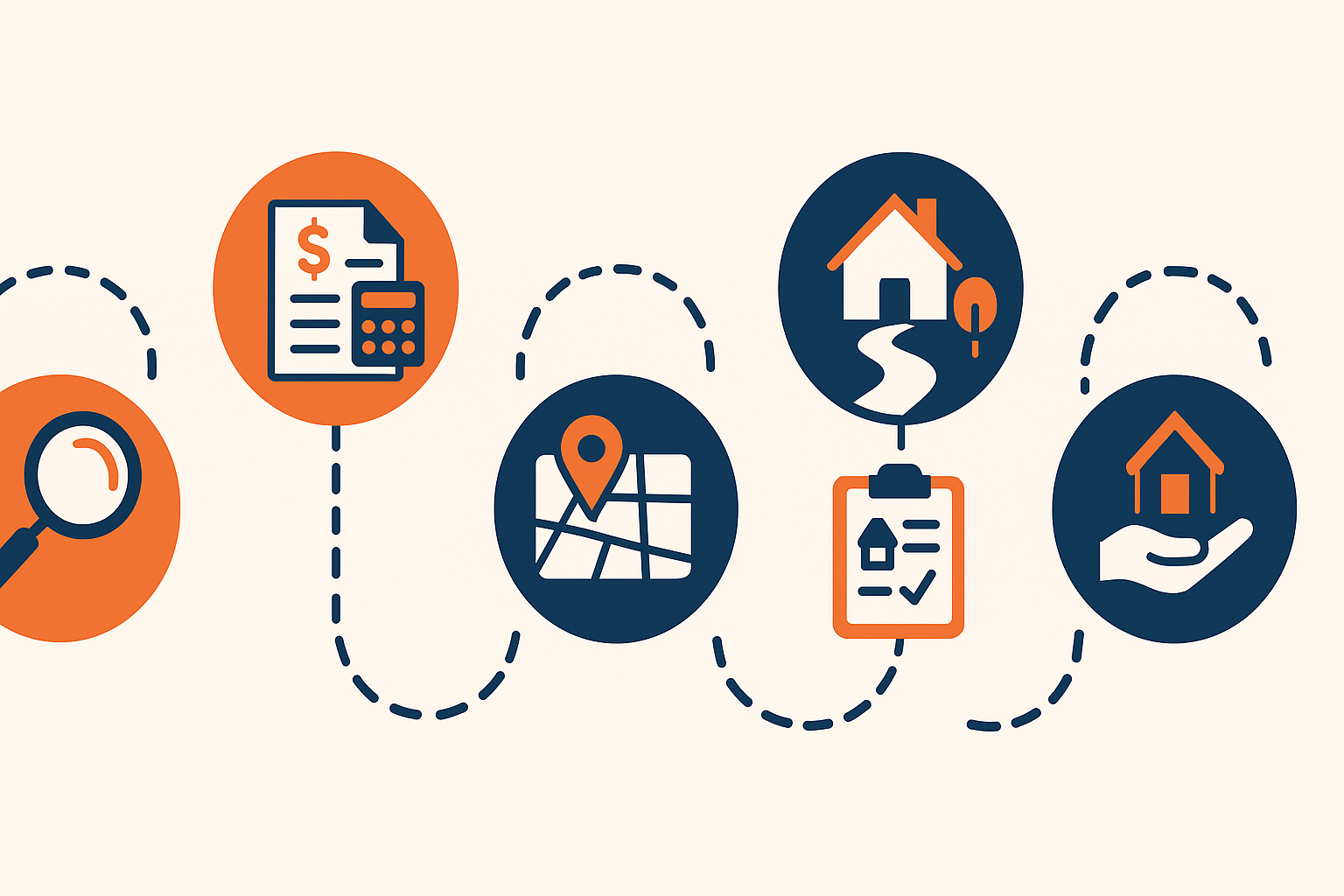
What Does “Buy Land with No Money Down” Actually Mean?
Buying land with no money down means acquiring property without making any initial cash payment or traditional down payment. Instead of paying upfront, buyers use alternative financing methods that allow them to secure ownership through deferred payments, leases, or seller agreements.
This matters because traditional land purchases typically require a significant upfront cash investment, which can limit access to land ownership. No money down methods lower that financial barrier but involve trade-offs like carrying balances or agreeing to longer-term contracts. Before committing, you must verify the exact terms and ensure the financing structure is realistic for your situation and intended use.
Is It Truly Possible to Buy Land with No Upfront Cash?
Yes, it is possible when you use financing alternatives specifically designed for buyers without upfront cash. Common methods include seller financing, lease options, and partnerships. These allow you to control and eventually own land without large initial payments.
Seller Financing Explained
Seller financing occurs when the seller acts as the lender and lets you pay in installments instead of requiring bank-qualified loans and down payments. This can lead to more flexible terms such as lower requirements for credit and negotiable interest rates.
To decide if a seller financing deal works for you, verify the seller’s legal ownership, the interest rate, payment schedule, and whether a balloon payment is due. A red flag is unclear terms or any chance the seller does not have clear title. Always have the contract reviewed by a real estate attorney.
Lease Options Explained
With a lease option, you lease the land with the right to buy it later, often applying some or all lease payments to the purchase price. This builds equity while giving you time to arrange financing or improve your credit.
Check the length of the lease, option price, monthly rent credited to purchase, and the consequences if you decide not to buy. If the terms bind you without flexibility, or the purchase price is above market estimates, it may not be a good deal.
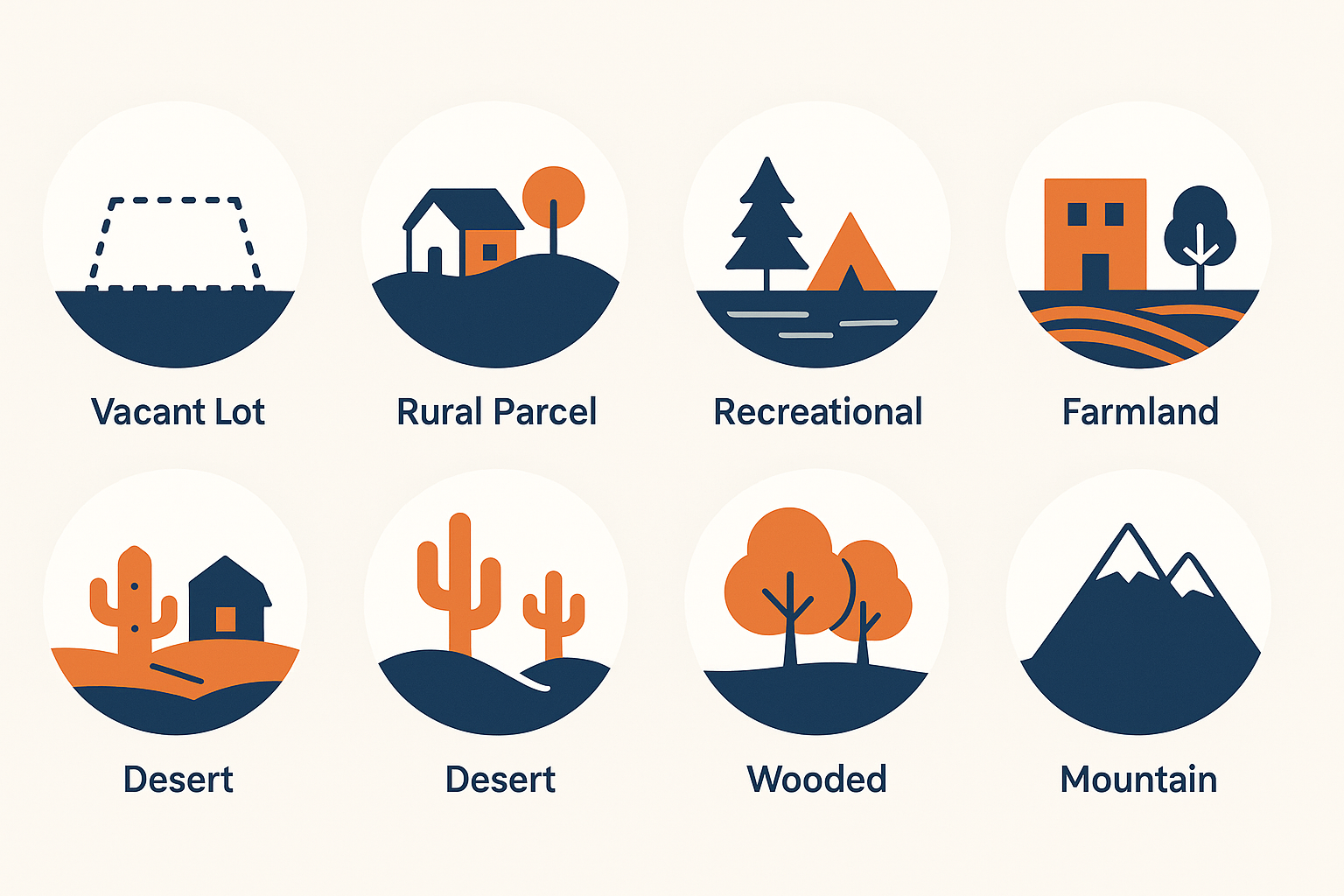
What Types of Land Can Be Bought with No Money Down?
Most types of land can be acquired through no money down methods, but the suitability depends on your goals and the property characteristics.
| Type of Land | Typical Use | No Money Down Viability | Key Verification Points |
|---|---|---|---|
| Residential Land | Building a home or rental properties | Commonly available via seller financing and lease options | Confirm zoning permits residential building, utility access |
| Commercial Land | Business development, retail, office space | Available but needs stricter vetting due to higher value | Verify zoning, environmental restrictions, potential income |
| Raw Land (Undeveloped) | Agriculture, recreation, future development | Often bought with creative financing, higher risks | Assess access, terrain, restrictions, and market trends |
How Do Seller Financing Agreements Work in No Money Down Deals?
Seller financing agreements replace traditional lenders, with the seller providing credit directly to the buyer. The buyer makes scheduled payments over time, often with terms negotiable according to buyer and seller needs.
Ensure the contract specifies purchase price, interest rate, payment frequency, due dates, possible balloon payments, and penalties. Verify that the seller holds clear title by checking county deed records or title search reports and secure title insurance to protect your investment.
What Are the Key Features of Lease Options?
Lease options let you lease land with the right to buy later under previously agreed terms, converting some rent into equity.
This structure helps buyers without immediate cash or credit to secure land while evaluating it. Confirm the term length, purchase price, credited rent amount, and legal enforceability of the option agreement through proper documentation.
Can You Negotiate No Money Down Land Deals?
Yes, negotiating is vital and often necessary. Sellers motivated by quick sales, tax considerations, or avoiding bank hassles may offer better terms.
Prepare by researching recent comparable sales, understanding seller motivations through direct communication, and setting clear buyer limits on price and payment conditions. Building rapport improves trust and facilitates win-win outcomes.
What Should You Look for When Evaluating a No Money Down Land Deal?
Focus on assessing the land’s true value, zoning and use restrictions, and the location’s suitability to your plans.
- Land Value: Use comparative market analysis and obtain an independent appraisal if possible.
- Zoning: Check county or municipal zoning maps and verify allowed uses align with your intended development or investment.
- Access and Utilities: Confirm legal road access and availability of utilities like water, power, and sewer.
Any discrepancies or limitations should trigger a reconsideration or adjusted offer. Always conduct a full title search to check for liens or encumbrances.
What Are the Risks Involved with No Money Down Land Purchases?
No money down deals lower upfront costs but expose you to certain risks, such as financial strain from contract terms, market volatility, and legal complexities.
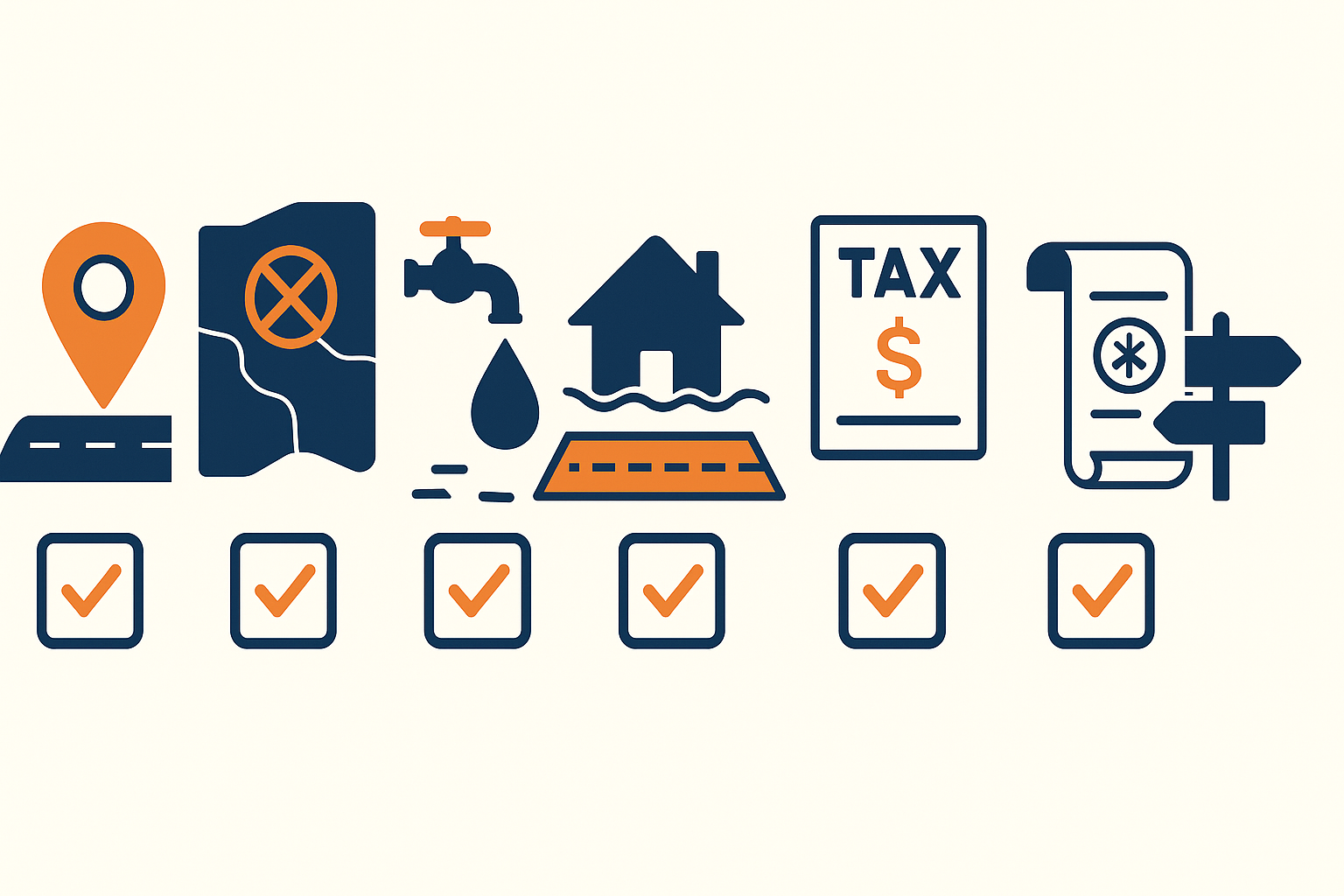
Beware of:
- Financial Strain: Monthly payments may be higher or balloon payments may demand large lump sums.
- Market Fluctuations: A drop in land value can leave you owing more than worth.
- Legal Risks: Poorly drafted contracts can expose you to title disputes or loss of property control.
Verify all contract details with a real estate attorney, confirm seller’s ownership through title records, and review local market trends before proceeding.
Where Can You Find Sellers Open to No Money Down Offers?
Finding sellers open to flexible financing requires targeted searching and networking.
- Online Platforms: Use real estate listing sites with filters for owner financing or lease options.
- Networking: Connect at local real estate meetups, auctions, or investment groups.
- Real Estate Agents: Work with agents familiar with creative financing deals in your area.
How Can You Finance Land With Little or No Down Payment?
Besides seller financing and lease options, financing methods like partnerships, private lenders, or assuming existing mortgages can reduce cash requirements.
Using Credit
Good credit can help you qualify for loans requiring minimal down payments. Strategic use of credit can cover closing costs or due diligence expenses, but keep debt manageable to avoid financial distress.
Partnerships
Pooling resources with partners can reduce individual cash needs. Clearly define roles, contributions, and profit sharing upfront to avoid conflicts and maximize investment potential.
What Legal Steps and Documentation Are Crucial When Buying Land with No Money Down?
Ensure the purchase agreement, promissory notes, option contracts, and any financing documents are comprehensive and reviewed by a qualified real estate attorney.
Obtain a title search and title insurance to confirm clear ownership and protect against undisclosed claims. Check compliance with all local zoning, use, and environmental regulations to avoid future restrictions or liabilities.
How Does Your Credit Affect No Money Down Land Purchases?
Your credit score influences financing options and terms. Higher credit scores generally qualify you for better seller financing deals or low-down loans, while lower scores may restrict options or increase costs.
Check your credit reports for accuracy and consider improving credit before applying. If credit is low, prioritize deals with seller financing or lease options, but verify terms carefully.
How Can You Build Equity on Land Bought with No Money Down?
Build equity by making timely payments, improving the property (such as clearing or adding utilities), benefiting from land appreciation, or developing the land to increase value.
Improving land can attract better buyers or tenants, while holding property through market upswings naturally increases equity without additional investment.
What Should You Know About Closing Costs in No Money Down Deals?
Closing costs can still apply even if no down payment is required, covering services such as title insurance, deeds recording, attorneys, and inspections.
Negotiate who pays what costs upfront. Sellers sometimes agree to cover fees to close deals, but clarify this in the contract to avoid surprises.
How to Create a Business Plan for No Money Down Land Investing?
Develop a plan defining your investment goals, budget including carrying costs, and exit strategies like resale or development. This clarity guides your acquisition criteria and risk management throughout ownership.
What Role Do Real Estate Agents Play in No Money Down Land Deals?
Agents help identify properties with seller financing or lease options, provide market analysis, and assist in negotiating terms. Their expertise can streamline the process and uncover opportunities not visible to direct buyers.
How Can Partnerships Help You Acquire Land with No Money Down?
Partnering leverages pooled capital and expertise to qualify for better financing or share project costs. Formal agreements detailing responsibilities and profit sharing are critical for partnership success.
What Alternatives Exist to Buying Land with No Money Down?
If zero-down purchase isn’t feasible, alternatives include traditional financing with minimal down payments, co-ownership to share costs, or investing in real estate investment trusts (REITs) for indirect land exposure without ownership complexities.
How Can You Use Land to Make Money Without Buying It?
You can profit from land by leasing it for agriculture, recreation, or commercial purposes, or entering joint ventures or development partnerships without holding title. These arrangements minimize risk and capital outlay but require clear contracts and trust between parties.
What Common Mistakes Should You Avoid When Buying Land with No Money Down?
- Skipping Due Diligence: Always verify ownership, liens, zoning, and access to avoid costly surprises.
- Ignoring Legal Advice: Have contracts reviewed by a qualified attorney before signing.
- Misunderstanding Market Conditions: Research current trends to avoid overpaying or holding unsellable land.
- Underestimating Financial Commitments: Ensure you can meet monthly payments and closing costs even without a down payment.
Mini FAQ
Can I really buy land with no money down?
Yes, by using alternatives like seller financing, lease options, or partnerships you can acquire land without upfront cash.
What types of land qualify for no money down deals?
Residential, commercial, and raw land can all be purchased with little to no money down depending on seller flexibility and financing structures.
Are there risks in no money down land purchases?
Yes, including financial strain, market downturns, and legal issues. Thorough due diligence and professional advice are critical to avoid losses.
How do I find sellers open to no money down offers?
Search specialized listing sites, network in real estate communities, and use agents experienced in creative financing.
What documents do I need?
Purchase agreements, financing arrangements, title search results, property declarations, and identification/proof of financial ability.
How do I build equity with no money down land?
Make payments consistently, improve the land, hold through appreciation, or develop the property for income or resale.
What alternatives exist?
Traditional loans with down payments, co-ownership, or investing in REITs provide different risk and commitment profiles.
What should you do next to move from reading to taking action?
Land investing becomes manageable when you follow a structured process and use proven resources. Consider these fast-track paths to gain knowledge and avoid common mistakes while advancing confidently:
- Dirt Rich book
- land investing bootcamp
- Land Geek community



