Buying land with bad credit is possible, but it requires understanding your options, verifying key details, and carefully planning your purchase to avoid costly mistakes. This guide breaks down practical financing alternatives, essential considerations before buying, and post-purchase steps to help you make an informed land investment despite credit challenges.
We will cover reliable financing methods for buyers with bad credit, what to check before making an offer, typical costs, legal aspects, and strategies to improve your credit score. By focusing on facts that affect your land purchase decision, you’ll learn how to evaluate opportunities, negotiate terms, and move forward with confidence or know when to pause or walk away.
Buying land with bad credit has practical risks and trade-offs, but with the right approach and verification, it can be a rewarding investment or a step toward your dream property.
Can You Buy Land with Bad Credit?
Yes, you can buy land with bad credit by leveraging alternative financing methods that do not rely heavily on traditional credit checks.
Bad credit typically means a credit score below about 580, which can make conventional bank loans or mortgages difficult to obtain. However, many sellers and private lenders offer creative financing options such as seller financing and land contracts that focus more on your payment ability and less on your credit score.
Before pursuing land purchases, verify your credit report for accuracy via the major credit bureaus. Correcting errors or disputes can sometimes improve your score quickly. Also, understand your debt-to-income ratio as sellers may assess your practical ability to make payments regardless of score.
What Financing Options Are Available for Buying Land with Bad Credit?
The best financing options for buyers with bad credit include seller financing, land contracts, and hard money loans. Each carries distinct benefits and risks you must verify and understand before proceeding.
Seller Financing
Seller financing is a direct loan from the property seller to you, the buyer, bypassing traditional lenders.
This arrangement usually has flexible terms with adjustable down payments and repayment schedules that can accommodate your financial situation. Sellers often do not require formal credit checks, but expect to negotiate terms that work for both parties.
Always verify the seller’s ownership via a title search and have a real estate attorney review the financing agreement to protect your interests.
Land Contracts
A land contract is a seller financing form where you make installment payments over time but do not receive title to the land until all payments are complete.
This can be beneficial if you cannot qualify for traditional financing upfront but want to start using or improving the land immediately. However, you remain at risk of losing all payments if you default. Verify all contract terms, payment schedules, and what happens upon default before signing.
Hard Money Loans
Hard money loans are short-term loans based chiefly on the land’s value rather than your creditworthiness.
Private investors or companies provide these loans, often approving faster than banks. Expect higher interest rates and fees, so carefully assess your ability to repay within the short loan period. Verify the lender’s reputation and loan terms thoroughly before accepting.
What Should You Consider Before Buying Land with Bad Credit?
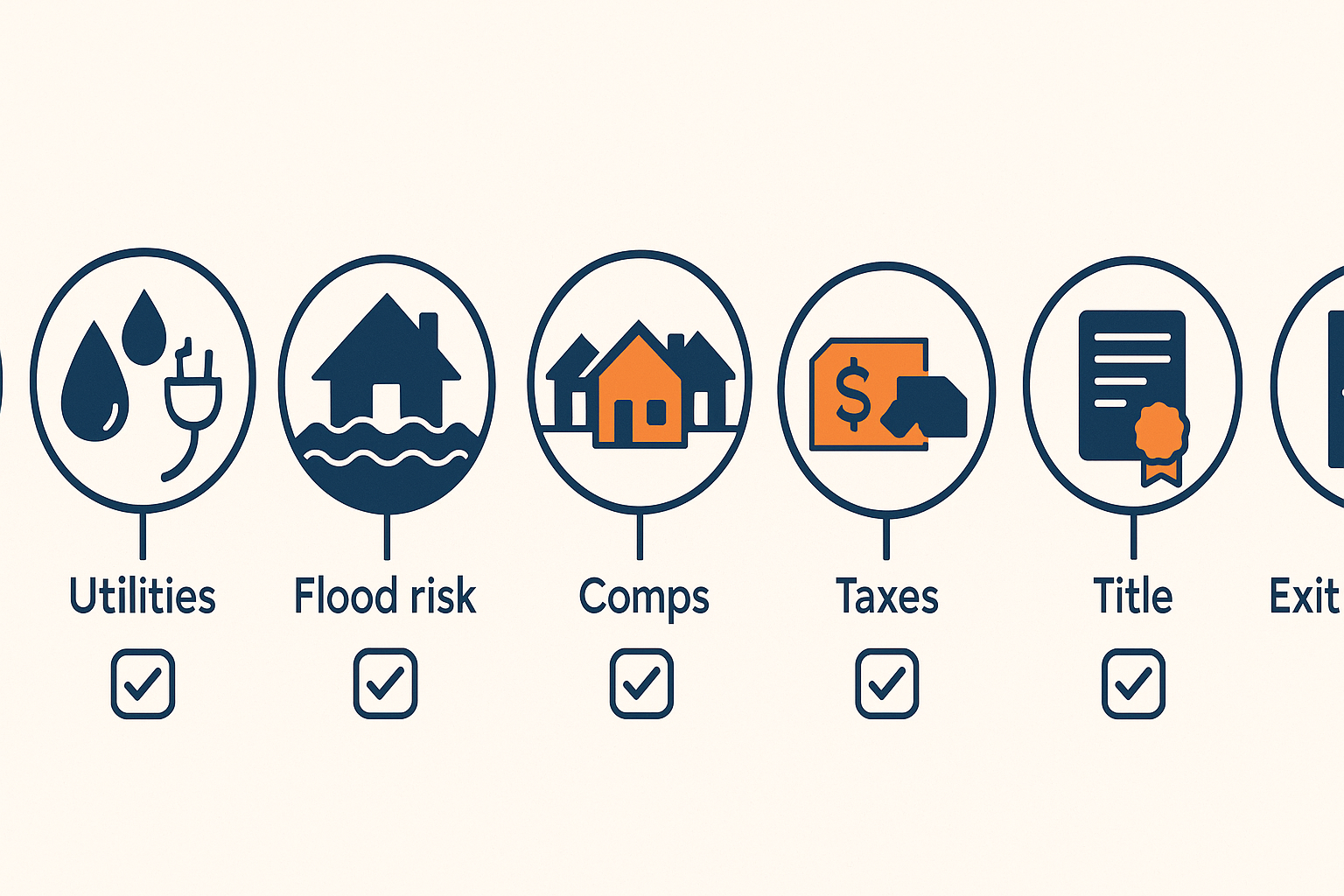
Due diligence is especially critical when buying land with bad credit because financing often comes with higher risk and less protection.
Verify Legal Ownership and Title Status
Ensure the seller has clear title with no liens, encumbrances, or disputes. This requires a formal title search from a reputable title company. Any discovered issues are red flags and may delay or derail your purchase.
Check Zoning and Land Use Restrictions
Understand the zoning classification assigned by the county or municipality. Zoning determines what activities or structures are permissible, which can impact your intended use and the land’s value. Contact the local zoning office or planning department for confirmation.
Assess Property Accessibility and Utilities
Confirm that legal road access exists to the land and utilities such as water and electricity if required. Lack of access or utilities can reduce usability and resale potential. Obtain public records or easements documentation to verify legal access.
Analyze Comparable Sales and Market Trends
Research recent sales of nearby similar parcels using county records or a real estate professional’s assistance. This establishes a defensible value range and helps you avoid overpaying. Be cautious of unusually low-priced properties, as these may have hidden problems.
Budget for All Associated Costs
Include down payment, closing costs (title insurance, appraisal, deed recording), ongoing property taxes, and maintenance. Lack of funds for these can undermine your ownership experience and financial stability.
How Can You Improve Your Credit Score to Ease Land Financing?
Improving your credit score improves your financing options and terms over time but requires consistent effort.
- Obtain and review your credit reports from the major bureaus to identify errors or delinquent accounts.
- Dispute inaccuracies promptly with documentation.
- Pay down high-interest debts and reduce your credit utilization ratio below 30% where possible.
- Make all payments on time, as payment history has the largest impact on your score.
- Avoid opening multiple new credit accounts, which can lower your score temporarily.
Working with a certified credit counselor may help you develop a tailored plan. Track progress over months to see gradual improvements that expand your financing choices.
How to Find Land Sellers Open to Financing for Buyers with Bad Credit
Identifying sellers willing to offer seller financing or land contracts is key for buyers facing credit challenges.
- Network with local real estate investors and agents who specialize in land to discover off-market or flexible sellers.
- Search online land marketplaces that include filters for owner financing options.
- Monitor local classified ads for seller-financed land listings.
- Attend local property auctions or land sales events where seller financing is sometimes offered.
Always verify the seller’s authority to finance the land and have all agreements reviewed by a professional to avoid scams or misunderstandings.
What Are the Key Legal Aspects to Verify When Buying Land?
Several legal checks must be completed before you commit to a land purchase, especially when using alternative financing.
- Title and Ownership Verification: Conduct a title search to confirm clear ownership and any liens. This records the rightful seller and protects you from future claims.
- Contract Clarity: Ensure the financing or land contract specifies payment terms, interest rate, default consequences, and what happens to improvements made before full ownership.
- Disclosure Compliance: Confirm the seller meets state disclosure laws, including known issues or environmental hazards.
- Closing Process: Understand all closing requirements, including deed recording and transfer of ownership upon final payment. Use a title company or attorney for closing facilitation.
What Are the Risks of Buying Land with Bad Credit?
Buying land with bad credit often carries specific risks that impact your financial security and investment goals.
- Higher Interest Rates and Costs: Financing will likely be at higher interest rates due to increased lender risk, increasing the total purchase cost.
- Risk of Default and Loss: Stricter repayment terms may raise default risk. Missing payments can result in losing both the property and prior payments, especially with land contracts.
- Resale Challenges: Properties bought through alternative financing or with financing complications may be harder to resell, affecting liquidity and exit strategies.
Verify your repayment ability realistically and have a contingency plan before proceeding with purchase.
How to Evaluate the Value of Land Before Purchase?
Evaluating land value requires a comparison of similar nearby properties, adjusted for features and legal conditions.
| Factor | What to Verify | Decision Impact |
|---|---|---|
| Comparable Sold Parcels | Recent sale price of similar-sized, zoned land nearby (within same county) | Establishes price range to inform offer; big deviation is a red flag |
| Usable Acreage | Survey to confirm acres and topography usable for intended purpose | Less usable land lowers value; verify before offer |
| Zoning & Restrictions | Local zoning codes, easements, or environmental restrictions | Limits land use and value; incompatible zoning advises walk-away or renegotiate |
| Access and Utilities | Legal access verification and utility availability | No legal access or utilities reduces value and rehab cost increases |
What Should You Do After Buying Land with Bad Credit?
Post-purchase actions protect your investment and position you for future success.
- Develop a Land Management Plan: Maintain the land by addressing upkeep, clearing, and securing boundaries.
- Review Financing and Payment Obligations: Ensure timely payments on seller-financed agreements to avoid default.
- Consider Enhancements to Increase Value: Improve access roads, utilities, or fencing if financially feasible and aligned with your goals.
- Plan Your Exit Strategy: Whether holding long-term, developing, leasing, or flipping, have a clear plan informed by market trends.
What Are Common Mistakes to Avoid When Buying Land with Bad Credit?
To safeguard your investment, avoid these pitfalls:
- Skipping Title and Zoning Verification: Always confirm ownership and legal use to prevent costly surprises.
- Overextending Financially: Don’t commit to payment terms you cannot realistically meet.
- Ignoring Ongoing Costs: Account for property taxes, insurance, and maintenance in your budget.
- Failing to Consult Professionals: Engage real estate agents, attorneys, or title companies early to guide the process.
How Can You Negotiate Terms with Sellers When You Have Bad Credit?
Negotiation is often possible and beneficial, especially in seller-financed deals.
Preparation is key: present evidence of stable income or assets, demonstrate commitment with a fair down payment, and explain your circumstances honestly. Request reasonable adjustments such as lower down payments, longer repayment periods, or lower interest rates.
Verify the seller’s flexibility by asking about their motivations and timelines. Transparent communication helps reach agreements beneficial to both parties.
What Are Alternative Buying Methods for Land with Bad Credit?
Besides traditional seller financing and hard money loans, you can explore co-ownership, partnerships, or crowdfunding.
- Co-Ownership: Pool resources with trusted partners to share costs and risks.
- Partnerships: Partner with investors who may have better credit or additional capital.
- Crowdfunding: Join legitimate real estate crowdfunding platforms to collectively invest in land projects.
Confirm legal agreements and exit options thoroughly in all cases to avoid future disputes.
What Resources Can Help Land Buyers with Bad Credit?
Several educational and community resources provide guidance and support throughout your land buying journey:
- Engage with online land investing forums and communities to learn from others’ experiences and strategies.
- Use reputable educational websites and guides dedicated to land investing for buyers facing credit challenges.
- Consider local real estate meetups for networking with sellers, agents, and other land buyers.
The land investing bootcamp and the Land Geek community provide structured learning and peer support ideal for first-time buyers.
How to Prepare for Closing on Land Purchased with Bad Credit?
Preparation before closing ensures a smooth transfer and avoids last-minute roadblocks.
- Gather all necessary documents: purchase agreement, title report, seller financing contracts if applicable, and proof of insurance.
- Review the title commitment and ownership transfer documents carefully, preferably with an attorney or title company.
- Perform a final walk-through or site visit to confirm the land is as agreed.
- Understand the closing statement detailing your financial obligations and fees before signing.
Any anomalies should delay closing until resolved to prevent future disputes or loss of funds.
What Should You Do Next to Move from Reading to Taking Action?
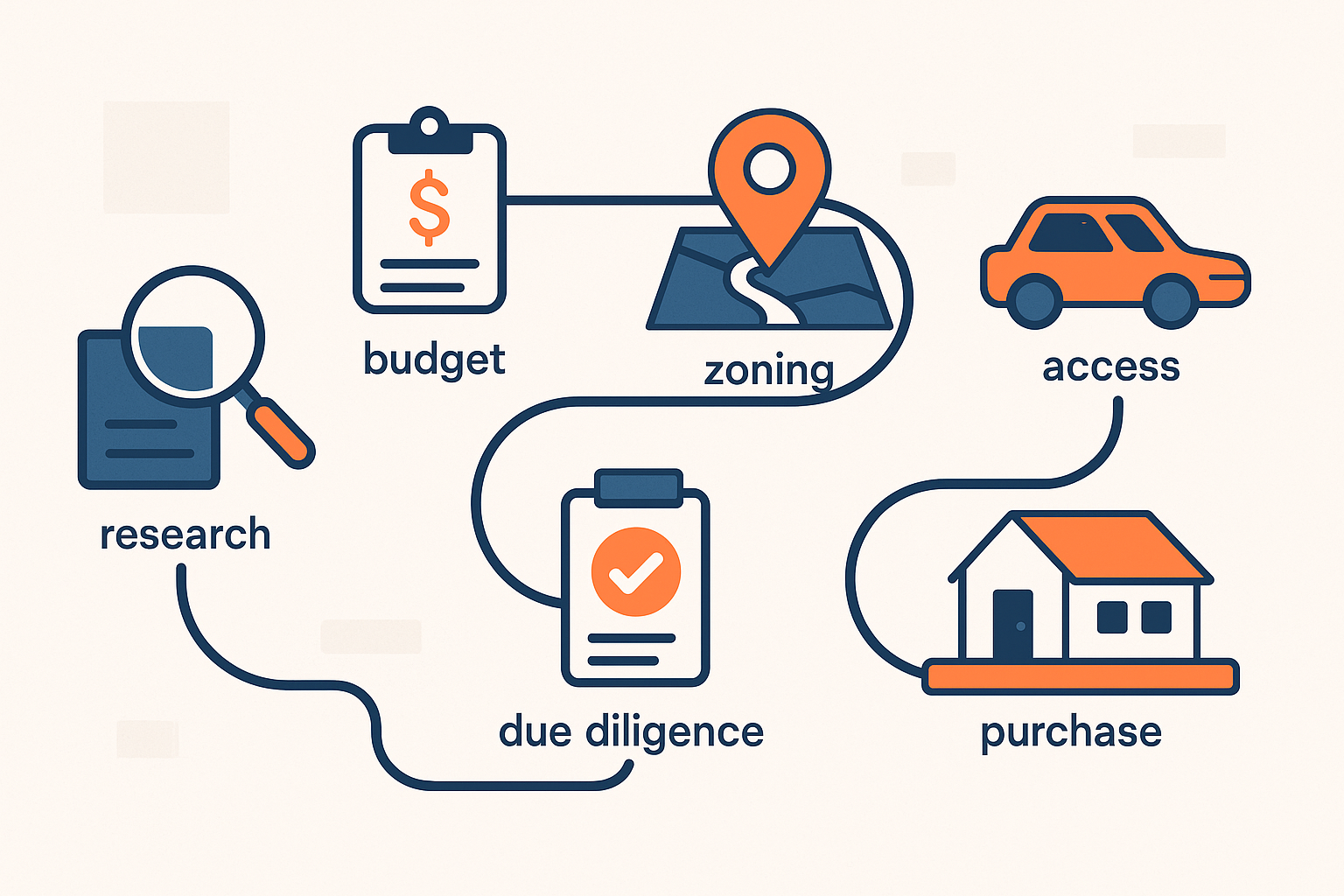
Buying land with bad credit is a manageable challenge when you apply verified knowledge step-by-step:
- Identify your intended use for the land and the financing amount required.
- Review your credit report to understand your financial profile and potential for improvement.
- Explore seller financing and land contract listings through trusted channels and networks.
- Verify property details such as title, zoning, access, and comparable sales before making an offer.
- Engage professionals including real estate agents, attorneys, and title companies to guide negotiations and closing.
- Plan your payment budget including down payment, closing costs, and ongoing expenses.
Resources like the Dirt Rich book, land investing bootcamp, and our Land Geek community can accelerate your learning and connection with experienced land investors.