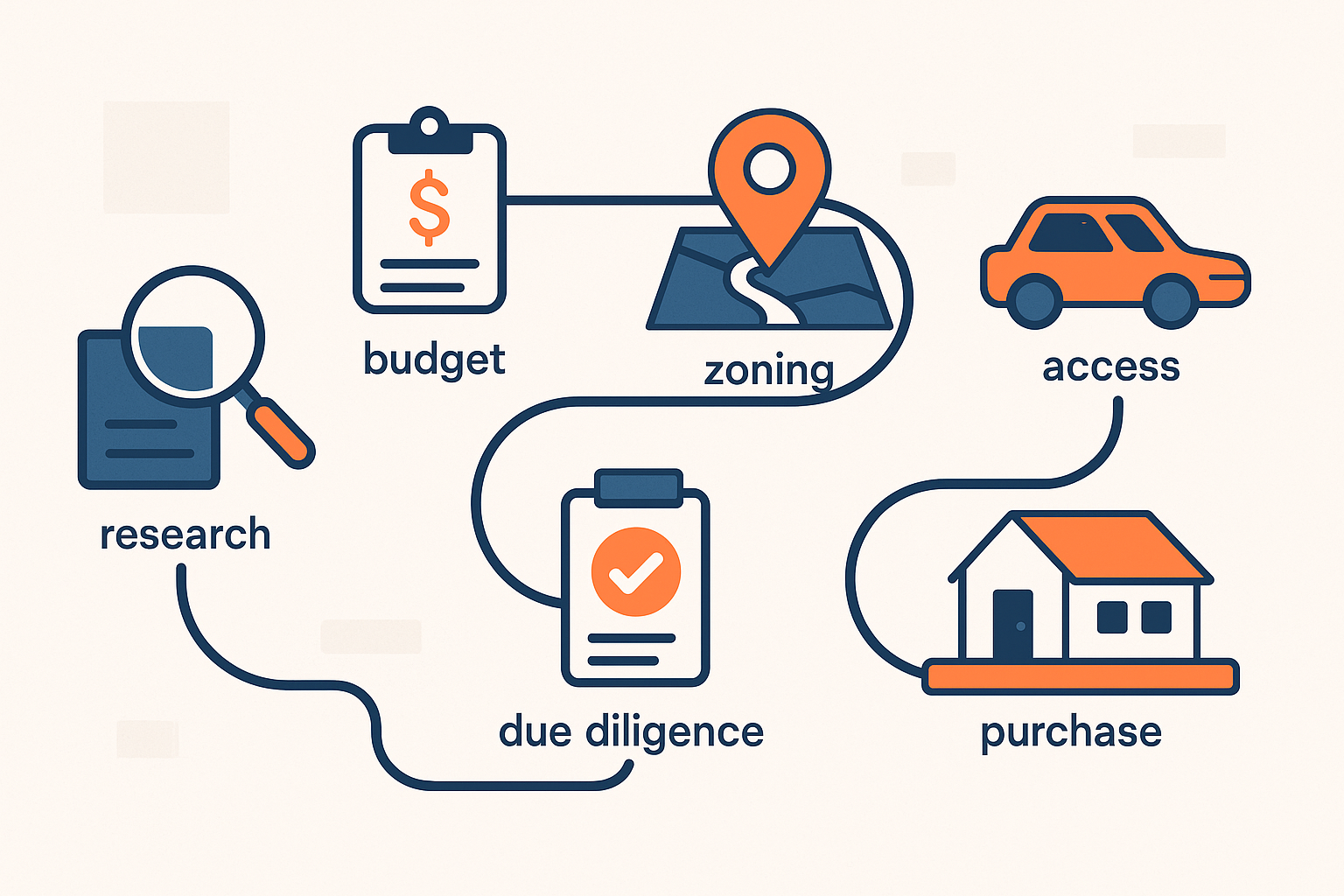
Purchasing land can be a rewarding investment or a dream come true for many individuals. However, if you have bad credit, you may wonder whether it’s still possible to buy land. While traditional financing options may pose challenges, several alternative methods and strategies can help. This guide will explore these options, provide insights into improving your credit score, and help you navigate the unique considerations of buying land with bad credit. Let’s delve into the essential aspects and empower you to make informed decisions.
Can You Buy Land with Bad Credit?
Yes, it is possible to buy land with bad credit through various financing options and strategies tailored for individuals with less-than-perfect credit histories.
Understanding Bad Credit
Bad credit typically refers to a credit score below 580, which can result from missed payments, high credit utilization, or bankruptcy. Lenders often view individuals with bad credit as high-risk borrowers, making loan approvals more difficult. However, understanding your credit profile is crucial. By reviewing your credit report, you can identify areas for improvement, such as paying off outstanding debts or correcting inaccuracies.
Common Misconceptions
A prevalent misconception is that bad credit completely disqualifies you from obtaining financing. While traditional lenders may be hesitant, alternative financing options exist, such as seller financing or land contracts. These alternatives often require less stringent credit checks and can be viable paths to land ownership.
The Importance of Credit Scores
Your credit score affects not just your ability to secure financing but also the terms and interest rates offered to you. A higher credit score can lead to better loan terms, while a low score might mean higher interest rates. Understanding how credit scores work allows you to take proactive steps to improve your financial standing over time.
What Are the Options for Financing Land with Bad Credit?
Several financing options can help you purchase land despite having bad credit, including seller financing, land contracts, and hard money loans.
Seller Financing
Seller financing occurs when the land seller provides a loan to the buyer to purchase the property. This arrangement allows buyers to bypass traditional lenders, making it an attractive option for those with bad credit. The terms of seller financing can vary widely, so it’s essential to agree on a mutually beneficial payment schedule and interest rate.
Land Contracts
A land contract is a legal agreement where the buyer makes payments directly to the seller until the purchase price is paid in full. This option can be particularly advantageous for buyers with bad credit, as the seller may not require a credit check. However, buyers do not receive the title until the contract is fully executed, which can be a consideration for some.
Hard Money Loans
Hard money loans are short-term loans secured by real estate, typically offered by private investors or companies. These loans are based on the property’s value rather than the borrower’s creditworthiness, making them accessible for individuals with bad credit. However, they often come with higher interest rates and fees, which should be carefully considered before proceeding.
How Does Seller Financing Work?
Seller financing is a direct loan from the seller to the buyer, allowing for flexible payment terms and often no credit checks.
Terms and Conditions
The terms of a seller financing agreement can vary significantly based on negotiations between the buyer and seller. Factors such as down payment, interest rate, and repayment schedule are usually outlined in a promissory note. Buyers should ensure clarity on all terms to avoid misunderstandings in the future.
Benefits of Seller Financing
One of the main benefits of seller financing is the flexibility it offers. Buyers can often negotiate terms that align with their financial situation. Additionally, this method can expedite the purchasing process, as it usually involves less paperwork and quicker approvals compared to traditional loans.
Potential Risks
While seller financing can be advantageous, it carries certain risks. If the buyer defaults on payments, the seller may initiate foreclosure, which can lead to the loss of the property. Buyers should ensure they can meet their payment obligations and may want to consider a legal professional to review the agreement before signing.
What Is a Land Contract?
A land contract is a specific type of seller financing where the buyer agrees to pay the seller in installments until the property is fully paid of
Structure of a Land Contract
In a land contract, the buyer takes possession of the land but does not receive the title until all payments are made. The contract outlines the purchase price, down payment, interest rate, and payment schedule. This structure can be beneficial for those with bad credit, as sellers may be more willing to work with buyers in this arrangement.
Advantages for Buyers
Land contracts can be advantageous for buyers because they often involve less rigorous credit checks and can be negotiated to suit the buyer’s financial situation. Additionally, they allow buyers to start using the property before fully paying for it, which can be especially useful for those looking to develop or utilize the land immediately.
Disadvantages to Consider
One potential disadvantage of a land contract is that the buyer does not hold the title until the contract is fulfilled. This means they cannot sell or refinance the property until the payments are complete. Additionally, if a buyer fails to adhere to the contract terms, they may lose both the property and any payments made thus far.
What Are Hard Money Loans?
Hard money loans are short-term financing options based on the value of the property rather than the borrower’s credit history.
How They Differ from Traditional Loans
Unlike traditional loans, which assess a borrower’s creditworthiness and financial history, hard money loans focus primarily on the property’s value. This difference allows individuals with bad credit to access funding more easily. However, these loans typically come with higher interest rates and shorter repayment terms.
Pros and Cons
The primary advantage of hard money loans is quick access to cash, which can be crucial for time-sensitive purchases. However, the drawbacks include higher costs and the risk of losing the property if payments are missed. Buyers should carefully assess their ability to repay before opting for this financing method.
When to Consider Hard Money Loans
Hard money loans may be a suitable option for buyers who need immediate funding and have a clear exit strategy, such as selling the property or refinancing with a traditional loan. They can also be beneficial for investment properties where quick transactions are essential. However, buyers should ensure they fully understand the terms and risks involved.
Are There Government Programs for Buying Land with Bad Credit?
Yes, various government programs can assist buyers with bad credit in purchasing land, such as USDA loans and FHA programs.
USDA Loans
The USDA Rural Development program offers loans to low-to-moderate-income buyers in eligible rural areas. These loans often require no down payment and have flexible credit requirements, making them an excellent option for those with bad credit looking to purchase land in rural locations.
FHA Programs
The Federal Housing Administration (FHA) provides loans that are accessible to individuals with lower credit scores. While FHA loans are typically associated with home purchases, some FHA programs may apply to land purchases as well, particularly if the land is intended for future home construction.
State-Specific Initiatives
Many states offer specific programs aimed at helping individuals with bad credit secure financing for land purchases. These initiatives may include grants, loans, or special financing options that cater to local residents. Researching state programs can uncover valuable resources and opportunities for buyers.
How Can You Improve Your Credit Score?
Improving your credit score requires consistent effort, but it is achievable through various steps and strategies.
Steps to Take
To improve your credit score, start by reviewing your credit report for errors and disputing any inaccuracies. Paying down existing debt and making payments on time can also help boost your score. Additionally, consider diversifying your credit mix by responsibly managing different types of credit.
Resources for Assistance
Numerous resources are available for individuals seeking to improve their credit scores. Non-profit credit counseling services can provide personalized guidance and strategies. Online tools and credit score monitoring services can also help track your progress and provide insights on areas for improvement.
Timeframe for Improvement
The timeframe for improving your credit score varies depending on your starting point and the steps you take. Minor improvements can often be seen within a few months, while significant changes may take longer. Patience and consistency in managing your finances are key to achieving lasting results.
What Should You Consider Before Buying Land?
Before purchasing land, it’s essential to consider various factors to ensure a successful investment.
Location and Zoning
The location of the land plays a crucial role in its value and potential uses. Understanding the zoning regulations in the area is equally important, as these laws determine what you can build or develop on the property. Research the surrounding community and access to amenities, which can impact long-term value.
Land Use Restrictions
Land use restrictions can limit what you can do with the property. These may include environmental regulations, building codes, or easements. Reviewing these restrictions is essential to avoid potential issues down the line and ensure your intended use aligns with local regulations.
Market Trends
Staying informed about market trends is vital for making an informed purchase. Understanding the local real estate market, including price trends and demand for land, can help you make a sound investment decision. Engaging with local real estate professionals can provide valuable insights into current market conditions.
What Are the Risks of Buying Land with Bad Credit?
Buying land with bad credit carries specific risks that potential buyers should be aware of before making a commitment.
Higher Interest Rates
Individuals with bad credit often face higher interest rates on loans, which can significantly increase the total cost of the land purchase. These elevated rates can lead to higher monthly payments and a more extended repayment period, affecting overall financial stability.
Potential for Default
Securing financing with bad credit may lead to challenging repayment terms, increasing the risk of default. If you fail to make payments, you may lose the property and any investment made thus far. Before committing to a purchase, ensure you can meet the financial obligations of the loan.
Resale Challenges
Purchasing land with bad credit can lead to challenges when attempting to resell the property. Potential buyers may be wary of properties with complicated financing histories or higher interest rates. Understanding the implications of your purchase on future resale opportunities is essential for long-term planning.
How to Find Land Sellers Open to Financing?
Finding land sellers willing to offer financing can be crucial for buyers with bad credit, and several strategies can help in this search.
Networking Strategies
Networking within local real estate communities can uncover opportunities with sellers open to financing. Attend local real estate meetups, join online forums, and connect with other investors to expand your network. Building relationships can lead to potential deals that may not be listed publicly.
Utilizing Online Platforms
Online real estate platforms often feature listings from sellers offering financing options. Take advantage of filters and search tools to refine your search and identify properties that meet your criteria. Engaging with sellers directly through these platforms can also provide insight into financing possibilities.
Local Classifieds
Local classified ads, whether online or in print, can be excellent resources for finding land sellers willing to negotiate financing terms. Keep an eye on listings that indicate seller financing is available, and reach out to inquire about the terms and conditions. Persistence in checking these ads can yield fruitful leads.
What Is the Role of a Real Estate Agent in Land Purchase?
A real estate agent can provide invaluable assistance when purchasing land, especially for buyers with bad credit.
Finding the Right Agent
Choosing an agent experienced in land transactions is crucial for navigating the complexities of the purchase process. Look for agents with local knowledge, a strong track record, and a willingness to work with buyers in your situation. Interviewing multiple agents can help find the best fit for your needs.
Benefits of Professional Guidance
Working with a knowledgeable real estate agent can streamline the buying process, ensuring that you understand all aspects of the transaction. Agents can help identify properties that meet your criteria, negotiate favorable terms, and provide insights into the local market. Their expertise can be a significant asset, particularly for first-time buyers.
Agent Fees and Commissions
Real estate agents typically earn a commission based on the sale price of the property, which is often paid by the seller. However, buyers should be aware of any potential fees that may arise during the process. Clarifying the financial aspects upfront can prevent misunderstandings later on.
Can You Negotiate Terms with Sellers?
Yes, negotiating terms with sellers is often possible, especially in financing arrangements tailored for buyers with bad credit.
Strategies for Effective Negotiation
When negotiating with sellers, come prepared with research on comparable properties and market conditions. Clearly articulate your financial situation and express your commitment to the purchase. Building rapport with the seller can also foster a more favorable negotiation environment.
What to Ask For
During negotiations, consider asking for favorable terms such as a lower down payment, extended repayment period, or reduced interest rates. Understanding the seller’s motivations can help you tailor your requests to align with their goals, potentially leading to a more successful negotiation.
Understanding Seller Flexibility
Sellers may be more flexible on terms than traditional lenders, especially if they are motivated to sell quickly. Assessing the seller’s situation can provide opportunities for negotiation that benefit both parties. Open communication and transparency are vital in reaching an agreement.
What Are the Legal Aspects of Buying Land?
Understanding the legal aspects of buying land is crucial to ensure a smooth transaction and protect your interests.
Land Title and Ownership
Before purchasing land, it’s essential to conduct a title search to confirm that the seller has legal ownership and the right to sell the property. Ensure that there are no liens or encumbrances on the title that could affect your ownership rights after the purchase.
Property Disclosure Laws
Many states require sellers to disclose specific information about the property, including any known issues or defects. Familiarizing yourself with these laws can help you understand what to expect during the transaction and ensure that you are fully informed before making a purchase.
Closing Process
The closing process involves finalizing the sale, which typically includes signing the necessary documents, transferring funds, and recording the transaction. Understanding each step of this process is essential to avoid delays or complications. Working with a real estate professional can help guide you through the closing process effectively.
How Can You Evaluate the Value of Land?
Evaluating the value of land requires thorough research and analysis to ensure you make a sound investment.
Comparative Market Analysis
A comparative market analysis (CMA) involves evaluating similar properties in the area to determine fair market value. By analyzing recent sales data, you can gain insights into pricing trends and make informed offers. Engaging a real estate professional can enhance the accuracy of your analysis.
Assessing Land Features
Evaluating the unique features of the land, such as location, size, accessibility, and topography, is essential for determining its value. Additionally, consider any existing infrastructure or improvements that could enhance the property’s desirability. Understanding these features can help justify your offer and support your investment decision.
Future Development Potential
Assessing the potential for future development can significantly impact the land’s value. Researching zoning regulations, nearby developments, and community plans can provide insights into long-term value appreciation. Properties with growth potential may be worth a premium, especially if they align with future demand in the area.
What Are Typical Costs Associated with Buying Land?
Understanding the costs associated with buying land is crucial for budgeting and financial planning.
Down Payments and Closing Costs
Typical down payments for land purchases can range from 10% to 30%, depending on the financing method. Additionally, closing costs, which include fees for title searches, appraisals, and legal work, can add several thousand dollars to your total expenses. It’s essential to factor these costs into your overall budget.
Ongoing Costs
Once you purchase land, ongoing costs may include property taxes, insurance, and maintenance. Understanding these expenses is vital for long-term financial planning. Regularly reviewing your financial obligations can help you manage costs effectively and ensure the property’s upkeep.
Hidden Fees
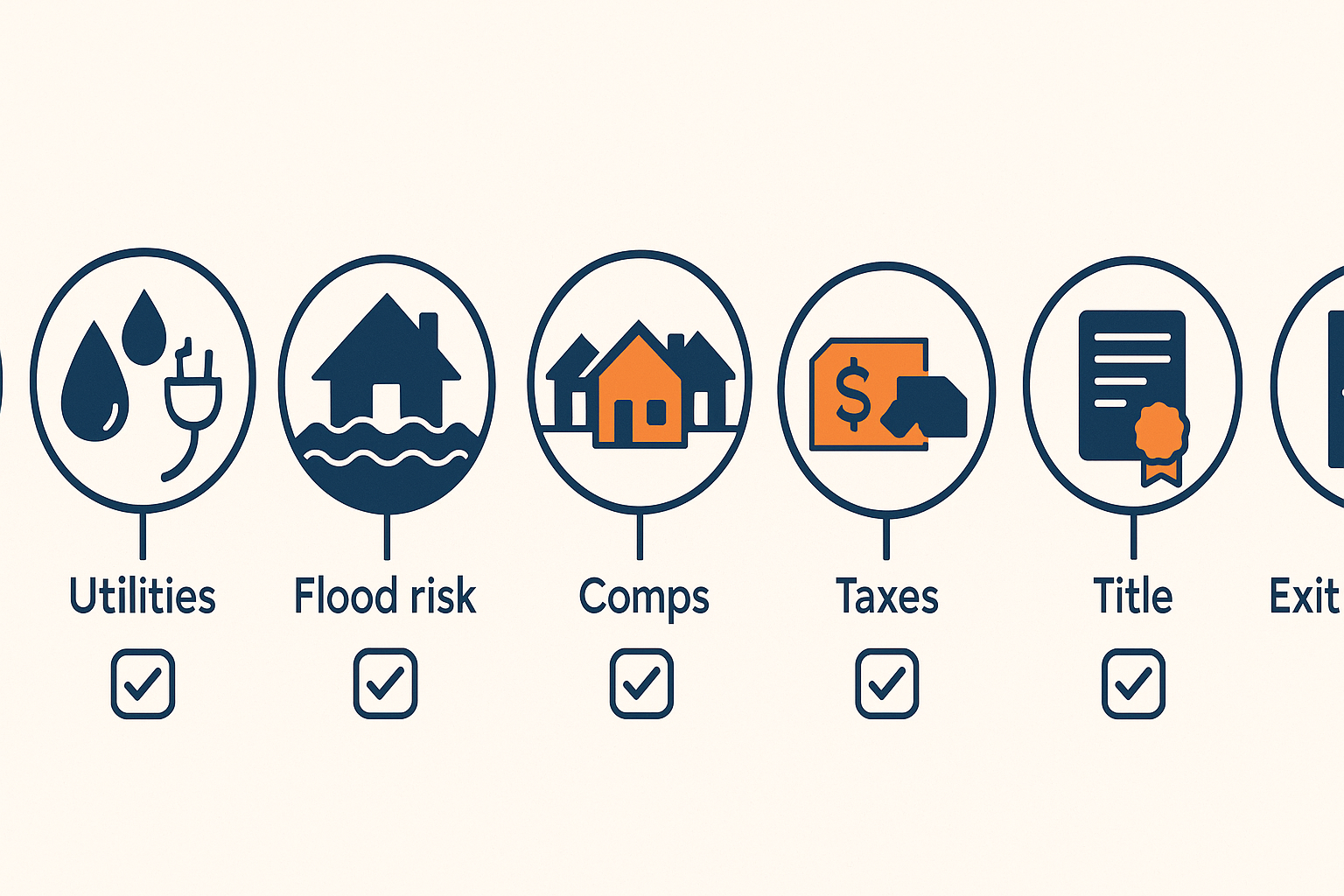
Buyers should be aware of potential hidden fees, such as survey costs, environmental assessments, or utility connection fees. These costs can accumulate quickly and impact your overall budget. Conducting thorough due diligence before purchasing can help identify and mitigate these hidden expenses.
How Can You Use Land as an Investment?
Land can be a versatile investment, providing opportunities for long-term appreciation, short-term gains, or rental income.
Long-Term Appreciation
Many buyers view land as a long-term investment, anticipating appreciation in value over time. As urban areas expand and demand for land increases, properties in desirable locations can see significant value growth. Holding onto land for several years may yield substantial returns, making it a strategic investment choice.
Short-Term Flipping
Land flipping involves purchasing properties at a lower price, making improvements, and reselling them for a profit. This strategy requires market knowledge and careful assessment of potential value-add opportunities. Successful flipping can yield quick returns, but it also carries risks that need to be managed effectively.
Rental Opportunities
Investors may also consider leasing land for agricultural, commercial, or recreational purposes. Leasing can generate a steady income stream while allowing you to retain ownership of the property. Understanding local market demand and potential lease agreements is essential for maximizing rental opportunities.
What Are the Tax Implications of Buying Land?
Understanding the tax implications of land ownership is essential for effective financial planning and compliance.
Property Taxes
Property taxes are typically assessed based on the land’s value and can vary significantly by location. Buyers should research the property tax rates in their area and factor these costs into their ongoing expenses. Staying informed about tax assessments can help you budget accordingly.
Capital Gains Tax
If you sell the land for a profit, you may be subject to capital gains tax on the increase in value. Understanding the applicable tax rates and any exemptions can help you plan for potential tax liabilities when selling the property. Consulting a tax professional can provide clarity on your specific situation.
Tax Deductions
In some cases, landowners may be eligible for tax deductions related to property expenses, such as mortgage interest or maintenance costs. Keeping detailed records of your expenses can help maximize your tax benefits. Exploring available deductions can ensure you take advantage of all potential savings.
Can You Build on Land Purchased with Bad Credit?
Yes, you can build on land purchased with bad credit, but you must consider zoning regulations and financing options for construction.
Zoning Regulations
Before building on the land, it’s crucial to understand local zoning regulations that dictate what can be constructed on the property. Zoning laws can restrict the type of structures allowed, so verifying compliance with these regulations is essential for avoiding potential legal issues.
Financing for Construction
Securing financing for construction may be more challenging for those with bad credit. Alternative financing options, such as construction loans or lines of credit, may be available. Understanding your financial situation and exploring suitable financing options can help you achieve your construction goals.
Permitting Process
Building permits are typically required before construction begins. The permitting process involves submitting plans to local authorities for approval, ensuring compliance with safety and zoning regulations. Familiarizing yourself with the permitting process can help streamline your project and avoid delays.
What Resources Are Available for Land Buyers?
Numerous resources can assist land buyers, especially those with bad credit, in navigating the purchasing process.
Online Forums and Communities
Online forums and communities offer valuable platforms for buyers to connect, share experiences, and seek advice. Engaging with others in similar situations can provide insights into financing options, negotiation strategies, and market trends. Participating in these communities can enhance your knowledge and confidence as a buyer.
Educational Websites
Numerous educational websites offer articles, guides, and resources tailored to land buyers. These platforms can provide information on financing, property evaluation, and legal considerations. Utilizing these resources can help you make informed decisions and enhance your understanding of the land purchase process.
Local Real Estate Meetups
Participating in local real estate meetups can connect you with industry professionals and other investors. These events often provide networking opportunities, workshops, and discussions on current market trends. Engaging with the local real estate community can provide valuable insights and support for your land purchase journey.
How to Prepare for Closing on Land?
Preparing for the closing process is essential to ensure a smooth transaction and successful transfer of ownership.
Documents Needed
Before closing, gather essential documents, including the purchase agreement, title report, and proof of insurance. Familiarize yourself with any additional paperwork required by your lender or local authorities. Ensuring all documents are in order can expedite the closing process and prevent delays.
Final Walk-Through
Conducting a final walk-through of the property before closing allows you to confirm its condition and ensure all agreed-upon terms are met. This step is crucial for identifying any last-minute issues that may need addressing. Taking the time to perform a thorough inspection can protect your investment.
Understanding Closing Statements
Closing statements outline all financial details of the transaction, including closing costs, fees, and the final purchase price. Carefully reviewing this document is essential to ensure accuracy and transparency. If you have questions or concerns, consider consulting with a real estate professional before finalizing the closing.
What Are the Benefits of Owning Land?
Owning land can provide numerous benefits, including investment diversification, personal use advantages, and legacy planning opportunities.
Investment Diversification
Investing in land can diversify your portfolio, providing a hedge against market fluctuations. Unlike stocks or bonds, land often appreciates in value over time, making it a stable investment choice. Diversifying your investments can enhance overall financial security and reduce risk.
Personal Use Benefits
Owning land offers personal use benefits, such as recreational activities, farming, or building a home. Access to your own property allows for greater freedom and control over how you utilize the space. This personal connection can also enhance your overall quality of life.
Legacy Planning
Land can serve as a valuable asset for future generations, providing a sense of legacy and continuity for your family. By passing down land, you create opportunities for your heirs to build wealth and maintain a connection to their roots. Thoughtful legacy planning can ensure your land remains a cherished family asset.
How Can You Avoid Scams When Buying Land?
Taking steps to avoid scams is essential for ensuring a safe and secure land purchase experience.
Recognizing Red Flags
Be vigilant for red flags, such as sellers who pressure you to act quickly or those who refuse to provide documentation. Scammers often create a sense of urgency to rush buyers into decisions. Trust your instincts and take your time to conduct thorough research before proceeding.
Conducting Due Diligence
Conducting due diligence involves researching the property, verifying ownership, and reviewing all documentation. Engaging a title company or real estate attorney can help ensure all aspects of the transaction are legitimate. Taking these precautions can protect you from potential scams and fraudulent deals.
Using Trusted Resources
Utilize trusted resources, such as reputable real estate agents, title companies, and legal professionals, to guide you through the buying process. Relying on established professionals can help mitigate risks and ensure a smooth transaction. Building a network of trusted resources can provide peace of mind during your land purchase journey.
What Should You Do After Buying Land?
After purchasing land, taking proactive steps can enhance your investment and ensure successful ownership.
Land Management Strategies
Developing a land management plan is crucial for maintaining the property and enhancing its value. Consider factors such as upkeep, landscaping, and potential improvements. Regular maintenance can prevent issues and ensure the land remains an asset over time.
Improving Property Value
Identifying opportunities to improve the property can lead to increased value. This may include clearing the land, developing infrastructure, or enhancing accessibility. Understanding local market trends can help you make informed decisions about potential improvements that align with buyer preferences.
Long-Term Planning
Establishing a long-term plan for the land can guide your decisions and investments. Consider your goals for the property, whether for personal enjoyment, development, or investment. Regularly revisiting your plan can help you adapt to changing circumstances and maximize the property’s potential.
What Are the Most Common Land Buying Mistakes?
Avoiding common mistakes can help ensure a successful land purchase and protect your investment.
Insufficient Research
Failing to conduct thorough research on the property, market conditions, and financing options can lead to poor decisions. Understanding the local market and property details is essential for making informed offers. Take the time to gather information before making any commitments.
Ignoring Financial Implications
Neglecting to consider the full financial implications of the purchase, including ongoing costs and potential resale challenges, can lead to unexpected issues. Comprehensive budgeting and financial planning are crucial for ensuring long-term sustainability. Carefully evaluate all costs associated with the purchase and ownership of the land.
Neglecting to Inspect the Land
Skipping a thorough inspection of the land before purchase can result in unforeseen issues. Conducting a physical inspection can help identify potential problems, such as environmental concerns or zoning restrictions. Prioritizing a detailed inspection can safeguard your investment and prevent future complications.
How Can You Leverage Land for Cash Flow?
Land can be leveraged for cash flow through various strategies, providing additional income opportunities for owners.
Leasing Options
Leasing the land for agricultural, commercial, or recreational purposes can generate a steady income stream. Understanding local demand and potential uses for the land is essential for maximizing lease agreements. Engaging with interested parties can create beneficial leasing opportunities that align with your goals.
Developing the Property
Developing the property can enhance its value and provide cash flow opportunities. This may include building structures, establishing recreational facilities, or subdividing the land for sale. Assessing the feasibility of development projects and understanding local regulations is crucial for successful implementation.
Selling Timber or Resources
If the land has natural resources, such as timber or minerals, you may consider selling these assets for cash flow. Conducting an analysis of the land’s resources can help identify potential income opportunities. Engaging with professionals who understand resource valuation can enhance your decision-making process.
What Are Alternative Buying Methods for Bad Credit?
Several alternative buying methods can assist individuals with bad credit in acquiring land, opening up additional opportunities.
Co-Ownership Options
Co-ownership allows individuals to pool resources and purchase land together, making it easier to secure financing. This method can reduce the financial burden on each party and potentially improve creditworthiness through shared responsibility. Establishing clear agreements between co-owners is essential for avoiding future disputes.
Partnerships
Forming partnerships with other investors can provide access to capital and improve your purchasing power. Collaborating with individuals who have complementary skills or resources can enhance your investment strategy. Clearly defined roles and responsibilities are vital for successful partnerships.
Crowdfunding for Real Estate
Crowdfunding platforms offer opportunities for individuals to invest in real estate projects collectively. This method can provide access to land purchases without relying solely on traditional financing. Researching reputable platforms and understanding the associated risks is essential for successful crowdfunding investments.
What Are the Steps to Take Before Making a Purchase?
Taking specific steps before making a land purchase can help ensure a successful transaction.
Budget Planning
Establishing a comprehensive budget is crucial for understanding your financial capacity and potential expenses. Consider all costs associated with the purchase, including down payments, closing costs, and ongoing expenses. A well-structured budget can guide your decisions and help you avoid financial strain.
Researching the Market
Conducting thorough market research allows you to understand current trends, comparable properties, and pricing strategies. Engaging with local real estate professionals can provide valuable insights into the market landscape. Staying informed about market dynamics can enhance your negotiation position and investment strategy.
Consulting Professionals
Engaging with real estate professionals, such as agents, attorneys, or financial advisors, can provide invaluable guidance throughout the purchasing process. Their expertise can help you navigate complex transactions and mitigate potential risks. Building a team of professionals can enhance your overall purchasing experience and ensure informed decision-making.
How Do You Stay Informed about Land Market Trends?
Staying informed about land market trends is essential for making strategic investment decisions and maximizing your opportunities.
Following Industry News
Regularly following industry news, publications, and blogs can provide insights into market conditions and emerging trends. Subscribing to newsletters or joining online communities dedicated to land investment can keep you updated on relevant developments. Staying informed allows you to adapt your strategy to changing market dynamics.
Networking with Other Investors
Engaging with other land investors can provide valuable insights and experiences that enhance your understanding of the market. Attend networking events, join online forums, and participate in discussions to exchange knowledge and strategies. Building relationships within the investment community can lead to new opportunities and collaborations.
Using Market Analysis Tools
Utilizing market analysis tools and platforms can help you track pricing trends, assess comparable properties, and evaluate investment opportunities. Many online resources offer data-driven insights that can inform your purchasing decisions. Familiarizing yourself with these tools can enhance your research efforts and support informed decision-making.
What Questions Should You Ask Before Buying Land?
Asking the right questions before purchasing land can help ensure you make informed decisions and avoid potential issues.
Inquiries about the Property
Ask the seller about the property’s history, any previous surveys, and any known issues or restrictions. Understanding the property’s background can provide valuable context for your purchase and help you assess potential risks. Being thorough in your inquiries can prevent surprises after the purchase.
Financing Questions
Inquire about the financing terms, including interest rates, down payments, and any associated fees. Understanding the financing structure is crucial for evaluating the total cost of ownership and ensuring it aligns with your financial capabilities. Don’t hesitate to ask for clarification on any terms you find confusing.
Seller’s Motivation
Understanding the seller’s motivation for selling can provide insights that may benefit your negotiation strategy. Ask why they are selling and if they have any specific timelines or conditions. Knowing the seller’s perspective can help you tailor your approach and potentially secure better terms.
-
Can I buy land with bad credit?
- Yes, it is possible to buy land with bad credit through options like seller financing and land contracts.
-
What financing options are available for bad credit?
- Options include seller financing, land contracts, and hard money loans tailored for buyers with bad credit.
-
How can I improve my credit score?
- Review your credit report, pay down debts, and make timely payments to improve your credit score over time.
-
What should I consider before buying land?
- Location, zoning regulations, land use restrictions, and market trends are key considerations before purchasing land.
-
What are the risks of buying land with bad credit?
>The risks include higher interest rates, potential default, and challenges with resale opportunities.How can I find land sellers open to financing?Network, utilize online platforms, and check local classifieds to find sellers willing to offer financing options.What should I do after buying land?Focus on land management strategies, improving property value, and developing a long-term plan for your investment.
What should you do next to move from reading to taking action?
Land investing gets easier when you follow a clear process and use proven resources. These are the fastest ways to learn the steps, avoid common mistakes, and move toward your first deal with confidence.



