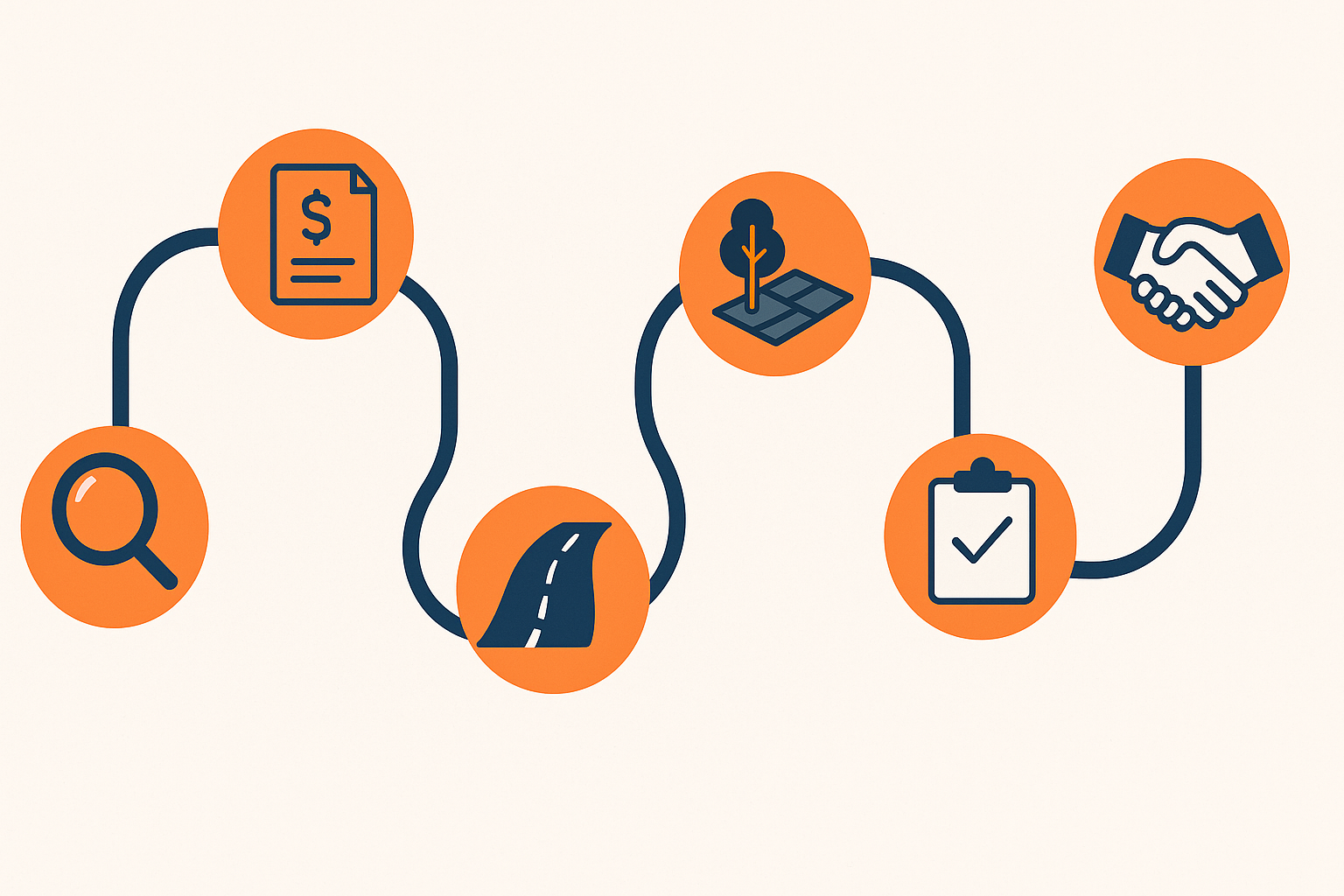
When it comes to selling land, leveraging the right online platforms can significantly enhance your chances of reaching potential buyers. Various websites cater to land sales, each offering unique features and functionalities. Understanding these options allows you to make informed decisions, ensuring you maximize your property’s exposure while minimizing associated costs. In this comprehensive guide, we will explore the best websites to sell land, how to choose the right platform, and essential strategies for effective online selling.
What Are the Best Websites to Sell Land?
Some of the best websites to sell land include specialized real estate platforms that cater to land listings, each with unique features and user experiences. These websites often provide tools for pricing, marketing, and connecting with potential buyers.
Overview of Popular Platforms
There are numerous platforms available for selling land, such as land-specific websites, general real estate platforms, and auction sites. Each type caters to different audiences and offers varied functionalities. For instance, land-specific websites often attract buyers specifically interested in purchasing land, while general real estate platforms may reach a broader audience. Knowing the landscape of these platforms is essential for effective selling.
Key Features of Each Website
When evaluating websites to sell land, consider features such as listing tools, pricing calculators, and marketing resources. Some websites may offer enhanced visibility through paid listings or promotional tools, while others may include comprehensive analytics to track your listing’s performance. Selecting a website with the right features can significantly impact your selling success.
User Experience and Accessibility
A user-friendly interface is crucial for both sellers and buyers. Websites that are easy to navigate and allow for seamless listing creation tend to attract more interactions. Additionally, mobile accessibility is becoming increasingly important as many users browse listings on smartphones and tablets. Ensuring that the platform you choose provides a positive experience can facilitate quicker sales.
How Do I Choose the Right Website for Selling Land?
Choosing the right website for selling land involves evaluating your target audience, assessing website features, and understanding fee structures. Each of these factors plays a critical role in determining the effectiveness of your listing.
Evaluating Your Target Audience
Your target audience can significantly influence the choice of platform. Consider the demographics and preferences of potential buyers. For example, if you’re selling rural land, a specialized platform that caters to outdoor enthusiasts may be more effective than a general real estate site. Knowing your audience allows you to tailor your approach and select a platform that aligns with their needs.
Assessing Website Features
Each platform provides different tools and features that can aid in selling your land. Features to assess include the ability to upload multiple photos, detailed descriptions, and map integration. Additionally, consider whether the platform offers marketing tools, analytics, or support services that can enhance your listing’s visibility and effectiveness.
Understanding Fee Structures
Different websites have varying fee structures, ranging from listing fees to commission-based pricing. Some platforms may offer free listings, while others might charge upfront costs or take a percentage of the sale. Understanding these fees is crucial to determine the overall cost of selling land and to ensure that the platform aligns with your budget.
What Types of Land Can I Sell Online?
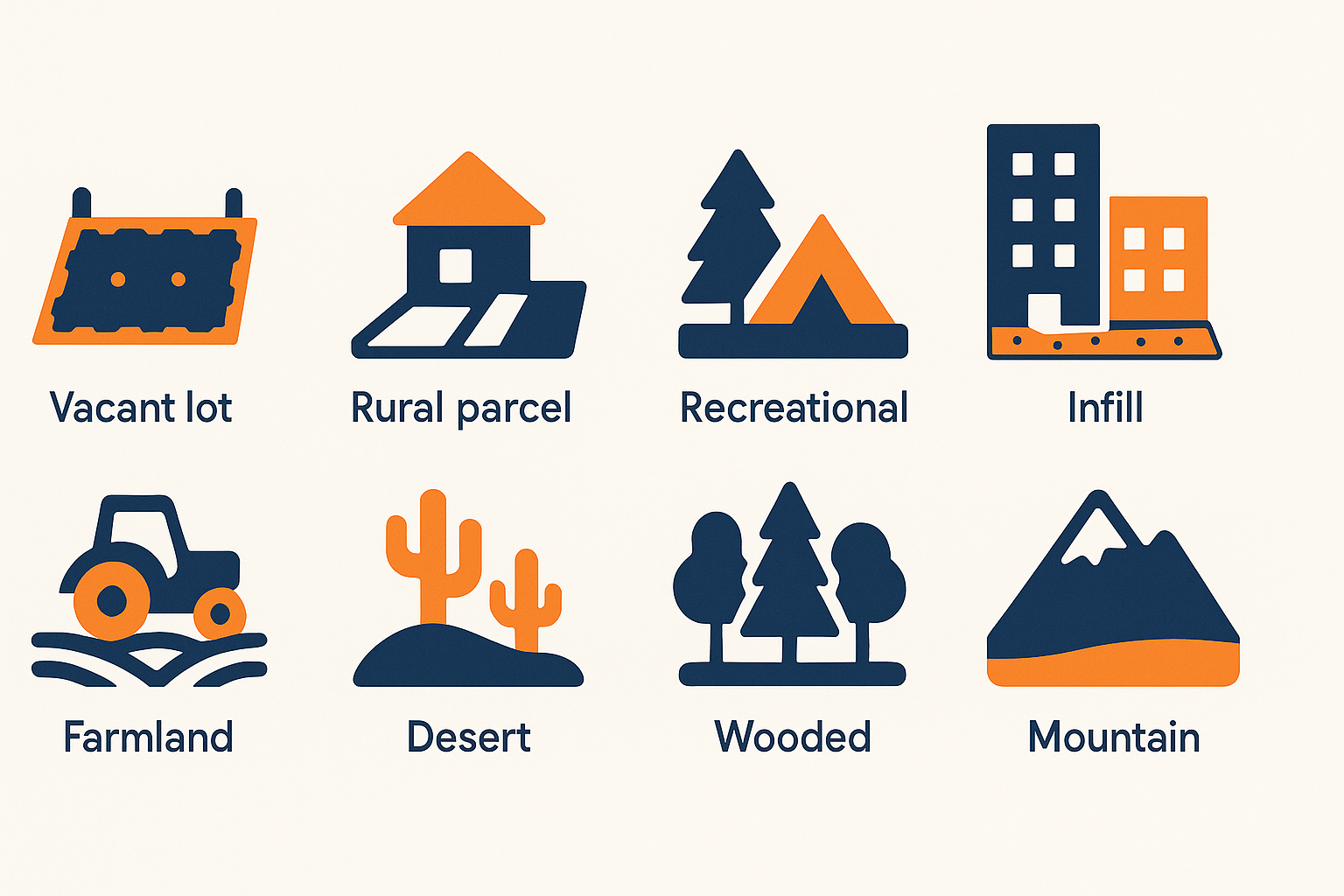
You can sell various types of land online, including residential lots, commercial land, and agricultural parcels. Each category may require different marketing strategies and attracts different types of buyers.
Residential Lots
Residential lots are typically parcels designated for building homes. When selling residential land, it’s essential to highlight proximity to amenities, schools, and utilities. Marketing strategies may include showcasing neighborhood statistics and community features that appeal to potential homeowners.
Commercial Land
Commercial land refers to parcels intended for business activities. This type of land often attracts investors or business owners looking to build retail spaces, offices, or industrial facilities. Highlighting zoning regulations and potential for development can be beneficial in marketing commercial properties.
Agricultural Parcels
Agricultural parcels are designed for farming or ranching activities. When selling these types of lands, providing information on soil quality, water access, and historical yield data can attract serious buyers. Additionally, showcasing any existing infrastructure can be an appealing factor.
What Are the Benefits of Selling Land Online?
Selling land online offers several advantages, including a wider reach to potential buyers, cost-effective marketing solutions, and convenience. These benefits collectively enhance the selling experience and improve the chances of closing a sale successfully.
Wider Reach to Potential Buyers
Online platforms allow sellers to reach a global audience, increasing the visibility of their listings significantly. Unlike traditional selling methods, online platforms enable listings to be viewed by interested buyers from different regions or even countries, thereby maximizing the potential for attracting serious offers.
Cost-Effective Marketing
Online selling often proves more cost-effective than traditional methods. Many platforms offer free or low-cost listings, and sellers can utilize social media and other digital marketing strategies to promote their land without incurring high advertising expenses. This allows sellers to allocate resources more efficiently.
Convenience and Flexibility
Selling land online provides unparalleled convenience and flexibility. Sellers can manage their listings from anywhere and at any time, making it easier to respond to inquiries and update information. This flexibility can lead to a more streamlined selling process, allowing for quicker transactions.
How to Prepare Your Land for Sale on a Website?
Preparing your land for sale involves gathering necessary documents, conducting a property assessment, and taking quality photos. These steps are crucial for creating an appealing and credible listing that attracts potential buyers.
Gathering Necessary Documents
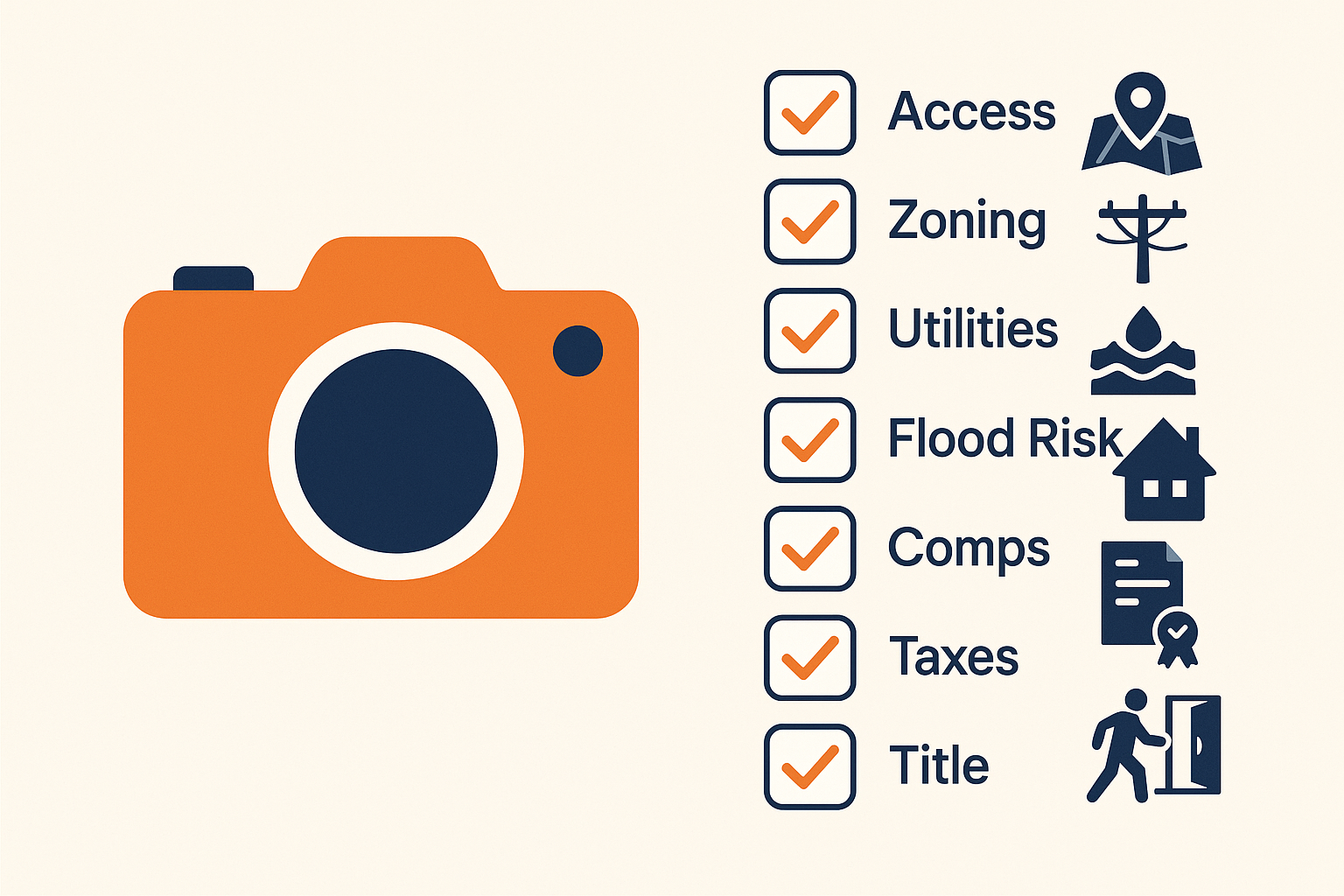
Before listing your land, it’s essential to gather all relevant documents, including title deeds, surveys, and zoning information. Having these documents readily available can expedite the selling process and demonstrate transparency to potential buyers. This preparedness can also enhance your credibility as a seller.
Conducting a Property Assessment
A thorough property assessment helps sellers understand their land’s value and market position. This process may include evaluating the land’s size, location, and any unique features that can impact its value. Understanding these aspects allows for more accurate pricing and effective marketing strategies.
Taking Quality Photos
High-quality photos are crucial for attracting potential buyers. Invest time in taking clear, well-lit photographs that showcase your land from various angles. Aerial shots can be particularly effective for larger parcels, as they provide a comprehensive view of the property and its surroundings.
What Information Should I Include in My Listing?
Your listing should include comprehensive information, such as property descriptions, location details, and pricing information. This information helps potential buyers understand what they’re considering and can significantly impact their decision-making process.
Property Description
A detailed property description is vital for creating a compelling listing. Include information about the size of the parcel, topography, and any existing structures. Highlight unique features that set your land apart, such as natural resources or development potential, to attract interest.
Location Details
Providing location details is essential for buyers to assess the land’s accessibility and desirability. Include nearby landmarks, schools, and transportation options. Additionally, mention any zoning regulations or future development plans that may affect the area, as this can influence buyer interest.
Pricing Information
Clearly listing your asking price is crucial in any land sale. Ensure that your pricing reflects current market conditions and the value of your property. Including a brief explanation of how you arrived at the price can also help buyers understand its justification.
How Do Listing Fees Work on These Websites?
Listing fees vary across platforms, with some charging flat fees, while others use a commission-based structure. Understanding these fee structures is essential for maximizing your profits and ensuring you choose the right platform for your needs.
Flat Fees vs. Commission-Based
Some websites charge a flat fee to list your property, allowing sellers to know exactly what they will pay upfront. Others may take a commission based on the final sale price, which can vary widely. Understanding these differences helps sellers make informed financial decisions and choose the most cost-effective option.
Free Listing Options
Many platforms offer free listing options, which can be a great way to save on upfront costs. However, free listings may come with limitations, such as fewer features or less visibility compared to paid options. Assessing whether a free listing meets your needs is crucial for effective selling.
Understanding Additional Costs
In addition to listing fees, there may be other costs associated with selling land online. These can include advertising fees, promotional costs, or transaction fees once the sale is completed. Being aware of these potential expenses allows sellers to budget more effectively and avoid unexpected costs.
What Are the Best Practices for Writing a Land Listing?
Effective land listings are crafted using best practices that include using descriptive language, highlighting unique features, and including clear calls-to-action. Implementing these strategies can enhance the appeal of your listing and encourage buyer engagement.
Using Descriptive Language
Utilizing descriptive language can significantly enhance your listing’s impact. Instead of simply stating facts, paint a picture of the land’s potential and surroundings. Engage buyers by describing the lifestyle they could enjoy if they purchase the property, which can make your listing more compelling.
Highlighting Unique Features
Every piece of land has unique features that can attract buyers. Whether it’s stunning views, mature trees, or proximity to recreational areas, be sure to emphasize these attributes. This differentiation can help your listing stand out in a crowded market and pique the interest of prospective buyers.
Including Call-to-Actions
Incorporating clear call-to-actions in your listing encourages potential buyers to take the next step. Phrases like “Contact us for more details” or “Schedule a viewing today” can prompt immediate responses and foster engagement. Effective calls-to-action simplify the pathway for interested buyers to connect with you.
How Important Are Photos When Selling Land?
Photos play a crucial role in selling land, as they provide visual context that can significantly influence buyer interest. High-quality images can enhance your listing and help potential buyers envision the property.
Types of Photos to Include
Including various types of photos can provide a comprehensive view of your land. Alongside standard images, consider aerial shots, panoramic views, and close-ups of unique features. A diverse photo portfolio can create a more engaging listing and attract a wider audience.
Using Aerial Images
Aerial images offer an expansive view of the land, showcasing its size and surroundings effectively. These images can illustrate boundaries, nearby developments, and the landscape in a way that ground-level photos cannot. Incorporating aerial photography can greatly enhance the appeal of your listing.
Editing and Enhancing Photos
Editing and enhancing your photos can improve their quality and ensure they present your land in the best light. Simple adjustments, such as brightness and contrast, can make photos more appealing. However, it’s essential to maintain authenticity and avoid misleading potential buyers.
How Can I Promote My Land Listing Effectively?
Effective promotion of your land listing involves utilizing social media, engaging with local communities, and implementing email marketing strategies. These practices can enhance your property’s visibility and attract serious buyers.
Utilizing Social Media
Social media platforms can be powerful tools for promoting your land listing. Create engaging posts with high-quality photos and compelling descriptions that encourage shares and interactions. Utilizing targeted ads can also help reach specific demographics interested in purchasing land.
Engaging with Local Communities
Local community engagement can lead to valuable connections and potential buyers. Consider attending community events or joining local real estate groups to network. By building relationships within the community, you can increase awareness of your listing and tap into a network of interested individuals.
Email Marketing Strategies
Email marketing can be an effective way to reach potential buyers directly. Create an email list of interested parties and send regular updates about your listing, including any price changes or new information. This direct line of communication can keep your property top-of-mind for potential buyers.
What Legal Considerations Should I Be Aware Of?
Understanding legal considerations is crucial when selling land. Key factors include ownership verification, zoning regulations, and disclosure requirements that can impact the sale process.
Ownership Verification
Before listing your land, ensure that you have clear ownership and title documents. Buyers will want to verify that you possess the legal right to sell the property. Having these documents ready can streamline the selling process and build buyer confidence.
Zoning Regulations
Familiarizing yourself with zoning regulations is essential, as they dictate how the land can be used. Buyers will often inquire about zoning to determine potential uses for the land, such as residential or commercial development. Providing this information upfront can facilitate informed decision-making.
Disclosure Requirements
Disclosure requirements mandate that sellers inform buyers of any known issues with the property. This may include environmental hazards, easements, or other restrictions. Transparency in these matters not only fulfills legal obligations but also builds trust with potential buyers.
How to Set the Right Price for My Land?
Setting the right price for your land involves conducting a comparative market analysis, understanding land value, and consulting with real estate professionals. This process ensures your pricing strategy is aligned with current market conditions.
Comparative Market Analysis
A comparative market analysis (CMA) helps sellers understand the pricing landscape for similar properties in the area. By evaluating recently sold land and current listings, you can determine a competitive price point that attracts buyers while maximizing your return.
Understanding Land Value
Several factors contribute to land value, including location, zoning, and available amenities. Understanding these elements can help you assess your property’s worth accurately. It’s also beneficial to consider future development potential, as this can significantly impact land value.
Consulting Real Estate Professionals
Engaging with real estate professionals can provide valuable insights into pricing strategies and market conditions. They can offer data-driven advice and help you set a price that reflects your land’s true value. Their expertise can also assist in navigating the complexities of selling land.
What Are Common Mistakes to Avoid When Selling Land?
Common mistakes include overpricing the property, neglecting marketing efforts, and failing to disclose important information. Avoiding these pitfalls can enhance your chances of a successful sale.
Overpricing the Property
Overpricing can deter potential buyers and prolong the selling process. It’s essential to set a realistic price based on market research and comparable sales. Properly pricing your land can attract interest and lead to quicker offers.
Neglecting Marketing Efforts
Marketing is vital for reaching potential buyers. Neglecting this aspect can result in limited visibility and missed opportunities. Implementing a comprehensive marketing strategy can enhance your listing’s exposure and generate interest.
Failing to Disclose Information
Transparency is key in building trust with buyers. Failing to disclose known issues with the property can lead to legal complications and damage your reputation. Providing complete information upfront can foster positive buyer relationships and facilitate smoother transactions.
How Do Online Sales Compare to Traditional Sales?
Online sales offer distinct advantages over traditional sales, including time efficiency, broader market reach, and enhanced buyer interaction. Understanding these differences can help sellers decide which method best suits their needs.
Time Efficiency
Online sales typically offer quicker transaction times compared to traditional methods. Listings can be created and published within minutes, allowing sellers to reach potential buyers immediately. This efficiency can lead to faster sales and a more streamlined process.
Market Reach
Online platforms provide access to a much larger pool of potential buyers than traditional sales methods. This expanded reach can significantly increase the likelihood of selling your land quickly. Additionally, online marketing strategies can enhance visibility beyond local markets.
Buyer Interaction
Online sales facilitate direct communication between sellers and buyers, allowing for efficient interactions. Sellers can respond to inquiries promptly and provide additional information as needed. This level of engagement can foster relationships that lead to successful transactions.
What Payment Options Are Available When Selling Land?
When selling land, various payment options are available, including cash transactions, owner financing, and escrow services. Understanding these options can help sellers choose the best method for their situation.
Cash Transactions
Cash transactions are often the simplest and quickest method for selling land. They eliminate the need for financing contingencies and can lead to faster closings. However, sellers should ensure that the buyer provides proof of funds to avoid complications.
Owner Financing
Owner financing can be an attractive option for buyers who may not qualify for traditional loans. This method allows sellers to receive regular payments over time while potentially earning interest. However, it also requires careful documentation and consideration of buyer risk.
Escrow Services
Using escrow services adds a layer of security to the transaction. An escrow agent holds funds until all conditions of the sale are met, ensuring that both parties fulfill their obligations. This option can provide peace of mind for sellers and buyers alike.
How Can I Build Trust with Potential Buyers?
Building trust with potential buyers involves providing transparent information, offering clear communication, and using secure payment methods. These practices can enhance buyer confidence and facilitate smoother transactions.
Providing Transparent Information
Transparency is essential in establishing trust. Ensure that all information about the property is accurate and complete, including any known issues or restrictions. Being upfront about these details fosters confidence and encourages buyers to engage seriously.
Offering Clear Communication
Maintaining open lines of communication with potential buyers is crucial for building trust. Be responsive to inquiries and provide thorough answers to questions. This engagement shows that you are committed to the sale and value their interest.
Using Secure Payment Methods
Utilizing secure payment methods reassures buyers regarding their investment. Consider options that offer buyer protection, such as escrow services or verified payment platforms. This added security can enhance buyer confidence and facilitate smoother transactions.
What Should I Do After Selling My Land?
After selling your land, essential steps include transferring ownership, understanding tax implications, and updating personal records. Following these procedures ensures a smooth transition and compliance with legal requirements.
Transferring Ownership
Transferring ownership involves completing the necessary legal documentation to ensure the buyer receives clear title. This process may include filing deeds and notifying local authorities. Ensuring proper transfer is crucial for protecting both parties’ interests.
Tax Implications
Understanding tax implications is essential after selling land. You may need to address capital gains tax and other tax responsibilities related to the sale. Consulting with a tax professional can help you navigate these complexities and avoid unexpected liabilities.
Updating Personal Records
After the sale, updating personal records to reflect the transaction is important. This includes adjusting your property records and ensuring that any liens or encumbrances are cleared. Proper documentation helps maintain your financial records accurately.
How Can I Keep Track of My Listings?
Keeping track of your listings involves using tracking tools, regularly updating information, and responding to inquiries promptly. These practices can enhance your effectiveness as a seller and ensure you stay connected with potential buyers.
Using Tracking Tools
Many online platforms offer tracking tools that allow sellers to monitor their listings’ performance. These tools can provide insights into views, inquiries, and engagement levels. Utilizing this data can help you assess marketing effectiveness and make informed adjustments.
Regularly Updating Information
Regularly updating your listing information is crucial for maintaining accuracy and relevance. If there are changes in pricing, availability, or property features, ensure that potential buyers are informed. This ongoing maintenance can enhance buyer trust and interest.
Responding to Inquiries
Timely responses to inquiries can significantly impact your chances of closing a sale. Aim to respond promptly to potential buyers and provide detailed answers to their questions. This engagement fosters a positive relationship and can lead to successful transactions.
Is It Possible to Sell Land Without a Real Estate Agent?
Yes, it is possible to sell land without a real estate agent through a For Sale By Owner (FSBO) approach. However, it requires careful preparation and an understanding of the selling process.
Understanding For Sale By Owner (FSBO)
FSBO allows sellers to take control of the selling process, potentially saving on agent commissions. However, it also requires sellers to manage marketing, negotiations, and legal considerations independently. Understanding the responsibilities involved is crucial for successful sales.
Pros and Cons of Selling Independently
Selling independently offers advantages like cost savings and flexibility in negotiation. However, it may also lead to challenges, including a lack of market knowledge and limited access to resources. Weighing these pros and cons helps sellers determine if this approach is right for them.
Resources for DIY Selling
Numerous resources are available for those looking to sell land without an agent. Online guides, webinars, and local workshops can provide valuable information. Utilizing these resources can equip sellers with the knowledge needed to navigate the selling process successfully.
What Should I Know About Market Trends?
Staying informed about market trends is essential when selling land. Key factors include researching local market conditions, identifying buyer preferences, and understanding seasonal selling trends.
Researching Local Market Conditions
Researching local market conditions helps sellers understand current trends and pricing dynamics. This information can guide pricing strategies and marketing efforts. Regularly analyzing market data can help you stay competitive and responsive to changes.
Identifying Buyer Preferences
Understanding buyer preferences is crucial for tailoring your listing and marketing strategies. Factors such as desired land uses, location, and amenities can influence buyer decisions. Engaging with local buyer communities can provide insights into these preferences.
Seasonal Selling Trends
Seasonal trends can impact the land-selling market, with certain times of the year being more favorable for sales. Understanding these trends allows sellers to time their listings strategically, optimizing exposure and interest. Keeping an eye on seasonal patterns can enhance your selling strategy.
How Can I Leverage Reviews and Testimonials?
Leveraging reviews and testimonials can enhance your credibility as a seller. Positive feedback from previous buyers can build trust and encourage potential buyers to engage with your listing.
Collecting Feedback from Buyers
Encouraging buyers to leave feedback after a transaction can be invaluable. Reach out to previous buyers and ask for reviews, emphasizing the importance of their opinions. This feedback can serve as social proof that enhances your reputation as a reliable seller.
Displaying Reviews on Listings
Displaying reviews prominently on your listings can attract potential buyers’ attention. Consider adding a dedicated section for testimonials or highlighting particularly positive feedback. This visibility can enhance buyer confidence and encourage engagement.
Building a Reputation
Building a solid reputation as a seller is crucial for long-term success. Consistently providing excellent service, transparent communication, and positive experiences can lead to valuable word-of-mouth referrals. A strong reputation can significantly impact your ability to sell land effectively.
What Are Alternative Methods for Selling Land?
Alternative methods for selling land include auctions, land exchanges, and networking with investors. Each method offers unique advantages and can cater to different selling strategies.
Auctions
Auctions can be an effective way to sell land quickly, especially in competitive markets. This method allows sellers to set a minimum price and create urgency among buyers. However, it requires careful planning and marketing to attract participants.
Land Exchanges
Land exchanges involve trading your property for another parcel of land. This method can be beneficial for those looking to diversify their holdings or relocate. However, it requires thorough evaluation and negotiation to ensure both parties benefit from the exchange.
Networking with Investors
Networking with investors can open up opportunities for selling land directly. Building relationships with real estate investors can lead to quicker sales and potential partnerships. Engaging with local real estate groups or attending industry events can facilitate these connections.
How Can I Ensure a Smooth Closing Process?
To ensure a smooth closing process, involve legal professionals, understand closing costs, and prepare for final documentation. These steps are crucial for protecting your interests and facilitating a successful transaction.
Involving Legal Professionals
Engaging legal professionals can help navigate the complexities of closing a land sale. They can assist with documentation, review contracts, and ensure compliance with local laws. Their expertise can prevent potential issues and protect your rights throughout the process.
Understanding Closing Costs
Closing costs can vary depending on the property and location. Familiarize yourself with common costs, such as title insurance, escrow fees, and recording fees. Understanding these expenses can help you budget effectively and avoid surprises during the closing process.
Preparing for Final Documentation
Properly preparing final documentation is essential for a successful closing. Ensure that all necessary paperwork is completed accurately and in advance. This preparation can streamline the closing process and reduce the risk of delays or complications.
What Resources Are Available for Land Sellers?
Numerous resources are available for land sellers, including online guides, webinars, and real estate organizations. Utilizing these resources can provide valuable insights and support throughout the selling process.
Online Guides and Blogs
Online guides and blogs offer a wealth of information for land sellers. They cover various topics, from marketing strategies to legal considerations, providing sellers with the knowledge needed to navigate the selling process effectively. Regularly consulting these resources can enhance your understanding and approach.
Webinars and Workshops
Participating in webinars and workshops can provide interactive learning opportunities. These sessions often feature experts sharing insights and best practices for selling land. Engaging in these events can enhance your skills and keep you updated on industry trends.
Real Estate Organizations
Joining real estate organizations can provide networking opportunities and access to valuable resources. These organizations often offer educational materials, industry news, and events that can benefit land sellers. Becoming a member can enhance your knowledge and connections within the industry.
How Do I Handle Negotiations with Buyers?
Handling negotiations with buyers involves setting a negotiation strategy, understanding buyer motivations, and finding compromise solutions. Effective negotiation can lead to successful transactions and mutually beneficial outcomes.
Setting a Negotiation Strategy
Establishing a clear negotiation strategy is crucial for successful interactions with buyers. Determine your ideal outcomes, acceptable compromises, and bottom-line price before entering negotiations. This preparation allows you to approach negotiations confidently and assertively.
Understanding Buyer Motivations
Understanding what motivates buyers can facilitate more effective negotiations. Whether they are seeking investment opportunities, personal use, or development potential, knowing their goals can help you tailor your approach. This insight can foster positive discussions and lead to successful agreements.
Finding Compromise Solutions
Negotiation often involves finding compromise solutions that satisfy both parties. Be open to discussing terms, such as price adjustments or additional incentives. Flexibility can help facilitate a positive outcome and lead to a successful sale.
What Are the Tax Implications of Selling Land?
Tax implications of selling land primarily include capital gains tax, property tax responsibilities, and potential tax deductions. Understanding these factors is essential for effective financial planning after selling your property.
Capital Gains Tax
Capital gains tax applies to the profit made from selling land. Understanding the applicable rates and potential exemptions is crucial for accurate tax reporting. Consulting with a tax professional can help you navigate these complexities and plan accordingly.
Property Tax Responsibilities
Property tax responsibilities may continue until the sale is finalized. Ensure that all property taxes are paid up to date to avoid complications during the closing process. A clear understanding of these responsibilities can help prevent potential disputes with buyers.
Tax Deductions
Certain expenses related to the sale of land may be tax-deductible. These can include costs for marketing, legal fees, and closing costs. Keeping thorough records of all related expenses can help you maximize deductions and minimize your tax liability.
How Can I Stay Informed About Land Selling Trends?
Staying informed about land selling trends involves following industry news, joining real estate forums, and participating in local events. These practices can enhance your knowledge and keep you updated on market dynamics.
Following Industry News
Regularly following industry news sources can provide valuable insights into market trends and developments. Subscribe to relevant newsletters, blogs, or publications that focus on land sales and real estate markets. This information can help you make informed decisions when selling land.
Joining Real Estate Forums
Participating in real estate forums allows you to connect with other sellers and industry professionals. These discussions can provide insights into current trends, challenges, and best practices. Engaging with a community of peers can enhance your knowledge and network.
Participating in Local Events
Attending local real estate events can offer networking opportunities and access to valuable information. These events often feature expert speakers and discussions on current market conditions. Engaging with local communities can keep you informed and connected within the industry.
What Are the Risks of Selling Land Online?
Selling land online comes with risks, including scams and fraud prevention, market volatility, and legal liabilities. Understanding these risks can help sellers take proactive measures to protect themselves and ensure a successful sale.
Scams and Fraud Prevention
Scams can pose significant risks when selling land online. Be vigilant and verify the identities of potential buyers before engaging in transactions. Utilizing secure payment methods and involving legal professionals can help mitigate these risks and protect your interests.
Market Volatility
Market volatility can impact land values and selling opportunities. Staying informed about market trends and conditions can help you make informed decisions about pricing and timing your sale. Being aware of potential fluctuations allows you to adapt your strategy accordingly.
Legal Liabilities
Legal liabilities can arise from misrepresentation or failure to disclose important information. Ensure that all property details are accurate and transparent to avoid complications. Consulting with legal professionals can help you navigate these risks and ensure compliance with regulations.
How Can I Use Technology to Enhance My Land Sale?
Technology can be leveraged to enhance land sales through virtual tours, drone photography, and online marketing tools. Utilizing these advancements can improve visibility and engagement with potential buyers.
Virtual Tours
Virtual tours provide an immersive experience for potential buyers, allowing them to explore the land from the comfort of their homes. This technology can enhance buyer engagement and provide a more comprehensive view of the property. Consider investing in virtual tour software to showcase your land effectively.
Drone Photography
Drone photography offers stunning aerial views of your land, highlighting its size and surroundings. This unique perspective can attract more interest and provide valuable context for potential buyers. Incorporating drone footage into your listing can set it apart from others.
Online Marketing Tools
Utilizing online marketing tools can enhance your listing’s visibility and engagement. Consider using social media advertising, email campaigns, and SEO strategies to reach a broader audience. These tools can help you connect with serious buyers and facilitate quicker sales.
What Are the Next Steps After Listing My Land?
After listing your land, it’s essential to monitor interest, follow up with potential buyers, and adjust your strategy as needed. These steps can help ensure a successful selling process and maximize your chances of closing a sale.
Monitoring Interest
Regularly check the performance of your listing to gauge interest levels. Pay attention to metrics such as views, inquiries, and engagement rates. This information can help you assess whether your marketing strategies are effective or if adjustments are necessary.
Following Up with Potential Buyers
Timely follow-ups with potential buyers can facilitate engagement and increase the likelihood of a sale. Reach out to interested parties to answer questions or provide additional information. This proactive approach demonstrates your commitment to the sale and can lead to successful outcomes.
Adjusting Your Strategy
If interest in your listing is lower than expected, be prepared to adjust your strategy. Consider revising your pricing, enhancing your marketing efforts, or updating your listing information. Flexibility can improve your chances of attracting serious buyers and closing the sale.
-
What are the best websites to sell land?
- Some of the best websites include specialized platforms, general real estate sites, and auction platforms, each offering unique features and audience reach.
-
How do I choose the right website for selling land?
- Consider your target audience, website features, and fee structures when selecting the best platform for your needs.
-
What types of land can I sell online?
- You can sell residential lots, commercial land, and agricultural parcels, each requiring different marketing strategies.
-
What are the benefits of selling land online?
- Online selling offers wider reach, cost-effective marketing, and convenience, enhancing your overall selling experience.
-
How to prepare my land for sale on a website?
- Gather necessary documents, conduct property assessments, and take quality photos to create an appealing listing.
-
What legal considerations should I be aware of?
- Understand ownership verification, zoning regulations, and disclosure requirements to ensure a smooth selling process.
-
Is it possible to sell land without a real estate agent?
- Yes, through a For Sale By Owner (FSBO) approach, though it requires careful preparation and understanding of the selling process.
What should you do next to move from reading to taking action?
Land investing gets easier when you follow a clear process and use proven resources. These are the fastest ways to learn the steps, avoid common mistakes, and move toward your first deal with confidence.



