
Choosing the right land investing course is one of the biggest advantages a beginner can have in today’s competitive U.S. land market. With more people turning to rural land, seller financing, and off-market acquisitions, the gap between investors who follow a proven system and those who rely on scattered free content has never been wider. A well-structured land investing course gives you the tools, checklists, and repeatable steps needed to evaluate counties, price offers accurately, run due diligence, and market land to serious buyers. It also teaches negotiation, red-flag detection, mailing strategy, and the financial frameworks that drive consistent profits. But with so many programs promising fast results, it’s difficult to know which ones are genuinely effective. This guide breaks down every major angle—from beginner training and mentorship to financing modules, county selection, scaling, and long-term note creation—so you understand what a high-quality land investing course should include and how to pick the one that matches your goals.
What is a land investing course and how does it help U.S. beginners learn the fundamentals effectively?
A land investing course is a structured training program that teaches U.S. beginners how to find, evaluate, buy, and profit from vacant land. It helps learners understand due diligence, pricing, negotiation, marketing, and exit strategies while avoiding costly mistakes that new investors commonly make.
Land investing works differently from traditional real estate because it has no tenants, no renovations, fewer regulations, and lower acquisition costs. A well-designed course gives step-by-step instruction, real examples, scripts, templates, and case studies so beginners understand each part of the deal lifecycle. Most U.S. courses start with fundamentals such as market research, property data pulling, zoning basics, seller outreach, and risk assessment. From there, programs introduce practical skills like running comps, verifying ownership, completing due diligence, pricing offers, and closing deals legally. The strongest courses also teach negotiation frameworks, marketing funnels, and automation tools, giving beginners the systems they need to quickly progress from theory to real profitable transactions.
What skills do beginners learn first in a U.S. land investing course?
Beginners in a land investing course learn foundational skills such as researching counties, identifying undervalued parcels, reviewing zoning rules, and understanding ownership records because these steps create a strong base for all future transactions. Without these fundamentals, investors struggle to make profitable decisions.
A typical course begins by teaching students how to identify the right counties based on pricing, demand, transaction speed, and risk level. Students learn how to analyze GIS maps, review subdivision information, and check county data sources to verify property details. The course also explains how zoning categories impact allowed land uses and future value. Students are trained to evaluate assessed values, comps, environmental flags, and access issues before making any offers. These baseline skills make new investors more confident and reduce the likelihood of buying problematic land.
How does a U.S. land investing course teach beginners to avoid common due diligence mistakes?
A land investing course teaches due diligence through checklists, worksheets, and examples so U.S. beginners avoid paying for land with hidden issues. It covers ownership, boundaries, utilities, access, zoning, and environmental risks because these are the most common beginner mistakes.
Most courses begin by explaining how to verify legal ownership and check for liens, title problems, or unpaid taxes. Students learn to examine GIS parcel boundaries, confirm legal access, and review county maps for easements or encroachments. They also study zoning codes to ensure the land can be used for the intended purpose. Environmental risks such as flood zones, wetlands, and contamination areas are covered using examples from different U.S. counties. This structure helps beginners understand what to check, why it matters, and how to avoid buying unusable or overvalued land.
How do U.S. land investing courses teach beginners to analyze deals and make profitable offers?
Courses teach beginners to analyze deals by combining comps, market demand, county data, and property characteristics into a pricing formula. This ensures U.S. investors avoid overpaying and consistently produce profitable offers based on real numbers instead of emotion or assumptions.
📘 Get Your FREE Land Investing Strategy Guide
Discover how savvy investors build passive income with vacant land.
Students learn how to read comparable sales data, evaluate pricing trends, and calculate offer ranges using standardized formulas like the 25–35% acquisition rule. Courses teach how to assess market demand by reviewing active listings, sold listings, and buyer behavior in each county. They also cover how shape, terrain, access, utilities, and zoning affect value. Beginners are shown how to structure offer letters, negotiate with sellers, and revise offers based on new information discovered during due diligence. By following a consistent analysis framework, investors can make confident, profitable decisions across multiple counties and property types.
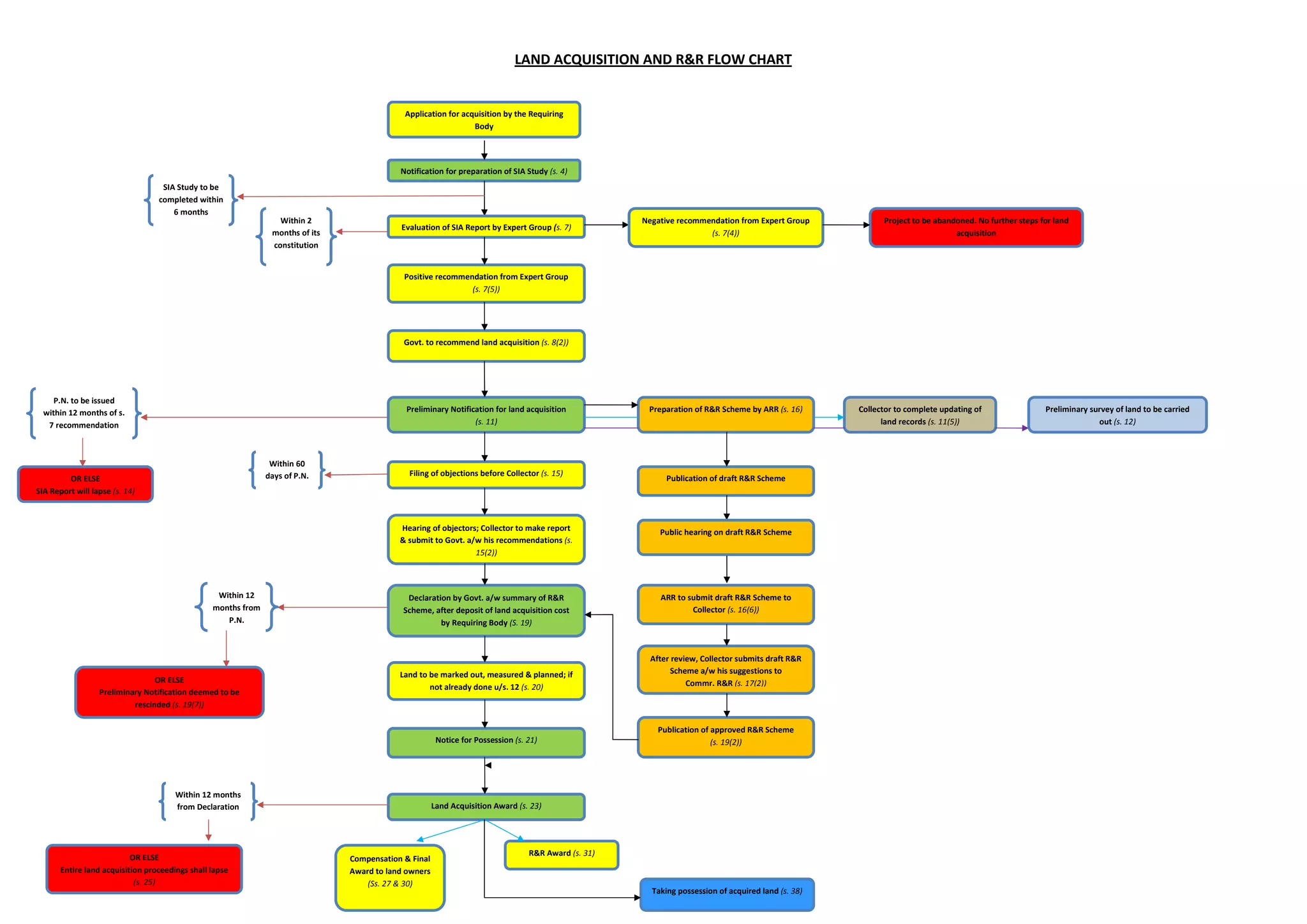
Caption: Visual overview of how U.S. land investing courses teach beginners to move from research to acquisition with structured steps.
What does a beginner learn first in a land investing course designed for U.S. students?
Beginners first learn how to research counties, identify undervalued land, and understand zoning, access, and ownership records. These fundamentals help U.S. students avoid bad deals, reduce risk, and gain confidence before analyzing prices or making offers.
A well-structured land investing course starts by teaching the essential groundwork required to evaluate any U.S. parcel. Students learn how to identify the right counties by studying pricing patterns, transaction speed, and demand trends. They are introduced to GIS mapping tools, tax assessor websites, and county record systems to understand where reliable property data comes from. The course explains how zoning categories affect use restrictions, future value, and buyer demand, which prevents beginners from purchasing land that cannot be used as intended. Ownership verification, title clarity, and preliminary due diligence steps are also emphasized early in training. By mastering these foundational skills, beginners establish a strong base for all advanced strategies taught later, including negotiation, flipping, subdivision, passive income, and automation.
How do students learn to analyze counties before searching for land deals?
Students learn to analyze counties by reviewing pricing trends, growth indicators, demand patterns, and sales activity because these insights help U.S. investors target areas where deals close faster and profits are more predictable.
A beginner-friendly course teaches students how to compare counties by studying assessed values, days on market, buyer interest levels, and historical sales volume. They learn how factors like population growth, infrastructure expansion, business migration, and zoning changes influence long-term value. Courses also explain how rural counties differ from suburban and recreational markets, giving beginners clarity on which markets match their investment goals. By building a habit of evaluating counties before searching for parcels, new investors avoid markets with slow sales or low demand.
Why do U.S. land investing courses teach zoning rules early in the learning process?
Courses teach zoning early because zoning rules directly affect land use, value, and marketability. U.S. beginners must understand these restrictions before making offers to avoid buying land that cannot support their intended exit strategy.
Students learn to navigate county zoning portals, search zoning codes, interpret land-use tables, and confirm allowable uses. They also learn how setbacks, easements, environmental overlays, and development restrictions influence pricing. Courses use real U.S. examples showing how zoning issues—such as flood zones, agricultural limits, or conservation restrictions—impact valuations. Understanding zoning helps students avoid costly mistakes and confidently analyze land suitability.
How do beginners learn to verify access, ownership, and due diligence documents?
Beginners verify access and ownership using county GIS maps, recorder databases, and assessor records because these sources confirm whether the land is legally usable and free from major complications.
Courses teach how to evaluate different access types, including legal access, physical access, implied access, and right-of-way provisions. Students learn how to identify signs of encroachment, shared driveways, and easement conflicts. They’re shown how to cross-check ownership records, verify tax histories, and confirm whether the parcel is tied to liens or unpaid obligations. By mastering these processes early, beginners reduce their risk of buying problematic parcels that are hard to resell or develop.

Core beginner concepts taught in U.S. land investing courses, including zoning, access evaluation, and county research.
How does a land investing course help U.S. beginners understand property valuation and pricing?
A land investing course teaches beginners how to evaluate property value using comps, county data, zoning rules, and market demand. It shows U.S. students how to calculate accurate offer prices, avoid overpaying, and confidently identify profitable land opportunities.
Understanding valuation is one of the most important skills for new land investors because pricing mistakes directly impact profit margins. Courses introduce students to comparable sales research, assessed values, active market listings, and buyer demand metrics. Students learn how topography, access quality, parcel shape, nearby development, and zoning categories influence pricing. Training programs also teach standardized valuation formulas, helping beginners create consistent, data-driven offers for multiple counties. The course then shows how demand differences in recreational, rural, infill, and suburban markets affect resale timing. With a structured valuation framework, beginners avoid emotional pricing, underbidding, or overbidding. Instead, they analyze land the same way experienced investors do—through objective data.
How do U.S. courses teach beginners to pull and analyze land comps accurately?
Courses teach beginners to analyze comps using county sales records, MLS data, public land listings, and specialized land platforms because accurate comps create reliable pricing benchmarks for U.S. investors.
Beginners learn to compare sold prices across similar parcel sizes, zoning categories, access types, and property conditions. The course explains how proximity, market saturation, and seasonal patterns affect comp reliability. Students also learn to avoid using outdated or unrelated comps that distort offer calculations. Practical examples teach them how to weigh comp clusters, identify median price points, and apply conservative adjustments. This approach gives beginners clarity on the real resale value of land in any county.
Why is understanding demand patterns essential in land valuation training?
Understanding demand patterns is essential because buyer interest determines how quickly land sells and how high the resale margin can be. Courses show U.S. students how demand varies across rural, recreational, suburban, and infill markets.
Students learn to review buyer search volume, listing engagement, inquiry rates, and typical days on market. Courses also teach how demographic trends, infrastructure development, and regional migration influence demand. Examples highlight markets where buyers want camping lots, small homestead parcels, retirement acreage, or infill lots. This helps beginners match their acquisition strategy with the right buyer pool. A deep understanding of demand leads to faster resales and higher margins.
How do courses teach offer structure and pricing formulas for consistent profits?
Courses teach pricing formulas that blend comps, risk adjustments, and desired margins so U.S. beginners produce consistent offers that remain profitable even in changing market conditions.
Students learn common formulas such as 25–35% of market value, spread-based offer ranges, and risk-adjusted price models for remote land. The course explains how terrain, access, utility availability, environmental flags, and zoning restrictions influence offer adjustments. Students are trained to document each offer using worksheets, ensuring accuracy and consistency when mailing hundreds of offers. With data-backed calculations, beginners avoid guesswork and develop predictable acquisition systems.


Caption: U.S. land investing courses teach valuation using comps, zoning, county data, and demand patterns to build accurate pricing models.
How do U.S. land investing courses teach beginners to complete due diligence effectively?
Land investing courses teach beginners to complete due diligence by following structured checklists that verify ownership, access, zoning, utilities, environmental risks, and property boundaries. This step-by-step approach protects U.S. investors from buying parcels with hidden issues or legal complications.
Due diligence is one of the most important components of a land deal because it determines whether a parcel is truly usable, legal, and profitable. Courses teach beginners how to confirm the seller’s legal ownership, check for liens, review tax records, and verify parcel boundaries using county GIS maps. They learn to confirm legal access or identify access problems that may reduce value. Zoning, wetlands, flood zones, terrain challenges, utility availability, and environmental overlays are covered in detail using real examples from multiple U.S. states. Beginners also learn how to evaluate subdivision restrictions, HOA rules, easements, and county development limits. By mastering due diligence early, students prevent costly mistakes and confidently reduce risk before closing any deal.
How does a due diligence checklist help U.S. beginners avoid risky land purchases?
A due diligence checklist guides beginners through every critical verification step so they avoid buying land with access issues, zoning limits, or unresolved legal problems. It ensures U.S. investors never skip essential risk evaluations.
Courses provide checklists that address ownership confirmation, boundary verification, tax status, liens, physical access, legal ingress, flood zones, wetlands, slope, soil conditions, and utility availability. Students learn how each factor affects land use and resale value. Instructors emphasize the importance of documenting every check so nothing is missed. Using these checklists consistently helps beginners build disciplined habits and avoid emotional or impulsive purchases. Checklists also help investors compare multiple parcels quickly when evaluating several deals at once.
Why is verifying legal access a core component of due diligence training?
Verifying access is essential because land without reliable legal access often loses value, becomes difficult to resell, and may be unusable for development. Courses ensure U.S. beginners understand access rules before making offers.
Students learn the difference between physical access, legal access, implied access, and easement-based access. They review county maps, recorded easements, and historical right-of-way documents. Courses teach how to identify landlocked parcels and evaluate the cost of solving access challenges. Real U.S. examples show how poor access reduces market demand and resale speed. By mastering access verification, beginners avoid buying land that cannot support future buyers’ needs or intended uses.
How do beginners learn to assess zoning, environmental risks, and land-use restrictions?
Beginners learn to assess zoning and environmental risks using county zoning portals, FEMA flood maps, wetland databases, and soil surveys. These tools help U.S. investors determine whether the land is buildable, compliant, and aligned with their investment goals.
Courses walk students through zoning codes and permitted uses in different counties. They learn how overlays, flood zones, conservation areas, and steep terrain affect development potential. Students also review case studies showing how environmental restrictions impact pricing and exit strategies. By learning to identify these risks upfront, beginners avoid parcels with hidden limitations or expensive compliance issues.
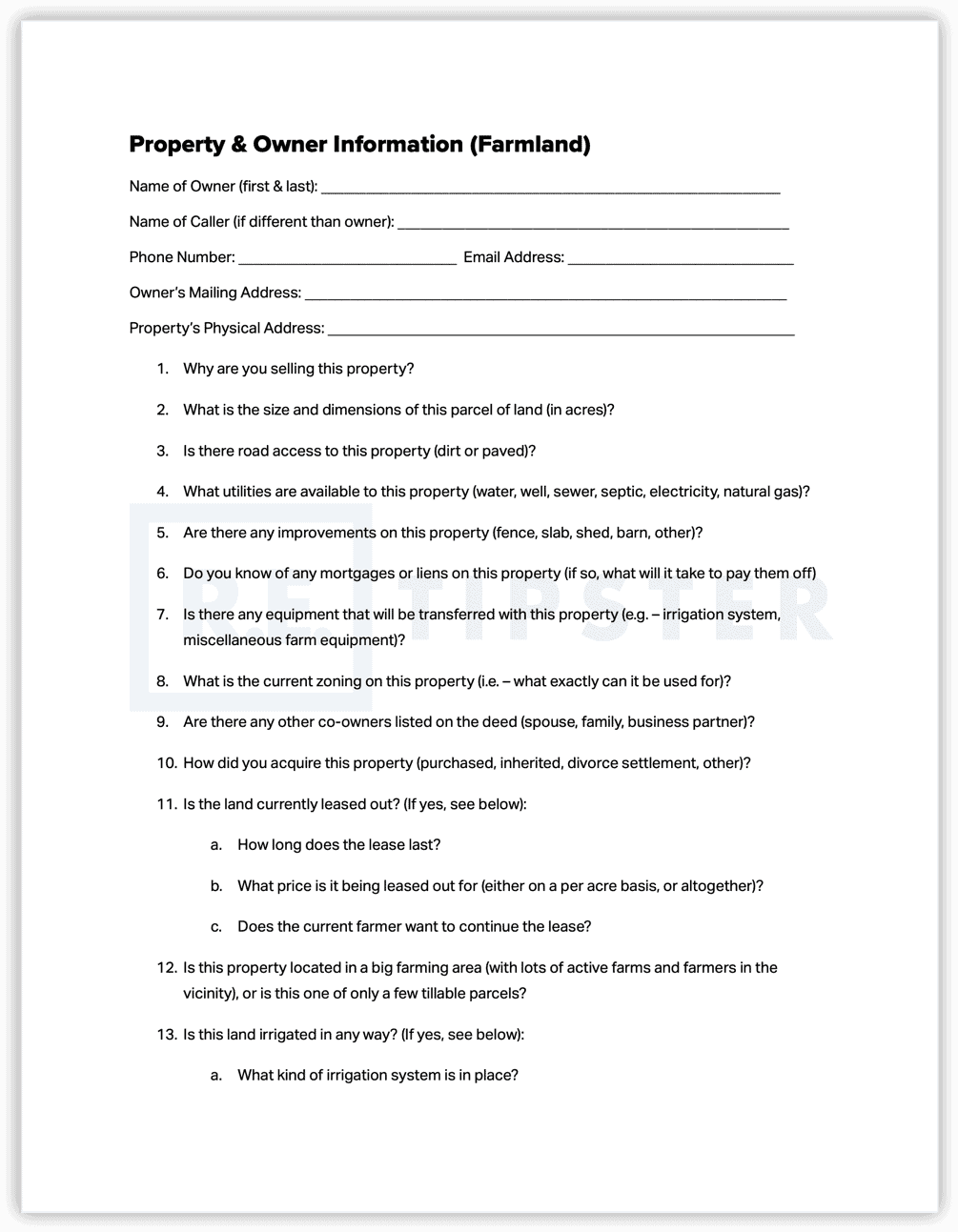
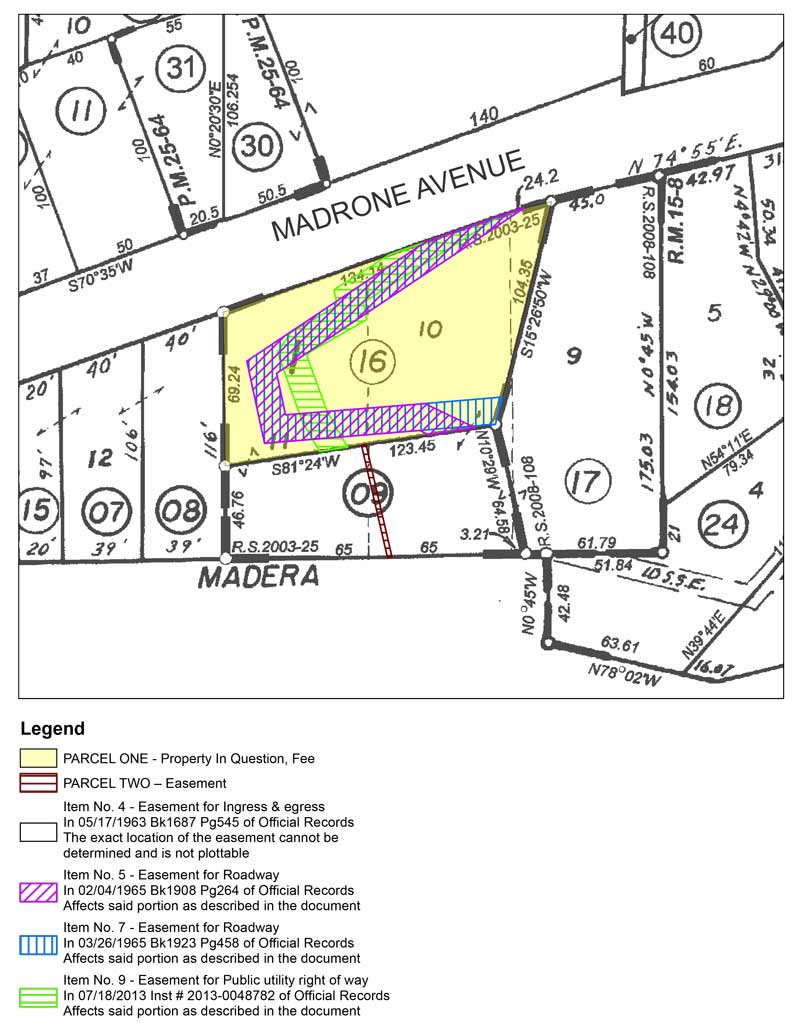
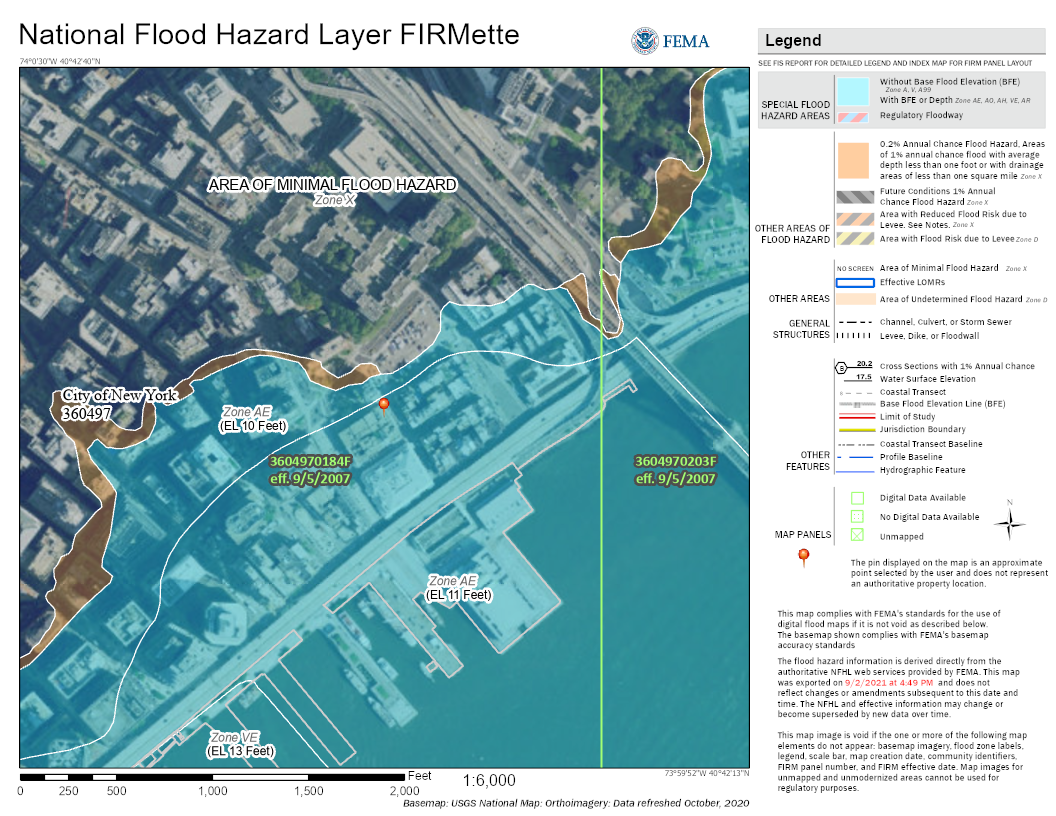
Caption: U.S. land investing courses use structured due diligence checklists to help beginners verify access, zoning, and environmental risks before purchasing.
How do land investing courses teach U.S. beginners to generate leads and find profitable land sellers?
Land investing courses teach beginners to generate leads by using direct mail, data lists, online platforms, and targeted county research. Students learn how to identify motivated sellers, filter records, and create consistent deal flow across multiple U.S. counties.
Lead generation is the engine of any successful land investing business, and courses introduce beginners to proven methods for reaching property owners ready to sell. Students learn how to purchase and clean data lists, evaluate owner motivation, and filter parcels based on acreage, location, delinquent taxes, or ownership duration. Courses also explain how to use direct mail campaigns, text outreach, cold calling, and online listing platforms to build reliable pipelines of seller conversations. Beginners are shown how to segment lists, track responses, and automate outreach at scale. By mastering lead generation early, new investors create predictable deal opportunities instead of relying on luck.
How do U.S. beginners learn to build targeted seller lists from county data and public records?
Beginners build targeted seller lists by pulling county assessor data, tax records, and GIS parcel information because these sources reveal which owners are most likely to sell land below market value.
Courses teach students how to extract records from county websites, list providers, and data platforms. They learn how to filter based on acreage, zoning, ownership age, tax delinquency, market activity, and property desirability. Students are shown how to remove duplicates, correct bad addresses, and standardize list formatting for outreach. By building high-quality lists, beginners generate more motivated sellers and reduce wasted marketing spend.
Why is direct mail the most popular lead generation method taught in U.S. land investing courses?
Direct mail is popular because it consistently generates motivated seller responses at scale, even in rural and underserved markets. Courses teach beginners how to create effective mail campaigns with strong copy and accurate pricing.
Students learn how to write neutral-letter templates, blind offers, and range-based offers. Courses cover timing, volume, address verification, and response tracking. Instructors also explain how to adjust mailers based on county behavior and deal-type goals. Real examples show how successful investors use automated mailing systems to contact thousands of landowners monthly. Direct mail remains the most reliable approach for beginners entering U.S. land markets.
How do courses teach beginners to qualify sellers and prioritize the most profitable opportunities?
Courses teach beginners to qualify sellers by asking structured questions that reveal motivation, urgency, property condition, and price flexibility. This helps U.S. students focus on deals with the strongest profit potential.
Students learn how to conduct phone calls, emails, or text conversations using clear discovery scripts. They learn how to identify emotional motivators, financial pressure, or property neglect indicators. Courses teach how to separate high-value opportunities from low-quality leads by rating sellers based on timeline, willingness to negotiate, and property characteristics. This ensures beginners spend time on the deals most likely to close profitably.

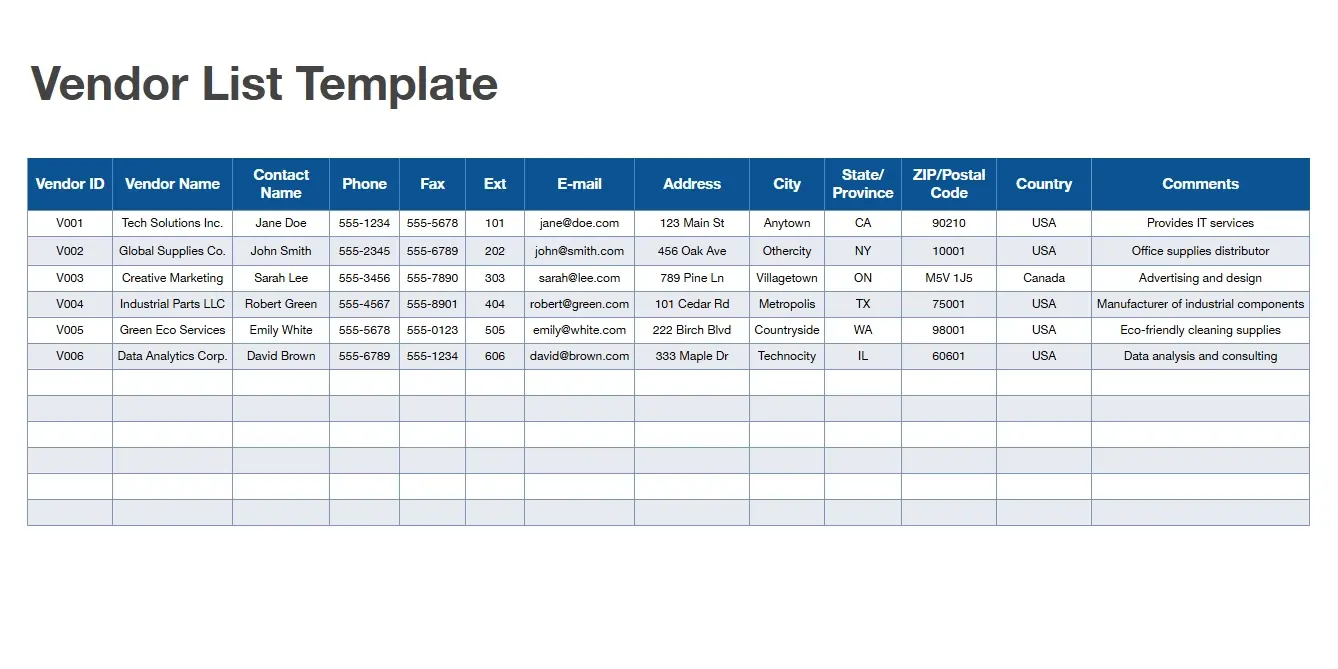

Caption: U.S. land investing courses teach beginners how to generate motivated seller leads through lists, direct mail, and structured qualification methods.
How do land investing courses teach U.S. beginners to negotiate effectively with land sellers?
Land investing courses teach beginners to negotiate by using structured scripts, rapport-building techniques, and data-driven offer frameworks. Students learn how to communicate confidently, handle objections, and arrive at mutually beneficial agreements with U.S. land sellers.
Negotiation is essential because it directly influences acquisition price, profit margins, and deal velocity. Courses introduce students to negotiation psychology, anchoring strategies, and communication patterns used by experienced investors. They teach beginners how to frame offers based on comps and risk data rather than emotion. Students learn to manage silence, respond to counteroffers, and uncover hidden seller motivations. Courses also explain when to walk away, when to strengthen offers, and how to negotiate respectfully while maintaining professionalism. By using these techniques, beginners consistently close more deals while protecting their margins.
What negotiation scripts do U.S. beginners learn to handle common seller objections?
Beginners learn negotiation scripts that address common objections like price resistance, emotional attachment, timeline concerns, and uncertainty about the selling process. These scripts help U.S. investors stay calm and guide conversations effectively.
Courses provide templates for responding to sellers who want higher prices or need reassurance about the transaction. Students learn how to acknowledge concerns, restate value, and use data to justify their offer ranges. Scripts emphasize empathy, clarity, and confidence. Beginners are taught how to maintain control of conversations without being aggressive, ensuring both sides feel respected. By practicing these scripts, new investors reduce anxiety and improve their closing rate.
How do courses teach beginners to identify seller motivation and negotiate based on their goals?
Courses teach beginners to identify seller motivations by asking structured discovery questions that reveal financial needs, property issues, or personal reasons for selling. Understanding these motivations helps U.S. investors craft better negotiation strategies.
Students learn how to listen for key signals like urgent timelines, property neglect, tax burdens, or emotional stress. Courses explain how motivations influence flexibility in pricing and willingness to negotiate. Examples demonstrate how tailoring offers to match seller goals can result in faster agreements and better margins. By identifying motivations early, beginners avoid wasting time on low-quality leads and focus on deals with real potential.
How do courses help beginners use data to strengthen negotiation confidence and accuracy?
Courses teach students to use comps, assessed values, topography issues, and demand trends to justify their offer prices. Data helps U.S. beginners remove emotion and negotiate with authority.
Students learn to reference comparable sales, GIS findings, zoning restrictions, or access challenges when explaining their offer calculation. Courses also teach how to summarize due diligence findings during negotiations, which builds credibility. This data-driven approach makes sellers more willing to accept pricing and reduces negotiation friction. Beginners become more persuasive because their arguments are factual and structured.


Caption: U.S. land investing courses teach beginners structured negotiation strategies, objection-handling scripts, and data-backed communication techniques.
How do land investing courses teach U.S. beginners to market and sell land quickly?
Land investing courses teach beginners to market and sell land quickly by using proven listing strategies, compelling property descriptions, professional photos, and multi-platform advertising. Students learn how to attract buyers, manage inquiries, and close sales efficiently in U.S. markets.
Marketing is one of the most important parts of land investing because even well-priced land won’t sell without visibility. Courses teach students how to create high-converting listings using property details, GIS screenshots, access notes, and zoning information. They learn to use platforms like Facebook Marketplace, Zillow, Lands of America, LandWatch, Craigslist, and specialized land websites. Instructors explain how to evaluate buyer demand, respond to inquiries professionally, and structure seller financing deals for faster sales. Courses also emphasize follow-up systems, branding consistency, and negotiation techniques for closing buyers. With strong marketing skills, beginners sell properties faster and with stronger margins.
How do beginners learn to write high-converting land listing descriptions?
Beginners learn to write high-converting listings by focusing on clarity, benefits, and usability. Courses show U.S. students how to highlight access, zoning, utilities, terrain, and nearby amenities to attract motivated buyers.
Students practice structuring descriptions with headlines, features, and buyer-focused language. Courses explain how to avoid vague descriptions and instead provide precise details buyers care about, such as road type, parcel shape, land use options, and distance to towns. Beginners learn how emotional selling and clear facts work together to increase inquiries. By mastering listing descriptions, investors improve engagement and reduce time on market.
How do U.S. land courses teach students to use multiple platforms for maximum buyer reach?
Courses teach multi-platform marketing because each platform attracts different types of buyers and increases visibility. Students learn which sites work best for rural acreage, recreational land, infill lots, and off-grid parcels.
They learn how to post on Facebook groups, land marketplaces, real estate classifieds, and investor networks. Courses explain how to tailor listing styles to each platform’s audience, such as photo-heavy posts for Facebook or data-driven descriptions for LandWatch. Students also learn how to reuse content efficiently to save time. Using multiple platforms accelerates buyer demand and helps beginners close deals faster.
Why do courses emphasize using professional photos, maps, and visuals when selling land?
Courses emphasize visuals because buyers rely heavily on images to understand land features, especially when viewing property remotely. High-quality photos and maps increase trust and drive more inquiries in U.S. land markets.
Students learn to use drone shots, parcel outlines, GIS overlays, and terrain images to give buyers a real sense of the land. Courses teach how to organize visuals in listing galleries to show access, topography, boundaries, and surroundings. Better visuals reduce buyer hesitation and improve conversion rates. They also differentiate listings from amateur sellers who post minimal information.

Caption: Land investing courses teach beginners how to market property effectively using strong visuals, compelling descriptions, and multi-platform advertising.
How do land investing courses teach U.S. beginners to use seller financing to increase profits and buyer demand?
Land investing courses teach beginners to use seller financing by explaining contract structures, pricing models, risk controls, and payment systems. These methods help U.S. investors sell land faster, attract more buyers, and generate long-term recurring income.
Seller financing is a powerful strategy because it expands the buyer pool to include people who can’t pay cash upfront. Courses show beginners how to calculate down payments, structure monthly terms, and apply interest rates that increase profitability. Students learn how to use promissory notes, land contracts, and mortgage-style agreements depending on the state. Training programs also cover risk management, such as verifying buyers, choosing safe payment processors, and protecting contracts legally. By mastering seller financing, beginners can sell properties quicker and create predictable cash flow that compounds over time.
How do students learn to structure seller financing terms that remain attractive yet profitable?
Students learn to structure terms by balancing down payments, monthly payments, interest rates, and contract duration. Courses teach U.S. beginners to design agreements that protect profit margins without reducing buyer demand.
Instructors provide examples of common terms such as 10–20% down, 48–72-month plans, and interest ranging from 6% to 12%. Students learn how parcel location, access, acreage, and zoning influence terms. They also learn how to adjust pricing for risk or buyer motivation. Courses explain how to calculate total revenue using amortization tools, ensuring students understand how monthly payments create long-term profitability. By applying these formulas, beginners make smarter financing offers that appeal to buyers and maximize returns.
Why do courses teach students to screen buyers before offering seller financing?
Courses teach screening because seller financing involves multi-year payment plans, and U.S. investors must ensure buyers are reliable. Screening reduces risk, defaults, and administrative issues.
Students learn how to evaluate buyer seriousness through communication quality, payment history, employment stability, and intent for the land. Courses teach beginners to use simple pre-qualification questions to filter out high-risk applicants. Instructors also explain how to document buyer commitments clearly to prevent misunderstandings. By screening effectively, beginners avoid time-consuming defaults and protect their recurring income streams.
How do land investing courses teach contract creation and legal protection for seller financing deals?
Courses teach legal protection by guiding students through the correct contract types, state-specific rules, and enforcement options. This ensures U.S. investors structure deals safely and compliantly.
Students learn the differences between lease-purchase agreements, land contracts, promissory notes, mortgages, and deed-held security structures. Courses outline key clauses that protect sellers, such as default rules, late fees, and forfeiture terms. They also teach when to use attorneys, title companies, or closing services depending on deal size. This legal foundation ensures beginners avoid poorly written agreements that could create liability or lost payments.

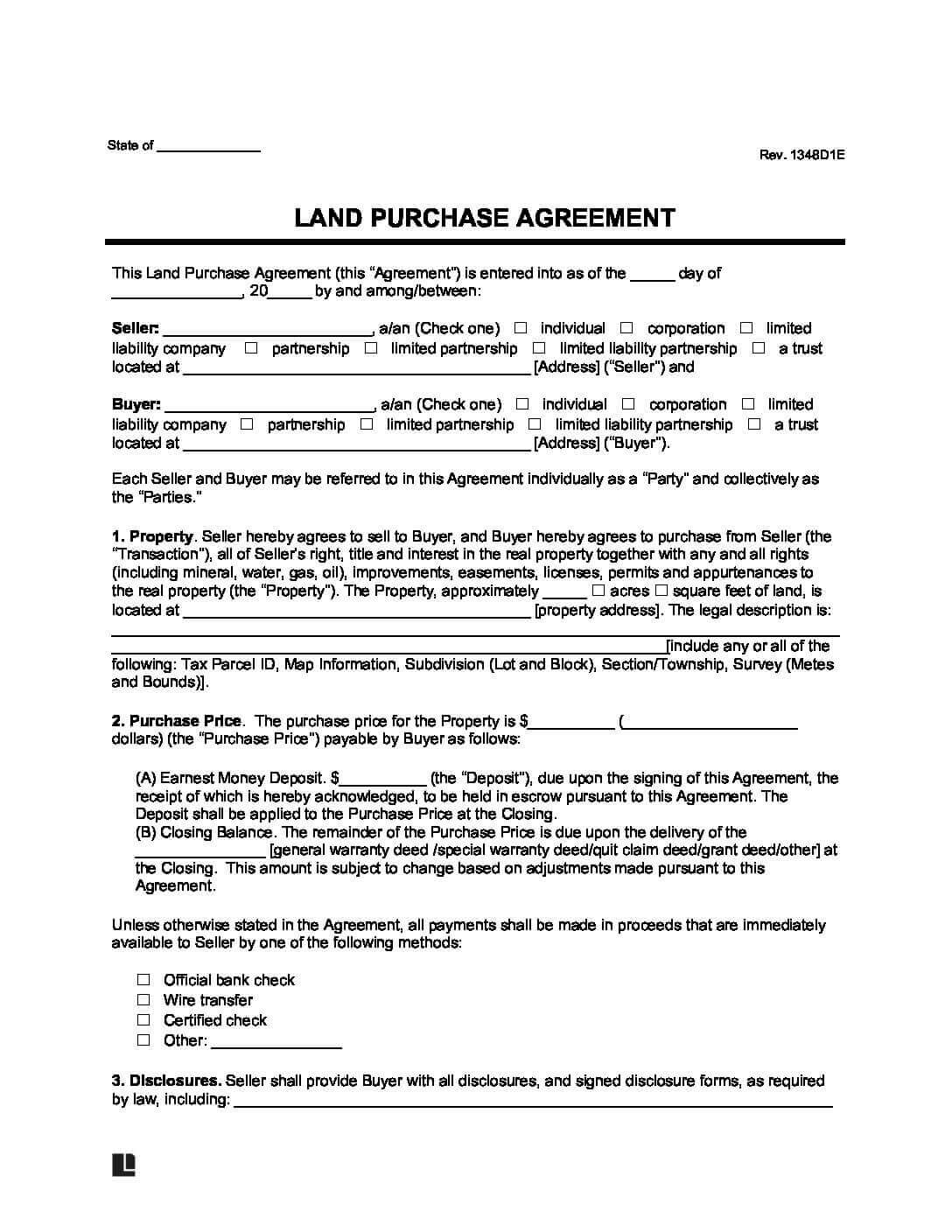
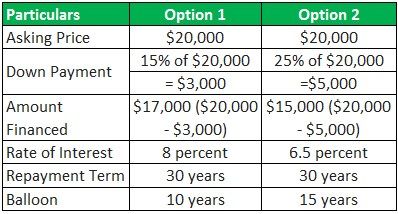
Caption: U.S. land investing courses teach seller financing strategies that help beginners attract more buyers and generate long-term recurring income.
How do land investing courses teach U.S. beginners to calculate profit margins and evaluate potential ROI?
Land investing courses teach beginners to calculate profit margins using acquisition costs, marketing expenses, holding fees, and resale strategies. Students learn how to analyze ROI using realistic projections, market comps, and risk adjustments specific to U.S. land markets.
Understanding ROI is essential because land values vary widely based on county demand, parcel characteristics, and market cycles. Courses teach beginners to break down total acquisition costs, including purchase price, closing fees, mail campaigns, and due diligence expenses. Students learn how to compare expected resale prices to projected outflows, giving them clear profit estimates before making offers. They are introduced to calculators, spreadsheets, and ROI formulas used by experienced U.S. investors. Courses also show how seller financing affects long-term profitability, how holding times influence margin, and how to adjust calculations for different market conditions. By analyzing ROI consistently, beginners avoid emotional decisions and select deals with the strongest financial potential.
How do students learn to estimate realistic resale values based on comps and demand?
Students estimate resale values by reviewing sold comps, active listings, and buyer behavior because these metrics reflect what the U.S. market will realistically pay. This ensures beginners avoid overestimating profits.
Courses teach students how to weigh comparable sales across similar acreages, zoning categories, terrain types, and access qualities. They learn to identify median values and eliminate outliers. Instructors explain how demand indicators—such as listing engagement, days on market, and seasonal buyer interest—affect expected resale performance. With these insights, beginners create conservative resale estimates that strengthen decision-making and limit risk exposure.
How do land investing courses teach beginners to account for all acquisition and holding costs?
Courses teach beginners to account for acquisition and holding costs by breaking down every expense that affects total profit. This ensures U.S. beginners understand the full financial picture before buying land.
Students learn how to calculate closing fees, title costs, recording charges, direct mail expenses, list purchases, marketing budget, and minor holding costs like taxes or HOA dues. Courses explain how these expenses vary by state and county. Real examples show how failing to include these costs can distort profit margins. By building accurate cost models, beginners avoid mispricing deals and maintain healthier margins.
How do students learn to evaluate ROI across cash sales and seller financing scenarios?
Courses teach beginners to evaluate ROI across both cash and seller financing deals by comparing short-term profits with long-term recurring income. This helps U.S. investors choose the best exit strategy for each parcel.
Students learn to calculate cash ROI using simple margin formulas based on acquisition and resale prices. They then compare those figures with the lifetime revenue of financing terms, factoring in interest, down payments, and contract length. Courses provide amortization examples to illustrate how seller financing can multiply total return. This dual analysis helps beginners optimize each deal for either speed or maximum profit.

Caption: U.S. land investing courses teach beginners to evaluate ROI using comps, costs, and resale strategies to ensure profitable acquisition decisions.
How do land investing courses teach U.S. beginners to automate their workflows and scale efficiently?
Land investing courses teach beginners to automate workflows using CRM tools, mailing systems, task templates, and communication automations. These systems help U.S. investors scale their land business by reducing manual work and improving consistency across multiple counties.
Automation is critical for growth because land investing involves repetitive tasks like list processing, direct mail scheduling, follow-ups, document tracking, and buyer communication. Courses introduce students to tools such as Airtable, Trello, Podio, Pebble, InvestorFuse, and Zapier. They explain how to automate list imports, merge fields, lead qualification steps, and follow-up reminders. Beginners learn to create standardized processes for due diligence, offer creation, contract templates, and closing steps. Courses also cover how to automate buyer marketing, payment tracking for seller financing, and document delivery. By implementing these systems early, beginners scale their operations faster, reduce errors, and run their business like an efficient U.S. real estate company instead of a hobby.
How do beginners learn to automate lead intake and seller follow-up systems?
Beginners learn to automate lead intake using CRM platforms, autoresponders, and pre-built workflows because automation ensures no seller lead is lost or ignored during negotiations. This increases deal flow and conversion rates for U.S. investors.
Courses teach students how to upload lists into CRMs that automatically assign lead statuses, create follow-up tasks, and store seller communication records. They learn how to trigger email or SMS auto-replies when a seller responds to a mailer. Instructors explain how structured follow-up sequences increase contact success and uncover more motivated sellers. With these systems in place, beginners manage more conversations with less effort.
How do land investing courses teach automation for due diligence and property evaluation?
Courses teach automation for due diligence by showing students how to create checklists, templates, and workflow triggers that ensure every property is evaluated consistently. This helps U.S. beginners avoid mistakes and speed up research.
Students learn how to build due diligence templates in platforms like Notion, Airtable, or Pebble. They create automated steps for pulling GIS maps, verifying ownership, checking zoning, reviewing flood data, and confirming access. Courses teach students how to link county resources into their workflow, making each evaluation faster. By systemizing due diligence, beginners handle more deals with fewer errors and less stress.
How do beginners learn to automate marketing, listings, and buyer management?
Beginners learn to automate marketing by scheduling listings, syncing postings across platforms, and using follow-up sequences for buyer inquiries. This helps U.S. investors sell land faster while maintaining professional communication.
Courses teach students how to schedule Facebook posts, Zillow updates, and marketplace listings automatically. They learn how to use autoresponders to answer common buyer questions, deliver maps, and send financing options. Students also learn to automate documentation and payment reminders for seller financing. These systems make the sales process smooth, predictable, and much easier to scale.



Caption: U.S. land investing courses teach automation tools that help beginners scale their business through CRMs, workflows, and systemized processes.
How do land investing courses help U.S. beginners understand zoning, land-use rules, and county regulations?
Land investing courses help beginners understand zoning and county regulations by teaching them how to interpret zoning codes, permitted uses, overlays, and restrictions. Students learn how these rules impact land value, usability, and long-term investment potential in U.S. markets.
Zoning is a critical component of land investing because it determines what buyers can and cannot do with a parcel. Courses introduce beginners to zoning categories such as agricultural, residential, mixed-use, and commercial classifications. They teach how to navigate county zoning portals, interpret land-use tables, and confirm allowable activities like camping, RV use, mobile homes, building, or subdivision. Students also learn how environmental overlays, flood zones, wetlands, and hillside regulations affect development opportunities. By understanding zoning thoroughly, beginners avoid problematic parcels and confidently evaluate whether land is suitable for their intended exit strategy.
How do students learn to navigate county zoning portals and find accurate regulatory information?
Students learn to navigate zoning portals by following step-by-step tutorials showing where counties store zoning maps, use tables, and regulation documents. This ensures U.S. beginners access accurate, up-to-date information before making decisions.
Courses show students how to locate GIS layers, zoning overlays, assessor data, and county code libraries. They practice extracting key information, such as minimum lot sizes, setback requirements, utility rules, and specific-use permissions. Instructors also explain how to call county planners when online data is unclear. By mastering zoning portals, beginners gain confidence and reduce regulatory uncertainty.
Why do courses teach zoning as part of the due diligence and valuation process?
Courses teach zoning during due diligence because zoning rules influence land use, resale value, and buyer demand. Understanding these restrictions helps U.S. beginners avoid parcels that lack flexibility or have limited market appeal.
Students learn to evaluate how zoning impacts potential buyers, such as homesteaders, RV users, developers, or recreational users. Courses explain how zoning affects price ranges, financing opportunities, and sale timelines. Examples highlight how parcels with flexible zoning sell faster and at higher margins. With zoning knowledge, beginners make more accurate valuations and stronger offers.
How do students learn to identify zoning conflicts, environmental overlays, and land-use limitations?
Students learn to identify conflicts by analyzing zoning maps, environmental databases, flood maps, and county planning documents. This helps U.S. investors avoid land with hidden development restrictions or expensive compliance requirements.
Courses teach how to identify wetlands, flood zones, wildlife corridors, conservation areas, and slope restrictions. Students also learn how overlay districts—like groundwater protection zones or agricultural preservation areas—limit property use. Case studies show how ignoring these details leads to costly mistakes. This training helps beginners evaluate land with precision and confidence.
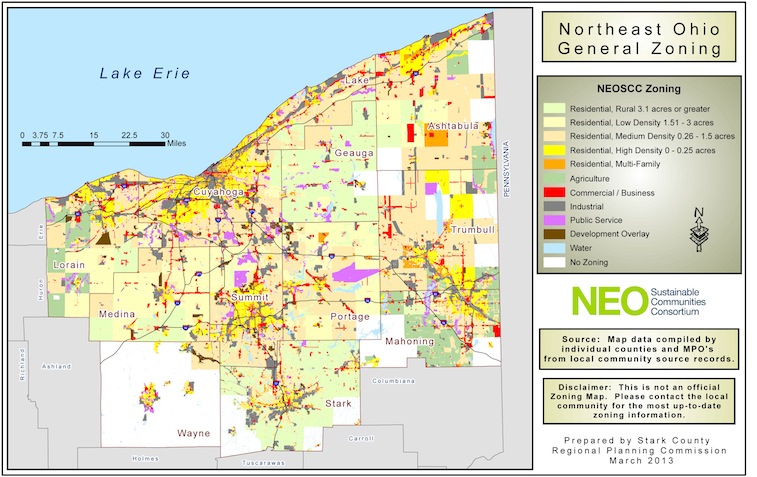
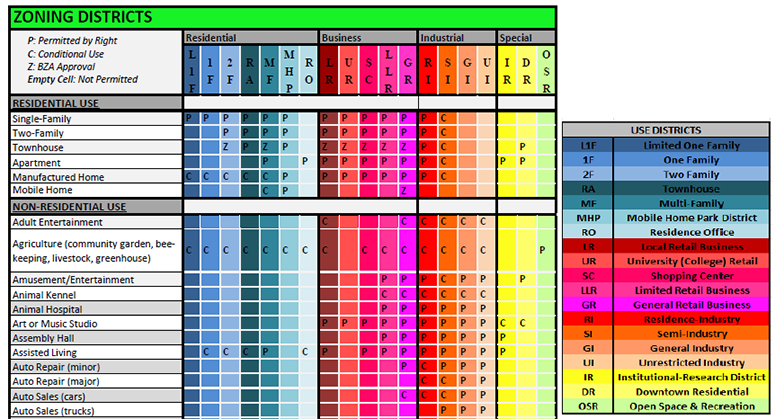

Caption: U.S. land investing courses teach zoning, overlays, and regulation analysis to help beginners evaluate land use and avoid costly restrictions.
How do land investing courses teach U.S. beginners to analyze market trends and identify high-demand counties?
Land investing courses teach beginners to analyze market trends by reviewing sales data, buyer activity, pricing patterns, and demographic shifts. Students learn how to identify high-demand U.S. counties where land sells quickly and profit margins are strongest.
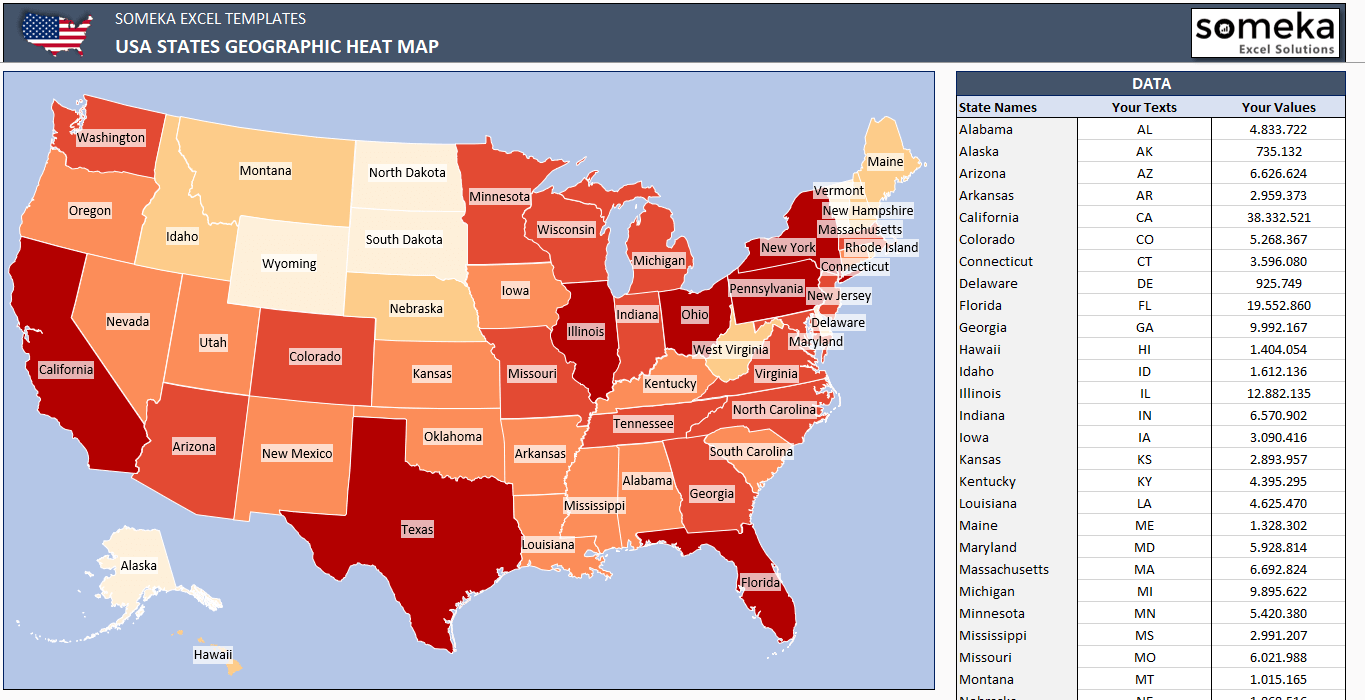
Market analysis is a core skill because land values vary dramatically across regions. Courses teach beginners how to track county sales volume, median price points, and days-on-market trends. They learn how to evaluate buyer behavior on platforms like Zillow, LandWatch, and Facebook Marketplace. Instructors also explain how population growth, migration patterns, infrastructure investment, and regional development influence long-term demand. Courses show how economic changes, interest rates, and seasonal buying patterns affect land liquidity. By mastering market analysis, beginners choose stronger counties and avoid slow-moving markets with weak resale potential.
How do students learn to interpret sales volume and pricing trends across different U.S. counties?
Students interpret sales volume and pricing trends by analyzing historical transaction data, comp clusters, and county-level reports. This helps beginners identify counties with predictable demand and stable resale performance.
Courses teach students how to use assessor websites, GIS sales layers, land marketplaces, and comp tools to track price ranges. They learn how to recognize upward, stagnant, and declining markets. Instructors explain how rural counties often have different pricing trends compared to suburban or recreational markets. Students also learn how seasonal activity affects land sales, with certain counties moving faster during peak outdoor or building seasons. These insights help beginners make informed county selections.
Why do U.S. land investing courses teach demographic and migration trends as part of market analysis?
Courses teach demographic trends because population shifts influence buyer demand, development pressure, and long-term land values. Understanding these changes helps U.S. beginners predict future market direction.
Students learn how migration patterns, job growth, retirement trends, remote-work adoption, and interstate moves affect land demand. Courses show how states like Texas, Florida, Arizona, Tennessee, and the Carolinas attract new residents and investors. Instructors explain how demographic shifts create new land use patterns, such as increased interest in homesteading, recreation, and off-grid living. This helps beginners align acquisitions with emerging buyer preferences.
How do beginners learn to evaluate buyer activity and platform engagement to identify high-demand counties?
Beginners evaluate buyer activity by tracking listing views, inquiry rates, comment engagement, and saved searches across land platforms. These metrics help U.S. investors forecast demand accurately.
Courses teach how to use Facebook Marketplace metrics, Zillow listing analytics, and LandWatch traffic indicators. Students learn how to compare engagement across multiple counties to identify where buyers are most active. Instructors show how to interpret inquiry patterns to determine which parcels attract the most interest. This gives beginners a practical way to validate county choices before sending offers.
How do land investing courses teach U.S. beginners to evaluate property access, terrain, and physical characteristics?
Land investing courses teach beginners to evaluate access, terrain, and physical features using GIS tools, parcel maps, satellite imagery, and on-site data. These skills help U.S. investors determine usability, marketability, and true property value before making offers.
Evaluating physical characteristics is a core part of due diligence because land without usable terrain, reasonable access, or favorable geography can be difficult to resell. Courses teach beginners how to analyze road types, access points, topography, slopes, vegetation, floodplains, and soil composition. Students learn how to use county GIS layers, Google Earth, topographic maps, and elevation profiles to understand how terrain affects buildability and resale demand. Instructors explain how steep land, wetlands, drainage issues, and irregular parcel shapes influence pricing and buyer interest. With this knowledge, beginners avoid problematic parcels and identify land that matches buyer expectations in U.S. markets.
How do students learn to evaluate legal and physical access using GIS maps and county records?
Students learn to evaluate access by using GIS maps, recorded easements, and public data sources that reveal road quality, legal ingress, and potential access problems. This ensures U.S. beginners never buy landlocked or inaccessible parcels.
Courses demonstrate how to identify legal road frontage, public easements, deeded access rights, and shared driveway agreements. They teach how to distinguish between physical access (a visible path) and legal access (the right to use it). Students also learn to check road maintenance status, county-maintained vs private roads, and seasonal access limitations. By mastering these tools, beginners understand which parcels offer secure, reliable access for future buyers.
Why do land investing courses focus on terrain analysis and topography early in training?
Courses focus on terrain early because topography affects buildability, pricing, and buyer demand. U.S. beginners must understand terrain to avoid steep, unusable, or low-value land that buyers may reject.
Students learn how to interpret contour lines, elevation profiles, slope angles, and watershed patterns. Courses show how terrain impacts RV use, camping potential, homesteading, and development. Examples highlight how flat or gently sloped parcels sell faster, while steep, rocky, or heavily forested land requires significant adjustments to valuation. Students also learn how terrain affects dirt road access, drainage, and construction feasibility. This knowledge helps beginners assess value accurately.
How do beginners learn to analyze parcel shape, layout, and boundary usability?
Beginners learn to analyze parcel shape by reviewing boundary outlines, GIS layers, and aerial overlays to determine how usable the land is for future buyers. Shape directly influences development feasibility and resale speed in U.S. markets.
Courses teach how to identify irregular shapes, narrow access points, interior cutouts, and non-contiguous boundaries. Students learn how boundary lines affect building pads, driveway placement, fencing, and overall functionality. Instructors provide real comparisons showing why square or rectangular lots generally outperform long, narrow, or fragmented parcels. Understanding shape and layout helps beginners avoid parcels with limited usability.
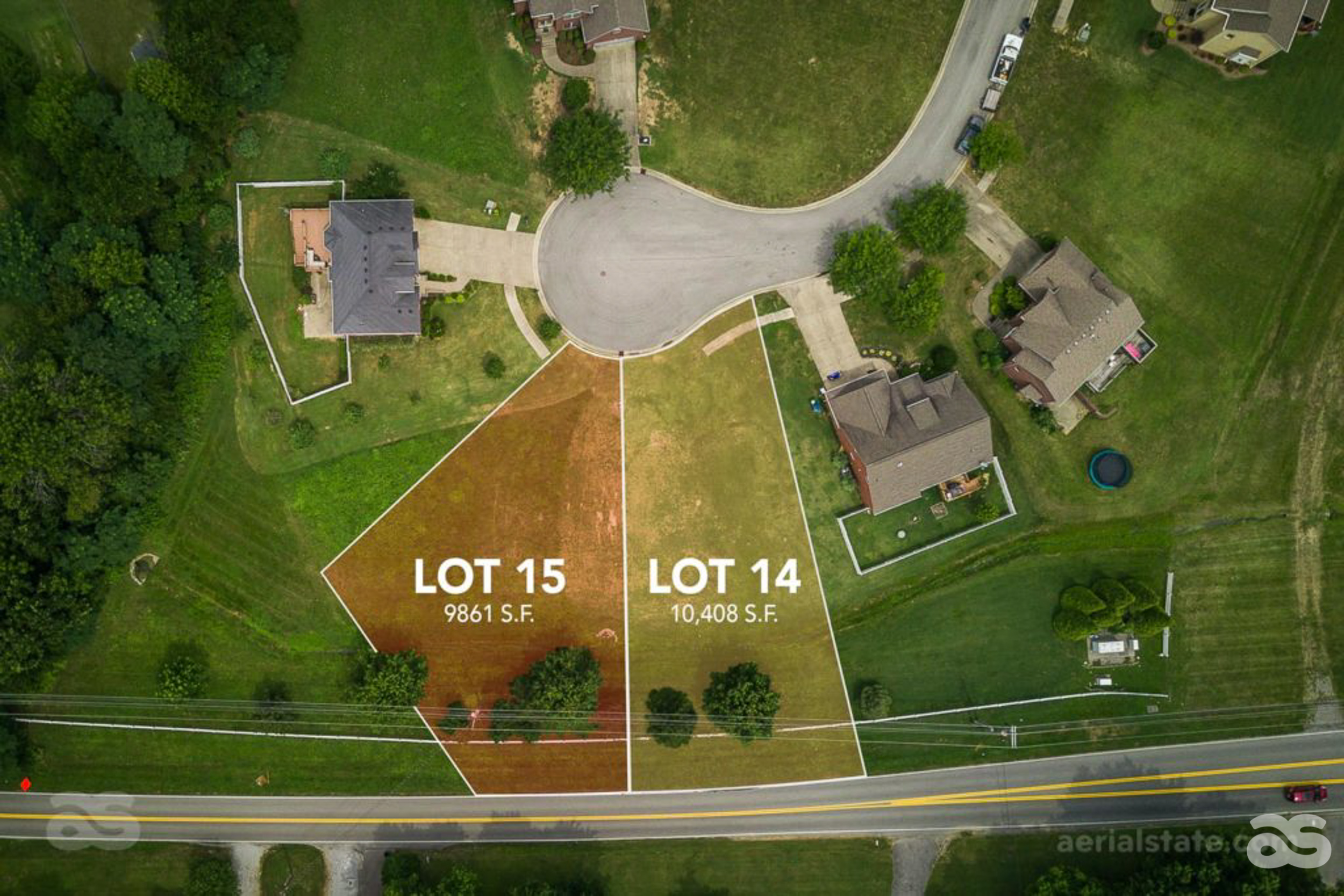
Caption: U.S. land investing courses teach beginners to analyze access, terrain, and parcel features using GIS data, satellite imagery, and topographic tools.
How do land investing courses teach U.S. beginners to understand title issues, liens, and ownership verification?
Land investing courses teach beginners to check title records, verify ownership, and identify liens using county databases and public documents. These skills help U.S. investors avoid legal problems and ensure a clean, secure transfer of land ownership.
Title clarity is essential because unresolved issues can delay closings, reduce resale value, or make a parcel impossible to sell. Courses walk beginners through county recorder databases, assessor maps, and property tax portals. Students learn how to verify the true owner, confirm whether multiple parties are on title, and check for delinquent taxes or bank liens. Courses also teach beginners how to spot red flags such as probate requirements, incorrect legal descriptions, missing deeds, or unrecorded transfers. By learning these verification steps early, beginners prevent costly mistakes and ensure every deal closes smoothly.
How do beginners learn to confirm ownership and identify all parties listed on the deed?
Beginners confirm ownership by checking deed records, legal descriptions, and assessor data to ensure all title holders are accurately identified. This prevents U.S. investors from negotiating with the wrong person or missing a required signature.
Courses teach students how to access county recorder portals and locate the latest recorded deed. They learn to match names across tax records, assessor databases, and GIS layers. Instructors explain how to handle married couples, inherited property, estates, and trusts. Students also learn what to do when ownership records are outdated or inconsistent. This foundational skill ensures beginners always negotiate with the correct legal owner.
How do land investing courses teach students to check for liens, back taxes, and encumbrances?
Courses teach students to check liens and taxes by researching county tax portals, title reports, and public judgment records. This helps U.S. investors determine whether a parcel has financial obligations attached to it.
Students learn to locate delinquent taxes, tax sale notices, municipal liens, bank liens, and unpaid utility assessments. They practice calculating how liens affect profitability and whether a seller can legally transfer the parcel. Courses also explain how to resolve common liens through payoff statements or negotiations. By mastering these checks, beginners avoid buying land with hidden financial liabilities.
How do students learn to read legal descriptions and confirm boundary accuracy?
Students learn to read legal descriptions by examining deed documents, subdivision maps, and GIS overlays because boundary accuracy ensures the correct parcel is being purchased. This is especially important in rural U.S. counties where boundaries may be unclear.
Courses teach the difference between metes-and-bounds, lot-and-block descriptions, and PLSS systems. Students practice matching legal descriptions to parcel maps to verify alignment. Instructors explain common errors such as mismatched lot numbers, outdated surveys, or missing acreage references. Understanding legal descriptions protects beginners from buying the wrong parcel or facing disputes later.
How do land investing courses teach U.S. beginners to conduct phone calls, seller outreach, and professional communication?
Land investing courses teach beginners to communicate professionally through structured scripts, discovery questions, tone control, and negotiation frameworks. Students learn how to build rapport, qualify sellers, and manage phone conversations effectively, even with limited experience in U.S. real estate.
Clear communication is essential because land deals often start with a simple conversation that determines whether a seller is motivated, reasonable, and ready to proceed. Courses introduce beginners to proven phone scripts, call flow structures, and rapport-building techniques. Students learn how to ask targeted questions that reveal property condition, ownership history, and seller urgency. Courses also cover tone management, pacing, objection handling, and how to maintain professionalism even when sellers are emotional or uncertain. By developing strong communication skills, beginners increase their conversion rates and handle negotiations with more confidence.
How do beginners learn to follow call scripts that guide the conversation from introduction to agreement?
Beginners learn to follow call scripts that structure conversations, ensuring no critical questions are missed. Scripts help U.S. investors maintain confidence, stay organized, and steer discussions toward a clear next step.
Courses provide templates covering introductions, discovery questions, offer framing, and closing the call. Students practice these scripts through examples, roleplay scenarios, and step-by-step breakdowns. Instructors explain how slight adjustments in tone or phrasing influence seller trust. Learners discover how scripts reduce anxiety while improving clarity and consistency. Over time, beginners customize scripts to match their personality while keeping the essential negotiation structure intact.
How do land investing courses teach students to build rapport and read seller motivation?
Courses teach rapport-building by showing students how to use empathy, active listening, and personalized questions. Understanding motivation helps U.S. beginners shape better offers and anticipate seller needs.
Students learn how to identify emotional cues, financial stress, property neglect, or inherited land situations. Courses teach how to show genuine interest, acknowledge seller concerns, and build trust through clear communication. Instructors emphasize transparency and professionalism as key rapport-building tools. Beginners quickly learn how rapport translates into smoother negotiations and higher acceptance rates for their offers.
How do beginners learn to handle objections, price resistance, and stalled conversations?
Beginners learn objection handling through structured response frameworks that keep conversations moving forward. Courses teach U.S. students how to remain calm, redirect concerns, and reinforce their offer logic using data.
Students practice responding to objections like “I want more money,” “I need time to think,” or “I’m not sure about this process.” Courses explain how to acknowledge objections, provide context, and restate benefits without appearing pushy. Instructors demonstrate how to use silence strategically, ask clarifying questions, and suggest next steps that keep sellers engaged. These techniques help beginners maintain control during difficult conversations.

Caption: Land investing courses teach beginners structured phone scripts, rapport-building techniques, and professional communication skills to handle seller outreach effectively.
How do land investing courses teach U.S. beginners to evaluate environmental risks such as flood zones, wetlands, and soil conditions?
Land investing courses teach beginners to evaluate environmental risks using FEMA flood maps, wetland databases, soil surveys, and GIS overlays. These tools help U.S. investors avoid land with hidden restrictions, costly mitigation requirements, or limited development potential.
Environmental analysis is essential because environmental issues directly affect usability, buildability, and resale demand. Courses introduce beginners to the FEMA Flood Insurance Rate Maps, USDA soil surveys, the National Wetlands Inventory, and state environmental portals. Students learn how to interpret flood zones, identify wetland boundaries, evaluate drainage patterns, and assess soil stability. Instructors explain how environmental overlays influence zoning, insurance requirements, and construction feasibility. By mastering these tools, beginners avoid buying parcels with severe restrictions and develop more accurate valuation strategies in U.S. markets.
How do students learn to analyze FEMA flood zones and assess flood-related risks?
Students analyze flood zones by reviewing FEMA maps, elevation data, and watershed patterns to determine how water movement affects land usability. This is crucial because U.S. buyers avoid high-risk flood areas.
Courses teach students how to distinguish between Zone X, Zone A, and Zone AE flood classifications. They learn how to evaluate floodplain boundaries, drainage directions, and proximity to creeks or rivers. Instructors provide examples showing how flood exposure impacts resale value, insurance costs, and building restrictions. Students also learn how to combine FEMA data with terrain analysis to improve accuracy. This helps beginners avoid land with severe flood risk.
How do land investing courses teach beginners to identify wetlands and understand federal restrictions?
Courses teach beginners to identify wetlands using the National Wetlands Inventory, soil surveys, and vegetation indicators because wetlands trigger federal restrictions that influence land use and resale value.
Students learn how to analyze NWI maps, hydric soil patterns, and aerial imagery to spot wetland zones. Courses explain how wetlands can limit construction, require permits, or significantly reduce parcel desirability. Instructors cover how the Clean Water Act and Army Corps of Engineers guidelines affect wetland areas. With this training, beginners avoid buying land requiring difficult or expensive environmental permissions.
How do beginners learn to evaluate soil conditions and terrain for buildability?
Beginners evaluate soil conditions using USDA soil maps and geological surveys that reveal stability, drainage, and erosion risk. These factors determine whether land is suitable for building or agricultural use in U.S. markets.
Courses teach how to interpret soil classifications, permeability ratings, and slope profiles. Students learn how clay, sand, rock layers, and expansive soils influence foundation stability. Examples illustrate how poor soil conditions increase development costs or restrict building entirely. By assessing soil early, beginners choose parcels with stronger long-term value.
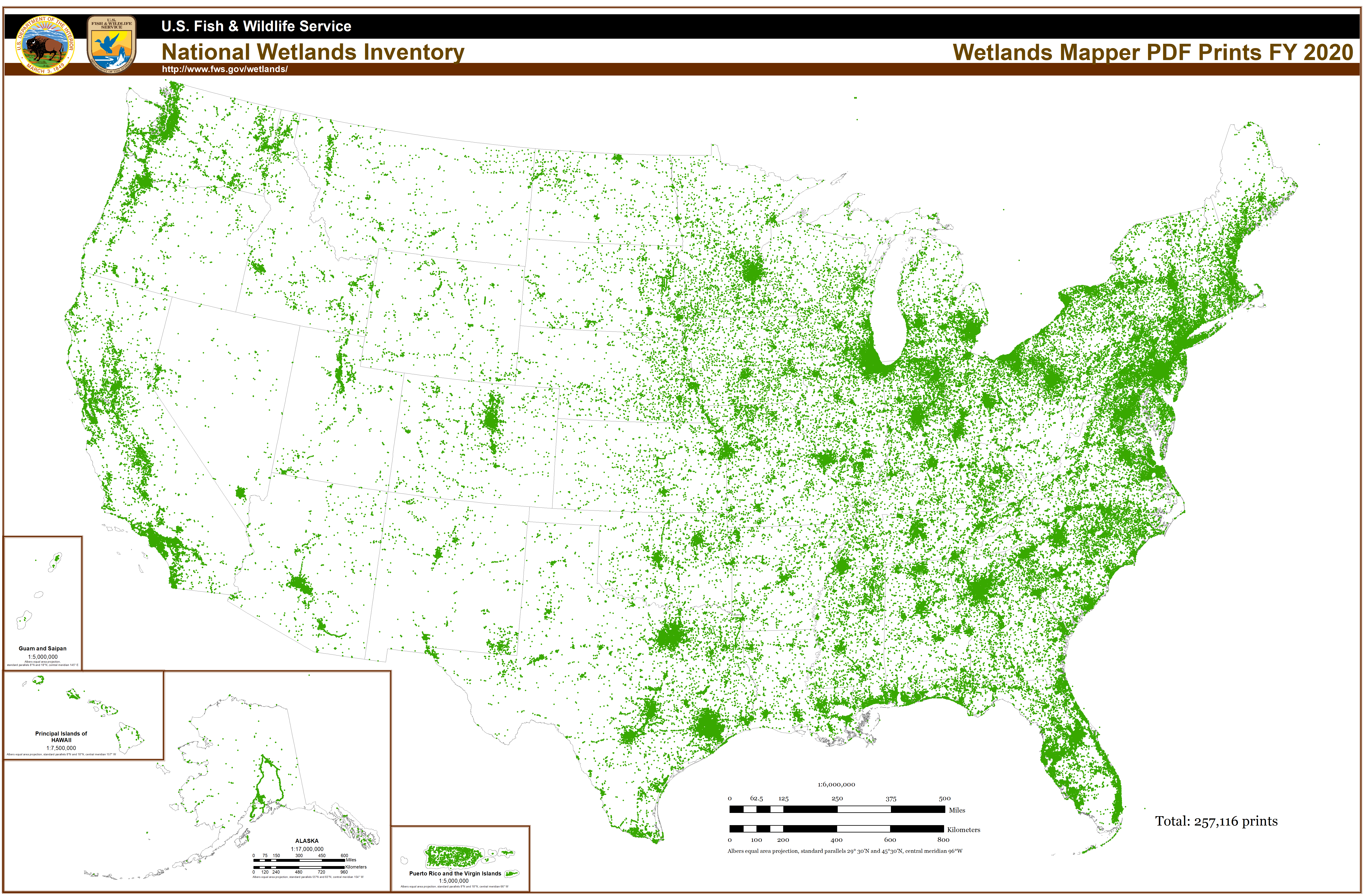
Caption: U.S. land investing courses teach environmental risk analysis using FEMA maps, wetland databases, and soil surveys to avoid high-risk parcels.
How do land investing courses teach U.S. beginners to analyze utilities, infrastructure, and long-term land development potential?
Land investing courses teach beginners to analyze utilities and infrastructure by reviewing county utility maps, service availability, road networks, and development plans. These insights help U.S. investors determine buildability, future demand, and long-term land appreciation potential.
Understanding utilities is essential because electricity, water, sewer, and road access directly influence land value and buyer interest. Courses introduce beginners to utility provider portals, county planning documents, and infrastructure expansion maps. Students learn how to confirm the availability of power lines, well depth requirements, septic feasibility, water districts, and broadband coverage. They also study local development patterns to anticipate future growth. By evaluating these factors early, beginners choose parcels with stronger long-term potential and avoid land with limited utility access or high installation costs.
How do beginners learn to verify electricity, water, and sewer availability before buying land?
Beginners verify utilities by checking provider maps, calling utility companies, and reviewing county development guidelines. These steps help U.S. investors avoid parcels that require expensive or impractical utility installations.
Courses teach how to identify nearby power lines on satellite maps, confirm water district service, and call counties for sewer connection availability. Students learn how to assess well depth requirements, septic soil suitability, and alternative options like cisterns or composting systems. Instructors provide real examples showing how utility availability dramatically affects pricing and buyer profiles. These skills ensure beginners evaluate land usability with confidence.
How do land investing courses teach students to assess road networks and infrastructure quality?
Courses teach students to assess road quality by reviewing road type, maintenance level, traffic patterns, and access routes. This ensures U.S. investors understand how infrastructure affects buyer demand and long-term value.
Students learn to distinguish between paved roads, gravel roads, dirt roads, and seasonal access paths. Courses explain how county-maintained roads increase reliability, while private roads may require agreements or shared maintenance. Instructors show how proximity to highways, schools, and town centers influences demand for residential and recreational parcels. Understanding road networks helps beginners select land with stronger resale potential.
How do beginners learn to interpret county development plans and anticipate future growth?
Beginners interpret county development plans by reviewing zoning updates, planned road expansions, utility upgrades, and designated growth corridors. This helps U.S. investors capitalize on land appreciation opportunities.
Courses teach how to navigate county planning documents, long-range transportation plans, and infrastructure investment reports. Students learn how population growth, business expansion, and government initiatives influence land desirability. Examples show how land near future highways, industrial zones, or residential expansions can significantly increase in value. This forward-looking approach helps beginners make strategic, long-term acquisitions.

Caption: Courses teach U.S. beginners how to analyze utilities, road networks, and development plans to understand long-term land potential.
How do land investing courses teach U.S. beginners to run comps and determine accurate market values?
Land investing courses teach beginners to run comps by reviewing sold data, active listings, pricing trends, and county records. Students learn how to calculate accurate market values using structured comparison models designed for U.S. vacant land.
Running comps is one of the most essential skills in land investing because land values vary significantly by county, terrain, access, zoning, and buyer demand. Courses teach beginners how to identify comparable parcels using acreage, location, road access, improvements, and topography. Students learn to review sold prices on platforms like Zillow, LandWatch, Realtor.com, GIS sales layers, and county assessor records. Courses also demonstrate how to eliminate outliers, identify pricing clusters, and calculate median values. By mastering comps, beginners create accurate valuations that lead to better offers, stronger margins, and more predictable profits.
How do students learn to evaluate sold comps and identify reliable price indicators?
Students evaluate sold comps by comparing recent transactions of similar parcels and identifying median sale ranges. This helps U.S. beginners avoid misleading data and calculate realistic property values.
Courses teach how to filter for acreage range, location, access type, zoning, and parcel characteristics. Students learn to check transaction dates, sales history, and price patterns. Instructors explain how to prioritize sold data over active listings because sold prices reveal true market behavior. Students also learn how to avoid non-arm’s-length sales or distressed transactions that distort values. This approach strengthens comp accuracy.
How do land investing courses teach beginners to analyze active listings and understand market competition?
Courses teach beginners to analyze active listings by reviewing pricing, listing quality, and days on market. This helps U.S. investors understand competition and buyer expectations before pricing their own land.
Students learn how to benchmark against similar listings on Facebook Marketplace, Zillow, LandFlip, LandWatch, and Craigslist. Courses show how listing descriptions, visuals, and seller financing options influence asking prices. Instructors explain how to adjust for overpriced or stale listings. Understanding competition helps beginners determine realistic resale prices and negotiate better offer terms.
How do beginners learn to build valuation models that combine comps, terrain, zoning, and demand data?
Beginners build valuation models by blending comps with adjustments for terrain, zoning, utilities, and market demand. This comprehensive approach produces the most accurate pricing estimates for U.S. land investors.
Courses teach students to create spreadsheets that assign value adjustments for slopes, wetlands, poor access, limited utilities, irregular shapes, or high-demand zoning categories. They learn how to calculate weighted medians, comp score averages, and risk-based offer discounts. This model-driven approach ensures beginners avoid emotional pricing and make profitable, data-backed decisions.

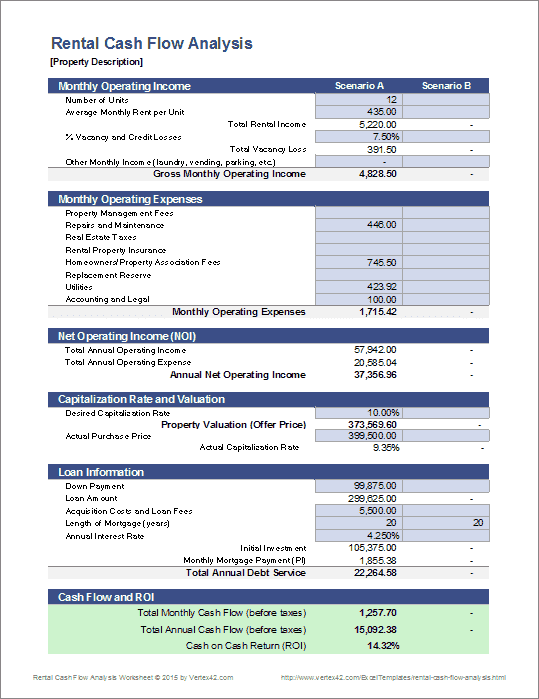
Caption: U.S. land investing courses teach students how to run comps using sold data, active listings, and valuation models for accurate market pricing
How do land investing courses teach U.S. beginners to choose the right counties for consistent deal flow?
Choosing the right counties is taught through analyzing pricing trends, sales velocity, zoning flexibility, and buyer demand. Courses show U.S. beginners how these indicators reveal counties where land sells consistently and profitable opportunities appear more reliably.
Land investing courses emphasize that county selection determines whether deals come easily or remain difficult. Students learn to review county sales history, median pricing, and transaction patterns through assessor records and GIS sales layers. They examine buyer interest across platforms like Facebook Marketplace, Zillow, and LandWatch to understand where inquiries are strongest. Courses teach how zoning friendliness, tax structures, and rural development patterns influence long-term profitability. Students also learn to evaluate population growth, migration trends, and recreational demand to identify regions with sustained buying activity. By using this structured framework, beginners select counties that produce predictable deal flow rather than random or inconsistent results.
How do beginners learn to analyze market liquidity and sales velocity across U.S. counties?
Market liquidity and sales velocity are evaluated by comparing days on market, transaction counts, and seasonal demand trends. These metrics show beginners which counties offer faster turnover and stronger resale potential.
Courses teach students to compare sales records, analyze listing durations, and track buyer engagement across multiple land marketplaces. They learn how to spot counties with steady year-round demand versus counties with seasonal or inconsistent activity. Instructors demonstrate how stagnant markets, slow turnover, or declining activity signal poor county choices. Students apply these insights to select counties where deals close predictably and quickly.
How do courses teach students to identify counties with strong buyer demand?
Buyer demand is identified by measuring listing engagement, inquiry volume, search activity, and platform traffic. This helps beginners focus on counties where buyers consistently seek land.
Students learn to review platform analytics, message activity, and saved-search trends on Zillow, LandWatch, and Facebook Marketplace. Courses highlight counties with active recreational buyers, homesteaders, RV users, and small-acreage investors. They study migration trends, retirement patterns, and local development projects to find emerging high-demand regions. These methods help beginners choose counties where listings generate immediate interest.
How do beginners learn to avoid counties with low activity or unfavorable regulations?
Beginners avoid weak counties by reviewing zoning restrictions, complex regulations, long days on market, and poor demand indicators. These filters prevent investors from choosing counties that limit profitability.
Courses teach how strict zoning codes, large minimum lot sizes, environmental overlays, and heavy permit requirements slow deals. Students learn to analyze tax delinquency patterns, stagnant pricing, and restricted land uses as warning signs. By recognizing these red flags early, beginners avoid difficult or slow-moving counties.
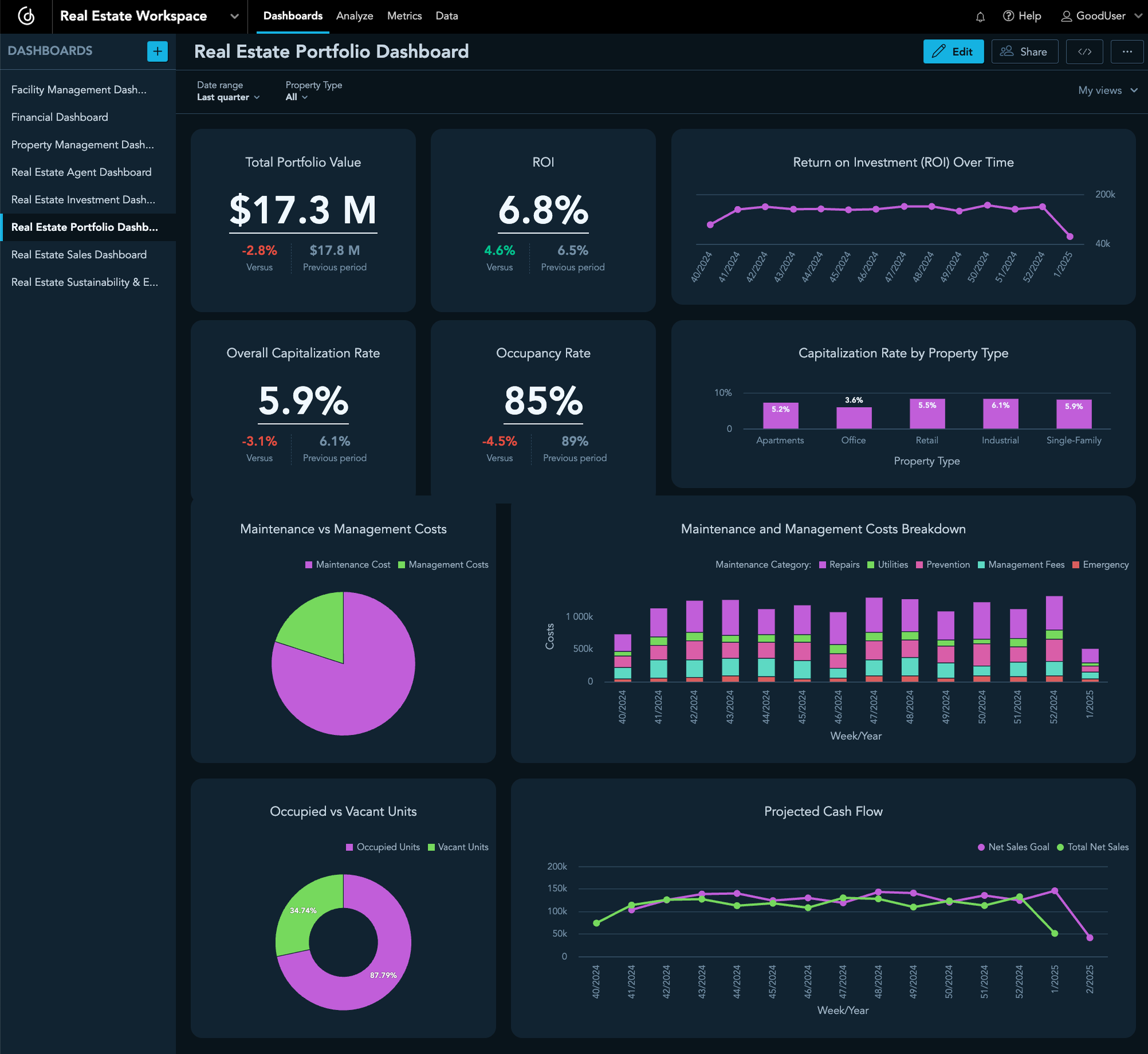
Caption: Selecting the right counties involves analyzing sales patterns, buyer demand, and zoning friendliness across U.S. markets.
How do land investing courses teach U.S. beginners to use scripts, templates, and systems to communicate professionally with sellers?
Land investing courses teach beginners to use scripts, templates, and structured communication systems that guide conversations, reduce errors, and build confidence. These tools help U.S. investors communicate clearly, handle objections, and move sellers smoothly toward decisions.
Professional communication is a foundational skill because land deals often hinge on trust, clarity, and confidence. Courses teach beginners to use phone scripts, email templates, and text workflows that standardize communication. Beginners learn to structure conversations using proven discovery questions that reveal seller motivation, property details, and negotiation leverage. Courses also teach tone control, rapport-building techniques, and sequencing methods for follow-up. Students learn to manage communication inside CRMs so conversations are tracked and organized. This disciplined approach helps beginners sound experienced even during their first deals.
How do beginners learn to follow structured phone scripts for effective seller conversations?
Beginners use phone scripts to stay organized, avoid missing important questions, and maintain confidence throughout the conversation. Scripts guide the flow from introduction to discovery to next steps.
Courses provide prewritten scripts that beginners practice through examples and breakdowns. They learn how to adjust their tone, pace, and phrasing to match seller behavior. Instructors show how structured openings, targeted questions, and clear transitions reduce confusion and build trust. By mastering scripts, beginners close more conversations successfully and gain momentum quickly.
How do courses teach students to manage objections and price resistance professionally?
Students learn objection handling by using simple response frameworks that acknowledge concerns, provide clarity, and redirect the conversation. These techniques help U.S. beginners stay calm and persuasive.
Courses teach how to respond to resistance such as “I want more money,” “I’m not sure,” or “I need time.” Students learn techniques like restating logic, asking clarifying questions, and using data to justify pricing. They practice maintaining a confident, empathetic tone even when sellers push back. This approach strengthens negotiation outcomes and builds credibility.
How do beginners learn to use templates for emails, texts, and follow-up sequences?
Templates help beginners communicate professionally, stay consistent, and avoid writing messages from scratch. Courses provide templates for inquiries, follow-ups, offer summaries, and next-step coordination.
Students learn how to personalize templates slightly while maintaining a professional tone. They discover how automated follow-up sequences in CRMs increase reply rates and keep sellers engaged. Instructors show how template-based communication reduces errors, speeds response time, and improves overall efficiency.
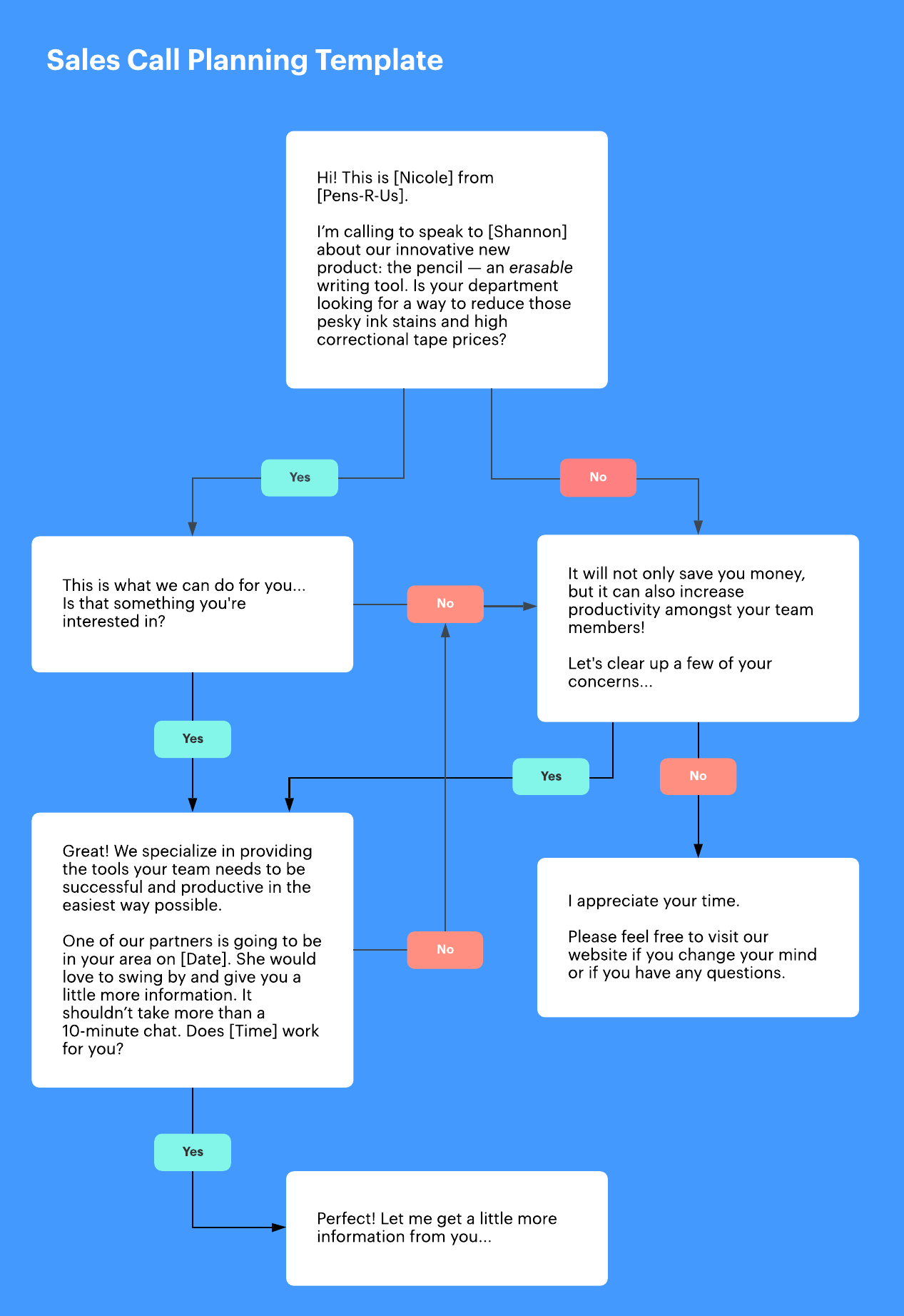
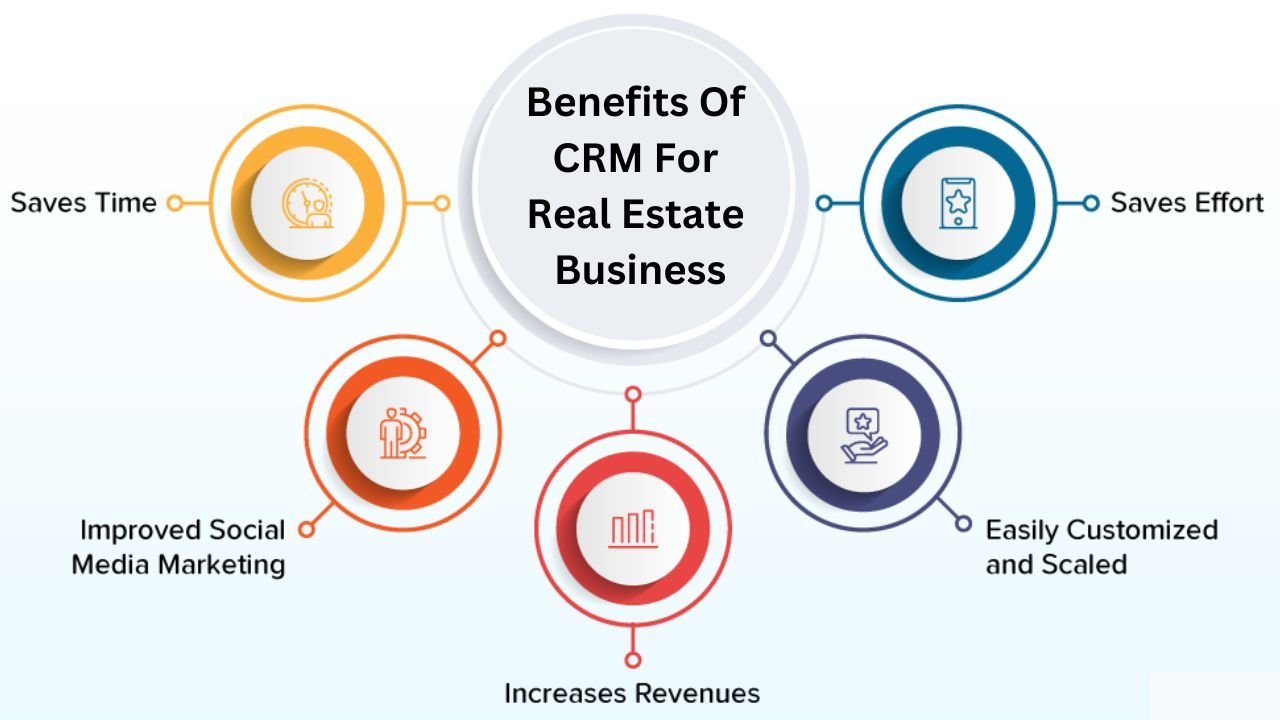
Caption: Scripts, templates, and structured communication systems help beginners manage seller conversations with confidence and clarity.
How do land investing courses teach U.S. beginners to analyze buyer personas and understand who purchases land?
Understanding buyer personas is taught by reviewing demographics, purchasing behavior, intended land uses, and regional trends. Courses help U.S. beginners identify who buys land, what they’re seeking, and how to tailor listings to attract the strongest demand.
Courses emphasize that successful land sales depend on matching a parcel to the right buyer. Students learn how recreational buyers, homesteaders, off-grid seekers, investors, builders, and retirees each value different parcel attributes. They analyze platform behavior—such as inquiries, comments, and saved listings—to understand what motivates buyers in various counties. Courses also discuss how zoning, acreage size, terrain, utilities, and road access align with specific buyer types. Beginners learn to categorize buyers by goals, price range, financing preferences, and lifestyle priorities. By mastering buyer personas, investors craft better marketing language, set realistic pricing, and select properties that match real U.S. market demand.
How do beginners learn to identify the primary buyer types in different U.S. land markets?
Beginners identify buyer types by reviewing demographic data, listing engagement, and historical sales patterns. This helps them understand who dominates each county’s demand and what features those buyers value most.
Courses teach students to analyze land platforms to see whether counties attract homesteaders, recreational campers, RV owners, tiny-home enthusiasts, or investors. They compare inquiries, comments, and saved listings across platforms to observe patterns. Students also evaluate what types of parcels sell fastest—flat acreage, wooded lots, infill lots, or rural retreats. By identifying dominant buyer personas, beginners choose counties that align with their desired acquisition strategy.
How do courses teach students to match land features with buyer motivations?
Students match land features to buyer motivations by studying how zoning, access, terrain, and utilities influence each buyer’s goals. This alignment helps listings convert more consistently.
Courses teach the motivations behind each persona—campers prioritize privacy, homesteaders want utilities, RV users need lenient zoning, and investors seek low-maintenance land. Students analyze how price ranges, permitted uses, and county rules either attract or repel each buyer type. With this clarity, beginners tailor their acquisitions and marketing to fit the strongest buyer group in each county.
How do beginners learn to create listings designed specifically for each buyer persona?
Beginners create persona-specific listings by adjusting language, visuals, feature emphasis, and financing terms to match the needs of their ideal buyer. This increases inquiries and accelerates sales.
Courses teach students to write listing descriptions that speak directly to buyer priorities, such as privacy, recreation, flexibility, or development potential. They learn how to select photos, maps, and captions that showcase features each persona values. Instructors show how financing terms, acreage ranges, and call-to-action wording vary based on buyer type. This targeted approach dramatically improves listing performance.


Caption: Courses teach beginners to understand U.S. land buyer personas so they can tailor listings for stronger demand.
How do land investing courses teach U.S. beginners to use GIS tools, parcel maps, and digital overlays effectively?
GIS tools and parcel maps are taught through guided tutorials that show beginners how to review boundaries, zoning layers, access points, and environmental conditions. These tools help U.S. investors analyze land accurately without relying on physical site visits.
Courses teach students to navigate county GIS portals, toggle zoning overlays, and analyze parcel lines using satellite imagery. Beginners learn how to identify terrain shifts, drainage patterns, nearby land uses, and easements that could affect value. They also use digital overlays to combine flood zones, wetlands, utility infrastructure, and elevation profiles into a single view. GIS training gives new investors a detailed understanding of any parcel from their computer. Courses emphasize that mastering GIS allows beginners to evaluate more deals, avoid hidden risks, and make faster decisions.
How do beginners learn to interpret parcel boundaries and confirm property shapes using GIS maps?
Beginners interpret boundaries by reviewing parcel outlines, measurement tools, and shape analysis to confirm lot usability. This helps them avoid oddly shaped or fragmented parcels with limited functionality.
Courses teach how to trace boundary lines, verify frontage, and check for interior cutouts. Students learn how irregular shapes affect building placement, driveway potential, and resale interest. They compare shape efficiency across multiple listings to understand which land geometries sell best. This skill helps beginners evaluate parcels more confidently.
How do courses teach students to combine zoning, flood, and wetland overlays for deeper analysis?
Students combine overlays by layering zoning codes, FEMA maps, and wetland indicators to identify risks and limitations before making an offer. This creates a complete picture of property usability.
Courses demonstrate how different overlays interact—for example, an agricultural zone inside a floodplain or a rural parcel overlapped by wetlands. Students learn to interpret conflicts and adjust valuations accordingly. This multi-layer analysis prevents beginners from buying unsuitable or restricted parcels.
How do beginners learn to evaluate nearby land uses and future development using GIS tools?
Beginners evaluate nearby land uses by reviewing zoning maps, subdivision patterns, and infrastructure layers to predict future development potential. This helps them understand how neighborhoods evolve.
Courses show how to spot future housing areas, recreational zones, industrial corridors, and conservation regions. Students learn how to interpret distance to utilities, road expansions, and commercial development. Understanding surrounding land helps investors select parcels with stronger long-term potential.
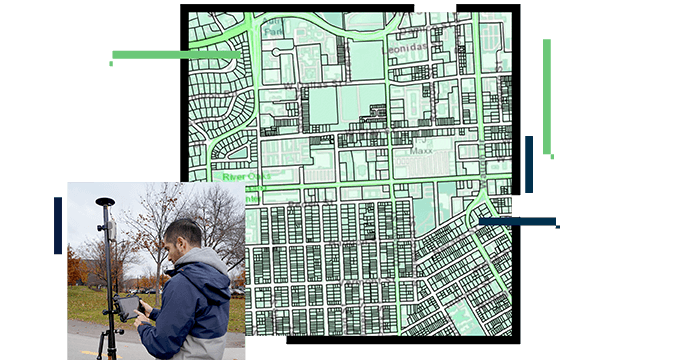
Caption: GIS tools help beginners evaluate zoning, terrain, access, and environmental overlays from their computer.
How do land investing courses teach U.S. beginners to evaluate the resale potential of different parcel types?
Resale potential is taught by analyzing parcel characteristics, buyer preferences, demand levels, and historical sales patterns. Courses help U.S. beginners identify which parcels sell quickly, which require deeper marketing, and which should be avoided entirely.
Courses explain how parcel attributes—access, zoning, acreage, terrain, utilities, and location—affect resale demand. Students learn how to study historical data to compare resale performance across infill lots, rural acreage, recreational parcels, and off-grid land. Instructors highlight how certain parcel types attract consistent buyer traffic and financing interest, while others require niche marketing. Beginners evaluate how buyer personas interact with parcel features to determine how fast a property might sell. By mastering resale analysis, new investors avoid slow-moving deals and prioritize inventory with strong liquidity.
How do beginners learn which parcel types sell fastest in different U.S. regions?
Beginners learn which parcels sell fastest by comparing platform engagement, days on market, and historical sales. This helps them pick inventory that matches real demand.
Courses explain regional patterns—for example, recreational land sells quickly in the Southwest, infill lots in growing towns, and homestead acreage in the Southeast. Students examine buyer inquiries, zoning flexibility, and county trends to identify top-performing parcel types. This ensures beginners choose land with predictable turnover.
How do courses teach students to identify slow-moving or risky parcel types?
Students identify risky parcels by analyzing steep terrain, poor access, restrictive zoning, environmental overlays, or extremely niche use cases. These factors slow sales or reduce buyer interest.
Courses provide red-flag lists and case studies showing why certain parcels require significant price reductions or extended marketing campaigns. Students learn how to run risk adjustments and demand checks before purchasing. This reduces capital lockup and resale issues.
How do beginners learn to compare resale potential using data from marketplace platforms?
Beginners compare resale potential by reviewing saved listings, message volume, price spreads, and listing age across marketplaces. These indicators reveal real buyer behavior.
Courses show how to use Zillow, LandWatch, LandFlip, and Facebook metrics to analyze popularity and turnover. Students learn how financing terms, listing quality, and seasonal patterns affect engagement. These insights help them choose parcels with stronger resale momentum.
How do land investing courses teach U.S. beginners to evaluate access, easements, and right-of-way issues before buying land?
Courses teach beginners to evaluate access by reviewing legal ingress, physical road conditions, easement records, and county right-of-way definitions. Understanding these elements helps U.S. investors avoid parcels with hidden access problems that slow resale or require expensive solutions.
Access evaluation is one of the most critical due-diligence steps because a parcel with unclear or restricted ingress can dramatically limit its value. Courses show students how to check county GIS maps, assessor notes, and survey documents to confirm whether access is public, private, or implied. They study road types—dirt, gravel, seasonal, maintained, unmaintained—and learn how these variations affect buyer interest. Instructors explain how easements affect road use, utilities, and future improvements. Students also review case studies where unclear access caused delays, price reductions, or legal complications. By mastering access evaluation, beginners avoid problematic parcels and choose land with strong resale potential.
How do beginners learn to check for legal versus physical access?
Beginners learn to distinguish legal and physical access by reviewing county road classifications, parcel maps, and assessor notes. Legal access determines rights, while physical access determines usability.
Courses show how a road may appear drivable but legally private, or legally public but physically impassable. Students compare GIS layers, road maintenance status, and property descriptions to confirm both forms of access. Understanding the difference protects investors from accidentally buying isolated parcels with limited rights.
How do courses teach students to interpret easement documents?
Students interpret easements by reviewing recorded documents to understand allowed uses, width, location, and responsibilities. This helps them avoid conflicts with neighboring properties.
Courses teach how access, utility, drainage, and shared-driveway easements work. Students learn where easements typically appear on surveys and how they affect improvements and resale. They study examples of problematic easements that limit use, increase liability, or restrict development.
How do beginners learn to identify right-of-way issues and county road rules?
Beginners identify right-of-way issues by reviewing county road standards and understanding ownership boundaries along public roads. This ensures they avoid parcels with disputed frontage.
Courses teach students how right-of-way widths vary by county and how they affect fencing, building placement, and driveway permits. Students learn how to verify whether a parcel fronts a public road, shares a boundary, or requires an approach permit. These insights reduce costly surprises.
How do land investing courses teach U.S. beginners to evaluate utilities, water access, and off-grid feasibility?
Courses teach beginners to evaluate utilities by analyzing water options, power availability, septic feasibility, and off-grid alternatives. These factors strongly influence pricing, buyer demand, and long-term usability in U.S. land markets.
Utility analysis determines whether a parcel appeals to homesteaders, recreational buyers, tiny-home owners, or off-grid enthusiasts. Courses show students how to evaluate electric line proximity, well depths, municipal water access, and cable or cellular coverage. They learn how septic feasibility, soil types, and percolation potential affect long-term value. Instructors explain when off-grid solutions—solar, generators, compost toilets—make a parcel more attractive and when they reduce the buyer pool. Students review examples of parcels priced incorrectly because sellers misunderstood utility limitations. By mastering utility evaluation, beginners make better acquisition decisions aligned with specific buyer personas.
How do beginners learn to assess water options and feasibility?
Beginners assess water feasibility by reviewing well depths, municipal water maps, hydrology reports, and local drill logs. This helps them match water availability to the needs of buyers.
Courses teach how drought zones, groundwater basins, and historical well performance affect parcel usability. Students learn to check county records for water district service boundaries and understand cost variations for drilling. These insights help them price parcels accurately.
How do courses teach students to analyze power availability and electric-line proximity?
Students analyze power availability by reviewing utility company maps, line proximity, and extension costs. This helps buyers understand development potential.
Courses provide tools for estimating power pole distances, extension fees, and grid capacity. Students learn how EV charging trends, off-grid alternatives, and solar potential influence buyer interest. By evaluating these factors, investors choose parcels with realistic power expectations.
How do beginners learn to determine septic feasibility and soil suitability?
Beginners determine septic feasibility by reviewing soil maps, percolation test requirements, and county health-department standards. This ensures they avoid land unsuitable for waste systems.
Courses teach how soil type, slope, and groundwater levels influence septic placement. Students learn how to interpret restrictive areas, mound-system requirements, and engineered-system costs. Understanding these constraints helps price parcels accurately and avoid buyer disputes.
How do land investing courses teach U.S. beginners to analyze terrain, slopes, and elevation changes using digital tools?
Courses teach beginners to analyze terrain by using digital elevation models, slope maps, contour lines, and 3D visualization tools. Understanding terrain helps investors assess usability, building potential, and resale value.
Terrain is one of the most important physical features influencing a parcel’s attractiveness. Courses teach students how to compare flat land, gently rolling hills, steep slopes, and irregular topography across U.S. regions. They learn how slope percentages influence driveway feasibility, structure placement, and clearing costs. Instructors demonstrate how elevation changes affect drainage and construction. Students also study market preferences—such as flat lots for homesteaders or elevated lots for recreational buyers. By mastering terrain analysis, beginners avoid unusable parcels and select land with strong buyer appeal.
How do beginners learn to read contour lines and interpret slope gradients?
Beginners read contour lines by analyzing elevation intervals, spacing, and directional flow. This helps them understand buildability and movement across the land.
Courses teach how tight contour lines indicate steep slopes, while wide intervals show flat terrain. Students learn to calculate gradient percentages and interpret elevation profiles. This skill helps them determine whether a parcel suits cabins, RVs, or homesteads.
How do courses teach students to identify terrain-related risks such as erosion or runoff issues?
Students identify terrain risks by reviewing water-flow patterns, drainage basins, and erosion zones. This helps them avoid problematic parcels.
Courses demonstrate how slopes influence runoff and how poor grading leads to erosion. Students learn how soil types, vegetation, and elevation shifts contribute to risk. These insights help them identify parcels requiring mitigation or adjustments.
How do beginners learn to use 3D tools for visualizing elevation changes and land shape?
Beginners use 3D tools to simulate terrain shape, highlight slopes, and visualize potential improvements. This provides a clearer understanding of land usability.
Courses teach how to export elevation datasets into 3D viewers and how shading, tilt, and rotation reveal real-world terrain behavior. Students learn how 3D analysis helps buyers understand views, access, and development feasibility. This capability strengthens valuation accuracy.
How do land investing courses teach U.S. beginners to verify flood zones, wetlands, and environmental restrictions?
Courses teach beginners to verify environmental risks using FEMA maps, wetland inventories, soil surveys, and county environmental overlays. Understanding these factors helps U.S. investors avoid land with severe restrictions, high development costs, or resale challenges.
Environmental due diligence is essential because flood zones, wetlands, and ecological protections can dramatically limit a parcel’s use and market value. Courses teach students how to navigate FEMA Flood Map Service Center data to determine risk categories, elevation, and insurance requirements. They learn how to check the National Wetlands Inventory for marshes, swamps, and riparian corridors that restrict building. Instructors walk beginners through soil reports, endangered species zones, and protected habitat overlays. Students analyze how environmental layers impact septic feasibility, road access, and buyer demand. By mastering these checks, beginners avoid environmentally constrained land that appears cheap but creates long-term problems.
How do beginners learn to interpret FEMA flood classifications properly?
Beginners interpret FEMA maps by comparing zone codes, flood elevations, and projected water movement across the parcel. This gives them clarity on flood insurance, building costs, and marketability.
Courses teach how Zone A, AE, AO, AH, and X categories differ in terms of risk and insurance requirements. Students learn to evaluate base flood elevation relative to parcel contours and how floodways affect development prohibitions. Understanding these classifications helps them price risk accurately.
How do courses teach students to check for wetlands using official inventories?
Students check wetlands by reviewing the National Wetlands Inventory, soil hydrology reports, and historical satellite imagery. This helps them identify protected or saturated lands.
Courses demonstrate how wetland areas affect building, driving, cost of improvement, and required mitigation permits. Students learn to verify whether wetlands are seasonal, partial, or full-coverage before buying. This prevents costly surprises during resale.
How do beginners learn to identify restricted environmental zones?
Beginners identify restricted zones by reviewing county GIS layers, conservation easements, endangered-species maps, and watershed boundaries. This ensures they avoid parcels with significant regulatory oversight.
Courses teach how federal and county overlays interact, how to read habitat preservation maps, and when parcels require environmental review. These checks help investors select land with fewer regulatory barriers.
How do land investing courses teach U.S. beginners to analyze county tax structures and understand their impact on returns?
Courses teach beginners to analyze county taxes by reviewing mill rates, delinquency trends, reassessment cycles, and special district fees. Understanding these elements helps U.S. investors predict holding costs and calculate realistic profit margins.
Tax structure plays a major role in short-term flips and long-term financing deals. Courses teach students how to read county tax bills, calculate annual liabilities, and identify patterns in reassessment frequency. They analyze how school districts, fire districts, and utility districts add layered charges. Instructors show how high delinquency counties signal economic instability but can also indicate undervalued opportunities. Students learn how to avoid counties with aggressive reassessment policies or high non-homestead tax premiums. By mastering tax analysis, beginners price their offers with realistic cost expectations.
How do beginners evaluate mill rates and annual tax burdens?
Beginners evaluate mill rates by estimating how assessed value multiplies into annual property taxes. This helps them predict holding expenses accurately.
Courses teach how millage varies between rural, suburban, and fast-growth counties. Students learn to project future increases, compare similar parcels, and estimate long-term carry costs. This informs both offers and financing terms.
How do courses teach students to analyze delinquency rates and economic signals?
Students analyze delinquency rates by studying how often property owners fall behind on taxes. High delinquency may signal market weakness or undervalued parcels.
Courses explain how to interpret patterns—whether high delinquency is due to economic decline, strict zoning, or land with limited utility. Students learn to use this data to spot investment opportunities or avoid soft markets.
How do beginners learn to identify hidden district fees and assessments?
Beginners identify fees by reviewing county tax sheets, special district maps, and utility authority disclosures. This helps avoid unexpected recurring expenses.
Courses teach how municipal utility districts, fire districts, and rural water authorities add charges that increase annual taxes. Students learn how to incorporate these fees into their valuation models.
How do land investing courses teach U.S. beginners to evaluate market cycles and predict ideal times to buy or sell?
Courses teach beginners to evaluate market cycles by analyzing sales velocity, inventory levels, economic indicators, and seasonal demand. This helps U.S. investors time their acquisitions and sales to maximize returns.
Understanding cycles is essential because land markets respond to interest rates, migration trends, construction activity, and macroeconomic shifts. Courses show students how to interpret inventory data, track median price trends, and monitor local development. They evaluate how seasonal patterns influence buyer engagement—especially in northern, desert, and recreational markets. Students learn to identify buying opportunities during slow cycles and peak sales windows during high-demand seasons. By mastering cycle analysis, beginners build more predictable profit strategies.
How do beginners learn to read supply-and-demand signals in land markets?
Beginners read supply-and-demand signals by tracking listings, days on market, price reductions, and platform engagement. This reveals when markets are tightening or cooling.
Courses teach students how to compare monthly inventory shifts and interpret pricing patterns over time. They learn to identify early indicators of demand surges or downturns. These insights guide acquisition timing.
How do courses teach students to evaluate economic indicators that affect land demand?
Students evaluate indicators like interest rates, migration trends, employment changes, and regional development. These factors influence long-term land value.
Courses show how economic booms drive land demand and how recessions create buying opportunities. Students learn to correlate local economic data with land market performance.
How do beginners learn to understand seasonal cycles in different U.S. regions?
Beginners understand seasonal cycles by comparing buyer activity across climates, recreational zones, and snow-influenced states.
Courses explain how desert regions peak in winter, northern states peak in spring, and recreational zones peak before summer. Recognizing these cycles helps investors schedule ideal listing periods.
How do land investing courses teach U.S. beginners to estimate holding costs, transaction fees, and total deal expenses?
Courses teach beginners to estimate costs by breaking down taxes, due diligence, marketing, title fees, recording charges, and optional upgrades. This helps U.S. investors calculate true profitability before committing to a deal.
Accurate cost forecasting prevents overpaying and ensures predictable margins. Courses walk students through tax schedules, closing fees, and optional expenses like surveys or perk tests. They learn how marketing, financing fees, payment processing, and listings add recurring costs. Instructors show how to build spreadsheets that calculate offer-price thresholds, expected resale value, and net profit after all expenses. Students analyze examples of underestimated expenses that eroded margins. By mastering cost modeling, beginners make smarter acquisition decisions.
How do beginners learn to project holding costs accurately?
Beginners project holding costs by estimating taxes, interest (if financed), insurance (when applicable), and marketing charges. This gives them clear cost expectations during ownership.
Courses teach students how to factor in seasonal taxes, potential maintenance, or utility minimums. They analyze regional tax differences to predict varying cost structures.
How do courses teach students to calculate closing costs and transaction fees?
Students calculate transaction fees by reviewing title company quotes, recording fees, deed preparation, and notary charges. This ensures accurate net-profit calculations.
Courses explain how closing structures differ for cash deals, self-closing deals, and title-closing deals. Students learn to request quotes, compare providers, and model costs for different scenarios.
How do beginners learn to prepare full expense spreadsheets for each deal?
Beginners prepare spreadsheets using standardized templates that estimate acquisition cost, improvement cost, holding cost, and sale cost. This supports data-driven decision-making.
Courses teach how to incorporate offer-price limits, cash flow projections, and profit thresholds. Students learn how to test various assumptions to avoid unprofitable deals.
How do land investing courses teach U.S. beginners to estimate resale timelines and predict how long a parcel may take to sell?
Courses teach beginners to estimate timelines using days-on-market data, inquiry volume, platform engagement, and historical resale patterns. These insights help U.S. investors forecast when capital will return and how to structure financing.
Timeline prediction is critical for cash-flow planning and business stability. Courses show students how to evaluate platform metrics, listing age, and pricing competitiveness across similar parcels. Students compare historical sales windows across counties, terrain types, and zoning categories. Courses also explain how financing terms, listing quality, and improvements influence speed of sale. Beginners analyze buyer activity trends throughout the year to refine their expectations. With this skill, investors make realistic projections about holding time and profit timing.
How do beginners measure average days on market for similar parcels?
Beginners measure average DOM by reviewing listing data on Zillow, LandWatch, and LandFlip. This helps them set expectations for resale speed.
Courses teach students to compare similar acreage, zoning, and price tiers. They learn how to filter out stale or mispriced listings that distort market timelines.
How do courses teach students to assess buyer engagement to estimate timeline?
Students assess buyer engagement by analyzing message counts, saved listings, view metrics, and inquiry patterns. These behaviors indicate how fast a parcel may attract offers.
Courses show how to interpret engagement spikes, interest drop-offs, and typical response patterns. Students learn to adjust pricing or marketing when engagement is weak.
How do beginners learn to analyze seasonal trends that affect resale timing?
Beginners analyze seasonal trends by studying platform traffic and buyer behavior across months and regions. This improves timeline predictions.
Courses teach how winter slows northern sales but accelerates southern and desert markets. Students integrate these cycles into pricing and listing strategies.
How do land investing courses teach U.S. beginners to analyze seller motivation and determine negotiation leverage?
Courses teach beginners to analyze seller motivation by reviewing property history, communication patterns, pricing signals, and urgency indicators. Understanding these elements helps U.S. investors negotiate effectively and structure offers aligned with the seller’s emotional and financial priorities.
Motivated sellers drive faster deals and better margins, so courses teach students how to interpret signs of urgency—such as unpaid taxes, inherited property, long-term inactive ownership, or repeated price drops. Students learn to read communication tone, response speed, and openness to creative terms. Courses also explain how personal circumstances influence negotiation, including relocation, estate liquidation, or lack of property use. By mastering these assessments, beginners determine when to make stronger offers, when to negotiate firmly, and when to walk away.
How do beginners learn to evaluate property history for motivation clues?
Beginners evaluate ownership history, unpaid taxes, length of ownership, and prior listings to identify motivation. These clues reveal a seller’s likelihood to negotiate.
Courses show how to analyze assessor records, probate patterns, and inheritance transfers. Students learn how long-term absentee owners or tax-delinquent properties often indicate stronger negotiation leverage.
How do courses teach students to read emotional or situational urgency?
Students recognize urgency by observing communication speed, willingness to share details, and openness to price discussions.
Courses explain how fired-up sellers, overwhelmed heirs, or owners tired of carrying costs show increased flexibility. Recognizing this helps investors tailor their negotiation tone and timing.
How do beginners learn to identify pricing signals that reveal negotiation room?
Beginners evaluate repeated price drops, expired listings, and mismatched comps to identify opportunities.
Courses analyze data from land platforms to show how unrealistic pricing, long listing durations, and soft engagement indirectly signal motivation. This helps beginners negotiate from strength.
How do land investing courses teach U.S. beginners to evaluate comparable listings and avoid overpaying?
Courses teach beginners to evaluate comparable listings by assessing acreage, access, zoning, terrain, and pricing patterns. This prevents U.S. investors from overpaying and ensures competitive offer strategies based on real market behavior.
Comps show whether a parcel is fairly priced or inflated. Courses guide students as they compare listing quality, buyer engagement, and DOM patterns. They study how to identify outliers and filter unrealistic listings that distort expectations. Courses emphasize using sold comps as anchors and active listings as competitive context. Students examine photos, descriptions, price tiers, and financing terms to understand why certain listings attract interest while others stagnate. Mastering comps helps avoid costly mistakes.
How do beginners learn to filter out misleading or stale comps?
Beginners filter comps by checking listing age, engagement levels, and pricing trends. This ensures they rely on realistic data.
Courses teach students to exclude inactive listings, overpriced parcels, and outdated posts that no longer reflect market demand. This improves valuation accuracy.
How do courses teach students to adjust comps for differences in land features?
Students adjust comps by modifying values for utilities, terrain, zoning, and road access.
Courses provide adjustment tables showing how to factor in slopes, easements, improvements, and frontage differences. This creates more accurate valuation models.
How do beginners learn to combine sold comps with active listings?
Beginners create blended valuation models that balance historical reality with present competition.
Courses show how sold comps set baseline value while active listings define price expectations. Students learn to prioritize sold data but integrate active listings when crafting offers.
How do land investing courses teach U.S. beginners to analyze marketing angles and positioning for faster sales?
Courses teach beginners to analyze marketing angles by studying buyer personas, parcel features, and competitive listings. This helps U.S. investors position their land more attractively and generate stronger inquiries.
Courses explain that every parcel has a dominant angle—such as homesteading, recreation, privacy, off-grid living, or investment. Students learn to highlight these angles through listing copy, photos, maps, and call-to-action wording. They assess competitors to identify gaps and unique selling points. Courses also teach how financing terms and bonuses influence engagement. By mastering positioning, beginners create listings that stand out and convert faster.
How do beginners learn to identify the strongest angle for each parcel?
Beginners match parcel features with buyer motivations to choose the right angle.
Courses analyze terrain, zoning, access, and county demand to determine whether a parcel fits homesteaders, campers, investors, or RV users. This helps students craft targeted marketing.
How do courses teach students to evaluate competitive positioning?
Students evaluate competitors by comparing listing quality, pricing, and feature emphasis.
Courses show how to identify which angles top sellers use and whether buyers respond. This reveals gaps to exploit for differentiation.
How do beginners learn to craft listings that maximize the chosen angle?
Beginners tailor descriptions, headlines, photos, and benefits to support the dominant theme.
Courses teach how to write persona-specific language and organize visuals to highlight value drivers. This strengthens listing performance.
How do land investing courses teach U.S. beginners to estimate improvement costs such as clearing, grading, or driveway installation?
Courses teach beginners to estimate improvement costs by analyzing terrain, contractor quotes, local labor pricing, and material requirements. These calculations help U.S. investors avoid overpaying and support accurate resale pricing.
Even small improvements influence buyer perception and final value. Courses show students how to measure acreage coverage, slope severity, soil conditions, and access needs before estimating costs. They learn typical price ranges for clearing, grading, trenching, driveway installation, and culvert placement. Students also analyze the impact of improvements on marketability and resale speed. By mastering cost estimation, beginners avoid buying land that requires excessive investment.
How do beginners learn to calculate clearing and grading costs?
Beginners calculate clearing costs by estimating vegetation density, tree size, and acreage coverage.
Courses teach how soil type, slope, and machinery requirements influence pricing. Students review contractor quotes and regional cost differences to build realistic estimates.
How do courses teach students to evaluate driveway and access improvement costs?
Students evaluate driveway costs by analyzing distance, slope, drainage, and county requirements.
Courses provide case studies showing how gravel, crushed rock, or engineered driveways vary in cost. Students also learn when culverts are required and how much they cost.
How do beginners learn to estimate small improvements that increase resale value?
Beginners estimate improvements like gate installation, light clearing, signage, and basic parcel staging.
Courses teach them which enhancements create buyer appeal and which fail to justify the expense. This helps maximize ROI.
How do land investing courses teach U.S. beginners to evaluate title history, liens, and ownership complications?
Courses teach beginners to evaluate title history by reviewing chain-of-title reports, lien searches, and ownership records. This protects U.S. investors from buying parcels with legal issues or unclear ownership.
Title clarity determines whether a parcel can be transferred smoothly and sold again without complications. Courses teach students how to interpret deeds, probate records, missing heirs, liens, and encumbrances. They learn to spot warning signs like unreleased mortgages, incorrect legal descriptions, and disputes among family members. Students also study when to use title companies and when self-closing is appropriate. Understanding title risk prevents costly mistakes.
How do beginners learn to interpret different deed types?
Beginners study warranty, special warranty, quitclaim, and tax deeds to understand protection levels.
Courses teach what each deed guarantees and which situations require caution. Students learn how deed type affects future marketability.
How do courses teach students to identify liens and encumbrances?
Students identify liens by reviewing county records, title searches, and judgment filings.
Courses teach how to differentiate voluntary, involuntary, and municipal liens. Recognizing these early helps avoid unexpected payoff requirements.
How do beginners learn to analyze chain-of-title clarity?
Beginners analyze chain-of-title by checking ownership continuity and identifying gaps or inconsistencies.
Courses teach how missing signatures, transfers, or heirs create risk. Students learn when to escalate issues to a title company for resolution.
How do land investing courses teach U.S. beginners to choose between cash closings, title closings, and self-closing workflows?
Courses teach beginners to choose closing methods by comparing risk, speed, cost, and deal complexity. This helps U.S. investors complete transactions safely and efficiently based on each parcel’s situation.
Closing structure affects timeline, liability, and buyer confidence. Courses show when cash closings offer speed, when title closings provide protection, and when self-closing is appropriate for simple, low-value parcels. Students learn about notarization rules, deed templates, county recording processes, and fraud prevention. They analyze case studies showing how closing mistakes lead to disputes or delays. By mastering workflows, beginners streamline operations and minimize risk.
How do beginners learn the benefits and risks of cash closings?
Beginners learn that cash closings are fast but offer limited protection.
Courses teach when cash closings are appropriate—mostly for simple, inexpensive parcels with clean history. Students evaluate risk tolerance, speed needs, and verification steps.
How do courses teach students to understand title-company closings?
Students learn that title closings offer higher protection at a higher cost.
Courses explain how title insurance, escrow services, and professional oversight reduce risk. Students learn when title involvement is mandatory due to liens, disputes, or unclear history.
How do beginners learn to perform self-closings safely?
Beginners follow templates for contracts, deeds, disclosures, and recording documents.
Courses teach county-specific requirements, notarization steps, and fraud-prevention practices. This enables them to self-close low-risk deals confidently.
How do land investing courses teach U.S. beginners to structure seller financing deals for maximum affordability and profit?
Courses teach beginners to structure financing by determining down payments, interest rates, term lengths, and monthly payments that balance affordability with strong returns. Seller financing expands the buyer pool in U.S. land markets and accelerates sales.
Courses explain how financing attracts buyers who cannot purchase land upfront. Students learn how to calculate loan amortization, evaluate risk of default, and structure contract-for-deed agreements. They study how down payments reduce exposure and how interest rates increase profit margins. Students also learn how to set pricing for financed deals versus cash deals. By mastering financing structures, beginners build predictable recurring cashflow.
How do beginners learn to calculate payment plans that attract buyers?
Beginners calculate payments by balancing affordability with profitability.
Courses teach them to structure payments below local rent equivalents or comparable monthly obligations. Students learn how to compare payment schedules and test buyer reactions.
How do courses teach students to protect themselves in financing deals?
Students protect themselves using clear contracts, down payments, and late-fee policies.
Courses explain legal documentation, default procedures, escrowed deeds, and loan servicing. They study compliance rules to avoid regulatory risk.
How do beginners learn to evaluate when financing increases resale value?
Beginners analyze demand increases created by financing offers.
Courses teach how financing often doubles the buyer pool and accelerates sales. Students learn when to use it and when it may not justify the added management.
How do land investing courses teach U.S. beginners to create irresistible listings that outperform competitors?
Courses teach beginners to create superior listings by improving headlines, description structure, visuals, maps, and benefit-focused messaging. These methods help U.S. investors stand out on platforms crowded with generic or poorly written listings.
Students learn that powerful listings communicate clarity, benefits, and lifestyle appeal. Courses explain how to replace bland copy with engaging, persuasive language tailored to buyer personas. They learn to use high-quality photos, boundary-marked maps, and formatting strategies that increase readability. Courses also highlight the importance of calls-to-action, financing highlights, and problem-solving messaging. With these skills, beginners build listings that rise above the competition.
How do beginners learn to write compelling headlines that attract clicks?
Beginners write headlines using buyer-focused language and key parcel benefits. This increases click-through rates dramatically.
Courses teach them how to highlight access, privacy, zoning freedom, and financing options directly in the headline. Students study examples from top-performing listings to replicate proven patterns that drive engagement.
How do courses teach students to structure listing descriptions for clarity?
Students structure descriptions using short paragraphs, bullet points, and benefit-driven statements. This keeps buyers engaged.
Courses show how to layer features in a logical sequence: access, utilities, terrain, zoning, nearby amenities, and financing. This structure ensures buyers receive crucial information early.
How do beginners learn to choose visuals that boost buyer confidence?
Beginners select visuals that emphasize usability, boundaries, and access points. Clear visuals reduce buyer hesitancy.
Courses teach them how to combine satellite images, GIS outlines, labeled maps, and on-ground photos. Students learn which image arrangements create the strongest impression.
How do land investing courses teach U.S. beginners to manage negotiations confidently with both motivated and skeptical sellers?
Courses teach negotiation by training beginners to use scripts, logic-based arguments, and rapport-building methods. They learn to stay calm, address objections, and guide sellers toward decisions while maintaining professionalism.
Students are taught how negotiations follow predictable patterns based on seller motivation, property quality, and price expectations. Courses show how to position offers using data-backed valuation, emotional intelligence, and anchoring strategies. Beginners also learn how to handle aggressive, hesitant, or uncertain sellers with confidence.
How do beginners learn to use valuation data as negotiation leverage?
Beginners use valuation data by referencing comps, zoning limits, and access conditions. This supports fair pricing.
Courses teach how presenting facts reduces emotional tension and reframes the conversation around logic. Students practice using data to justify their offers.
How do courses teach students to stay calm under pressure?
Students stay calm by practicing tone control, pacing, and structured responses.
Courses demonstrate how calm communication defuses seller defensiveness and increases trust. They learn techniques that keep conversations productive even when sellers push back.
How do beginners learn to close conversations confidently?
Beginners close conversations by summarizing agreements and offering clear next steps.
Courses provide templates that guide closings without sounding forceful. Students learn how strong closes reduce confusion and move deals forward.
How do land investing courses teach U.S. beginners to determine when a parcel is overpriced or underpriced?
Courses teach beginners to determine pricing accuracy by comparing comps, analyzing listing quality, evaluating market trends, and identifying red flags. This allows U.S. investors to avoid poor deals and capitalize on undervalued opportunities.
Students learn how to benchmark parcels against active and sold listings, adjusting for terrain, access, zoning, and utilities. Courses teach how poor listing quality, incorrect zoning labels, or limited photos often indicate mispriced parcels. Beginners also study price-per-acre norms to identify anomalies.
How do beginners learn to evaluate price-per-acre patterns?
Beginners analyze price-per-acre variations across county zones and parcel types. This reveals pricing outliers.
Courses show how certain counties have predictable acreage bands, helping beginners detect inflated prices or undervalued land immediately.
How do courses teach students to evaluate listing quality as a pricing clue?
Students examine photo quality, description depth, and map completeness. Poor quality often signals underpricing.
Courses explain how weak listings repel buyers, giving investors a chance to secure undervalued parcels that others overlook.
How do beginners learn to spot red flags for inflated pricing?
Beginners look for misaligned comps, unrealistic claims, and poor access disclosure.
Courses teach how to test seller statements against zoning, GIS data, and market norms. This avoids paying more than a parcel is worth.
How do land investing courses teach U.S. beginners to evaluate local growth patterns and future development potential?
Courses teach beginners to evaluate growth by analyzing zoning expansions, infrastructure plans, school development, and migration patterns. These factors help U.S. investors identify counties poised for long-term appreciation.
Students learn to review comprehensive plans, county board agendas, highway expansions, and new utility developments. Courses emphasize interpreting early signals like new subdivisions, commercial anchors, and increased permit activity. Beginners combine these indicators with population trends to forecast future demand.
How do beginners learn to analyze infrastructure investments?
Beginners review planned highways, water-line extensions, and broadband deployment.
Courses teach how infrastructure unlocks land value by improving access and livability. Students learn to track these changes systematically.
How do courses teach students to identify early signs of community expansion?
Students study building permits, subdivision activity, and commercial growth.
Courses show how early-phase development signals rising demand. Students use these indicators to choose appreciating markets.
How do beginners learn to interpret migration and population trends?
Beginners analyze census data, internal migration flows, and demographic shifts.
Courses explain how inbound migration boosts land demand and how outbound migration weakens it. Students use these clues to choose counties wisely.
How do land investing courses teach U.S. beginners to determine a parcel’s highest and best use?
Courses teach beginners to determine highest and best use by analyzing zoning, terrain, utilities, access, and buyer demand. This ensures U.S. investors choose properties suited for profitable resale.
Students review zoning allowances, slope viability, building restrictions, and proximity to amenities. Courses show how recreational, agricultural, residential, and investment uses differ across counties. Beginners identify which use case maximizes demand and value.
How do beginners learn to analyze zoning restrictions?
Beginners evaluate allowed uses, setbacks, density limits, and special approvals.
Courses teach them how zoning shapes potential uses and resale value. This guides acquisition decisions.
How do courses teach students to evaluate parcel features for best use?
Students compare terrain, access, utilities, and environmental factors.
Courses demonstrate how certain features align better with recreation, homesteading, or development. This simplifies use-case analysis.
How do beginners learn to align highest use with buyer personas?
Beginners match use-case potential with dominant buyer groups.
Courses show how market preferences influence which parcels sell fastest and at what price. This improves positioning.
How do land investing courses teach U.S. beginners to evaluate access to amenities and lifestyle features that influence demand?
Courses teach beginners to evaluate amenity access by reviewing proximity to towns, lakes, highways, parks, and essential services. These features significantly influence U.S. buyer interest and resale speed.
Students analyze how lifestyle conveniences—shopping, healthcare, recreation, and employment—shape buyer preferences. Courses teach mapping tools for estimating drive times, reviewing community assets, and evaluating rural livability.
How do beginners learn to measure drive-time convenience?
Beginners measure drive times using mapping tools and rural travel assumptions.
Courses show that access to groceries, fuel, schools, and highways greatly affects demand. Students integrate these factors into valuations.
How do courses teach students to evaluate recreational proximity?
Students analyze lakes, forests, trails, and hunting zones.
Courses explain how recreational proximity boosts demand for weekend parcels, cabins, and RV-friendly lots. This helps investors choose parcels aligned with active-lifestyle buyers.
How do beginners learn to evaluate community service access?
Beginners assess hospitals, fire stations, and emergency coverage.
Courses teach students how these services influence livability and long-term stability. Buyers prefer parcels with reliable safety and service access.
How do land investing courses teach U.S. beginners to evaluate resale pricing strategies for maximum profit?
Courses teach beginners to evaluate pricing strategies by analyzing comps, platform trends, seasonal cycles, and financing potential. These insights help U.S. investors price competitively while maximizing returns.
Students learn how to test different price tiers based on listing quality, buyer sentiment, and county demand. Courses emphasize “price testing,” micro-adjustments, and leveraging financing to boost final selling price.
How do beginners learn to test initial listing prices?
Beginners test prices by monitoring early engagement and adjusting accordingly.
Courses teach how to measure clicks, saves, and inquiries to determine whether pricing is aligned with buyer interest. This dynamic approach leads to stronger outcomes.
How do courses teach students to use financing to support higher pricing?
Students use financing to increase effective sale price by offering affordability.
Courses show how financed offers often justify 20–40 percent higher asking ranges. This strategy expands the buyer pool.
How do beginners learn to time price changes effectively?
Beginners time price changes around demand cycles and market responses.
Courses teach them how to adjust prices during peak buyer periods and slow seasons. This ensures competitive positioning.
How do land investing courses teach U.S. beginners to evaluate risk factors and create mitigation strategies?
Courses teach beginners to evaluate risks by studying access issues, zoning limits, environmental constraints, market cycles, and legal complications. They then develop mitigation strategies to protect profit margins.
Students review case studies showing how hidden risks reduce resale potential. Courses teach risk scoring, discount modeling, and due-diligence checklists. These tools help investors choose safer, predictable deals.
How do beginners learn to identify high-risk parcels quickly?
Beginners scan terrain, utilities, zoning, and environmental overlays.
Courses show how to identify immediate deal-breakers before spending time on full due diligence.
How do courses teach students to adjust offers based on risk level?
Students adjust offers using discount frameworks and valuation buffers.
Courses teach how to price conservatively for parcels with uncertainties—such as unclear access or partial wetlands. This protects margins.
How do beginners learn to manage risk through disclosure and documentation?
Beginners manage risk by using accurate marketing, legal disclosures, and clear agreements.
Courses teach compliance, risk communication, and proper document management to avoid buyer disputes.
How do land investing courses teach U.S. beginners to evaluate parcel shapes, boundaries, and unusual configurations?
Courses teach beginners to evaluate parcel shapes by analyzing geometry, boundary lengths, frontage, and usability. This ensures U.S. investors buy land with strong functional and resale characteristics.
Students learn how irregular shapes reduce buildability and browsing appeal. They analyze frontage width, depth ratios, and interior angles. Courses demonstrate how boundary anomalies cause legal or usability issues.
How do beginners learn to interpret shapes using GIS tools?
Beginners use GIS to measure length, width, and shape ratios.
Courses teach them to avoid overly narrow, L-shaped, segmented, or landlocked configurations that reduce value.
How do courses teach students to analyze boundary efficiency?
Students evaluate how much of a parcel’s shape is fully usable.
Courses explain how shape efficiency affects improvements, building placement, and subdivision potential.
How do beginners learn to detect hidden shape problems early?
Beginners compare satellite imagery with assessor maps.
Courses show how mismatched boundaries, cutouts, or easements distort shapes and create risk.
How do land investing courses teach U.S. beginners to evaluate nearby land uses and potential nuisances?
Courses teach beginners to evaluate nearby land uses by analyzing zoning patterns, industrial activity, agricultural operations, and neighborhood trends. These influences affect desirability and resale pricing in U.S. markets.
Students learn how undesirable neighbors—junkyards, feedlots, loud industries, waste sites—impact buyer demand. Courses teach them to check overlays, aerial imagery, and zoning maps to assess proximity risk. Understanding surrounding land uses prevents surprises during resale.
How do beginners learn to evaluate industrial or commercial proximity?
Beginners review maps for factories, distribution centers, and commercial corridors.
Courses teach how noise, traffic, and lighting affect residential buyers. Students use this data to filter parcels.
How do courses teach students to evaluate agricultural nuisances?
Students study proximity to farms, poultry houses, livestock, or crop-dust zones.
Courses show how odors, chemicals, and noise influence buyer appeal. They learn how to identify buffer zones.
How do beginners learn to detect future nuisance risks?
Beginners evaluate zoning change proposals and development applications.
Courses teach how planned industrial or commercial expansions may create future issues. This protects long-term resale value.
How do land investing courses teach U.S. beginners to evaluate soil quality, percolation potential, and septic feasibility?
Courses teach beginners to evaluate soil and septic feasibility by analyzing soil maps, perc-test requirements, groundwater levels, and county health regulations. These factors determine whether a parcel supports long-term development and influence buyer demand in U.S. markets.
Students learn to interpret USDA soil data, county percolation standards, and terrain-driven drainage behavior. Courses show them how low-permeability soils increase septic costs, how soil type affects homestead appeal, and how seasonal moisture shifts influence system design. Beginners study cost ranges for engineered systems versus conventional systems to make informed offer decisions.
How do beginners learn to interpret soil maps effectively?
Beginners interpret soil maps by reviewing classifications, drainage rates, and texture. These indicators show whether land is suitable for building.
Courses teach them which soil types perform reliably and which require engineered solutions. Students learn how soil constraints affect pricing.
How do courses teach students to understand percolation test requirements?
Students learn perc-test rules by studying county health-department standards.
Courses explain when tests are required, how failure affects use-case, and what alternative systems cost. Students use this information to adjust offers.
How do beginners learn to interpret groundwater and seasonal soil changes?
Beginners analyze groundwater depth, seasonal saturation, and drainage patterns.
Courses show how fluctuating water tables impact feasibility and long-term construction potential. This helps avoid unsuitable parcels.
How do land investing courses teach U.S. beginners to evaluate road maintenance, access reliability, and drivability year-round?
Courses teach beginners to evaluate road reliability by examining maintenance responsibility, seasonal access, terrain, and public-versus-private classifications. These factors influence buyer confidence and affect resale speed.
Students learn how unmaintained or seasonal roads reduce marketability, while county-maintained roads increase buyer appeal. Courses show how terrain, slope, and soil type affect winter and rainy-season drivability. Beginners also learn to check county road logs, maintenance districts, and shared-maintenance agreements.
How do beginners learn to confirm maintenance responsibility?
Beginners confirm maintenance by contacting county road departments and reviewing GIS layers.
Courses teach them how maintained roads improve year-round reliability and reduce buyer hesitation.
How do courses teach students to evaluate seasonal access limitations?
Students evaluate flooding, snow-load conditions, and mud-season risks.
Courses show how climate affects rural drivability and resale expectations. This keeps beginners from buying unusable parcels.
How do beginners learn to analyze road surface types?
Beginners study gravel, dirt, graded, and paved surfaces.
Courses explain durability, maintenance costs, and buyer preference. Students use this to price parcels more accurately.
How do land investing courses teach U.S. beginners to evaluate zoning flexibility and potential use restrictions?
Courses teach beginners to evaluate zoning by reviewing allowed uses, density limits, restrictions, and approval requirements. These factors determine a parcel’s legal potential and strongly influence resale demand.
Students learn to read zoning codes, compare district categories, and identify permitted, conditional, and prohibited uses. Courses demonstrate how zoning affects tiny homes, RV use, agriculture, homesteading, and subdivision. Beginners also study the impact of setbacks, height limits, and special-use approvals.
How do beginners learn to read zoning codes accurately?
Beginners read zoning codes by breaking them into allowed uses, dimensional standards, and supplemental rules.
Courses teach how to translate code language into real-world usability.
How do courses teach students to identify restrictive zoning barriers?
Students identify barriers such as minimum lot sizes, prohibitions on RVs, or tight building envelopes.
Courses show how these restrictions reduce buyer pools and affect pricing.
How do beginners learn when zoning flexibility increases value?
Beginners identify flexible zones that permit broad use.
Courses teach how mixed-use, agricultural, or rural-residential zones attract more buyers and sell faster.
How do land investing courses teach U.S. beginners to evaluate parcel visibility, privacy, and long-term desirability?
Courses teach beginners to evaluate visibility and privacy by analyzing topography, tree coverage, road placement, and surrounding land uses. These elements influence buyer experience, aesthetic value, and resale desirability.
Students evaluate whether parcels are shielded from traffic, exposed to road noise, or positioned for scenic views. Courses show how privacy increases homesteader appeal while visibility benefits commercial or high-traffic uses. Beginners learn to match visibility traits to buyer personas.
How do beginners evaluate privacy using satellite imagery?
Beginners use tree coverage, distance from neighbors, and structure density.
Courses show how privacy creates strong emotional appeal for rural buyers.
How do courses teach students to evaluate noise and nuisance exposure?
Students identify traffic patterns, nearby activity, and land-use conflicts.
Courses teach how noise affects comfort and resale value.
How do beginners learn when high visibility is an advantage?
Beginners identify commercial corridors, corner lots, and roadside frontage.
Courses show how visibility suits signage, small business use, or rental potential.
How do land investing courses teach U.S. beginners to evaluate county recording requirements and deed-filing processes?
Courses teach beginners recording requirements by reviewing deed formats, fee schedules, submission rules, and turn-around expectations. Accurate recording ensures legal transfer and avoids ownership disputes.
Students learn how each county handles mail-in, e-recording, and in-person submissions. Courses also explain common rejection reasons: missing legal descriptions, incorrect formatting, unsigned notary blocks, and fee miscalculations. This prevents delays.
How do beginners learn to prepare properly formatted deeds?
Beginners follow formatting standards for margins, legal descriptions, and acknowledgments.
Courses provide templates that ensure compliance across U.S. counties.
How do courses teach students to estimate recording fees?
Students evaluate county fee schedules and page-based pricing.
Courses teach how to calculate per-page fees, transfer taxes, and surcharges.
How do beginners learn to avoid common deed-rejection issues?
Beginners check signatures, notary compliance, and legal descriptions.
Courses provide checklists that reduce rejections and ensure smooth filings.
How do land investing courses teach U.S. beginners to estimate after-repair value when minor improvements are added?
Courses teach beginners to estimate after-repair value (ARV) by modeling how clearing, driveway work, fencing, or minor enhancements affect resale pricing. These upgrades increase buyer appeal and shorten sales timelines.
Students learn to compare enhanced parcels with unimproved comps. Courses show which improvements create meaningful ROI and which do not. Beginners analyze cost-versus-value and evaluate improvements by buyer persona.
How do beginners learn which improvements increase value?
Beginners study examples of enhancements that deliver measurable demand increases.
Courses show which upgrades transform usability and justify higher prices.
How do courses teach students to calculate ROI on improvements?
Students model improvement cost vs. achievable resale uplift.
Courses teach spreadsheet templates that test different improvement scenarios.
How do beginners learn to avoid over-improving land?
Beginners identify diminishing returns on unnecessary upgrades.
Courses show how excessive improvement costs reduce profit margin.
How do land investing courses teach U.S. beginners to evaluate financing default risks and protect long-term cashflow?
Courses teach beginners to evaluate default risk using buyer screening, down-payment thresholds, amortization structures, and payment servicing systems. Proper risk management protects recurring revenue.
Students analyze how creditworthiness, communication patterns, and payment reliability indicate performance. Courses review servicing software, automatic payment systems, and repossession rules. They also show how to structure financing that discourages default.
How do beginners learn to screen buyers for reliability?
Beginners check communication consistency, financial readiness, and intent.
Courses teach how proper screening reduces long-term risk.
How do courses teach students to use down payments strategically?
Students use down payments to reduce exposure and align incentives.
Courses show how higher down payments correlate with stronger payment behavior.
How do beginners learn to manage defaults properly?
Beginners follow legal procedures for notices, timelines, and repossession.
Courses teach compliance rules that protect investors.
How do land investing courses teach U.S. beginners to evaluate parcel comparability even when nearby sales seem inconsistent?
Courses teach beginners to evaluate comparability by adjusting for differences, removing outliers, and identifying price-pattern clusters. This helps investors remain accurate even in fragmented markets.
Students learn to group similar parcels by zoning, acreage bands, access type, and terrain. Courses show how inconsistent comps become usable once properly normalized.
How do beginners learn to remove outliers?
Beginners filter unusual pricing caused by distressed sales or unrealistic listings.
Courses emphasize eliminating extreme highs and lows from datasets.
How do courses teach students to identify pricing clusters?
Students organize comps into similar feature groups.
Courses explain how clustering reveals true market ranges.
How do beginners learn to adjust for feature differences?
Beginners apply improvement, access, or terrain adjustments.
Courses show formulas that refine valuations.
How do land investing courses teach U.S. beginners to evaluate legal road frontage and its impact on value?
Courses teach beginners to evaluate road frontage by measuring frontage length, reviewing legal access, and understanding visibility. Frontage affects resale, development potential, and buyer confidence.
Students analyze GIS maps, surveys, and assessor notes. They study how frontage width supports driveways, structures, and usability.
How do beginners measure frontage accurately?
Beginners use GIS measurement tools and survey lines.
Courses explain how frontage width impacts development suitability.
How do courses teach students the difference between frontage and access?
Students learn frontage is physical adjacency while access is legal right.
Courses clarify how parcels can have frontage without legal use.
How do beginners learn when additional frontage increases value?
Beginners identify parcels that benefit from wider frontage.
Courses show how frontage appeals to builders, homesteaders, and commercial users.
How do land investing courses teach U.S. beginners to evaluate proximity to utilities and future extension potential?
Courses teach beginners to evaluate utility proximity by reviewing line maps, extension distances, and infrastructure expansion plans. Utilities strongly influence use-case potential.
Students learn how to locate power poles, water lines, and sewer access. Courses show when extension is feasible and when off-grid alternatives are more realistic.
How do beginners measure utility-extension distances?
Beginners use GIS and utility-company maps.
Courses teach how to calculate extension cost based on distance.
How do courses teach students to evaluate utility expansion plans?
Students review county and utility-district development maps.
Courses show how planned expansions increase long-term land value.
How do beginners learn to evaluate off-grid potential when utilities are distant?
Beginners compare solar, well, and septic feasibility.
Courses explain when off-grid buyers form a strong market.
How do land investing courses teach U.S. beginners to analyze parcel orientation, sun exposure, and environmental micro-conditions?
Courses teach beginners to analyze orientation by reviewing sunlight patterns, drainage behavior, wind exposure, and shade conditions. These factors influence desirability for homestead and recreational buyers.
Students learn to orient structures, camping areas, or garden spaces through terrain analysis. Courses show how southern exposure increases energy efficiency and usability.
How do beginners evaluate sun-path orientation?
Beginners review satellite sun-path tools.
Courses explain how optimal orientation increases appeal for homesteaders.
How do courses teach students to analyze micro-climates?
Students evaluate wind channels, natural shade, and moisture pockets.
Courses show how micro-climates improve or limit usability.
How do beginners learn to position future improvements based on orientation?
Beginners match orientation with intended use.
Courses teach how sun and wind patterns influence long-term value.
How do land investing courses teach U.S. beginners to evaluate county GIS variations and interpret inconsistent map data?
Courses teach beginners to handle inconsistent GIS data by cross-checking layers, verifying with assessors, and using multiple map sources. This avoids reliance on inaccurate single-layer data.
Students learn how outdated maps, missing layers, or misaligned parcel borders cause confusion. Courses teach triangulation techniques using satellite imagery, surveys, and legal descriptions.
How do beginners learn to detect inaccurate GIS boundaries?
Beginners compare GIS outlines with aerial imagery.
Courses show how boundary misalignment signals data issues.
How do courses teach students to verify conflicting map data?
Students cross-check assessor records, parcel shapefiles, and survey notes.
Courses teach how to reconcile discrepancies logically.
How do beginners learn when to escalate mapping issues to county staff?
Beginners escalate when boundaries affect access or acreage.
Courses show when staff clarification is necessary.
How do land investing courses teach U.S. beginners to evaluate fire risk, drought zones, and regional hazard exposure?
Courses teach beginners to evaluate hazard risk by reviewing fire-zone maps, drought-severity data, and regional climate trends. These factors influence safety, insurability, and long-term land value.
Students study wildfire history, wind patterns, drought indices, and emergency-service access. Courses show which regions require mitigation planning, defensible space, or specialized insurance.
How do beginners learn to evaluate wildfire-risk maps?
Beginners study state hazard overlays and historical burn layers.
Courses teach how risk levels influence resale and buyer preference.
How do courses teach students to evaluate drought-severity factors?
Students analyze NOAA drought maps and groundwater trends.
Courses show how water scarcity affects land usability.
How do beginners learn to assess emergency-service proximity?
Beginners evaluate response times and fire-station proximity.
Courses explain how emergency access affects buyer confidence.
How do land investing courses teach U.S. beginners to evaluate HOA and POA rules that impact land usability?
Courses teach beginners to evaluate HOA/POA rules by reviewing restrictions, dues, amenities, and enforcement policies. These rules heavily influence buyer segments.
Students analyze CCRs, architectural guidelines, and usage restrictions. Courses highlight how rules affect RV use, tiny homes, livestock, fencing, and improvements.
How do beginners learn to read CCRs effectively?
Beginners summarize key restrictions and permissions.
Courses teach which clauses affect resale most.
How do courses teach students to evaluate HOA enforcement style?
Students study past disputes, compliance letters, and meeting minutes.
Courses show how strict HOAs reduce buyer pools.
How do beginners learn to evaluate dues and fee structures?
Beginners analyze dues affordability and budget stability.
Courses show how fee levels influence desirability.
How do land investing courses teach U.S. beginners to evaluate market demand for off-grid living, homesteading, and alternative lifestyles?
Courses teach beginners to evaluate alternative-lifestyle demand by analyzing search trends, zoning flexibility, utility limitations, and rural desirability patterns. These segments create strong buyer pools.
Students study RV-friendly rules, tiny-home allowances, solar potential, and privacy factors. Courses show how rural demographics favor specific land types.
How do beginners learn to measure off-grid demand?
Beginners analyze marketplace engagement and search keywords.
Courses show how off-grid interest surges in counties with flexible zoning.
How do courses teach students to assess homesteading demand?
Students evaluate agricultural zoning, soil quality, and rural infrastructure.
Courses explain how homesteaders prioritize land features differently.
How do beginners learn to measure demand for alternative structures?
Beginners study container-home rules, cabin allowances, and RV legality.
Courses show how lifestyle trends influence resale.
How do land investing courses teach U.S. beginners to evaluate proximity to hospitals, schools, and essential services?
Courses teach beginners to evaluate proximity to essential services by reviewing travel times, service density, county infrastructure, and emergency-access requirements. These elements influence buyer comfort and significantly affect resale demand in many U.S. rural and semi-rural markets.
Students learn that essential service proximity becomes especially important for family buyers, retirees, homesteaders, and anyone needing reliable healthcare access. Courses show how to evaluate realistic rural drive times instead of idealized GPS estimates. Beginners study how school proximity influences residential demand and how emergency services, especially fire and ambulance coverage, shape land desirability. They also learn when distance becomes a selling point for privacy-oriented buyers. This balanced evaluation helps them position parcels appropriately.
How do beginners learn to evaluate realistic drive times to essential services?
Beginners evaluate drive times by comparing mapping tools with real rural travel conditions. They learn that unmaintained roads, elevation changes, and seasonal weather can add significant delays compared to what GPS predicts. Courses teach them to calculate practical travel windows and adjust for terrain-based obstacles. Students also learn how different buyer personas view long travel distances, with some seeing convenience as essential while others prioritize seclusion. This understanding helps create accurate listing expectations.
How do courses teach students to evaluate school proximity and educational access?
Students evaluate school proximity by comparing district boundaries, distance to bus routes, and school reputation metrics. Courses show how families often prioritize schools over other conveniences, making educational access a core demand factor. Students learn to interpret school ratings, enrollment trends, and district funding as indicators of long-term community stability. They also review how zoning restrictions tie certain parcels to specific districts. These insights help ensure properties marketed to families align with real expectations.
How do beginners learn to evaluate emergency-service access and safety relevance?
Beginners assess emergency access by checking fire-station locations, ambulance routes, and response-time estimates across rural zones. Courses explain how long response times can limit desirability for certain buyers, especially elderly or medically vulnerable ones. Students review county fire-risk maps and examine whether properties fall within volunteer or full-service districts. They also learn how insurance rates fluctuate based on proximity to fire protection services. This helps them understand how safety concerns impact land valuation.
How do land investing courses teach U.S. beginners to evaluate parcel economics in regions affected by tourism or seasonal population shifts?
Courses teach beginners to evaluate tourism-driven markets by analyzing seasonal demand cycles, short-term population surges, recreational amenities, and tenant or buyer behavior. These fluctuations significantly influence pricing strategies and resale potential.
Students learn how tourist-heavy areas create intense but inconsistent demand, meaning parcels may sell quickly during peak seasons but stagnate during off-peak months. Courses show how local economies tied to skiing, lake activities, hunting, or beach recreation produce unique cycles. Beginners also study how tourism impacts short-term rental regulations, infrastructure strain, and county tax strategies. This helps them adjust valuations and marketing approaches depending on seasonality.
How do beginners learn to identify seasonal population patterns?
Beginners review tourism-data dashboards, local economic reports, and hotel occupancy trends to identify seasonal spikes. Courses teach them to correlate visitor patterns with land buyer behavior, especially for recreational or cabin-focused parcels. Students learn how weekends, holidays, and large events impact inquiry volume. They also study the effects of off-season slowdowns on pricing, carrying costs, and listing expectations. Understanding these patterns helps investors time acquisitions and sales more strategically.
How do courses teach students to evaluate recreational demand tied to tourism?
Students evaluate recreational demand by studying lakes, trails, mountains, hunting seasons, and local attractions. Courses highlight how these features influence buyer motivations. Students learn how proximity to recreational amenities increases inquiry volume and supports higher pricing premiums. They also examine how regulations, water levels, and environmental factors can shift recreational desirability over time. This broader perspective improves acquisition quality.
How do beginners learn to adjust valuations for seasonal economic cycles?
Beginners adjust valuations by modeling slower off-season sales and accounting for extended holding periods. Courses teach students to incorporate seasonal DOM spikes into pricing strategies. They learn to strengthen listings during peak periods to maximize buyer visibility. Students also explore how offering financing can smooth out seasonal demand inconsistencies. This makes their land strategy more resilient.
How do land investing courses teach U.S. beginners to evaluate whether a parcel is suitable for RV, camping, or tiny-home use?
Courses teach beginners to evaluate RV and tiny-home suitability by analyzing zoning legality, terrain capability, access limitations, and utility feasibility. These features determine which lifestyle markets the parcel can attract.
Students learn how different counties regulate full-time RV living, temporary camping, or alternative structures. Courses show how access types, soil stability, and utility availability affect these use cases. They also study how buyer personas differ across RV, cabin, and tiny-home markets. By understanding these distinctions, beginners accurately match the parcel with its strongest lifestyle fit.
How do beginners learn to evaluate zoning rules for RV and tiny-home legality?
Beginners review zoning codes for occupancy limits, structure definitions, and temporary-use allowances. Courses teach them how to identify counties with flexible alternative-living policies. Students also study cases where unclear rules create enforcement risks. They learn to confirm legality before marketing land to these lifestyle groups. This protects them from misrepresentation.
How do courses teach students to analyze physical suitability for RV or tiny-home placement?
Students analyze terrain, soil stability, access width, and slope. Courses highlight how RVs require relatively flat pads and adequate turning clearance. Students learn which parcels require grading or clearing to be functional. They also examine soil firmness for foundation stability in tiny homes. Understanding these physical considerations ensures parcels are represented accurately.
How do beginners learn to evaluate utility and service expectations for alternative-living buyers?
Beginners study power options, water sources, septic feasibility, and off-grid alternatives. Courses teach how different buyer personas approach utility limitations. Students learn when off-grid solutions are acceptable and when buyers expect more traditional infrastructure. This helps them market land confidently to the right audience.
How do land investing courses teach U.S. beginners to analyze internet availability, cell coverage, and digital connectivity?
Courses teach beginners to evaluate digital connectivity by reviewing coverage maps, provider availability, tower proximity, and regional broadband expansion plans. Connectivity influences buyer appeal significantly in many modern rural markets.
Students learn how homesteaders, remote workers, and digital nomads prioritize reliable internet or cell coverage. Courses show how fiber expansion, satellite-service zones, and local broadband grants affect long-term value. Beginners analyze coverage tiers to determine whether parcels fit modern living expectations.
How do beginners learn to evaluate cell coverage accurately?
Beginners compare provider maps with real-world user reports and coverage apps. Courses show how topography, trees, and tower distance influence signal strength. Students learn to identify areas with misleading carrier marketing claims. They then integrate connectivity into buyer profiling. This leads to more accurate listing detail.
How do courses teach students to evaluate broadband or satellite internet options?
Students review regional fiber projects, satellite coverage footprints, and rural broadband grants. Courses teach how Starlink and similar providers fill gaps in underserved areas. Students also study latency, speed, and reliability differences across solution types. This helps them set correct expectations for buyers seeking remote living.
How do beginners learn to assess long-term digital-infrastructure expansion?
Beginners analyze local broadband plans, municipal grants, and regional economic development agendas. Courses show how upcoming improvements can significantly raise land value. Students learn to anticipate future demand surges rather than relying solely on present conditions.
How do land investing courses teach U.S. beginners to analyze county-level crime data and assess neighborhood safety?
Courses teach beginners to evaluate crime data by reviewing local reports, sheriff activity logs, and community crime maps. Safety perception plays a major role in buyer demand for many regions.
Students learn how rural crime differs from urban patterns, with more emphasis on property theft, trespassing, and seasonal visitor issues. Courses teach beginners to separate anecdotal concerns from data-backed trends. They also learn how proximity to troubled neighborhoods affects resale even when land is rural.
How do beginners learn to interpret crime maps correctly?
Beginners analyze crime heatmaps, filtering by incident type and severity. Courses teach them how to avoid misconceptions created by sparse rural data. Students learn how certain incident categories matter more to buyers than others. They combine map analysis with sheriff reports for accuracy.
How do courses teach students to evaluate sheriff response patterns?
Students review response-time estimates and patrol-frequency data. Courses show how counties differ significantly in their law-enforcement presence. Beginners learn how long response times influence safety perception and buyer confidence. They also examine how funding levels impact long-term enforcement consistency.
How do beginners learn to assess neighborhood boundaries and their influence on land desirability?
Beginners review zoning borders, subdivision layouts, and nearby community profiles. Courses show how proximity to struggling neighborhoods affects demand, even for rural land. Students learn to evaluate transition zones and anticipate how urban sprawl shifts safety dynamics over time.
How do land investing courses teach U.S. beginners to evaluate water rights, mineral rights, and resource ownership?
Courses teach beginners to evaluate resource rights by reviewing deed language, county records, state statutes, and previous severances. These rights influence long-term land use and value.
Students learn how surface rights differ from subsurface rights and how severances limit future exploitation. Courses show how water rights significantly impact Western-state land value, while mineral rights influence resource-heavy regions. Beginners also study leasing, drilling, and agricultural water allocations.
How do beginners learn to verify water rights ownership?
Beginners review state databases, allocation records, and deed statements. Courses teach how water rights vary dramatically between Western and Eastern states. Students learn how rights affect irrigation, livestock, and long-term property usability. This ensures accurate representation of parcel value.
How do courses teach students to evaluate mineral-right severances?
Students analyze title reports for separation language or ownership splits. Courses explain how severed minerals allow third parties to access subsurface areas. Students learn the implications for surface use, development restrictions, and buyer concerns. This helps prevent future disputes.
How do beginners learn to assess resource-leasing restrictions?
Beginners study lease agreements, drilling rights, or extraction permissions. Courses teach how active leases or potential extraction zones impact resale. Students learn how to communicate rights transparently to avoid liability.
How do land investing courses teach U.S. beginners to evaluate whether a parcel is suitable for agriculture or livestock?
Courses teach beginners to evaluate agricultural suitability by analyzing soil class, water availability, zoning allowances, and regional climate. These components determine whether land supports farming or livestock activity.
Students study how different crops require specific soil profiles, pH ranges, and water supply levels. Courses also explain how livestock requires fencing, water access, grazing conditions, and infrastructure. Beginners evaluate USDA classifications to understand agricultural potential realistically.
How do beginners learn to analyze soil suitability for crops?
Beginners evaluate soil class, drainage behavior, and fertility. Courses teach them to use USDA soil surveys to match crop requirements. Students learn how soil chemistry impacts success and long-term productivity. This protects buyers from unrealistic expectations.
How do courses teach students to evaluate water availability for agriculture?
Students compare groundwater depth, surface water presence, and irrigation access. Courses show how water scarcity limits agricultural viability. Students also study regional rainfall patterns and drought cycles. This ensures valuations reflect operational feasibility.
How do beginners learn to evaluate grazing potential for livestock?
Beginners study vegetation density, fencing options, and pasture recovery cycles. Courses highlight how climate and soil type affect grazing. Students analyze carrying capacity to determine livestock viability. This prevents overestimated agricultural potential.
How do land investing courses teach U.S. beginners to assess timber value, tree density, and forested land usability?
Courses teach beginners to assess timber value by analyzing tree species, maturity levels, density patterns, and harvesting restrictions. Timber potential impacts both acquisition decisions and resale opportunities.
Students learn how different species command different market values and how maturity cycles influence timber profitability. Courses show how forestry regulations, easements, and access limitations shape harvesting viability. Beginners also study how tree density affects clearing costs and recreational desirability.
How do beginners learn to evaluate timber species and market value?
Beginners identify species using satellite imagery, local forestry data, and ground photos. Courses teach them how species value varies across regions. They learn to evaluate whether timber justifies higher acquisition pricing. This improves investment accuracy.
How do courses teach students to analyze tree density and clearing requirements?
Students analyze canopy coverage, spacing, and underbrush thickness. Courses show how density influences clearing costs and accessibility. They also learn how tree density affects wildlife interest and recreational appeal. This allows for better prediction of improvement costs.
How do beginners learn to evaluate harvesting restrictions and forestry regulations?
Beginners review state and county forestry rules, protected zones, and harvesting permits. Courses teach how conservation requirements limit activities. Students learn how timber leases or restrictions affect resale appeal. This ensures regulatory compliance.
How do land investing courses teach U.S. beginners to evaluate legal descriptions and identify inaccuracies?
Courses teach beginners to evaluate legal descriptions by studying metes-and-bounds, lot-and-block, and rectangular survey formats. Accurate descriptions ensure the parcel being purchased is the parcel being conveyed.
Students learn how typos, missing bearings, or outdated descriptions cause recording issues. Courses show how to compare legal descriptions with GIS maps, surveys, and assessor data. Beginners study common pitfalls and how to correct errors through affidavits or updated deeds.
How do beginners learn to interpret metes-and-bounds descriptions?
Beginners analyze bearings, distances, landmarks, and closure accuracy. Courses teach them how to map these descriptions manually. Students learn how landmarks like trees or stakes cause long-term accuracy problems. This helps identify outdated or vague descriptions.
How do courses teach students to identify discrepancies between maps and legal descriptions?
Students compare boundary lines with assessor maps and satellite imagery. Courses show how mismatches indicate errors, missing parcels, or boundary shifts. Students learn to escalate discrepancies before closing. This prevents title disputes.
How do beginners learn to identify missing elements or inaccuracies in deed descriptions?
Beginners check for omitted bearings, miswritten distances, or incomplete calls. Courses teach them how incomplete descriptions create legal uncertainty. Students learn to request corrective deeds when necessary. This maintains recording accuracy.
How do land investing courses teach U.S. beginners to evaluate subdivision potential and small-scale development feasibility?
Courses teach beginners to evaluate subdivision potential by analyzing zoning density, minimum-lot-size rules, access requirements, and utility availability. Subdivision feasibility plays a major role in high-value land strategies.
Students learn how to model theoretical lot splits using zoning tables, road-placement rules, and infrastructure requirements. Courses show how engineering constraints, environmental overlays, or topography influence feasibility. Beginners also compare subdivision ROI with simpler strategies.
How do beginners learn to analyze minimum lot sizes and density allowances?
Beginners review zoning charts and dimensional standards. Courses teach how density impacts ROI and feasibility. Students learn to calculate maximum theoretical lots and adjust for terrain or access issues. This prevents unrealistic projections.
How do courses teach students to evaluate access and road requirements for subdivisions?
Students study road-width standards, turnarounds, and emergency-access rules. Courses show how costly road construction can limit feasibility. Students learn when shared driveways or easement roads are allowed. This builds practical expectations.
How do beginners learn to compare subdivision costs with projected value?
Beginners estimate infrastructure, engineering, and approval expenses. Courses teach ROI modeling that includes holding time and risk factors. Students study case scenarios to determine when subdivision is viable. This supports data-driven decision-making.
How do land investing courses teach U.S. beginners to evaluate regional climate patterns and weather-related risks?
Courses teach beginners to evaluate climate patterns by studying rainfall averages, snowfall levels, freeze cycles, and heating/cooling demands. Climate strongly influences development potential and year-round usability.
Students learn how weather patterns affect soil stability, road reliability, vegetation, and hazard exposure. Courses show how micro-climate differences within counties influence buyer appeal. Beginners also evaluate long-term climate trends and their impact on resale.
How do beginners learn to analyze rainfall and drainage behavior?
Beginners review historical rainfall data and drainage path mapping. Courses teach how heavy rainfall influences erosion, road access, and septic feasibility. Students learn to identify parcels requiring grading or improved drainage. This avoids hidden risk.
How do courses teach students to assess cold-weather impacts and snow patterns?
Students evaluate freeze cycles, snow loads, and winter access complications. Courses explain how heavy snow affects road reliability and emergency access. Students learn how northern buyers prioritize plow routes. This improves listing accuracy.
How do beginners learn to analyze heat exposure and desert-region risks?
Beginners evaluate temperature extremes, evaporation rates, and water scarcity. Courses teach how heat impacts homesteading potential. Students learn to analyze desert hazards like flash floods and soil expansion. This informs valuation decisions.
How do land investing courses teach U.S. beginners to evaluate the economic health of a county or micro-region?
Courses teach beginners to evaluate economic health by studying job growth, migration trends, income levels, and industry diversity. Strong local economies support stable land demand.
Students learn how employment anchors—such as logistics hubs, education systems, healthcare, or tourism—affect buying behavior. Courses show how declining economies weaken demand for rural lots. Beginners analyze county indicators to choose more resilient markets.
How do beginners learn to analyze employment and industry diversity?
Beginners review industry breakdowns, major employers, and economic reports. Courses teach them how diverse economies remain stable during downturns. Students learn to avoid single-industry counties vulnerable to collapse. This strengthens market selection.
How do courses teach students to evaluate income levels and affordability?
Students study median-income data and compare it to land prices. Courses show how income affects financing demand and buyer capability. Students learn to identify counties where land pricing aligns with local affordability. This ensures realistic expectations.
How do beginners learn to analyze population growth and demographic change?
Beginners compare census growth rates and demographic shifts. Courses teach how population growth correlates with rising land demand. Students also study how aging populations influence specific use cases. This aids long-term planning.
How do land investing courses teach U.S. beginners to evaluate parcel risks linked to natural disasters such as hurricanes or tornadoes?
Courses teach beginners to evaluate disaster risk by reviewing hazard maps, historical storm paths, and insurance-rate tiers. These risks influence safety, financing, and resale potential.
Students learn how hurricanes affect coastal demand, how tornado zones influence structure placement, and how hail regions impact building materials. Courses explain how insurance costs and building-code requirements shape buyer expectations. This improves valuation accuracy.
How do beginners learn to interpret hurricane- and storm-risk maps?
Beginners analyze NOAA overlays, historical storm tracks, and flood implications. Courses show how storm frequency affects long-term desirability. Students learn when risk becomes manageable and when it significantly lowers pricing.
How do courses teach students to evaluate tornado and wind-risk categories?
Students examine wind-zone maps, tornado-frequency data, and county hazard layers. Courses teach structural implications and buyer sentiment. Students learn how risk influences insurance costs and marketability. This provides clarity during acquisition.
How do beginners learn to evaluate hail and severe-weather concerns?
Beginners study hail-risk maps and structural vulnerability indicators. Courses explain how hail affects building costs and owner concerns. Students learn how buyers assess long-term durability. This prepares them to price land realistically.
How do land investing courses teach U.S. beginners to evaluate fencing potential, boundary integrity, and physical parcel security?
Courses teach beginners to evaluate fencing potential by reviewing boundary clarity, terrain suitability, and material requirements. Fencing influences livestock use, privacy, and security appeal.
Students learn to analyze boundary accuracy, corner markers, and potential conflicts with neighboring parcels. Courses show how fencing costs vary by terrain, soil, and access. Beginners also study how boundary clarity affects disputes.
How do beginners learn to evaluate terrain suitability for fencing?
Beginners examine slope, vegetation, and soil firmness. Courses teach how steep or rocky terrain increases fencing complexity. Students learn how to estimate posts-per-foot requirements. This ensures accurate budgeting.
How do courses teach students to assess boundary integrity and corner-marker reliability?
Students review surveys, recorded plats, and GIS maps. Courses teach them how missing or incorrect markers cause disputes. Students learn to detect discrepancies early. This reduces risk.
How do beginners learn to evaluate security potential and privacy improvement?
Beginners study tree lines, natural barriers, and access control options. Courses explain how fencing enhances privacy and discourages trespassing. Students learn when privacy upgrades justify resale price increases.
How do land investing courses teach U.S. beginners to evaluate county culture, political climate, and regulatory friendliness toward landowners?
Courses teach beginners to evaluate county culture by studying voting trends, regulatory history, community attitudes, and landowner treatment. Cultural climate shapes zoning rules, enforcement strictness, and future restrictions.
Students learn how pro-growth counties behave differently from restrictive counties. Courses show how political alignment influences regulation, permitting ease, and land-use flexibility. Beginners study how cultural attitudes affect long-term land value and buyer interest.
How do beginners learn to analyze regulatory friendliness?
Beginners review county planning documents and past zoning disputes. Courses show how flexible counties encourage investment. Students learn to identify patterns of restrictive decision-making. This influences county selection.
How do courses teach students to evaluate community attitudes toward nonresident landowners?
Students analyze meeting notes, local forums, and community behavior. Courses teach how some areas welcome investors while others resist change. Students learn how attitudes impact resale experience. This prepares them for social dynamics.
How do beginners learn to assess political or cultural stability?
Beginners study voting patterns, policy changes, and county goals. Courses teach them how stable governance supports predictable land investment outcomes. Students use this analysis to reduce long-term risk.
How do land investing courses teach U.S. beginners to choose between personal ownership, LLCs, and land trusts for holding property?
Courses teach beginners to choose ownership structures by comparing liability protection, tax treatment, privacy, and banking requirements. These lessons help U.S. land investors decide whether to hold parcels personally, inside LLCs, or through land trusts as their portfolio grows.
Students learn that there is no single best entity type for every investor or every market. Courses introduce basic concepts of asset protection and show how separating business activities from personal finances reduces risk. Beginners study examples where LLCs improve credibility with buyers and lenders, and where land trusts provide privacy in public records. Courses emphasize the need for professional legal and tax advice while teaching core frameworks for when entity structures begin to make sense based on deal volume and risk exposure.
How do beginners learn when simple personal ownership is sufficient?
Beginners learn that personal ownership is often sufficient for very small, low value, and low risk portfolios because it is easy to set up and maintain. Courses teach that early-stage investors may prioritize speed, simplicity, and low administrative overhead. Students see examples where the legal risk on a few inexpensive rural land parcels is small, especially when deals are cash transactions. They also learn how proper contracts, disclosures, and conservative practices still matter under personal ownership. This helps them avoid overcomplicating their structure too early.
How do courses teach students to understand the benefits and responsibilities of LLCs?
Students learn that LLCs create a legal separation between business assets and personal assets when managed correctly, which can reduce liability in many circumstances. Courses walk through how LLCs are formed, maintained, and documented at the state level. Beginners study common mistakes like commingling funds or ignoring corporate formalities, which can weaken protection. They also learn how LLCs can make branding and banking easier as their land business becomes more professional. This perspective helps them decide when an LLC becomes practical for their goals.
How do beginners learn what land trusts can offer around privacy and control?
Beginners learn that land trusts can keep their name out of some public records by placing the title in the trust rather than under their personal name. Courses explain how trust agreements separate the legal title holder from the beneficial owner. Students see how trusts can be used alongside LLCs, where an LLC may be the beneficiary but the public record shows the trust name. They also learn that trusts are not magic shields and still require careful drafting, legal advice, and proper documentation. This understanding keeps their expectations realistic while highlighting privacy advantages.
How do land investing courses teach U.S. beginners to decide between quick flips and longer term land holds?
Courses teach beginners to decide between flips and holds by analyzing capital needs, cashflow goals, market cycles, appreciation potential, and risk tolerance. These frameworks help U.S. investors align land strategies with personal financial objectives and life timelines.
Students learn that quick flips generate faster capital recycling while long holds aim for appreciation, recurring income, or strategic value. Courses walk through case studies where flipping cheaper rural parcels builds initial capital, and where holding infill or strategically located land creates bigger long term gains. Beginners compare transaction frequency, tax implications at a high level, and mental bandwidth requirements. The result is a decision framework instead of a one size fits all rule.
How do beginners learn when quick flips make the most sense?
Beginners learn that quick flips fit investors who need capital growth, want to learn rapidly, and prefer shorter holding risks. Courses show how flipping lower priced parcels teaches acquisition, valuation, and marketing fundamentals fast. Students analyze examples where quick inventory turnover reduces exposure to market shifts and carrying costs. They also learn how flipping helps refine pricing, negotiation, and buyer communication skills. This path builds confidence and reserves for more advanced deals later.
How do courses teach students when longer term holds can be more profitable?
Students learn that longer holds can be more profitable when land sits in strong growth corridors, near planned infrastructure, or in high demand infill locations. Courses explain how appreciation, zoning changes, and future development can increase value significantly over years. Beginners study deals where minimal holding costs combined with clear growth trends created large equity gains. They also learn the tradeoff of slower capital recycling, requiring patience and strong risk management. This helps them choose a mix of flips and holds that suits their temperament.
How do beginners learn to manage a portfolio that blends flips and holds?
Beginners learn portfolio balancing by allocating some deals for fast resale and others for strategic holding based on location and growth indicators. Courses teach simple tracking systems so investors know which parcels serve which purpose. Students learn to model cashflow from flips versus financed notes from longer term deals. They also study how to stagger sales and refinances to keep capital moving while building recurring income. This allows them to scale without relying on a single strategy.
How do land investing courses teach U.S. beginners to compare different marketing channels for selling land?
Courses teach beginners to compare marketing channels by evaluating audience reach, lead quality, cost, time investment, and ease of use. These comparisons help U.S. land investors prioritize where to list and promote their inventory for maximum response.
Students learn that platforms like Facebook Marketplace, land listing portals, personal websites, and local agents each attract different buyer types. Courses break down which channels work best for rural recreational land, infill lots, or higher priced acreage. Beginners study how combining channels increases exposure but requires consistent message management. They also learn how to test and measure performance instead of guessing.
How do beginners learn to evaluate marketplace platforms such as Facebook and Craigslist?
Beginners learn that Facebook and Craigslist often generate a large volume of inquiries, especially for lower priced and owner financed parcels. Courses show that these buyers may be more price sensitive but highly motivated. Students study examples of listing templates tailored specifically for social marketplaces. They learn how to manage message volume, filter unserious inquiries, and stay safe while dealing with the public. This understanding turns simple platforms into reliable deal sources.
How do courses teach students to compare specialized land portals and MLS exposure?
Students learn that land portals like LandWatch, LandFlip, and other niche platforms tend to attract more serious buyers actively searching for land. Courses show how these buyers often have clearer goals and budget ranges. Beginners compare subscription and listing fees against average response rates. They also learn when partnering with an agent for MLS exposure might make sense, especially for infill lots or higher tier sites. This analysis helps them align channel selection with property type.
How do beginners learn to use their own website and email list as marketing channels?
Beginners learn that building a website and email list creates long term leverage beyond any single platform. Courses explain how a simple site showcasing inventory, testimonials, and financing can convert visitors into direct leads. Students study how capturing emails, sending deal alerts, and nurturing past buyers increases repeat purchases. They also see how a professional site improves trust when buyers research them. Over time this becomes a central brand asset that compounds marketing results.
How do land investing courses teach U.S. beginners to evaluate state specific legal and paperwork differences in land deals?
Courses teach beginners to evaluate state differences by comparing recording rules, deed norms, closing customs, and required disclosures. These distinctions help U.S. land investors adapt their process instead of assuming every state behaves identically.
Students learn that some states are more attorney driven while others rely heavily on title companies. Courses walk through examples where deed types, transfer taxes, or notary requirements differ significantly. Beginners see how default paperwork templates must be adapted or approved by local professionals. They also learn the risks of ignoring state level variation, such as improper recording or compliance issues.
How do beginners learn to research legal norms in each new state they enter?
Beginners learn to research norms by checking state statutes, county resources, and guidance from local closing professionals. Courses encourage building relationships with title companies or attorneys who can explain regional customs. Students learn to ask specific questions about standard deeds, required forms, and typical closing processes. They also see how online investor communities can highlight common pitfalls in particular states. This proactive research prevents costly mistakes.
How do courses teach students to adapt contracts and disclosures across states?
Students learn that even simple inbound-purchase agreements may need language revisions to match state standards. Courses emphasize working with legal professionals to ensure contracts are compliant and enforceable. Beginners study example clauses that cover inspection periods, disclosures, and default handling differently by jurisdiction. They also learn how certain consumer protection rules can influence financing and advertising language. This creates a more robust legal foundation as they scale.
How do beginners learn to understand when title companies or attorneys are strongly recommended?
Beginners learn that complexity, price level, underlying risk, or local custom often signal a need for professional closing support. Courses show how multi party ownership, complex liens, or cross state transactions increase risk. Students learn that even in states where self closing is allowed, hiring a title company or attorney can be wise on higher value deals. They also see how professional involvement reassures some buyers. This framework helps them allocate closing resources intelligently.
How do land investing courses teach U.S. beginners to build repeatable systems for finding, analyzing, and closing multiple deals per month?
Courses teach beginners to build systems by standardizing lead sources, evaluation steps, communication templates, and closing workflows. These systems turn land investing from a one off activity into a scalable business capable of handling multiple deals each month.
Students learn to document each step from list pulling, due diligence, and valuation to marketing and closing. Courses help them convert manual decisions into checklists and simple automations wherever possible. Beginners see how structured processes reduce mental load and error rates. They also study real examples of investors who increased volume by refining systems instead of working longer hours. This mindset shift is crucial for sustainable growth.
How do beginners learn to systematize lead generation and county research?
Beginners learn to systematize lead generation by choosing a small group of target counties and pulling data consistently from the same sources. Courses show them how to schedule regular list updates rather than sporadic research. Students develop standard criteria for screening parcels such as acreage ranges, price bands, and zoning preferences. They then apply identical filters across counties to streamline decision making. This avoids bouncing randomly between markets.
How do courses teach students to create step by step due diligence checklists?
Students create due diligence checklists that cover access, zoning, utilities, environmental risk, and title red flags in a consistent sequence. Courses emphasize that following the same checklist every time prevents overlooked issues. Beginners learn to refine checklists as they encounter new scenarios. They see how checklists save time when training virtual assistants or new team members. Over time, their due diligence becomes both faster and more reliable.
How do beginners learn to standardize communication and closing workflows?
Beginners standardize communication by using scripts, email templates, and CRM sequences for seller, buyer, and title interaction. Courses show how templates save time while still allowing personal adaptation. Students build closing workflows that define when contracts are sent, who follows up, and how documents are stored. They also learn to measure how long each step typically takes so bottlenecks become visible. This level of structure enables them to handle more deals without losing control.
How do land investing courses teach U.S. beginners to evaluate joint venture and partnership opportunities safely?
Courses teach beginners to evaluate partnerships by analyzing alignment of goals, roles, capital contributions, and risk exposure. These frameworks help U.S. land investors avoid poorly structured joint ventures and protect both relationships and profit.
Students learn that strong partnerships require clear expectations, written agreements, and compatible working styles. Courses show examples of partnerships where one party brings deal flow, another brings capital, and a third handles operations. Beginners study how to evaluate whether they truly need a partner or just a contractor or lender. They also learn how to set up profit splits that reward each party fairly without creating resentment.
How do beginners learn to assess whether a potential partner is trustworthy and competent?
Beginners assess trust and competence by reviewing track record, references, communication style, and transparency. Courses encourage them to start with small test projects before fully committing. Students learn to observe how potential partners handle problems or delays. They are taught to watch for red flags such as vague answers, inconsistent stories, or avoidance of written documentation. This helps them avoid partnerships built solely on enthusiasm rather than reliability.
How do courses teach students to structure roles, responsibilities, and decision rights?
Students learn that roles must be clearly defined for each partner, outlining who handles acquisitions, funding, marketing, or closing. Courses walk through example joint venture agreements that assign decision rights and escalation steps. Beginners learn how ambiguity leads to conflict when deals become stressful. They are encouraged to write responsibilities down and have all parties review, question, and approve them. This clarity reduces friction during execution.
How do beginners learn to structure profit splits and downside protection?
Beginners structure profit splits by matching contributions of capital, time, expertise, and risk. Courses explain how to design splits where upside and downside are balanced fairly. Students learn about preferred returns, capital repayment order, and performance incentives. They also study how to agree on exit procedures if one partner wants out. Clear economic structure gives everyone a shared understanding before money is on the line.
How do land investing courses teach U.S. beginners to read and understand settlement statements from title companies?
Courses teach beginners to understand settlement statements by explaining each line item, fee, and adjustment. This knowledge helps U.S. land investors verify that money flows, prorations, and charges match their expectations before closing.
Students learn that closing statements summarize the financial side of the transaction for both buyer and seller. Courses walk through sample HUD or ALTA statements, highlighting how purchase price, closing fees, recording charges, and tax prorations appear. Beginners practice checking whether credits, debits, and net proceeds are accurate. They also learn how to communicate with title officers when clarification is needed. This prevents costly misunderstandings.
How do beginners learn to identify normal versus unusual fees?
Beginners learn to recognize common fees such as title insurance premiums, recording costs, escrow charges, and courier fees. Courses show them how these appear consistently across multiple statements. Students then learn to spot unusual or unexpected fees that may warrant questions. They practice asking the title company to explain any line item they do not understand. This ensures that they are not overcharged or surprised at closing.
How do courses teach students to verify tax prorations and existing balances?
Students verify tax prorations by comparing closing statement amounts with county tax bills and the agreed proration date. Courses explain how taxes are allocated between buyer and seller depending on timing. Beginners learn to check for any outstanding taxes being paid from the seller’s side or from closing proceeds. They also confirm that delinquent amounts, if any, are addressed. This prevents inheriting unexpected liabilities.
How do beginners learn to confirm that net proceeds and cash-to-close numbers are accurate?
Beginners learn to confirm that the final net to seller and cash required from buyer align with the purchase agreement and any side agreements. Courses teach them to recalculate totals manually or using a spreadsheet. Students learn to check that deposits, earnest money, or prior payments are properly credited. They also know to request revisions when errors appear. This financial literacy builds confidence in their closing process.
How do land investing courses teach U.S. beginners to understand high level tax considerations without giving specific tax advice?
Courses teach beginners high level tax concepts by explaining general ideas such as capital gains, ordinary income, and holding period relevance, while encouraging consultation with qualified professionals. This equips U.S. investors with vocabulary to ask better questions.
Students learn that tax outcomes vary significantly based on individual circumstances, deal structure, and jurisdiction. Courses provide big picture explanations about how profits from quick flips may be treated differently from longer term holds in many contexts. Beginners study how entity choice can influence reporting obligations. They also learn the importance of record keeping for income, expenses, and basis tracking. Clear boundaries are set around seeking personalized advice from CPAs or tax attorneys.
How do beginners learn why record keeping is critical for tax reporting?
Beginners learn that accurate records of purchase price, closing costs, holding expenses, improvements, and selling costs are essential for determining profit. Courses explain how missing documentation complicates tax reporting and may lead to overpayment. Students observe simple systems for organizing receipts, statements, and digital copies. They also see how good records support both tax filings and internal performance tracking. This habit becomes a backbone of professional investing.
How do courses teach students to understand general differences between short term and longer term profits?
Students learn that many tax systems treat short term and long term profits differently, often based on holding period thresholds. Courses explain that faster flips may sometimes align more with ordinary income, while longer holds may in some cases align with capital gains treatment, depending on local rules. Beginners are not given specific tax prescriptions but are encouraged to discuss their business model with a tax professional. This keeps them aware without crossing into advice.
How do beginners learn when to involve a CPA or tax attorney?
Beginners learn that once they complete multiple deals, use entities, or start offering financing, professional guidance becomes highly valuable. Courses highlight trigger points such as crossing income thresholds, entering new states, or changing structures. Students are taught to see professional fees as an investment in clarity and compliance. This mindset shifts them from reactive to strategic tax planning.
How do land investing courses teach U.S. beginners to track performance metrics and key numbers in their land business?
Courses teach beginners to track performance metrics by building simple dashboards or spreadsheets that monitor acquisitions, sales, profit margins, marketing efficiency, and cashflow. These metrics help U.S. investors make better decisions instead of relying on intuition.
Students learn that what gets measured improves over time. Courses introduce key metrics like average profit per deal, days from acquisition to sale, response rates per channel, and financing default rates. Beginners practice entering real numbers from their first deals. They see how data exposes which counties, deal types, and marketing channels perform best. This allows them to shift resources intelligently.
How do beginners learn to track basic deal level metrics?
Beginners start by tracking purchase price, total costs, sale price, and net profit for each parcel. Courses show how to also track key dates such as contract signing, closing, listing, and final sale. Students learn to monitor days on market and number of inquiries per deal. These basic metrics already reveal which deals perform above or below average. Over time, they add more nuanced tracking as their volume increases.
How do courses teach students to analyze marketing performance metrics?
Students learn to track leads, inquiries, and sales coming from each platform or channel. Courses show them how to calculate simple cost per lead and cost per sale when paid traffic is used. Beginners compare conversion rates from different sources such as Facebook, land portals, or their website. They also learn to measure how listing improvements change engagement. This analysis ensures marketing money is spent where it produces real results.
How do beginners learn to use performance metrics for strategic adjustments?
Beginners learn to review their metrics regularly, identify patterns, and test adjustments to their strategy. Courses encourage them to favor counties and parcel types with higher profit and faster turnover. Students learn to pause or fix underperforming channels. They also discover how metrics highlight bottlenecks such as slow closing stages or weak follow up. This disciplined approach turns their business into a continuously improving system.
How do land investing courses teach U.S. beginners to choose advanced land investing courses, masterminds, or coaching programs once they outgrow beginner material?
Courses teach beginners to choose advanced education by evaluating curriculum depth, instructor track record, community quality, and support structures. This helps U.S. investors invest in further training wisely instead of chasing hype.
Students learn that not all advanced programs match every investor’s strategy or personality. Courses show how to distinguish between marketing focused promises and real operational depth. Beginners evaluate whether advanced training focuses on scaling systems, higher value deals, development, or portfolio building. They also look for communities that share data, not only motivation. This evaluation prevents wasted time and money.
How do beginners learn to evaluate the credibility and track record of advanced instructors?
Beginners review an instructor’s public deals, documented case studies, and long term presence in the land space. Courses suggest checking for consistency between claims and verifiable results. Students learn to value transparency over bold income screenshots. They also learn to ask existing or past students about their experience. This investigation helps them select mentors who actually practice what they teach.
How do courses teach students to match advanced training topics with their current bottlenecks?
Students learn to identify their current constraints, such as lead volume, closing capacity, or capital. Courses encourage them to seek training that solves those specific issues rather than chasing unrelated tactics. Beginners see that a program focused on large developments may not help them if their problem is basic deal flow. They learn to choose education that advances the next step in their journey. This targeted approach accelerates progress.
How do beginners learn to evaluate the value of community, masterminds, and ongoing support?
Beginners realize that high quality communities and masterminds can be as valuable as technical content. Courses explain how peer groups provide accountability, deal feedback, and shared vendor recommendations. Students learn to look for active engagement, not just a quiet forum. They also evaluate whether the community mirrors their desired level and strategy type. A well matched group becomes a long term advantage that supports their land business growth.
How do land investing courses teach U.S. beginners to evaluate whether a county is saturated with investors or still has room for opportunity?
Courses teach beginners to evaluate saturation by analyzing listing density, investor competition, pricing compression, and response rates. These indicators help U.S. land investors distinguish between overfished counties and markets that still offer attractive spreads and consistent buyer demand.
Students learn to compare the number of active listings to total parcels, especially within specific acreage and price bands. Courses show how identical pricing, similar copy, and repeated seller names signal heavy investor presence. Beginners study how low response rates and aggressive undercutting indicate compressed margins. They also learn to contrast this with counties where inventory is thinner, differentiation is easier, and prices have more negotiation room. This helps them allocate marketing and acquisition efforts where effort is rewarded.
How do beginners learn to measure listing density and competitive clustering?
Beginners learn to measure listing density by counting similar parcels on major land platforms within targeted acreage and price ranges, then comparing that count to county size and population trends. Courses teach them to note repeated seller names and near identical offer structures. Students learn how these clusters often create price pressure and slower sales for newcomers. They also study cases where modest competition is healthy because it validates demand rather than eliminating profit. This nuanced view avoids both overreaction and naive optimism.
How do courses teach students to interpret pricing compression as a saturation signal?
Students learn that pricing compression occurs when many sellers crowd into a narrow price-per-acre band, leaving little room for new investors to buy low and sell high. Courses show charts of price distributions to illustrate how wide spreads support profitable arbitrage. Beginners practice comparing acquisition costs against realistic resale targets after closing and marketing costs. They also observe how rising mail response but falling conversion rates often signal sellers being inundated with offers. This pattern helps them rotate into better counties.
How do beginners learn to identify counties with healthy demand but limited competition?
Beginners learn to identify promising counties by looking for consistent buyer activity, modest listing volume, and price variability that allows for strategic positioning. Courses teach them to scout emerging recreational areas, growth corridors, or under-marketed rural regions. Students practice correlating search volume and interest indicators with relatively clean listing pages. They also learn how to test these counties with smaller mail campaigns or targeted marketing before committing fully. This approach grows their footprint intelligently.
How do land investing courses teach U.S. beginners to evaluate the credibility and responsiveness of county offices they will rely on?
Courses teach beginners to evaluate county-office credibility by testing response times, clarity of communication, record accuracy, and willingness to help. Reliable county staff and systems make U.S. land investing smoother and reduce the risk of costly administrative surprises.
Students learn that some counties have modern GIS portals, responsive clerks, and clear online documentation, while others operate with inconsistent records and slow turnaround. Courses show beginners how to make simple information requests as a test, such as verifying parcel numbers or recording requirements. They observe how quickly and thoroughly staff answer questions. Students also learn that respectful communication with county employees builds long term goodwill and often leads to faster resolutions. This evaluation becomes part of market selection.
How do beginners learn to test response speed and clarity from county staff?
Beginners learn to send short, specific emails or make concise phone calls asking about basic topics like recording fees, GIS access, or tax-bill copies. Courses emphasize documenting when requests are made and when responses arrive. Students evaluate not only speed but also clarity and accuracy of answers. They notice whether staff seem rushed, helpful, or confused by simple questions. Over multiple interactions, patterns emerge that signal reliability or ongoing friction. This informs decisions about scaling in that county.
How do courses teach students to assess the quality and accuracy of county online systems?
Students learn to explore GIS sites, tax portals, and document archives to judge how complete and user-friendly they are. Courses walk through examples where parcel layers, ownership records, and zoning overlays are either well maintained or obviously outdated. Beginners compare online information with known survey data or recorded deeds when possible. They learn that minor imperfections are normal but large inconsistencies cause extra due diligence workload. This analysis helps them prioritize counties with stronger digital infrastructure.
How do beginners learn to build respectful, professional relationships with key county contacts?
Beginners learn that courteous, clear, and patient communication builds goodwill with county clerks, assessors, and planners. Courses encourage them to thank staff for information, avoid demanding language, and respect office workloads. Students study email templates and phone scripts that keep calls efficient and professional. They see how long term investors often become recognized by county staff, resulting in smoother interactions. This relationship capital becomes a subtle but powerful advantage.
How do land investing courses teach U.S. beginners to evaluate sellers’ asking prices without being anchored emotionally?
Courses teach beginners to evaluate seller asking prices by treating them as data points rather than final truths, comparing them to comps, and running objective offer formulas. This discipline prevents U.S. investors from overpaying just because a number appears on a listing.
Students learn that many sellers set asking prices based on emotion, hearsay, or outdated information rather than current market reality. Courses show how to run valuation calculations first, then decide whether to make offers far below, near, or occasionally above asking. Beginners practice detaching from the fear of offending sellers and focus instead on numbers that protect margin. They also learn that some sellers will accept far less than their initial ask when presented with a logical, respectful explanation of value.
How do beginners learn to treat asking prices as starting points rather than fixed values?
Beginners learn that asking prices represent the seller’s hopes or assumptions, not necessarily market truth. Courses train them to always run their own valuation process first, using comps, adjustments, and spread goals. Students see that in many successful deals, accepted offers were significantly below initial advertised prices. They also study examples where emotional attachment made sellers unrealistic. Over time, they build the habit of seeing asking prices as invitations to evaluate, not obligations to match.
How do courses teach students to use offer formulas that reduce emotional decision making?
Students learn simple offer formulas, such as targeting a specific percentage of conservative market value after factoring in closing and holding costs. Courses demonstrate how these formulas anchor decisions in math rather than emotion. Beginners practice running the same formula across many parcels to identify those that fit their required margins. They see how formulas prevent them from chasing shiny properties where the numbers simply do not work. This consistency stabilizes their decision making.
How do beginners learn to communicate lower offers without damaging rapport?
Beginners learn to present lower offers by explaining their analysis calmly and respectfully. Courses provide scripts that reference market data, parcel limitations, and investors’ business needs. Students practice acknowledging a seller’s perspective while still standing firm on their numbers. They also learn to leave the door open for future contact if the seller later adjusts expectations. This approach minimizes conflict and keeps relationships intact even when deals are not accepted immediately.
How do land investing courses teach U.S. beginners to evaluate whether to specialize in one land niche or stay broad?
Courses teach beginners to evaluate specialization by weighing the benefits of focus against the flexibility of a broader approach. This decision helps U.S. land investors design a strategy that fits their skills, capital, and long term interests.
Students learn that specializing in a niche like rural recreational land, infill lots, or agricultural acreage can build deep expertise and operational efficiency. Courses show how specialists often become better at valuation, marketing, and deal sourcing in that narrow area. At the same time, beginners see that overly narrow focus can expose them to concentration risk if that segment slows down. They also examine models where a broader portfolio provides resilience but requires more learning. Ultimately, they are encouraged to choose intentionally rather than drifting.
How do beginners learn the advantages of niche specialization in land investing?
Beginners learn that niche specialization allows them to refine mail lists, marketing messages, and due diligence steps for a single parcel type. Courses highlight how specialists become recognizable to agents, wholesalers, and other investors in that space. Students see case studies where focused investors build efficient systems with higher conversion rates. They also notice how communication becomes easier when every buyer conversation involves similar property types. This can accelerate early momentum.
How do courses teach students the benefits and challenges of staying broad?
Students learn that staying broad across parcel types, counties, or regions exposes them to more opportunity but demands stronger organization and analysis. Courses show how diversified investors can pivot when one segment cools. Beginners study the complexity of running due diligence on very different deals, such as infill lots and large rural tracts. They also learn how broad approaches can stretch their attention and slow systemization if not managed carefully. This helps them make realistic choices.
How do beginners learn to evolve from broad exploration into intentional specialization?
Beginners learn that the early phase of their business may naturally involve testing different parcel types. Courses encourage them to track results carefully and notice patterns of profit, enjoyment, and ease. Students then learn to lean into the combinations that work best while trimming weak segments. They see how specialization can emerge organically based on data, not guesswork. This evolution keeps their business aligned with experience and performance.
How do land investing courses teach U.S. beginners to evaluate the long term reputational impact of how they treat sellers and buyers?
Courses teach beginners to evaluate reputational impact by recognizing that every interaction contributes to future word-of-mouth, reviews, and referrals. This perspective helps U.S. land investors prioritize fairness, transparency, and follow-through over short term wins.
Students learn that land communities, especially in certain counties or niches, are surprisingly interconnected. Courses share stories where investors built strong reputations that attracted repeat sellers, agent referrals, and easier buyer trust. Beginners also study negative examples where misleading advertising, poor communication, or broken promises damaged reputations. They are reminded that while land deals can be transactional, a professional brand can become a powerful intangible asset.
How do beginners learn to measure how their communication style affects reputation?
Beginners learn to see every email, phone call, and message as a small marketing impression. Courses encourage them to re-read their own messages and evaluate whether they are clear, respectful, and helpful, even when deals do not work out. Students learn to avoid disappearing when a seller declines an offer or a buyer has concerns. They also see how consistent responsiveness and calm explanations create a sense of reliability. This gradually translates into positive perceptions.
How do courses teach students to design policies that protect both profit and fairness?
Students learn to create straightforward policies around offers, inspection periods, refunds, and default handling that are both business-minded and humane. Courses show examples of clear refund language for financed deals or transparent disclosures about parcel limitations. Beginners are encouraged to think about how they would feel if they were on the other side of the transaction. They then design protections that avoid surprises while still supporting solid margins. This balance fosters trust.
How do beginners learn to turn satisfied sellers and buyers into advocates?
Beginners learn that sharing simple surveys, testimonial requests, or referral invitations can convert positive experiences into ongoing leverage. Courses provide scripts that ask happy buyers or sellers to leave reviews, share their story, or refer friends. Students also see how small extra touches, such as helpful guides or follow-up check-ins, increase goodwill. Over time, these advocates help validate the investor’s brand to new leads who are doing due diligence. This reduces friction in future deals.
How do land investing courses teach U.S. beginners to evaluate whether a deal aligns with their personal risk tolerance and life situation?
Courses teach beginners to evaluate deal fit by considering financial exposure, time commitment, complexity, and emotional stress. This helps U.S. land investors avoid taking on projects that technically look profitable but do not suit their current life context.
Students learn that an investor with a demanding day job might struggle with highly complex subdivides, while a full-time operator may enjoy them. Courses introduce frameworks that combine numbers with qualitative factors like stress levels, family responsibilities, and experience. Beginners practice asking whether they would be comfortable holding a parcel longer than expected or handling its unique risks. They are reminded that good deals must be both profitable and livable.
How do beginners learn to translate financial risk into practical scenarios they can visualize?
Beginners learn to model worst-case scenarios for each deal, including how long they might hold land with minimal buyer interest. Courses show them how to calculate how much capital would be tied up and what that means for other opportunities. Students visualize what would happen if a buyer defaulted on a financed contract or if market conditions softened. They are encouraged to ask whether these outcomes feel manageable or overwhelming. This mental practice clarifies their limits.
How do courses teach students to factor in time and complexity alongside potential profit?
Students learn that some deals require more coordination, research, and communication than others. Courses illustrate trades between a simple, smaller profit flip versus a complex, multi-stage deal with higher upside. Beginners are taught to honestly assess their available hours, energy, and support systems. They then weigh complexity against life obligations, such as family, travel, or another job. This helps them avoid burnout and unfinished projects.
How do beginners learn to say no to deals that do not fit their situation even if the numbers look attractive?
Beginners are taught that discipline sometimes means walking away from good numbers when the operational or psychological load is too high. Courses share examples of experienced investors passing on deals because the effort-to-reward ratio did not align with their priorities. Students practice writing a short checklist of non-negotiables for deal selection. They learn to trust these boundaries instead of chasing every possible profit. This preserves long term momentum.
How do land investing courses teach U.S. beginners to evaluate if a county’s legal and cultural environment supports creative strategies like seller financing or lease options?
Courses teach beginners to evaluate creative-strategy feasibility by analyzing state statutes, county customs, and typical enforcement patterns. This ensures U.S. land investors do not attempt financing or lease structures that conflict with local norms or regulatory expectations.
Students learn that some jurisdictions are accustomed to land contracts, contracts for deed, or similar structures, while others are more cautious or restrictive. Courses show how to check attorney guidance, investor communities, and case law summaries to understand risk. Beginners also study how consumer protection rules, disclosure requirements, and usury limits interact with creative deals. This keeps strategies compliant and sustainable rather than risky.
How do beginners learn to research whether seller financing is commonly used and accepted locally?
Beginners learn to research local acceptance of seller financing by reviewing public records for contracts for deed, talking to title companies, and asking other investors about their experience. Courses encourage reaching out to attorneys familiar with land transactions in that area. Students learn to ask whether courts tend to favor buyers, sellers, or balanced enforcement. They also check if common forms already exist that reflect local expectations. This informs whether seller financing is a good fit.
How do courses teach students to understand regulatory constraints on interest rates and disclosures?
Students learn that each jurisdiction may impose limits on interest rates and require specific disclosures for installment contracts. Courses highlight the importance of understanding usury laws and consumer lending rules. Beginners are urged to consult legal counsel before designing payment structures. They also see how clear, plain-language disclosures help prevent misunderstandings. This approach protects both the investor and the buyer, reducing legal risk.
How do beginners learn to gauge cultural attitudes toward creative strategies beyond the written law?
Beginners learn that written law is only part of the equation, and local culture matters as well. Courses suggest listening to local agents, attorneys, and investors describe community sentiment about installment contracts and non-traditional deals. Students discover that in some areas, creative strategies are normal and widely accepted, while in others they are viewed with suspicion. They combine this anecdotal feedback with legal research to decide whether to use or avoid certain structures. This avoids unintentional friction.
How do land investing courses teach U.S. beginners to evaluate whether to reinvest profits into more land or diversify into other assets?
Courses teach beginners to evaluate reinvestment choices by comparing expected returns, risk levels, liquidity, and personal goals. This decision helps U.S. land investors decide how heavily to double down on land versus spreading capital across other opportunities.
Students learn that reinvesting into land can compound expertise and systems, potentially generating higher returns as they scale. Courses show how many successful investors build momentum in one asset class before branching out. At the same time, beginners study risk-management arguments for diversification into cash reserves, index funds, or other real estate. They are taught to align reinvestment plans with their risk tolerance, time horizon, and income needs rather than copying others blindly.
How do beginners learn to evaluate the compounding effect of reinvesting in their land business?
Beginners learn that reinvesting profits into more deals, better tools, and stronger marketing can increase their capacity and average profit per deal. Courses show how compounding occurs when each cycle of deals funds larger or more efficient operations. Students calculate how many deals per year they could complete if they reinvested versus withdrew profits. They also consider the value of deeper local knowledge gained through active reinvestment. This helps them appreciate focused growth.
How do courses teach students to weigh diversification as a form of risk management?
Students learn that diversification can shield them from shocks specific to land markets or regional downturns. Courses discuss simple approaches like reserving a portion of profits for safer or more liquid assets. Beginners consider how having non-land investments can provide psychological stability during slower deal periods. They also examine how diversification decisions change with age, family responsibilities, and business maturity. This broad perspective reduces overexposure.
How do beginners learn to create a simple reinvestment plan that evolves over time?
Beginners are encouraged to define a basic policy for how much profit goes back into deals, how much is held in cash, and how much might be diversified. Courses suggest starting with percentages that feel safe and revisiting them annually. Students learn to adjust these allocations as their business grows and personal circumstances change. They also see the value of discussing these plans with financial professionals. This turns reinvestment into a deliberate process instead of a reactive habit.
How do land investing courses teach U.S. beginners to evaluate whether a deal supports their long term brand positioning and messaging?
Courses teach beginners to evaluate brand alignment by asking whether each parcel fits the image, promises, and niche they want to be known for. This helps U.S. land investors avoid random deals that confuse buyers and dilute their positioning.
Students learn that consistent branding makes marketing easier and increases trust. Courses show how a business focused on simple rural getaway lots might undermine its message by suddenly promoting complex commercial parcels. Beginners are encouraged to visualize their ideal reputation and then assess whether a potential deal reinforces or contradicts that picture. They are reminded that not every profitable parcel is a good fit for their brand story, especially as they grow.
How do beginners learn to define the core themes and promises of their brand?
Beginners learn to define their brand by describing the typical buyer, parcel features, and experience they want to deliver repeatedly. Courses encourage them to write a short positioning statement capturing who they serve and what problem they solve. Students clarify whether they emphasize affordability, simplicity, privacy, or premium quality. They also consider the tone and visual style they want to maintain. This clarity becomes a lens for deal selection.
How do courses teach students to assess whether a specific parcel fits their brand promise?
Students learn to compare parcel features, location, and complexity to their defined brand themes. Courses provide examples where a parcel with unusual risk, extreme complexity, or mismatched buyer type would require totally different messaging. Beginners are urged to ask whether this deal would confuse their existing audience. They learn that occasionally, a profitable outlier might be worth it, but consistent misalignment can erode trust. This keeps their pipeline coherent.
How do beginners learn to gracefully decline or reposition deals that do not fit their brand?
Beginners are taught that saying no to misaligned deals can be as important as saying yes to strong ones. Courses provide language for declining opportunities or wholesaling them to other investors whose brands fit better. Students also learn that, in some cases, they can reposition a deal through branding sub-lines or separate entities. They evaluate whether such complexity is justified or whether simple no decisions preserve focus. This strengthens long term positioning.
How do land investing courses teach U.S. beginners to evaluate when they are ready to hire help, outsource tasks, or build a team?
Courses teach beginners to evaluate readiness for hiring by measuring workload, bottlenecks, profit margins, and the opportunity cost of doing everything themselves. This helps U.S. land investors decide when adding help actually accelerates growth instead of adding chaos.
Students learn to identify tasks that are repetitive, low-skill, or outside their strengths, such as list formatting, photo editing, or basic lead follow up. Courses show how calculating hourly value reveals when delegating makes financial sense. Beginners also consider whether they can clearly document tasks and provide instructions. They study real examples where investors waited too long to hire and became the bottleneck. Conversely, they see cases where hiring too early strained cashflow. The goal is calibrated growth rather than blind scaling.
How do beginners learn to identify which tasks should be delegated first?
Beginners list all activities they perform in the business, then sort them by complexity and value. Courses teach them to target repetitive, processable tasks that consume lots of time but do not require their judgment. Students recognize that due diligence frameworks, data entry, and basic marketing uploads are often ideal starting points. They learn that delegating these tasks frees them to focus on negotiations, pricing, and strategic decisions. This approach creates leverage without sacrificing quality.
How do courses teach students to calculate whether they can afford help sustainably?
Students learn to estimate the cost of virtual assistants, contractors, or part-time staff and compare it to current and projected profits. Courses walk them through scenarios where an extra monthly cost is offset by the ability to complete more deals. Beginners consider whether they have enough consistent pipeline to keep a team member busy. They also learn to test small, project-based engagements before long-term commitments. This keeps financial risk controlled.
How do beginners learn to design simple systems and documentation for new team members?
Beginners learn that even the best hire will struggle without clear instructions and repeatable processes. Courses emphasize creating step by step procedures, checklists, and example outputs. Students practice recording screen-share videos and writing concise SOPs for recurring tasks. They learn to start with one role, measure performance, and refine documentation gradually. This foundation makes future hiring easier and prevents miscommunication. Over time, their land business becomes a true team operated system.
How do land investing courses teach U.S. beginners to evaluate the pros and cons of online-only courses versus live coaching or bootcamps?
Courses teach beginners to compare online-only courses with live coaching or bootcamps by examining depth of support, accountability, flexibility, and cost. This helps U.S. land investors choose education formats that actually match their learning style, schedule, and goals.
Students learn that online-only training is usually more flexible and affordable but often requires strong self-discipline. Courses discuss how live coaching, group calls, or in-person bootcamps add real-time feedback, accountability, and implementation support. Beginners compare how quickly they act when someone is guiding them versus when they must drive themselves. They also consider travel requirements, time zones, and family obligations. By weighing these tradeoffs, they select learning formats they can realistically follow through on.
How do beginners learn to assess whether they thrive with self-paced online learning?
Beginners learn to assess self-paced fit by reflecting honestly on past experiences with online courses or long-form content. Courses ask them to evaluate whether they tend to watch lessons and take action or stop halfway when nobody follows up. Students consider distractions in their home environment and how often they procrastinate without deadlines. They are encouraged to test themselves with small online programs before committing to more advanced self-paced training. This introspection guides smarter decisions.
How do courses teach students to evaluate the value of live interaction and coaching?
Students learn that live interaction provides immediate clarification, nuanced feedback, and emotional support during tough decisions. Courses explain how coaching calls or bootcamps create momentum by forcing implementation within specific time windows. Beginners study examples where direct access to experienced investors shortened their learning curve. They also examine whether they personally feel more engaged when others are involved. This recognition helps them decide whether the higher cost of coaching is justified.
How do beginners learn to weigh time, travel, and budget constraints when choosing formats?
Beginners are taught to list their available weekly hours, realistic travel ability, and current cash reserves. Courses encourage them to consider how much they can invest in education without stressing core finances. Students compare tuition costs, payment plans, and opportunity costs of time away from regular work. They also evaluate whether partial hybrid approaches, like online courses plus occasional coaching, fit better. This practical lens prevents overcommitting.
How do land investing courses teach U.S. beginners to evaluate whether course promises around “passive income” are realistic?
Courses teach beginners to evaluate passive-income promises by analyzing workload, active responsibilities, system requirements, and default management. This helps U.S. land investors separate sensational marketing from grounded descriptions of recurring land-income models.
Students learn that land notes and seller financing can create recurring payments but still require active oversight. Courses break down tasks like servicing, communication, and default handling that keep income from being fully passive. Beginners compare different levels of automation, such as using servicing companies or software. They also study how portfolio size changes the feel of “passivity.” This understanding keeps expectations accurate.
How do beginners learn to break down what “passive income” actually looks like in land?
Beginners learn to break down passive income by mapping every step required to set up and maintain seller-financing or lease-based deals. Courses show how each note begins with very active work: acquisition, marketing, closing, and servicing setup. Students then see which pieces can be automated and which still require human decisions. They learn that so-called passive income is usually “front-loaded active, then low-touch management” if systems are built correctly. This redefinition prevents disappointment.
How do courses teach students to question overly bold or vague income claims?
Students learn to look for specifics rather than slogans in marketing copy. Courses encourage them to ask how many deals, how much capital, and what timeframe are required to reach example income numbers. Beginners are taught to be cautious when claims lack real case studies, underlying assumptions, or mention of risk. They practice reading testimonials critically and verifying whether scenarios are typical or exceptional. This protects them from unrealistic expectations.
How do beginners learn to compare note income with the active work of building and managing a note portfolio?
Beginners compare note income by modeling the number of notes, average payment size, expected default rate, and servicing overhead. Courses show how managing even a moderate number of notes still requires some attention every month. Students evaluate whether they enjoy this type of work and whether it suits their temperament. They also explore alternatives like outsourcing servicing tasks. This analysis clarifies how truly passive their income can become.
How do land investing courses teach U.S. beginners to evaluate the credibility of testimonials, reviews, and student success stories?
Courses teach beginners to evaluate testimonial credibility by examining specificity, verifiability, timeframes, and alignment with their own situation. This helps U.S. land investors avoid being swayed by vague praise or cherry-picked results.
Students learn that strong testimonials usually include concrete details about deal types, markets, and timeframes, not just emotional hype. Courses show how to distinguish between short-term wins and sustainable long-term success. Beginners are encouraged to look for patterns across multiple stories rather than focusing on one spectacular outlier. They also learn to check whether students started with similar budgets, experience, or time availability. This mirrors their likely path more closely.
How do beginners learn to identify red flags in testimonials and success stories?
Beginners learn to spot red flags like overly vague descriptions, suspiciously identical wording across many reviews, or extreme results with no context. Courses explain that real investors typically describe both wins and challenges rather than presenting everything as effortless. Students are encouraged to question testimonials that do not mention any specific numbers, locations, or steps. They also learn that calls to emotion without supporting details are warning signs. This skepticism keeps them grounded.
How do courses teach students to verify whether success stories reflect typical outcomes?
Students are taught to look for data around average results, not just top performers. Courses urge them to ask educators whether they track and publish median or common student milestones. Beginners compare “hero stories” with broader student feedback in communities or forums. They also consider selection bias, where only the most enthusiastic or highest earning students are featured publicly. This gives a more realistic baseline for what they might achieve.
How do beginners learn to compare other students’ starting points with their own?
Beginners learn to examine whether successful students had prior business experience, capital reserves, or industry knowledge before joining a course. Courses ask them to reflect on how much time those students committed weekly. Students consider whether they operate in similar markets or completely different states. They also evaluate age, family obligations, and risk tolerance. This comparison helps them interpret testimonials as inspiration rather than direct prediction.
How do land investing courses teach U.S. beginners to evaluate whether a course or program will actually make them take action instead of just consuming content?
Courses teach beginners to evaluate actionability by examining implementation support, assignments, accountability structures, and feedback mechanisms. This helps U.S. land investors choose programs that push them to execute rather than simply watch videos.
Students learn that real progress comes from sending offers, talking to sellers, and listing deals, not just understanding theory. Courses help them recognize program elements like homework, deadlines, and review calls that encourage follow-through. Beginners are encouraged to reflect on whether they tend to collect information or apply it. They also learn to value educators who emphasize doing over passive learning. This filter keeps them focused on results.
How do beginners learn to identify implementation-focused course structures?
Beginners look for features like weekly action steps, worksheets, templates, and deal-by-deal walkthroughs. Courses explain that these components signify a program designed around execution. Students learn to ask whether there are check-ins or opportunities to submit deals for review. They also pay attention to whether a syllabus highlights concrete milestones, like sending a first mailer or closing a first purchase. This structure indicates action orientation.
How do courses teach students to value accountability and community as part of taking action?
Students learn that being part of a group working toward similar goals can dramatically increase follow-through. Courses highlight how sharing progress, wins, and struggles keeps motivation high. Beginners look for programs that include forums, group calls, or mastermind-style groups. They see how peer pressure, in a positive sense, encourages them not to fall behind. This social element can matter as much as the curriculum itself.
How do beginners learn to honestly assess their own tendency to remain theoretical and plan around it?
Beginners are asked to recall times when they consumed information without applying it, both in and out of business. Courses invite them to consider why that happened and what might change it. Students may realize they need deadlines, public commitments, or financial stakes to move faster. They then seek programs that build those elements in. This self-awareness prevents repeating old patterns.
How do land investing courses teach U.S. beginners to evaluate whether a course’s curriculum covers due diligence deeply enough for real deals?
Courses teach beginners to evaluate due-diligence coverage by checking whether the curriculum addresses access, zoning, utilities, environmental factors, title history, and market analysis in detail. This helps U.S. land investors avoid programs that gloss over critical risk controls.
Students learn that due diligence protects them from buying beautiful-looking but fundamentally compromised parcels. Courses show how a robust curriculum should walk through each major risk category step by step. Beginners are encouraged to look for real examples, checklists, and case studies of deals gone wrong. They learn to be skeptical of training that focuses heavily on marketing and “deal finding” but spends little time on risk identification. A complete due-diligence framework becomes a non-negotiable requirement.
How do beginners learn to inspect course outlines for specific due-diligence topics?
Beginners are taught to read course syllabi carefully, looking for dedicated modules on access verification, zoning checks, utility research, and environmental screens. Courses show them how vague labels like “advanced analysis” may not be enough. Students look for explicit mention of flood zones, wetlands, easements, and title issues. They also evaluate whether each topic is paired with practical tools, not just theory. This inspection reveals whether risk management is truly prioritized.
How do courses teach students to look for examples of both successful and problematic deals?
Students learn that seeing only “perfect” deals presented in training creates a false sense of security. Courses urge them to seek programs that dissect mistakes, near misses, and problem parcels. Beginners benefit from hearing how experienced investors handled unexpected zoning restrictions or access disputes. They learn that a course willing to discuss errors is more realistic and useful. This honesty signals depth rather than superficial optimism.
How do beginners learn to demand checklists, templates, and repeatable due-diligence processes?
Beginners realize that verbal explanations alone are not enough to support repeated execution. Courses encourage them to look for downloadable checklists, process maps, and example worksheets. Students understand that these tools make it easier to do thorough due diligence even when they are busy or stressed. They also see how checklists support delegation to assistants or team members later. This requirement elevates the practical value of any course.
How do land investing courses teach U.S. beginners to evaluate ethical considerations when marketing land and describing parcel features?
Courses teach beginners to evaluate ethical considerations by emphasizing accurate representation, clear disclosure, and avoidance of misleading language. This protects U.S. land investors from damaging both customers and their own long term reputations.
Students learn that land buyers often rely heavily on investor-provided information because they may live far from the parcel. Courses highlight how overstating access, utilities, or buildability can lead to serious disputes. Beginners are encouraged to describe properties precisely, including limitations and uncertainties. They study the difference between persuasive marketing and misrepresentation. Ethical clarity becomes both a moral and strategic advantage.
How do beginners learn to describe access, utilities, and zoning without exaggeration?
Beginners learn to use precise terms like “legal but unimproved access” rather than simply claiming “great access.” Courses teach them to clarify whether utilities are at the lot line, nearby, or distant. Students are instructed to quote zoning categories and encourage buyers to verify permissible uses. They also see how disclosing unknowns honestly builds trust, even if it reduces some inquiries. This approach attracts better aligned buyers.
How do courses teach students to handle environmental or hazard information responsibly?
Students learn to mention flood zones, wetlands, or potential hazards in their descriptions rather than burying them. Courses show how to share links to FEMA maps or county resources so buyers can do their own research. Beginners practice framing limitations as manageable factors rather than hiding them. They see that buyers appreciate transparency about constraints. This reduces future conflict.
How do beginners learn to align financing offers and collections practices with ethical standards?
Beginners learn that offering seller financing comes with responsibility to structure fair, understandable terms. Courses teach them to avoid predatory language or pressure tactics. Students are encouraged to communicate late-fee policies and default processes clearly before contracts are signed. They also learn to treat struggling buyers with empathy while still enforcing boundaries. This balance preserves both integrity and business health.
How do land investing courses teach U.S. beginners to evaluate the importance of mapping tools and basic GIS literacy in modern land investing?
Courses teach beginners to evaluate mapping and GIS literacy as foundational skills rather than advanced extras. This helps U.S. land investors analyze parcels more accurately and independently in both rural and infill markets.
Students learn that modern land investing heavily relies on digital maps to verify access, topography, boundaries, and surrounding land use. Courses explain how proficiency with tools like Google Earth, county GIS, and online topo maps improves speed and confidence. Beginners study side by side comparisons of decisions made with and without good mapping. They quickly see that familiarizing themselves with these tools multiplies the value of every other skill they learn.
How do beginners learn to assess whether a course truly teaches practical mapping skills?
Beginners inspect course descriptions for specific mention of GIS portals, satellite imagery interpretation, and hands-on mapping demonstrations. Courses suggest asking whether screen-recorded tutorials or map-walkthroughs are included. Students look for modules where instructors actually evaluate real parcels using maps, not just describe concepts verbally. They also pay attention to whether homework involves locating and analyzing parcels in chosen counties. This confirms that mapping is taught as a skill, not just referenced.
How do courses teach students to integrate mapping into their standard deal analysis flow?
Students learn to build mapping checkpoints into their due-diligence checklists. Courses show a typical sequence: open GIS, confirm parcel shape, check road connections, inspect terrain, and note neighboring uses. Beginners practice doing this for multiple properties until it becomes automatic. They also learn how to save annotated screenshots for marketing and documentation. This integration prevents shortcuts that lead to surprises.
How do beginners learn to recognize the limits of online mapping and when to seek local verification?
Beginners are taught that even excellent maps have limitations, such as outdated imagery, missing easements, or inaccurate boundary lines. Courses point out scenarios where on-the-ground photos, survey work, or local contacts are essential. Students learn to treat mapping as a powerful first pass, not absolute truth. They develop judgment about when risk or deal size justifies additional verification. This balanced view keeps them from overtrusting screens.
How do land investing courses teach U.S. beginners to evaluate whether they should start in their home state or invest remotely from day one?
Courses teach beginners to evaluate home-state versus remote investing by weighing familiarity, travel costs, deal density, regulations, and personal comfort. This helps U.S. land investors choose starting markets aligned with their reality, not just abstract advice.
Students learn that starting locally can simplify learning by allowing occasional site visits and easier relationship building. Courses also show that some states have little affordable inventory, heavy regulations, or poor returns, pushing investors to look elsewhere. Beginners examine time zones, mail responsiveness, and competition levels across multiple states. They are encouraged to consider where they have knowledge advantages, but also where numbers make sense. The decision becomes grounded, not emotional.
How do beginners learn the advantages and limitations of starting in their home state?
Beginners list out benefits like better intuitive understanding of climate, culture, and basic geography when working close to home. Courses show how local contacts, such as agents or surveyors, are easier to meet. Students also observe limitations like high entry costs, restrictive laws, or thin buyer demand in some regions. They are urged to honestly assess whether local deals meet their goals. This prevents both hometown bias and unnecessary rejection of home markets.
How do courses teach students to approach remote markets methodically instead of randomly?
Students learn to choose remote states using structured criteria such as price levels, rural land availability, population trends, and friendly county systems. Courses recommend starting with a small number of counties and building data before scaling. Beginners are shown how to test marketing and acquisition in new states with small campaigns. They also study communication strategies for handling everything virtually. This controlled approach reduces overwhelm.
How do beginners learn to blend local and remote strategies as they grow?
Beginners are encouraged to see local and remote investing as tools, not rival camps. Courses show how some investors start locally to learn, then expand into remote counties that match their preferred deal profiles. Students learn to reuse systems across states while staying aware of legal differences. They also see how mixing local and remote deals can diversify their portfolio. This blended mindset gives them flexibility.
How do land investing courses teach U.S. beginners to evaluate the emotional and psychological demands of entrepreneurship before committing fully?
Courses teach beginners to evaluate emotional demands by highlighting uncertainty, decision fatigue, responsibility, and motivation cycles. This prepares U.S. land investors for the psychological realities of running a land business, not just the financial upside.
Students learn that entrepreneurship can be rewarding but also lonely and mentally intense. Courses describe how investors regularly face rejected offers, slow sales, and occasional losses. Beginners are encouraged to reflect on how they handle setbacks and ambiguity. They study practices like journaling, peer support, and structured routines. This preparation helps them decide whether they are willing to grow into the emotional side of the role.
How do beginners learn to anticipate the impact of uncertainty and irregular income?
Beginners learn that even well-run land businesses rarely provide perfectly stable monthly income at the start. Courses help them model cashflow variability and worst-case gaps. Students reflect on their current financial cushion and tolerance for unpredictability. They are encouraged to avoid making life decisions that assume overnight stability. This realistic framing reduces future panic when deals move slower than expected.
How do courses teach students to manage motivation when progress feels slow?
Students learn that consistent action often precedes visible results by several months. Courses share stories of investors who worked for long stretches before major breakthroughs. Beginners are taught to measure progress using controllable metrics like offers sent, calls made, or listings published. They also learn to celebrate small wins to maintain momentum. This helps them push through the early flat parts of the journey.
How do beginners learn to build supportive structures around themselves to handle stress?
Beginners are encouraged to involve supportive family members, peers, or mentors in their journey. Courses suggest joining communities or masterminds where they can share struggles and get perspective. Students learn to maintain physical health, sleep, and scheduled non-work time to prevent burnout. They are reminded that emotional resilience can be trained just like technical skills. This mindset turns stress management into a proactive part of their strategy.
How do land investing courses teach U.S. beginners to evaluate whether land investing is the right real estate niche for them compared with houses or multifamily?
Courses teach beginners to evaluate land as a niche by comparing capital requirements, complexity, competition, management intensity, and personal interest against other real estate types. This helps U.S. investors choose land because it fits them, not just because it is currently popular.
Students learn that land offers advantages like lower entry prices, no tenants, and fewer physical repairs, but also challenges like financing limitations and sometimes longer sales cycles. Courses compare these factors with single-family or multifamily investing, where leverage is easier but management is more intensive. Beginners reflect on whether they enjoy analyzing raw parcels and marketing lifestyle potential. They are encouraged to see land as one path among several, not a magic solution. This clarity supports intentional commitment.
How do beginners learn to compare the operational feel of land deals versus houses?
Beginners compare land and houses by mapping typical workflows for each. Courses show how land deals focus on data, mapping, and paperwork, while house deals add inspections, contractors, and tenant considerations. Students consider whether they prefer dealing with physical improvements or purely transactional paperwork. They also evaluate their comfort with visualizing value in properties without existing structures. This comparison illuminates personal preference.
How do courses teach students to evaluate long term scalability differences between land and other real estate types?
Students learn that land businesses often scale by systemizing acquisition and marketing across multiple counties, while rental portfolios scale through financing and property management. Courses discuss how land flipping can be fast, while building a rental portfolio can create more stable long term income. Beginners assess which path aligns with their strengths and long range goals. They also consider hybrid paths over time. This prevents them from feeling locked in.
How do beginners learn to decide whether to commit to land or treat it as one of several strategies?
Beginners are encouraged to view land as a platform where they can sharpen acquisition and negotiation skills. Courses suggest starting with land while remaining open to adding other asset types later if desired. Students evaluate whether they feel energized by ongoing land research and deal flow. They also consider whether local conditions favor other asset classes. This flexible perspective lets them commit strongly to land now without closing future doors.
How do land investing courses teach U.S. beginners to compare free land investing resources with paid courses and bootcamps?
Courses teach beginners to compare free resources with paid programs by evaluating depth, structure, support, and implementation guidance. This helps U.S. land investors decide when to rely on free content and when to invest in more organized, guided education.
Students learn that free resources like YouTube videos, blog posts, and podcasts are excellent for initial exposure, basic vocabulary, and broad strategy overviews. Courses explain that these sources are rarely designed as complete, stepwise systems that take someone from zero to consistent deal flow. Beginners examine how free material often lacks accountability, feedback, and risk management depth. They are encouraged to use free content to explore the niche, then upgrade to structured training once they are ready to execute deals with real money at stake.
How do beginners learn to get maximum value out of free land investing content?
Beginners learn to treat free content as a curated learning path rather than random entertainment. Courses teach them to pick a small number of trusted creators and consume their material in an organized way. Students are encouraged to take notes, summarize key principles, and write down specific actions to test. They also learn to watch for contradictions and dig deeper when strategies conflict. This disciplined approach turns free content into a meaningful foundation instead of a distraction.
How do courses teach students to recognize the limits of free information when real money is involved?
Students learn that free information rarely comes with personalized guidance, accountability, or liability if something goes wrong. Courses emphasize that once earnest money and closing costs are committed, guesswork becomes expensive. Beginners are taught to notice when they keep circling the same topics without taking action. They recognize that the biggest gaps usually involve due diligence nuance, legal structure, and negotiation practice. This realization clarifies why structured support can be worth paying for.
How do beginners learn to evaluate whether a paid course truly adds value beyond what is publicly available?
Beginners compare course outlines with what they have already learned for free. Courses suggest asking whether the paid program includes templates, checklists, coaching, or deal reviews that cannot be accessed easily elsewhere. Students look for organized progression rather than scattered lessons. They also weigh whether the instructor is available for questions. By asking, “What specific problems will this program solve that free content has not solved for me yet?” they make smarter purchasing decisions.
How do land investing courses teach U.S. beginners to evaluate their own learning style and choose courses that match it?
Courses teach beginners to evaluate their learning style by reflecting on how they best absorb information, apply new skills, and stay motivated. This helps U.S. land investors select land investing courses whose format, pacing, and support structure align with how they naturally operate.
Students learn that some people thrive with video lectures, others prefer written guides, and many need interactive sessions. Courses walk them through questions about whether they like to learn slowly and methodically or prefer intense sprints. Beginners also consider whether they need frequent feedback, group environments, or private one-to-one guidance. They are encouraged to view learning style as a practical design variable in their education strategy. This awareness prevents mismatches that lead to abandoned courses.
How do beginners learn to identify whether they are visual, auditory, or text-focused learners?
Beginners reflect on past experiences in school, work, or hobbies where learning felt easy and enjoyable. Courses ask them to recall whether diagrams, conversations, or written manuals were most effective. Students examine how quickly they recall information from each format. They also experiment by consuming a similar topic through video, audio, and text, then noticing retention. This self-observation guides them toward courses built around their preferred medium, increasing completion rates and comprehension.
How do courses teach students to recognize whether they need group accountability or independent flexibility?
Students learn that group accountability can be powerful when they struggle to stay consistent alone. Courses prompt them to evaluate whether they finish self-paced material reliably or often stall. Beginners consider whether they feel energized by group discussions or drained by scheduling commitments. They are shown that some thrive in cohorts with live calls and shared milestones, while others become stressed by fixed times. This clarity helps them pick between cohort-based programs and fully self-paced options.
How do beginners learn to evaluate pacing, workload, and intensity before enrollment?
Beginners are encouraged to ask detailed questions about weekly time expectations, typical student timelines, and required assignments. Courses teach them to compare these expectations with their real schedule, not idealized plans. Students learn that buying an intensive course during a chaotic life season often leads to frustration. They look for realistic pacing that allows implementation without overwhelming them. This planning step dramatically increases the odds that they actually finish and act on the material.
How do land investing courses teach U.S. beginners to evaluate if a program’s case studies are relevant to the U.S. markets and price ranges they care about?
Courses teach beginners to evaluate case-study relevance by checking location, deal size, price brackets, and financing structures. This ensures that U.S. land investors are learning from examples that mirror the types of land investing deals they actually plan to pursue.
Students learn that a course filled with million-dollar development projects may not be useful for someone starting with low five-figure rural parcels. Courses encourage them to note whether case studies are focused on Western desert land, Southern recreational tracts, Midwestern farmland, or infill lots in growing suburbs. Beginners assess whether the examples rely on heavy development, complex entitlement, or simply buy-low-sell-higher pricing. They are urged to choose programs where the bulk of examples sit within their target budget and strategy. This makes the lessons easier to model.
How do beginners learn to evaluate whether case-study counties and states match their target regions?
Beginners examine where course deals take place and compare that map to their own desired markets. Courses suggest filtering case studies by state, climate, and regulatory environment. Students learn that tactics for extremely remote desert counties may differ from those for wooded Southeastern properties. They also notice where property taxes, permitting rules, and buyer profiles vary. When case-study geography overlaps their interest, implementation becomes more direct. If not, they at least know they must adapt.
How do courses teach students to analyze whether deal sizes and prices are realistic for their capital situation?
Students are taught to scrutinize purchase prices, sale prices, and holding-cost assumptions in every case study. Courses instruct them to ask whether they could comfortably fund similar deals using their current resources or financing options. Beginners see the gap between aspirational multi-six-figure deals and starter deals under, say, twenty thousand dollars. They learn that working through case studies in their own price range boosts confidence. This keeps them from feeling land success is only for large operators.
How do beginners learn to adjust lessons from larger or more complex deals down to their scale?
Beginners learn to extract concepts from bigger deals, such as due diligence sequences, negotiation frameworks, and marketing structures, then scale them to smaller parcels. Courses show how to adapt deal timelines and cost structures proportionally. Students are reminded that fundamentals often apply at multiple levels even if the dollar figures differ. They practice rewriting case-study numbers to match hypothetical starter deals in their chosen counties. This exercise turns advanced material into actionable guidance.
How do land investing courses teach U.S. beginners to evaluate if a land investing course is updated regularly to reflect current market conditions?
Courses teach beginners to evaluate course freshness by checking update dates, reference to recent data, and mentions of current tools or regulatory trends. This helps U.S. land investors avoid relying on outdated content that no longer matches real market behavior.
Students learn that land markets, technology, and platforms evolve over time. Courses show examples where older strategies assumed mailing costs, response rates, or listing platforms that have since changed. Beginners are encouraged to inspect whether a course discusses newer marketing channels, current pricing ranges, and recent regulatory shifts. They also look for signs of ongoing instructor involvement, such as recent Q&A recordings or updated modules. A living curriculum signals that the course evolves alongside the market.
How do beginners learn to check for visible timestamps, version notes, and update logs?
Beginners are encouraged to look for explicit statements like “Updated for 2024” or module change logs in course dashboards. Courses teach them to scroll through lesson lists and see whether recently added content appears at the top. Students also review whether documentation, screenshots, or platform interfaces match current public sites. If everything looks dated, they ask the provider directly about update schedules. This diligence keeps them from learning on obsolete assumptions.
How do courses teach students to notice references to current tools, platforms, and regulations?
Students learn that references to long-gone websites, retired software, or old law names are subtle indicators of staleness. Courses suggest listening for mentions of current listing portals, mapping tools, and common CRM or marketing systems. Beginners also notice whether instructors talk about recent shifts in interest rates, land demand, or regional migration trends. When course material feels anchored to a specific year long past, they treat it more cautiously. This awareness protects them from being out of sync with reality.
How do beginners learn to supplement older but strong foundational content with fresh market insight?
Beginners learn that some older content still provides excellent fundamentals around valuation, negotiation, and due diligence. Courses encourage them to recognize the difference between timeless principles and time-sensitive tactics. Students are taught to pair strong but older material with current data from market reports, investor communities, and online tools. They also consider whether instructors offer live calls or forums where they answer questions in a current context. This blend keeps learning robust.
How do land investing courses teach U.S. beginners to evaluate the importance of land investing certifications, badges, or formal credentials?
Courses teach beginners to evaluate certifications by analyzing whether they signal genuine competence, regulatory recognition, or merely marketing flair. This helps U.S. land investors understand when course-issued badges matter and when real-world results matter more.
Students learn that the land-investing niche is not typically regulated like licensed professions, so many “certifications” are essentially internal to the course provider. Courses explain that such acknowledgments can still be useful as milestones and confidence boosters, but they rarely substitute for completed deals. Beginners examine whether any certification carries weight with partners, lenders, or institutional buyers. They also learn that some credential programs may be more about perceived prestige than actual skill development. This perspective keeps them grounded.
How do beginners learn to differentiate between industry-recognized credentials and course-specific badges?
Beginners are taught to research whether a certification is referenced by multiple organizations, brokerages, or professional associations. Courses suggest checking if employers or formal institutions value a given credential. Students then contrast this with badges granted solely within a single course ecosystem. They learn that internal badges may be good for community recognition and motivation but do not usually carry external authority. This distinction clarifies expectations.
How do courses teach students to prioritize real deal execution over collecting certificates?
Students learn that closing profitable deals, managing financing successfully, and building a positive reputation outweigh any digital badge. Courses emphasize that sellers and buyers rarely ask for course certificates; they care about competence and follow-through. Beginners are encouraged to view certifications as training completion markers rather than as goals in themselves. They are reminded that economic outcomes, not icons, fund their future. This clarity prevents unnecessary credential chasing.
How do beginners learn to use certificates strategically when they do choose to earn them?
Beginners learn that if they do pursue credentials, they can display them on websites, presentations, or investor profiles as social proof. Courses show how these visual signals can reassure nervous buyers that they have invested in education. Students learn to pair badges with real case studies, testimonials, and documented results. They also ensure they can explain what the certification required in practical terms. This makes any credential a meaningful supplement rather than an empty decoration.
How do land investing courses teach U.S. beginners to evaluate whether a land investing course integrates marketing for their own brand or mostly promotes the instructor’s brand?
Courses teach beginners to evaluate brand integration by checking whether the curriculum provides templates, frameworks, and message structures that students can customize, or primarily showcases the instructor’s company and logos. This helps U.S. land investors avoid courses that function more as extended advertisements.
Students learn to differentiate between educational examples using the instructor’s brand and content that subtly pushes students toward white-labeling or promoting that brand directly. Courses highlight how some programs may overemphasize a single ecosystem or affiliate structure. Beginners are encouraged to look for neutral marketing frameworks they can adapt to their own name, website, and positioning. They appreciate training where the instructor’s success is presented as inspiration, not the only viable path.
How do beginners learn to inspect course materials for customizable marketing assets?
Beginners review whether marketing scripts, email templates, and listing examples are written generically or heavily branded with the instructor’s company. Courses teach them to look for clear instructions on how to modify these assets with their own logos, domains, and tone. Students check whether design examples refer to universal patterns or locked-in branding elements. When materials are truly customizable, they become reusable building blocks. This directly supports their independent brand-building.
How do courses teach students to identify when a course pushes them toward dependence on the instructor’s platform?
Students learn to notice if the majority of marketing advice revolves around using the instructor’s website, marketplace, or proprietary tools. Courses encourage them to assess whether alternative platforms are discussed fairly. Beginners are warned to be cautious if nearly every tactic requires staying inside one ecosystem to function. They are reminded that independence and flexibility are crucial for long term resilience. This lens helps them maintain agency.
How do beginners learn to extract principles even from heavily instructor-branded examples?
Beginners are taught to ask, “What is the underlying marketing principle here?” even when examples are fully branded. Courses model how to strip away specific colors, logos, and domain names to find the core structure. Students then rewrite those structures in their own voice and style. They learn to view instructor branding as one possible expression rather than a template to copy blindly. This keeps their brand authentic.
How do land investing courses teach U.S. beginners to evaluate the long-term value of building relationships with other students in a land investing course?
Courses teach beginners to evaluate peer relationships by highlighting collaboration potential, deal sharing, emotional support, and collective problem-solving. This helps U.S. land investors see classmates not just as co-learners but as possible long-term business allies.
Students learn that other students may become future joint venture partners, private lenders, or buyers and sellers of deals. Courses point out that everyone in a land cohort shares a common vocabulary and framework, making communication smoother. Beginners see how peers can provide perspectives on counties they have never considered, warn them about pitfalls, or share systems. They also recognize that celebrating wins with others reduces the loneliness of entrepreneurship. This awareness invites intentional network building.
How do beginners learn to network authentically with other land investing students?
Beginners are encouraged to engage respectfully in course forums, group chats, and live calls. Courses suggest asking thoughtful questions, sharing small wins, and offering help when they can. Students learn to avoid leading only with self-promotion or deal pitches. They focus on being reliable and consistent in their interactions. Over time, this builds trust. Once trust is established, collaboration often emerges naturally rather than through forced outreach.
How do courses teach students to evaluate which peer relationships are worth deepening?
Students learn that not every classmate will share their values, work ethic, or strategy. Courses advise paying attention to how people handle setbacks, deadlines, and communication. Beginners observe who follows through on commitments and whose values align with their own. They are encouraged to build closer ties with peers who demonstrate integrity and competence. This selective approach ensures that deeper partnerships form with the right individuals.
How do beginners learn to turn peer connections into concrete collaboration opportunities?
Beginners learn to propose small, low-risk collaborative experiments before large commitments. Courses suggest co-analyzing a county, sharing mailing costs, or trading feedback on marketing campaigns as early steps. Students practice outlining expectations, responsibilities, and timelines clearly. They also learn to document agreements even when working with friends. When these initial projects go well, they may scale into joint ventures or capital partnerships. This incremental path mitigates risk.
How do land investing courses teach U.S. beginners to evaluate when they have outgrown a beginner land investing course and need more advanced training?
Courses teach beginners to evaluate their growth stage by examining their deal volume, profit consistency, and recurring bottlenecks. This helps U.S. land investors recognize when beginner material has served its purpose and more advanced land investing training will unlock the next level.
Students learn that outgrowing a course often shows up as repeating the same basics without learning new techniques. Courses encourage them to ask whether their main challenges now relate to scaling, hiring, larger deals, or more complex strategies. Beginners reflect on whether their questions feel unanswered by the current curriculum. They also consider whether they are ready emotionally and financially to implement higher-level methods. Recognizing this inflection point prevents stagnation and complacency.
How do beginners learn to distinguish between lack of implementation and truly needing more advanced information?
Beginners are taught to check whether they have fully implemented most core concepts from their current course before seeking more content. Courses suggest that if they have not consistently mailed, made offers, or marketed listings, more theory will not solve the problem. Students evaluate whether their limitations are primarily execution habits or knowledge gaps. Only when they have proven they can apply existing knowledge do advanced topics make sense. This sequence maintains focus.
How do courses teach students to identify specific advanced skills they now require?
Students list the recurring issues that limit their growth, such as managing a larger lead pipeline, negotiating bigger deals, or handling subdivisions. Courses guide them to map these challenges to advanced topics like system automation, capital raising, or development strategy. Beginners learn to search for programs that concentrate on these needs instead of repeating fundamentals. This targeted approach ensures that advanced training is a sharp tool, not a broad distraction.
How do beginners learn to carry forward their foundational systems while layering in advanced techniques?
Beginners learn that moving to advanced training does not mean discarding everything they have already built. Courses encourage them to treat their existing processes as a base platform. Students then integrate advanced methods gradually, testing changes in one area at a time. They maintain mailing, due diligence, and marketing systems while experimenting with new strategies like higher-end properties or creative entitlements. This evolutionary path avoids chaos and preserves profitable habits.
How do land investing courses teach U.S. beginners to evaluate whether their deal pipeline is large enough to produce consistent results?
Courses teach beginners to measure deal-pipeline adequacy by tracking lead volume, offer frequency, acceptance ratios, and mailing consistency. This helps U.S. land investors determine when their pipeline supports stable deal flow instead of sporadic results.
Students learn that profitable land investing depends on predictable input volume. Courses show them how too few leads create long dry spells, how mailing gaps slow momentum, and how insufficient offers lead to inconsistent closings. Beginners evaluate whether their pipeline feeds them enough opportunities to generate monthly or quarterly deals in line with their goals. They also assess how market competition and county yield levels affect required volume.
How do beginners learn to calculate the minimum number of leads needed each month?
Beginners calculate required leads by reverse-engineering their desired deal volume. Courses teach them to start with the number of deals they want, then estimate how many offers must be sent and how many responses are needed to reach those offers. Students examine historical ratios from similar counties and evaluate how lead quality affects these calculations. By organizing this math, beginners align expectations with reality and avoid under-mailing.
How do courses teach students to evaluate the health of their offer pipeline?
Students learn to track open offers, pending negotiations, and follow-up cycles. Courses show them that a healthy pipeline contains deals at multiple stages rather than thin batches concentrated in one step. Beginners monitor how many offers remain active at any time and how long sellers typically take to respond. They recognize that robust pipelines shorten revenue gaps and create more predictable deal spreads. This awareness encourages consistent outreach.
How do beginners learn to fix weak or inconsistent deal pipelines?
Beginners learn troubleshooting steps such as increasing mailing frequency, expanding counties, refining offer pricing, and improving lead-sourcing tools. Courses teach them to diagnose whether the issue is too few leads, poorly priced offers, or low-response markets. Students also explore adding blind offers, neutral letters, or targeted follow-up campaigns. These adjustments strengthen their pipeline and prevent feast-or-famine cycles.
How do land investing courses teach U.S. beginners to evaluate county complaint histories, code-enforcement culture, and regulatory strictness?
Courses teach beginners to evaluate regulatory culture by reviewing code-enforcement patterns, complaint records, and county behavior toward landowners. This helps U.S. investors avoid counties where strict rules frustrate buyers or lengthen deal timelines.
Students learn that some counties aggressively enforce RV bans, structure permits, or vegetation rules, while others adopt a more hands-off approach. Courses teach them how strict environments reduce demand for certain buyers and how lenient counties increase flexibility. Beginners study enforcement frequency, reputation among investors, and rule clarity. They also learn how regulatory culture affects marketing segmentation and resale difficulty.
How do beginners learn to research county code-enforcement patterns?
Beginners investigate public complaint logs, meeting minutes, and local forums. Courses show them how to read discussions between residents and county officials for tone and frequency of disputes. Students identify whether enforcement focuses mainly on nuisances, structures, or land-use violations. This gives them a realistic sense of how the county behaves beyond written rules.
How do courses teach students to evaluate how strict counties impact buyer interest?
Students analyze how strict counties reduce RV, homestead, or off-grid appeal. Courses show them examples of buyer frustration caused by heavy permit requirements or frequent inspections. Beginners learn that strict areas still attract certain buyers, such as conventional homebuilders, but may alienate recreational users. They are taught to match regulatory culture to their target audience.
How do beginners learn to factor regulatory strictness into pricing and marketing?
Beginners learn to discount properties in strict counties or adjust marketing to buyers who prefer regulated environments. Courses teach them to highlight compliance-ready features when needed, such as road access or utility availability. Students develop messaging that aligns with the county’s culture. They also learn when to avoid counties entirely if buyer demand is too constrained.
How do land investing courses teach U.S. beginners to evaluate whether a land investing course includes real-world deal reviews and not just theory?
Courses teach beginners to check for real-world deal reviews by examining lesson formats, sample documents, negotiation transcripts, and case breakdowns. This ensures the training includes applied examples instead of purely conceptual material.
Students learn that theory alone seldom prepares them for messy real situations. Courses emphasize that reviewing actual deals exposes hidden steps, unexpected seller behaviors, and problem-solving processes. Beginners learn to check whether the program includes real contracts, recorded calls, marketing examples, and property walkthroughs. These materials build confidence by showing implementation rather than only high-level strategy.
How do beginners learn to verify whether case studies represent real transactions?
Beginners look for property IDs, county names, timestamps, and detailed transaction notes. Courses teach them to match case-study locations with public records to confirm authenticity when appropriate. Students also evaluate whether instructors discuss setbacks openly instead of presenting only perfect outcomes. Genuine deal reviews usually include small mistakes, corrections, or imperfect negotiations.
How do courses teach students to identify applied examples that are more valuable than theoretical descriptions?
Students learn that applied examples include step-by-step timelines, cost breakdowns, and proof of due diligence. Courses show them how theoretical material often glosses over uncertainty. Beginners examine whether examples demonstrate decision-making rather than merely listing steps. They also check whether the instructor explains why certain choices were made. These applied layers deepen understanding and reduce confusion.
How do beginners learn to evaluate whether deal reviews reflect their skill level?
Beginners evaluate whether examples are beginner-friendly or too advanced. Courses teach them to match the complexity of deal reviews with their stage. They consider whether examples focus on starter rural parcels or advanced subdivisions. They also check whether the instructor explains assumptions clearly. This ensures beginners absorb concepts without being overwhelmed.
How do land investing courses teach U.S. beginners to evaluate time commitment and whether the course fits their real weekly schedule?
Courses teach beginners to evaluate time commitment by estimating weekly workload, module length, assignments, and implementation tasks. This ensures U.S. investors select courses they can realistically complete without burnout.
Students learn to evaluate their personal schedules honestly instead of assuming ideal conditions. Courses explain that even self-paced programs require consistent attention to maintain momentum. Beginners compare expected weekly study time with family, work, and financial obligations. They also review how long typical students take to complete the curriculum. This prevents impulsive enrollment that leads to half-finished content.
How do beginners calculate realistic weekly time availability?
Beginners map out weekly obligations and subtract non-negotiable time blocks. Courses teach them to treat availability as a capacity constraint similar to budget. Students allocate time for studying, deal analysis, communication, and implementation tasks. They also learn to leave margin for unexpected life events. This creates a sustainable plan.
How do courses teach students to assess pacing requirements?
Students examine the recommended pace for modules and compare it to their real time constraints. Courses show them how some programs assume two to five hours per week, while others expect more. Beginners learn to test a sample lesson for fit. They then estimate whether they can maintain consistency across weeks.
How do beginners evaluate whether they need a self-paced course or a structured cohort?
Beginners compare the pros and cons of flexible access versus instructor-led pacing. Courses teach them that self-paced programs suit unpredictable schedules, while cohorts offer accountability. Students consider whether they prefer strict timelines or freedom. This comparison leads to better course selection.
How do land investing courses teach U.S. beginners to evaluate the opportunity cost of not joining a course sooner?
Courses teach beginners to evaluate opportunity cost by calculating deals missed, time wasted, and mistakes made due to delayed education. This helps U.S. land investors understand how postponing structured learning can slow their financial progress.
Students examine how long they’ve researched without taking action and estimate how many deals they could have completed with clearer guidance. Courses show how self-teaching often leads to hesitation, scattered information intake, and incorrect assumptions. Beginners learn to assess whether waiting has cost them months of potential profits or set them back on savings goals. This exercise highlights the value of timely training.
How do beginners measure the financial impact of delayed action?
Beginners estimate potential deal spreads based on typical profit ranges. Courses teach them to calculate how many opportunities they likely missed while learning slowly on their own. Students compare this with the cost of training to understand the return on speed. They recognize that inaction often costs more than enrollment.
How do courses teach students to recognize stalled progress caused by lack of structured learning?
Students identify patterns of researching endlessly without executing. Courses teach them to spot signs such as constantly switching strategies, consuming content without implementation, or repeating the same questions. Beginners learn that lack of structure frequently causes analysis paralysis. Recognizing this pattern helps them move forward.
How do beginners assess whether delaying training is still affecting their timeline?
Beginners reflect on current progress and future goals. Courses teach them to measure whether knowledge gaps persist and whether uncertainty is slowing decision-making. Students evaluate whether they are still missing frameworks for due diligence, negotiation, or marketing. This helps them determine whether structured learning can accelerate their journey now.
How do land investing courses teach U.S. beginners to evaluate discounted offers, scholarships, or financing options for high-ticket land investing education?
Courses teach beginners to evaluate discounts, scholarships, and financing options by analyzing program value, payment flexibility, and opportunity cost. This helps U.S. investors access training responsibly without overspending.
Students learn that expensive programs often offer payment plans, early-bird pricing, or occasional discounts. Courses teach them to compare financing terms with expected ROI from deals. They also examine refund policies and guarantees. Beginners are encouraged to assess whether affordability aligns with realistic timelines for implementing training.
How do beginners learn to evaluate whether financing a course is wise?
Beginners calculate whether monthly payments fit comfortably within their budget. Courses teach them to estimate when they are likely to close their first deal and whether financing may create pressure. Students consider the downsides of committing to high payments before proving consistency. This avoids unnecessary financial strain.
How do courses teach students to assess scholarship legitimacy and value alignment?
Students learn to verify whether scholarships are meaningful reductions or marketing gimmicks. Courses teach them to read fine print and confirm that scholarship decisions are based on clear criteria. Beginners evaluate whether the reduced cost aligns with the depth of training offered. They avoid programs where scholarships feel artificially constructed.
How do beginners learn to compare course cost with expected deal profits?
Beginners compare tuition with typical profit spreads in their target counties. Courses teach them to model whether one or two profitable deals can easily repay the cost of training. They also factor in long-term benefit. This analysis ensures affordability and confidence.
How do land investing courses teach U.S. beginners to evaluate if AI tools and automation are integrated into the curriculum?
Courses teach beginners to evaluate AI integration by examining whether the curriculum includes practical use of AI for research, copywriting, list analysis, and due diligence. This helps U.S. land investors choose courses that prepare them for modern, tech-enabled workflows.
Students learn that AI tools can speed up tasks like property description drafting, initial comp analysis, and summarizing county regulations, but cannot replace real judgment. Courses encourage them to check if lessons show live AI use rather than only mentioning it. Beginners look for examples where AI is used to draft letters, marketing copy, or checklists that instructors then refine. They also evaluate whether the course addresses AI limitations, bias risks, and the need to verify AI outputs against public records and law.
How do beginners learn to check whether AI is demonstrated with real land scenarios?
Beginners review course outlines and sample lessons for screen-shared demonstrations where instructors actually use tools like ChatGPT or similar assistants on real parcels. Courses teach them to look for lessons where AI helps interpret zoning, generate ads, or propose negotiation scripts. Students are encouraged to notice whether instructors show both good and bad AI outputs. They also look for guidance on how to fact-check AI suggestions. This confirms AI is taught as a practical tool, not just a buzzword.
How do courses teach students to recognize AI’s strengths and weaknesses in land investing?
Students learn that AI is strongest in drafting, brainstorming, summarizing, and pattern-spotting, but weakest in legal interpretation, final valuation, and local nuance. Courses teach them to use AI for first drafts and idea generation, then refine using their own judgment and professional advice. Beginners see examples where AI misinterprets local rules or outdated data. They are trained to stay in control and treat AI as an assistant, not a decision-maker. This balance reduces risk.
How do beginners learn to evaluate whether AI use in a course aligns with their tech comfort level?
Beginners consider whether the course assumes advanced technical skills or provides step-by-step AI demonstrations. Courses encourage them to reflect on their comfort with new software and browser-based tools. Students look for clear tutorials, not vague references. They also check whether the course offers written prompts, templates, and repeatable processes for AI usage. This ensures the technology layer feels accessible rather than intimidating.
How do land investing courses teach U.S. beginners to evaluate whether a course teaches both acquisition and exit strategies, not just one side?
Courses teach beginners to evaluate coverage balance by checking whether the curriculum thoroughly addresses both buying land correctly and selling or financing it effectively. This ensures U.S. land investors are not left with half a strategy that stalls their progress.
Students learn that acquisition without exit strategy leads to inventory that sits unsold, while exit tactics without good acquisition fundamentals produce thin or negative margins. Courses instruct them to look for modules on sourcing, pricing, negotiation, due diligence, marketing, listing optimization, and buyer communication. Beginners also check whether seller-financing and cash-sale scenarios are both discussed. They learn that a complete system starts from lead generation and ends with paid-in-full outcomes.
How do beginners learn to check whether acquisition training is complete?
Beginners inspect the course structure for modules on county selection, list building, valuing parcels, making offers, and negotiating with sellers. Courses teach them to verify that due diligence is not rushed. Students ask whether acquisition lessons include scripts, templates, and real-world examples. They also look for coverage of common acquisition mistakes and how to avoid them. This confirms that they will not guess their way through buying.
How do courses teach students to assess whether exit strategies are detailed and realistic?
Students evaluate whether the course covers multiple selling channels, pricing strategies, marketing copy, photos, and buyer screening. Courses demonstrate sample listings and buyer communication flows. Beginners see how seller financing, cash discounts, and note structures are explained. They also check whether the course addresses defaults, refunds, and customer service around exits. This reveals whether they will have practical tools for turning inventory into cash and payments.
How do beginners learn to connect acquisition criteria with exit strategy planning?
Beginners learn to ask, “Who will likely buy this land and through which channel?” while evaluating deals. Courses teach them to align parcel types with specific buyer avatars and platforms. Students see how acquisition criteria change when the primary exit is cash buyers versus note buyers. They also practice modeling exit strategies as part of their initial underwriting. This integration keeps their pipeline cohesive.
How do land investing courses teach U.S. beginners to evaluate if a course helps them design a personal land investing business plan?
Courses teach beginners to evaluate business-plan support by checking whether the course includes structured planning exercises, goal-setting templates, and strategy frameworks. This helps U.S. land investors move from scattered ideas to a clear, written plan.
Students learn that without a plan, it’s easy to chase random deals and tactics. Courses guide them through setting revenue targets, deal counts, counties, and niche focus. Beginners are encouraged to define branding, marketing channels, and acquisition methods explicitly. They also look for lessons on budgeting, risk tolerance, and reinvestment. A course that integrates plan-building ensures students leave with more than just information.
How do beginners learn to assess whether planning tools and templates are provided?
Beginners check for downloadable worksheets, business-plan templates, and example plans from other investors. Courses teach them to confirm that planning modules exist rather than being mentioned casually. Students look for prompts about mission, vision, and values alongside hard numbers. They also evaluate whether templates are overly generic or tailored to land. Practical, land-specific planning tools are a strong positive sign.
How do courses teach students to connect course content with their individual goals?
Students learn to map each major concept to their personal time, capital, and lifestyle constraints. Courses ask them to decide whether they want part-time or full-time operations, quick flips or long-term notes, and local or remote focus. Beginners are guided to choose strategies that feel sustainable. They see how mismatching course tactics with personal goals leads to frustration. This alignment keeps their plan realistic.
How do beginners learn to treat their business plan as a living document rather than a one-off exercise?
Beginners are encouraged to revisit their plan quarterly or after key milestones. Courses explain that feedback from real deals should inform adjustments. Students learn to track which assumptions held up and which need revision. They also record new opportunities or constraints as life changes. This dynamic view of planning keeps their path adaptive and grounded in experience.
How do land investing courses teach U.S. beginners to evaluate whether a course fits them as part-time investors with day jobs?
Courses teach beginners to evaluate part-time fit by examining course pacing, task breakdowns, and recommended weekly schedules designed for people who work full-time. This helps U.S. land investors avoid training that assumes unlimited daytime availability.
Students learn to look for case studies featuring part-time investors balancing jobs and families. Courses highlight examples of people closing deals in evenings and weekends. Beginners check whether modules suggest specific time-efficient workflows, like batching due diligence or using virtual assistants. They also review whether calls are recorded and whether important actions can be done outside standard business hours. This evaluation keeps expectations realistic.
How do beginners learn to analyze a course’s time demands relative to a day job?
Beginners compare the recommended weekly time commitments with their actual free hours. Courses teach them to identify which tasks require business-hour contact with counties or title companies and which can be done at night. Students also examine how long typical deals take to move through the pipeline. This analysis helps them structure a schedule they can sustain while employed.
How do courses teach students to prioritize high-impact tasks when time is limited?
Students learn to focus on actions that drive deal flow such as mailings, follow-up calls, and pricing decisions. Courses help them separate administrative tasks that can be delegated or batched. Beginners develop checklists for “top three” tasks each week that extend their pipeline. They realize that consistent small blocks of high-impact work beat sporadic large bursts. This makes part-time progress viable.
How do beginners learn to use automation and outsourcing to support part-time operations?
Beginners explore using CRMs, email automation, and calendar reminders to stay on top of leads. Courses demonstrate how virtual assistants can handle data entry, list formatting, and initial marketing uploads. Students learn to write clear SOPs so helpers can operate reliably. They also build basic templates for repeated communication. This approach multiplies the impact of limited hours.
How do land investing courses teach U.S. beginners to evaluate whether a course addresses financing strategies for small-budget investors?
Courses teach beginners to evaluate small-budget relevance by checking for modules on low-cost deals, creative financing, and staged scaling. This ensures U.S. land investors with limited capital can still start and grow safely.
Students learn that many beginners fund early deals using savings, small loans, or partners. Courses show examples of lower-priced parcels and wholesale-style arrangements that require less cash. Beginners look for lessons on seller financing from the investor side, assignment of contracts, and joint ventures. They also evaluate whether the program acknowledges realistic capital constraints instead of assuming large reserves. This inclusion makes the training accessible.
How do beginners learn to identify low-cost entry strategies taught in a course?
Beginners check whether the curriculum includes deals under common beginner thresholds like $5,000 or $10,000. Courses highlight case studies where investors start small in lower-cost counties. Students look for guidance on negotiating longer closing timelines or using options to control property before full payment. They also see how certain mail strategies target cheaper land segments. This shows them how to participate at modest capital levels.
How do courses teach students about partnering, private money, and shared deals?
Students explore modules that cover joint ventures, private lenders, and equity splits. Courses explain how to structure deals where one party brings the capital and another brings the operations. Beginners learn to document contributions and repayment clearly. They also discuss the importance of building a track record before raising outside funds. This gives them a pathway from small self-funded deals to larger projects.
How do beginners learn to avoid over-leverage and unsafe borrowing while starting?
Beginners are taught to be cautious about taking on debt backed by uncertain land deals. Courses emphasize preserving financial safety and avoiding desperation. Students learn to model worst-case scenarios before borrowing. They also consider using profits from early cash deals to fund later financed deals. This conservative approach supports sustainable growth.
How do land investing courses teach U.S. beginners to evaluate if a course truly covers legal aspects of land ownership and zoning?
Courses teach beginners to evaluate legal-depth by checking for modules on basic property law, deed types, easements, and zoning concepts. This helps U.S. land investors ensure they understand core legal issues while still seeking professional advice when needed.
Students are reminded that courses cannot replace attorneys, but should equip them with language and frameworks to ask intelligent questions. Courses show them how to identify zoning categories, permitted uses, and setbacks. Beginners also learn about encumbrances, rights of way, and recorded restrictions. They check whether the training clearly distinguishes between education and legal advice. This framing keeps them informed but cautious.
How do beginners learn to recognize solid coverage of zoning fundamentals?
Beginners look for explanations of residential, agricultural, commercial, and mixed-use zoning and how each affects land use. Courses demonstrate how to look up zoning maps and code text. Students see examples of zoning limiting RV living, tiny homes, or multi-unit structures. They also learn how to verify interpretations with the county. This ensures they do not rely on guesswork.
How do courses teach students to understand easements, restrictions, and encumbrances at a high level?
Students study how utility easements, ingress and egress easements, and private restrictions influence land use. Courses explain the difference between recorded and unrecorded encumbrances conceptually. Beginners learn to ask title companies or attorneys to help interpret complex situations. They see how easements can benefit or restrict value. This awareness keeps them alert during due diligence.
How do beginners learn to balance self-education with professional legal support?
Beginners are taught to treat legal modules as orientation rather than final authority. Courses encourage them to build relationships with real estate attorneys in key states. Students learn when complexity, price point, or unusual risks justify professional review. They also understand that legal fees are part of risk management. This balance keeps them safe.
How do land investing courses teach U.S. beginners to evaluate whether a course truly prepares them to handle buyer objections and questions?
Courses teach beginners to evaluate objection-handling support by checking for scripts, role plays, and recorded conversations that address real buyer concerns. This helps U.S. land investors feel ready when prospects question price, access, or parcel suitability.
Students learn that many deals are won or lost in the way they respond to buyer doubts. Courses show typical objections around financing, location, buildability, and perceived risk. Beginners look for training that provides example responses and frameworks rather than rigid lines. They also evaluate whether communication modules include both phone and written responses. This preparation reduces fear of sales conversations.
How do beginners learn to identify common buyer objections addressed in a course?
Beginners review lesson descriptions and sales modules for explicit lists of buyer worries. Courses explain that recurring themes include “Why is it so cheap?”, “Can I build here?”, and “What about utilities?” Students see how instructors respond to these with calm, transparent explanations. They also note whether the course covers handling lowball offers and negotiation stalemates. This coverage signals practical realism.
How do courses teach students to become comfortable with phone and video conversations?
Students practice speaking about properties confidently, often through suggested role-play exercises with peers or friends. Courses encourage them to outline talking points and keep key facts handy. Beginners hear recordings of real calls where investors stay composed under pressure. They learn that buyers respect clarity and honesty more than perfect wording. Over time, this builds conversational ease.
How do beginners learn to use written templates to answer questions consistently?
Beginners collect email and message templates for frequent questions. Courses show them how to customize templates while keeping core answers consistent. Students learn to include links to maps, zoning references, or county resources within responses. They also recognize when a question reveals misunderstanding that must be clarified before closing. This structured approach reduces response-time anxiety.
How do land investing courses teach U.S. beginners to evaluate whether a course helps them build long-term land investing confidence, not just short-term excitement?
Courses teach beginners to evaluate confidence-building by observing whether the course emphasizes repeatable systems, risk awareness, and realistic timelines. This helps U.S. land investors grow steady belief in themselves rather than relying on hype.
Students learn that durable confidence comes from skills, processes, and early wins, not motivational slogans. Courses that build confidence show failures and recoveries, not just perfect deals. Beginners look for language about practice, iteration, and learning curves. They examine whether the curriculum addresses fear, mistakes, and resilience. Programs that normalize challenges often produce more grounded confidence.
How do beginners learn to spot hype-heavy versus grounded course messaging?
Beginners analyze sales pages and internal lessons for sensational promises like effortless wealth or guaranteed timelines. Courses encourage them to value candid discussions of difficulty and unpredictability. Students are told to look for phrases like “takes work,” “not a get-rich-quick program,” and “results vary.” They also pay attention to whether instructors acknowledge their own missteps. This contrast reveals which programs respect reality.
How do courses teach students to build confidence through small, controlled actions?
Students learn to start with manageable mail campaigns, modest offers, and simple deals. Courses encourage them to define “first-win” milestones that demonstrate process viability. Beginners see how completing even one small deal dramatically boosts belief. They are reminded that each repetition of their system reinforces confidence. This incremental success path feels stable.
How do beginners learn to handle setbacks without losing belief in the entire model?
Beginners are taught to treat setbacks as specific problems, not proof that land investing “doesn’t work.” Courses model post-mortem analysis after losses or stalled deals. Students practice asking what they can improve rather than blaming the entire strategy. They also lean on peer groups for perspective during harder periods. This mindset keeps confidence resilient.
How do land investing courses teach U.S. beginners to evaluate whether a course provides ongoing support after completion?
Courses teach beginners to evaluate post-completion support by checking for alumni communities, office hours, update access, and continuing education modules. This helps U.S. land investors know whether guidance continues once the initial curriculum ends.
Students learn that many questions arise only when they start doing real deals. Courses encourage them to look for lifetime or long-term access to content and communities. Beginners check whether alumni can attend future Q&A calls, see updated modules, or participate in dedicated groups. They also evaluate whether instructors remain accessible for clarifying questions. Ongoing support often differentiates high-value programs from one-time info products.
How do beginners learn to verify the existence and quality of alumni communities?
Beginners ask whether there is a dedicated forum, Slack, Facebook group, or platform specifically for graduates. Courses suggest inquiring about group activity levels, moderation, and code of conduct. Students look for mentions of deal-sharing, collaborative analysis, or vendor recommendations in these communities. They recognize that an active, supportive alumni environment can be a long-term asset.
How do courses teach students to value curriculum updates and evolving content access?
Students learn that markets, tools, and regulations change, so having access to updated lessons matters. Courses encourage them to confirm whether major updates are included with initial enrollment or require additional fees. Beginners ask whether new case studies, tool tutorials, and market insights get added regularly. They realize that living curricula protect them against obsolescence.
How do beginners learn to use ongoing support without becoming dependent or passive?
Beginners are taught to attempt solutions first, then use communities or Q&A to refine their ideas. Courses remind them not to wait for permission on every small step. Students practice asking focused, clear questions. They also learn to contribute value back by sharing wins and insights. This balanced use of support fosters independence.
How do land investing courses teach U.S. beginners to evaluate whether a course includes practical worksheets, calculators, and tools they can reuse?
Courses teach beginners to evaluate tool support by checking for spreadsheets, calculators, checklists, and templates that can be used beyond the lessons. This ensures U.S. land investors leave with reusable infrastructure for their business.
Students learn that well-designed tools can make analysis and decision-making faster and more consistent. Courses show them valuation calculators, mail-tracking sheets, due-diligence checklists, and marketing-planning templates. Beginners inspect whether these tools are editable and whether instructions are clear. They also assess whether tools are tailored specifically to land, not just generic real estate. Having such assets accelerates implementation.
How do beginners learn to judge the quality and usability of included tools?
Beginners look for tools that are simple, logically structured, and accompanied by examples. Courses encourage them to avoid overly complex spreadsheets that require advanced skills. Students check whether the tools capture key fields discussed in lessons. They also ensure that formulas and dropdowns function as expected. Practical, clear tools are strong indicators of thoughtful curriculum design.
How do courses teach students to adapt tools to their own markets and preferences?
Students learn that tools are starting points, not rigid systems. Courses show them how to change default values, county lists, or pricing percentages. Beginners experiment with customizing fields to match their tracking style. They also learn to save different versions for cash deals, financed deals, or larger projects. This flexibility increases tool lifespan.
How do beginners learn to avoid tool overload and focus on a core stack?
Beginners are encouraged to select a minimal set of tools that cover acquisition, due diligence, and marketing. Courses advise them not to implement every template at once. Students prioritize tools that solve immediate problems. They then expand tool usage gradually as their volume grows. This prevents confusion and paralysis.
How do land investing courses teach U.S. beginners to evaluate whether a course prepares them to navigate online scams and unsafe deals?
Courses teach beginners to evaluate scam-prevention coverage by checking for modules on seller verification, title safety, wire-fraud awareness, and red-flag behaviors. This helps U.S. land investors avoid fraudulent or unsafe land transactions.
Students learn that not every seller or “deal” is legitimate, especially in online environments. Courses share examples of fake ownership claims, bogus deeds, or manipulated maps. Beginners look for step-by-step instructions on verifying ownership through counties and title companies. They also check whether the course explains safe wire-transfer practices. This training reduces the risk of catastrophic mistakes.
How do beginners learn to identify red flags in seller behavior and deal presentation?
Beginners learn to watch for pressure tactics, reluctance to provide documentation, inconsistent stories, or refusal to use normal closing channels. Courses teach them to verify ID and cross-check public records. Students study how scammers exploit urgency or greed. They are reminded that no single deal is worth compromising safety protocols. This vigilance protects them.
How do courses teach students to work safely with title companies and attorneys?
Students learn that professional intermediaries significantly reduce title risk when used appropriately. Courses show how to communicate with title officers and attorneys clearly. Beginners see how closing through reputable companies ensures funds and deeds are exchanged correctly. They also learn to confirm wiring instructions through trusted channels. This structure prevents many fraud patterns.
How do beginners learn to double-check ownership, liens, and property details independently?
Beginners are taught to pull assessor records, compare names on deeds, and check parcel maps. Courses encourage them to verify that the seller’s claims match county data. Students learn to request documentation before signing contracts or sending money. They also use due diligence checklists to avoid blind spots. This independent verification adds a second line of defense.
How do land investing courses teach U.S. beginners to evaluate whether a course helps them market to both U.S. and international buyers?
Courses teach beginners to evaluate global-marketing coverage by checking for strategies tailored to U.S.-based buyers and overseas investors interested in American land. This helps land investors expand their buyer pool intelligently.
Students learn that some land products attract foreign buyers seeking diversification, second homes, or long-term holdings. Courses discuss how to communicate clearly about taxes, ownership rights, and remote purchasing processes. Beginners look for guidance on international communication, payment methods, and legal considerations. They also assess whether the course remains U.S.-market anchored while acknowledging overseas demand. This dual focus can unlock additional sales.
How do beginners learn to assess whether their land type appeals to international buyers?
Beginners evaluate parcel location, climate, access, and lifestyle appeal. Courses teach them to identify segments like recreational cabins, vacation zoned lots, or long-term appreciation corridors. Students learn that not all land suits international buyers, but certain categories do. They also examine marketing channels where overseas interest is higher. This targeting ensures effort is well placed.
How do courses teach students to communicate transparently with overseas buyers?
Students learn to provide clear, step-by-step explanations of ownership transfer, tax obligations, and ongoing responsibilities. Courses emphasize simple language, detailed documentation, and extra patience with time zones and processes. Beginners are taught to anticipate questions about legal rights, visa issues, and property visits. They also consider language barriers and cultural expectations. This thoroughness builds trust.
How do beginners learn to navigate payments and compliance when selling to international buyers?
Beginners are introduced to safe payment methods, foreign bank transfers, and potential compliance requirements. Courses encourage them to use professional escrow, title, or attorney services for international deals. Students learn when to consult tax and legal experts regarding cross-border implications. They avoid accepting risky payment methods. This cautious approach keeps transactions secure.
How do land investing courses teach U.S. beginners to evaluate whether a land investing course respects consumer protection and advertising regulations?
Courses teach beginners to evaluate compliance awareness by checking if the course mentions fair advertising, truth in lending, and disclosure practices. This helps U.S. land investors avoid programs that encourage questionable or noncompliant marketing.
Students learn that inaccurate or misleading advertising can trigger legal issues and damage reputations. Courses present examples of compliant and noncompliant listing language. Beginners look for guidance on clearly stating financing terms, fees, and parcel limitations. They also examine whether instructors emphasize plain-language contracts and easy-to-understand marketing. Programs that acknowledge consumer protection rules demonstrate maturity.
How do beginners learn to recognize compliant advertising practices taught in a course?
Beginners look for instructions on including key terms like price, interest, total payments, and balloon clauses transparently. Courses discuss avoiding false scarcity claims or exaggerated promises. Students see listings that describe properties accurately without concealing constraints. They learn to avoid bait-and-switch tactics entirely. This clarity reduces risk.
How do courses teach students to respect fair-lending and truth-in-lending concepts when offering financing?
Students learn that when offering notes or installment plans, certain disclosures and calculations may apply. Courses encourage them to seek legal guidance while providing high-level education on transparent interest and payment structures. Beginners are reminded to avoid hidden fees or confusing schedules. They also see how clear amortization tables build buyer confidence. This respect for fairness is emphasized.
How do beginners learn to incorporate compliance awareness into their marketing systems?
Beginners learn to embed compliant templates into their CRMs and listing processes. Courses suggest periodic reviews of ad copy, emails, and contracts. Students recognize that as systems scale, small mistakes can multiply. They also consider vendor guidance if they work with marketing agencies. This integration ensures ethical and legal consistency.
How do land investing courses teach U.S. beginners to evaluate whether a land investing course will still be useful in five years?
Courses teach beginners to evaluate long-term usefulness by assessing whether the curriculum emphasizes durable principles, adaptable systems, and timeless skills. This helps U.S. land investors choose programs that remain relevant despite market changes.
Students learn that while tools and platforms shift, fundamentals like deal analysis, negotiation, and risk management endure. Courses encourage them to ask whether content is heavily tied to one platform or grounded in broader frameworks. Beginners look for focus on thinking patterns and decision models. They also examine whether the instructor has remained active through multiple market cycles. Programs built on principles rather than trends tend to age better.
How do beginners learn to distinguish timeless concepts from time-sensitive tactics in a course?
Beginners identify modules focused on valuation logic, communication skills, and due diligence as more durable. Courses help them recognize platform-specific hacks or short-term loopholes as less enduring. Students are taught to favor frameworks over narrow tricks. They also evaluate how much of the training would still make sense if a featured website shut down. This filter clarifies longevity.
How do courses teach students to regularly update tactical components while keeping core strategy intact?
Students learn that they can revise mailing vendors, listing sites, or software tools without changing their entire business model. Courses encourage them to treat tactical details as “swappable parts.” Beginners are reminded to revisit checklists, software choices, and marketing channels annually. They use current market data to adjust small details while maintaining the same strategic backbone. This mindset keeps their training alive.
How do beginners learn to combine one strong foundational course with ongoing self-education?
Beginners are encouraged to treat a foundational course as a base, then continuously layer new knowledge from books, podcasts, and communities. Courses teach them to revisit core modules periodically as their experience deepens. Students maintain a habit of reading about economic trends and land regulation changes. This combination sustains relevance for years.
How do land investing courses teach U.S. beginners to evaluate whether they are emotionally and financially ready to actually enroll and commit?
Courses teach beginners to evaluate readiness by examining their financial cushion, time flexibility, and mental willingness to follow through. This ensures U.S. land investors enroll when they can realistically benefit, not impulsively.
Students learn that good timing increases the odds they will finish the training and implement it. Courses encourage them to confirm they have at least some capital, a basic emergency reserve, and mental bandwidth. Beginners reflect on whether life stressors or ongoing obligations might limit commitment. They also consider whether they are prepared for slow learning curves and initial discomfort. This honesty sets them up for success.
How do beginners learn to check their financial readiness without over-stretching?
Beginners calculate the cost of the course plus any expected expenses for mailings, closings, and tools. Courses teach them to ensure they will not jeopardize rent, food, or critical bills. Students are encouraged to avoid using only credit for education unless they have clear repayment plans. They also consider building a small “deal fund” before enrolling. This practical screening reduces regret.
How do courses teach students to assess emotional readiness for learning and risk?
Students reflect on recent life events, stress levels, and support systems. Courses suggest they ask whether they can tolerate uncertainty instead of needing immediate results. Beginners consider whether they are ready to be beginners again, making mistakes and asking basic questions. They also check whether they have at least one supportive person in their life. Addressing emotional readiness prevents unrealistic expectations.
How do beginners learn to create a simple commitment contract with themselves before enrolling?
Beginners are encouraged to write down their reasons for pursuing land investing, their planned weekly time investment, and minimum commitment duration. Courses recommend treating this as an agreement to themselves, not anyone else. Students plan check-in dates to review progress honestly. This written commitment helps them push through early challenges.
How do land investing courses teach U.S. beginners to evaluate which course to pick when there are multiple good options?
Courses teach beginners to evaluate between multiple strong courses by comparing fit, focus, instructor style, support, and timing. This helps U.S. land investors make confident decisions instead of feeling paralyzed by choice.
Students learn to recognize that several programs may be good, but not all are ideal for them personally. Courses recommend listing decision criteria like niche focus, price, duration, and community quality. Beginners then rank options based on which program fits their goals and constraints best. They are reassured that picking one good course and fully committing beats hopping between many incomplete experiences.
How do beginners learn to compare course focus and niche fit?
Beginners examine whether each course leans toward desert land, rural recreational properties, infill lots, or development. Courses teach them to align their interests with program specialty. Students also look at whether each program emphasizes flipping, notes, subdivides, or mixed strategies. They match those emphases with their long-term vision. Aligning niche fit increases satisfaction.
How do courses teach students to weigh instructor teaching style and personality?
Students observe sample videos, podcasts, or webinars to gauge instructor communication style. Courses recommend asking whether they feel energized and clear or confused and irritated. Beginners reflect on whether they prefer high-energy motivators or calm, methodical teachers. They also consider cultural and communication alignment. Choosing an instructor whose style resonates makes learning smoother.
How do beginners learn to use a simple scorecard or decision matrix to make the final choice?
Beginners are guided to create a table listing each course along the top and decision factors down the side. Courses suggest assigning scores for fit, support, cost, and timing. Students total scores and see which program ranks highest. They then sanity-check the result against their intuition. This structured method removes much of the emotional noise.
How do land investing courses teach U.S. beginners to evaluate whether to take action now or spend longer researching land investing courses themselves?
Courses teach beginners to evaluate action timing by weighing the benefits of starting sooner against the value of extra comparison research. This helps U.S. land investors avoid both rushing and indefinite delay.
Students learn that pre-decision research is useful, but extended hesitation can become a way of avoiding risk. Courses suggest setting clear deadlines for course comparison and then making a decision. Beginners consider how long they have already studied without meaningful progress. They also ask whether further research is likely to reveal dramatically different information. This balanced frame prevents paralysis.
How do beginners learn to recognize when research has turned into avoidance?
Beginners reflect on how many videos, blogs, and sales pages they have consumed without taking action. Courses explain that repeating the same comparisons is often a sign of fear. Students are asked whether their questions have changed or simply recycled. They also notice emotions like anxiety and perfectionism driving behavior. Recognizing this pattern allows them to break it.
How do courses teach students to set a firm decision date?
Students are encouraged to choose a specific calendar date by which they will commit to a path, even if that path is “not enrolling yet.” Courses propose using simple rules like “three weeks of research maximum” before deciding. Beginners announce this date to an accountability partner. They prepare by gathering final questions beforehand. This deadline focuses their effort.
How do beginners learn to accept that no decision is risk-free but a clear choice moves them forward?
Beginners understand that both enrolling and not enrolling involve uncertainty, just in different forms. Courses help them see that avoiding decisions does not avoid risk, it merely hides it. Students accept that imperfect information is normal in entrepreneurship. They embrace the idea that progress requires commitment with incomplete data. This acceptance empowers action.
How do land investing courses teach U.S. beginners to evaluate land investing courses that bundle coaching, community, and events together?
Courses teach beginners to evaluate bundled offerings by analyzing each component—curriculum, coaching, community, and events—individually and as a whole. This helps U.S. land investors understand what they are paying for and whether they will use it.
Students learn to examine whether the core course content is strong on its own. Courses suggest then evaluating the depth and frequency of coaching sessions, size and activity level of the community, and realism of attending live or virtual events. Beginners consider whether events are accessible, recorded, and truly educational. They also assess whether they personally enjoy networking and group engagement. This multi-layer review prevents overpaying for unused features.
How do beginners learn to assess the real value of group coaching inside a bundle?
Beginners look at call frequency, group size, and who leads the sessions. Courses teach them that small groups led by experienced investors often offer more personalized value than huge calls. Students ask if they can bring real deals to the calls. They also examine whether replays are available for missed sessions. This clarity reveals coaching strength.
How do courses teach students to evaluate community structure and moderation?
Students examine platform choices, such as forums or chat apps, and check for active moderation. Courses recommend asking who moderates, how spam is handled, and whether culture encourages genuine sharing. Beginners look for channels dedicated to wins, questions, and county discussions. A well-managed community can justify a higher bundle price by providing daily support.
How do beginners learn to weigh the cost and logistics of attending live or virtual events?
Beginners estimate travel, lodging, and time away from work for in-person events. Courses encourage them to consider whether they realistically can attend once or regularly. Students also review agendas to see whether content is tactical or mostly inspirational. For virtual events, they consider time zones and recording availability. This evaluation ensures event components truly fit their life.
How do land investing courses teach U.S. beginners to evaluate whether a land investing course encourages long-term ethical practices rather than “get-rich-quick” tactics?
Courses teach beginners to evaluate ethical alignment by looking for emphasis on honesty, fair dealing, proper disclosures, and long-term reputation. This helps U.S. land investors choose programs that promote sustainable success instead of short-term exploitation.
Students learn to watch for messaging that respects buyers, sellers, and communities. Courses highlight the importance of accurate advertising, transparent contracts, and prompt communication. Beginners check whether instructors talk about repeat business, referrals, and staying in good standing with counties. They examine whether students are encouraged to solve customer problems, not just extract maximum profit. This values-driven focus signals healthy training.
How do beginners learn to spot “get-rich-quick” signals in course marketing?
Beginners look for unrealistic timelines, guaranteed outcomes, and language that minimizes work or risk. Courses explain that promises of effortless wealth often mask shallow content. Students are taught to be wary of pressure tactics, extreme scarcity claims, or dismissal of due diligence. They also check whether refund policies are clear. Spotting these patterns keeps them away from questionable programs.
How do courses teach students the business value of integrity?
Students learn that ethical behavior leads to referrals, testimonials, and easier future deals. Courses present stories where honest disclosures prevented future disputes and preserved relationships. Beginners see how counties and professionals become more willing to work with investors they trust. They understand that cutting corners often backfires in land transactions. This alignment of ethics with long-term profit reinforces good choices.
How do beginners learn to align their own values with course guidance?
Beginners reflect on how they want to be perceived in the market and communities they serve. Courses encourage them to check whether course advice matches their inner standards. Students are reassured that they can adapt tactics to keep integrity intact. They also learn to walk away from deals that require compromising their values. This congruence supports peace of mind.
How do land investing courses teach U.S. beginners to evaluate whether a land investing course is the best starting point specifically for “land investing course” searchers in the U.S.?
Courses teach beginners to evaluate U.S.-focused “land investing course” options by analyzing curriculum relevance to American law, county systems, financing norms, and buyer behavior. This ensures U.S. searchers choose programs designed around their actual operating environment.
Students learn to confirm that the course heavily references U.S. counties, U.S. title processes, and U.S.-style seller financing. Courses advise them to look for examples drawn from multiple U.S. regions, including the West, South, Midwest, and East. Beginners also check whether legal and tax explanations are explicitly U.S.-anchored. They verify that marketing strategies reflect U.S. platforms and cultural expectations. This U.S.-specific orientation makes the course a true match for “land investing course” search intent.
How do beginners learn to confirm that legal and title concepts are grounded in U.S. practice?
Beginners review whether the course names typical U.S. deed types, county recorders, and title companies. Courses suggest watching sample lessons to hear how instructors discuss closing customs. Students check whether examples reference U.S. states and statutes rather than generic global concepts. This confirms jurisdictional fit and avoids confusion.
How do courses teach students to ensure that marketing advice maps to U.S. buyer behavior and channels?
Students learn that U.S. land buyers commonly use platforms like specialized land portals, Facebook Marketplace, and U.S.-centric listing sites. Courses highlight stateside buyer psychology and financing expectations. Beginners verify that advertising templates include U.S. dollars, typical lot sizes, and relevant amenities. This alignment ensures they can copy strategies without major translation.
How do beginners learn to choose courses optimized for their specific U.S. niche within the broader “land investing course” category?
Beginners narrow options by matching course positioning to their desired U.S. niche, such as rural recreational land, infill lots, or small-acreage homesteads. Courses encourage them to read syllabi carefully and listen to how instructors describe their sweet spots. Students prioritize programs where most examples mirror their intended deals. This niche matching makes their chosen course feel custom-crafted for their “land investing course” journey.
How do land investing courses teach U.S. beginners to evaluate whether a course focuses on quick flips, long-term holds, or both?
Land investing courses teach beginners to evaluate strategic focus by examining whether the curriculum emphasizes quick flips, long-term holds, or a balanced approach that covers both. This helps U.S. investors align education with their income timelines, risk preferences, and lifestyle goals. Students learn to study lesson titles, case studies, and example deals for clues about average hold times, financing models, and resale strategies. They notice whether success stories highlight rapid cash flips, extended note portfolios, or mixed portfolios. By reading between the lines of marketing copy and curriculum structure, beginners can see whether the program’s core philosophy matches their preferred trajectory.
How do beginners learn to identify quick-flip-focused land investing courses in the U.S. market?
Beginners learn to identify quick-flip-focused courses by noticing repeated emphasis on rapid turnarounds, wholesale-style deals, and fast cash spreads within U.S. counties. They see case studies featuring short hold times, minimal improvements, and strong focus on acquisition discounts. Students observe language like “fast flips,” “speed to cash,” and “turning inventory quickly,” which signals a short-term orientation. They also examine whether marketing materials highlight high annual deal counts rather than note portfolios or long-term appreciation. This pattern reveals courses built primarily for churn-based flipping strategies.
How do courses teach students to recognize programs centered on building long-term note income and land portfolios?
Students learn to recognize long-term-income courses by looking for deep coverage of seller financing, note servicing, and portfolio management across U.S. jurisdictions. They see modules focused on interest-rate structuring, amortization schedules, and managing defaults. Beginners notice case studies where success is framed as recurring monthly payments rather than one-time flips. They also observe discussions about aging notes, reinvestment strategies, and compounding over years. This emphasis highlights programs aimed at building long-lived land-income streams.
How do beginners learn to choose courses that blend quick flips and long-term holds in a practical way?
Beginners learn to choose blended-strategy courses by looking for a curriculum that covers cash flips, seller-financing, and selective long-term holds together. They see that balanced programs discuss when to flip quickly and when to retain notes for recurring income. Students evaluate whether instructors share frameworks for segmenting deals into “flip” and “keep” buckets. They also value examples where one investor does both successfully within U.S. markets. This blended structure supports flexible strategy evolution over time.
How do land investing courses teach U.S. beginners to evaluate whether a course teaches them to build an actual brand around their land investing business?
Land investing courses teach beginners to evaluate brand-building coverage by checking for modules on naming, positioning, messaging, and visual identity that extend beyond generic “real estate investor” labels. This helps U.S. land investors establish recognizable, trustworthy brands rather than staying anonymous. Students learn that a clear brand makes marketing, referrals, and credibility easier over time. They look for training that discusses logos, website basics, and consistent buyer-facing messaging. Beginners also evaluate whether the instructor themselves models a distinctive brand with coherent values and presentation. This emphasis signals the importance of building something more durable than single-deal identities.
How do beginners learn to recognize meaningful brand-positioning training inside a land investing course?
Beginners learn to recognize meaningful brand-positioning training by looking for lessons that ask who they serve, what unique promise they offer, and why buyers should choose them over other U.S. land investors. They see frameworks for defining target buyers, such as campers, homesteaders, or small builders. Students look for guidance on crafting a clear value proposition that can be repeated across listings, websites, and emails. They note whether exercises connect positioning directly to land types and counties. This depth indicates serious branding support.
How do courses teach students to incorporate visual branding and web presence into their land investing journey?
Students learn that visual branding and web presence include logos, color palettes, typography, and consistent imagery on websites and listing platforms. Courses show how to create simple, clean websites that convey professionalism without over-complication. Beginners see tutorials on basic page structure, trust elements, and contact flows. They also learn how to use brand consistency on social profiles, email signatures, and land portals. This unified appearance enhances perceived reliability among U.S. buyers.
How do beginners learn to link brand promises with operational behavior in the land business?
Beginners learn that brand promises must be backed by operational behavior such as response speed, disclosure practices, and follow-through. Courses encourage them to decide whether their brand stands for ease, transparency, speed, or education, then design systems that prove those claims. Students examine how consistent tone and behavior reinforce their message with U.S. land buyers and sellers. They also realize that breaking brand promises damages long-term trust. This linkage turns branding from aesthetics into operational guidance.
How do land investing courses teach U.S. beginners to evaluate whether a course includes negotiation training tailored to land rather than houses?
Land investing courses teach beginners to evaluate negotiation training by checking whether scripts, examples, and tactics are specific to land transactions instead of generic house investing. This helps U.S. investors handle unique land negotiations effectively with sellers, buyers, and intermediaries. Students learn that land negotiations often involve different emotions, timelines, and information gaps than residential homes. They look for coverage of discussing access, zoning, and perceived utility rather than bedroom counts or renovations. Beginners also examine whether role plays and transcripts feature U.S. land owners and buyers in realistic county contexts. This specificity ensures relevance.
How do beginners learn to spot land-specific negotiation scripts and examples in a course curriculum?
Beginners learn to spot land-specific negotiation materials by looking for references to acreage, road access, survey history, and easements in scripts and dialogues. Courses present seller conversations about unused inherited land, tax burdens, and absentee ownership. Students note whether negotiation examples address uncertain property boundaries or unclear buildability. They also observe how instructors handle questions about floodplains or acreage discrepancies. Such realism confirms the negotiation training is tuned to land, not generic property.
How do courses teach students to adapt negotiation style to different U.S. seller types?
Students learn that a retired rural owner, a busy professional heir, and a corporate landholder each respond differently to negotiation. Courses outline typical motivations and concerns for each category. Beginners practice adjusting tone, speed, and information depth to match seller preferences. They also learn to ask open questions before discussing numbers. This tailored approach improves connection and deal outcomes in diverse U.S. markets.
How do beginners learn to negotiate effectively with buyers on both cash and seller-financed land deals?
Beginners learn to negotiate with buyers by understanding that land is often a discretionary purchase where perceived value is flexible. Courses show how to hold firm on pricing while offering terms, bonuses, or small adjustments when appropriate. Students study buyer objections around price, down payment, and monthly amounts. They also learn to structure win-win solutions that maintain their minimum yield requirements. This training keeps negotiations professional and profitable.
How do land investing courses teach U.S. beginners to evaluate whether a course shows them how to build repeatable marketing funnels, not just single listings?
Land investing courses teach beginners to evaluate marketing-funnel training by checking whether the curriculum explains lead capture, follow-up, and nurturing systems instead of only focusing on one-off listings. This helps U.S. land investors build predictable buyer pipelines over time. Students learn that successful land businesses treat buyers as long-term relationships rather than single-transaction events. They look for modules on email lists, lead magnets, remarketing, and nurture sequences. Beginners analyze whether the instructor demonstrates how interest from one listing can be redirected to other parcels. Funnel-focused courses make marketing compounding rather than isolated.
How do beginners learn to identify real marketing-funnel structures within the course content?
Beginners look for diagrams or explanations that trace buyer journeys from first contact to purchase and beyond. Courses show opt-in pages, email sequences, and retargeting flows tailored to U.S. land buyers. Students see examples of segmenting leads by budget, county preference, and property use. They also examine how follow-up automation and manual touches combine. This structured mapping proves that marketing goes beyond placing ads.
How do courses teach students to build simple lead-capture and follow-up systems for land buyers?
Students learn to create easy opt-in mechanisms on websites and listing platforms, inviting buyers to receive future deals. Courses provide templates for welcome emails, property alerts, and educational messages. Beginners see how integrating lead forms with CRMs simplifies tracking interest. They are also taught to send periodic updates matching new listings with expressed preferences. This system gradually builds a list of warm U.S. buyers.
How do beginners learn to reuse and optimize funnels over time as they add more land inventory?
Beginners learn to treat funnels as assets that become more effective with iteration. Courses encourage them to analyze open rates, click rates, and response behavior across campaigns. Students adjust subject lines, property photos, and call-to-action phrasing based on performance. They also maintain a simple testing mindset, adjusting one element at a time. Over time, the same funnel framework produces increasing results with new listings.
How do land investing courses teach U.S. beginners to evaluate whether a course includes realistic timelines for first deals and scaling?
Land investing courses teach beginners to evaluate timeline realism by checking for honest discussions of how long first deals typically take and how scaling unfolds over months or years. This prevents U.S. investors from expecting overnight transformations. Students learn that initial learning, list-building, and mail campaigns may require several weeks or months before the first closing. Courses that share median timelines rather than cherry-picked speed records create healthier expectations. Beginners look for narratives that acknowledge mailing cycles, county learning curves, and buyer lead time. This temporal clarity helps them plan income and effort more accurately.
How do beginners learn to identify programs that share realistic first-deal timelines?
Beginners learn to value programs where instructors talk openly about their own and students’ first-deal durations, noting both fast and slow examples. Courses provide ranges like “three to six months” instead of one extreme anecdote. Students listen for mentions of delays from title, county responses, and slow buyers. They distinguish between rare quick wins and normal learning curves. This transparency indicates trustworthy instruction.
How do courses teach students to understand stages of scaling from first deal to consistent monthly closings?
Students learn that scaling passes through stages: setup, first deals, consistent pipeline, and systemization. Courses outline what typically changes at each stage, such as mailing volume, team support, or marketing intensity. Beginners see realistic expectations for when they might reach one, three, or five deals per month. They also learn that progress is often uneven, with some months stronger than others. This staging helps them benchmark themselves properly.
How do beginners learn to match their personal goals and resources to the timelines described?
Beginners compare course timelines with their own capital availability, working hours, and risk tolerance. Courses encourage them to ask whether suggested mail volumes and deal targets fit their resources. Students use these comparisons to set initial targets that are challenging but attainable. They also make contingency plans in case progress is slower than hoped. This alignment reduces discouragement.
How do land investing courses teach U.S. beginners to evaluate whether course content is structured enough to avoid overwhelm?
Land investing courses teach beginners to evaluate content structure by examining how lessons are sequenced, organized, and broken into digestible steps. This helps U.S. investors avoid getting overwhelmed by complex land topics presented in confusing ways. Students learn that orderly progressions—from fundamentals to intermediate and then advanced concepts—reduce cognitive load. Courses that cluster related concepts into modules and provide checklists between stages facilitate relaxed learning. Beginners look for clear learning paths, summaries, and suggested action points. They also note whether the platform marks progress visibly. All of this indicates thoughtful instructional design.
How do beginners learn to recognize well-structured versus chaotic course layouts?
Beginners compare course outlines to see whether topics flow logically from market selection, acquisition, due diligence, and marketing through to scaling. Courses highlight how random topic jumps increase confusion. Students favor syllabi with descriptive module titles, numbered lessons, and short explanatory blurbs. They also value navigation that makes it easy to resume where they left off. Such orderliness reduces friction.
How do courses teach students to use checklists and action steps to manage complexity?
Students learn that checklists translate complex procedures into manageable sequences. Courses supply action lists at the end of major modules, such as steps for picking counties or sending first mail campaigns. Beginners are encouraged to complete these lists before advancing. They see how this approach builds confidence while preventing details from slipping through cracks. Checklists become anchors in their process.
How do beginners learn to pace themselves and avoid binge-watching without implementation?
Beginners are taught to resist consuming an entire course passively without practicing. Courses recommend pausing after key sections to execute fieldwork like county research or offer drafting. Students plan weekly goals that mix lesson viewing and real tasks. They also learn to set maximum lesson counts per session to avoid fatigue. This deliberate pacing fosters retention and progress.
How do land investing courses teach U.S. beginners to evaluate if a course teaches county and state selection with data, not just intuition?
Land investing courses teach beginners to evaluate market-selection training by checking whether the curriculum uses demographic, pricing, and demand data instead of relying solely on intuition or tradition. This helps U.S. land investors choose counties based on evidence. Students learn to pull population trends, median incomes, sale volumes, and price ranges for potential markets. Courses show them how to compare multiple counties side by side. Beginners look for modules explaining criteria like build activity, recreational demand, and affordability. They also value examples of rotating out of underperforming markets. Data-driven selection prevents guesswork.
How do beginners learn to analyze county statistics and public data sources within a course?
Beginners learn to navigate public databases, GIS layers, and simple market reports. Courses demonstrate how to interpret parcel counts, sales frequency, and price distributions. Students see instructors sample county data live to assess potential. They understand which metrics matter most for their strategies. This hands-on exposure demystifies county research.
How do courses teach students to test markets with small campaigns before committing fully?
Students learn that small test mailings or limited marketing pushes can validate county potential before scaling. Courses show them how to send smaller batches of offers across several U.S. counties. Beginners then compare response rates, negotiations, and deals closed across test areas. They adjust focus to the most promising counties. This reduces risk and maximizes return on marketing funds.
How do beginners learn to combine quantitative data with qualitative judgment when selecting markets?
Beginners are taught that numbers tell part of the story, while local knowledge and investor experiences fill in the rest. Courses encourage them to read investor forums, talk to agents, and study news about growth drivers. Students weigh anecdotal input alongside metrics like days on market and sale-price trends. They also listen for signs of upcoming regulatory changes. This blend supports robust market choices.
How do land investing courses teach U.S. beginners to evaluate whether a land investing course trains them to systemize, document, and eventually hand off tasks?
Land investing courses teach beginners to evaluate systemization training by checking whether the curriculum emphasizes documenting processes and designing repeatable workflows. This helps U.S. investors prepare to delegate tasks and scale beyond solo operations. Students learn that systems reduce errors and stress while making results more consistent. Courses show them how to write standard operating procedures for key activities like list processing, marketing uploads, and buyer communication. Beginners also evaluate whether templates and examples of SOPs are provided. Systemization-focused training signals a long-term scalable approach.
How do beginners learn to recognize system-building content within a land investing course?
Beginners look for modules labeled with terms like “process,” “workflow,” “SOP,” or “automation.” Courses highlight the value of documenting steps and responsibilities. Students see sample flowcharts that map tasks from lead intake through closing. They also notice when instructors emphasize doing work once and reusing the process repeatedly. This indicates a systems mindset.
How do courses teach students to create their first simple SOPs for land investing tasks?
Students learn that SOPs can start as straightforward documents listing steps with screenshots and notes. Courses guide them through writing instructions for tasks they already do manually. Beginners practice recording screen videos and annotating them. They also learn to store SOPs in accessible folders. Over time, these documents simplify training helpers or VAs.
How do beginners learn to design their land investing business with future delegation in mind?
Beginners are encouraged to identify tasks best suited for delegation early, such as list cleanup or photo editing. Courses help them categorize tasks by skill requirements and sensitivity. Students design workflows that keep decision-heavy tasks with themselves while delegating procedural work. They also learn to measure success in terms of systems performance, not just individual effort. This perspective makes growth manageable.
How do land investing courses teach U.S. beginners to evaluate whether a course prepares them to communicate clearly with title companies and closing attorneys?
Land investing courses teach beginners to evaluate title and attorney communication training by checking whether the curriculum includes terminology, email examples, and closing workflows. This helps U.S. investors interact professionally with key transaction partners. Students learn that clear, concise communication avoids costly mistakes and delays. Courses show them how to submit contracts, handle title commitments, and respond to curative requirements. Beginners look for sample email scripts and closing checklists. They also assess whether training explains regional differences in closing customs. This preparation makes them credible to professionals.
How do beginners learn to understand essential title terms and documents covered in a course?
Beginners study basic terms like title commitment, exceptions, encumbrances, and closing disclosures. Courses walk them through sample commitments explaining what each section means at a high level. Students learn to identify red flags such as unresolved liens or missing heirs. They are also coached to ask title officers clarifying questions without pretending expertise. This familiarity reduces intimidation.
How do courses teach students to write professional, concise emails to title companies and attorneys?
Students see email templates that include property details, contract attachments, and clear requests. Courses emphasize subject lines that include parcel identifiers and closing dates. Beginners learn to state what they need in short paragraphs and avoid long, confusing messages. They also practice confirming receipt and asking about expected timelines. This communication style builds respect.
How do beginners learn to manage closing timelines and coordinate all parties effectively?
Beginners learn to create simple closing calendars with key dates for inspections, document signing, and funding. Courses show them how to keep sellers, buyers, and title parties updated. Students understand that proactive check-ins prevent surprises. They also learn to build in buffer time for delays. This coordination skill keeps transactions on track.
How do land investing courses teach U.S. beginners to evaluate whether a course gives them realistic examples for the U.S. “land investing course” keyword they searched for?
Land investing courses teach beginners to evaluate example realism by checking whether scenarios mirror the budgets, counties, and deal structures typical for U.S. searchers seeking “land investing course” guidance. This ensures what they learn aligns with their likely first deals. Students study whether course case studies include starter deals under common entry amounts, like low five-figure or four-figure parcels. They verify that scenarios involve practical U.S. counties, not only exotic projects. Beginners also assess whether examples show both smooth and messy deals. This realism gives confidence that they can follow similar paths.
How do beginners learn to match example deal sizes with their own financial capacity?
Beginners compare purchase prices, closing costs, and marketing budgets in case studies with their own capital. Courses teach them to note typical down payments and monthly payment examples. Students see whether they could reasonably fund similar deals. They also consider whether smaller variants of sample deals are feasible. This matching process clarifies suitability.
How do courses teach students to assess whether example counties resemble their target markets?
Students examine whether case-study counties have similar population density, land use, and price levels as their intended regions. Courses describe differences between remote desert counties and peri-urban infill areas. Beginners look at map screenshots, photos, and buyer stories. They decide whether the conditions feel transferable to their ambitions. This geographic resonance increases implementation confidence.
How do beginners learn to evaluate whether examples cover both basic and intermediate land investing challenges?
Beginners are taught that early deals usually involve simple zoning and limited entitlements, while later deals may tackle more complexity. Courses present a spectrum of examples across difficulty levels. Students evaluate whether beginning modules stick to accessible scenarios before advancing. They also appreciate included examples where challenges are resolved pragmatically. This progression matches their growth curve.
How do land investing courses teach U.S. beginners to evaluate whether a land investing course will help them build a U.S.-focused portfolio attractive to future lenders or partners?
Land investing courses teach beginners to evaluate lender- and partner-attractiveness by checking whether the course emphasizes documentation, track records, and deal metrics that U.S. financiers respect. This helps investors build portfolios that support future capital-raising efforts. Students learn that organized records of purchase prices, values, timelines, and returns create credibility. Courses show them how to organize deal summaries, photos, and closing statements. Beginners also evaluate whether training covers presenting their land business professionally to banks or private lenders. This positioning expands funding options later.
How do beginners learn to track land deals with the level of detail lenders often expect?
Beginners learn to maintain deal logs including acquisition dates, costs, exit values, and hold durations. Courses provide spreadsheet templates with performance metrics like ROI and annualized return. Students attach supporting documents such as HUD statements and recorded deeds. They are encouraged to store organized folders per parcel. This detailed tracking makes portfolio presentation straightforward.
How do courses teach students to present their land portfolio to potential partners or lenders?
Students are guided to create simple portfolio summaries or pitch decks featuring key deals, strategy, and systems. Courses explain how to frame their experience chronologically with emphasis on risk control. Beginners practice describing their niche, average deal size, and repeatable process. They also learn to highlight conservative underwriting practices. This professional framing reassures capital partners.
How do beginners learn to build a reputation for reliability that complements financial documentation?
Beginners understand that lenders and partners watch for on-time communication, honesty about issues, and prompt delivery of information. Courses encourage consistent responses, punctual payments, and transparent reporting. Students see that long-term behavior matters as much as spreadsheets. They also learn to provide realistic timelines and meet them. This reputation acts as collateral for future collaboration.
How do land investing courses teach U.S. beginners to evaluate whether a land investing course explains how to transition from solo operator to small team?
Land investing courses teach beginners to evaluate transition guidance by checking whether the curriculum addresses hiring, delegation, and role definition. This helps U.S. land investors see a path from one-person operations to lean, efficient teams. Students learn that growth often requires help with repetitive tasks like data entry, marketing uploads, and basic research. Courses outline typical early hires, like virtual assistants or part-time admins. Beginners examine whether training includes sample job descriptions and onboarding suggestions. This roadmap makes scaling feel approachable.
How do beginners learn to identify the natural first roles to hire for in a land business?
Beginners identify tasks that consume time but do not require strategic judgment, such as list cleaning or posting listings, as ideal first hires. Courses help them categorize tasks by value and complexity. Students are urged to start with narrow roles instead of trying to hire broad “unicorns.” They also see examples of effective division between owner and assistant responsibilities. This clarity reduces misfires.
How do courses teach students to write job descriptions and find early team members?
Students see templates for job ads tailored to remote assistants and specialized freelancers. Courses discuss platforms where U.S.-based and international contractors can be found. Beginners learn to articulate specific responsibilities, expected hours, and performance metrics. They also practice brief screening tasks to assess candidates. This process improves hiring quality.
How do beginners learn to evolve from doing everything themselves to managing processes and people?
Beginners are encouraged to shift mindset from “I must touch every task” to “I ensure tasks are done well through systems.” Courses highlight the need for regular check-ins, clear documentation, and feedback loops. Students learn to review outcome metrics rather than micromanage minute details. They also develop communication rhythms with team members. This evolution frees them for higher-level work.
How do land investing courses teach U.S. beginners to evaluate whether a course addresses the emotional side of walking away from bad deals?
Land investing courses teach beginners to evaluate emotional-risk training by checking whether the curriculum acknowledges the difficulty of saying no to tempting but flawed deals. This helps U.S. investors avoid rationalizing risky purchases. Students learn that discipline often means declining parcels that nearly fit criteria but fail key tests. Courses share stories where experienced investors walked away and later felt relieved. Beginners look for guidance on separating sunk research effort from actual deal quality. They also appreciate frameworks for re-checking fundamentals when emotions run high.
How do beginners learn to recognize emotional attachment to potential land deals?
Beginners learn to notice when they feel urgency, fear of missing out, or attachment to a property’s story rather than its numbers. Courses encourage journaling quick notes about why a deal feels attractive. Students then compare these feelings to valuation and risk checklists. They are taught that wanting a win can distort perceptions. Recognizing these patterns lets them pause before committing.
How do courses teach students to re-ground decisions in written criteria when tempted to compromise?
Students create written buy-box criteria for price, access, zoning, and risk factors. Courses instruct them to review this box before signing contracts. Beginners learn to check whether the deal truly fits or they are bending rules. They also rehearse politely backing away from negotiations. This discipline reduces regret and financial harm.
How do beginners learn to treat walking away from marginal deals as a success rather than a failure?
Beginners are reminded that avoiding a bad deal is itself a profitable outcome. Courses show how preserved capital and time can be redeployed into better opportunities. Students are encouraged to track “deals not done” and reasons for passing. They later review whether those decisions proved wise. This reframing supports emotional resilience.
How do land investing courses teach U.S. beginners to evaluate whether a land investing course is compatible with their ethical stance on environmental stewardship?
Land investing courses teach beginners to evaluate environmental-alignment by checking whether the curriculum discusses responsible land use, conservation concerns, and avoiding harmful development behaviors. This helps U.S. investors operate in harmony with their values. Students learn that not all ways of making money with land fit every investor’s ethics. Courses that acknowledge wetlands, floodplains, and sensitive habitats demonstrate awareness. Beginners look for advice on honest disclosure of environmental constraints and respecting local ecological regulations. They see that profitability and stewardship can coexist when decisions are intentional.
How do beginners learn to recognize environmentally aware guidance within a course?
Beginners notice whether instructors mention flood zones, erosion risks, and watershed impacts during due diligence. Courses that encourage avoiding promoting unrealistic uses for fragile land show ecological respect. Students listen for advice on researching protected areas and endangered species guidelines. They also evaluate whether marketing suggestions avoid overselling environmentally risky uses. This content indicates values alignment.
How do courses teach students to incorporate environmental considerations into deal selection?
Students learn to add environmental checks into their standard due-diligence checklist. Courses suggest verifying flood maps, soil types, and proximity to conservation lands. Beginners are encouraged to consider whether certain parcels, although purchasable, are better left undisturbed or sold with highly clear disclosures. They study examples where environmental issues were taken seriously without sacrificing business viability. This integration becomes a normal part of analysis.
How do beginners learn to communicate transparently with buyers about environmental constraints and responsibilities?
Beginners practice listing copy that plainly states known environmental characteristics like wetlands or steep slopes. Courses advise providing links to public resources and recommending buyers conduct their own independent research. Students learn to avoid minimizing risk to make sales. They also consider including environmental notes in contracts where appropriate. This transparency fosters trust and reduces conflict.
How do land investing courses teach U.S. beginners to evaluate whether a course helps them design simple financial tracking and bookkeeping from day one?
Land investing courses teach beginners to evaluate bookkeeping support by checking whether training explains income tracking, expense categorization, and basic profit reporting. This helps U.S. investors avoid chaotic financial records. Students learn that even small land businesses benefit from simple, organized financial systems. Courses show them how to track deal-specific and overhead expenses separately. Beginners look for spreadsheet templates or software recommendations suited to land. They also learn about keeping personal and business finances distinct. This foundation supports tax compliance and business clarity.
How do beginners learn to set up basic deal-level tracking for revenue and costs?
Beginners see examples of deal worksheets tracking purchase price, closing fees, marketing costs, and sale proceeds. Courses guide them to record each transaction’s net profit and return metrics. Students understand that consistent deal tracking reveals which strategies and counties perform best. They also learn to attach supporting documents for easy review. This clarity enhances decision-making.
How do courses teach students to categorize overhead expenses and recurring tools?
Students learn to separate variable deal costs from fixed overhead items like software subscriptions and phone plans. Courses recommend simple charts of accounts for land businesses. Beginners are shown how to assess whether overhead remains proportionate to deal volume. They also see how tracking recurring charges prevents unused tools from draining profit. Thoughtful categorization simplifies future analysis.
How do beginners learn to prepare records that make working with U.S. tax professionals easier?
Beginners are encouraged to keep tidy digital folders containing bank statements, deal spreadsheets, and closing documents. Courses suggest maintaining year-end summaries of revenue and expense categories. Students learn that organized records reduce accounting time and cost. They also see that clear documentation helps tax professionals identify legitimate deductions. This preparation supports smoother filings.
How do land investing courses teach U.S. beginners to evaluate whether a course shows them how to build a land investing “skill stack” useful beyond land alone?
Land investing courses teach beginners to evaluate skill-stacking potential by checking whether the curriculum builds capabilities in research, negotiation, marketing, and systems that translate to other ventures. This helps U.S. investors view land education as career capital. Students learn that acquiring skills like direct-response copywriting, data analysis, and deal structuring can serve them in multiple real estate or business contexts. Courses highlight transferable frameworks, not just land-specific trivia. Beginners look for emphasis on thinking clearly about risk and return. They see that even if their path evolves, skills gained remain valuable.
How do beginners learn to identify transferable skills within land investing training?
Beginners list out skills taught in the course such as reading maps, communicating offers, or structuring seller financing. Courses help them see which skills also apply to houses, commercial property, or broader entrepreneurship. Students recognize overlaps with sales, analytics, and operations. They realize that these abilities increase their general business competence. This recognition reframes course value.
How do courses teach students to deliberately practice these skills with an eye on long-term versatility?
Students are encouraged to focus not only on closing individual deals but on improving how they analyze, negotiate, and communicate. Courses suggest tracking personal progress in specific capabilities like comps analysis or email writing. Beginners embrace repetition as skill-building rather than pure task execution. They also seek feedback from peers, mentors, or buyers. This deliberate practice strengthens their overall skill stack.
How do beginners learn to leverage land investing experience when exploring adjacent opportunities later?
Beginners learn to document their deals, processes, and metrics in portfolios that highlight their competence. Courses explain that such documentation can be shown to lenders, employers, or partners in other fields. Students see that their land experience proves capacity to manage risk and execute projects. They also recognize that their market research and negotiation stories apply in interviews or pitches. This turns land into a proving ground.
How do land investing courses teach U.S. beginners to evaluate whether a course truly supports people at different life stages, like young professionals, parents, or near-retirees?
Land investing courses teach beginners to evaluate life-stage inclusiveness by checking whether examples and guidance speak to diverse ages, incomes, and obligations. This helps U.S. investors assess relevance to their realities. Students notice whether case studies feature only one demographic or a range including busy parents, career changers, and retirees. Courses that acknowledge different time windows and risk tolerances show broader understanding. Beginners listen for tailored suggestions on pacing and capital allocation. They also see whether instructors respond empathetically to varied constraints. This signals that the program can adapt to them personally.
How do beginners learn to assess whether course content resonates with their specific life situation?
Beginners compare the described student profiles, call times, and workload expectations with their own life. Courses encourage them to ask whether they see themselves in provided stories. Students evaluate whether the program’s culture seems friendly to their age and responsibilities. They also consider whether examples include people who started from similar starting points. This resonance increases comfort.
How do courses teach students to adapt general advice to their own season of life?
Students learn principles for adjusting mail volume, deal size, and growth speed based on available time and stress tolerance. Courses emphasize that the same strategy can be scaled up or down. Beginners practice creating personalized plans that respect family obligations, health, or retirement goals. They are reassured that it is acceptable to progress at their own pace. This customization reduces pressure.
How do beginners learn to leverage their particular life-stage advantages in the land business?
Beginners are encouraged to see unique strengths in each stage, like energy and tech familiarity for younger investors or capital and patience for older ones. Courses highlight how parents may excel at time management and prioritization. Students brainstorm ways to turn their background, network, and experiences into assets. They realize that no stage is inherently inferior. This reframing builds confidence.
How do land investing courses teach U.S. beginners to evaluate whether a course accounts for changing economic conditions like interest rates and recessions?
Land investing courses teach beginners to evaluate economic-awareness by checking whether the curriculum discusses how interest-rate shifts, recessions, or booms affect land demand and strategy. This helps U.S. investors avoid static playbooks. Students learn that macro conditions influence buyer appetite, financing feasibility, and holding times. Courses show historical examples of how land markets behaved in different cycles. Beginners look for guidance on adjusting mail offers, target buyers, and exit strategies during slowdowns or inflation. They also appreciate instructors who acknowledge uncertainty rather than claiming immunity. This equips them for adaptability.
How do beginners learn to recognize course content that explicitly addresses economic cycles?
Beginners search lesson titles and descriptions for terms like “market cycles,” “interest-rate environment,” or “recession scenarios.” Courses that include such modules show awareness that context matters. Students listen for discussions of past downturns and how investors reacted. They analyze whether strategies are presented as flexible rather than fixed. This content signals resilience planning.
How do courses teach students to adapt land pricing and deal structures when conditions shift?
Students learn techniques for changing offer percentages, emphasizing terms over price, or targeting different buyer segments during slow demand periods. Courses explain how higher interest rates may make seller financing more attractive. Beginners see how to adjust marketing messaging to highlight safety, inflation hedging, or lifestyle benefits. They also explore maintaining greater cash reserves. These adaptations keep their model viable.
How do beginners learn to manage risk and opportunity across varying economic climates?
Beginners are taught that some risks, like overleveraging, grow in tough times, while some opportunities, like motivated sellers, expand. Courses encourage scenario planning and stress-testing of their portfolios. Students learn to balance caution with selective boldness when conditions change. They also embrace continuous learning about economic trends. This approach keeps them prepared rather than reactive.
How do land investing courses teach U.S. beginners to evaluate whether a course encourages them to think independently instead of copying blindly?
Land investing courses teach beginners to evaluate independent-thinking emphasis by checking whether instructors invite questions, encourage adaptation, and explain reasoning behind decisions. This helps U.S. investors become thoughtful operators, not script followers. Students observe whether the course repeatedly says “this is one way” or insists on rigid formulas. They value instructors who show multiple options and their tradeoffs. Beginners also look for prompts asking them to tailor strategies to their markets and goals. Such teaching fosters analytical skills that endure beyond any specific technique.
How do beginners learn to notice whether a course explains the “why” behind its strategies?
Beginners pay attention to whether lessons include justification for mail criteria, pricing rules, and marketing choices. Courses that walk through cause-and-effect chains support deeper understanding. Students hear instructors discuss what might happen if assumptions change. They recognize that explanation of rationale creates mental flexibility. This contrasts with programs that simply dictate rules.
How do courses teach students to run their own experiments and evaluate results?
Students learn to treat strategies as hypotheses to be tested in their counties. Courses encourage small-scale experiments with mailers, headlines, or financing structures. Beginners are taught to track outcomes and compare variants. They then refine their approach based on data rather than hearsay. This experimentation mindset turns them into practical researchers.
How do beginners learn to blend guidance from the course with insights from their own experience?
Beginners are reminded that as they gain experience, their observations matter increasingly. Courses suggest regularly reviewing what worked and what did not in their unique markets. Students learn to adjust course tactics accordingly while retaining core principles. They also engage in peer discussions to cross-pollinate ideas. This integration creates a personalized, robust style.
How do land investing courses teach U.S. beginners to evaluate whether a course helps them stay motivated through the entire “land investing course” journey?
Land investing courses teach beginners to evaluate motivation support by checking whether programs provide community, milestones, and realistic encouragement throughout the learning journey. This helps U.S. “land investing course” searchers persist until skills and results compound. Students look for structures like progress tracking, public wins-sharing, and supportive feedback loops. Courses that emphasize effort and growth, not just outcomes, keep morale intact. Beginners also note whether instructors remain accessible and empathetic when students struggle. This morale infrastructure often separates completed courses from abandoned ones.
How do beginners learn to recognize motivational structures built into a land investing course?
Beginners observe whether the course platform shows progress bars, badges, or completion certificates. Courses may have regular live calls where wins are shared. Students see prompts celebrating small achievements like sending first mail batches. They also notice whether Q&A responses are encouraging rather than dismissive. These elements create emotional fuel.
How do courses teach students to set personal milestones and celebrate progress intentionally?
Students are guided to define milestones such as finishing foundational modules, making first offers, or closing first deals. Courses recommend intentional celebrations, even small ones, to reinforce effort. Beginners might share updates in community spaces. They also reflect on what each milestone proves about their capabilities. This internal recognition strengthens persistence.
How do beginners learn to build their own support systems outside of the course environment?
Beginners are encouraged to involve trusted friends, partners, or accountability buddies in their goals. Courses suggest sharing timelines and check-in dates. Students might join additional mastermind groups or networking circles. They also cultivate habits of self-encouragement, such as reviewing progress journals. Building multiple layers of support keeps motivation resilient beyond the formal program.
How do land investing courses teach U.S. beginners to identify the best online land investing courses for beginners?
Land investing courses teach beginners to identify the best online land investing courses for beginners by comparing depth of curriculum, beginner-friendly structure, instructor track record, and support options. This helps U.S. students avoid advanced programs that overwhelm or shallow courses that underdeliver. Students learn to look for modules that start with fundamentals like terminology, county research, and basic due diligence before moving into negotiation or scaling. They evaluate whether lessons build sequentially, providing clear steps and checklists. Beginners also check whether the platform is easy to navigate and whether lessons are broken into manageable segments suitable for after-work study. These criteria make an online land investing course genuinely beginner-ready.
How do beginners learn to evaluate whether an online land investing course uses beginner-friendly language and pacing?
Beginners learn to evaluate language and pacing by previewing sample lessons, transcripts, or webinars. Courses encourage them to notice whether instructors explain jargon like easements, title commitments, and zoning in plain U.S. English rather than assuming prior real estate experience. Students assess whether lesson lengths fit realistic attention spans, especially for evening and weekend study. They also observe whether quizzes or small exercises help reinforce concepts without feeling like college-level exams. This review shows whether beginners can follow comfortably without feeling lost or rushed.
How do courses teach students to check if a beginner course still offers enough depth to be useful?
Students learn that beginner-friendly does not mean superficial. Courses teach them to read outlines for detailed coverage of core topics such as county selection, pricing offers, basic marketing, and simple financing. Beginners are taught to avoid programs that only provide motivational overviews. They look for real case studies, document examples, and implementation assignments. They also confirm that the course gets them from zero knowledge to at least a basic first-deal playbook. This ensures the “best online land investing courses for beginners” label reflects substance.
How do beginners learn to compare beginner courses based on real student success stories?
Beginners learn to compare programs by reading or watching case studies from past students who started with no land background. Courses suggest checking whether testimonials describe specific results like first deals, notes created, or consistent monthly income. Students look for stories from a variety of U.S. states and life situations, not only one narrow profile. They also notice whether testimonials mention community support, coaching calls, or tools that made the difference. These details show whether beginners like them have actually succeeded.
How do land investing courses teach U.S. beginners to evaluate top-rated land investing courses with certification?
Land investing courses teach beginners to evaluate top-rated land investing courses with certification by examining what the certification represents, who recognizes it, and how it was earned. This helps U.S. investors decide whether a credential adds meaningful value beyond completed deals. Students learn that some certifications are marketing badges issued by the course itself, while others may have stronger recognition among professional communities. Courses encourage them to investigate whether any industry groups, lenders, or employers mention the credential positively. Beginners also check what exams, projects, or milestones are required. This investigation clarifies whether certification signals real competence or is mostly symbolic.
How do beginners learn to analyze the requirements behind a land investing certification?
Beginners analyze certification requirements by reading course documentation on tests, assignments, and performance thresholds. Courses teach them to ask whether the credential demands real-world deal work, rigorous assessments, or simply watching videos. Students consider whether there are deadlines, practical projects, or peer reviews involved. They also examine whether ethical standards or codes of conduct are part of the certification. The more robust the requirements, the more credible the certificate tends to be.
How do courses teach students to weigh certification against documented deal track records?
Students learn that while certifications can be helpful, documented deal histories usually carry more weight with partners and lenders. Courses encourage them to prioritize building a portfolio of closed land transactions with clear financial outcomes. Beginners understand that certification can complement proof of deals rather than replace it. They may choose to list credentials on websites and presentations, but always alongside case-study summaries. This balance keeps focus on real economic performance.
How do beginners learn to evaluate whether certification will matter to their specific goals?
Beginners learn to tie credential value to their personal objectives. Courses suggest asking whether they plan to seek employment, raise external capital, or remain fully independent. Students see that some goals, like impressing institutional partners, might benefit slightly from recognized certifications. Others, such as casual side investing, may not. They also consider whether the added cost and time required for certification align with expected benefits. This goal-based approach prevents overemphasis on letters instead of results.
How do land investing courses teach U.S. beginners to find affordable land investing training programs without sacrificing quality?
Land investing courses teach beginners to find affordable land investing training programs by comparing content depth, support structures, and included tools relative to price. This helps U.S. investors avoid equating high cost with quality while still steering clear of flimsy bargain programs. Students learn to examine curricula for complete beginner pathways, including foundational theory and practical steps, even at lower price points. Courses encourage them to look for self-paced options, smaller group programs, or narrowly focused workshops that cost less but still deliver strong value. Beginners also consider whether payment plans, scholarships, or seasonal discounts are offered. This structured comparison highlights training that is both budget-friendly and effective.
How do beginners learn to distinguish between genuinely affordable quality programs and “cheap but shallow” courses?
Beginners learn to distinguish by reading course outlines carefully and watching free sample content. Courses teach them to look for specifics like county research steps, pricing frameworks, due diligence checklists, and marketing examples. Students avoid programs that rely mainly on vague motivation, theory, or generic business advice. They evaluate whether instructors answer detailed questions publicly, such as in Q&A sessions. When low-cost programs still show evidence of detailed, land-specific training, they stand out as true affordable land investing training options.
How do courses teach students to use a simple budget-based framework for choosing training?
Students create a training budget that includes both course cost and starter capital. Courses help them allocate enough funds for mailings, closings, and tools after paying for education. Beginners are encouraged to set ceilings for upfront spending to protect personal finances. They then compare programs that fit under this ceiling and prioritize those with the best content-to-cost ratio. This structured approach keeps them from overcommitting financially just to access a name-brand program.
How do beginners learn to layer affordable training with free resources without getting overwhelmed?
Beginners learn to combine affordable courses with curated free content like podcasts, blogs, and videos strategically. Courses emphasize building a core learning spine around the paid training, then using free resources to deepen specific topics. Students create short lists of trusted information sources instead of consuming everything randomly. They also schedule time for implementation between content sessions. This integration makes their education stack powerful without becoming chaotic.
How do land investing courses teach U.S. beginners to use reviews of popular land investing courses and platforms intelligently?
Land investing courses teach beginners to use reviews of popular land investing courses and platforms by reading them critically, looking for patterns, and separating emotional reactions from concrete information. This helps U.S. investors avoid being swayed by single extreme opinions. Students learn to focus on specific mentions of curriculum depth, support responsiveness, and real-world results rather than star ratings alone. Courses encourage them to scan multiple review sources instead of only one site. Beginners also learn to consider how recent each review is and whether platform updates may have addressed older issues. This careful reading makes reviews a useful decision tool rather than noise.
How do beginners learn to identify meaningful details inside written or video reviews?
Beginners look for reviews that describe what the reviewer actually did, such as deals closed, hours spent, or modules completed. Courses teach them to value comments that mention specific strengths and weaknesses over generic praise or anger. Students note how reviewers describe instructor responsiveness, clarity of explanations, and realism of timelines. They also pay attention to which criticisms are repeated across multiple people. These detailed patterns carry more weight.
How do courses teach students to account for reviewer bias and expectations?
Students learn that reviewers come from different backgrounds, capital levels, and work ethics. Courses explain that someone expecting passive income with minimal effort might write negatively even about solid programs. Beginners are encouraged to ask whether a reviewer’s goals and stage resemble their own. They also consider whether complaints stem from course design or from the reviewer not implementing. This awareness prevents them from adopting someone else’s disappointment uncritically.
How do beginners learn to cross-check reviews with direct course research and trial content?
Beginners are taught to treat reviews as one input among several. Courses recommend pairing review reading with direct contact, sample lessons, and FAQ documents. Students may attend free webinars or watch public Q&A sessions. They then compare what they saw firsthand with what reviews claim. This triangulation helps them form their own balanced views on popular land investing courses and platforms.
How do land investing courses teach U.S. beginners to choose a land investing course that fits their goals?
Land investing courses teach beginners to choose a land investing course that fits their goals by first clarifying whether they prioritize quick income, long-term notes, lifestyle flexibility, or eventual full-time transition. This ensures U.S. students do not buy training optimized for a different outcome. Students learn to list specific objectives such as “funding college,” “supplementing retirement,” or “replacing a salary.” Courses then show how different program designs cater to different goals, like heavy note emphasis versus pure flipping. Beginners compare course promises, case studies, and tool sets to see which one directly supports their aims. This goal alignment makes their commitment feel purposeful.
How do beginners learn to translate vague desires into concrete land investing goals before enrolling?
Beginners are guided through exercises asking why they want a land investing course and what success would look like in one, three, and five years. Courses have them quantify desired monthly income, deal counts, or portfolio sizes. Students also consider lifestyle factors like travel or time with family. They then articulate priorities such as “stable recurring payments” or “maximizing capital turns.” This clarity serves as a filter when reviewing course options.
How do courses teach students to map course strengths onto different goal profiles?
Students see grid-style comparisons of courses emphasizing quick flips, seller financing, subdividing, or higher-end projects. Courses show hypothetical beginner profiles and which program would best fit each one. Beginners learn to spot keywords like “passive income,” “scaling to hundreds of notes,” or “high-ticket land” in marketing copy. They align those with their own goal statements. This mapping transforms course selection from guesswork into strategic choice.
How do beginners learn to avoid chasing every possible strategy and instead commit to one path?
Beginners are warned that trying to master every land strategy simultaneously leads to confusion and dilution. Courses encourage picking one main approach for the first year, such as rural infill flips or entry-level seller-financed lots. Students commit to learning that path deeply through a chosen course. They remind themselves that they can layer in other tactics later. This disciplined focus simplifies learning and increases execution quality.
How do land investing courses teach U.S. beginners to evaluate land investing courses offering hands-on mentorship?
Land investing courses teach beginners to evaluate mentorship offerings by examining mentor availability, structure, and track record. This helps U.S. students distinguish between surface-level access and genuinely supportive hands-on guidance. Students learn to ask how many mentees each mentor handles, how often meetings occur, and what topics are covered. Courses encourage them to verify mentors’ actual land experience and current activity in U.S. markets. Beginners also examine whether mentorship includes deal review, strategy refinement, and accountability. These factors reveal whether mentorship is a real value driver or mainly a marketing phrase.
How do beginners learn to assess the quality and accessibility of mentors in a program?
Beginners are taught to ask whether they will work directly with experienced investors or mainly with support staff. Courses suggest requesting clarity on call lengths, scheduling systems, and response times. Students look for small-group calls, one-on-one sessions, or office hours where detailed questions can be raised. They also check whether mentors are active in community spaces. High accessibility indicates stronger mentorship potential.
How do courses teach students to understand the boundaries of mentorship versus done-for-them services?
Students learn that mentorship is guidance, not a done-for-them operation. Courses clarify that mentors help analyze deals, explain choices, and share experience, but do not guarantee closings or provide capital. Beginners are taught to respect mentors’ time and come prepared with specific questions. They also learn how to implement advice themselves rather than waiting for mentors to act. This understanding keeps expectations healthy.
How do beginners learn to maximize value from mentorship if they decide to invest in it?
Beginners learn to keep running lists of questions, deals, and challenges to bring to each mentorship interaction. Courses suggest sending documents or links ahead of calls. Students are encouraged to take detailed notes and summarize next steps after sessions. They also track outcomes from mentor-influenced decisions. This proactive behavior multiplies benefits from limited mentorship time.
How do land investing courses teach U.S. beginners to evaluate free resources or courses to learn land investing basics?
Land investing courses teach beginners to evaluate free resources or courses by checking for coherent structure, instructor credibility, and land-specific focus. This helps U.S. students use free content to build a strong foundation while recognizing its limitations. Students learn that high-quality free material often comes from established educators, podcasts, or platforms that also offer paid programs. Courses show them how to distinguish between scattered tips and real step-by-step introductions. Beginners look for playlists or mini-courses that walk through vocabulary, county selection, and basic due diligence. They also check dates to ensure content is relatively current.
How do beginners learn to build a structured learning path from free land investing content?
Beginners learn to select a small number of trusted sources instead of consuming everything randomly. Courses suggest building a list of core episodes, blog series, or tutorials that cover fundamentals in order. Students create simple outlines noting what each piece teaches. They also schedule time to complete this free curriculum before moving to intermediate topics. This approach turns free resources from a distraction into a stepping stone.
How do courses teach students to recognize when free content is no longer enough?
Students are taught to notice when they keep encountering the same surface-level advice without gaining clarity on execution details. Courses explain that free content often stops short of operational guidance, templates, or deal review. Beginners observe that their questions become more specific than what general videos address. They recognize that implementation roadblocks, not basic confusion, are now the main challenge. This recognition signals that structured paid training or coaching may be worth considering.
How do beginners learn to combine free basics with a paid land investing course effectively?
Beginners learn to treat free basics as pre-study that shortens the paid learning curve. Courses recommend using free materials to master vocabulary and macro concepts first. Students then enroll in a focused program to gain step-by-step systems, accountability, and toolsets. They avoid re-watching free “intro” content after buying, instead concentrating on new material. This layered strategy extracts maximum value from both types of resources.
How do land investing courses teach U.S. beginners to evaluate courses teaching land acquisition and due diligence strategies?
Land investing courses teach beginners to evaluate acquisition and due diligence coverage by reviewing whether programs explain how to find, analyze, and verify land deals in detail. This ensures U.S. investors are not left guessing on the riskiest parts of the process. Students learn to check for modules on list building, offer pricing, title and tax checks, access verification, and zoning review. Courses emphasize seeing step-by-step examples of pulling county data and reading maps. Beginners also look for due diligence checklists customized to U.S. land. This emphasis prevents them from buying on hope instead of facts.
How do beginners learn to identify strong acquisition frameworks in a land investing course?
Beginners examine whether the course outlines repeatable steps for selecting counties, targeting property types, and generating leads. Courses show simple algorithms for deciding which parcels are worth offers. Students look for clearly defined buy-box criteria and decision trees. They also check whether instructors explain how to adjust acquisition rules by region or market condition. These frameworks provide a stable base for scaling.
How do courses teach students to perform practical due diligence on U.S. land parcels?
Students see live demonstrations of checking ownership, back taxes, liens, zoning, access, and environmental concerns. Courses walk through county websites, GIS systems, and basic title preliminaries. Beginners learn to confirm whether roads exist as advertised and whether easements provide usable access. They also learn to flag red-flag issues that warrant attorney or title company discussion. Practical due diligence skills greatly reduce purchase risk.
How do beginners learn to integrate acquisition and due diligence steps into a single streamlined process?
Beginners are taught to design workflows where every potential parcel moves through the same series of checks before offers or closing. Courses encourage them to assign time limits and decision points for each step. Students may use spreadsheets, CRMs, or checklist tools to track progress. They also learn to batch similar tasks, such as tax checks or access reviews, for efficiency. This integration keeps acquisition and due diligence organized.
How do land investing courses teach U.S. beginners to evaluate land investing courses with modules on financing and loans?
Land investing courses teach beginners to evaluate financing and loan modules by checking whether the curriculum explains seller financing, buyer note structures, and basic interactions with lenders. This helps U.S. investors build sustainable financing strategies around their land deals. Students learn that financing knowledge affects both buying and selling land. Courses encourage them to look for content on down payments, interest rates, loan terms, and default handling. Beginners also evaluate whether examples use realistic U.S. numbers and scenarios. Robust financing modules provide tools for structuring attractive offers and profitable notes.
How do beginners learn to differentiate between surface-level financing coverage and practical training?
Beginners look for financing lessons that go beyond defining terms. Courses that provide amortization examples, sample note documents, and real-world default stories show depth. Students are taught to avoid programs that only say “offer terms” without explaining mechanics. They also value guidance on calculators and simple spreadsheets for modeling payments. This level of detail indicates practical usability.
How do courses teach students to model seller-financed land deals safely and profitably?
Students learn to calculate monthly payments, interest, and payoff schedules using basic formulas or tools. Courses show them how to set minimum down payments and interest rates that reflect risk. Beginners examine how payment histories impact cash flow. They also learn to include cushions for defaults and note servicing costs. This modeling helps them structure deals that satisfy buyers while protecting their own position.
How do beginners learn to interact intelligently with lenders and note buyers based on course training?
Beginners learn to speak confidently about deal terms, security instruments, and performance. Courses explain how to present notes or portfolios to potential institutional or private buyers. Students understand what metrics lenders care about, such as loan-to-value and payment history. They also learn when to keep notes and when selling partials might make sense. This financial literacy strengthens their negotiation posture.
How do land investing courses teach U.S. beginners to evaluate what companies provide comprehensive land investing education?
Land investing courses teach beginners to evaluate companies that provide comprehensive land investing education by examining their history, ecosystem of resources, and student outcomes. This helps U.S. investors select brands that support them from beginner through advanced stages. Students learn to identify companies that offer podcasts, blogs, events, communities, and tools in addition to courses. Courses suggest checking how long the company has been active in land and in teaching. Beginners also look at breadth of topics covered, from basics to scaling. They evaluate whether company messaging emphasizes long-term support rather than one-time sales. These indicators reveal which companies are serious about comprehensive land investing education.
How do beginners learn to analyze the ecosystem of content and support offered by an education company?
Beginners map out a company’s offerings, including free content, flagship land investing course, coaching, and events. Courses encourage them to see how these components connect to form a learning pathway. Students note whether the company regularly updates podcasts or publishes new articles. They also examine whether tools like calculators or templates are provided. A robust ecosystem shows commitment to student success.
How do courses teach students to assess a company’s track record and reputation in the U.S. land investing community?
Students research how often a company is mentioned positively in forums, social media, or at events. Courses suggest looking for long-term success stories and return students. Beginners check whether the company has weathered different market cycles while still operating. They also consider whether respected investors or professionals recommend its programs. This pattern of trust builds confidence in the company’s stability.
How do beginners learn to choose between multiple comprehensive education companies that all look strong?
Beginners create comparison lists across factors like teaching style, niche focus, pricing, and support intensity. Courses guide them to prioritize companies whose culture and philosophy resonate most. Students may attend free webinars from each brand to experience how they teach. They then weigh which ecosystem feels most sustainable and aligned with their goals. Choosing one strong company and going deep often beats dabbling in several.
How do land investing courses teach U.S. beginners to evaluate step-by-step land investing courses for passive income?
Step-by-step land investing courses teach beginners to evaluate passive-income suitability by analyzing whether the curriculum emphasizes seller financing, note creation, structured payments, and scalable deal volume. These courses help U.S. students identify programs designed for predictable recurring revenue rather than short-term flipping profits. Students examine whether modules explain amortization schedules, down-payment frameworks, and risk management around defaults. They also verify whether examples show long-term note portfolios and not just isolated sales. This helps beginners recognize which programs realistically train them to build sustainable passive cash flow.
How do beginners learn whether a course supports building recurring monthly payments?
Beginners learn to check whether the course breaks down monthly payment formulas, interest structures, and note-servicing workflows. Students examine whether training includes examples of amortization, early payoff behavior, and monthly ledger management. They also look for guidance on establishing minimum down payments to stabilize revenue. This confirms passive-income relevance.
How do courses teach students to evaluate note-portfolio growth strategies?
Courses show how small notes accumulate into meaningful monthly totals through repeated deal cycles. Students study examples where investors consistently reinvest cash flow to grow larger portfolios. They learn how to structure payment terms that support long-term stability. They also examine diversification across counties to reduce risk concentration. This prepares them to scale responsibly.
How do beginners learn to assess the long-term risks involved in passive land income?
Students learn to analyze default patterns, buyer reliability, and reserve planning. They study how economic shifts affect financing attractiveness. Beginners learn to maintain conservative underwriting assumptions. They also examine scenarios where notes are sold partially or entirely for liquidity. This awareness strengthens passive-income strategy durability.
How do land investing courses teach U.S. beginners to evaluate courses focused on rural land investing techniques?
Courses teach beginners to evaluate rural-land-focused programs by examining whether training covers remote-market selection, recreational buyer psychology, and access-driven pricing. These U.S.-based courses help students understand the distinct demands of off-grid, recreational, and agricultural buyers. They show how rural markets differ from suburban infill or premium estate lots. Students learn to check whether the course teaches terrain analysis, road verification, and parcel utility evaluation. They also review case studies centered on rural counties with realistic U.S. buyer demographics.
How do beginners learn to recognize rural-market indicators inside a course?
Beginners identify rural-market focus by looking for modules centered on acreage, off-grid buyers, and recreational demand. Students review examples involving wooded lots, mountainous terrain, or desert parcels. They also evaluate training on dirt-road access and seasonal conditions. These characteristics confirm rural emphasis.
How do courses teach students to price rural land accurately?
Students learn pricing methods based on comparable acreage, access quality, terrain type, and regional buyer intent. Courses teach how to adjust pricing for road conditions, utility distance, and hunting or camping appeal. Beginners examine typical buyer budgets for rural parcels across states. This guidance strengthens valuation accuracy.
How do beginners learn to market rural land effectively?
Courses explain how rural buyers respond to visuals, off-grid features, and straightforward financing. Students learn to highlight acreage layout, nearby recreation, and privacy attributes. They study marketing sequences designed for slower, research-driven buyers. They also learn to distribute listings across platforms known for outdoor-focused audiences. This improves rural-market engagement.
How do land investing courses teach U.S. beginners to evaluate courses offering lifetime updates and long-term content access?
Courses teach beginners to evaluate lifetime-access offerings by assessing whether updates are meaningful, frequent, and aligned with evolving U.S. land regulations and market trends. Students learn that some “lifetime access” claims provide outdated content without ongoing improvement. They check whether new modules, tools, or compliance updates are added.
How do beginners learn to verify the credibility of lifetime update promises?
Beginners examine update logs, version histories, and community discussions describing recent improvements. Students look for modules added in the last 12–24 months. They also review whether regulatory changes in zoning or lending have been incorporated. This ensures lifetime access is genuinely valuable.
How do courses teach students to determine whether lifetime updates improve practical skills?
Students evaluate whether updates include new case studies, revised templates, or improved due-diligence guidance. Courses encourage checking for updated GIS tutorials, county examples, or modern marketing workflows. Beginners also look for enhanced seller-financing tools. This confirms that updates shape real-world execution.
How do beginners learn to assess whether lifetime access aligns with their long-term strategy?
Beginners compare long-term goals with the course’s scope and update rhythm. They determine whether they plan to invest over multiple years or transition into new niches. Students check whether the course evolves alongside market shifts. This ensures access remains relevant.
How do land investing courses teach U.S. beginners to identify the best mobile apps for learning land investing on the go?
Courses teach beginners to identify high-quality mobile learning apps by comparing interface usability, content completeness, and real-estate-specific tool integration. These apps help U.S. learners study county data, due diligence, and pricing concepts while commuting or traveling. Students analyze whether apps support offline playback, searchable transcripts, and quick glossary lookups. They also verify whether the app synchronizes progress across devices. Good apps accelerate practical learning in flexible contexts.
How do beginners learn which mobile apps offer full course access rather than limited previews?
Beginners look for apps that include entire lesson libraries, worksheets, and bonus modules. Students evaluate whether app restrictions limit deeper modules. They also test app navigation to confirm uninterrupted learning. Courses encourage checking app reviews describing content depth. This prevents choosing partial-access platforms.
How do courses teach students to compare educational apps based on technical reliability?
Students are shown how to examine load times, playback quality, and offline reliability. They test downloads and resume points. Beginners also verify whether the app handles long lessons without freezing. Stable technical performance ensures practical mobile learning.
How do beginners learn to integrate mobile app learning into their weekly study workflow?
Beginners schedule short mobile study sessions during downtime. Courses encourage mixing mobile micro-lessons with desktop-based deep work. Students use apps for vocabulary, quick reviews, and due-diligence examples. They maintain progress tracking across platforms. This makes their study routine flexible yet consistent.
How do land investing courses teach U.S. beginners to evaluate courses that teach land flipping and quick-turnaround methods?
Courses teach beginners to evaluate quick-flip curriculum depth by analyzing whether the program explains discounted acquisition, speed-oriented due diligence, and priced-to-move listing strategies. These U.S.-focused courses emphasize short hold times and efficient processes. Students verify whether case studies feature rapid closings. They also check whether marketing guidance emphasizes fast buyer engagement.
How do beginners learn to distinguish fast-flip courses from passive-income programs?
Beginners compare module titles emphasizing speed, cash spreads, and deal count. Students notice limited focus on seller-financing portfolios. They identify marketing scripts designed for fast cash buyers. They also examine deal timelines in case studies. This reveals strategic orientation.
How do courses teach students to manage risk in fast-turnaround strategies?
Students learn to rely on tight due-diligence windows, conservative pricing, and simple deal structures. Courses emphasize verifying access, taxes, and zoning quickly. Beginners practice using templates for rapid offer cycles. They also learn fallback scenarios if buyers respond slower than expected. This protects against rushed mistakes.
How do beginners learn to price quick-flip land competitively?
Beginners are taught to price for quick absorption rather than maximizing margin. Courses explain how to undercut local listings slightly while offering seller-financed options. Students review DOM data for target counties. They also study negotiation behaviors of cash buyers. This ensures rapid turnover.
How do land investing courses teach U.S. beginners to evaluate where to buy land investing courses with payment plans?
Courses teach beginners to compare payment-plan options by reviewing interest cost, installment frequency, default rules, and refund flexibility. U.S.-focused programs often provide multiple structures. Students analyze whether payment plans increase total cost. They also examine whether access unlocks immediately or in stages.
How do beginners learn to evaluate payment-plan affordability without harming business capital?
Beginners create simple cash-flow models showing how monthly payments affect mailing budgets and deal reserves. Courses advise maintaining liquidity for acquisitions. Students ensure payment obligations do not reduce their ability to fund offers. This balance sustains early progress.
How do courses teach students to analyze long-term differences between lump-sum and installments?
Students review side-by-side cost comparisons. Courses highlight higher total cost for installment buyers. Beginners examine whether installment plans restrict content access. They also consider psychological effects of ongoing payments. This helps them choose wisely.
How do beginners learn to avoid predatory or unclear payment structures?
Beginners read terms carefully for hidden fees or penalties. Courses teach them to check cancellation rules and dispute policies. Students avoid plans without clear documentation. They also verify legitimacy of payment processors. This protects their finances.
How do land investing courses teach U.S. beginners to evaluate top platforms offering land investing video tutorials?
Courses teach beginners to evaluate tutorial platforms by comparing video quality, structured playlists, and real-world demonstrations. U.S. learners benefit from platforms showing map walkthroughs, comp methods, and due-diligence checks. Students verify whether content covers beginner through advanced levels.
How do beginners learn to identify high-value video platforms?
Beginners look for channels that provide consistent uploads, land-specific tutorials, and detailed examples. Students assess whether instructors show step-by-step workflows. They also confirm whether videos avoid excessive fluff. Practical demonstrations signal quality.
How do courses teach students to evaluate whether tutorials reflect current market realities?
Students check upload dates and whether videos reference modern county systems. Courses teach them to verify accuracy by checking against official sources. Beginners also note whether content reflects recent financing trends. This ensures tutorials remain relevant.
How do beginners learn to integrate video-platform content into their main curriculum?
Beginners use tutorials to supplement formal learning. Courses recommend bookmarking advanced examples. Students pair video drills with written assignments. They also review complex steps visually after reading text-based modules. This deepens retention.
How do land investing courses teach U.S. beginners to enroll in a land investing course with expert instructors?
Courses teach beginners to identify expert instructors by evaluating transaction volume, teaching skill, and transparency. U.S. students check whether instructors show proof of deals and track records. They also assess communication style and clarity in explanations.
How do beginners learn to verify instructor legitimacy?
Beginners review public records, testimonials, and deal screenshots. Courses teach them to examine consistency in instructor stories. Students ensure instructors are active investors. They also check whether experts provide realistic timelines. This confirms authenticity.
How do courses teach students to evaluate teaching ability beyond investing expertise?
Students analyze lesson structure, clarity, and pacing. Courses highlight importance of communication style. Beginners assess whether instructors translate complex steps simply. They also check responsiveness to student questions. Teaching skill amplifies content value.
How do beginners learn to select instructors aligned with their learning preferences?
Beginners identify whether they prefer high-energy, analytical, or calm teachers. Courses suggest sampling free content first. Students pay attention to voice tone, speed, and example quality. They choose instructors who match their cognitive style. This improves retention.
How do land investing courses teach U.S. beginners to compare course bundles combining land investing with broader real estate topics?
Courses teach beginners to compare real estate bundles by assessing relevance of each additional topic. U.S. learners evaluate whether add-ons like wholesaling, rentals, or development dilute focus. They determine whether bundled modules support long-term land goals.
How do beginners learn to identify useful versus distracting bundle elements?
Beginners list core land goals, then highlight supportive topics. Courses teach them to ignore irrelevant subjects. Students check whether extra modules complement land workflows. They also assess cognitive workload. Useful bundles deepen competence without distraction.
How do courses teach students to evaluate bundle pricing fairness?
Students compare standalone versus bundled costs. Courses encourage checking module depth and hours. Beginners calculate cost per hour of actionable content. They also examine refund policies. Fair bundles provide meaningful savings.
How do beginners learn to prioritize land-heavy bundles for initial learning?
Beginners choose bundles with 70–90% land content. Courses advise postponing advanced real estate topics. Students focus early efforts on land fundamentals. They later expand into adjacent niches intentionally. This sequencing protects learning efficiency.
How do land investing courses teach U.S. beginners to evaluate land investing courses tailored for small-budget investors?
Courses teach beginners to evaluate small-budget programs by checking whether strategies require minimal mailing, low-cost acquisitions, and affordable marketing. U.S. learners confirm whether case studies involve realistic entry prices. They ensure the program respects limited resources.
How do beginners learn to identify low-cost acquisition frameworks?
Beginners look for modules on sub-$5,000 deals, micro-mailings, and targeted outreach. Courses show how to structure offers safely. Students evaluate whether instructors highlight frugal tools. They also compare examples of low-budget successes. This ensures suitability.
How do courses teach students to maximize results with minimal capital?
Students learn to focus on counties with low entry prices and high seller responsiveness. Courses emphasize negotiating deeper discounts. Beginners also use seller-financing to stretch small budgets. They prioritize high-leverage steps. This generates early wins.
How do beginners learn to avoid budget-draining mistakes?
Beginners study cost traps like incorrect access assumptions or hidden back taxes. Courses teach verifying essentials before spending. Students build conservative reserve buffers. They avoid overpaying for data subscriptions. This keeps budgets intact.
How do land investing courses teach U.S. beginners to compare courses by curriculum depth and price?
Courses teach beginners to compare curriculum depth and price by reviewing hours of content, practical assignments, and instructor availability. Students calculate value based on actionable steps provided relative to total cost. They prioritize structured, comprehensive programs.
How do beginners learn to measure curriculum depth objectively?
Beginners count modules, lesson hours, and included tools. Courses show how to check for missing fundamentals. Students assess whether advanced topics appear too early. They also verify whether case studies exist. Depth equals completeness.
How do courses teach students to calculate realistic price-to-value ratios?
Students divide cost by expected timeline to first deal. Courses encourage them to consider included software, templates, or coaching. Beginners compare market averages. They balance affordability with content quality. Value matters more than sticker price.
How do beginners learn to choose the best fit among equally priced programs?
Beginners compare teaching style, community support, and toolsets. Courses suggest choosing based on personal learning preference. Students examine refund policies. They also consider long-term update potential. This ensures wise selection.
How do land investing courses teach U.S. beginners to evaluate courses covering legal aspects of land ownership and zoning?
Courses teach beginners to evaluate legal-coverage quality by checking whether zoning basics, land-use rules, and disclosure obligations are explained. Students learn how U.S. counties differ in regulations. They also examine how legal issues affect deals.
How do beginners learn to identify strong zoning-education modules?
Beginners look for lessons explaining zoning categories, permitted uses, setbacks, and variances. Courses provide examples from multiple states. Students review mapping tools. They also check for cross-references to official county documents. This confirms accuracy.
How do courses teach students to avoid illegal or misleading buyer claims?
Students learn to advertise only verified usage rights. Courses teach avoiding statements like “build anything.” Beginners include disclaimers urging independent buyer verification. They also study examples of misrepresentation disputes. This protects reputation.
How do beginners learn to manage legal risk through proper documentation?
Beginners study deeds, contracts, and seller disclosures. Courses explain liens, easements, and encumbrances. Students learn when to consult attorneys. They also store documents systematically. This builds compliance and professionalism.
How do land investing courses teach U.S. beginners to evaluate land investing certification programs recognized in the United States?
Courses teach beginners to evaluate recognized certification programs by checking issuing organizations, real estate associations, or known investor communities. Students confirm whether U.S. employers or lenders value the credential. They also review certification difficulty.
How do beginners learn to verify credential legitimacy?
Beginners search for accreditation details, organizational history, and public recognition. Courses show how to check social proof. Students verify alumni outcomes. They also review exam structures. This confirms legitimacy.
How do courses teach students to determine certification value for long-term career growth?
Students compare credential benefits against personal goals. Courses highlight potential advantages for roles requiring documentation. Beginners check whether certifications open networking opportunities. They evaluate professional perception. This informs decision-making.
How do beginners assess whether certification requirements match their learning capacity?
Beginners review required study hours, deadlines, and testing rigor. Courses advise considering workload alongside job or family responsibilities. Students plan preparation timelines. They ensure commitments are realistic. This prevents burnout.
How do land investing courses teach U.S. beginners to evaluate the best online workshops for interactive land investing training?
Courses teach beginners to evaluate workshops by checking live interaction quality, instructor availability, and practical exercises. Students verify whether workshops allow Q&A, deal review, or hands-on map sessions. U.S. beginners learn to prioritize workshops with active participation.
How do beginners learn to identify workshops offering meaningful interaction?
Beginners look for agendas including breakout rooms, live exercises, or instructor hot seats. Courses show sample recordings. Students confirm whether attendees ask detailed questions. They also review workshop durations. Interaction ensures applied learning.
How do courses teach students to assess workshop topic relevance?
Students examine whether workshop topics align with current learning stage. Courses highlight difference between beginner and advanced themes. Beginners select workshops focused on acquisition, due diligence, or basic marketing. They avoid premature complexity. This optimizes learning.
How do beginners learn to maximize workshop benefits?
Beginners prepare questions beforehand. Courses advise taking detailed notes and completing follow-up exercises. Students rewatch recordings if provided. They participate actively. This amplifies workshop value.
How do land investing courses teach U.S. beginners to evaluate land investing courses that include access to exclusive investment deals?
Courses teach beginners to evaluate exclusive-deal offerings by checking deal quality, transparency, and pricing fairness. Students determine whether “exclusive offers” genuinely benefit them. U.S. buyers avoid overpriced or biased opportunities disguised as bonuses.
How do beginners learn to verify whether exclusive deals are genuinely discounted?
Beginners compare exclusive-deal pricing to public comps. Courses teach evaluating access, utilities, and county norms. Students look for documented discounts. They also review third-party data. This prevents overpaying.
How do courses teach students to recognize conflicts of interest in deal offerings?
Students learn to identify instructors who profit directly from selling inventory to students. Courses explain disclosure requirements. Beginners watch for pressured sales tactics. They also check whether deal vetting is independent. This protects neutrality.
How do beginners learn to avoid relying solely on instructor-provided deals?
Beginners prioritize learning acquisition skills themselves. Courses encourage building independent lead funnels. Students treat exclusive deals as optional, not essential. They maintain due-diligence discipline. This strengthens autonomy.
How do land investing courses teach U.S. beginners to evaluate courses that include escrow, closing, and paperwork training?
Courses teach beginners to evaluate closing-education quality by checking coverage of title workflows, escrow processes, and essential documents. Students learn to interpret commitments, disclosures, and deeds. They verify whether the course provides templates and examples.
How do beginners learn to evaluate strong closing-process lessons?
Beginners look for step-by-step walkthroughs of cash and financed closings. Courses provide visual diagrams. Students confirm explanations of recording steps. They also assess clarity of communication examples. This reflects robust training.
How do courses teach students to avoid mistakes during closing?
Students learn common pitfalls like missing signatures or incorrect legal descriptions. Courses emphasize double-checking documents. Beginners review checklists before sending files. They also understand timeline management. This minimizes closing delays.
How do beginners learn to coordinate effectively with title companies?
Beginners practice writing concise emails with key parcel identifiers. Courses explain expected turnaround times. Students develop habits of proactive follow-up. They also manage seller and buyer expectations. This enhances professionalism.
How do land investing courses teach U.S. beginners to evaluate land investing programs with community support groups?
Courses teach beginners to evaluate community-support quality by analyzing engagement frequency, member diversity, and instructor presence. Students value groups where questions receive detailed answers. They also evaluate whether discussions remain constructive.
How do beginners learn to choose supportive communities over inactive ones?
Beginners review posting frequency and response depth. Courses show sample community previews. Students look for diverse experience levels. They also check tone of interactions. Active, respectful groups enhance learning.
How do courses teach students to contribute productively within a community?
Students learn to ask specific questions, share wins, and offer insights. Courses encourage mentorship among peers. Beginners develop habits of documenting progress. They also avoid repetitive low-effort questions. This builds credibility.
How do beginners learn to leverage community for accountability?
Beginners participate in weekly updates or challenge threads. Courses suggest pairing with accountability partners. Students commit to recurring goals. They also celebrate milestones. Community structure strengthens discipline.
How do land investing courses teach U.S. beginners to evaluate programs that guide them on scaling mail volume strategically?
Courses teach beginners to scale mailing strategically by analyzing response rates, budget constraints, and county performance. Students increase volume gradually. They evaluate cost-to-deal ratios to maximize profitability.
How do beginners learn to interpret mailer response patterns?
Beginners study response clusters, negotiation conversion rates, and seasonal surges. Courses provide baselines for typical percentages. Students compare performance across counties. They adjust pricing accordingly. This informs scaling.
How do courses teach students to prevent overscaling too early?
Students maintain conservative budgets. Courses warn against doubling volume prematurely. Beginners monitor cash flow before expanding. They also refine processes first. This protects against operational overload.
How do beginners learn to forecast mailer outcomes?
Beginners model expected offer cycles using historical data. Courses guide them to calculate projected deals and revenue. Students create predictable monthly pipelines. They adapt based on county trends. This develops strategic planning.
How do land investing courses teach U.S. beginners to evaluate marketing scripts used in buyer communications?
Courses teach beginners to evaluate marketing scripts by checking clarity, accuracy, and psychological triggers. Students analyze which phrasing aligns with U.S. buyer motivations. They compare multiple script variations.
How do beginners learn to adapt scripts to different buyer types?
Beginners categorize buyers by use-case motives. Courses show tailored messaging. Students adjust tone, detail, and urgency. They also test script variants. This personalization improves conversion.
How do courses teach students to write honest, compliant marketing copy?
Students focus on factual land descriptions. Courses emphasize avoiding exaggerated claims. Beginners include legal clarifications. They also recommend independent buyer verification. This builds trust.
How do beginners learn to refine scripts through experimentation?
Beginners track open rates, click-through rates, and buyer callbacks. Courses encourage adjusting subject lines and headlines. Students review performance weekly. They iterate until metrics stabilize. This continuous improvement enhances communication.
How do land investing courses teach U.S. beginners to evaluate programs that teach map-analysis and GIS skills?
Courses teach beginners to evaluate GIS-training depth by checking whether instructors demonstrate multiple mapping platforms. Students study overlays, parcel boundaries, terrain layers, and flood data. They ensure tools are practical for U.S. counties.
How do beginners learn to identify strong GIS tutorials?
Beginners review demonstration quality and tool variety. Courses include real county examples. Students observe precision of boundary interpretation. They also look for step-by-step instructions. Strong tutorials enhance spatial understanding.
How do courses teach students to identify GIS red flags?
Students learn to detect missing access, steep slopes, and easement conflicts. Courses show examples of misleading listing photos. Beginners analyze parcel orientation. They also overlay environmental layers. This prevents risky purchases.
How do beginners integrate GIS into deal analysis?
Beginners use maps to confirm access, terrain, and zoning constraints early in due diligence. Courses show workflows where GIS checks precede price offers. Students develop muscle memory for consistent map review. GIS improves decision confidence.
How do land investing courses teach U.S. beginners to evaluate programs that teach environmental and flood-risk analysis?
Courses teach beginners to evaluate environmental-risk coverage by checking whether training explains FEMA flood zones, wetlands constraints, soil limitations, and environmental red flags. Students determine whether modules show how environmental factors affect valuation, access, and long-term buyer demand.
How do beginners learn to interpret FEMA flood maps accurately?
Beginners study zoning overlays, color-coded flood classifications, and elevation benchmarks. Courses teach them how to cross-check flood data with county GIS maps. Students also learn how flood zones influence financing, insurance costs, and marketability. This knowledge strengthens risk assessment skills.
How do courses teach students to identify wetlands indicators before purchasing?
Students examine soil maps, vegetation patterns, and hydrology layers in GIS tools. Courses introduce federal and state regulatory requirements. Beginners learn when wetlands require permits or restrict development. They also analyze satellite imagery for seasonal moisture signatures. This prevents costly surprises.
How do beginners learn to balance environmental risk with investment potential?
Beginners compare flood-risk discounts, remediation costs, and mitigation options. Courses explain that some risk properties still hold recreational value. Students assess whether discounts justify long-term limitations. They also consider local buyer demand. This improves strategic decision-making.
How do land investing courses teach U.S. beginners to evaluate programs that teach subdivision and parcel-splitting strategies?
Courses teach beginners to evaluate subdivision training by checking whether lessons cover zoning rules, minimum acreage requirements, and county approval processes. Students confirm whether programs teach cost estimation and timeline management. They also verify whether instructors provide realistic before-and-after value projections.
How do beginners learn about county-specific subdivision requirements?
Beginners study zoning codes, planning documents, and zoning-department guidelines. Courses teach how to interpret minimum lot sizes, access standards, and utility obligations. Students also examine sample county applications. This reinforces compliance certainty.
How do courses teach students to evaluate financial viability of parcel splitting?
Students learn to compare acquisition cost, engineering fees, survey expenses, and projected resale prices. Courses show sample spreadsheets modeling multiple scenarios. Beginners analyze holding costs during approval stages. They identify risks and rewards. This builds practical evaluation skill.
How do beginners learn to market subdivided parcels effectively?
Beginners focus on highlighting smaller lot affordability and clearer use cases. Courses teach emphasizing utility potential, access improvements, and competitive pricing. Students also learn to differentiate parcel features across the split. Effective marketing increases absorption rate.
How do land investing courses teach U.S. beginners to evaluate programs that teach creative financing structures?
Courses teach beginners to evaluate creative-financing modules by checking coverage of seller financing, lease options, down-payment modeling, and note management. Students learn which financing tools fit various buyer profiles. They also verify whether programs demonstrate realistic U.S.-based case studies.
How do beginners learn to structure seller-financed deals safely?
Beginners study promissory notes, land contracts, and interest calculations. Courses show how to determine down-payment levels that protect investor capital. Students analyze default management procedures. They also learn to verify buyer identity. This builds sound financing frameworks.
How do courses teach students to compare creative financing methods?
Students evaluate each method’s risk, timeline, and cash-flow profile. Courses highlight differences between lease options, short-term notes, and long-term amortized agreements. Beginners analyze which tools suit budget-conscious buyers. This improves strategy selection.
How do beginners learn to manage the paperwork associated with creative financing?
Beginners review contract templates, amortization tables, and servicing spreadsheets. Courses walk through state-specific disclosure rules. Students practice tracking balances and payment schedules. They also learn to handle early payoffs. This strengthens administrative competence.
How do land investing courses teach U.S. beginners to evaluate programs that teach high-volume acquisition strategies?
Courses teach beginners to evaluate high-volume acquisition programs by checking whether training includes automation tools, VA workflows, lead-routing systems, and response management. Students analyze whether lessons show scalable processes rather than small-scale examples.
How do beginners learn to determine if their business is ready for high-volume scaling?
Beginners study fulfillment capacity, deal capital availability, and personal workload thresholds. Courses explain how premature scaling strains operations. Students examine case studies showing early failures. They learn to build foundations before increasing volume.
How do courses teach students to maintain quality while scaling?
Students are trained to create standardized checklists, templates, and communication protocols. Courses emphasize verifying access, taxes, and zoning consistently. Beginners delegate repeatable tasks. They maintain oversight on critical steps. Quality controls protect reputation.
How do beginners learn to forecast staffing and VA requirements?
Beginners evaluate administrative load across letter preparation, responses, due diligence, and marketing. Courses show workflows for assigning tasks to virtual assistants. Students calculate time savings. They also assess training limitations. Forecasting supports sustainable scaling.
How do land investing courses teach U.S. beginners to evaluate programs covering negotiation and seller psychology?
Courses teach beginners to evaluate negotiation modules by checking coverage of anchor pricing, emotional triggers, and communication timing. Students practice phrases built around trust and simplicity. They learn to recognize patterns that influence seller decisions.
How do beginners learn to identify different seller motivations?
Beginners categorize sellers into urgent, disengaged, estate-related, or speculative types. Courses explain behavioral cues and phrasing clues. Students examine negotiation transcripts. They also practice adjusting tone to match seller psychology. This improves closing percentages.
How do courses teach students to handle resistance and objections?
Students learn rehearsed responses to concerns about price, timing, and process. Courses emphasize empathy, clarity, and reducing cognitive friction. Beginners use scripts that reinforce certainty. They also learn when to withdraw gracefully. This maintains professionalism.
How do beginners learn to negotiate while controlling acquisition margins?
Beginners use data-backed offers based on recent comps. Courses encourage confidence in declining overpriced expectations. Students evaluate whether discounts meet profitability targets. They also practice escalation sequences. This protects deal margins.
How do land investing courses teach U.S. beginners to evaluate programs offering county-specific deep-dive modules?
Courses teach beginners to evaluate county-specific programs by checking whether modules include access rules, tax patterns, zoning quirks, and historical buyer demand. Students analyze whether examples come from counties with real activity rather than outdated anecdotes.
How do beginners learn to judge whether a county deep dive is still relevant?
Beginners check data recency, sale dates, and mailing responsiveness. Courses show how outdated modules create misleading expectations. Students compare county metrics with current market activity. Relevancy ensures smarter selection.
How do courses teach students to interpret county characteristics?
Students analyze parcel density, topography, road networks, and permit tendencies. Courses provide frameworks for scoring counties. Beginners map supply and demand curves. They also learn to compare seasonal patterns. This aids in pinpointing strong markets.
How do beginners learn to use county deep dives to plan mailing campaigns?
Beginners pair county profiles with offer templates. Courses show how to segment mailings based on acreage, access, or ownership status. Students create test batches. They adjust strategy based on response. This drives successful outreach.
How do land investing courses teach U.S. beginners to evaluate programs that include data scraping and automation training?
Courses teach beginners to evaluate automation training by checking whether modules show step-by-step workflows using tools like Zapier, Airtable, or Google Sheets. Students analyze whether automation reduces manual workload. They confirm that examples reflect real investor processes.
How do beginners learn to verify that automation examples are practical?
Beginners review sample datasets, triggers, and filters. Courses show full demonstrations. Students examine error-handling instructions. They also test small automations themselves. Practicality ensures scalability.
How do courses teach students to prevent automation errors from creating deal risks?
Students learn to add manual review checkpoints. Courses emphasize verifying access, taxes, and legal descriptions before sending offers. Beginners add conditional filters. They also log automation results. This reduces risk of incorrect offers.
How do beginners integrate automation gradually without overwhelming operations?
Beginners start with small automations like CRM updates or email follow-ups. Courses advise progressive adoption. Students expand into data extraction and mailing preparation later. They maintain clarity of responsibilities. This enables smooth scaling.
How do land investing courses teach U.S. beginners to evaluate programs teaching advanced due diligence and red-flag detection?
Courses teach beginners to evaluate advanced due-diligence modules by checking coverage of easements, encroachments, mineral rights, tax liens, and survey requirements. Students learn how advanced issues impact usability and price negotiations.
How do beginners learn to identify physical red flags early in the process?
Beginners analyze slope, flood zones, and access points through maps. Courses provide examples of parcels with hidden issues. Students learn to use GIS overlays. They also evaluate satellite imagery for terrain anomalies. Early detection prevents mistakes.
How do courses teach students to manage legal and title-based red flags?
Students examine encumbrances, unpaid taxes, and ownership disputes. Courses provide sample title commitments. Beginners learn when to escalate issues to attorneys. They also identify deal-breaker conditions. This enhances legal awareness.
How do beginners learn to decide whether a red flag is manageable or a reason to abandon the deal?
Beginners weigh remediation costs against projected profit. Courses offer frameworks for risk scoring. Students analyze timelines and resource requirements. They also compare alternatives in the same county. This ensures wise decisions.
How do land investing courses teach U.S. beginners to evaluate programs that teach inbound marketing and organic lead generation?
Courses teach beginners to evaluate inbound-marketing modules by checking SEO fundamentals, listing optimization, and lead magnet examples. Students learn how organic traffic can reduce reliance on paid ads. They study brand-building strategies tailored for U.S. markets.
How do beginners learn to optimize land listings for organic discovery?
Beginners practice writing keyword-rich titles, descriptive summaries, and location-focused tags. Courses show how Google indexes listing platforms. Students improve readability and relevance. They also study image-optimization techniques. This increases search visibility.
How do courses teach students to use educational content for lead generation?
Students create simple guides, checklists, and county insights. Courses explain how these resources attract buyers. Beginners collect emails through opt-ins. They also distribute content across platforms. Consistent publishing strengthens inbound flow.
How do beginners learn to track organic-lead performance?
Beginners use analytics tools to monitor page views, time on page, and conversion rates. Courses highlight SEO dashboards. Students refine content based on metrics. They also test call-to-action placements. Tracking improves results.
How do land investing courses teach U.S. beginners to evaluate programs teaching offer pricing and valuation formulas?
Courses teach beginners to evaluate valuation modules by checking formula transparency, comp selection methods, and adjustment logic. Students verify whether instructors explain valuation across multiple counties. They confirm that examples reflect realistic U.S. pricing.
How do beginners learn to select proper comps?
Beginners focus on acreage similarity, access quality, terrain characteristics, and geographic proximity. Courses teach filtering sold comps. Students compare timeframes for accuracy. They also identify outliers. This improves valuation stability.
How do courses teach students to adjust valuations for parcel-specific conditions?
Students adjust for topography, trees, water features, and road frontage. Courses highlight examples showing how characteristics influence pricing. Beginners use rule-of-thumb percentage adjustments. They refine valuations consistently. This builds pricing confidence.
How do beginners learn to calculate wholesale and retail offer ranges?
Beginners model discount percentages and resale expectations. Courses explain how to derive spread targets. Students estimate fees and holding costs. They also evaluate financing premiums. This ensures profitable offers.
How do land investing courses teach U.S. beginners to evaluate programs that teach tax planning and land-investing accounting basics?
Courses teach beginners to evaluate tax-planning modules by checking whether programs cover entity selection, deductible expenses, capital gains, and seller-financing tax treatment. Students confirm whether examples reflect U.S. IRS rules. They examine whether instructors teach recordkeeping discipline.
How do beginners learn to choose between an LLC and personal ownership?
Beginners compare liability protection, tax benefits, and administrative requirements. Courses present pros and cons. Students analyze state-level fees. They also consider long-term financing plans. This helps align structure with goals.
How do courses teach students to track expenses properly?
Students review bookkeeping templates and categorize costs like marketing, mailers, and software. Courses emphasize saving receipts. Beginners maintain clean ledgers for tax filing. They also track mileage and travel. Organized finances simplify compliance.
How do beginners learn how seller financing impacts tax treatment?
Beginners learn installment-sale rules affecting interest income and principal recognition. Courses provide amortization examples. Students analyze tax timing advantages. They also note how defaults influence reporting. This deepens financial understanding.
How do land investing courses teach U.S. beginners to evaluate programs that teach branding and naming for a land investing course business?
Land investing courses teach beginners to evaluate branding modules by checking whether the program explains choosing a business name, crafting a brand promise, and aligning messaging with buyer expectations. This helps U.S. investors present themselves consistently across websites, listings, and social platforms. Students learn that a clear, memorable brand builds trust and distinguishes them from generic “cash buyer” competitors. They look for examples where instructors break down effective names and taglines. They also verify whether branding advice connects to real marketing channels, not just theory.
How do beginners learn to select brand names that resonate with U.S. land buyers?
Beginners learn to select brand names by comparing options for clarity, memorability, and domain availability. Courses encourage them to avoid overly clever puns that confuse buyers. Students explore names that hint at reliability, land expertise, or regional focus. They also check for trademark conflicts. This process creates sustainable brand foundations.
How do courses teach students to craft clear brand promises for their land investing course audience?
Students are guided to define what their land brand stands for in one or two short promises. Courses explain how to connect promises to speed, transparency, affordability, or education. Beginners learn to repeat these promises in listings and emails. They also use them as filters for operational decisions. Consistency strengthens brand recognition.
How do beginners learn to apply branding elements across all buyer touchpoints?
Beginners learn to apply brand elements to websites, listing templates, email signatures, and social media bios. Courses show visual examples of cohesive branding. Students build simple style guides for colors and typography. They also maintain consistent tone and language. This unified presentation increases professionalism.
How do land investing courses teach U.S. beginners to evaluate programs that include Reddit, YouTube, and social media marketing strategies for a land investing course?
Land investing courses teach beginners to evaluate social-media marketing modules by checking whether the curriculum explains platform selection, content strategy, and lead capture specific to land buyers. This helps U.S. investors avoid random posting and instead build purposeful traffic around their land investing course brand. Students look for examples where Reddit threads, YouTube videos, and Instagram posts point to email lists or listings. They also verify whether the instructor demonstrates real campaigns, not just theory. This clarity shows whether social advice will translate into buyers.
How do beginners learn to judge whether Reddit strategies inside a course are practical and compliant?
Beginners learn to judge Reddit strategies by checking whether the course covers subreddit rules, value-first posting, and avoiding blatant self-promotion. Courses show examples of educational threads about land investing questions. Students learn to link resources sparingly. They also monitor engagement patterns. This keeps outreach sustainable and ethical.
How do courses teach students to use YouTube content to support land investing course sales and buyer leads?
Students learn to use YouTube as an educational and trust-building channel. Courses demonstrate simple video formats such as county breakdowns, FAQs, and deal walk-throughs. Beginners learn to optimize titles and descriptions for search. They also include clear calls to action. Video content then warms up future buyers and students.
How do beginners learn to integrate social media marketing with their main website and email list?
Beginners learn to drive traffic from social platforms to opt-in pages and featured listings. Courses emphasize consistent use of links, pinned posts, and profile bios. Students track which channels produce the most engaged leads. They also repurpose content between platforms. This integration turns social activity into measurable pipeline growth.
How do land investing courses teach U.S. beginners to evaluate programs that include case studies of successful land investing course students?
Land investing courses teach beginners to evaluate case-study content by checking whether stories include concrete timelines, numbers, and struggles. This helps U.S. students see realistic pathways instead of only highlight reels. They look for diverse examples across budget levels, states, and life stages. They also examine whether case studies show setbacks, not just quick wins.
How do beginners learn to read case studies critically instead of being blindly impressed?
Beginners learn to read case studies critically by focusing on details like acquisition cost, marketing methods, and exact profit numbers. Courses teach them to ask whether the same resources are available today. Students consider how long results took. They also check whether risk factors are mentioned. This prevents unrealistic expectations.
How do courses teach students to identify which case studies are most relevant to their situation?
Students identify relevant case studies by matching capital level, schedule, and target markets to featured stories. Courses encourage filtering examples by life stage or state. Beginners prioritize stories that resemble their own circumstances. They also note which strategies feel intuitively comfortable. This increases the usefulness of case-study learning.
How do beginners learn to transform insights from case studies into action plans?
Beginners learn to extract key steps, timelines, and decision points from each case study. Courses guide them to outline those steps for their own business. Students adapt details like mail volume and pricing to local contexts. They also avoid copying blindly, instead testing adjustments. This turns stories into actionable guidance.
How do land investing courses teach U.S. beginners to evaluate programs that include partnership and joint-venture strategies?
Land investing courses teach beginners to evaluate partnership modules by checking whether training covers structuring agreements, splitting profit, and clarifying roles. This helps U.S. investors avoid informal, vague partnerships that later cause disputes. Students look for sample JV contracts and negotiation examples. They also verify whether the program discusses risk-sharing fairly.
How do beginners learn to decide when a partnership makes sense in their land investing journey?
Beginners learn to consider partnerships when they lack one of three elements: capital, time, or specific expertise. Courses show scenarios where pairing with another investor unlocked deals that solo efforts could not. Students weigh added complexity against benefits. They also assess whether personalities and values align. This intentionality prevents rushed partnerships.
How do courses teach students to divide responsibilities in joint-venture structures?
Students are taught to list all key tasks: acquisition, due diligence, funding, marketing, and buyer management. Courses demonstrate how different partners can own distinct streams. Beginners learn to document responsibilities explicitly in agreements. They also review how decisions will be made when disagreements arise. This structure supports smoother operations.
How do beginners learn to document profit splits and exit terms clearly?
Beginners learn to specify splits in written agreements tied to capital contributions, work contributions, or both. Courses provide example clauses covering what happens if a partner wants out or if deals extend longer. Students see how clarity reduces future tension. They also learn to involve attorneys when stakes are high. Proper documentation protects relationships.
How do land investing courses teach U.S. beginners to evaluate programs that support turning a land investing course into a coaching or consulting business?
Land investing courses teach beginners to evaluate coaching-business modules by checking whether the curriculum explains curriculum design, ethical marketing, and client outcome tracking. This helps U.S. investors avoid launching guidance services prematurely. Students look for explicit warnings about needing proven deal experience first. They also check whether business models are realistic.
How do beginners learn to know when they are ready to coach others in land investing?
Beginners learn that readiness requires consistent personal results and a documented process. Courses suggest benchmarks like multiple successful deals in different markets. Students are encouraged to test their ability to explain concepts clearly. They also reflect on the responsibility of guiding real money decisions. This contemplation reduces premature coaching.
How do courses teach students to structure land coaching offers responsibly?
Students learn to define clear scopes, such as limited-term group programs or focused one-on-one packages. Courses show how to avoid promising guaranteed outcomes. Beginners design step-based roadmaps instead of vague support. They also price services in line with value and experience. This protects integrity.
How do beginners learn to build simple systems for managing coaching clients?
Beginners learn to implement onboarding questionnaires, call schedules, and shared resource libraries. Courses recommend using basic CRMs or spreadsheets to track progress. Students create templates for recurring communications. They also set boundaries on messaging access. These systems keep client work organized.
How do land investing courses teach U.S. beginners to evaluate programs that emphasize mindset, habits, and discipline for completing a land investing course?
Land investing courses teach beginners to evaluate mindset modules by checking whether training addresses procrastination, resilience, and habit formation specifically within the context of building a land business. This helps U.S. students stick with a land investing course long enough to see results. They look for actionable routines rather than generic motivational quotes. They also verify whether instructors share their own discipline systems.
How do beginners learn to build realistic study and implementation schedules?
Beginners learn to schedule weekly time blocks for both learning and action. Courses suggest splitting time between watching lessons and working on counties or offers. Students start with modest, achievable commitments. They also adapt as workloads change. This keeps momentum sustainable.
How do courses teach students to handle discouragement when offers are rejected or campaigns underperform?
Students learn that rejection is inherent to deal-making. Courses normalize low response rates and quiet weeks. Beginners are taught to focus on process metrics such as offers sent. They also review case studies of investors who persisted. This perspective keeps setbacks from derailing progress.
How do beginners learn to track progress in ways that reinforce motivation?
Beginners track completed modules, offers, deals, and revenue milestones. Courses recommend visible progress boards or digital trackers. Students celebrate small wins intentionally. They also reflect monthly on skills gained. This focus on growth maintains motivation even before big payoffs arrive.
How do land investing courses teach U.S. beginners to evaluate programs that include tech stack recommendations for running a land investing course business?
Land investing courses teach beginners to evaluate tech-stack modules by checking whether the curriculum explains core tools for CRM, email marketing, document storage, and mapping. This helps U.S. investors avoid buying unnecessary software. Students look for lean, practical setups that support their land investing course brand. They also check whether tools integrate smoothly.
How do beginners learn to prioritize “must-have” versus “nice-to-have” land investing tools?
Beginners learn to identify must-have categories such as mapping, spreadsheet tracking, and a simple CRM. Courses warn against chasing every new platform. Students consider budget and complexity. They also phase tools in as needs grow. This keeps operations manageable.
How do courses teach students to design workflows that connect their tools logically?
Students are shown how data should flow from lists to CRM, to marketing platforms, and finally to buyer follow-up. Courses map typical pipelines. Beginners experiment with simple automations. They also document these workflows. This ensures technology serves strategy, not vice versa.
How do beginners learn to avoid being overwhelmed by tech choices?
Beginners learn to start with minimal toolsets and ignore advanced features initially. Courses recommend default configurations. Students focus on mastering basic functions. They upgrade only when bottlenecks appear. This reduces frustration and distraction.
How do land investing courses teach U.S. beginners to evaluate programs that explain reputation management, reviews, and testimonials for a land investing course brand?
Land investing courses teach beginners to evaluate reputation-focused modules by checking whether training covers how to collect, present, and respond to testimonials from buyers or students. This helps U.S. investors build social proof ethically. They look for examples of review-request scripts and testimonial placement on websites. They also verify whether the program discusses what counts as a strong review.
How do beginners learn to ask for testimonials without sounding pushy?
Beginners learn to request testimonials after successful transactions, framing it as a way to help future buyers. Courses provide polite email templates. Students emphasize that honest feedback is welcome. They make the process easy with simple prompts. This approach feels natural for both sides.
How do courses teach students to showcase testimonials effectively on websites and sales pages?
Students learn to place testimonials near calls to action, using names, locations, and deal details where permitted. Courses emphasize formatting for readability with short, impactful quotes. Beginners avoid fabricating reviews. They also mix written and video testimonials when possible. Strategic placement boosts credibility.
How do beginners learn to handle negative feedback or reviews constructively?
Beginners are taught to listen carefully, respond politely, and correct real issues rather than becoming defensive. Courses recommend acknowledging concerns publicly while moving detailed discussion offline. Students use criticism to refine systems. They also distinguish between fair complaints and unreasonable attacks. This approach protects brand integrity.
How do land investing courses teach U.S. beginners to evaluate programs that include multi-channel marketing for their land investing course and land deals?
Land investing courses teach beginners to evaluate multi-channel marketing modules by checking whether training integrates email, listing sites, social media, and paid ads into a cohesive plan. This helps U.S. investors avoid fragmented efforts. They look for clear buyer journeys across channels. They also verify whether instructors show how to track performance.
How do beginners learn to coordinate messaging across multiple marketing channels?
Beginners learn to maintain a consistent value promise and brand tone while tailoring details to each platform. Courses provide example campaigns. Students reuse core copy with slight adjustments. They also schedule campaigns in coordinated bursts. This cohesion strengthens recognition.
How do courses teach students to prioritize which channels to focus on first?
Students evaluate where their target buyers spend the most time and which channels they can manage reliably. Courses often recommend mastering one or two channels before adding more. Beginners consider their budgets and skillsets. They also measure early response. This phased approach prevents burnout.
How do beginners learn to measure multi-channel marketing effectiveness?
Beginners track metrics like leads generated, cost per lead, and deals closed per channel. Courses demonstrate basic analytics dashboards. Students attribute conversions to highest-impact sources. They then reallocate efforts toward the best performers. Data-driven adjustments increase return on marketing time and money.
How do land investing courses teach U.S. beginners to evaluate programs that help them turn a land investing course into long-term wealth and not just short-term cash?
Land investing courses teach beginners to evaluate wealth-building modules by checking whether training explains compounding, reinvestment, and portfolio design. This helps U.S. investors think beyond individual flips. They look for frameworks that connect income today with financial security tomorrow. They also verify whether the course acknowledges taxes, risk, and diversification.
How do beginners learn to design a long-term land portfolio strategy?
Beginners learn to define target monthly income, desired asset mix, and acceptable risk levels. Courses show how to allocate deals between cash flips and long-term notes. Students consider time horizons and contingencies. They also revisit plans annually. This strategy converts activity into durable wealth.
How do courses teach students to reinvest profits intelligently rather than spending everything?
Students learn to allocate portions of profit to reserves, marketing expansion, and future acquisitions. Courses introduce simple reinvestment rules, such as earmarking a fixed percentage of net profit. Beginners recognize lifestyle creep risks. They also consider parallel investments outside land. Disciplined reinvestment accelerates wealth-building.
How do beginners learn to manage risk so their land investing course results are sustainable?
Beginners evaluate risks like overconcentration in one county, excessive leverage, or poor recordkeeping. Courses emphasize diversification of markets and deal types. Students maintain adequate cash buffers. They also invest in ongoing education. This risk management converts a land investing course into a truly sustainable wealth platform.
How do land investing courses teach U.S. beginners to evaluate programs that teach buying land with partners, family members, or small investment groups?
Courses teach beginners to evaluate partnership-based programs by checking whether modules cover legal agreements, contribution rules, communication systems, and exit structures. This helps U.S. investors avoid informal or unclear arrangements. Students verify whether instructors show real examples of group deals. They also analyze risk-sharing structures.
How do beginners learn to structure roles clearly when buying land with partners or family?
Beginners learn to document responsibilities such as due diligence, funding, negotiation, and marketing. Courses introduce role-mapping templates so no task is ambiguous. Students explore how mismatched expectations cause conflict. They also review examples of shared decision-making frameworks. Clarity prevents misunderstandings.
How do courses teach students to avoid emotional conflicts in family-based land investing?
Students learn to separate personal relationships from business decisions through written agreements. Courses explain how assumptions create resentment. Beginners are taught to treat family partners like formal business partners. They also consider neutral third parties for tough decisions. Boundary-setting protects relationships and results.
How do beginners learn to divide profits fairly in small group land deals?
Beginners evaluate splits based on capital contributions, work performed, or both. Courses provide comparison models. Students examine whether sweat equity deserves weighted value. They learn to use simple spreadsheets for transparency. Fair structures maintain long-term partnerships.
How do land investing courses teach U.S. beginners to evaluate programs that teach buying land using business credit or alternative financing?
Courses teach beginners to evaluate business-credit modules by checking whether training covers credit-building steps, lender expectations, and risk management. Students verify whether instructors explain responsible leverage. They also examine whether programs cover lender types suitable for land.
How do beginners learn to build business credit safely before leveraging it?
Beginners learn to separate personal and business finances, register EINs, and build vendor accounts. Courses outline step-by-step credit-building activities. Students track progress using reporting tools. They also understand the dangers of overextending too quickly. Discipline ensures responsible access to credit.
How do courses teach students to compare business credit with alternative financing?
Students evaluate interest rates, collateral requirements, and repayment terms. Courses highlight how alternative lenders differ from traditional banks. Beginners compare flexibility and speed. They also examine penalty structures. This helps them choose cost-effective financing.
How do beginners learn to avoid risky debt decisions when buying land?
Beginners model repayment scenarios using conservative resale estimates. Courses encourage avoiding credit dependency until experience increases. Students examine past investor mistakes. They also set maximum leverage thresholds. This restraint protects profitability.
How do land investing courses teach U.S. beginners to evaluate programs that teach building long-term passive note portfolios?
Courses teach beginners to evaluate passive-note modules by checking whether the curriculum covers interest calculations, default handling, servicing systems, and state regulations. Students confirm whether examples reflect real scenarios. They also verify whether the program shows safe underwriting practices.
How do beginners learn to structure notes that balance affordability and profitability?
Beginners choose interest rates, down payments, and amortization terms that attract buyers without reducing investor security. Courses show how to model cash-flow projections. Students examine regional buyer income patterns. They also evaluate risk-adjusted returns. Effective structuring strengthens long-term income.
How do courses teach students to handle defaults in their note portfolios?
Students learn procedures for late notices, default timelines, and repossession rights. Courses explain varying state laws. Beginners practice documenting communications. They also set expectations early to reduce conflict. This understanding preserves assets.
How do beginners learn to scale a note portfolio without overwhelming their operations?
Beginners adopt bookkeeping templates, automated reminders, and servicing tools. Courses teach them to batch administrative work. Students monitor cash-flow consistency. They also establish reserve funds. Structuring systems early prevents chaos later.
How do land investing courses teach U.S. beginners to evaluate programs that focus on off-market deal acquisition and private seller lists?
Courses teach beginners to evaluate off-market acquisition programs by checking whether training includes list sourcing, filtering criteria, and relationship-building steps. Students verify whether examples come from actual off-market deals. They also analyze how instructors maintain seller relationships.
How do beginners learn to build private seller lists effectively?
Beginners learn to combine tax records, inherited property lists, and returned-mail databases. Courses show how to clean and categorize lists. Students track responsiveness over time. They also test messaging variations. Consistent list expansion improves deal flow.
How do courses teach students to negotiate off-market deals with privacy and trust in mind?
Students practice explaining processes simply and respectfully. Courses highlight transparency as a competitive advantage. Beginners learn how to calm skeptical sellers. They also use follow-up scripts that maintain warm relationships. These steps increase acceptance rates.
How do beginners learn to maintain ethical practices while sourcing off-market deals?
Beginners follow disclosure rules and avoid pressuring vulnerable sellers. Courses reinforce honesty and accuracy in communication. Students learn how poor ethics damage long-term sustainability. They also maintain records of all communication. Ethical consistency protects reputation.
How do land investing courses teach U.S. beginners to evaluate programs that teach advanced demographic and migration analysis for land demand?
Courses teach beginners to evaluate demographic modules by checking whether the curriculum includes census data, migration flows, and county population trends. Students confirm whether examples tie demographic shifts to buyer demand. They also evaluate long-term regional changes.
How do beginners learn to interpret migration data for predicting future land demand?
Beginners examine inflow and outflow statistics for specific states. Courses explain how job growth and affordability drive movement. Students track year-over-year trends. They also layer migration data with land pricing. This enhances predictive analysis.
How do courses teach students to evaluate demographic groups most likely to buy rural land?
Students categorize buyers into homesteaders, retirees, recreational owners, and remote workers. Courses match demographic characteristics with land preferences. Beginners analyze income levels and lifestyle patterns. They also consider regional culture. Demographic clarity sharpens marketing.
How do beginners integrate demographic insights into county selection?
Beginners compare counties where demand aligns with their target buyer groups. Courses demonstrate filtering counties based on age, household composition, and income. Students layer population-growth data. They also identify emerging opportunity zones. Data-driven selection improves outcomes.
How do land investing courses teach U.S. beginners to evaluate programs that teach crisis-proofing strategies for a land business?
Courses teach beginners to evaluate crisis-proofing modules by checking whether training covers cash-flow stability, diversified counties, and operational resilience. Students examine whether instructors address recessions, interest-rate shocks, and sudden regulation changes. They also verify whether strategies apply in real conditions.
How do beginners learn to build cash reserves that shield their land business?
Beginners allocate portions of profits toward operating buffers. Courses show recommended reserve sizes. Students calculate minimum runway based on past expenses. They also plan for slow acquisition periods. Healthy reserves reduce panic.
How do courses teach students to diversify markets to reduce regional risk?
Students select counties with different economic drivers, climates, and buyer types. Courses show real diversification examples. Beginners measure correlations between county demand patterns. They also stagger marketing schedules. Diversification shields revenue.
How do beginners strengthen operational resilience during unexpected disruptions?
Beginners develop fallback processes, alternative marketing plans, and simplified workflows. Courses teach them to maintain cloud-based files and remote tools. Students practice delegating critical tasks. They also review system redundancies. Resilience increases stability.
How do land investing courses teach U.S. beginners to evaluate programs that teach building strong referral networks of buyers and sellers?
Courses teach beginners to evaluate referral-network modules by checking whether training covers outreach scripts, relationship nurturing, and incentive structures. Students analyze whether instructors provide real referral examples. They also verify whether the approach is ethical and compliant.
How do beginners learn to develop referral relationships with local professionals?
Beginners contact agents, surveyors, title officers, and investors. Courses teach them to provide value first. Students learn how professionals recommend sellers or buyers. They also practice polite follow-ups. These connections produce long-term referrals.
How do courses teach students to structure referral incentives?
Students explore using small thank-you gifts, flat fees, or non-monetary value exchanges when appropriate. Courses clarify ethical boundaries. Beginners document agreements clearly. They also track referral performance. Proper incentives increase participation.
How do beginners maintain long-term referral relationships?
Beginners maintain communication through newsletters, updates, or helpful insights. Courses encourage consistent value delivery. Students respond promptly to referrals. They also express gratitude frequently. Nurtured relationships become reliable deal sources.
How do land investing courses teach U.S. beginners to evaluate programs that include templates and copywriting for land listings?
Courses teach beginners to evaluate listing-copy modules by checking whether training covers structure, formatting, and persuasive language tailored for U.S. land buyers. Students confirm whether templates include access descriptions, features, and usage ideas. They also examine real listing examples.
How do beginners learn to write listing descriptions that convert buyers?
Beginners follow templates highlighting top features first, then practical details. Courses emphasize clarity, simplicity, and benefit-driven phrasing. Students avoid excessive hype. They also organize information with readable formatting. This increases buyer confidence.
How do courses teach students to integrate keywords for search visibility?
Students learn to incorporate phrases buyers naturally search for. Courses introduce simple SEO techniques for listing platforms. Beginners position keywords within titles, bullet points, and descriptions. They also avoid keyword stuffing. This enhances organic discovery.
How do beginners learn to adapt templates for different land types?
Beginners tailor templates for recreational, homestead, timber, or rural residential parcels. Courses show which features each buyer type values. Students adjust tone and benefits accordingly. They also include specific regional details. Customization improves engagement.
How do land investing courses teach U.S. beginners to evaluate programs that teach building repeat buyers and long-term client databases?
Courses teach beginners to evaluate repeat-buyer modules by checking whether training covers CRM systems, segmentation, and nurturing. Students verify whether instructors explain how to turn one-time buyers into long-term customers. They also analyze follow-up systems.
How do beginners learn to segment their buyer lists for personalized offers?
Beginners categorize buyers based on budget, land use, preferred states, and financing interest. Courses show segmentation benefits. Students deliver targeted listings. They also study engagement metrics. Segmentation improves deal conversion.
How do courses teach students to nurture buyers after their first purchase?
Students send periodic updates, useful guides, or early notifications of new deals. Courses emphasize long-term relationship building. Beginners provide value independent of immediate sales. They also track interaction patterns. Nurturing increases loyalty.
How do beginners create predictable revenue through repeat-buyer relationships?
Beginners focus on offering consistent inventory, reliable communication, and simple financing. Courses highlight strategies for becoming a trusted seller. Students measure repeat-purchase rates. They also optimize processes to reduce friction. Trust drives recurring deals.
How do land investing courses teach U.S. beginners to evaluate programs that include “zero-to-first-deal” fast-start frameworks?
Courses teach beginners to evaluate fast-start frameworks by checking whether training includes a simple sequence from county selection to first offer. Students confirm whether steps are realistic for beginners. They also verify whether timelines and expectations are clearly stated.
How do beginners learn to identify the quickest counties for launching their first deal?
Beginners analyze responsiveness rates, average parcel prices, and mailing competitiveness. Courses introduce beginner-friendly counties. Students review historical deal yields. They also compare mailing costs. Fast-response counties speed learning.
How do courses teach students to simplify early actions to avoid overwhelm?
Students focus on one county, one list, and one mailing approach. Courses stress narrowing scope. Beginners follow clear checklists. They also avoid advanced techniques prematurely. Simplicity reduces confusion.
How do beginners learn to measure progress during the first deal cycle?
Beginners track offers sent, responses received, and due-diligence tasks completed. Courses introduce simple dashboards. Students reflect on bottlenecks. They also use early mistakes as learning points. This structured reflection accelerates mastery.
What is the fastest way for a beginner in the U.S. to choose the right land investing course?
The fastest way is comparing structure, real-world case studies, support access, and implementation steps. A strong course provides step-by-step frameworks, real examples, and U.S.-specific due diligence. Beginners should choose programs showing proven student outcomes, not generic theory.
How long does it usually take to complete a land investing course and close a first deal?
Most beginners take four to twelve weeks depending on schedule, mailing volume, and county selection. Courses with clear fast-start systems help shorten timelines. Consistency in weekly actions matters more than speed. Practical exercises significantly accelerate a student’s first deal.
Do I need a lot of money to start land investing after taking a course?
Beginners can start with modest capital because many deals involve low-priced rural parcels. A course teaching negotiation, creative financing, and seller terms reduces upfront requirements. Students can also start with micro-budget counties and expand gradually as confidence grows.
Are expensive land investing courses worth it for U.S. investors?
Higher-priced programs are worth it when they include case studies, templates, mentorship, and done-with-you systems. The value depends on speed to implementation and deal clarity. One or two successful deals usually recover tuition if training is structured correctly.
Can a land investing course help me avoid buying bad or unusable land?
A good course teaches red-flag detection, GIS tools, access verification, title checks, and environmental review. These systems prevent beginners from buying parcels with hidden problems. Strong due-diligence frameworks dramatically reduce costly mistakes and improve long-term confidence.
Is land investing still profitable in 2025 despite market changes?
Yes. Rural land remains resilient because demand from homesteaders, recreational buyers, and investors continues growing. Proper county selection, accurate pricing, and seller financing improve returns. Courses help beginners navigate shifts in competition, regulations, and buyer trends effectively.
What support should I expect from a high-quality land investing course?
Students should expect Q&A access, community support, templates, due-diligence checklists, and real examples. Programs offering structured guidance, feedback, and accountability produce stronger results. Ongoing updates help students stay aligned with current U.S. land market conditions.



