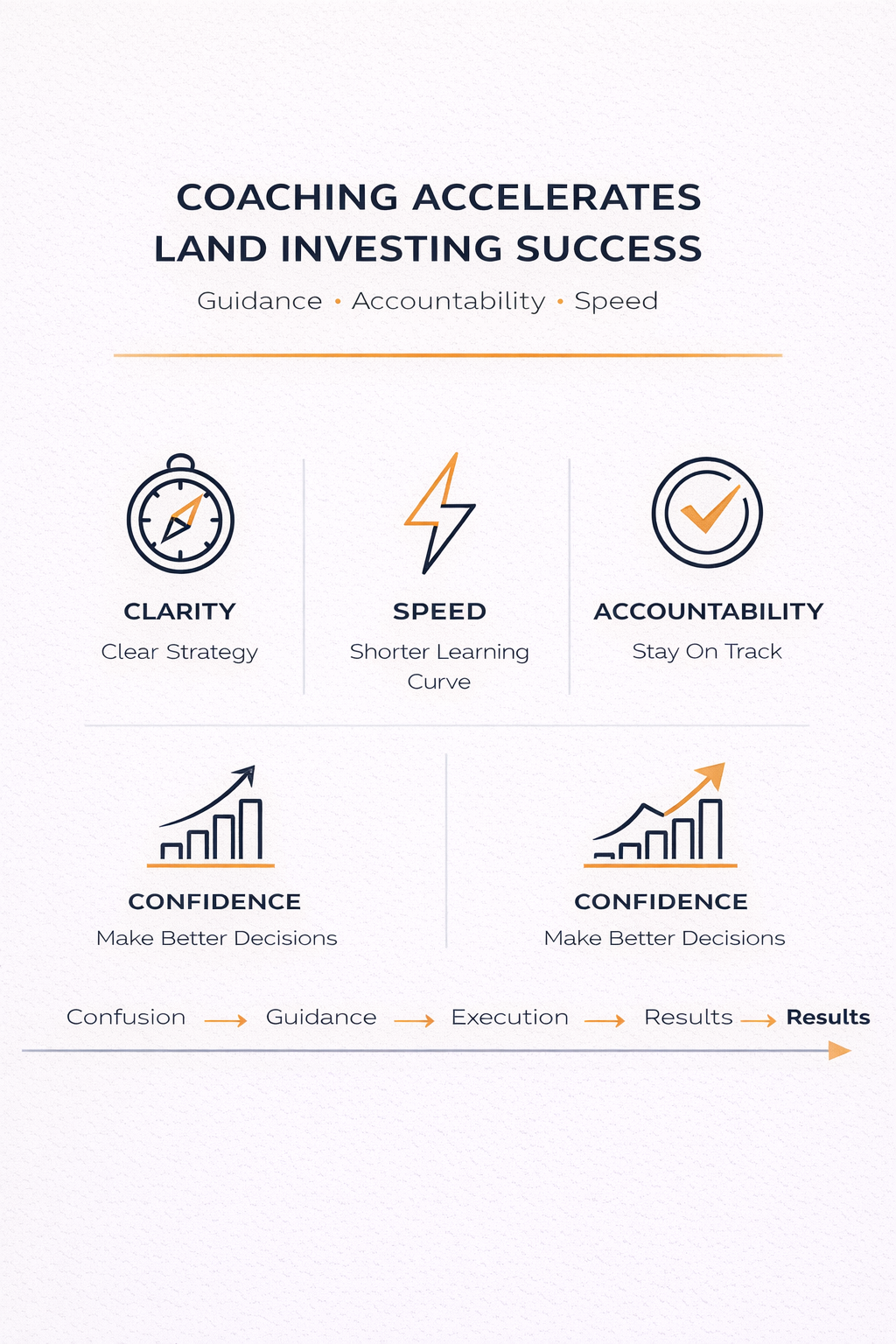
The world of land investing presents unique opportunities and challenges that require specialized knowledge and skills. As more individuals seek to enter this market, the role of coaching has become increasingly vital. Coaches not only provide guidance but also accelerate the learning curve for aspiring investors. By leveraging their expertise, coaching can help you navigate complexities, identify lucrative opportunities, and develop a strategic mindset. This article explores the real reasons coaching accelerates success in land investing, focusing on its benefits, methodologies, and the long-term impact it can have on your investment journey.
What is Land Investing and Why is it Important?
Land investing involves purchasing parcels of land with the intent of generating profit through resale, development, or leasing. It plays a crucial role in real estate markets, driving economic growth and offering diversification for investors.
Definition of Land Investing
Land investing is the practice of acquiring land for various purposes, including residential, commercial, agricultural, or recreational use. Investors may buy land to hold for future appreciation, develop it for specific projects, or lease it for income. Understanding the intricacies of land investing is essential for anyone looking to succeed in this field.
Overview of the Land Market
The land market is often influenced by factors such as location, zoning laws, and economic conditions. With recent trends showing an increase in demand for rural and suburban properties, investors have a unique opportunity to capitalize on changing market dynamics. Moreover, government policies and infrastructure developments can significantly affect land values.
📘 Get Your FREE Land Investing Strategy Guide
Discover how savvy investors build passive income with vacant land.
Benefits of Investing in Land
Investing in land offers several advantages, including lower competition compared to residential or commercial properties, potential for high returns, and the ability to leverage appreciation over time. Additionally, land can be a more straightforward investment, as it typically requires less management than developed properties.
How Does Coaching Fit into Land Investing?
Coaching in land investing provides targeted guidance from experienced professionals, helping investors navigate the complexities of the market. It equips investors with the necessary skills and knowledge to make informed decisions and effectively manage their investments.
Definition of Coaching in Real Estate
Coaching in real estate, specifically land investing, involves personalized mentorship where a coach shares insights, strategies, and experiences with the investor. The goal is to help the investor develop a robust understanding of the market and enhance their investment acumen.
Types of Coaching Available
Coaching can take various forms, including one-on-one sessions, group coaching, and online courses. Each format offers unique benefits: one-on-one coaching provides personalized attention, while group coaching fosters networking and shared learning experiences. Online courses can offer flexibility and access to a wider range of Resources.
Coaching vs. Self-Directed Learning
While self-directed learning can be beneficial, it often lacks the structured guidance that coaching provides. Coaches can help identify blind spots, offer accountability, and share real-world insights that can significantly enhance the learning experience and speed up the investor’s success.
What are the Key Benefits of Coaching in Land Investing?
Coaching in land investing offers numerous advantages, including skill enhancement, expert insights, and networking opportunities. These benefits collectively contribute to an investor’s growth and success in navigating the land market effectively.
Enhanced Skill Development
One of the primary benefits of coaching is the development of essential skills needed for land investing. Coaches can provide tailored training programs focused on areas such as market analysis, valuation techniques, and negotiation strategies. This focused skill development allows investors to approach opportunities with greater confidence and competence.
Access to Expert Insights
Coaches bring a wealth of experience and insights that can be invaluable for investors. They can share market trends, investment strategies, and lessons learned from past successes and failures. This access to expert knowledge allows investors to make informed decisions and avoid common pitfalls.
Building a Strong Network
Coaching often facilitates networking opportunities, connecting investors with industry professionals, peers, and potential partners. A strong network can lead to collaborative opportunities, mentorship, and access to off-market deals, significantly enhancing an investor’s potential for success.
How Can a Coach Help You Identify Opportunities?
A coach can assist investors in identifying lucrative land investment opportunities through various techniques and methodologies. By leveraging their expertise, coaches can help investors understand market dynamics and uncover hidden gems.
Market Analysis Techniques
Coaches can teach investors effective market analysis techniques, enabling them to evaluate potential land investments critically. This includes understanding local market conditions, zoning regulations, and comparable sales data to assess the viability of a property. With these skills, investors can make data-driven decisions that enhance their investment potential.
Identifying Undervalued Properties
Coaches often have a keen eye for spotting undervalued properties that may not be immediately apparent to novice investors. They can teach techniques to recognize potential in land that others may overlook, such as emerging neighborhoods or properties with development potential. This skill can significantly increase an investor’s profitability.
Understanding Trends
Staying ahead of market trends is crucial in land investing. Coaches can provide insights into shifting demographics, economic indicators, and emerging investment strategies. By understanding these trends, investors can position themselves advantageously within the market.
What Role Does Accountability Play in Coaching?
Accountability is a critical component of coaching that fosters commitment and motivation. By setting clear goals and tracking progress, coaches help investors stay focused and driven in their land investment journeys.
Setting Realistic Goals
Coaches assist investors in setting achievable and measurable goals, which are essential for maintaining motivation. These goals can range from short-term tasks, such as conducting market research, to long-term objectives, such as closing a property deal. Goal-setting provides a roadmap for success and ensures that investors remain productive.
Tracking Progress Effectively
Regular progress tracking is vital to accountability in coaching. Coaches can implement systems for monitoring milestones and achievements, helping investors recognize their progress over time. This ongoing assessment encourages continuous improvement and fosters a sense of accomplishment.
Maintaining Motivation
Investing in land can be challenging, and maintaining motivation is crucial. Coaches can provide encouragement, celebrate successes, and help investors navigate setbacks. This support can be instrumental in keeping investors engaged and focused on their long-term objectives.
How Can Coaching Improve Your Decision-Making Skills?
Coaching enhances decision-making skills by providing frameworks for analyzing risks and rewards, making informed choices, and avoiding common investing pitfalls. This skill set is vital for successful land investing.
Analyzing Risks and Rewards
Coaches can guide investors in developing a comprehensive understanding of risk assessment. By evaluating potential rewards against risks, investors can make informed decisions that align with their investment strategies. This analytical approach decreases the likelihood of costly mistakes.
Making Informed Choices
Coaching equips investors with the tools to make informed choices based on data and insights. Coaches can teach techniques for evaluating properties, understanding market conditions, and foreseeing potential challenges. This knowledge empowers investors to navigate the complexities of land investing confidently.
Avoiding Common Pitfalls
Many novice investors fall victim to common pitfalls, such as overextending financially or failing to conduct proper due diligence. Coaches can share lessons learned from their experiences, helping investors avoid these mistakes. This proactive approach can save investors time and money in the long run.
What Strategies Do Coaches Use to Teach Negotiation?
Coaches employ various strategies to teach effective negotiation techniques that are crucial for land investing. These strategies can empower investors to secure better deals and enhance their overall investment outcomes.
Role-Playing Scenarios
Role-playing is a powerful tool coaches use to simulate negotiation scenarios. This hands-on approach allows investors to practice their negotiation skills in a safe environment, boosting their confidence and preparing them for real-world situations. Through feedback and adjustment, investors can refine their techniques effectively.
Understanding Buyer Psychology
Coaches often delve into the psychology of buyers and sellers, providing insights into their motivations and behaviors. Understanding these dynamics can give investors a competitive edge during negotiations, enabling them to tailor their approaches to meet the needs of the other party.
Closing Techniques
Effective closing techniques are essential for securing deals in land investing. Coaches can share proven strategies for closing negotiations successfully, including overcoming objections and creating win-win situations. Mastering these techniques can significantly improve an investor’s success rate in closing deals.
How Does Coaching Foster a Growth Mindset?
Coaching fosters a growth mindset by encouraging continuous learning, helping investors overcome challenges, and embracing feedback. This mindset is essential for long-term success in land investing.
Encouraging Continuous Learning
Coaches emphasize the importance of lifelong learning in the ever-evolving landscape of land investing. They can provide resources, recommend courses, and encourage investors to stay updated on industry trends. This commitment to learning ensures that investors remain competitive and informed.
Overcoming Challenges
Investors will inevitably face challenges throughout their investing journey. Coaches can provide support and strategies for overcoming these obstacles, helping investors build resilience and adaptability. This skill is crucial for navigating the ups and downs of the land market.
Embracing Feedback
Feedback is vital for personal and professional development. Coaches create a safe environment for investors to receive constructive feedback, allowing them to identify areas for improvement. Embracing feedback fosters growth and helps investors refine their strategies and approaches.
What Tools and Resources Do Coaches Provide?
Coaches offer a variety of tools and resources that enhance the learning experience for investors. These resources can streamline processes and improve overall investment efficacy.
Market Research Tools
Coaches often provide access to market research tools that help investors analyze data and make informed decisions. These tools can include software for assessing property values, market trends, and demographic information. Utilizing these resources can significantly enhance an investor’s analytical capabilities.
Investment Calculators
Investment calculators are essential tools that coaches may provide to help investors evaluate the potential profitability of land investments. These calculators can assist with analyzing cash flow, return on investment (ROI), and other financial metrics. This data-driven approach aids in making sound investment decisions.
Networking Opportunities
Coaching often opens doors to networking opportunities that can be invaluable for investors. Coaches may facilitate introductions to industry professionals, potential partners, or other investors. Building a strong network can lead to collaborative opportunities and enhance an investor’s success in the land market.
How Can Coaching Help You Build a Brand in Land Investing?
Coaching can significantly aid investors in establishing a personal brand in land investing. A well-defined brand can enhance credibility and attract potential clients or partners.
Establishing Your Unique Selling Proposition
Coaches can assist investors in identifying their unique selling proposition (USP), which differentiates them from competitors. A strong USP is essential for building a brand that resonates with clients and stakeholders. This clarity can lead to more effective marketing and networking efforts.
Creating an Online Presence
In today’s digital age, a robust online presence is critical. Coaches can provide guidance on building a professional website, utilizing social media, and engaging in online communities. These strategies help investors establish authority and reach a broader audience.
Networking with Other Investors
Networking is a vital component of brand building. Coaches can facilitate connections with other investors, industry professionals, and potential clients, helping investors expand their influence and reach within the land investing community. A strong network can enhance brand visibility and credibility.
What are the Psychological Benefits of Having a Coach?
Having a coach offers several psychological benefits that can enhance an investor’s performance. These benefits include increased confidence, reduced anxiety, and improved focus.
Increased Confidence
Working with a coach can significantly boost an investor’s confidence in their abilities. Through guidance and support, investors gain a clearer understanding of the market and their own potential, which empowers them to take calculated risks and make bold investment decisions.
Reduced Anxiety
Investing in land can be daunting, leading to anxiety for many investors. Coaches provide reassurance and strategies to manage stress and uncertainty. By equipping investors with knowledge and skills, coaches can help alleviate fears and promote a more positive investment experience.
Improved Focus
Coaches can help investors maintain focus on their goals, reducing distractions and enhancing productivity. By providing accountability and structured learning paths, coaches enable investors to prioritize tasks effectively and remain committed to their investment strategies.
How Does Coaching Influence Your Financial Literacy?
Coaching plays a crucial role in enhancing financial literacy among land investors. It equips them with essential knowledge about financial metrics, budgeting, and return on investment evaluations.
Understanding Financial Metrics
Coaches often focus on teaching investors how to interpret financial metrics critical for evaluating land investments. This includes understanding concepts such as cash flow, net present value, and cap rates. A solid grasp of these metrics enables investors to assess the viability of their investment choices effectively.
Budgeting for Investments
Budgeting is a fundamental aspect of successful investing. Coaches can guide investors in creating realistic budgets that account for acquisition costs, ongoing expenses, and contingency funds. This financial foresight is crucial for maintaining control over investments and ensuring long-term sustainability.
Evaluating ROI
Return on investment (ROI) is a key performance indicator for any investor. Coaches can teach investors how to calculate and analyze ROI for their land investments, helping them understand the potential profitability of their endeavors. This knowledge empowers investors to make informed financial decisions.
What are the Common Misconceptions About Coaching?
Several misconceptions about coaching can deter potential investors from seeking guidance. Understanding these myths is crucial for recognizing the true value of coaching in land investing.
Coaching is Only for Beginners
One common misconception is that coaching is only beneficial for novice investors. In reality, experienced investors can also gain valuable insights and strategies from coaches. Continuous learning is essential in any investment field, and coaching can provide advanced techniques for seasoned investors.
Coaching is Too Expensive
Another misconception is that coaching is prohibitively costly. While some coaching programs may have a significant fee, many options are available at various price points. Investing in coaching can yield substantial returns, making it a worthwhile expense for serious investors.
Coaching Guarantees Success
Some individuals believe that coaching guarantees success in investing. While coaching provides valuable guidance and resources, success ultimately depends on the investor’s commitment and execution. Coaches can aid in skill development and decision-making, but individual effort remains crucial.
How Do You Choose the Right Coach for Land Investing?
Selecting the right coach is essential for maximizing the benefits of coaching in land investing. Considering qualifications, coaching styles, and references can ensure a good match.
Assessing Qualifications
When choosing a coach, it’s important to assess their qualifications and experience in land investing. Look for coaches with a proven track record, relevant certifications, and industry expertise. A qualified coach can provide valuable insights and guidance tailored to your investment goals.
Evaluating Coaching Styles
Different coaches have varying styles and approaches. Some may be more directive, while others adopt a collaborative approach. It’s essential to find a coach whose style resonates with your learning preferences and aligns with your investment objectives. A good fit can enhance the coaching experience.
Checking References and Reviews
Before committing to a coach, it’s wise to check references and read reviews from previous clients. This feedback can provide insight into the coach’s effectiveness, communication style, and overall impact. A thorough evaluation can help you make an informed decision.
What Are the Long-Term Benefits of Coaching?
Engaging in coaching can lead to several long-term benefits for land investors, including sustained success, legacy building, and increased financial independence.
Sustained Success in Investing
Coaching can help investors establish a strong foundation for sustained success. By developing essential skills, strategies, and a growth mindset, investors are better equipped to navigate the challenges of the land market over time. This long-term perspective fosters resilience and adaptability.
Building a Legacy
For many investors, creating a legacy is an important goal. Coaching can guide investors in developing strategies that not only achieve personal financial success but also contribute positively to their communities and future generations. This holistic approach enhances the investor’s impact beyond mere profit.
Increased Financial Independence
Investing in land can lead to increased financial independence, a significant long-term benefit of coaching. By providing the knowledge and tools necessary for successful investing, coaches empower investors to achieve financial freedom and autonomy, allowing them to pursue their passions and goals.
How Can Group Coaching Compare to One-on-One Coaching?
Group coaching and one-on-one coaching each offer unique advantages and disadvantages for land investors. Understanding these differences can help individuals choose the right format for their needs.
Benefits of Group Dynamics
Group coaching fosters a collaborative environment where investors can share insights, experiences, and resources. This dynamic can lead to collective learning and networking opportunities, enhancing the overall coaching experience. Group discussions can also provide diverse perspectives on investing strategies.
Cost-Effectiveness
Group coaching is often more affordable than one-on-one coaching, making it accessible to a wider range of investors. This cost-effectiveness allows individuals to benefit from coaching without a significant financial commitment. For those starting out, group coaching can be an excellent way to gain foundational knowledge.
Personal Attention vs. Networking
While one-on-one coaching provides personalized attention and tailored guidance, it may lack the networking opportunities found in group settings. Conversely, group coaching offers valuable connections with peers but may not address individual concerns as deeply. Investors should consider their priorities when choosing a coaching format.
What Role Does Technology Play in Coaching?
Technology plays an integral role in modern coaching, enhancing accessibility, communication, and learning opportunities for land investors. It allows for flexible coaching solutions that cater to diverse learning preferences.
Online Coaching Platforms
Online coaching platforms enable investors to access coaching resources and sessions from anywhere. This flexibility allows individuals to engage in coaching regardless of their location, making it easier to find the right coach. Virtual sessions can also accommodate busy schedules and provide convenience.
Utilizing Apps for Progress Tracking
Many coaches use apps and software to help investors track their progress and manage their goals. These tools can facilitate accountability and provide real-time feedback, making it easier for investors to stay on course. Technology enhances the coaching experience by offering structured tracking mechanisms.
Virtual Networking Opportunities
Technology has revolutionized networking, allowing investors to connect with peers and industry professionals through virtual events and forums. Coaches can facilitate these opportunities, enabling investors to expand their networks and learn from a broader range of experiences. Virtual networking can enhance collaboration and support among investors.
How Can Coaching Accelerate Your Learning Curve?
Coaching can significantly accelerate the learning curve for land investors by providing focused learning paths, access to real-world case studies, and immediate feedback. This expedited learning process is essential for achieving success in a competitive market.
Focused Learning Paths
Coaches can create customized learning paths that address the specific needs and goals of each investor. This targeted approach ensures that investors focus on the most relevant topics, maximizing their learning efficiency. By streamlining the learning process, coaches help investors grasp concepts more quickly.
Access to Real-World Case Studies
Real-world case studies provide practical examples of successful land investments, allowing investors to learn from actual experiences. Coaches often use these case studies to illustrate key concepts and strategies, enhancing understanding and retention. This experiential learning approach is vital for bridging the gap between theory and practice.
Immediate Feedback
Coaches provide immediate feedback on an investor’s performance, allowing for quick adjustments and improvements. This real-time guidance helps investors refine their strategies and decision-making processes, accelerating their growth and development. Immediate feedback fosters a more dynamic learning environment.
What are the Most Effective Coaching Techniques?
Effective coaching techniques can significantly enhance the learning experience for land investors. Some of the most impactful methods include mentorship pairing, goal-setting frameworks, and interactive workshops.
Mentorship Pairing
Mentorship pairing is a technique where coaches connect investors with experienced mentors in the field. This relationship allows investors to gain insights, advice, and support from seasoned professionals. Mentorship can enhance the learning experience by providing real-world perspectives and guidance.
Goal-Setting Frameworks
Implementing structured goal-setting frameworks is crucial for effective coaching. Coaches can help investors establish clear, measurable goals that align with their investment objectives. This structured approach ensures that investors remain focused and accountable throughout their coaching journey.
Interactive Workshops
Interactive workshops provide hands-on learning experiences that encourage active participation. Coaches can facilitate group discussions, role-playing activities, and case study analyses to engage investors fully. This interactive approach fosters collaboration and enhances the retention of knowledge.
How Does Accountability Change Your Investment Approach?
Accountability significantly alters an investor’s approach by creating structured check-ins, setting milestones, and celebrating successes. This framework encourages commitment and drives progress in the land investing journey.
Structured Check-Ins
Regular check-ins with a coach provide opportunities for investors to review their progress and adjust their strategies. These structured sessions foster accountability and ensure that investors remain on track towards their goals. This ongoing support is crucial for maintaining motivation and focus.
Setting Milestones
Establishing milestones helps investors break down their goals into manageable tasks. Coaches can assist in defining these milestones, making the investment process less overwhelming. Recognizing and celebrating these achievements fosters a sense of accomplishment and encourages continued effort.
Celebrating Successes
Coaches encourage investors to celebrate their successes, no matter how small. Acknowledging achievements reinforces positive behaviors and motivates investors to maintain momentum. This recognition is vital for building confidence and fostering a positive investment mindset.
What Success Stories Highlight the Impact of Coaching?
Success stories can illustrate the transformative impact of coaching on land investors. Real-life examples of individuals who have benefited from coaching can provide inspiration and insight.
Case Studies of Successful Investors
Numerous case studies highlight how coaching has propelled investors to success in land investing. These stories often detail the challenges faced, the strategies employed, and the outcomes achieved. Analyzing these examples can provide valuable lessons for aspiring investors.
Testimonials from Coached Individuals
Testimonials from individuals who have undergone coaching can offer firsthand accounts of the benefits experienced. These personal narratives can highlight the specific skills gained, the challenges overcome, and the overall impact on their investing journey. Such testimonials can serve as motivation for prospective investors.
Before and After Comparisons
Before and after comparisons can illustrate the tangible differences coaching can make in an investor’s approach and success. These comparisons can showcase changes in mindset, skill level, and overall performance, reinforcing the value of coaching in land investing.
How Can You Maximize Your Coaching Experience?
Maximizing your coaching experience involves being open to feedback, setting clear expectations, and engaging actively in sessions. These practices can enhance the effectiveness of coaching and lead to greater success.
Being Open to Feedback
Embracing feedback is crucial for growth during the coaching process. Investors should approach feedback with a receptive mindset, viewing it as an opportunity for improvement rather than criticism. This openness fosters a more productive coaching relationship and accelerates learning.
Setting Clear Expectations
Establishing clear expectations from the outset is essential for a successful coaching experience. Investors should communicate their goals, preferred learning styles, and any specific challenges they face. This clarity enables coaches to tailor their approaches and ensure alignment with the investor’s objectives.
Engaging Actively in Sessions
Active engagement during coaching sessions enhances the learning experience. Investors should participate in discussions, ask questions, and contribute their insights. This level of involvement fosters a collaborative environment and maximizes the benefits of coaching.
What Future Trends Might Affect Coaching in Land Investing?
Future trends are likely to shape the coaching landscape in land investing, including the increased use of AI, a shift toward remote coaching, and emerging investment strategies. Staying abreast of these trends can enhance the coaching experience.
Increased Use of AI
Artificial intelligence (AI) is poised to transform coaching by providing personalized learning experiences and data-driven insights. AI tools can analyze investor behavior and preferences, tailoring coaching to individual needs. This technological advancement can enhance efficiency and effectiveness in coaching.
Shift Towards Remote Coaching
The trend toward remote coaching is likely to continue, offering flexibility and convenience for investors. Virtual coaching platforms enable individuals to connect with coaches across geographical boundaries, expanding access to quality coaching resources. This shift can democratize coaching and reach a broader audience.
Emerging Investment Strategies
As the land market evolves, new investment strategies will emerge, necessitating adaptive coaching approaches. Coaches will need to stay informed about these trends to provide relevant guidance. Investors should be prepared to embrace innovative strategies and integrate them into their investment plans.
How Does Coaching Impact Your Risk Management in Investing?
Coaching plays a significant role in enhancing risk management strategies for land investors. It helps in identifying risks early, developing contingency plans, and learning from failures.
Identifying Risks Early
Coaches can help investors recognize potential risks associated with land investments before they escalate. By conducting thorough analyses and evaluations, investors can proactively address issues and mitigate risks. This foresight is crucial for safeguarding investments and ensuring long-term success.
Developing Contingency Plans
Having contingency plans in place is essential for effective risk management. Coaches can guide investors in creating robust plans that outline steps to take in case of unforeseen challenges. This preparedness enhances an investor’s resilience and ability to navigate obstacles.
Learning from Failures
Failure is an inevitable part of investing, but it can be a valuable learning opportunity. Coaches can help investors analyze their mistakes, extract lessons, and adjust their strategies accordingly. This reflective approach fosters growth and reduces the likelihood of repeating past errors.
What Are the Financial Implications of Investing in Coaching?
Investing in coaching has financial implications that require careful consideration. Analyzing cost versus value, determining return on investment (ROI), and budgeting for coaching are essential steps.
Cost vs. Value Analysis
Evaluating the cost of coaching against the potential value it brings is crucial for investors. While coaching may require an upfront financial commitment, the long-term benefits often outweigh the costs. Investors should consider the impact coaching can have on their investment success and overall financial growth.
Return on Investment
Calculating the return on investment (ROI) for coaching can help investors understand its financial impact. By assessing the increase in profits or efficiency resulting from coaching, investors can justify the expense. This analysis is vital for making informed decisions about coaching investments.
Budgeting for Coaching
Budgeting for coaching expenses is essential for maintaining financial control. Investors should allocate funds for coaching as part of their overall investment strategy. This proactive approach ensures that coaching remains an integral component of their growth and development.
How Can You Apply What You Learn from Coaching?
Applying what you learn from coaching is critical for maximizing its benefits. Implementing strategies in real-time, committing to continual learning, and sharing knowledge with peers are effective methods for applying coaching insights.
Implementing Strategies in Real-Time
Investors should strive to apply coaching strategies as soon as possible. Real-time implementation allows for immediate feedback and adjustments, reinforcing learning. This hands-on approach ensures that investors can integrate new techniques into their investment practices effectively.
Continual Learning Post-Coaching
The learning process should not end with coaching. Investors should commit to continual learning by seeking additional resources, attending workshops, and staying updated on market trends. This dedication to learning ensures ongoing growth and adaptability in the investing landscape.
Sharing Knowledge with Peers
Sharing insights and knowledge gained from coaching with peers can enhance the learning experience for both parties. By engaging in discussions and collaborative learning, investors can reinforce their understanding and contribute to the growth of their investing community. This knowledge-sharing fosters a culture of continuous improvement.
What Are the Limitations of Coaching in Land Investing?
While coaching offers numerous benefits, it is essential to recognize its limitations. Coaching should not be viewed as a substitute for experience, personal accountability is necessary, and there may be potential mismatches in coaching styles.
Not a Substitute for Experience
Coaching provides valuable guidance, but it cannot replace the hands-on experience gained through investing. Investors must actively engage in the market to develop practical skills and insights. Coaching should complement, not replace, real-world experience.
Personal Accountability Required
Coaching relies on the investor’s commitment and accountability to achieve success. Coaches can provide guidance, but ultimately, the investor must take action and implement strategies. This personal accountability is crucial for making meaningful progress in land investing.
Potential Mismatches in Coaching Styles
Different coaches have varying styles, and not every coach will be the right fit for every investor. It’s essential for investors to assess compatibility and ensure that their coach’s approach aligns with their learning preferences. Finding the right match can significantly impact the coaching experience.
How Can You Assess the Effectiveness of Your Coach?
Assessing the effectiveness of your coach is essential for ensuring that you receive valuable guidance. Regular performance reviews, feedback mechanisms, and evaluating goal achievement can provide insight into the coaching relationship.
Regular Performance Reviews
Conducting regular performance reviews can help investors evaluate their progress and the effectiveness of their coach. These reviews should focus on goal achievement, skill development, and overall satisfaction with the coaching experience. Honest assessments foster open communication and improvement.
Feedback Mechanisms
Implementing feedback mechanisms allows investors to provide input on their coaching experience. This feedback can help coaches adjust their approaches to better meet the investor’s needs. Constructive feedback fosters a collaborative environment and enhances the effectiveness of coaching.
Evaluating Goal Achievement
Tracking goal achievement is a critical component of assessing coaching effectiveness. Investors should regularly review their goals and the progress made toward achieving them. This evaluation provides insight into the coaching relationship and highlights areas for further development.
What Are the Ethical Considerations in Coaching?
Ethical considerations in coaching are essential for maintaining professionalism and integrity. Transparency in advice, avoiding conflicts of interest, and maintaining professional standards are vital components of ethical coaching practices.
Transparency in Advice
Coaches must maintain transparency in their advice and recommendations. This includes disclosing potential conflicts of interest and ensuring that investors are fully informed about the coaching process. Transparency fosters trust and strengthens the coaching relationship.
Avoiding Conflicts of Interest
Coaches should be vigilant in avoiding conflicts of interest that could compromise their objectivity. This includes disclosing any relationships or financial interests that may influence their guidance. Ethical coaching practices prioritize the investor’s best interests above all else.
Maintaining Professional Standards
Coaches should adhere to professional standards and ethical guidelines within the coaching industry. This includes ongoing education, professional development, and commitment to best practices. Upholding high standards enhances the credibility and effectiveness of coaching.
How Do You Transition from Coaching to Independent Investing?
Transitioning from coaching to independent investing involves gradual independence, developing personal strategies, and leveraging ongoing support networks. These steps can facilitate a smooth transition and ensure continued success.
Gradual Independence
Investors should aim for gradual independence as they transition from coaching. This can involve taking on more responsibility in decision-making and gradually implementing strategies learned during coaching. This gradual approach builds confidence and prepares investors for independent investing.
Developing Personal Strategies
As investors gain experience, they should focus on developing their own investment strategies. Coaches can assist in this process by encouraging critical thinking and self-reflection. Creating personalized strategies empowers investors to take ownership of their investment journeys.
Ongoing Support Networks
Maintaining connections with coaches and peers can provide valuable ongoing support as investors transition to independence. Networking with other investors allows for the exchange of ideas and resources, fostering a continued sense of community and collaboration. These support networks can be instrumental in navigating the challenges of independent investing.
Mini FAQ
Q: What is land investing?
A: Land investing involves purchasing land with the intent of generating profit through resale, development, or leasing.
Q: How can coaching benefit land investors?
A: Coaching enhances skill development, provides expert insights, and helps build a strong network.
Q: What should I look for in a land investing coach?
A: Assess qualifications, coaching styles, and check references and reviews to find the right fit.
Q: Can coaching guarantee success in land investing?
A: While coaching provides valuable guidance, success ultimately depends on the investor’s commitment and execution.
Q: How does coaching affect financial literacy?
A: Coaching enhances financial literacy by teaching investors about financial metrics, budgeting, and evaluating ROI.
Q: What are the limitations of coaching?
A: Coaching is not a substitute for experience, requires personal accountability, and may have mismatches in coaching styles.
Q: How can I apply what I learn from coaching?
A: Implement strategies in real-time, commit to continual learning, and share knowledge with peers to maximize coaching benefits.
This content is for informational purposes only. It does not constitute accounting, financial, or legal advice. Please consult a qualified professional before making decisions based on this information.



