Investing in land often involves more expenses than the initial purchase price, with various hidden costs emerging before, during, and after ownership. These unforeseen expenses can materially affect the profitability of your investment. This comprehensive guide breaks down the hidden costs in land investing, helping buyers understand what to verify, budget for, and anticipate to protect their investment and optimize outcomes in 2026.
To build a strong foundation, explore our detailed overview of land investing 101 in land investing.
By fully grasping these hidden costs,from property taxes and legal fees to zoning restrictions and environmental concerns,you can make more informed decisions, reduce risks, and avoid surprises that can derail your plans or diminish returns.
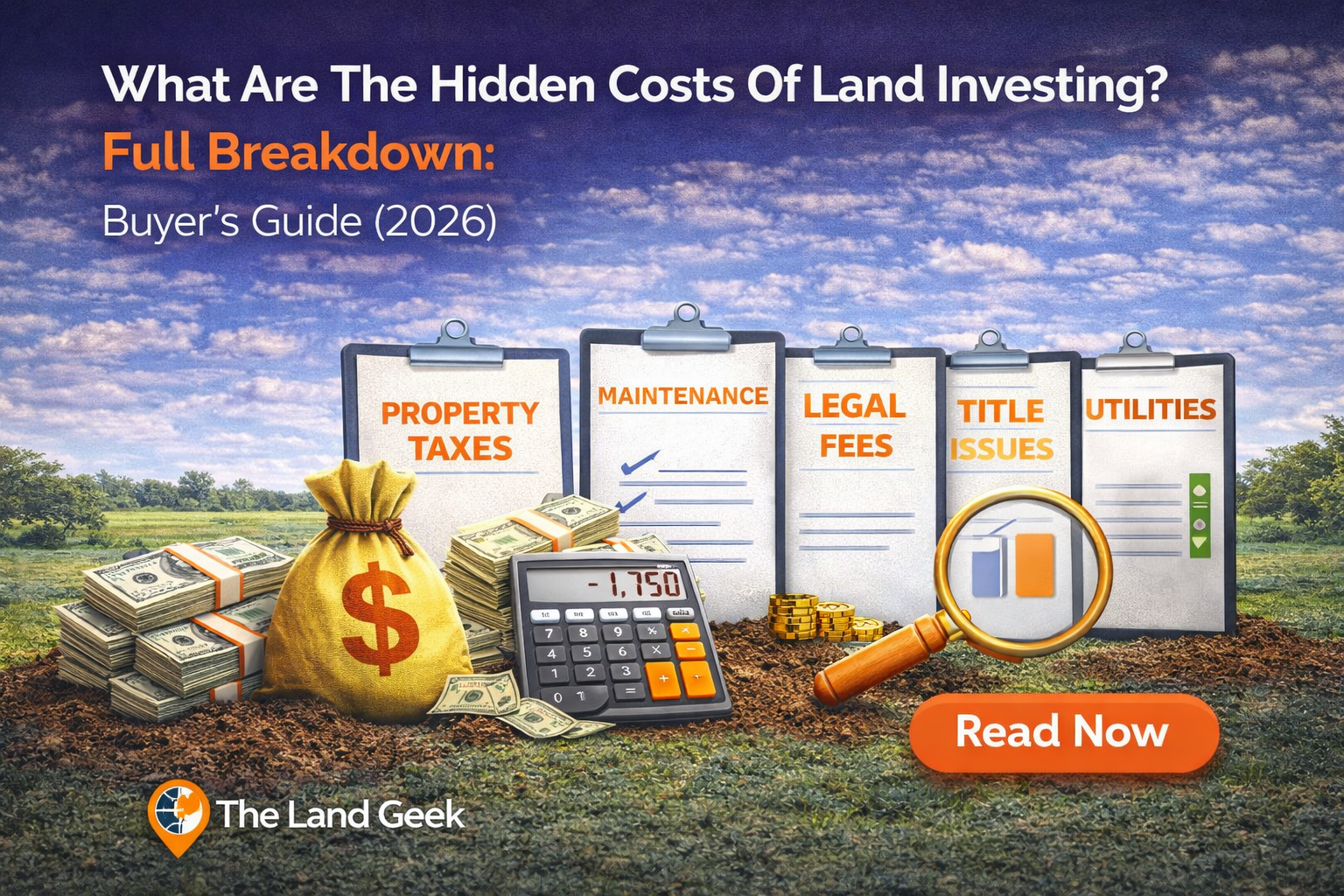
What Are the Hidden Costs in Land Investing?
Hidden costs in land investing are expenses not obvious at the time of purchase but that arise during ownership or resale, such as taxes, maintenance, legal fees, and compliance costs. They can significantly affect your cash flow and profitability if overlooked.
Understanding these costs is critical because many new investors underestimate ongoing expenses, resulting in financial strain or forced sales at unfavorable terms. The key is to identify all potential outflows early by researching property specifics and local regulations relevant to your intended use.
Verify property condition, tax rates, zoning, title status, and utility access with county records, local planning offices, and title companies before committing. If any expected costs are high or unclear, it may justify adjusting your offer or walking away.
Understanding these factors can help you prepare when exploring strategies like Land Flipping.
How Do Property Taxes Impact Land Investment?
Property taxes are recurring expenses that vary widely by location and can erode investment returns if not anticipated.
Local tax assessors assign property values, and tax rates depend on municipal policies. Urban properties typically have higher taxes than rural land, but some jurisdictions offer exemptions or lower rates for undeveloped parcels. Understanding property tax assessments and potential appeals is crucial for managing costs over time.
Contact the county tax assessor’s office to verify current taxes, payment schedules, and any exemptions applicable to your parcel. Unexpectedly high taxes or rapidly increasing assessments should serve as a red flag, prompting you to reassess your investment viability or explore negotiations.
For further understanding, reviewing detailed information about property taxes can clarify their impact on return calculations.
What Are the Long-term Maintenance Costs?
Long-term maintenance includes routine upkeep and potential restoration needed to preserve or enhance land usability and value.
📘 Get Your FREE Land Investing Strategy Guide
Discover how savvy investors build passive income with vacant land.
Routine expenses cover brush clearing, invasive species control, erosion management, fence maintenance, and debris removal. Restoration costs can be substantial if the land has been degraded or needs improvements such as soil remediation or access roads.
Environmental factors like climate and terrain affect maintenance frequency and cost. For example, flood-prone or wildfire-risk areas may require protective measures that add expense.
Verify maintenance requirements by inspecting the property and consulting local environmental agencies or land management experts. If significant upkeep is expected, factor these costs into your budget or use that as a reason to negotiate price or terms. See our maintenance costs checklist for a deeper dive.
How Do Zoning Regulations Affect Land Investment Costs?
Zoning laws govern permissible land uses and development, influencing potential costs and investment value.
They restrict building types, density, subdivision possibilities, and land use activities (e.g., agricultural vs. commercial). If your intended use conflicts with current zoning, rezoning may be necessary, which involves fees, legal work, and possible opposition, increasing costs and timelines.
Before buying, verify zoning classifications, permitted uses, and any restrictions via the county zoning or planning department. If rezoning is likely, ask for estimates on application fees, legal expenses, and time involved. Unfavorable zoning could lower land value or require costly changes to your investment plan.
Understanding zoning is critical for setting realistic ROI expectations. More on this topic is available in our article on Zoning Regulations.
Within how do zoning regulations affect land investment costs, it may also help to review land investing roi.
What Are the Costs of Surveys and Assessments?
Surveys establish land boundaries and topography, while assessments evaluate environmental risks or land value. They often come with fees necessary for purchase, financing, or development.
Boundary surveys confirm property lines to avoid disputes, while topographic surveys reveal terrain features affecting use. Environmental assessments, including Phase I and II reports, identify potential contamination or protected habitats, revealing possible remediation needs and costs.
Costs vary by survey type, property size, and complexity. Be prepared to pay from several hundred to several thousand dollars, with environmental assessments typically costing more. Lenders or local authorities may mandate certain surveys before approving financing or permits.
Verify survey requirements early with your lender, title company, and local planning office. An absence of recent, reliable surveys is a red flag and could delay or jeopardize your transaction.
How Does Title Insurance Factor In?
Title insurance protects against financial loss from defects, liens, or disputes that cloud ownership rights, making it an important protective cost.
While it entails a one-time premium, title insurance provides peace of mind and may be a lender requirement. The cost depends on purchase price and insurer policies, so shop and compare.
Ask your title company for a full title report and policy estimate. Avoid parcels with missing or problematic titles, as remediation costs can far exceed insurance premiums.
Learn more about the importance of Title Insurance in protecting your investment.
What Are the Costs of Legal Fees?
Legal fees can cover contract drafting, title review, zoning consultations, and dispute resolution, adding substantial costs to land investing.
Hourly rates can range widely, and some attorneys offer flat fees for standard services. Proactively engaging a real estate attorney early on can uncover costs or risks that affect your decision.
Request fee estimates upfront and consider negotiating flat fees where possible. Legal issues neglected until closing or post-purchase often prove more expensive.
Proper legal counsel is foundational,avoid skipping this step to reduce unexpected liabilities or transactional problems.
How Do Development Fees Impact Land Investment?
If your plan includes land development, additional fees for permits, impact assessments, and utility connections may apply.
These fees vary by jurisdiction, project scale, and utility availability. They can add thousands or more to your upfront and ongoing cost structure.
Contact local planning and public works departments to obtain detailed fee schedules. If development fees make the project financially unfeasible, reconsider or negotiate purchase price accordingly.
What Are the Costs of Utilities and Infrastructure?
Connecting utilities (water, electricity, sewage) to undeveloped land can be costly and time-consuming, especially when infrastructure is distant.
Infrastructure improvements,like roads or drainage systems,may be mandatory before development and carry their own expenses.
Get firm quotes from utility companies and local government public works offices for connection fees and infrastructure requirements. Failure to anticipate these costs can delay or halt development plans.
How Do Environmental Assessments Add to Costs?
Environmental assessments determine hazards that require remediation, potentially large unplanned expenses.
Assessments can be mandated by lenders or regulators and vary in scope and price. If contamination is found, remediation may involve extensive cleanup efforts funded by the investor.
Engage environmental consultants to conduct or review assessments before purchase. Significant remediation needs should trigger a reassessment of your offer or exit.
What Are the Financing Costs of Land Investments?
Land loans often feature higher interest rates and shorter terms than residential mortgages, increasing financing costs.
Additional fees may include loan origination, appraisal, and closing costs, which add substantial upfront expenses.
Compare loan options carefully and calculate total financing costs over your holding period to ensure they fit your financial plan. Poor financing deals can reduce cash flow and stall projects.
How Do Market Fluctuations Affect Land Value?
Land values fluctuate due to economic conditions, demand, and local developments, affecting your investment’s potential resale price and timing.
During downturns, properties may lose value and incur longer holding times with ongoing costs.
Monitor local market data and have contingency plans to manage holding costs during slow sales periods. Diversifying location or land types may mitigate risk.
What Are the Costs of Selling Land?
Selling costs include agent commissions, title transfer fees, taxes, and marketing expenses that reduce net proceeds.
Understanding Selling, Marketing & Buyer Psychology can help clarify the factors influencing the sale process and potential buyer decisions.
Agent commissions typically represent the largest single expense; negotiating or exploring alternative sale methods can reduce this.
Prepare for closing fees by asking your title company and agent for detailed estimates early to incorporate into your profit analysis.
How Do Insurance Costs Affect Your Investment?
Liability and property insurance protect against unexpected events but add recurring costs.
Insurance needs vary by property type and risk profile. Getting quotes and understanding coverage options help balance protection and expense.
Review insurance policies carefully for exclusions and ensure they align with your property’s characteristics.
What Are the Costs of Holding Land?
Holding costs include property taxes, insurance, maintenance, and sometimes homeowners association fees, accumulating over time.
If your land plan has a long timeline, these ongoing expenses can reduce profitability or cash flow.
Calculate monthly or annual carrying costs upfront, ensuring your cash reserves or income match holding period realities.
How Do Local Government Fees Impact Investments?
Besides taxes, local governments may charge permit, inspection, and connection fees that add to development or ownership costs.
These vary widely by jurisdiction; some areas impose significant impact fees to fund public infrastructure.
Consult local tax and permitting offices to obtain all applicable fee schedules before purchase or development.
What Hidden Costs Are Associated with Land Use?
Land use can involve unexpected costs such as permit applications, regulatory compliance, and potential fines for violations.
Non-compliance risks legal action, costly penalties, and remediation requirements that may erode profitability.
Review local ordinances carefully and maintain good communication with regulatory agencies to avoid surprises.
How Do Seasonal Factors Affect Land Investment Costs?
Maintenance and development costs can vary seasonally,snow removal, irrigation, and weather-related repair expenses often fluctuate.
Extreme weather can cause damage requiring emergency spending or delay projects, increasing holding costs.
Factor seasonal cycles and local climate risks into budgeting and timelines to ensure preparedness.
What Are the Costs of Landscaping and Improvements?
Landscaping and amenities improve usability and value but require upfront investment.
The cost depends on scope,from simple grass seeding to building fences or recreational features.
Assess which improvements align with market preferences and your investment goals, balancing cost with likely value added.
How Can Miscalculating Costs Affect Your Investment?
Underestimating any costs,taxes, maintenance, fees,can cause cash flow problems, forcing distress sales or foreclosure.
Poor budgeting leads to delayed projects or missed opportunities, damaging eventual returns.
Accurate, conservative cost estimates and contingency funds are crucial to avoid financial distress.
What Are the Costs of Neighboring Properties?
Neighboring land values influence your property’s market price, affecting resale attractiveness.
Disputes over boundaries or easements may lead to costly legal action and decreased enjoyment or usage.
Study neighbors’ compliance, land use, and reputation during due diligence to anticipate related costs or risks.
How Do Land Investing Strategies Influence Costs?
Your investing strategy,flip, hold, develop,directly impacts cost structure.
For example, flipping may incur higher marketing and improvement costs but shorter holding periods, while buy-and-hold involves ongoing taxes and maintenance.
Choose strategies aligned with your risk tolerance, financing capacity, and local market dynamics to optimize cost management.
What Are the Costs of Technology in Land Investing?
Technology tools can aid due diligence, budgeting, and marketing but may require subscription or purchase fees.
Weigh these costs against the efficiencies and data quality improvements they offer.
Don’t rely solely on technology outputs without verifying property-specific details through official records and professionals.
How Do Economic Trends Impact Land Investment Costs?
Economic conditions affect demand, financing costs, taxes, and future resale value.
Downturns can increase holding time and costs, while upturns might raise property taxes or development fees.
Anticipate these fluctuations by reviewing economic indicators, adjusting budgets and strategies accordingly.
What Are the Hidden Costs of Land Auctions?
Auction purchases involve fees like buyer’s premiums, registration charges, and sometimes limited due diligence opportunities.
Risks include overbidding or buying with insufficient property information, leading to unexpected costs.
Set strict bidding limits and conduct as much research as permitted before auction day to avoid costly mistakes.
How Can You Budget for Hidden Costs?
Develop a detailed budget including purchase price, known fees, and estimated hidden costs like taxes, maintenance, and legal fees.
Use checklists and consult professionals to identify potential expenses specific to your parcel and intended use.
Adjust budgets regularly as you obtain more precise data during due diligence and ownership.
What Are the Best Practices for Identifying Hidden Costs?
Perform thorough due diligence by researching county records, contacting local officials, and hiring experts for surveys and assessments.
Use checklists covering regulatory, environmental, tax, and maintenance factors tailored to your investment goals.
Consult attorneys, real estate agents, and financial advisors familiar with the local market to uncover less obvious expenses.
How Can You Mitigate Hidden Costs in Land Investing?
Mitigate costs by negotiating price and contract terms to reflect discovered risks or required investments.
Engage professionals early to advise on potential expenses and avoid costly errors.
Explore local tax relief programs and incentives, and implement cost-efficient maintenance and management practices.
What Are the Final Thoughts on Hidden Costs in Land Investing?
Hidden costs can undermine land investment profitability if not fully understood and accounted for.
Investors must approach land deals with meticulous research, verification, budgeting, and professional guidance tailored to the specific property, location, and investment strategy.
Proactive due diligence and realistic cost projections enable confident offers and effective management, maximizing long-term success.
Mini FAQ
What are hidden costs in land investing?
Hidden costs are unforeseeable or overlooked expenses arising before, during, and after land purchase, including taxes, fees, maintenance, and legal expenses.
How do property taxes impact land investments?
They create ongoing costs that reduce cash flow and must be verified with local tax assessors to anticipate financial obligations accurately.
What are long-term maintenance costs?
These include regular upkeep like clearing and repairs needed to maintain land value and usability over time.
How do zoning regulations affect land costs?
Zoning dictates permissible uses and development, affecting potential rezoning fees, delays, and property value.
What are the costs associated with environmental assessments?
They cover inspections and reports needed to uncover hazards, possibly leading to expensive remediation.
How can I budget for hidden costs?
By creating comprehensive budgets incorporating all anticipated and potential expenses, using checklists, professional advice, and adjusting as you gather more information.
This content is for informational purposes only. It does not constitute accounting, financial, or legal advice. Please consult a qualified professional before making decisions based on this information.



