In Montana, off grid living offers a unique lifestyle characterized by independence from traditional utilities. However, this lifestyle comes with a complex array of regulations that potential residents must navigate. Understanding off grid regulations in Montana is essential for anyone looking to pursue a self-sufficient lifestyle, ensuring compliance with local laws and optimizing the available Resources for sustainable living. This comprehensive guide will cover the various aspects of off grid regulations in Montana, ranging from zoning laws and building codes to water rights and waste management, providing a clear roadmap for those considering this lifestyle.
What Are Off Grid Regulations in Montana?
Off grid regulations in Montana encompass a variety of laws and guidelines governing the construction and maintenance of self-sufficient homes. These regulations ensure safety, environmental protection, and community standards while allowing residents to live independently from public utilities.
Definition of Off Grid Living
Off grid living refers to a lifestyle where individuals or families operate independently of public utilities, such as electricity, water, and sewage systems. This often involves utilizing renewable energy sources, such as solar or wind, and managing one’s own water supply and waste disposal. The goal is to create a self-sustaining environment that minimizes reliance on external systems, allowing for greater autonomy and potentially reduced living costs.
Importance of Understanding Regulations
Understanding off grid regulations is crucial for prospective residents in Montana as it directly impacts their ability to create a sustainable living situation. Non-compliance with zoning laws or building codes can result in penalties, fines, or the inability to obtain necessary permits. Familiarity with these regulations helps ensure that off grid projects are designed and executed legally, thus avoiding costly mistakes and facilitating a smoother transition to off grid living.
Overview of Montana’s Off Grid Landscape
Montana’s diverse geography and climate create a unique off grid landscape. Various regions offer different opportunities and challenges for off grid living, from the mountainous areas with abundant natural resources to the plains that may require different approaches to water management and energy sourcing. Awareness of these regional differences is essential for anyone looking to establish a successful off grid home in Montana.
What Types of Off Grid Systems Are Common in Montana?
Common off grid systems in Montana include solar power, wind energy solutions, and water collection systems. These systems provide the necessary resources for self-sufficient living while ensuring compliance with state regulations.
Solar Power Systems
Solar power systems are among the most popular choices for off grid living in Montana due to the state’s ample sunlight, especially in the summer months. These systems typically consist of solar panels, batteries for energy storage, and inverters to convert DC electricity to AC. When installed correctly, solar power can significantly reduce reliance on conventional energy sources, leading to lower utility costs and a smaller carbon footprint.
Wind Energy Solutions
Wind energy solutions are another viable option for off grid living, particularly in areas of Montana where wind patterns are favorable. Small wind turbines can be installed to harness wind energy, providing a complementary energy source to solar power. This dual-system approach can enhance energy reliability, particularly during the winter months when sunlight may be scarce.
Water Collection and Filtration
Effective water collection and filtration systems are vital for off grid living. Rainwater harvesting systems, combined with appropriate filtration methods, can provide a sustainable water supply. Additionally, residents must comply with local regulations concerning water rights and well drilling to ensure their water sourcing methods are legal and sustainable.
What Are the Legal Requirements for Off Grid Living in Montana?
Legal requirements for off grid living in Montana include zoning laws, building codes, and permitting processes. Understanding these aspects is crucial for ensuring compliance and avoiding legal issues.
Zoning Laws
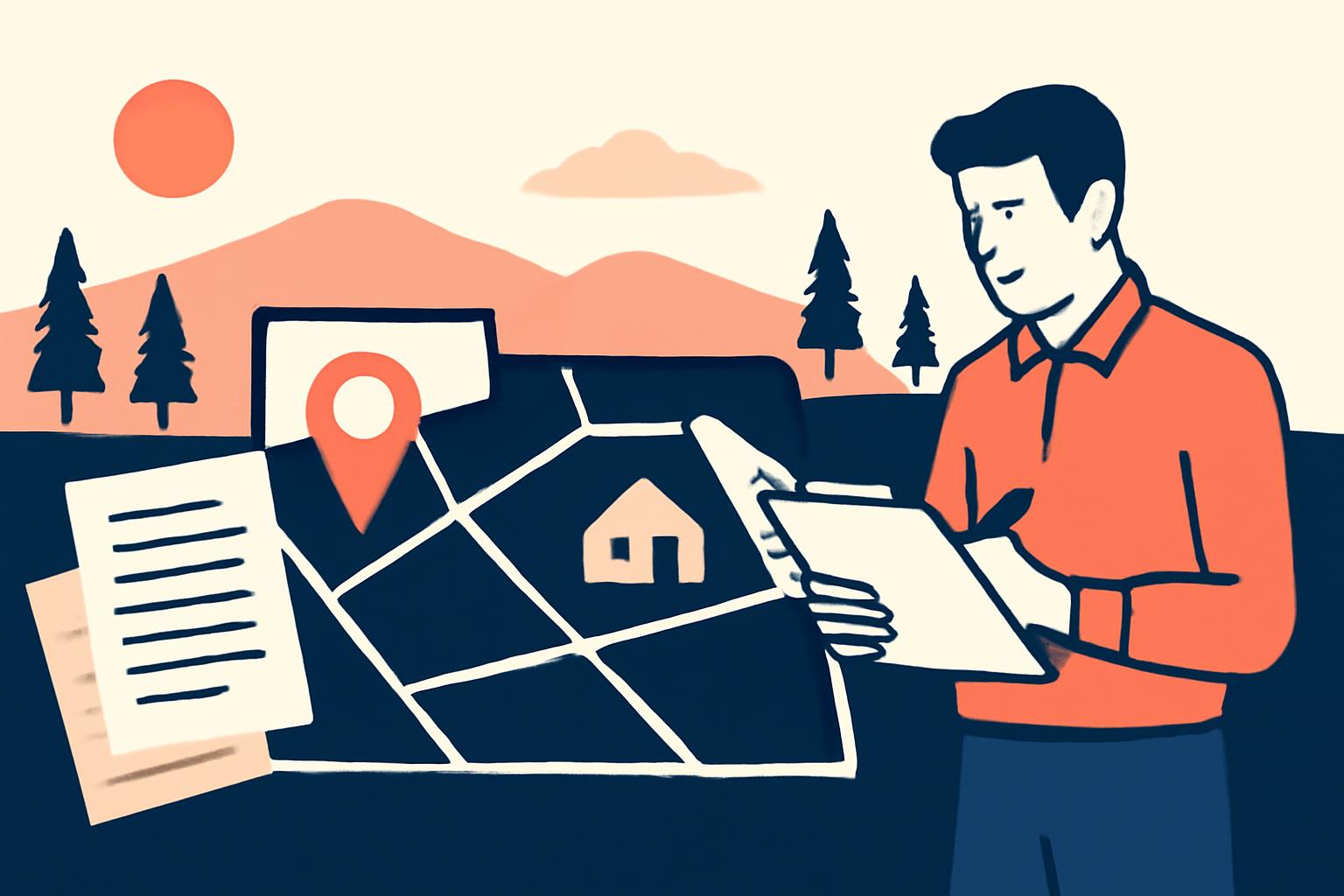
Zoning laws govern land use and dictate what types of structures can be built in specific areas. In Montana, these regulations can vary significantly between urban and rural locations. Off grid residents must research local zoning codes to ensure their plans align with permitted uses, which may restrict certain types of structures or activities.
Building Codes
Building codes in Montana establish minimum standards for construction to ensure safety and habitability. Off grid homes must comply with these codes, which may cover aspects such as structural integrity, electrical systems, and energy efficiency. Familiarity with these codes is essential for securing permits and passing inspections.
Permitting Processes
The permitting process for off grid systems can be complex and time-consuming. Residents must typically obtain various permits, including building permits for structures, electrical permits for solar or wind systems, and water rights permits for wells or rainwater harvesting systems. Engaging with local government early in the planning process can help streamline this experience.
How Do Zoning Laws Affect Off Grid Living in Montana?
Zoning laws play a pivotal role in determining the feasibility of off grid living in Montana. These regulations impact land use, construction, and overall lifestyle choices for off grid residents.
Understanding Local Zoning Codes
Local zoning codes dictate what can be built and where, influencing everything from the size and type of dwelling to agricultural activities. Off grid residents must familiarize themselves with these codes to ensure compliance. Failure to adhere to zoning regulations can lead to fines, forced alterations, or even demolition of non-compliant structures.
Residential vs. Agricultural Zoning
In Montana, properties may be zoned for residential or agricultural use, with distinct regulations governing each. Residential zoning typically allows for homes and associated infrastructure, while agricultural zoning may permit farming activities and related structures. Off grid residents need to understand how these designations affect their rights and responsibilities, particularly if they plan to engage in food production or other agricultural pursuits.
Variances and Exceptions
In some instances, off grid residents may seek a variance or exception to local zoning laws if their plans do not align with existing codes. This process can be complex, often requiring documentation and justification for the requested deviation. Successful variance applications can open up opportunities for more flexible off grid living arrangements, but they also require a thorough understanding of local regulations and the willingness to navigate bureaucratic processes.
What Building Codes Should Off Grid Residents Be Aware Of?
Building codes relevant to off grid residents in Montana focus on safety, energy efficiency, and compliance with local regulations. Understanding these codes is essential for constructing a legal and safe off grid home.
Safety Standards
Safety standards in building codes ensure that structures are safe for occupants and comply with established guidelines. Off grid homes must meet these standards, which may include regulations for fire safety, structural integrity, and electrical systems. Adhering to safety standards not only protects residents but also minimizes risks of accidents and liability issues.
Energy Efficiency Codes
Energy efficiency codes are increasingly important as the demand for sustainable living grows. These codes promote the use of energy-efficient materials and designs, helping off grid residents reduce their energy consumption and overall ecological footprint. Familiarity with these codes can also lead to potential cost savings through reduced energy use.
Inspections and Compliance
Inspections are a vital part of ensuring compliance with building codes. Off grid residents must be prepared for inspections at various stages of construction, which may include structural, electrical, and plumbing reviews. Staying compliant with inspection requirements helps prevent costly delays and ensures the home is built to code.
What Permits Are Required for Off Grid Systems?
Permits are essential for legalizing off grid systems in Montana, including building permits, electrical permits, and water rights permits. Understanding these requirements is crucial for successful off grid living.
Building Permits
Building permits are required for most construction activities, including off grid homes. These permits ensure that the planned structure meets local building codes and safety standards. Obtaining the necessary building permits before commencing construction is vital to avoid legal issues and ensure compliance with regulations.
Electrical Permits
For off grid residents utilizing solar or wind energy, electrical permits are mandatory. These permits ensure that the electrical systems installed are safe and compliant with local regulations. Engaging with a licensed electrician familiar with off grid systems can help streamline the permitting process.
Water Rights Permits
Water rights permits control how residents can access and use water resources in Montana. This includes permits for well drilling and rainwater harvesting. Understanding the intricacies of water rights is essential for off grid residents to ensure their water sourcing methods comply with state laws and regulations.
Are There Specific Regulations for Water Use Off Grid?
Yes, specific regulations govern water use for off grid living in Montana, including well drilling regulations, rainwater harvesting laws, and water quality standards. Compliance with these regulations is crucial for sustainable living.
Well Drilling Regulations
Well drilling in Montana is regulated to protect groundwater resources. Residents must adhere to state regulations, which may require permits and adherence to specific construction standards. Understanding these regulations helps ensure that the well is legally compliant and capable of providing safe drinking water.
Rainwater Harvesting Laws
Rainwater harvesting is an increasingly popular method for sourcing water in off grid situations. In Montana, residents can collect rainwater, but certain regulations may govern the collection methods and storage systems used. Proper adherence to rainwater harvesting laws ensures that residents can effectively utilize this resource while remaining compliant with state legislation.
Water Quality Standards
Water quality standards are essential for ensuring that off grid residents have access to safe drinking water. These standards may require testing and treatment of water from wells or rainwater systems. Familiarity with water quality regulations can help residents maintain a healthy water supply and avoid health risks associated with contaminated water.
How Do Waste Management Regulations Impact Off Grid Living?
Waste management regulations significantly influence off grid living in Montana, particularly concerning septic system regulations, composting toilets, and environmental considerations. Compliance with these regulations is essential for maintaining a sustainable and legal off grid lifestyle.
Septic System Regulations
Septic systems are often required for waste disposal in off grid homes. Montana has specific regulations governing the design, installation, and maintenance of septic systems to protect groundwater and public health. Off grid residents must ensure that their septic systems comply with these regulations to avoid legal issues and environmental damage.
Composting Toilets
Composting toilets are an eco-friendly option for waste management in off grid homes. In Montana, regulations may dictate the use and installation of composting toilets, including how waste is processed and the standards that must be met. Understanding these regulations can empower residents to choose sustainable waste disposal methods while complying with local laws.
Environmental Considerations
Environmental regulations are designed to protect Montana’s natural resources and ecosystems. Off grid residents must be aware of how their waste management practices impact local wildlife and habitats. Incorporating environmentally friendly practices into waste management not only ensures compliance but also contributes to a healthier ecosystem.
What Are the Fire Safety Regulations for Off Grid Homes?
Fire safety regulations are critical for off grid homes in Montana, focusing on fire codes, firebreaks, and community fire plans. Understanding these regulations is essential for preventing fire hazards and ensuring safety.
Fire Codes and Standards
Fire codes establish safety standards for construction and landscaping in order to minimize fire risks. Off grid homes must adhere to these codes, which may dictate materials used, spacing between structures, and vegetation management. Compliance with fire codes not only protects the home but also reduces the risk of wildfires spreading to surrounding areas.
Firebreaks and Defensible Space
Creating firebreaks and defensible space around off grid homes is vital for fire safety. These measures involve clearing vegetation and maintaining a buffer zone to slow or stop the spread of fire. Understanding how to establish effective firebreaks can significantly enhance the safety of off grid homes in fire-prone areas.
Community Fire Plans
Many communities in Montana have established fire plans to protect residents from wildfires. Off grid residents should familiarize themselves with these plans, which may include guidelines for evacuation, resource sharing, and fire-fighting efforts. Being an active participant in community fire plans can enhance fire preparedness and safety for all residents.
Are There Restrictions on Building Materials for Off Grid Homes?
Yes, there are restrictions on building materials for off grid homes in Montana, covering sustainable materials, local sourcing regulations, and recycled materials usage. Understanding these restrictions is vital for compliance and sustainability.
Sustainable Materials Considerations
Using sustainable materials is encouraged in off grid construction to minimize environmental impact. Regulations may govern the use of specific materials, ensuring they meet safety and ecological standards. Opting for sustainable materials not only complies with regulations but also promotes a healthier living environment.
Local Sourcing Regulations
Local sourcing regulations may encourage off grid residents to use materials sourced from within Montana. This practice supports local economies and reduces transportation emissions. Understanding local sourcing requirements can help residents make informed choices about their building materials while complying with regulations.
Recycled Materials Usage
Using recycled materials in construction is an environmentally friendly approach that may have specific regulations governing its use. Off grid residents should be aware of these regulations to ensure compliance while benefiting from the cost savings associated with using recycled materials. This practice not only supports sustainability but also aligns with off grid living principles.
What Are the Electrical Regulations for Off Grid Systems?
Electrical regulations for off grid systems in Montana focus on safety, grid connections, and compliance with local codes. Understanding these regulations is crucial for the successful implementation of off grid energy solutions.
Connecting to the Grid
For off grid residents considering a connection to the grid, specific regulations dictate how this can be achieved. These regulations may cover the technical requirements for grid connection, safety standards, and potential fees. Understanding the implications of connecting to the grid is essential for residents who wish to have backup energy sources.
Off Grid System Specifications
Off grid systems must meet specific specifications to ensure safety and functionality. These specifications may include standards for solar panels, batteries, inverters, and wiring. Familiarity with these requirements helps ensure that off grid systems are installed correctly and operate efficiently.
Safety Regulations for Solar Installations
Safety regulations for solar installations are crucial for preventing accidents and ensuring reliable energy production. These regulations may cover aspects such as panel placement, electrical connections, and system maintenance. Compliance with safety regulations minimizes risks associated with solar energy systems and promotes safe off grid living.
How Do Local Governments View Off Grid Living?
Local governments in Montana have varying perspectives on off grid living, influenced by supportive policies, challenges faced by residents, and community attitudes. Understanding these dynamics is essential for navigating the off grid landscape.
Supportive Policies
Some local governments in Montana actively support off grid living through policies that encourage renewable energy use and sustainable practices. These supportive policies may include streamlined permitting processes, tax incentives, and community education initiatives. Awareness of these supportive measures can greatly benefit off grid residents looking to establish their homes.
Challenges Faced by Off Grid Residents
Despite some supportive policies, off grid residents may encounter challenges such as bureaucratic hurdles, limited resources, and community pushback. Navigating these challenges requires proactive engagement with local authorities and advocacy for off grid rights. Understanding the challenges helps residents prepare for potential obstacles in their off grid journey.
Community Attitudes
Community attitudes toward off grid living can significantly influence the experiences of residents. In some areas, off grid living is embraced and celebrated, while in others, it may be met with skepticism or resistance. Engaging with the community and fostering positive relationships can enhance the overall experience for off grid residents.
What Are the Environmental Regulations Affecting Off Grid Living?
Environmental regulations play a significant role in off grid living in Montana, encompassing land use, wildlife protections, and impact assessments. Compliance with these regulations is essential for sustainable and responsible living.
Land Use and Conservation
Land use regulations govern how off grid residents can utilize their property, including restrictions on development and conservation measures. Understanding these regulations helps ensure that land is used responsibly, preserving natural resources and promoting biodiversity. Engaging with conservation efforts can also enhance the sustainability of off grid living.
Wildlife Protections
Wildlife protection regulations aim to preserve local ecosystems and wildlife habitats. Off grid residents must be aware of these protections when planning their homes and land use. Compliance with wildlife regulations not only supports environmental stewardship but also fosters harmony with local ecosystems.
Impact Assessments
Impact assessments may be required for certain off grid projects to evaluate the potential environmental effects. These assessments help identify any adverse impacts and propose mitigation measures. Understanding the impact assessment process is crucial for ensuring that off grid developments are sustainable and legally compliant.
How Do Homeowners Associations Affect Off Grid Living?
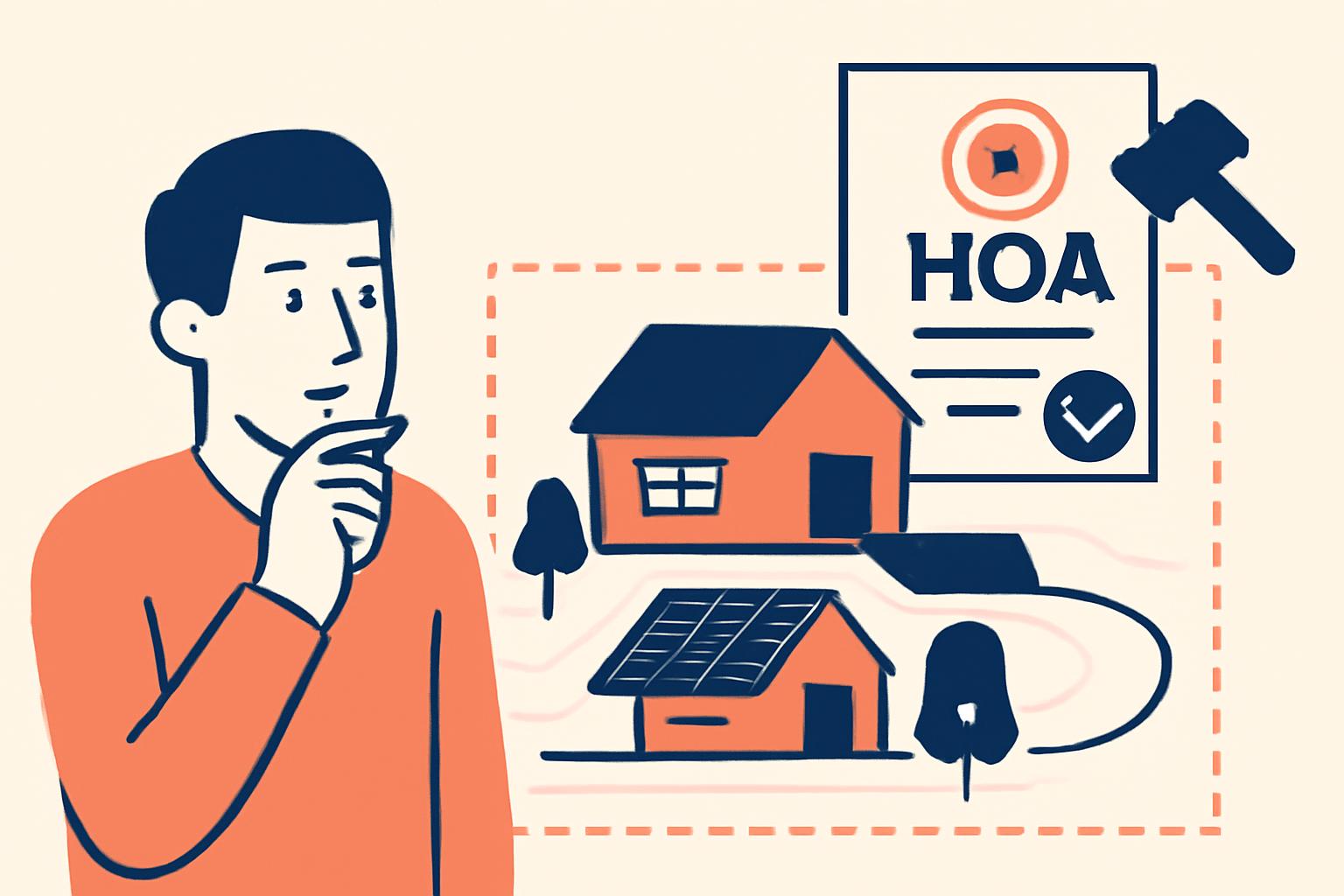
Homeowners Associations (HOAs) can significantly impact off grid living in Montana, influencing rules, community guidelines, and potential conflicts. Understanding the role of HOAs is essential for prospective off grid residents.
HOA Rules and Regulations
HOA rules and regulations may impose restrictions on off grid living, including limitations on building types, energy systems, and land use. Off grid residents should thoroughly review HOA documents and understand their rights and responsibilities to ensure compliance. Non-compliance with HOA rules can lead to fines or legal disputes.
Community Guidelines
Community guidelines established by HOAs may promote certain standards and practices within the neighborhood. These guidelines can shape the overall character of the community and influence how off grid living is perceived. Active participation in HOA meetings can help off grid residents voice their needs and advocate for more flexible guidelines.
Potential Conflicts
Conflicts may arise between off grid residents and HOAs due to differing priorities or misunderstandings regarding regulations. Building positive relationships and open communication with HOA members can help mitigate potential conflicts. Establishing a cooperative approach can foster a more inclusive environment for off grid living within HOA communities.
What Resources Are Available for Understanding Off Grid Regulations?
Numerous resources are available to help individuals understand off grid regulations in Montana, including government websites, local community organizations, and legal aid resources. Utilizing these resources is vital for navigating the regulatory landscape.
Government Websites
Government websites provide valuable information regarding zoning laws, building codes, and permitting processes. These sites often contain downloadable resources, contact information for local officials, and updates on regulatory changes. Regularly checking these resources ensures that residents remain informed about the latest requirements and compliance guidelines.
Local Community Organizations
Local community organizations often offer support and resources for those interested in off grid living. These organizations may host workshops, provide educational materials, and facilitate connections between residents. Engaging with these groups can enhance knowledge and foster a sense of community among off grid residents.
Legal Aid Resources
Legal aid resources can assist residents in navigating complex regulatory issues related to off grid living. These resources may include free or low-cost legal services, educational materials, and advocacy support. Accessing legal aid can help residents ensure compliance and protect their rights throughout the off grid journey.
What Are the Costs Associated with Off Grid Living in Montana?
Costs associated with off grid living in Montana include initial setup costs, ongoing maintenance costs, and the cost of permits and fees. Understanding these financial considerations is essential for potential off grid residents.
Initial Setup Costs
The initial setup costs for off grid living can vary widely depending on the chosen systems and the scale of the project. Major expenses typically include land acquisition, construction materials, renewable energy systems, and water management solutions. Having a clear budget and understanding potential costs is crucial for successful planning and implementation.
Ongoing Maintenance Costs
Ongoing maintenance costs are another important consideration for off grid residents. These costs may include routine maintenance of energy systems, water filtration, waste management, and general property upkeep. Budgeting for these expenses helps ensure the long-term sustainability of off grid living.
Cost of Permits and Fees
Permits and fees associated with off grid living can add to the overall financial investment. Building permits, electrical permits, and water rights permits may incur various costs, which can accumulate quickly. Understanding these costs early in the planning process helps residents budget effectively and avoid potential financial surprises.
How Can Off Grid Residents Stay Informed About Changing Regulations?
Off grid residents can stay informed about changing regulations by monitoring legislative changes, joining local advocacy groups, and participating in community meetings. Staying engaged is essential for adapting to evolving regulations.
Monitoring Legislative Changes
Regularly monitoring legislative changes at the state and local levels is crucial for off grid residents. Many government websites provide updates on new laws and regulations that may affect off grid living. Subscribing to newsletters or alerts from relevant agencies can help residents stay informed about important changes.
Joining Local Advocacy Groups
Joining local advocacy groups focused on off grid living can provide valuable insights and updates on regulatory changes. These groups often engage with local governments to advocate for off grid rights and sustainable practices. Being part of a collective voice strengthens the efforts to promote favorable regulations and support for off grid residents.
Participating in Community Meetings
Attending community meetings is an excellent way for off grid residents to stay informed and engage with local authorities. These meetings offer opportunities to learn about upcoming changes, voice concerns, and collaborate with neighbors. Active participation fosters a sense of community and helps influence local regulations regarding off grid living.
What Are the Benefits of Off Grid Living in Montana?
Benefits of off grid living in Montana include increased independence, environmental benefits, and potential cost savings. Understanding these advantages can motivate potential residents to pursue an off grid lifestyle.
Increased Independence
Off grid living provides residents with a heightened sense of independence, as they are not reliant on traditional utility services. This autonomy allows individuals to manage their own resources, such as energy and water, leading to a lifestyle that aligns with personal values and preferences. Many off grid residents find this independence empowering and fulfilling.
Environmental Benefits
Living off grid often promotes environmentally friendly practices, such as the use of renewable energy sources and sustainable waste management. This can lead to a reduced carbon footprint and a smaller impact on local ecosystems. Embracing off grid living contributes to broader environmental conservation efforts and can be a motivating factor for many residents.
Potential Cost Savings
Off grid living can lead to significant cost savings over time, particularly regarding utility bills and resource management. By investing in renewable energy systems and self-sufficient water sources, residents can reduce their ongoing expenses. Additionally, living off grid often encourages a more frugal lifestyle, further contributing to financial savings.
What Challenges Do Off Grid Residents Face in Montana?
Challenges faced by off grid residents in Montana include access to resources, navigating bureaucracy, and community integration. Understanding these challenges can prepare prospective residents for a smoother transition.
Access to Resources
Access to resources, such as building materials, energy systems, and community services, can be challenging for off grid residents. Remote locations may limit options for sourcing materials or accessing skilled labor. Establishing connections with local suppliers and professionals can help mitigate these challenges and ensure successful off grid living.
Navigating Bureaucracy
Navigating the regulatory landscape can be daunting for off grid residents. Understanding and complying with various zoning laws, building codes, and permitting processes often requires considerable effort and time. Seeking guidance from experienced residents or legal experts can ease the burden of navigating bureaucracy.
Community Integration
Community integration can pose challenges for off grid residents, especially in areas where off grid living is less common. Building relationships with neighbors and participating in local events can help foster a sense of belonging. Proactive engagement with the community can lead to greater acceptance and support for off grid lifestyles.
How Does Off Grid Living Impact Property Taxes in Montana?
Off grid living can impact property taxes in Montana, encompassing tax benefits, assessments for off grid homes, and potential exemptions. Understanding these aspects is essential for financial planning.
Tax Benefits
Some off grid residents may qualify for tax benefits, such as deductions for renewable energy investments. These incentives can help offset initial setup costs and support sustainable practices. Researching available tax benefits can contribute to more favorable financial outcomes for off grid residents.
Assessments for Off Grid Homes
Property assessments for off grid homes may differ from traditional homes, depending on local regulations and property characteristics. Understanding how assessments are conducted can help residents anticipate potential tax liabilities and plan accordingly. Engaging with local tax authorities can provide clarity on assessment processes.
Potential Exemptions
In some cases, off grid residents may be eligible for property tax exemptions based on their lifestyle choices or sustainable practices. Researching local policies regarding exemptions can provide opportunities for financial relief. Engaging with local advocacy groups can also help residents stay informed about potential exemptions available for off grid living.
What Are the Safety Considerations for Off Grid Living?
Safety considerations for off grid living in Montana include emergency preparedness, health and safety regulations, and insurance requirements. Addressing these considerations is crucial for a secure off grid lifestyle.
Emergency Preparedness
Emergency preparedness is vital for off grid residents, as they may be more vulnerable to natural disasters or utility failures. Developing an emergency plan, including evacuation routes and communication strategies, can enhance safety. Regularly reviewing and updating the plan ensures residents are well-prepared for unforeseen events.
Health and Safety Regulations
Health and safety regulations apply to off grid homes, particularly concerning sanitation, water quality, and waste management. Compliance with these regulations helps protect residents’ health and well-being. Staying informed about health and safety requirements is essential for maintaining a safe living environment.
Insurance Requirements
Insurance is an important consideration for off grid residents, as traditional policies may not cover unique risks associated with off grid living. Exploring specialized insurance options can help residents protect their investments and assets. Consulting with insurance agents familiar with off grid living can provide valuable insights into appropriate coverage.
What Role Do Renewable Energy Credits Play in Off Grid Living?
Renewable Energy Credits (RECs) play a crucial role in off grid living by enabling residents to monetize their renewable energy production. Understanding RECs can enhance the financial viability of off grid systems.
Understanding RECs
Renewable Energy Credits represent the environmental benefits of generating renewable energy. For every megawatt-hour of renewable energy produced, one REC is created. Off grid residents can sell these credits to utilities or companies looking to meet renewable energy standards, generating additional income and supporting sustainable practices.
How to Obtain RECs
Obtaining Renewable Energy Credits typically involves registering with a state or regional tracking system that verifies renewable energy generation. Off grid residents must ensure their systems meet specific criteria and comply with registration requirements. Engaging with relevant agencies can clarify the process and requirements for obtaining RECs.
Benefits of Participation
Participating in the REC market can provide financial benefits for off grid residents, offsetting costs associated with renewable energy systems. Selling RECs can create an additional income stream while contributing to the broader goal of increasing renewable energy adoption. This financial incentive can enhance the overall sustainability of off grid living.
How Do Off Grid Regulations Differ Across Montana’s Regions?
Off grid regulations can vary significantly across Montana’s regions, influenced by urban vs. rural designations, regional zoning variances, and local government differences. Understanding these distinctions is essential for successful off grid living.
Urban vs. Rural Regulations
Urban areas often have stricter regulations concerning zoning and building codes compared to rural regions. Off grid residents in urban settings may face more limitations on land use and construction types. Conversely, rural areas tend to offer more flexibility and opportunities for off grid living, but residents must still navigate local regulations.
Regional Variances in Zoning
Zoning regulations can differ substantially between regions in Montana, affecting what types of structures can be built and how land can be used. Off grid residents should research local zoning codes to ensure their plans align with regulations. Understanding these variances is crucial for avoiding legal complications and ensuring compliance.
Local Government Differences
Local governments may have different approaches and attitudes toward off grid living, impacting regulations and support. Some areas may actively promote off grid lifestyles, while others may impose restrictive regulations. Engaging with local authorities and community members can provide valuable insights into the regulatory landscape and foster positive relationships.
What Are the Future Trends in Off Grid Regulations in Montana?
Future trends in off grid regulations in Montana may include predicted changes in laws, emerging technologies, and community movements advocating for sustainable living. Staying informed about these trends is essential for adapting to evolving regulations.
Predicted Changes in Laws
As the demand for off grid living increases, changes in laws and regulations may emerge to support sustainable practices. These changes could include streamlined permitting processes, incentives for renewable energy use, and updated building codes. Monitoring legislative developments can help residents stay prepared for potential regulatory shifts.
Emerging Technologies
Emerging technologies in renewable energy and sustainable practices may influence off grid regulations. Innovations such as advanced battery storage, energy-efficient appliances, and smart home systems can enhance the viability of off grid living. Awareness of these technologies can inform residents about potential updates to regulations and best practices.
Community Movements
Community movements advocating for off grid living and sustainability may shape future regulations. These movements can influence local governments to adopt more supportive policies and foster a culture of renewable energy adoption. Engaging with community movements can empower off grid residents to advocate for favorable changes and contribute to a more sustainable future.
How Can Off Grid Residents Advocate for Better Regulations?
Off grid residents can advocate for better regulations by engaging with local government, building community coalitions, and launching public awareness campaigns. Proactive advocacy is essential for fostering a supportive regulatory environment.
Engaging with Local Government
Engaging with local government officials is a vital step for off grid residents seeking to influence regulations. Attending public meetings, voicing concerns, and presenting data-driven arguments can help residents advocate for favorable changes. Building relationships with local officials fosters an environment of collaboration and understanding.
Building Community Coalitions
Building coalitions with like-minded residents can amplify advocacy efforts. Collective action can create a stronger voice for off grid living, ultimately leading to more supportive regulations. Collaborating with neighboring residents and local organizations can enhance efforts to promote off grid rights and sustainable practices.
Public Awareness Campaigns
Launching public awareness campaigns can help educate the broader community about the benefits and realities of off grid living. These campaigns can dispel myths, promote sustainable practices, and encourage community support. Effective communication strategies can foster a more informed public, ultimately leading to positive changes in regulations.
What Are the Most Common Misconceptions About Off Grid Regulations?
Common misconceptions about off grid regulations include myths versus reality, clarifying legal misunderstandings, and the need for public education. Addressing these misconceptions is essential for fostering accurate understanding and acceptance of off grid living.
Myths vs. Reality
Many misconceptions abound regarding off grid regulations, such as the belief that off grid living is illegal or heavily restricted. In reality, while regulations exist, many areas offer flexibility and support for off grid lifestyles. Understanding these realities helps prospective residents make informed decisions about off grid living.
Clarifying Legal Misunderstandings
Legal misunderstandings can deter individuals from pursuing off grid living. Educating the public about the specific regulations, requirements, and opportunities available for off grid residents can help dispel fears and encourage more individuals to explore this lifestyle. Clear communication about legal aspects fosters a more informed community.
Educating the Public
Public education is crucial for addressing misconceptions about off grid living and regulations. Hosting workshops, distributing informational materials, and engaging with local media can help raise awareness and promote accurate understanding. Educating the public can foster a more supportive environment for off grid residents and their unique lifestyle choices.
How Can You Ensure Compliance with Off Grid Regulations?
Ensuring compliance with off grid regulations involves regular inspections, staying updated with laws, and consulting professionals. Adopting proactive strategies is essential for successfully navigating the regulatory landscape.
Regular Inspections
Conducting regular inspections of off grid systems is vital for ensuring compliance with building codes, safety standards, and environmental regulations. Routine checks help identify potential issues early, allowing for timely corrective actions. Engaging with qualified inspectors can enhance the overall safety and legality of off grid living.
Staying Updated with Laws
Staying updated with evolving laws and regulations is essential for off grid residents. Subscribing to newsletters, joining local advocacy groups, and monitoring government websites can provide valuable information about regulatory changes. A proactive approach to staying informed ensures compliance and helps residents adapt to new requirements.
Consulting Professionals
Consulting professionals with expertise in off grid living can provide invaluable guidance regarding regulations and best practices. Engaging with architects, contractors, and legal advisors familiar with off grid systems can help residents navigate complex regulations effectively. Professional advice enhances compliance and supports successful off grid living.
Mini FAQ
What is off grid living? Off grid living refers to a lifestyle that operates independently from public utilities, utilizing renewable energy sources and self-sufficient water management.
What permits are needed for off grid living in Montana? Required permits include building permits, electrical permits for energy systems, and water rights permits for well drilling or rainwater harvesting.
Are there zoning laws for off grid homes? Yes, zoning laws dictate land use and construction regulations for off grid homes, varying between urban and rural areas in Montana.
How can I access water off grid? Off grid residents can access water through well drilling, rainwater harvesting, and ensuring compliance with local water rights regulations.
What are the benefits of off grid living? Benefits include increased independence, environmental sustainability, and potential cost savings on utilities and resources.
How do I stay informed about off grid regulations? Staying informed can be achieved by monitoring government websites, joining local advocacy groups, and participating in community meetings.
What challenges do off grid residents face? Challenges include navigating bureaucracy, accessing resources, and integrating into local communities while maintaining sustainable practices.
This content is for informational purposes only. It does not constitute accounting, financial, or legal advice. Please consult a qualified professional before making decisions based on this information.