



Buying land in Missouri requires a strategic approach to ensure your investment fits your goals and avoids costly pitfalls. This guide walks you through practical steps,from defining your purpose and verifying critical property details to navigating legal processes and financial options,so you can confidently decide when to proceed or walk away.
Land purchases differ significantly from home buying because land typically requires more diligence around legal use, access, and development potential. Understanding Missouri’s specific rules, local variances, and common challenges is key to protecting your investment and future plans.
Whether purchasing rural acreage for farming, residential lots for building, or commercial parcels, the guidelines below help you identify must-verify facts and take effective next steps.
What Are the First Steps You Should Take When Buying Land in Missouri?
Begin by clearly identifying your intended use for the land, setting a realistic budget including all purchase-related costs, and narrowing your search to locations that match your goals.
This focus helps streamline your search and prevents wasting time on properties misaligned with your needs. For example, agricultural land requires different considerations than residential parcels.
Verify your budget by consulting with a financial advisor and including closing costs, tax obligations, and development or improvement expenses you anticipate. Establishing your true spending limit guides your offers and negotiations.
Research neighborhoods and counties using Missouri GIS resources, local government sites, and community data to ensure the area suits long-term plans. Visit locations whenever possible to get a feel for access, terrain, and services. If the land is intended for off-grid use, review relevant Missouri off-grid regulations early.
What Types of Land Are Available in Missouri and How Should You Approach Each?
You can buy residential, commercial, or agricultural land in Missouri. Each type has unique restrictions, costs, and development opportunities that shape due diligence and value assessments.
For insights into land investing strategies in another state, explore our comprehensive guide on land investing California.
Residential Land
Intended for building homes, this land is usually subject to zoning that dictates lot size, density, and permitted structures. Before buying, confirm zoning restrictions with the county planning office and evaluate proximity to schools, utilities, and road access. Verify that building permits are obtainable for your intended dwellings.
Commercial Land
Designed for business use, it demands close attention to zoning classifications, traffic accessibility, and market conditions. Confirm local commercial zoning compliance and investigate demand or planned developments nearby, since these greatly impact site viability.
Agricultural Land
Frequently larger and zoned for farming or grazing, assessing soil quality, water availability, and any agricultural easements is critical. Engage agricultural extension offices for soil tests and consult local ordinances that may influence land use.
How Can You Find Available Land Listings in Missouri?
Use a combination of online platforms, local real estate agents specializing in land, and county records to uncover current offerings.
- Online Listings: Websites such as Zillow and Realtor.com provide searchable databases with filters by size, price, and location. Set alerts for new listings matching your criteria.
- Real Estate Agents: Choose agents with proven land transaction experience in Missouri. Their local market knowledge can reveal upcoming or unlisted parcels and provide negotiation guidance. See how to find a qualified agent.
- County Records: Access public land records through county assessors or recorder offices to verify ownership, liens, and property history.
What Legal Steps Must You Take When Buying Land in Missouri?
Legal due diligence centers on securing clear title, verifying zoning, and understanding any permitting or land use restrictions.
Title Verification
Before closing, obtain a title search via a title company or attorney to confirm the seller’s ownership and uncover liens or claims. Acquire title insurance to protect against defects discovered after purchase.
Zoning and Permitting
Contact the local zoning office to confirm that your intended land use is permitted. If it is not, request information on rezoning or variances,processes that can be time-consuming and are not guaranteed.
Permits
Determine what permits you will need for construction or land development, such as building permits or environmental clearances, by consulting municipal or county offices. Planning these needs upfront avoids surprises and legal breaches post-purchase.
How Should You Assess the Value of Land in Missouri?
Start with a comparative market analysis using recent sales of genuinely similar land parcels in the area, adjusting for differences like size, zoning, access, and terrain.
Supplement this with a professional land appraisal for an independent valuation that lenders may require. Factor in current market trends and planned infrastructure projects, as these affect future value appreciation.
Review any restrictive covenants or easements that may limit development or use, as these reduce land value.
What Are the Main Costs Beyond the Purchase Price?
Budget for closing costs such as title insurance, attorney fees, survey costs, and recording fees. Post-purchase, anticipate ongoing property taxes that vary by county and insurance premiums,especially if the land requires liability or hazard coverage.
Additionally, if development is planned, factor in utility connections, road access improvements, and site preparation expenses.
How Do You Conduct Thorough Due Diligence on Missouri Land?
Engage professional inspectors to evaluate topography, drainage, soil quality, and environmental conditions like flood zones or contamination risks.
Ensure a land survey confirms legal boundaries to prevent disputes. Check for rights-of-way or easements regarding access.
Contact local environmental agencies to inquire about protected species habitats or land-use restrictions that might impact your intended use.
What Common Issues Should You Be Alert to When Buying Missouri Land?
- Access Rights: Confirm legal access via public roads or a recorded easement. Lack of legal access can render land unusable or difficult to develop.
- Boundary Disputes: Avoid parcels without recent surveys; unclear boundaries often cause future conflicts.
- Environmental Restrictions: Land within floodplains, wetlands, or conservation zones may have use limitations.
- Title Problems: Undisclosed liens or claims can complicate ownership,title insurance mitigates but verify upfront.
How Can You Effectively Negotiate the Purchase Price?
Understand the seller’s motivations,whether they need a quick sale or have pricing flexibility,and use this leverage for better terms.
Make a research-backed offer, grounded in your market analysis and inspection results, to justify your price and avoid overpaying.
Include contingencies for financing, inspections, and zoning approval to protect your interests and maintain negotiation flexibility.
What Steps Are Involved in Making and Closing an Offer on Land in Missouri?
Prepare a written purchase agreement specifying price, contingencies, and closing timelines. Submitting earnest money shows commitment.
Wait for the seller’s response, which may include acceptance, denial, or counteroffer, and negotiate terms accordingly.
At closing, conduct a final inspection, sign all necessary documentation, and transfer funds securely. Ensure deed recording with the county to legally establish ownership.
What Should You Do After Purchasing Land in Missouri?
Confirm the deed is properly recorded with the county recorder to secure legal ownership.
Begin developing your land only after reviewing zoning and securing required permits to avoid penalties.
Maintain the property to preserve value, including managing vegetation and preventing erosion or unauthorized use.
How Do Property Taxes Work and What Should You Prepare For?
Missouri property taxes depend on local assessments and vary significantly by county. Research the assessment process for the specific county and monitor for annual reassessments that may impact tax liability.
Understanding the importance of location can further refine your approach to buying land, especially when considering Locations & Market Selection.
If you dispute assessments, learn the appeals process to potentially reduce your tax burden. Be aware of payment deadlines to avoid penalties.
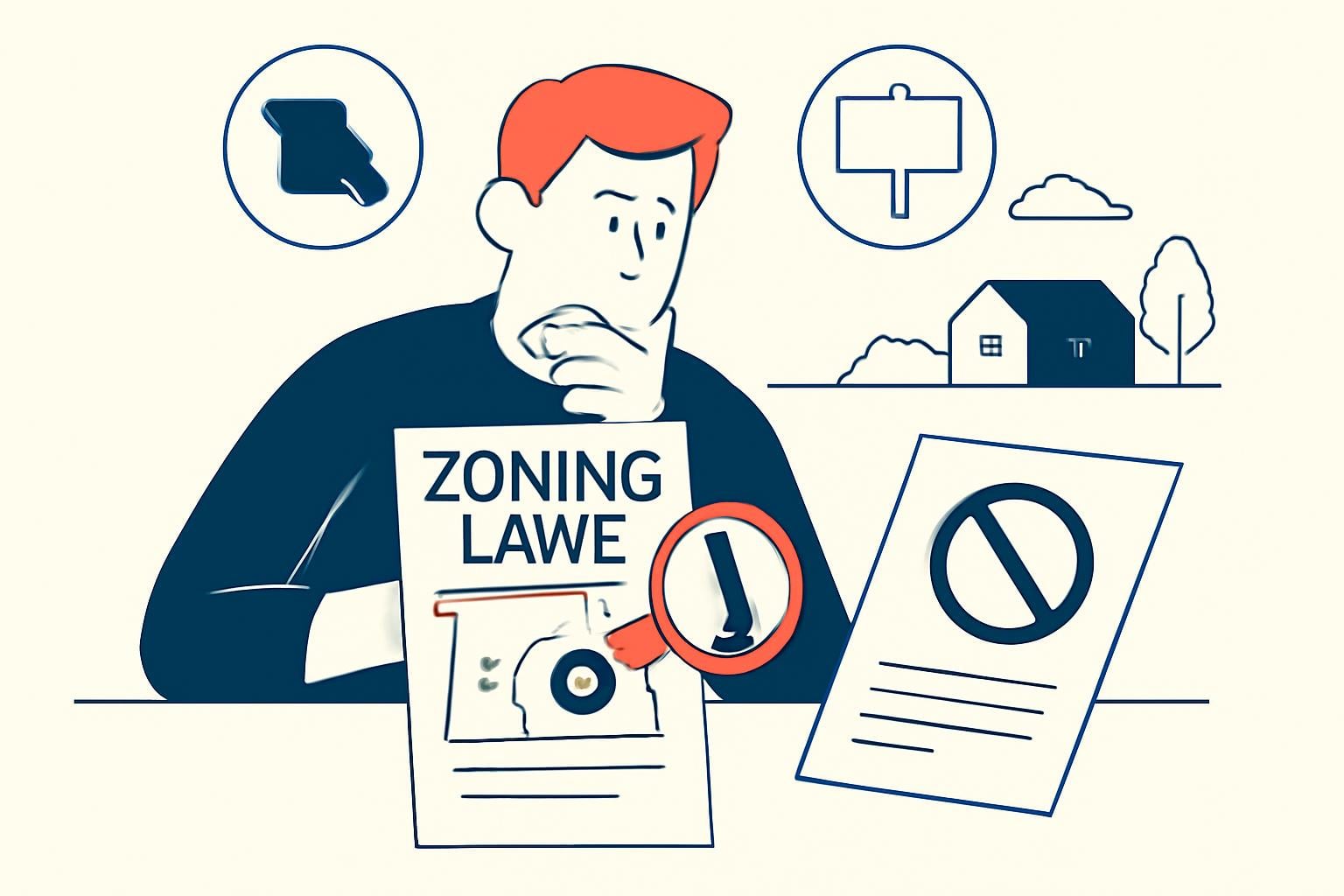
How Can You Verify Missouri Zoning Laws and Land Restrictions?
Consult county zoning offices or official online zoning maps to confirm allowed land uses.
Review any recorded covenants or deed restrictions that could limit your intended land use.
Check local planning boards for upcoming developments or zoning changes that might affect your land’s value or usability.
What Role Does Title Insurance Play in Missouri Land Purchases?
Title insurance protects against hidden title defects or ownership disputes uncovered after closing, including liens or forged documents.
Selecting a reputable title company ensures thorough title searches and reliable coverage. Although an additional up-front cost, title insurance safeguards your ownership investment long-term.
How Do You Legally Transfer Ownership of Land in Missouri?
Ownership transfers via deed conveyance, commonly a warranty deed for maximum protection. The executed deed must be properly filed with the county recorder’s office, which completes the title transfer process.
Work with a real estate attorney to select the appropriate deed type and confirm all documents comply with state laws and requirements.
What Are Best Practices for Buying Rural Land in Missouri?
Evaluate road access quality and legal easements carefully, as rural roads may be private or poorly maintained.
Investigate availability and cost of utilities since many rural parcels lack standard water, electric, or sewer connections. Consider alternatives if off-grid living is your goal.
Assess local market trends and resale prospects, as rural properties can vary widely in demand.
How Can You Use Missouri Land as an Investment?
Consider leasing agricultural or recreational rights to generate passive income, but verify local demand and lease agreements carefully.
Land flipping involves improving or repositioning parcels strategically based on zoning changes or infrastructural plans, requiring detailed market knowledge.
Long-term holding benefits from market appreciation influenced by regional growth; monitor economic factors and local development to time sales appropriately.
What Environmental Factors Should You Assess Before Buying Land?
- Flood Zones: Confirm flood risk using FEMA maps and local data to understand insurance needs and development limitations.
- Protected Species and Habitats: Engage local environmental authorities to identify restrictions that could impact land use.
- Land Use Regulations: Obtain full details on regional conservation rules, wetlands protections, and other environmental laws potentially affecting your plans.
How Should You Manage Land Development After Purchase?
Secure all necessary permits before any construction or land alteration. Early consultation with county planning and zoning departments prevents unlawful development.
Engage qualified contractors with proven experience in similar projects. Clear communication and contract agreements help avoid disputes.
Participate in local planning meetings to stay informed of relevant community developments and regulatory changes affecting your property.
What Legal Advice Can Help During a Missouri Land Purchase?
Retain a real estate attorney familiar with Missouri land transactions to review contracts, assist with title searches, and advise on zoning or environmental issues.
Clarify legal fees upfront and understand the scope of attorney involvement, which is especially important for complex transactions or disputes.
Consult legal counsel before signing agreements or finalizing financing to safeguard your rights and interests.
What Are Common Mistakes to Avoid When Buying Land in Missouri?
- Skipping or rushing due diligence: Always verify title, access, environmental conditions, and zoning before committing.
- Underestimating total costs: Include taxes, insurance, development, and unexpected expenses in your budget.
- Ignoring local laws and restrictions: Potential legal and financial consequences can follow noncompliance.
- Assuming all land is equally marketable: Location, access, and use restrictions make some parcels harder to resell.
How Can You Stay Updated on Missouri’s Land Market?
Monitor county assessor websites and real estate market reports for sales data and pricing trends.
Join local land or real estate investment groups to network and exchange insights.
Maintain a relationship with a knowledgeable real estate agent who tracks market changes and opportunities in your areas of interest.
What Resources Are Available for First-Time Land Buyers in Missouri?
Explore government programs such as USDA loans designed for rural land acquisition, which can offer favorable terms for eligible purchasers.
Attend community workshops or seminars offered by local real estate associations or extension offices to learn about the purchasing process.
Utilize detailed online guides from reputable real estate educational platforms to deepen your understanding of land ownership and investment.
Mini FAQ
What are the key steps in buying land in Missouri?
Key steps include clarifying your intended use, setting a budget inclusive of all costs, researching locations, verifying legal and zoning compliance, and working with qualified professionals.
What types of land can I purchase in Missouri?
You can buy residential, commercial, or agricultural land, each with distinct usage and zoning considerations.
How do I find available land listings?
Combine online listings, local real estate agents experienced in land, and county land records for comprehensive search results.
What costs should I expect besides the purchase price?
Budget for closing costs, property taxes, insurance, and development expenses that vary by parcel and intended use.
Why is title insurance important?
It protects you from ownership disputes and hidden liens that might not surface until after closing.
What common mistakes should I avoid?
Avoid neglecting due diligence, exceeding your financial limits, skipping legal checks, and misunderstanding local regulations.
What resources can help first-time buyers?
Use government loan programs, local workshops, and educational online guides tailored to Missouri land buyers.