


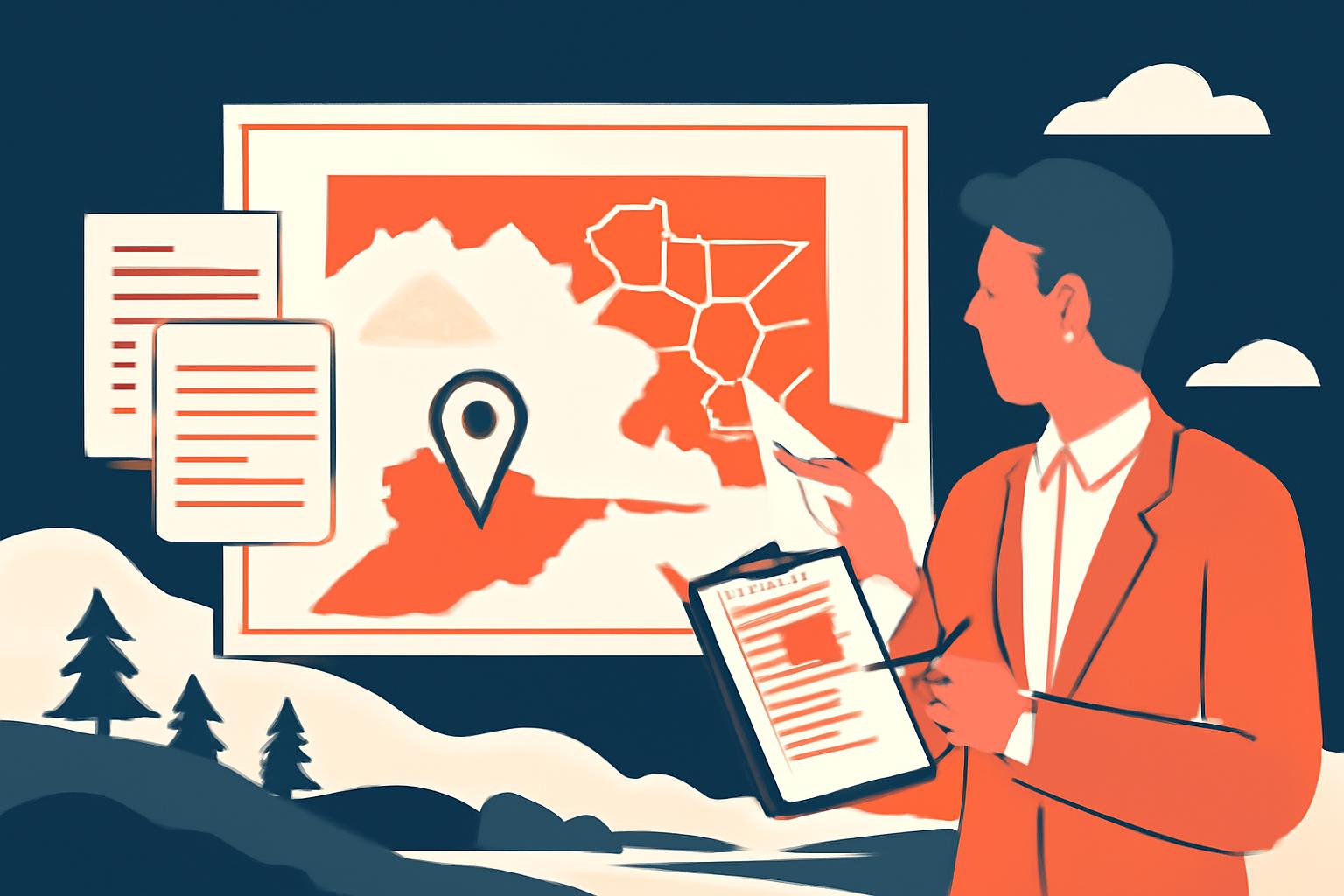
Living off grid in Maryland is entirely possible, but it demands thorough preparation, strict compliance with local regulations, and a realistic assessment of resources and challenges. This guide breaks down the critical aspects a prospective land buyer must verify before committing to off-grid living in Maryland, ensuring informed decisions throughout the land acquisition and transition process.
Whether you seek self-sufficiency, sustainability, or a lifestyle closer to nature, understanding the legal, environmental, and practical realities upfront will help avoid costly mistakes and align your plans with state and local rules.
Can You Live Off Grid in Maryland?
Yes, living off grid in Maryland is legally allowed, but each step requires confirming local zoning laws, building codes, and permit requirements before purchasing land or initiating development.
This means you can disconnect from public electricity, water, and sewage systems, relying instead on solar panels, wells, composting toilets, and other off-grid systems. However, you must ensure the property and your lifestyle plans comply with county regulations and state standards.
What to verify: Review zoning ordinances with the county planning or zoning office where the land is located. Confirm any restrictions on housing types, energy generation, water supply, and waste management. Failure to do so can lead to halted construction, fines, or costly modifications.
What Legal Requirements Affect Off-Grid Living in Maryland?
Maryland enforces building codes, zoning laws, and permitting procedures that apply to off-grid properties just like any other land development.
For your land investment and living plans, it is critical to:
- Check zoning laws: Some zones restrict certain structures like tiny homes, mobile homes, or alternative septic systems.
- Confirm building permits: Construction of any permanent dwelling or energy/water systems usually requires permits.
- Understand health regulations: Especially for water sources (wells, rainwater) and wastewater treatment.
Verification step: Contact local authorities early,county zoning office and health department,to obtain documentation on regulations tied to your parcel. A zoning restriction or lack of permit eligibility may require you to walk away or adjust your plan.
You can find detailed information on zoning laws and off-grid regulations in Maryland for deeper legal insights.
How Can You Find Suitable Land for Off-Grid Living in Maryland?
It is possible to find land fit for off-grid living, mainly in rural counties such as Garrett, Washington, and parts of the Eastern Shore, where larger, more remote parcels are common.
Key considerations when evaluating land include:
- Access to sunlight: For solar energy potential.
- Water availability: If the parcel allows well drilling or rainwater harvesting.
- Soil and terrain: For garden cultivation and building foundations.
- Access roads and legal access: Confirm deeded access and road maintenance status.
- Zoning and land-use compatibility: Ensure the parcel can support your chosen off-grid systems and home type.
Verification step: Order a title report and boundary survey to confirm access rights and boundaries. Consult county planning maps and the local health department to verify water well permit eligibility. Make zoning checks with the county planner’s office. Any negative finding here may affect the property’s usability or your offer price.
What Are Your Electricity Generation Options Off Grid in Maryland?
Solar power is the primary and most practical energy source for off-grid living in Maryland due to decent sunlight and declining equipment costs.
Other viable sources include:
- Wind turbines: Feasible if local wind speeds are adequate; mostly suitable in open or elevated areas.
- Backup generators: Typically diesel or propane, important as a fail-safe during low sun/wind periods.
- Hydropower: Possible only if the property has a suitable flowing water source.
Energy system sizing should match your anticipated electricity demand, factoring in seasonal variations and storage capacity (batteries).
Verification step: Obtain a solar feasibility study or wind resource report specific to the parcel or region. Confirm any permit needs for renewable energy installations with local authorities to avoid costly permit violations.
For background on energy systems legal and practical utilities, see energy generation insights applicable to similar climates.
How Can You Secure Water Off Grid in Maryland?
Your water supply options depend heavily on local groundwater availability and rain patterns.
Typical off-grid water sources include:
- Drilled wells: Common but require permits and testing; expect upfront drilling expenses.
- Rainwater harvesting: Legal and effective supplemental source when designed with storage tanks and safe catchment systems.
- Spring or surface water: Less common and usually subject to environmental restrictions.
Water treatment (filters, UV, chemical) is essential to ensure safety, especially when sourcing from natural or collected water.
Verification step: Consult with the county health department on well drilling permits and water quality requirements. Conduct or review soil and water tests to confirm sustainability. Lack of usable water can disqualify a property for residential off-grid use.
For insights on essential services, explore our comprehensive guide to Development, Utilities & Access in rural areas.
See practical information on Water Supply Options specific to Maryland zoning contexts.
How Do You Handle Waste Management Off Grid?
Waste management must comply with health codes and environmental safety standards even when off the public grid.
Common off-grid waste solutions are:
- Composting toilets: Efficient for human waste without sewage hookups.
- Septic tanks: Standard option requiring site evaluation and permits.
- Greywater systems: Recycling water from sinks and showers for landscape irrigation; may need permits and proper design.
Verification step: Check with local environmental health or sanitation authorities for septic system requirements and permits. Noncompliance with waste disposal regulations can result in legal sanctions or forced upgrades.
What Are Heating and Cooling Options Off Grid in Maryland?
Maryland’s seasonal climate necessitates reliable heating for winters and cooling or ventilation for warmer months.
Common heating methods include:
- Wood-burning stoves: Renewable and effective heat sources with correct installation.
- Propane or biomass heaters: Alternatives depending on fuel availability.
- Passive solar design and insulation: Reducing needs through building layout and materials.
Cooling relies mainly on natural ventilation and shading; active systems require energy budgeting.
Verification step: Evaluate local fuel availability and building code regulations related to heating appliances. Confirm property suitability for installation of wood stoves or alternative systems.
Can You Grow Your Own Food Off Grid in Maryland?
Yes, Maryland’s climate supports gardening with planning around seasonal planting cycles and frost dates.
Successful off-grid food production depends on:
- Soil quality and amendments.
- Proper gardening methods like raised beds, permaculture, and crop rotation.
- Seasonal planning for cool- and warm-season crops.
Verification step: Conduct soil tests before purchase to ensure fertility and absence of contaminants. Assess water access to support irrigation needs. Poor soil and unreliable water may require substantial investment or could limit viability.
How Can You Stay Connected While Living Off Grid in Maryland?
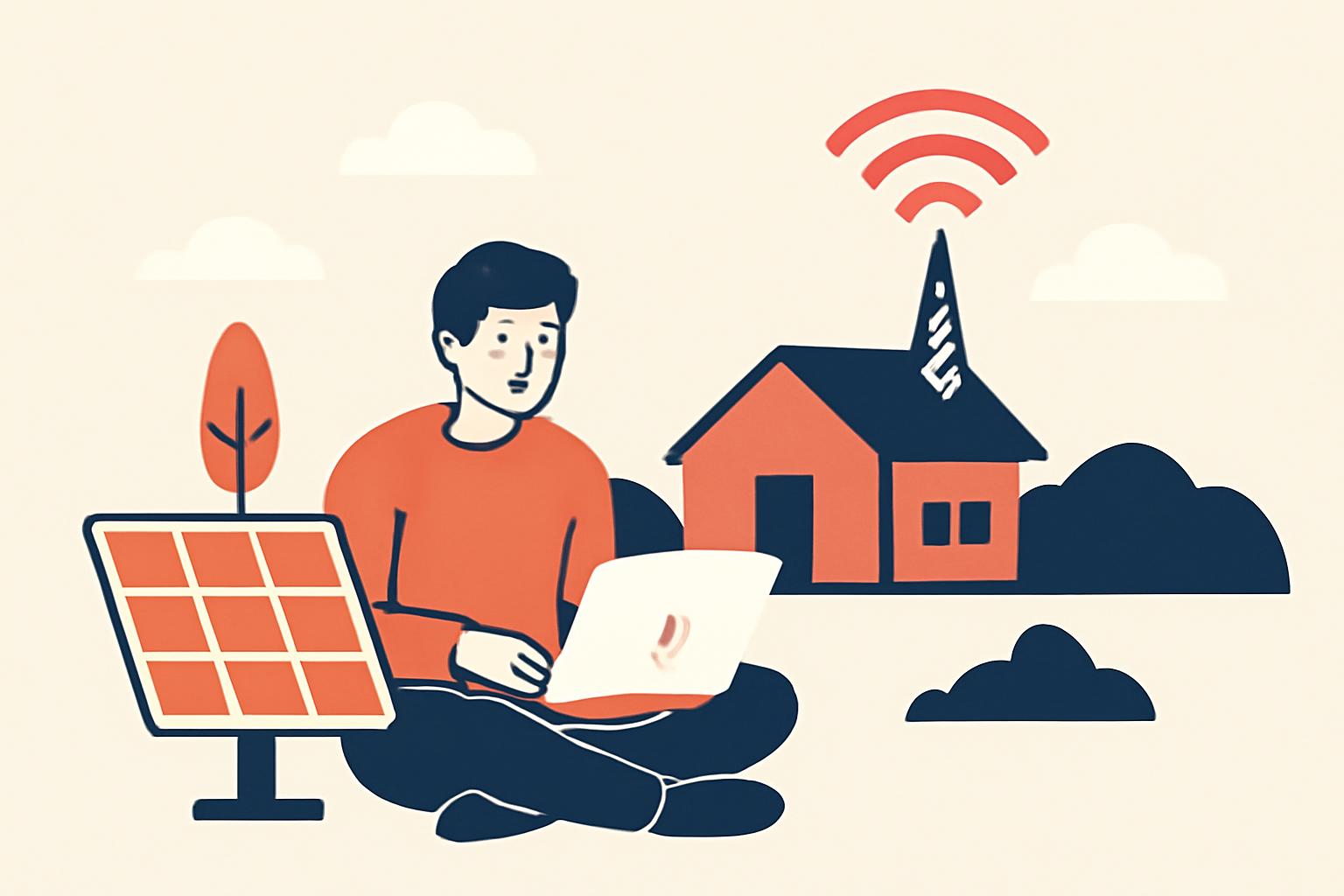
Internet and phone connectivity in rural Maryland is often achievable through satellite internet or cellular networks, though coverage quality varies by location.
To maintain communication for work and emergencies:
- Check nearby cellular coverage maps and available Internet Service Providers (ISP).
- Consider satellite Internet for remote parcels lacking cellular access.
- Have emergency communication devices like satellite phones or radios as backup.
Verification step: Before purchase, test phone signal strength and research available ISPs. Poor connectivity can hinder remote work viability and personal safety.
What Are the Typical Costs of Off-Grid Living in Maryland?
Costs vary greatly but typically include land purchase, energy systems, water supply installation, and housing construction. Initial setup costs may be substantial, including solar panels, batteries, well drilling, and septic installation.
Ongoing costs involve maintenance, fuel for backup generators, and system repairs.
Verification step: Obtain detailed quotes and estimates for all installations planned on the property. Confirm local permit fees and potential incentives for renewable energy. Underestimating these can lead to financial strain or project delays.
For a general overview, reference guides like Closing Costs For Land In Maryland.
How Do You Transition Successfully to Off-Grid Living in Maryland?
Successful transition requires a phased approach, starting with thorough legal and land due diligence, followed by gradual implementation of off-grid systems and skill development.
Key steps include:
- Define your intended use and lifestyle goals.
- Verify zoning, water, and waste regulations for the specific property.
- Secure utilities or plan self-sufficient systems with professional input.
- Start small (e.g., test solar setups, gardening) before full-scale living.
- Develop necessary skills in energy management, water treatment, and food production.
Verification step: Before finalizing purchase, consult local experts, conduct site visits during different seasons, and factor seasonal challenges into your planning.
What Resources Are Available for Learning Off-Grid Skills in Maryland?
Local workshops, agricultural extension offices, and online courses offer practical training in renewable energy, gardening, and sustainable living. Books and hands-on community groups are additional valuable resources.
Verification step: Identify nearby educational programs and join local or online off-grid communities to gain ongoing support and advice.
Can You Raise a Family While Living Off Grid in Maryland?
Yes, raising a family is possible but requires planned access to education (homeschooling, online options), healthcare, and outdoor activities.
Verification step: If family life is a priority, evaluate distance to schools, emergency services, and social opportunities before purchase.
What Are Common Misconceptions About Off-Grid Living?
Off-grid living is often thought to be too isolated, prohibitively costly, or requiring advanced technical skills. In reality, many off-grid communities foster connection, costs balance out over time, and skills are learnable through resources and experience.
Verification step: Talk to current off-grid Maryland residents or visit communities to get factual perspectives to temper your expectations.
Can You Live Off Grid Year-Round in Maryland?
Yes, with proper planning, Maryland’s climate allows year-round off-grid living, though winter preparation (heating, energy storage) and summer resource management (water conservation) require special attention.
Verification step: Assess seasonal climate data, and verify that your energy and water systems meet winter demand and summer stress tolerances before purchase.
What Are the Environmental Impacts to Consider?
Off-grid living reduces reliance on fossil fuels and sewage systems, lowering carbon footprint and environmental strain when done responsibly.
Maintaining biodiversity and sustainable land management practices, like permaculture and organic gardening, minimizes negative effects.
Verification step: Check if the proposed land is in or near protected areas; confirm that your waste and water systems meet environmental guidelines to avoid ecological damage.
Summary
Living off-grid in Maryland is feasible but hinges on careful land selection, legal compliance, and practical readiness. Before committing, confirm zoning compatibility, water and waste permit eligibility, renewable energy potential, and community connectivity. Identify seasonal challenges and budget realistically for initial and ongoing costs. By following a stepwise decision workflow,from defining your goals, verifying controlling facts with local authorities and professionals, to planning system installations,you can maximize your chances of a successful off-grid lifestyle and land investment.