


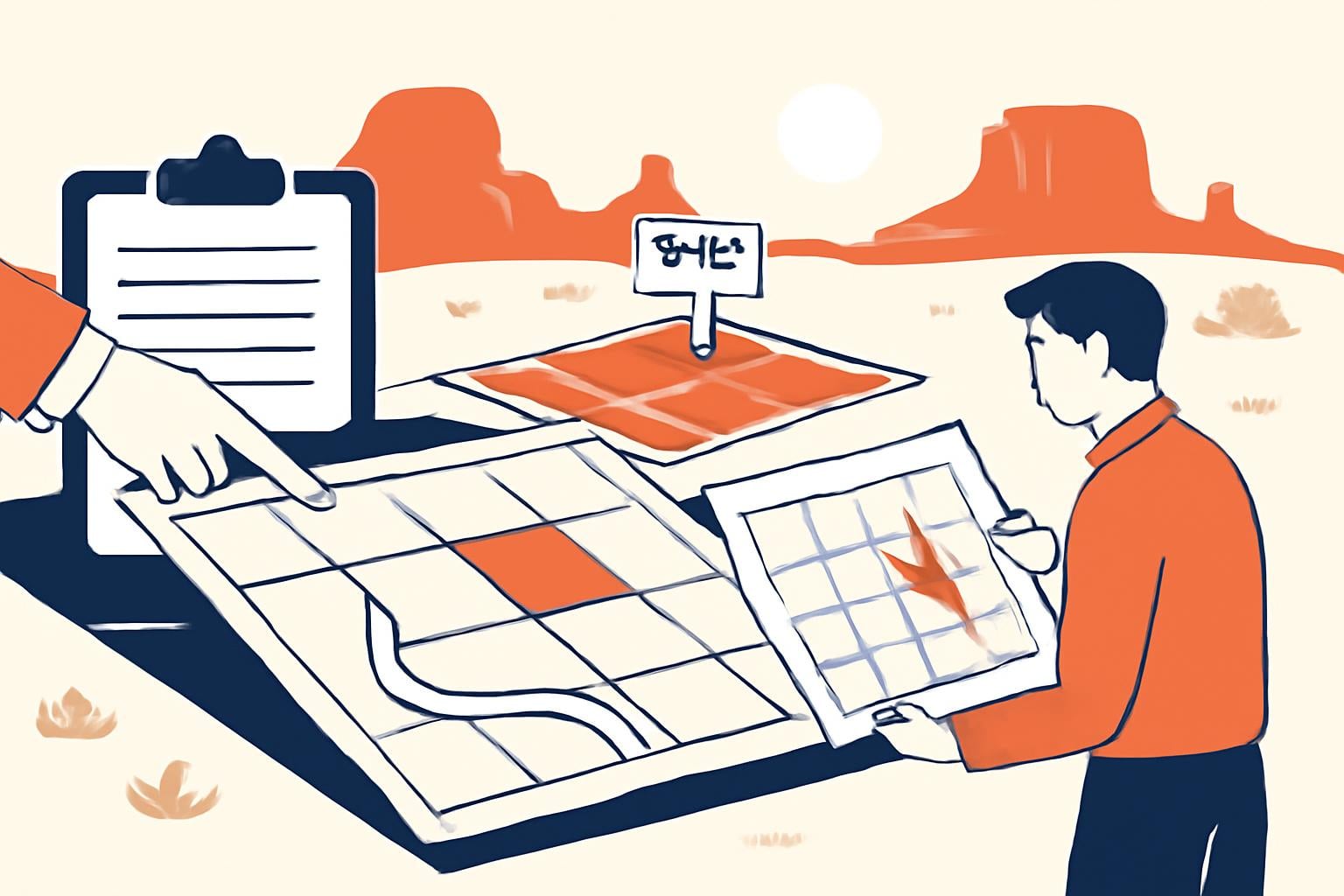
Living off grid in Arizona is possible and increasingly popular among buyers seeking independence, sustainability, and a close connection to nature. Success in this lifestyle depends on verifying key factors like legal compliance, resource availability, and local climate before purchasing land. This guide provides practical, decision-focused insights to help you evaluate off-grid living feasibility in Arizona and avoid costly mistakes.
Understanding the realities,legal, environmental, and practical,will enable you to confidently screen land offers, verify critical conditions, and plan your off-grid setup with the right expectations.
Can You Live Off Grid in Arizona?
Yes, you can live off grid in Arizona, but doing so requires meeting local regulations and managing natural resources effectively. Off-grid living here means relying on renewable energy, securing water rights, and handling waste without access to public utilities.
This is not automatic; you must verify zoning, water availability, and building restrictions on any parcel before committing. Conditions vary widely by county and municipality, affecting the feasibility and cost of off-grid setups.
Start by defining your intended use,permanent residence, seasonal cabin, or hobby farm,and check with county planning departments or local zoning offices to confirm if off-grid living is allowed and what permits are needed. A surprising number of parcels have restrictions that may require modifying plans or walking away.
What Are the Legal Requirements for Off-Grid Living in Arizona?
Legal requirements are foundational for your land decision because noncompliance can halt construction and lead to fines or forced removal of structures.
Zoning Laws
Zoning in Arizona dictates land use type and density; most off-grid homes must be on parcels zoned for residential or agricultural use. Verify the zoning designation with the county recorder or planning office. Some rural zones are more flexible, but urban fringe areas often have stricter controls.
Look for restrictions on minimum lot size, structure type, and permissible uses like livestock or commercial activities. Failing to confirm zoning can result in denied permits or incompatible neighbors.
Building Codes and Permits
Building codes apply even off grid and regulate structural safety, fire standards, plumbing, and electrical work. Check with local building departments to determine if you need permits for your intended off-grid home, solar system, or well. Some counties may offer exemptions for tiny homes or non-permanent structures, but you must confirm.
Improper or unpermitted construction can jeopardize insurance coverage and resale value.
Water Rights and Well Permits
Arizona’s water laws are complex and vary by location. Before purchasing land, verify if water rights exist, the availability of groundwater, and any restrictions on well drilling through the Arizona Department of Water Resources or county offices.
Understanding zoning and land access is essential; explore our guide on Development, Utilities & Access to plan your off-grid living.
Some areas restrict groundwater pumping or require permits. Rainwater harvesting is subject to regulations that also must be confirmed to ensure legal water sourcing.
Consult water rights resources to understand local practices.
How Do You Find Suitable Land for Off-Grid Living in Arizona?
Finding land for off-grid living hinges on prioritizing legal access, resource availability, and site features relevant to your lifestyle.
Key Land Characteristics
Look for parcels with legal road access; unrecorded or illegal roads can block development. Check the topography for solar exposure, soil suitability for gardening, and proximity to water sources.
Remote desert land offers sunshine for solar power but may lack reliable water; forested or mountainous areas have cooler climates but different building challenges.
Purchasing Process
Purchase options include buying outright or financing through lenders familiar with rural, off-grid properties. Ensure title is clear and inspect for liens or easements affecting use. An owner’s title insurance policy that covers remote rural land should be considered to mitigate risk.
Recommended Areas
Counties like Yavapai (Prescott area), Coconino (Flagstaff outskirts), and Pima (Tucson outskirts) often have flexible zoning and community support for off-grid living. Each county differs in climate, services, and regulatory environment, so research is necessary before narrowing down locations.
How Does Arizona’s Climate Affect Off-Grid Living?
Arizona’s diverse climate shapes your off-grid resource planning and daily living needs. The arid desert climate offers abundant solar energy but usually scarce water.
Temperatures frequently exceed 100°F in summer, requiring cooling strategies, while winters can be mild or cold depending on altitude, affecting heating needs.
Seasonal monsoons bring intense but short-lived rainfall, requiring rainwater harvesting systems designed for infrequent storms. High evaporation rates mean water conservation and storage are critical.
When evaluating land, check microclimate details with local agencies or nearby residents to understand potential challenges such as dust storms or freezes.
How Do You Source Water for Off-Grid Living in Arizona?
Water sourcing is often the most critical limiting factor for off-grid living. Verify official water rights and availability before buying.
Options for Water Supply
- Well Drilling: Check if well permits can be obtained for your parcel. Hiring a local hydrogeologist or well driller for a feasibility study helps reveal aquifer depth and quality.
- Rainwater Harvesting: Legal in Arizona but requires understanding limits and proper system design due to infrequent rains. For detailed local rules, refer to our rainwater harvesting guide.
- Water Delivery: Practical in some areas but expensive and dependent on reliable delivery services.
Water quality testing is essential to avoid contaminants that can jeopardize health. Confirm local regulations on water use and storage with county water agencies to prevent surprises during permitting.
What Energy Sources Work Best for Off-Grid Living in Arizona?
Solar power is the primary and often most practical energy source due to Arizona’s abundant sun. Confirm the solar exposure and shading on land before purchase.
Other Energy Sources
- Wind Energy: Supplementary in certain mountainous or plateau zones where wind speeds are reliable. Verify wind data from local weather stations before investing.
- Generator Backup: A fuel-based generator can provide power during low sun or high demand but requires ongoing fuel supply.
Evaluate local building codes and HOA rules about renewable energy installations to avoid violations. Planning for battery storage and energy management systems is critical for consistent power.
Refer to the energy sources section for more legal context.
How Should You Build a Sustainable Off-Grid Home in Arizona?
Design and materials must optimize energy efficiency, climate adaptability, and resource conservation.
- Passive Solar Design: Orient living spaces to maximize winter sun and shading in summer.
- High-Quality Insulation: Important against temperature extremes to reduce heating/cooling requirements.
- Water-Efficient Fixtures: Reduce consumption aligned with scarce water availability.
- Local & Eco-Friendly Materials: Climates with heat extremes benefit from adobe, rammed earth, or insulated panels.
Verify building plans comply with local building codes and consult with contractors who have off-grid experience in Arizona to prevent costly mistakes.
What Should You Expect Regarding Costs for Off-Grid Living in Arizona?
Costs vary but generally include land purchase, water and energy system installation, building construction, and ongoing maintenance.
Verify marketplace prices for land in your target area and obtain quotes for well drilling, solar installations, and building costs. Don’t underestimate expenses for permits, site preparation, and infrastructure like roads or septic systems.
Budget also for contingencies like equipment repair or unexpected utility connections.
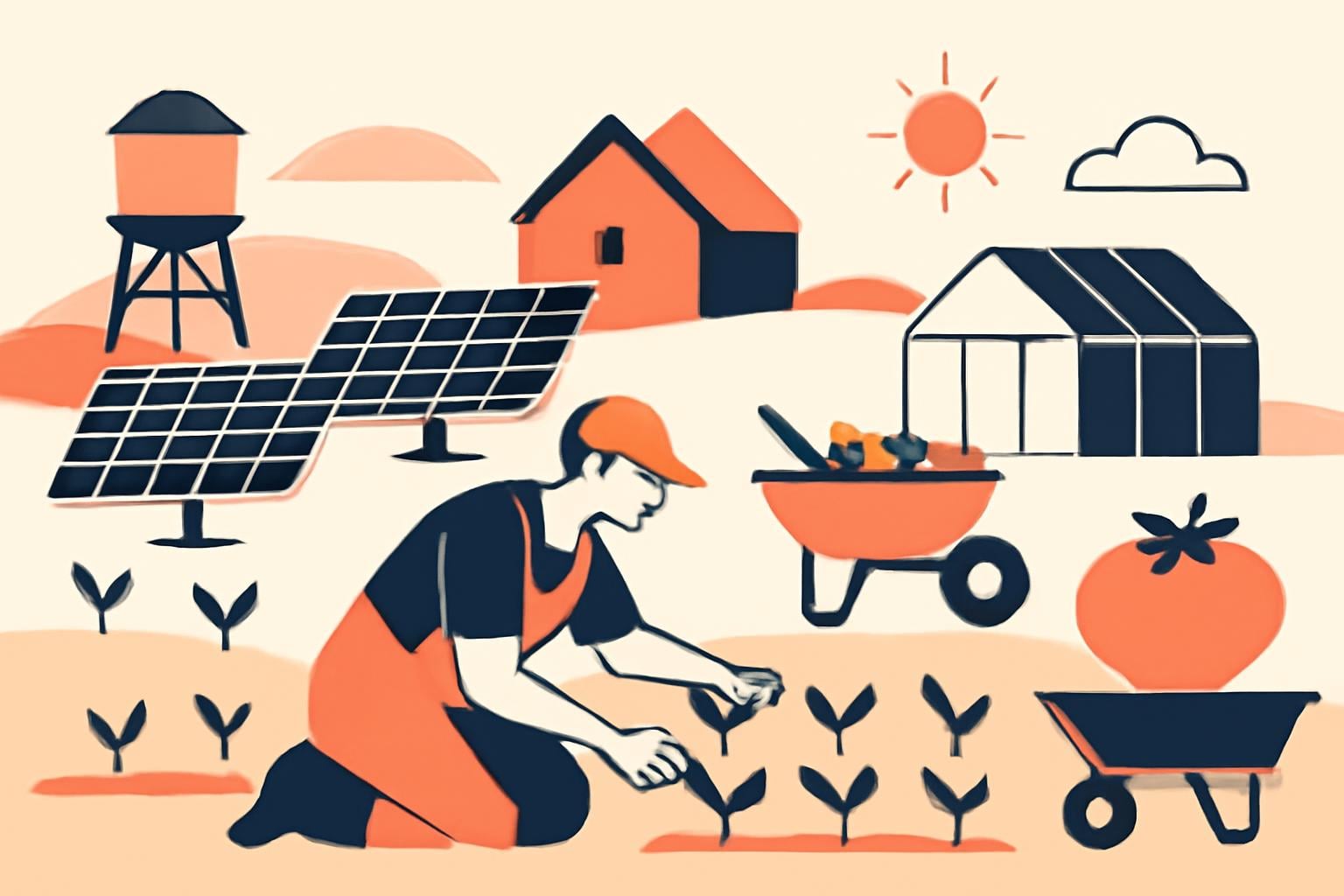
How Can You Grow Food Off Grid in Arizona?
Growing food is possible but requires adapting to desert conditions.
- Permaculture: Implement drought-resistant plants and companion planting for water conservation.
- Greenhouses: Can extend growing seasons by protecting crops from heat and pests.
- Water-Efficient Irrigation: Drip irrigation and mulching reduce water use.
Test soil quality early; many desert soils need amendment with organic matter.
Are There Off-Grid Communities in Arizona?
Yes, several off-grid and intentional communities exist offering shared infrastructure and social support. Evaluate communities by location, amenities, governance style, and whether they align with your independence level.
Visiting such communities before purchase can clarify expectations and opportunities for collaboration or support.
How Do You Manage Waste While Living Off Grid?
Effective waste management includes composting toilets, greywater reuse, and responsible disposal.
- Composting Toilets: Reduce water use and create garden nutrient sources; legal approval often required.
- Greywater Systems: Recycles household water for irrigation; check county regulations.
- Solid Waste Disposal: Plan for periodic transport to landfill or recycling centers since local facilities may be distant.
How Do You Prepare for Off-Grid Living in Arizona?
Preparation involves verifying land suitability and legal compliance, testing water and soil, planning infrastructure, and acquiring relevant skills.
Trial stays on the property can highlight unforeseen issues. Building a detailed transition plan with milestones, backup plans, and realistic timelines reduces risks.
What Skills Are Essential for Off-Grid Living in Arizona?
Critical skills include water system maintenance, solar system management, gardening in arid conditions, construction basics, and emergency preparedness. Plan for ongoing skill development and consider local resources or workshops for training opportunities.
How Can You Stay Connected and Safe Living Off Grid?
Internet via satellite or cellular boosters and communication radios ensure connectivity, vital for emergencies and social engagement. Safety measures should address wildfire preparedness, wildlife encounters, and first aid readiness.
What Common Misconceptions Should You Avoid?
Don’t assume off-grid living means complete isolation or no modern comforts; well-planned setups can support a comfortable lifestyle while managing resource constraints.
Also, verify all legal assumptions; “off grid” doesn’t exempt you from zoning, building, or water regulations. Confirm each with local authorities.
Summary Checklist Before Buying Land for Off-Grid Living in Arizona
| Verification Aspect | What to Check | Verification Source | Red Flags / Consequences |
|---|---|---|---|
| Zoning & Land Use | Confirm residential or ag zoning, allowable uses | County Planning Office records | Restricted uses, prohibitive rules can stop off-grid building |
| Water Availability | Check water rights, well permits, rainwater rules | Arizona Dept. of Water Resources, County offices | No legal water means costly alternatives or no development |
| Legal Access | Verify deeded road access or easements | County Recorder’s Office, Title company | Lack of legal access limits development and resale |
| Building Restrictions | Review local building codes and permit needs | Local building department | Unpermitted structures risk fines, removal, failed resale |
| Resource Availability | Assess solar exposure, wind patterns, soil quality | Local weather data, on-site inspection | Poor conditions raise costs or reduce self-sufficiency |
| Community / Services | Identify nearest services, emergency access | Local community offices, site visits | Remote isolation may create logistic hurdles or safety risks |
By systematically verifying these factors, you can avoid common pitfalls and make confident, informed decisions about investing in off-grid land in Arizona. Starting with your intended use, each step of verification narrows your options or signals adjustments to plans or offers.
For comprehensive details on zoning, water, and legal requirements, see our off-grid living and off grid regulations in Arizona guides, as well as the Buying Land Guide For Arizona.