


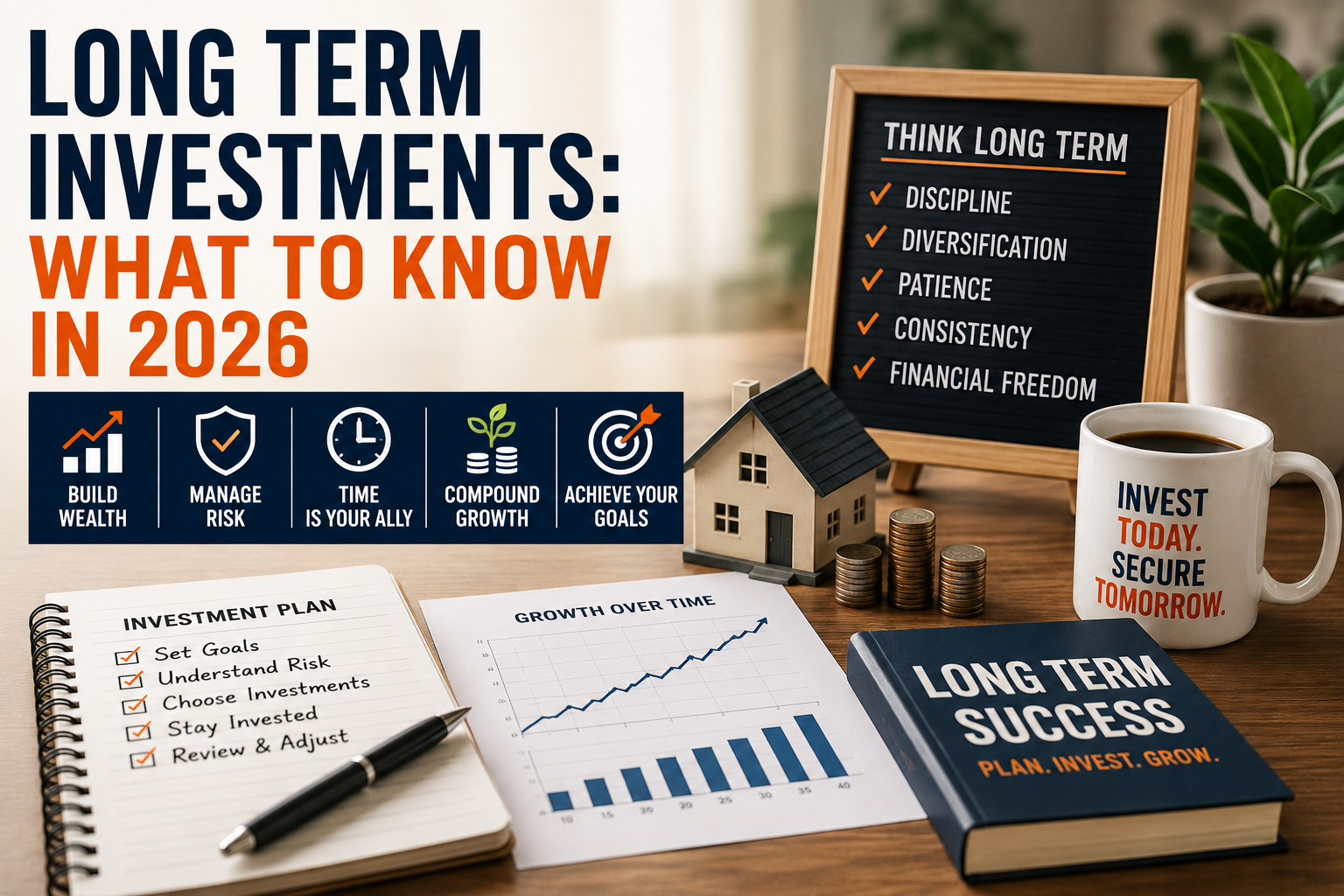
Choosing the right mix of traditional and alternative assets,including stocks, bonds, real estate, and land,requires careful evaluation of factors like income stability, tax implications, liquidity constraints, and ongoing costs. Without thorough due diligence and realistic expectations, investors may face unexpected expenses, difficulty accessing funds, or legal complications that can undermine long-term outcomes.
Which Assets Are Typically Considered Good for Long-Term Investing?
Long-term portfolios often combine traditional assets such as stocks and bonds with alternative investments like real estate, commodities, and land. Each category offers distinct tradeoffs in growth potential, income generation, liquidity, risk, and management requirements.
Traditional Assets: Stocks, Bonds, and Funds
Stocks provide growth and sometimes dividends but can be volatile. Bonds generally offer more stable income but are sensitive to interest rate changes. Mutual funds and ETFs deliver diversification and liquidity, making them suitable starting points for many investors. Balancing these assets according to risk tolerance and income needs is foundational to long-term strategy.
Alternative Investments: Real Estate, Commodities, and Land
Alternatives typically have lower correlation with traditional markets, providing diversification benefits. Real estate and land are tangible assets that can hedge inflation but often require active management and have limited liquidity. Commodities protect against inflation but usually don’t generate income. Understanding these characteristics and the associated risks is essential before allocation.
Income-Producing Assets Within Long-Term Portfolios
Assets that generate regular cash flow,such as dividend-paying stocks, rental properties, and bonds,can supplement growth investments and help meet income needs. However, income reliability varies, and tax treatment can affect net returns. Balancing income and appreciation requires ongoing portfolio review.
How Do Alternative Investments Compare to Traditional Stocks and Bonds?
Alternative investments differ primarily in liquidity, transparency, risk profile, and management complexity, often demanding more extensive due diligence and longer holding periods than traditional stocks and bonds.
Liquidity and Transparency
Many alternatives, such as direct land ownership, are illiquid and may take months or years to sell without price concessions. Publicly traded alternatives like REITs offer better liquidity and clearer reporting. Matching liquidity characteristics to your cash flow needs is critical to avoid forced sales or financial strain.
Risk and Return Tradeoffs
Alternatives can reduce portfolio volatility through diversification and inflation protection but carry unique risks including regulatory changes, environmental factors, and valuation uncertainty. For example, land investments face zoning risks and ongoing holding costs that can impact returns. Assessing these risks relative to your tolerance is necessary.
Land Investing as a Case Study
Land investing offers tangible asset exposure and potential inflation hedging but typically does not produce income and requires attention to location, zoning, taxes, and management costs. Illiquidity and longer holding periods mean investors must plan for holding costs without immediate cash flow and verify legal ownership carefully.
What Are the Risks and Liquidity Tradeoffs of Different Long-Term Investments?
Long-term investments carry risks including market volatility, illiquidity, and management demands, which can affect returns and access to capital over time.
Illiquidity Risks
Illiquid assets like land or private real estate can be difficult to sell quickly and may require price reductions to exit. This restricts financial flexibility and can force unfavorable timing of sales. Maintaining sufficient liquid reserves before committing to illiquid investments is a prudent safeguard.
Market Volatility and Asset-Specific Risks
Stocks can experience sharp price swings; bonds are sensitive to interest rate shifts; alternatives may be affected by regulatory or environmental changes. Diversification across asset classes helps mitigate these risks but does not eliminate them.
Consequences of Early Liquidation
Prematurely selling long-term investments often results in realized losses, penalties, or adverse tax consequences. For example, selling land before appreciation or development potential is realized may yield below-market proceeds, undermining long-term goals.
How Can Beginners Start Investing for the Long Term?
Beginners should start by clearly defining goals, risk tolerance, and investment horizon, then build diversified portfolios focused initially on traditional assets before cautiously exploring alternatives with thorough due diligence.
Clarify Goals, Risk Tolerance, and Time Horizon
Understanding your financial objectives and how long you can commit funds guides appropriate asset allocation. Longer horizons can accommodate more growth-oriented and illiquid investments; shorter horizons require more conservative, liquid holdings.
Build Diversification Gradually
Begin with broadly diversified index funds or ETFs covering stocks and bonds to gain market exposure and liquidity. Once comfortable, consider adding alternatives such as REITs or small land investments to enhance diversification, always verifying fees, liquidity, and tax implications.
Avoid Common Beginner Mistakes
Do not confuse long-term investing with frequent trading, underestimate liquidity needs, overlook fees and taxes, or overcommit to high-risk or opaque investments. Start small, learn progressively, and prioritize transparency and verifiable information.
How Does Land Investing Fit Into Long-Term Investment Planning?
Land investing can diversify portfolios by adding a tangible, inflation-hedging asset class but requires careful assessment of location, legal factors, holding costs, and longer investment horizons.
Key Factors Affecting Land Value
Location relative to urban growth, zoning restrictions, and local market trends heavily influence land appreciation potential. Remote or restricted parcels may have limited liquidity and slower growth. Zoning laws directly affect permissible uses, income potential, and resale value.
Costs and Management Responsibilities
Owning land entails ongoing expenses such as property taxes, insurance, and maintenance without direct income in most cases. Active management includes monitoring compliance with regulations and environmental conditions. These costs must be factored into investment planning.
Comparing Land to Other Alternatives
Compared to liquid alternatives like REITs, direct land ownership is less liquid and requires longer holding periods. Verifying clear title and zoning is essential to avoid legal complications. While REITs offer liquidity and professional management, land ownership provides control and potential tax benefits but demands more hands-on involvement and risk tolerance.
What Tax Considerations Should Investors Be Aware of With Long-Term Assets?
Tax treatment varies by asset class and jurisdiction, affecting capital gains, income, and holding costs, and can materially impact net returns over time.
Capital Gains and Income Tax Implications
Assets held over one year typically qualify for favorable long-term capital gains rates. Income from dividends, rent, or interest may be taxed differently depending on source and local laws. For example, qualified dividends may receive preferential rates, while rental income is generally taxed as ordinary income but may be offset by deductions such as depreciation.
Tax Treatment Differences by Asset Type
Land incurs property taxes and may offer deductions on improvements but is not depreciable. State and local taxes or special assessments may apply. Understanding these nuances is important for tax planning and estimating holding costs.
Consulting Tax Professionals
Because tax laws are complex and vary by individual circumstances and location, consulting a qualified tax advisor is recommended to clarify implications and optimize strategies.
Decision Framework: How to Choose Long-Term Investments That Align With Your Goals
Effective long-term investment selection requires evaluating your financial goals, time horizon, risk tolerance, income needs, liquidity preferences, and tax considerations, combined with thorough due diligence on each opportunity.
Clarify Investment Goals and Time Horizon
Define what you want to achieve and how long you can commit funds. Longer horizons typically allow for more growth-oriented and illiquid investments, while shorter horizons necessitate capital preservation and liquidity.
Assess Risk Tolerance and Income Requirements
Determine your comfort with volatility and whether you require regular income. Conservative investors may favor bonds and income-producing assets; aggressive investors might allocate more to stocks and alternatives.
Consider Liquidity and Fees
Understand how quickly you may need access to funds and identify all fees, including management and transaction costs. High fees can erode returns over time, and illiquid assets require longer holding periods, so maintain adequate liquid reserves.
Perform Due Diligence on Alternatives
Verify legal ownership, regulatory compliance, transparency, management responsibilities, and exit strategies. For land, review title records, zoning laws, environmental restrictions, and market conditions. Due diligence reduces risks and supports informed decisions.
Checklist: Key Considerations Before Committing to a Long-Term Investment
- Due Diligence: Confirm verifiable legal ownership, regulatory compliance, transparency, and clear exit options. Lack of this information is a deal breaker.
- Liquidity Needs: Ensure you can access funds without forced sales or penalties. Illiquidity should match your financial flexibility.
- Risk Tolerance: Assess your ability to withstand volatility and potential losses over the investment horizon.
- Investment Type and Characteristics: Understand growth potential, income generation, management demands, and holding period requirements.
- Time Horizon: Confirm you can hold the investment for the necessary duration to realize expected benefits.
- Fees and Expenses: Identify all costs, including management, transaction, and holding fees, as they reduce net returns.
- Tax Implications: Consider capital gains, income taxes, property taxes, and available deductions; consult a tax professional as needed.
- Portfolio Fit: Evaluate how the investment complements your existing holdings and diversification strategy.
Practical Scenario: Investing $15,000 for 10+ Years with Income and Growth Goals
Setup: A cautious beginner investor has $15,000 to invest for at least 10 years, desires some income alongside growth, and is open to alternative investments but mindful of risk and liquidity.
Options:
- Build a diversified portfolio of stocks, bonds, and publicly traded REITs, allocating a small portion to land investment trusts or fractional land ownership to gain alternative exposure.
- Focus primarily on income-producing assets such as dividend-paying stocks and bond funds, supplemented by a modest allocation to raw land parcels with manageable holding costs.
Controlling Facts to Verify:
- Historical performance and volatility of chosen asset classes, recognizing past results do not guarantee future returns.
- Liquidity and minimum holding periods for alternative investments, ensuring alignment with potential cash needs.
- Tax treatment of income and capital gains from these assets, including state-specific considerations.
- Costs associated with land investing, including property taxes, insurance, and management fees.
Decision Rule: Balance income and growth by mixing asset classes, ensure liquidity matches anticipated cash flow needs, verify alternative investments meet risk tolerance and transparency standards, and factor tax impacts to optimize net returns.
Walk-Away Condition: If key information about fees, ownership, or risks cannot be confirmed, or if liquidity constraints are too restrictive for the investor’s needs, reconsider or avoid the investment.
Next Step: Conduct detailed due diligence on specific investment products, consult a financial advisor familiar with alternatives and land investing, and start with smaller allocations to build comfort and experience.
Frequently Asked Questions About Long-Term Investments
Can Long-Term Investments Lose Value or Fail to Produce Income?
Yes. Market fluctuations and asset-specific risks can reduce value or income. Maintaining realistic expectations, diversification, and a disciplined long-term perspective helps manage these risks.
How Should I Adjust My Portfolio If I Need Steady Income?
Consider increasing allocations to reliable income-producing assets like dividend stocks, bonds, or rental properties, while monitoring portfolio balance and market conditions. Regular reviews help maintain alignment with income needs and goals.
What Are the Warning Signs of Risky Alternative Investments?
Red flags include lack of transparency, unclear ownership, limited liquidity, high or hidden fees, and pressure to invest quickly. Thorough due diligence and professional advice are essential to avoid pitfalls.
How Do I Verify Legal Ownership When Investing in Land?
Use official county or state property records and title searches to confirm ownership and check for liens or zoning restrictions. Engaging a qualified real estate attorney or title company can help ensure clear title and identify potential issues before purchase.
Is It Better to Start Small When Investing in Alternatives?
Yes. Small initial allocations reduce risk and allow you to learn before committing larger amounts. This approach helps build experience and confidence while limiting exposure to unfamiliar asset classes.
How Often Should I Review and Rebalance My Long-Term Portfolio?
Review at least annually or after significant life or market changes to ensure your investments remain aligned with your goals and risk tolerance. Rebalancing helps maintain your desired asset allocation and manage risk over time.