

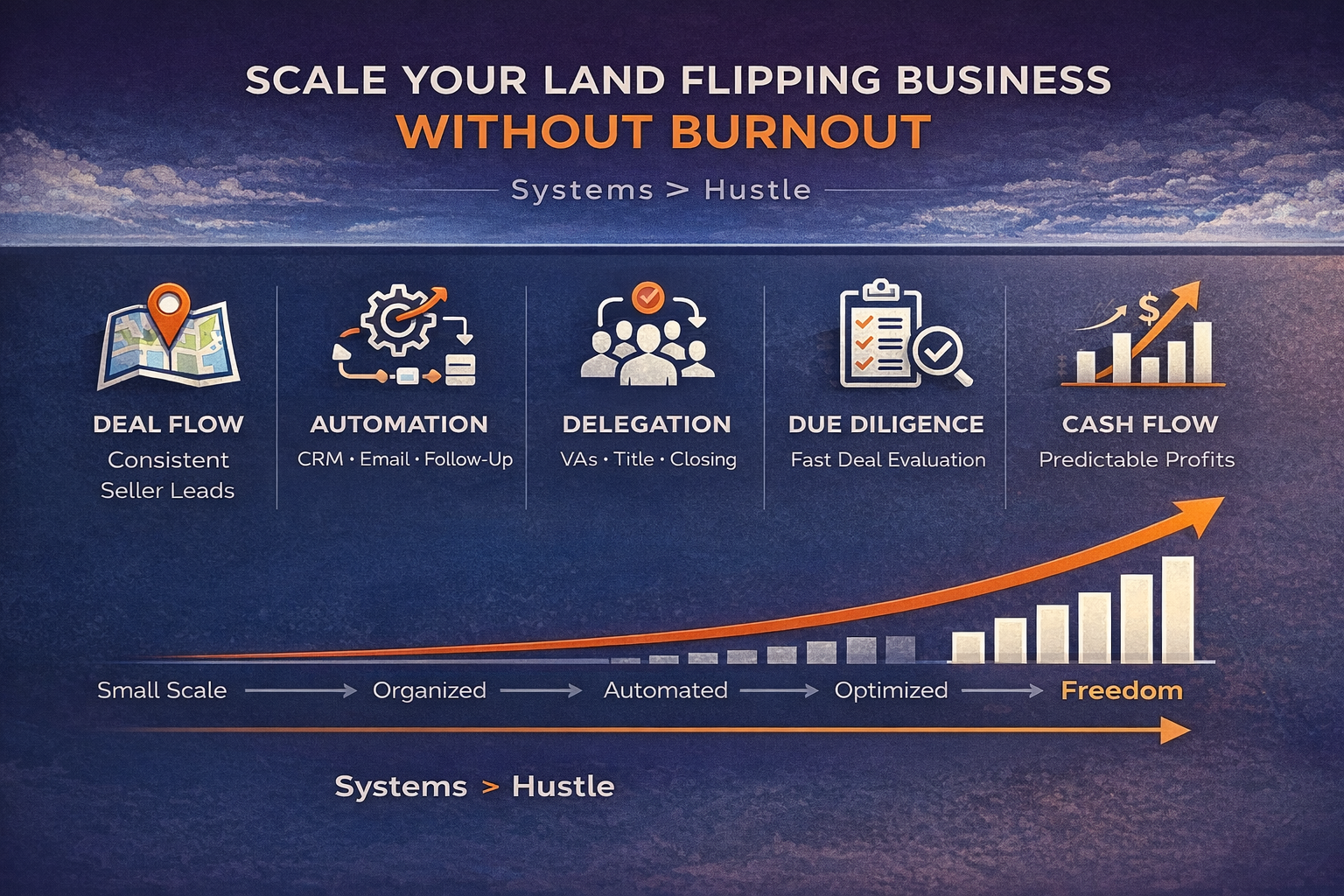

The Smart Way to Scale a Land Flipping Business Without Burnout — this guide provides clear, practical guidance and answers the most common questions, followed by detailed steps, tips, and key considerations to help you make confident decisions.
What is Land Flipping and How Does It Work?
Land flipping involves purchasing undervalued land, improving it, and then selling it for a profit. This business model is attractive for its potential high returns and relatively low entry barrier compared to traditional real estate flipping.
Definition of Land Flipping
Land flipping refers to the practice of buying plots of land at a lower price, enhancing their value through various means, and then reselling them at a higher price. Unlike traditional real estate transactions, land flipping often involves minimal renovations, focusing instead on strategic marketing and legal adjustments to maximize sale potential.
How to Identify Profitable Land
Identifying profitable land requires a combination of market research and local knowledge. Investors should look for land in developing areas, evaluate zoning laws, and assess future infrastructure projects. Analyzing comparable sales in the area can also provide insights into potential profitability.
Key Steps in the Land Flipping Process
The land flipping process typically involves several key steps: identifying potential properties, conducting due diligence, purchasing the land, possibly improving it through permits or marketing, and finally, selling it to the right buyer. Effective planning and execution at each stage can significantly enhance overall profitability.
Why is Scaling Important in a Land Flipping Business?
Scaling a land flipping business is crucial for maximizing profits and ensuring sustainability. Growth allows for better resource allocation, increased market reach, and improved brand recognition, all of which are essential for long-term success.
Understanding Business Growth
Business growth refers to the increase in size, revenue, and market share of a business. For land flippers, this means expanding their portfolio of properties, increasing the volume of transactions, and enhancing their operational capabilities. Growth can lead to economies of scale, reducing costs and increasing profitability.
Benefits of Scaling
Scaling a land flipping business provides numerous benefits, including enhanced negotiation power, increased brand awareness, and access to better financing options. Larger operations can also invest in technology and marketing, further driving growth and efficiency. Overall, scaling can lead to greater market stability and resilience against economic fluctuations.
Challenges of Not Scaling
Failure to scale can leave a land flipping business vulnerable to competition and market changes. Without growth, businesses may struggle with cash flow, miss out on lucrative opportunities, and fall behind in adopting new technologies. Additionally, stagnation can lead to burnout among owners and employees, further impeding progress.
What Are the Signs You’re Experiencing Burnout?
Burnout manifests through physical, emotional, and mental exhaustion, often affecting productivity and decision-making. Recognizing these signs early can help land flippers implement necessary changes to maintain their well-being and business efficiency.
Identifying Burnout Symptoms
Common symptoms of burnout include chronic fatigue, irritability, decreased motivation, and a sense of detachment from work. Land flippers may find themselves overwhelmed by daily tasks, leading to a decline in their overall performance. Regular self-assessment can help identify these symptoms before they escalate.
Impact of Burnout on Business
Burnout can significantly impact a land flipping business by reducing productivity, leading to poor decision-making, and causing strained interpersonal relationships. The quality of work suffers, which can affect profitability and lead to missed opportunities in a competitive market. Recognizing and addressing burnout is vital for sustained success.
How to Monitor Your Well-being
Monitoring well-being involves regular self-checks and establishing healthy routines. Land flippers can benefit from setting aside time for reflection, engaging in physical activities, and ensuring a work-life balance. Implementing tools like journals or wellness apps can also help track mental and emotional health effectively.
How Can You Create a Sustainable Business Model?
Creating a sustainable business model involves defining clear goals, establishing a budget, and understanding market trends. A well-structured model ensures long-term viability and adaptability in a fluctuating market.
Defining Your Business Goals
Clearly defined business goals provide direction and motivation. For land flippers, goals could involve specific revenue targets, the number of properties to flip, or expansion into new markets. Setting SMART (Specific, Measurable, Achievable, Relevant, Time-bound) goals can enhance focus and accountability.
Establishing a Budget
Establishing a budget is essential for managing finances effectively. Land flippers should outline costs associated with purchasing, improving, and marketing properties. Regularly reviewing and adjusting the budget can help maintain financial health and ensure Resources are allocated efficiently.
Understanding Market Trends
Staying informed about market trends is crucial for making informed decisions. Land flippers should regularly analyze data on property values, buyer preferences, and economic indicators. Utilizing market research tools can provide valuable insights and help anticipate changes in demand.
What Tools and Technologies Can Help You Scale?
Various tools and technologies can facilitate scaling in a land flipping business, including real estate software, automated marketing tools, and data analytics platforms. Leveraging these resources can enhance efficiency and decision-making.
Real Estate Software Options
Real estate software can streamline operations by providing features such as transaction management, customer relationship management (CRM), and property listing services. Popular options like Zillow and Redfin offer extensive databases and user-friendly interfaces, making property searches more efficient.
Automated Marketing Tools
Automated marketing tools help land flippers reach potential buyers effectively. Platforms like Mailchimp and HubSpot allow for targeted email campaigns and social media marketing automation. This enables businesses to maintain consistent communication without overwhelming workloads.
Data Analytics Platforms
Data analytics platforms can provide vital insights into market trends and customer behavior. Tools like Google Analytics or Tableau help land flippers analyze their marketing efforts, optimize strategies, and make data-driven decisions to improve performance and profitability.
How to Build a Reliable Team for Your Land Flipping Business?
Building a reliable team involves hiring the right people, delegating tasks effectively, and fostering a positive work culture. A strong team can enhance productivity and drive business growth.
Hiring the Right People
Hiring the right people is critical for success. Land flippers should look for candidates with relevant experience, strong communication skills, and a passion for the industry. Implementing a thorough interview process and utilizing assessments can help identify the best fit for the team.
Delegating Tasks Effectively
Effective delegation can significantly improve overall efficiency. Land flippers should identify individual strengths and assign tasks accordingly, allowing team members to take ownership of their responsibilities. This not only enhances productivity but also fosters a sense of accountability within the team.
Creating a Positive Work Culture
A positive work culture encourages collaboration, innovation, and job satisfaction. Land flippers can cultivate this by promoting open communication, recognizing achievements, and providing opportunities for professional development. A supportive environment leads to higher employee retention and better performance.
What Marketing Strategies Are Effective for Land Flipping?
Effective marketing strategies for land flipping include social media marketing, email campaigns, and SEO-focused content marketing. These approaches can enhance visibility and attract potential buyers.
Social Media Marketing
Social media marketing is a powerful tool for reaching a broader audience. Platforms like Facebook, Instagram, and LinkedIn allow land flippers to showcase properties, engage with potential buyers, and build a community. Regular posting, targeted ads, and engaging content can maximize outreach.
Email Campaigns
Email campaigns can be an effective way to nurture leads and maintain relationships with past clients. Land flippers can segment their email lists based on preferences and send personalized content, including property listings and market updates. This approach fosters engagement and keeps the business top-of-mind for potential buyers.
SEO and Content Marketing
Implementing SEO strategies and content marketing can significantly improve online visibility. Land flippers should focus on creating valuable content that addresses buyer questions and concerns. Utilizing keywords that resonate with the target audience can enhance search engine rankings and drive traffic to their websites.
How to Find and Acquire New Properties Efficiently?
Finding and acquiring new properties efficiently involves networking with other investors, utilizing online listings, and attending auctions. These methods can yield profitable opportunities and expand a land flipper’s portfolio.
Networking with Other Investors
Networking is vital for discovering new properties and gaining insights from experienced investors. Land flippers should attend industry meetups, join local real estate groups, and engage in online forums. Building relationships can lead to partnerships and access to off-market deals.
Utilizing Online Listings
Online listings provide a wealth of information about available properties. Websites like Zillow, Realtor.com, and Craigslist offer extensive databases that land flippers can search to find undervalued or distressed properties. Setting up alerts for specific criteria can streamline the property search process.
Attending Auctions
Attending property auctions can uncover unique opportunities not available through traditional sales channels. Land flippers should research upcoming auctions, understand bidding strategies, and be prepared to act quickly. Auctions often present opportunities for significant bargains, especially for motivated sellers.
What Role Does Networking Play in Scaling Your Business?
Networking plays a crucial role in scaling a land flipping business by fostering relationships that can lead to new opportunities, partnerships, and resources. Strong connections can enhance credibility and provide valuable market insights.
Building Relationships with Other Investors
Building relationships with fellow investors can lead to collaborative opportunities and shared knowledge. Land flippers should actively participate in networking events, online forums, and local meetups to expand their connections. These relationships can result in joint ventures, mentorships, and referrals.
Joining Professional Organizations
Joining professional organizations can provide access to valuable resources and industry insights. Organizations like the National Association of Realtors (NAR) offer networking events, educational resources, and advocacy for real estate professionals. Membership can enhance credibility and provide networking opportunities.
Leveraging Local Resources
Leveraging local resources, such as chambers of commerce and real estate investment groups, can enhance community connections. Engaging with local professionals can provide insights into market trends and opportunities that might not be widely advertised. Building a local presence can significantly benefit a land flipping business.
How Can You Optimize Your Workflow for Better Efficiency?
Optimizing workflow involves creating standard operating procedures, utilizing checklists and templates, and implementing effective time management techniques. Streamlining processes can boost productivity and reduce burnout.
Creating Standard Operating Procedures
Standard operating procedures (SOPs) provide clear guidelines for tasks and processes. Land flippers should document their workflows, ensuring consistency and efficiency. SOPs can help train new team members and reduce errors, leading to a smoother operational flow.
Utilizing Checklists and Templates
Checklists and templates can simplify complex tasks and ensure nothing is overlooked. Land flippers can create templates for property evaluations, marketing campaigns, and financial assessments. Utilizing these tools can save time and enhance overall efficiency.
Time Management Techniques
Effective time management techniques, such as time-blocking and prioritization, can significantly improve productivity. Land flippers should identify their most critical tasks and allocate time accordingly, minimizing distractions. Regularly reviewing and adjusting priorities can help maintain focus on high-impact activities.
What Financial Strategies Can Help You Scale Without Debt?
Financial strategies that encourage scaling without accumulating debt include reinvesting profits, exploring alternative funding options, and managing cash flow effectively. These approaches can support sustainable growth.
Reinvesting Profits
Reinvesting profits back into the business is a key strategy for sustainable growth. Land flippers should allocate a portion of their earnings towards acquiring new properties, improving existing ones, and enhancing marketing efforts. This approach allows for compounding growth without relying on external financing.
Exploring Alternative Funding Options
Exploring alternative funding options can provide the necessary capital without incurring debt. Strategies may include partnering with investors, utilizing crowdfunding platforms, or seeking out grants and subsidies. These avenues can support expansion while maintaining financial health.
Managing Cash Flow
Effective cash flow management is essential for scaling without debt. Land flippers should regularly monitor cash inflows and outflows, ensuring they have sufficient liquidity to cover operational costs and seize opportunities. Implementing budgeting tools can assist in maintaining financial stability.
How to Set Realistic Goals for Your Business Growth?
Setting realistic goals involves utilizing the SMART goal-setting framework, tracking progress, and adjusting goals as needed. Clear objectives provide direction and motivation for continuous improvement.
SMART Goal Setting Framework
The SMART goal-setting framework emphasizes creating goals that are Specific, Measurable, Achievable, Relevant, and Time-bound. For land flippers, this means outlining precise targets, such as the number of properties to flip within a specific timeframe. This structured approach enhances accountability and clarity.
Tracking Progress
Regularly tracking progress is vital for staying on course. Land flippers should establish key performance indicators (KPIs) to measure success against their goals. Implementing project management tools can help visualize progress and identify areas needing attention or adjustment.
Adjusting Goals as Needed
Flexibility is essential in business, as market conditions and personal circumstances can change. Land flippers should regularly assess their goals and make adjustments based on performance and external factors. This adaptability ensures ongoing relevance and motivation.
What Are the Risks Involved in Scaling a Land Flipping Business?
Scaling a land flipping business comes with inherent risks, including market fluctuations, overextending resources, and legal considerations. Understanding these risks is vital for effective risk management.
Market Fluctuations
Market fluctuations can significantly impact property values and demand. Land flippers must stay informed about economic indicators, interest rates, and local market trends. This knowledge can help mitigate risks associated with purchasing properties at unfavorable times.
Overextending Resources
Overextending resources can lead to operational inefficiencies and financial strain. Land flippers should carefully evaluate their capacity before pursuing aggressive growth strategies. Maintaining a balanced approach ensures that quality and service levels are not compromised.
Legal Considerations
Legal considerations, such as zoning laws and property regulations, can pose challenges for land flippers. Failure to comply with legal requirements can result in fines or hinder business operations. It’s crucial to conduct thorough due diligence to avoid potential legal pitfalls.
How Can You Maintain Work-Life Balance While Scaling?
Maintaining work-life balance while scaling involves setting boundaries, prioritizing self-care, and allowing time off. A healthy balance is essential for sustained performance and avoiding burnout.
Setting Boundaries
Setting boundaries between work and personal life is crucial for maintaining balance. Land flippers should establish specific work hours and avoid bringing work into personal time. Communicating these boundaries to team members and clients can help manage expectations and reduce stress.
Prioritizing Self-Care
Prioritizing self-care is vital for mental and physical well-being. Land flippers should engage in regular exercise, practice mindfulness, and allocate time for hobbies and relaxation. A healthy lifestyle contributes to better focus and productivity in business activities.
Time Off and Downtime
Taking time off is essential for recharging and maintaining motivation. Land flippers should schedule regular breaks and vacations to disconnect from work. Downtime allows for reflection, creativity, and rejuvenation, leading to improved performance when returning to business activities.
What Are the Best Practices for Property Evaluation?
Best practices for property evaluation include conducting thorough market research, understanding property values, and assessing potential ROI. A comprehensive evaluation process is essential for making informed purchasing decisions.
Conducting Market Research
Conducting market research is critical for understanding local trends and buyer preferences. Land flippers should analyze recent sales, pricing trends, and neighborhood dynamics. This information can inform pricing strategies and help identify undervalued properties.
Understanding Property Values
Understanding property values involves assessing various factors, including location, size, zoning, and potential development opportunities. Land flippers should compare similar properties and utilize valuation tools to determine fair market value. Accurate property valuation is crucial for negotiating and maximizing profits.
Assessing Potential ROI
Assessing potential ROI involves analyzing expected costs versus projected returns. Land flippers should factor in acquisition costs, renovation expenses, and marketing costs to estimate profitability. A comprehensive ROI analysis helps in making informed investment decisions and prioritizing high-return opportunities.
How to Leverage Technology for Property Management?
Leveraging technology for property management includes using property management software, CRM tools, and tracking leads and sales. These technologies can enhance efficiency and streamline operations.
Property Management Software
Property management software can simplify various tasks, including tenant management, lease tracking, and maintenance requests. Platforms like Buildium or AppFolio offer comprehensive solutions that can save time and improve organization for land flippers managing multiple properties.
Using CRM Tools
Utilizing CRM tools helps land flippers manage client relationships effectively. These systems allow for tracking interactions, managing lead information, and automating follow-ups. A robust CRM can enhance customer service and lead conversion rates.
Tracking Leads and Sales
Tracking leads and sales is crucial for evaluating marketing effectiveness and sales performance. Land flippers should implement tracking systems to monitor lead sources, conversion rates, and sales metrics. Analyzing this data can inform marketing strategies and improve overall efficiency.
What Are the Key Financial Metrics to Monitor?
Key financial metrics to monitor include profit margins, return on investment (ROI), and cash flow analysis. Regularly reviewing these metrics can provide insights into the business’s financial health and growth potential.
Profit Margins
Profit margins indicate the percentage of revenue exceeding costs. Land flippers should calculate gross and net profit margins to gauge overall profitability. Monitoring these metrics can help identify areas for cost reduction and pricing adjustments.
Return on Investment
Return on investment (ROI) measures the profitability of an investment relative to its cost. Land flippers should calculate ROI for each property transaction to evaluate success and inform future investment decisions. A high ROI indicates efficient use of capital and effective investment strategies.
Cash Flow Analysis
Cash flow analysis is essential for ensuring sufficient liquidity to cover operational costs. Land flippers should regularly assess cash inflows and outflows, identifying patterns and potential shortfalls. Positive cash flow is vital for sustaining business operations and funding growth initiatives.
How Can You Use Social Proof to Build Trust?
Using social proof to build trust involves gathering testimonials, showcasing success stories, and establishing a strong online presence. Leveraging positive feedback can enhance credibility and attract potential buyers.
Gathering Testimonials
Gathering testimonials from satisfied clients can significantly boost credibility. Land flippers should actively request feedback after transactions and display positive reviews on their websites and marketing materials. Authentic testimonials can influence potential buyers’ decisions and enhance trust in the business.
Showcasing Success Stories
Showcasing success stories highlights the effectiveness of a land flipper’s strategies. By sharing case studies of profitable flips, land flippers can demonstrate their expertise and attract interest from potential clients. Visual content, such as before-and-after photos, can enhance engagement.
Building a Strong Online Presence
Building a strong online presence is crucial in establishing trust and visibility. Land flippers should maintain active social media profiles, create informative content, and engage with their audience. A professional online presence can foster positive relationships and enhance the overall brand image.
What Are the Common Mistakes to Avoid When Scaling?
Common mistakes to avoid when scaling include underestimating costs, neglecting marketing efforts, and ignoring customer feedback. Being aware of these pitfalls can help land flippers navigate growth more effectively.
Underestimating Costs
Underestimating costs can lead to budget overruns and financial strain. Land flippers should conduct thorough financial analyses and account for all expenses, including hidden costs. Accurate budgeting is essential for sustainable growth and profitability.
Neglecting Marketing
Neglecting marketing efforts can hinder growth and limit visibility. Land flippers should prioritize marketing strategies and allocate resources to reach potential buyers effectively. A robust marketing plan is essential for attracting leads and closing sales.
Ignoring Customer Feedback
Ignoring customer feedback can result in missed opportunities for improvement. Land flippers should actively seek and analyze feedback from clients to identify areas for enhancement. Incorporating client insights can lead to better service and increased customer satisfaction.
How to Stay Motivated During the Scaling Process?
Staying motivated during the scaling process involves setting milestones, celebrating small wins, and finding a mentor. Maintaining motivation is vital for navigating challenges and sustaining growth.
Setting Milestones
Setting milestones provides clear objectives and a sense of accomplishment. Land flippers should outline specific targets and timelines to track progress. Celebrating these milestones can foster motivation and reinforce a sense of achievement.
Celebrating Small Wins
Celebrating small wins reinforces positive behavior and motivation. Land flippers should acknowledge achievements, whether closing a sale or successfully completing a renovation. Recognizing these victories can boost morale and encourage continued effort.
Finding a Mentor
Finding a mentor can provide valuable guidance and support during the scaling process. Experienced mentors can offer insights, advice, and encouragement, helping land flippers navigate challenges and develop effective strategies. Building a mentor relationship can enhance personal and professional growth.
What Role Does Continuous Learning Play in Growth?
Continuous learning is vital for growth, as it enables land flippers to stay updated with industry trends, invest in training, and learn from failures. Ongoing education fosters adaptability and enhances business operations.
Staying Updated with Industry Trends
Staying updated with industry trends allows land flippers to remain competitive and responsive to market changes. Reading industry publications, attending conferences, and participating in webinars can provide valuable insights. Keeping abreast of trends ensures informed decision-making and strategic planning.
Investing in Training and Development
Investing in training and development enhances skills and knowledge. Land flippers should seek out courses, workshops, and certifications relevant to their business. Continuous education fosters innovation and can improve operational efficiency.
Learning from Failures
Learning from failures is crucial for growth and resilience. Land flippers should analyze unsuccessful deals and identify lessons learned. Embracing a growth mindset allows for improvement and better decision-making in future endeavors.
How Can You Develop a Strong Brand Identity?
Developing a strong brand identity involves creating a unique value proposition, designing effective branding materials, and engaging with your audience. A compelling brand can differentiate a business in a competitive market.
Creating a Unique Value Proposition
A unique value proposition clearly communicates what sets a business apart. Land flippers should identify their strengths and how they address client needs. Articulating this value proposition effectively can attract potential buyers and foster loyalty.
Designing Effective Branding Materials
Effective branding materials, such as logos, brochures, and business cards, enhance recognition and professionalism. Land flippers should invest in quality design that reflects their brand values and resonates with their target audience. Consistency across all materials reinforces brand identity.
Engaging with Your Audience
Engaging with the audience fosters relationships and builds trust. Land flippers should utilize social media, email marketing, and community involvement to connect with potential buyers. Active engagement enhances brand loyalty and encourages referrals.
What Are the Benefits of Joining a Land Flipping Community?
Joining a land flipping community offers access to resources, support from peers, and networking opportunities. These benefits can enhance knowledge and foster growth in the industry.
Access to Resources and Knowledge
Access to resources and knowledge is invaluable for land flippers. Communities often provide educational materials, industry insights, and best practices that can enhance operational efficiency. Leveraging shared knowledge can lead to better decision-making.
Support from Peers
Support from peers fosters a sense of belonging and motivation. Engaging with fellow land flippers allows for sharing experiences, challenges, and solutions. This camaraderie can provide encouragement and insights that facilitate growth.
Networking Opportunities
Networking opportunities within a community can lead to collaborative ventures and partnerships. Land flippers can connect with potential investors, mentors, and partners, expanding their professional network. These connections can be instrumental in finding new deals and resources.
How Can You Use Customer Feedback to Improve Your Business?
Using customer feedback effectively involves collecting feedback, analyzing customer insights, and implementing changes based on responses. This approach can enhance service quality and client satisfaction.
Collecting Feedback Effectively
Collecting feedback effectively requires utilizing various methods, such as surveys, interviews, and online reviews. Land flippers should actively seek input from clients after transactions. A structured approach to feedback collection can yield valuable insights for improvement.
Analyzing Customer Insights
Analyzing customer insights involves interpreting feedback to identify trends and areas for enhancement. Land flippers should categorize feedback and prioritize common themes. This analysis can inform strategic decisions and prioritize changes that resonate with clients.
Implementing Changes
Implementing changes based on customer feedback demonstrates responsiveness and commitment to improvement. Land flippers should communicate any adjustments made in response to feedback, reinforcing a customer-centric approach. This responsiveness can enhance client loyalty and satisfaction.
What Strategies Can Help You Scale While Minimizing Stress?
Strategies to scale while minimizing stress include prioritizing tasks, implementing time-blocking, and utilizing stress-reduction techniques. These approaches foster a healthier work environment and enhance productivity.
Prioritizing Tasks
Prioritizing tasks involves identifying the most critical activities that drive business success. Land flippers should utilize tools like the Eisenhower Matrix to distinguish between urgent and important tasks. Focusing on high-impact activities can enhance efficiency and reduce overwhelm.
Implementing Time-Blocking
Time-blocking is a time management technique that allocates specific time slots for tasks. Land flippers can block out dedicated time for property evaluations, meetings, and marketing efforts. This structured approach minimizes distractions and promotes focused work periods.
Using Stress-Reduction Techniques
Implementing stress-reduction techniques, such as mindfulness, exercise, and breaks, can enhance overall well-being. Land flippers should prioritize self-care and incorporate relaxation practices into their routines. A balanced approach to stress management fosters resilience and productivity.
How Do You Know When It’s Time to Scale Your Business?
Knowing when it’s time to scale involves evaluating business performance, identifying growth opportunities, and assessing personal readiness. Recognizing these factors can facilitate timely and effective expansion.
Evaluating Business Performance
Evaluating business performance involves analyzing financial metrics, customer satisfaction, and operational efficiency. Land flippers should regularly review their performance against established goals. Positive trends and consistent growth signals readiness for scaling.
Identifying Growth Opportunities
Identifying growth opportunities requires staying informed about market trends and consumer demands. Land flippers should actively seek new markets, niches, or partnerships that can enhance their portfolio. Spotting and acting on these opportunities is essential for successful scaling.
Assessing Personal Readiness
Assessing personal readiness is crucial for sustainable scaling. Land flippers should evaluate their capacity to manage increased responsibilities and stress. Ensuring a strong support system and well-defined processes can enhance personal readiness for expansion.
What Are the Long-Term Benefits of Scaling Sustainably?
Long-term benefits of scaling sustainably include building a lasting business, creating job opportunities, and contributing to the community. These advantages foster stability and positive impact.
Building a Lasting Business
Building a lasting business involves creating a strong foundation for future growth. Sustainable scaling strategies ensure resilience against market fluctuations and changing consumer preferences. A well-established business can thrive in the long run and adapt to evolving challenges.
Creating Job Opportunities
Creating job opportunities contributes to economic growth and community development. As land flipping businesses expand, they can hire more employees, supporting local economies. This positive impact enhances the brand’s reputation and fosters goodwill.
Contributing to the Community
Contributing to the community enhances a business’s social responsibility profile. Land flippers can engage in initiatives that support local causes, such as affordable housing projects or environmental conservation efforts. Building strong community ties can strengthen brand loyalty and create lasting relationships.
Mini FAQ
What is land flipping? Land flipping involves purchasing undervalued land, enhancing its value, and reselling it for a profit.
Why is scaling important for a land flipping business? Scaling maximizes profits, enhances market reach, and improves brand recognition.
What are the signs of burnout? Symptoms include chronic fatigue, irritability, decreased motivation, and detachment from work.
How can technology assist in scaling? Technology can streamline operations through software for property management, marketing automation, and data analytics.
What financial strategies support growth without debt? Reinvesting profits, exploring alternative funding, and managing cash flow effectively are key strategies.
How can networking benefit a land flipping business? Networking fosters relationships that can lead to new opportunities, partnerships, and resources.
What are effective marketing strategies for land flipping? Effective strategies include social media marketing, email campaigns, and SEO-focused content marketing.